주요 콘텐츠로 건너뛰기

동남아시아: 미얀마 로힝야족, 해상에서 끔찍한 인권침해에 시달려

지역

동남아시아: 미얀마 로힝야족, 해상에서 끔찍한 인권침해에 시달려

익명 (미확인) | 금, 2015/10/23- 10:57

01425_SEA_Graphics_FB1

  • 인신매매와 청부살인 및 폭행의 대상이 되거나, 참혹한 환경에 갇혀 있어야 하는 성인 남녀와 어린이들
  • 당초 예상보다 수백 혹은 수천 명 이상의 해상 난민과 이주민이 익사했을 우려
  • 다시 “항해기”가 시작되며 벵골 만과 안다만 해의 난민 위기 재발 가능성 커져

올해 초 미얀마에서 박해를 피하기 위해 난민이 된 로힝야족 성인 남녀와 어린이들이 몸값을 지불하지 못한 경우 인신매매업자들에게 살해되거나 심한 폭행을 당했고, 참혹하고 비인도적인 환경에 갇혀 있었다고 국제앰네스티가 21일 발표한 신규 보고서를 통해 밝혔다.

보고서 <죽음의 여정: 동남아시아의 난민과 인신매매 위기(영문)>는 로힝야족 난민 100명 이상과 나눈 인터뷰 내용을 바탕으로 하고 있다. 미얀마와 방글라데시에서 안다만 해를 건너 인도네시아에 도착한 이들 난민 중 다수가 어린이였으며, 대부분이 인신매매 피해자였다.

우기가 끝나고 이미 “항해기”가 시작된 가운데, 수천여 명 이상이 또다시 뱃길에 오를 것으로 예상된다. 국제앰네스티는 동남아시아 지역 국가에 난민 위기 대책을 시급히 마련할 것을 촉구한다.

안나 시어(Anna Shea) 국제앰네스티 난민 조사관은 “벵골 만과 안다만 해상에서 배 안에 갇힌 로힝야족 난민들이 매일같이 당하는 신체적 폭행은 말로 표현하기조차 끔찍한 수준이다. 이들은 미얀마는 탈출했지만, 또 다른 악몽과 맞바꾼 것에 불과했다. 어린이들조차 이러한 폭행의 예외는 아니었다”며 “충격적인 점은 인터뷰를 나눈 난민들이 그 중 그나마 해안에 상륙할 수 있었던 ‘운이 좋은’ 경우였으며, 그렇지 못한 수많은 다른 사람들은 바다에서 익사하거나 인신매매를 통해 강제 노역 현장으로 보내졌다는 사실이다. 각국 정부는 이와 같은 인도적 비극이 되풀이되지 않도록 더욱 철저히 대비해야 한다”고 말했다.

2015년 5월, 태국 정부가 인신매매 타도에 나서자 인신매매 업자들이 사람들을 바다 위에 버려두고 떠나면서 수천 명의 난민과 이주민들이 식량과 물, 치료가 절실히 필요한 상태로 수 주 동안 해상에 좌초되는 끔찍한 사건이 벌어졌다.

유엔은 2015년 1월과 6월 사이 최소 370명 이상이 숨진 것으로 추정하고 있으나, 국제앰네스티는 실제 사망자 수가 이보다 훨씬 많을 것으로 보고 있다. 국제앰네스티와 인터뷰를 나눈 목격자들은 난민과 이주민을 가득 실은 채 비슷한 상황에 처했던 배가 수십 척 더 있었다고 증언했지만, 유엔 관계자에 따르면 인도네시아와 말레이시아에 상륙한 배는 다섯 척에 불과했다. 수백, 혹은 수천 명은 여전히 행방을 알 수 없는 상태로, 바다를 건너던 도중 사망했거나 강제노역 현장으로 보내졌을 가능성이 있다.

돈을 노린 폭행과 살인

다수의 로힝야족 사람들은 선원들이 몸값을 지불하지 못한 사람을 살해하는 모습을 목격한 적 있다고 말했다. 인신매매 업자에게 사살되기도 했고, 바다에 던져져 익사하도록 방치되기도 했다. 식량과 물이 부족해서, 또는 질병으로 사망하는 사람들도 있었다.

난민들은 아주 큰 배 안에서 수 개월 동안 갇혀 지내며, 인신매매 업자들이 가족에게 연락해 몸값을 요구하면서 심하게 폭행했다고 증언했다. 한 15세 난민 소녀는 선원들이 방글라데시에 있는 아버지에게 전화를 걸고, 그녀를 폭행하면서 비명소리를 들려준 후, 몸값으로 미화 1,700달러를 지불하게 했다고 말했다.

사실상 모든 로힝야족 성인 남녀와 어린이들이 본인이 구타를 당한 적이 있거나, 다른 사람들이 심각한 신체적 폭행을 당하는 것을 목격한 적이 있다고 증언했다. 사람들은 식량을 구걸하거나, 움직이거나, 화장실 사용을 요청했다는 이유만으로 철봉이나 플라스틱 곤봉으로 몇 시간에 걸쳐 구타를 당했으며, 대부분 그로 인해 장기적인 신체적, 정신적 상처가 남았다.

이러한 폭행은 주로 놀랍게도 규칙적이고 조직적인 방법으로 이루어졌다. 15세 로힝야족 소년은 “아침에는 3번, 오후에는 3번, 밤에는 9번을 때렸다”고 말했다.

본국에서의 박해

로힝야족이 이처럼 절박하게 떠나려 하는 것은 미얀마에서 수십 년 동안 계속되고 있는 로힝야족에 대한 박해와 차별 때문이다. 미얀마는 사실상 로힝야족의 국적을 법적으로 인정하지 않고 있다. 가장 최근에는 2012년에도 벌어진 로힝야족에 대한 폭력적인 탄압으로 인해 수만 명이 좁은 수용소에 몰려 절박한 환경 속에서 살아갈 수밖에 없게 되었다.

미얀마 또는 방글라데시의 인신매매 업자에게 납치되었다는 사람들이 있는 반면, 싼 값에 말레이시아로 가는 안전한 경로를 알려주겠다는 말에 속은 사람들도 있었다. 업자들이 강제노역으로 팔아 넘길 대상을 찾기 위해 흔하게 사용하는 수법이다.

안나 시어 조사관은 “로힝야족이 처한 현 상황이 너무나 절박하기 때문에 난민 위기의 근본적인 원인이 해결되지 않는 한 이들은 계속해서 목숨을 걸고 바다를 건너려 할 것이다. 미얀마 정부는 즉시 로힝야족에 대한 박해를 중단해야 할 것”이라고 말했다.

01425_SEA_Graphics_FB2

참혹한 환경

로힝야족 난민들은 바다를 건너는 동안 비인도적이고 굴욕적인 환경에 갇혀 지내야 한다. 좁은 배에 지나치게 많은 난민을 태운 탓에 사람들은 극도로 비좁은 공간에서, 때로는 수 개월 동안을 앉은 채로 보낼 수밖에 없다. 인도네시아 아체 만에서 난민 구조 작업을 도왔던 한 지역 주민은 악취가 너무나 심해 구조대가 배에 탈 수 없을 정도였다고 전했다.

식량과 물도 턱없이 부족해, 하루에 배급 받는 식량은 보통 쌀 한 컵에 불과했다. 인도네시아에 상륙한 로힝야족 대부분이 극도로 쇠약한 상태였고, 오랜 시간 비좁은 공간에 앉아 있었던 탓에 걷기가 힘들었으며, 탈수와 영양실조, 기관지염, 독감에 시달리고 있었다.

인도네시아의 환경

2015년 5월, 인도네시아, 말레이시아, 태국은 난민을 가득 태운 배가 상륙하지 못하도록 돌려보내고, 수만 명의 절박한 난민들이 배에서 내리지 못하게 했다. 이에 대해 국제적인 비난이 잇따르자 인도네시아와 말레이시아는 결국 2016년 5월까지 다른 국가들도 난민을 수용한다는 조건하에 다수의 난민을 받아들이기로 합의했다.

인도네시아는 아체 지역에 수백여 명의 취약한 난민들이 정착할 수 있도록 자원을 투자하고, 지역 시민사회 및 국제기구와 공조해 난민들의 기본생활요건을 충족시킬 수 있도록 노력하고 있는 점에 대해서는 인정받아야 할 것이다. 그러나 정부가 2016년 5월 이후에도 난민 거주를 허용할 것인지에 대해 확인한 바가 없는 만큼, 장기적인 해결 방안에 대해서는 여전히 심각한 문제가 남아 있다.

권고사항

안나 시어 조사관은 “인신매매를 타도하기 위한 동남아시아 지역 국가간의 공조협력 없이는 이 지역에서 가장 취약하고 절박한 상태에 놓인 사람들은 또다시 중대한 인권침해행위의 피해자가 될 것”이라며 “각국 정부는 인신매매업자들이 지난 2015년 5월과 같이 사람의 생명이나 인권을 위험에 빠뜨리지 못하도록 대책 마련에 나서야 하고, 또한 해상 수색구조작전 시행을 위해 신속히 행동해야 한다”고 말했다.

국제앰네스티는 동남아시아 지역 국가들에게, 또 다른 해상의 인권 재앙이 벌어질 때까지 기다리지 말고 지금 바로 행동에 나설 것을 촉구한다.
영어전문 보기

Southeast Asia: Persecuted Rohingya refugees from Myanmar suffer horrific abuses at sea

Women, men and children trafficked, held in hellish conditions, beaten or killed for ransom
Fears that hundreds, maybe thousands, more refugees and migrants have perished at sea than first estimated
New “sailing season” crisis looms in Bay of Bengal and Andaman Sea

Rohingya women, men and children attempting to flee persecution in Myanmar by boat earlier this year were killed or severely beaten by human traffickers if their families failed to pay ransoms, and kept in hellish, inhuman conditions, Amnesty International reveals in a new report today.

Deadly journeys: The refugee and trafficking crisis in Southeast Asia is based on interviews with more than 100 Rohingya refugees – mainly victims of human trafficking, and many of them children – who reached Indonesia after fleeing Myanmar or Bangladesh across the Andaman Sea.

With the monsoon over and a new “sailing season” already underway, thousands more could be taking to boats. Amnesty International is urging regional governments to urgently step up their response to the crisis.

“The daily physical abuse faced by Rohingya who were trapped on boats in the Bay of Bengal and Andaman Sea is almost too horrific to put into words. They had escaped Myanmar, but had only traded one nightmare for another. Even children were not spared these abuses,” said Anna Shea, Refugee Researcher at Amnesty International.

“The shocking truth is that those we spoke to are the ‘lucky’ ones who made it to shore – countless others perished at sea or were trafficked into forced labour situations. Governments must do more to prevent this human tragedy from recurring.”

The harrowing events that unfolded in May 2015 – triggered by Thailand’s crackdown on human trafficking, and the traffickers’ subsequent abandonment of people at sea – left thousands of refugees and migrants stranded for weeks in desperate need of food, water and medical care.

While the UN estimates that at least 370 people lost their lives between January and June 2015, Amnesty International believes the true figure to be much higher. Eyewitnesses who spoke to Amnesty International saw dozens of large boats full of refugees and migrants in similar circumstances, but only five boats landed in Indonesia and Malaysia according to UN sources. Hundreds – if not thousands – of people remain unaccounted for, and may have died during their journeys or been sold for forced labour.

Deaths and beatings for money

Many Rohingya said that they had seen crew members kill people when their families failed to pay ransoms. Some people were shot by the traffickers on the boats while others were thrown overboard and left to drown. Others died because of lack of food and water or disease.

Refugees described how they were kept for months on very large boats and severely beaten while traffickers contacted their family members, demanding a ransom. One 15-year-old Rohingya girl said the crew called her father in Bangladesh, made him listen to her cries while they beat her, and told him to pay them about USD 1,700.

Virtually every Rohingya woman, man and child said they had either been beaten themselves or seen others suffer serious physical abuse. People were beaten with metal or plastic batons – sometimes for several hours – simply for begging for food, moving or asking to use the toilet. Many have been left with long-term physical or psychological scars from the violence.

Beatings were often carried out in a chillingly routine and systematic way. One 15-year old Rohingya boy said: “In the morning you were hit three times. In the afternoon you were hit three times. At night you were hit nine times.”

Persecuted at home

The Rohingyas’ desperation stems from decades of persecution and discrimination in Myanmar, where they are effectively denied citizenship under national law. Waves of violence against the Rohingya, most recently erupting in 2012, have forced tens of thousands into overcrowded camps where they live in desperate conditions.

Some people said that they had been abducted by traffickers in Myanmar or Bangladesh, whereas others had been promised a safe passage to Malaysia for a nominal fee – a tactic commonly used by traffickers looking to coerce people into forced labour.

“The Rohingya are so desperate that they will continue to risk their lives at sea until the root causes of this crisis are addressed – the Myanmar government must immediately end its persecution of the Rohingya,” said Anna Shea.

Hellish conditions

The Rohingya were kept in inhuman and degrading conditions during their journeys. Boats were severely overcrowded, with people forced to sit in extremely cramped positions, sometimes for months on end. A local man who helped rescue people off the coast of Aceh in Indonesia said that the stench was so bad that rescuers could not board.

Food and water was severely lacking and rations usually consisted of a small cup of rice per day. Many of the Rohingya who reached Indonesia were emaciated, had difficulty walking after being cramped for so long, and suffered from dehydration, malnourishment, bronchitis, and flu.

Conditions in Indonesia

In May 2015, Indonesia, Malaysia and Thailand initially pushed overcrowded vessels back from their shores and prevented thousands of desperate passengers from disembarking. Following international criticism, Indonesia and Malaysia eventually agreed to admit a number of asylum-seekers, on the condition that another country accept them by May 2016.

Indonesia should be recognized for devoting resources to housing hundreds of vulnerable people in its Aceh province, and working to fulfill their basic needs in cooperation with local civil society and international agencies. But there are serious unanswered questions about a long-term solution, as the government has not clarified whether the refugees can stay beyond May 2016.

Recommendations

“Without cooperation between governments to combat human trafficking, grave human rights abuses will again be perpetrated against some of Southeast Asia’s most vulnerable and desperate people,” said Anna Shea.

“Governments must ensure that initiatives against traffickers do not put people’s lives or human rights at risk, which is what happened in May 2015. They must also act quickly to implement maritime search and rescue operations.”

Amnesty International is urging Southeast Asian states to act now, and not wait for another human rights disaster at sea.


시민들의 의견

댓글 달기

Plain text

  • 웹 페이지 주소 및 이메일 주소는 자동으로 링크로 전환됩니다.
  • 줄과 단락은 자동으로 분리됩니다.
  • 사용할 수 있는 HTML 태그: <a href hreflang> <em> <strong> <cite> <blockquote cite> <code> <ul type> <ol start type> <li> <dl> <dt> <dd>
이미지
무제한 수의 파일을 이 필드에 업로드할 수 있습니다.
50 MB 한계입니다.
허용된 유형: png gif jpg jpeg.
Enter the YouTube URL. Valid URL formats include: http://www.youtube.com/watch?v=1SqBdS0XkV4 and http://youtu.be/1SqBdS0XkV4.
CAPTCHA
스펨 사용자 차단 질문
© Amnesty International

© Amnesty International

3월 8일 EU 정상들과 터키 간 회담 이후에 국제앰네스티는 난민 재정착에 무조건적인 노력을 기울이고 유럽으로 향하는 안전하고 합법적인 경로를 제공해야 하는데, 그 대신 난민과 이주민들을 터키에 돌려보내는 방법에만 계속해서 집착하는 것은 난민 위기에 충격적일 만큼 근시안적이고 비인도적인 태도를 보여주는 것이라고 밝혔다.

아흐메트 다부토울루 터키 총리와 도널드 투스크 EU 상임의장, 장 클로드 융커 유럽집행위원회(EC) 회장은 3월 17일과 18일 열리는 EU 정상회담에 앞서 EU-터키간 최종 합의를 위한 난민 대응 계획의 윤곽을 공유했다.

그리스의 시리아 난민 전원을 터키로 돌려보내고 일부의 난민만을 유럽에 수용하겠다는 이번 계획은 윤리적, 법적 문제를 초래한다. 유럽에서 제공되는 시리아 난민 재정착지는 목숨을 걸고 위험한 뱃길에 올라 그리스로 향했던 시리아 난민들을 대가로 한 것이다.

이베르나 맥고완(Iverna McGowan) 국제앰네스티 유럽국장은 “EU와 터키 정상들은 이날 회담에서 사실상 세계에서 가장 취약한 사람들의 존엄성과 인권을 거래 수단으로 팔아 넘기며 최악의 모습을 보였다. 난민과 난민을 맞교환한다는 발상은 위험하리만치 비인간적일뿐만 아니라, 당면한 인도주의적 위기에 대해 장기적으로 지속가능한 해결책이 될 수도 없다”고 말했다.

“난민과 난민을 맞교환한다는 발상은 위험하리만치 비인간적일뿐만 아니라, 당면한 인도주의적 위기에 대해 장기적으로 지속가능한 해결책이 될 수도 없다”
– 이베르나 맥고완(Iverna McGowan), 국제앰네스티 유럽국장

이번 계획이 국제법상 적법한가 하는 의혹에 대해 EU 정상들은 EU법상 터키가 ‘안전 국가’로 지정되면 가능할 것이라고 답했다.

국제앰네스티는 ‘안전한 제3국’이라는 개념에 강력히 이의를 제기한다. 충분하고 공정한 절차를 거쳐 망명 신청이 받아들여져야 할 권리를 침해함은 물론, 이후 본국으로 강제송환되는 결과로 이어져 강제송환을 금지하는 농르풀망 원칙을 위반할 수 있기 때문이다. 특히 터키는 현재 국내 상황과 이주민과 난민에 대한 처우를 봤을 때 상당한 우려를 낳고 있다.

맥고완 국장은 “터키는 시리아 난민들을 시리아로 강제송환시켰던 바 있고, 지금도 수많은 난민들이 적절한 주거지 없이 절박한 상황 속에 살아가고 있다. 난민 어린이 수만 명은 정규 교육을 받지 못하는 상태다. 유럽이 편리하게 의무를 떠넘길 수 있는 ‘안전한 제3국’으로 간주하기에는 아무리 생각해도 불가능한 일”이라고 덧붙였다.

시리아 난민이 아니더라도 국제적인 보호가 필요한 사람들은 터키로 송환하지 않겠다고 주장하고는 있으나, 대규모로 송환이 이루어지는 제도하에서 이러한 일부 개개인의 권리를 어떻게 보장할 것인가에 대해서는 분명한 설명이 부족한 상태다. 모든 난민들이 시리아 출신이 아니라는 것과, 터키의 난민 제도는 제대로 기능하지 않고 있다는 것이 현재 닥친 현실이다.

이번 계획은 망명 신청이 가능하게 해야 할 EU의 의무를 완전히 웃음거리로 만들었다. 누구든 공정하고 강력한 망명 신청 절차를 밟을 권리가 있다는 원칙에 기반하지 않은 송환 제도는 매우 큰 문제의 소지가 있다.

맥고완 국장은 “이라크와 아프가니스탄 난민들은 시리아 난민과 함께 그리스에 도착하는 난민들 중 약 90%를 차지한다. 이들이 국제적인 보호를 강력히 요구한다는 것을 알면서도 터키로 돌려보낸다면 난민 인권을 존중하겠다는 EU의 주장이 허황됨을 드러낼 뿐”이라고 말했다.

투스크 의장은 또한 서부 발칸반도 지역의 입국 경로를 폐쇄할 것이라고도 언급했다. 이 경로를 차단할 경우 수천여 명의 난민들이 추위 속에서 계획도 없이 시급한 인도적 요구와 국제적으로 보호받을 권리로부터 방치되는 결과로 이어진다.

유럽연합과 국제사회는 난민 위기를 해소하기 위해 인도적, 재정적 지원을 제공하고 더 많은 수의 난민을 수용해 재정착시키는 등 시급히 행동에 나서야 할 것이다.

영어전문 보기

EU Turkey Summit: EU and Turkish leaders deal death blow to the right to seek asylum

The persistent preoccupation with shipping people back to Turkey instead of making unconditional efforts on resettlement and offering other safe and legal ways to Europe shows an alarmingly short-sighted and inhumane attitude to handling this crisis, said Amnesty International after European Council talks with Turkey today.

Prime Minister of Turkey Ahmet Davutoğlu, President of the European Council Donald Tusk and President of the European Commission Jean Claude Juncker shared the outline of the plan for a final agreement between the EU and Turkey, in advance of the European Council meeting on 17 and 18 March.

The proposal that for every Syrian refugee returned to Turkey from Greece, a Syrian will be settled within the EU is wrought with moral and legal flaws. Unsettlingly, this plan would make every resettlement place offered to a Syrian in the EU contingent upon another Syrian risking their life by embarking on the deadly sea route to Greece.

“EU and Turkish leaders have today sunk to a new low, effectively horse trading away the rights and dignity of some of the world’s most vulnerable people. The idea of bartering refugees for refugees is not only dangerously dehumanising, but also offers no sustainable long term solution to the ongoing humanitarian crisis,” said Iverna McGowan, Head of Amnesty International’s European Institutions Office.

When questioned on the legality of this proposal under international law, EU leaders responded that this would be possible under EU law once Turkey be designated as a ‘safe country’.

Amnesty International strongly contests the concept of a ‘safe third country’ in general, as this undermines the individual right to have asylum claims fully and fairly processed and may result in individuals being subsequently deported to their country of origin – in violation of the principle of non-refoulement. In the case of Turkey in particular, there is huge cause for concern given the current situation and treatment of migrants and refugees.

“Turkey has forcibly returned refugees to Syria and many refugees in the country live in desperate conditions without adequate housing. Hundreds of thousands of refugee children cannot access formal education. By no stretch of imagination can Turkey be considered a ‘safe third country’ that the EU can cosily outsource its obligations to,” she added.

Although it was claimed that those needing international protection that are not Syrian would not be returned to Turkey, it has not been made clear how those individual rights could be guaranteed in the context of a system of mass returns. The reality is that not all asylum seekers are coming from Syria, and Turkey does not have a fully functioning asylum system.

The proposal makes a mockery of the EU’s obligation to provide access to asylum at its borders. Any returns system not built on the principle of an individual’s right to access a fair and robust asylum process is deeply problematic.

“Iraqi and Afghan nationals, along with Syrians, make up around 90 percent of arrivals to Greece. Sending them back to Turkey knowing their strong claim to international protection will most likely never be heard reveals EU claims to respect refugees’ human rights as hollow words,” said Iverna McGowan.

It was also stated by President Tusk that the Western Balkans route would be closed. Closure of this route would lead to thousands of vulnerable people being left in the cold with no clear plan on how their urgent humanitarian needs and rights to international protection would be dealt with.

It is urgent that the European Union and the international community as a whole urgently step up their commitment to solving this crisis, both in terms of humanitarian and other financial assistance and by resettling far greater numbers of refugees.


월, 2016/03/14- 14:07
372
0

최순실 프로젝트마다 대통령 등장해 “소름끼쳤다”

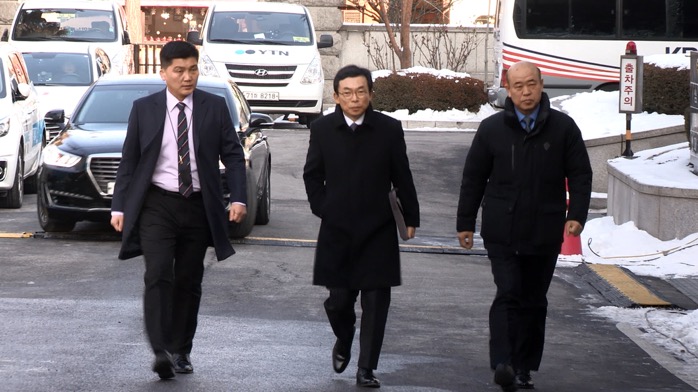
1월 23일 헌법재판소에서 열린 박근혜 대통령 탄핵심판 8차변론에 증인으로 출석한 차은택 씨는 “최순실 씨가 미르재단의 프로젝트를 기획할 때마다 박근혜 대통령이 나타나 홍보에 도움을 줬다”며 당시 이를 보고 “소름이 끼쳤다”고 말했다. 차 씨의 증언에 따르면 미르재단의 주요 프로젝트는 최순실 씨가 메모지에 적어서 가져왔는데, 이 프로젝트를 실현하는 단계가 되면 어김없이 대통령이 나타났다. 차 씨는 최순실 씨가 프로젝트를 할 때마다 “다 필요없다. 대통령이 한 번 나타나는 것보다 좋은 것은 없다”고 말했으며, 실제로 대통령이 등장하는 것을 보면서 ‘소름이 끼쳤다’는 것이다. 차 씨는 미르재단의 모든 것은 최순실 씨가 결정했으며 재단 이사회에는 실질적인 의결 기능이 없었다고 주장했다.

20170124_002

▲차은택 전 창조경제 추진단장

이날 차은택 씨의 증언으로 박근혜 대통령과 최순실 씨와의 내밀한 관계가 다시 한번 조명됐다. 차 씨는 “최순실 씨와 2-3주에 1번씩 회의를 가졌다”고 했다. 그런데 최순실 씨와 회의를 할 때마다 최 씨의 ‘특정 핸드폰’으로 전화가 왔다. 차 씨는 “사무실이 조용해서 목소리가 다 들린다”며 “느낌으로는 대통령 목소리였다”고 추정했다. 이날 차은택 씨의 증언에 따르면, 최순실 씨는 특정 핸드폰으로 전화가 올 때마다 회의하던 사람들을 내보내거나 본인이 나가서 통화했다고 한다. 차 씨는 이같은 정황을 전하며 “최순실 씨가 박 대통령과 통화를 자주하는 것 같은 느낌을 받았다”고 전했다.

차씨는 또 최순실 씨가 청와대로부터 받은 문건을 수정하는 장면도 목격했다. 차 씨는 “최순실 씨 회사의 사무실에서 자주 회의를 했는데, 최 씨가 그곳에 있는 데스크탑 컴퓨터로 국무회의 말씀자료를 수정했다”고 증언했다. “회의 장소인 사무실이 작아서 최순실 씨가 사용하는 데스크탑 모니터를 확인할 수 있었는데 최 씨가 박 대통령과의 전화를 위해 자리를 비웠을 때, 최 씨 컴퓨터 화면에 국무회의 회의록 자료가 표시된 것을 봤다”는 것이다.

“미르·K스포츠는 청와대 지시… 전경련 역사에 없던 일”

같은 날 출석한 이승철 전 전국경제인연합회(전경련) 상근부회장은 미르재단과 K스포츠재단의 설립과 운영은 모두 청와대 소관이었다고 증언했다. “역대 정부에서도 매번 비슷한 성격의 재단을 만들지 않았냐”는 대통령 측 질문에 “자신이 전경련에서 근무한 27년 동안 이런 재단을 만든 것은 처음이었다”고 반박했다. 재단 출연금의 강제성 여부에 대해서는 대통령 측은 강제가 아니었다고 주장하면서 “현대중공업과 신세계 등 일부 재벌기업이 출연을 거절했다”는 것을 그 근거로 들었지만, 이 부회장은 “신세계그룹의 경우 당시 총수가 해외에 체류 중이었는데 연락이 잘 되지 않아서 실무진 차원에서 결론을 내기 어려워서 출연하지 않았다”고 증언했다. 총수의 의사결정을 받지 못해 출연을 결정하지 못했을 뿐이라는 것이다.

20170124_004

▲이승철 전국경제인연합회 상근부회장

박근혜, “정유라 키워줘야” … 김종, “충격적이었다”

이날 오전 출석한 김종 전 문화체육관광부 2차관은 박근혜 대통령이 정유라를 직접 언급하며 “키워줘야 한다”고 말했다고 증언했다. 김 전 차관의 증언에 따르면, 계기는 안민석 더불어민주당 의원이 국회에서 제기했던 ‘최순실 딸 공주승마 의혹’이었다. 2014년 4월 17일 김 전 차관은 김종덕 전 문체부 장관과 함께 박근혜 대통령을 만났다. 김 전 차관은 “박 대통령이 정유라 같은 선수를 키워줘야 하고, 안민석은 나쁜 사람이라고 말했냐”는 국회 측 질문에 “비슷한 취지로 들었다”고 대답했다. 이 자리에서 대통령은 정유라의 개명 전 이름인 ‘정유연’을 직접 언급했다. 당시 정유연이 정윤회와 최순실 씨의 딸이라는 사실을 알고 있던 김 전 차관은 대통령의 언급을 “충격적으로 받아들였다”고 말했다.

20170124_003

▲김종 전 문화체육관광부 제2차관

인신공격성 질문에 ‘막장변론’ 논란

한편 이날 변론에서 대통령 측은 증인 심문 과정에서 고영태 씨를 언급하며 인신공격성 질문을 거듭해 재판부로부터 제지를 받았다. 또 고영태 씨 진술이 거짓이라는 의심이 든다며 고 씨의 범죄경력조회를 재판부에 신청했지만 재판부는 “전과가 있는 사람은 거짓말하는 사람인가, 대통령 측이 좋아하는 형사소송법에서도 그렇게 하지 말라는 것 아니냐”며 대통령 측의 신청을 기각했다. 증인 본인은 강압수사가 아니라고 말하는데도, 대통령 측은 강압수사라고 강변하는 어색한 장면도 나왔다. 대통령 측 서석구 변호사는 차은택 씨가 갑상선 암 수술을 받은 경력과 검찰에서의 심야조사 등을 거론하며 검찰이 강압조사를 한 것이 아닌지 지속적으로 추궁했으나, 차 씨는 “더 이상 수치스러워지고 싶지 않다. 저는 (조사 과정이) 힘들어도 상관이 없다. 검사가 강압적으로 말씀 안 하셔서 편안한 자세로 많은 기억 떠올리며 조사를 받았다”고 반박해 대통령 측을 당황하게 했다. 특히 오늘 증인들은 모두 대통령 측이 신청한 증인이었지만 질문을 받을 때마다 대통령 측의 의도와 반대되는 답변을 내놓아서 대통령 측이 당황하는 모습도 보였다.


취재 김강민, 임보영

화, 2017/01/24- 00:57
371
0
© Amnesty International / Mohamad Hamdoun

© Amnesty International / Mohamad Hamdoun

시리아 교도소에서 만연한 고문과 부당대우에 시달렸던 수감자들의 끔찍한 경험담이 이번에 발표된 국제앰네스티의 신규 보고서를 통해 공개됐다. 국제앰네스티는 시리아 내전이 발발한 2011년 3월 이후 17,723명이 구금 중 사망한 것으로 추정하고 있는데, 이는 평균적으로 매달 300명 이상이 숨지고 있는 것과 마찬가지다.

<‘인간을 파괴하는 곳’: 시리아 교도소 내 고문, 질병과 사망>은 시리아 정부군의 반인도적 범죄에 대해 기록한 보고서이다. 보고서는 고문 생존자 65명의 증언을 통해 교도소 수감자 수천여 명이 겪은 일을 되짚어본다. 생존자들은 다마스커스 외곽의 세이드나야 군 교도소와 시리아 정보기관이 운영하는 보안시설의 비인도적인 환경 및 이곳에서 이루어진 충격적인 인권침해에 대해 증언했다. 이들 중 대부분이 구금 중 목숨을 잃는 수감자들을 목격한 적이 있었으며, 일부는 시신과 같은 감방에 구금되어 있었다고 말했다.

필립 루터(Philip Luther) 국제앰네스티 중동북아프리카국장은 “이번 보고서에 수록된 참혹한 경험담은 수감자들이 체포된 순간부터 심문을 받고 시리아의 악명 높은 보안시설의 폐쇄된 문 안에 구금되기까지 일상적으로 시달리는 끔찍한 인권침해 실태를 보여준다. 이러한 여정은 치명적이기도 해서, 수감자들은 모든 과정에서 목숨을 잃을 위험에 처한다”고 말했다.

“시리아 정부군은 수십 년간 반대파를 탄압하는 수단으로 고문을 이용해 왔다. 현재는 정부에 반대하는 것으로 의심되는 사람은 누구든 표적으로 삼는 제도적이고 만연한 공격의 일환으로 이루어지고 있으며, 이는 반인도적 범죄에 해당한다. 이처럼 극악무도한 범죄의 책임자들은 반드시 재판에 따라 처벌받아야 한다. 국제사회, 특히 시리아 평화회담의 공동 의장국인 러시아와 미국은 정부와 무장단체 간의 논의에서 이러한 인권침해를 최우선 의제로 제시하고, 고문과 부당대우 사용을 중단하도록 양측 모두를 압박해야 한다”고 말했다.

이번 보고서에 수록된 참혹한 경험담은 수감자들이 체포된 순간부터 심문을 받고 시리아의 악명 높은 보안시설의 폐쇄된 문 안에 구금되기까지 일상적으로 시달리는 끔찍한 인권침해 실태를 보여준다.
– 필립 루터(Philip Luther) 국제앰네스티 중동북아프리카국장

또한 국제앰네스티는 현재 복역 중인 모든 양심수를 석방할 것을 촉구하고, 그 외의 수감자들 모두 석방하거나 국제공정재판 기준에 따라 즉시 재판에 부칠 것, 독립적 감시단이 모든 구금시설을 자유롭게 즉각 방문할 수 있도록 허용할 것을 요청하고 있다.

이번 보고서에 수록된 인권자료분석그룹(Human Rights Data Analysis Group)의 새로운 통계자료도 주목할만한 내용이다. HRDAG는 인권침해사례를 분석하는 데 과학적인 접근법을 차용했고, 그 결과 시리아 내전이 시작된 2011년 3월부터 2015년 12월까지 시리아 전역에서 17,723명이 구금 중 숨진 것으로 밝혀졌다. 이는 매달 평균 300명 이상이 목숨을 잃고 있는 것과 마찬가지다. 2011년 이전 10년간의 국제앰네스티 통계에 따르면 매년 시리아에서 구금 중 사망한 사람은 평균 약 45명으로, 매달 3~4명 꼴이었다.

그러나 이는 최소치로 추정한 것이며, HRDAG와 국제앰네스티는 시리아 전역의 구금시설에서 강제실종된 피해자가 수만 명에 이르는 것에 따라 실제 사망자 수는 더욱 많을 것으로 보인다.

또한 이번 보고서 발표를 위해 국제앰네스티는 포렌식 아키텍처(Forensic Architecture)의 전문가팀과 협력해 시리아에서 가장 악명 높은 감옥인 세이드나야 교도소 내부를 가상 3D로 구현했다. 전 수감자들의 증언과 건축구조와 청각적 모델링을 통해 생존자들이 매일같이 경험한 공포와 끔찍한 구금 환경을 재현하기 위해서다.

3D 모델링 기술과, 거기서 잔혹한 인권침해를 견딘 생존자들의 기억을 통해 시리아의 가장 악명 높은 고문 감옥의 내부를 최초로 들여다볼 수 있게 되었다.
– 필립 루터 국장

필립 루터 국장은 “3D 모델링 기술과, 거기서 잔혹한 인권침해를 견딘 생존자들의 기억을 통해 시리아의 가장 악명 높은 고문 감옥의 내부를 최초로 들여다볼 수 있게 되었다”고 말했다.

모든 단계에서의 인권침해

생존자 대다수는 수용소에 발을 들이기 전에도, 체포된 순간부터 이송되는 과정까지 인권침해가 계속됐다고 증언했다.

구금시설에 도착하면 수감자들은 “환영회”라며 의례적으로 심한 폭행을 당했고, 실리콘 또는 쇠막대기, 전선을 동원하는 경우도 많았다. 하마 인근에서 체포된 변호사 사메르는 “그들은 우리를 짐승처럼 대했다. 가능한 한 가장 인간답지 않은 모습이 되기를 원했다. … 피가 강물처럼 흐르는 모습을 봤다. … 그들은 바로 그 때 그 자리에서 우리를 살해했더라도 아무런 문제가 없었을 것이다.” 라고 증언했다.

일명 "환영회" 구타 장면 ©Amnesty International / Mohamad Hamdoun

일명 “환영회” 구타 장면 ©Amnesty International / Mohamad Hamdoun

이러한 “환영회”에 이어 “보안 검사”가 이루어지는데, 특히 여성들은 이 과정에서 남성 교도관들에게 강간과 성폭행을 당했다고 한다.

보안시설의 수감자들은 심문 과정에서 무자비한 고문과 부당대우를 견뎌야 했고, 이러한 고문은 보통 “자백”이나 기타 정보를 얻어내기 위해, 또는 처벌의 일환으로 이루어졌다. 고문의 방법은 피해자의 신체를 타이어에 강제로 구겨 넣는 ‘둘라브(dulab)’와 발바닥에 채찍질을 가하는 ‘팔라가(falaga)’ 등이 있다. 또한 수감자들은 전기충격, 강간, 성폭행을 당하거나, 손톱, 발톱을 뽑히거나, 끓는 물에 화상을 입거나, 담뱃불에 지져지기도 했다.

홈즈의 군사보안시설 수감자였던 알리는 몇 시간에 걸쳐 손목으로 매달려 있는 ‘샤베흐(shabeh)’ 자세로 구금되어 있었으며, 반복적으로 폭행을 당했다고 증언했다.

손목으로 매달려 구타당하는 '샤베흐' 고문 장면 © Amnesty International / Mohamad Hamdoun

손목으로 매달려 구타당하는 ‘샤베흐’ 고문 장면 © Amnesty International / Mohamad Hamdoun

지나치게 많은 인원을 구금하고, 식사 및 치료의 부족, 부적절한 위생시설 등 보안시설 내의 중첩된 열악한 환경은 잔인하고 비인도적이며 굴욕적인 대우에 해당하고, 이는 국제법상 금지되어 있다. 생존자들은 감방에 지나치게 많은 수감자들이 구금되어 번갈아가며 잠을 자거나, 쪼그린 채로 잠을 자야 했다고 증언했다.

전 수감자였던 잘랄은 “시체 보관실에 갇힌 느낌이었다. 그들은 그곳에서 우리 목숨을 끊어 버리려고 했다”고 말했다.

그들은 우리를 짐승처럼 대했다. 가능한 한 가장 인간답지 않은 모습이 되기를 원했다. … 피가 강물처럼 흐르는 모습을 봤다. 나는 인간성이 그렇게 낮은 수준까지 되리라고는 상상해본 적도 없다.
– 사메르, 하마 출신 변호사

또 다른 수감자 “지아드”(신원 보호를 위해 가명을 사용함)는 다마스커스의 235 군사보안시설에서 어느 날 환기장치가 작동을 멈추며 7명이 질식해 숨졌다고 증언했다. “그들은 산 사람과 죽은 사람을 구별하기 위해 발길질을 하기 시작했고, 나와 다른 생존자들에게 일어서라고 말했다. … 나는 그때서야 7명이 죽은 걸 알았고, 내가 지난밤 시신 7구의 옆에서 잠을 잤다는 걸 알았다. … [그 후] 복도에서 약 25구 정도의 다른 시신이 놓여있는 걸 봤다.”

수감자들은 음식과 식수, 위생시설 접근이 매우 제한적인 수준이었으며, 대부분 제대로 씻지 못하는 상태였다고 증언했다. 이러한 환경에서 옴과 이가 들끓었고, 질병이 만연했다. 대부분 제대로 된 치료를 받지 못했기 때문에 많은 경우 수감자들이 매우 기본적인 도구만으로 서로 직접 치료해야 했고, 이것이 2011년 이후 구금 중 사망자가 급격히 증가하는 원인이 됐다.

수감자들은 이러한 시설에 구금되어 있는 동안 일반적으로 주치의나 가족, 변호사와의 면담이 허용되지 않았고, 다수의 사례에서 이러한 대우는 강제실종에 해당한다.

세이드나야(Saydnaya) 군 교도소

수감자들은 다양한 정보기관 시설에서 주로 수 개월, 심지어는 수 년까지 구금되는데, 그 중 일부는 결국 군사법원에서 몇 분에 불과한 터무니없이 불공정한 재판을 받고 세이드나야 군 교도소로 이송된다. 이 곳의 환경은 유난히 더욱 열악하다.

오마르는 “[정보기관 시설에서]고문과 폭행을 하는 것이 ‘자백’을 얻어내기 위해서였다면, 세이드나야에서는 그저 죽이기 위해서인 것 같았다. 일종의 자연선택과 같이, 약자는 도착하자마자 제거하려는 듯했다”고 말했다.

세이드나야에서는 그저 죽이기 위해서인 것 같았다. 일종의 자연선택과 같이, 약자는 도착하자마자 제거하려는 듯했다.
– 오마르, 세이드나야 군 교도소에 수감됐던 사람

세이드나야 교도소에서 이루어진 고문과 부당대우는 수감자들을 비하하고, 처벌하고, 치욕스럽게 만들려는 무자비한 시도의 일환인 것으로 추정된다. 생존자들은 이곳의 수감자들이 폭행당한 끝에 사망하는 일이 일상적이었다고 증언했다.

알레포 출신 변호사이자 세이드나야에서 2년 이상을 보낸 살람은 이렇게 말했다. “교도소 안으로 끌려 들어가자, 고문 냄새를 맡을 수 있었다. 습기와 피비린내, 땀 냄새가 뒤섞인 특정한 냄새가 있는데, 이것이 고문 냄새다.”

살람은 교도관들이 수감자 중 쿵푸 트레이너가 감방의 다른 수감자들에게 무술을 가르치고 있다는 사실을 알고, 트레이너가 숨을 거둘 때까지 폭행했다고 증언했다. “그들은 트레이너와 다른 5명이 죽을 때까지 구타를 했고, 다른 14명에게도 계속해서 폭행했다. 이들도 결국 일주일 안에 모두 숨졌다. 감방 밖까지 피가 흐르는 것을 모두 목격했다.”

그들은 트레이너와 다른 5명이 죽을 때까지 구타를 했고, 다른 14명에게도 계속해서 폭행했다. 이들도 결국 일주일 안에 모두 숨졌다. 감방 밖까지 피가 흐르는 것을 모두 목격했다.
– 살람, 알레포 출신 변호사

세이드나야의 수감자들은 처음 몇 주 동안은 지하 감방에 구금된다. 겨울에는 살을 엘 듯이 추운 곳이지만 담요도 주어지지 않는다. 그 후 지상 감방으로 이감되지만 수감자들의 고통은 계속된다.

일부 수감자들은 부족한 식량 때문에 굶어 죽지 않기 위해 오렌지 껍질과 올리브 씨를 먹었다고 했다. 교도관들은 이러한 수감자들을 모욕하고 비웃는 일이 빈번하지만 수감자들은 그들을 쳐다보거나 그들에게 말을 거는 것도 금지되어 있다.

오마르는 한 교도관이 두 남성에게 서로 옷을 벗기게 하고, 한 사람이 다른 사람을 강간하도록 명령한 사건도 있었다고 증언했다. 명령대로 하지 않으면 죽이겠다고도 위협했다.

필립 루터 국장은 “세이드나야 교도소에서 일어난 의도적이고 제도적인 고문과 부당대우는 잔혹함의 가장 날것의 형태와, 인간성의 냉혹한 말소를 보여주고 있다”고 말했다.

또 “국제사회는 이처럼 충격적이고도 뿌리깊은 인권침해를 막는 것을 최우선으로 해야 한다. 수 년간 러시아는 동맹국인 시리아 정부를 보호하고, 정부와 군 내부자들이 전쟁범죄와 반인도적 범죄로 국제형사재판소에 회부되는 것을 막기 위해 유엔 안전보장이사회에 거부권을 행사해 왔다. 수많은 사람들의 고통을 마주하고도 이처럼 인간성을 배반하는 부끄러운 태도는 이제 멈춰야 한다”고 밝혔다.

세이드나야 교도소에서 일어난 의도적이고 제도적인 고문과 부당대우는 잔혹함의 가장 날것의 형태와, 인간성의 냉혹한 말소를 보여주고 있다.
– 필립 루터 국장

고문과 부당대우 생존자들의 대부분은 그들이 겪은 시련으로 신체적, 정신적인 상처를 입었다. 대다수가 석방 후 달아나 1,100만 명이 넘는 시리아 난민에 포함되었다. 국제앰네스티는 고문 생존자들이 신체적, 정신적 치료를 받음은 물론 재사회화에 필요한 사회적 지원도 제공받을 수 있도록 보장할 것을 국제사회에 촉구한다.

세이드나야 교도소의 3D 가상 모습


영어전문 보기

Harrowing accounts of torture, inhuman conditions and mass deaths in Syria’s prisons

The horrifying experiences of detainees subjected to rampant torture and other ill-treatment in Syrian prisons are laid bare in a damning new report published by Amnesty International today which estimates that 17,723 people have died in custody in Syria since the crisis began in March 2011 – an average rate of more than 300 deaths each month.

‘It breaks the human’: Torture, disease and death in Syria’s prisons documents crimes against humanity committed by government forces. It retraces the experiences of thousands of detainees through the cases of 65 torture survivors who described appalling abuse and inhuman conditions in security branches operated by Syrian intelligence agencies and in Saydnaya Military Prison, on the outskirts of Damascus. Most said they had witnessed prisoners dying in custody and some described being held in cells alongside dead bodies.

“The catalogue of horror stories featured in this report depicts in gruesome detail the dreadful abuse detainees routinely suffer from the moment of their arrest, through their interrogation and detention behind the closed doors of Syria’s notorious intelligence facilities. This journey is often lethal, with detainees being at risk of death in custody at every stage,” said Philip Luther, Director of Amnesty International’s Middle East and North Africa Programme.

“For decades, Syrian government forces have used torture as a means to crush their opponents. Today, it is being carried out as part of a systematic and widespread attack directed against anyone suspected of opposing the government in the civilian population and amounts to crimes against humanity. Those responsible for these heinous crimes must be brought to justice.

“The international community, in particular Russia and the USA, which are co-chairing peace talks on Syria, must bring these abuses to the top of the agenda in their discussions with both the authorities and armed groups and press them to end the use of torture and other ill-treatment.”

Amnesty International is also calling for all prisoners of conscience to be freed, and all others to be released or promptly tried in line with international fair trial standards, and for independent monitors to be allowed immediate and unfettered access to all places of detention

The report highlights new statistics from the Human Rights Data Analysis Group (HRDAG), an organization that uses scientific approaches to analyse human rights violations, which indicate that 17,723 people died in custody across Syria between March 2011 when the crisis began and December 2015. This is equivalent to an average of more than 300 deaths each month. In the decade leading up to 2011, Amnesty International recorded an average of around 45 deaths in custody in Syria each year – equivalent to between three to four people a month.

However, the figure is a conservative estimate and both HRDAG and Amnesty International believe that, with tens of thousands of people forcibly disappeared in detention facilities across Syria, the real figure is likely to be even higher.

For the launch of this report Amnesty International has also partnered with a team of specialists at Forensic Architecture, University of Goldsmiths to create a virtual 3D reconstruction of Saydnaya, one of Syria’s most notorious prisons. Using architectural and acoustic modelling and descriptions from former detainees, the model aims to bring to life the daily terror they experienced and their appalling detention conditions.

“Using 3D modelling techniques and the memories of those who survived horrendous abuse there, for the first time we are able to get a true glimpse inside one of Syria’s most notorious torture prisons,” said Philip Luther.

Abused at every stage

The majority of survivors told Amnesty International that the abuse would begin instantly upon their arrest and during transfers, even before they set foot in a detention centre.

Upon arrival at a detention facility detainees described a “welcome party” ritual involving severe beatings, often using silicone or metal bars or electric cables.

“They treated us like animals. They wanted people to be as inhuman as possible… I saw the blood, it was like a river… I never imagined humanity would reach such a low level… they would have had no problem killing us right there and then,” said Samer, a lawyer arrested near Hama.

Such “welcome parties” were often described as being followed by “security checks”, during which women in particular reported being subjected to rape and sexual assault by male guards.

At the intelligence branches detainees endured relentless torture and other ill-treatment during interrogation, generally in order to extract “confessions” or other information or as a punishment. Common methods included dulab (forcibly contorting the victim’s body into a rubber tyre) and falaqa (flogging on the soles of the feet). Detainees also faced electric shocks, or rape and sexual violence, had their fingernails or toenails pulled out, were scalded with hot water or burned with cigarettes.

Ali, a detainee at the Military Intelligence branch in Homs, described how he was held in the shabeh stress position, suspended by his wrists for several hours and beaten repeatedly.

The combination of poor conditions in the intelligence branches, including overcrowding, lack of food and medical care, and inadequate sanitation amount to cruel, inhuman and degrading treatment and are prohibited by international law.

Survivors described being held in cells so overcrowded they had to take turns to sleep, or sleep while squatting.

“It was like being in a room of dead people. They were trying to finish us there,” said Jalal, a former detainee.

Another detainee, “Ziad” (whose name has been changed to protect his identity), said ventilation in Military Intelligence Branch 235 in Damascus stopped working one day and seven people died of suffocation:

“They began to kick us to see who was alive and who wasn’t. They told me and the other survivor to stand up… that is when I realized that… seven people had died, that I had slept next to seven bodies… [then] I saw the rest of the bodies in the corridor, around 25 other bodies.”

Detainees also reported that access to food, water and sanitation facilities was often very restricted. Most said that they were prevented from washing properly. In such environments, infestations of scabies and lice, and diseases thrived. As most detainees were denied access to proper medical care, in many cases detainees were forced to treat each other with only the most rudimentary supplies, further contributing to the dramatic increase in deaths in custody since 2011.

Detainees generally have neither access to their doctors, nor their families or lawyers while in these branches, and as such this treatment in many cases amounts to enforced disappearance.

Saydnaya Military Prison

Detainees often spend months or even years in the branches of the various intelligence agencies. Some eventually face outrageously unfair trials before military courts – often lasting no more than a matter of minutes – before being transferred to Saydnaya Military Prison where conditions are particularly dire.

“In [the intelligence branch] the torture and beating were to make us ‘confess’. In Saydnaya it felt like the purpose was death, some form of natural selection, to get rid of the weak as soon as they arrive,” said Omar S.

The torture and other ill-treatment in Saydnaya appears to be part of a relentless effort to degrade, punish and humiliate prisoners. Survivors said prisoners there are routinely beaten to death.

Salam, a lawyer from Aleppo who spent more than two years in Saydnaya, said: “When they took me inside the prison, I could smell the torture. It’s a particular smell of humidity, blood and sweat; it’s the torture smell.”

He described one incident when guards beat to death an imprisoned Kung Fu trainer after they found out he had been training others in his cell: “They beat the trainer and five others to death straight away, and then continued on the other 14. They all died within a week. We saw the blood coming out of the cell.”

Detainees at Saydnaya are initially held for weeks at a time in underground cells which are freezing cold in the winter months, without access to blankets. Later they are transferred to cells above ground where their suffering continues.

Deprived of food some detainees said they ate orange rinds and olive pits to avoid starving to death. They are forbidden from speaking or looking at the guards, who regularly humiliate and taunt detainees apparently just for the sake of it.

Omar S described how on one occasion a guard forced two men to strip naked and ordered one to rape the other, threatening that if he did not do it he would die.

“The deliberate and systematic nature of the torture and other ill-treatment at Saydnaya prison represents the basest form of cruelty and a callous lack of humanity,” said Philip Luther.

“The international community must make it a priority to end this kind of appalling and entrenched abuse. For years Russia has used its UN Security Council veto to shield its ally, the Syrian government, and to prevent individual perpetrators within the government and military from facing justice for war crimes and crimes against humanity at the International Criminal Court. This shameful betrayal of humanity in the face of mass suffering must stop now.”

Most survivors of torture and other ill-treatment have been left physically and psychologically scarred by their ordeals. The majority have fled after their release and are among the more than 11 million Syrians displaced from their homes.

Amnesty International is calling on the international community to ensure that torture survivors receive the medical and psychological treatment, as well as social support, necessary for their rehabilitation.


월, 2016/08/22- 18:29
371
0
ⓒAmnesty International

ⓒAmnesty International

인도네시아 정부는 아체 분쟁 당시의 수만여 명에 이르는 피해자들과 가족들에게 소중한 사람들의 생사도 알 수 없는 상태로 정당한 대우와 진실규명, 충분한 보상 없이 방치하고 있다고 국제앰네스티가 아체 분쟁 종식 10주년을 맞아 밝혔다.

2015년 8월 15일은 아체 분쟁의 종식을 알린 평화협정이 체결된 지 10년째를 맞이하는 날이다. 그러나 역대 정부가 약속한 것에도 불구하고 과거사 문제에 거의 관심을 보이지 않는 동안, 당시의 피해자들은 여전히 스스로 살아갈 수밖에 없도록 방치되고 있다.

조세프 베네딕트(Josef Benedict) 국제앰네스티 동남아시아 캠페인국장은 “아체 분쟁의 수많은 피해자들에게 지난 세월은 잃어버린 10년과 같았다. 무력 분쟁은 끝이 났지만 인도네시아 정부는 수만여 명에 이르는 피해자와 그 가족들에게 진실과 정의, 충분한 보상을 제공해야 할 의무를 거의 전혀 이행하지 않고 있다”며 “분쟁 종식 10년을 맞아 이러한 문제를 해결하기 위한 진심 어린 노력을 기울여야 한다. 인도네시아 정부는 언제까지나 못 본 체하며 책임을 회피할 수 없다. 아체 분쟁으로 인한 고통을 더욱 연장시키기만 할 뿐”이라고 말했다.

인도네시아 정부군과 아체 주의 분리독립을 지지하는 자유아체운동(GAM) 간에 수십 년 동안 계속된 무력분쟁으로 민간인을 포함해 10,000명에서 30,000명이 목숨을 잃었다.

그러다 2005년 유럽연합(EU)과 동남아시아국가연합(ASEAN)의 감독하에 평화협정이 체결되었고, 분쟁 중 자행된 범죄에 대해서도 해결할 것을 약속했다. 그러나 국제앰네스티는 13일 7개 시민단체와 공동으로 발표한 공개서한을 통해, 아체 주민들은 지금도 정부가 이러한 약속을 이행하기만을 기다리고 있다고 지적했다.

진실을 인정하는 것

정부와 인도네시아 국가인권위원회(Komnas HAM)의 주도로 당시 인권침해행위에 대한 주요 조사가 일부 이루어지기는 했지만, 단편적인 수준에 불과했을 뿐 실종자들의 생사와 행방을 비롯해 사건 경위에 대한 포괄적인 기록을 작성하지는 못했다. 국가적 수준에서 진상규명위원회를 마련하고자 하는 시도는 정치적 의지 부족으로 교착 상태에 빠졌다.

2013년 12월, 아체 주 의회는 지역 수준의 진상규명 및 조정위원회를 설립한다는 내용의 조례를 채택하며 긍정적인 행보를 보였지만, 그로부터 1년 6개월이 지난 지금까지 아무런 진전도 이루어지지 않았다.

피해자와 가족들에 대한 정당한 대우

인도네시아 정부군과 지원부대가 민간인을 노려 공격한 경우 중 많은 수가 반인도적 범죄에 해당할 수 있다는 점과, 분쟁 양측이 저지른 인권침해행위가 전쟁범죄에 해당한다는 점에 대해 이미 강력한 증거가 존재하지만 극히 일부 범죄만이 조사되었을 뿐 독립적인 민간 법원에서 재판을 받은 사람은 아무도 없었다.

국제법상 범죄를 인정하지 않는 인도네시아 형법과 같이 결함 있는 사법제도로 인해 재판을 받을 수 있는 피해자는 거의 없었다. 지난 2000년 설립된 인권재판소는 제한적인 권한만을 지녀, 이곳에서 아체 분쟁 당시의 범죄로 기소된 사람은 아무도 없었을뿐더러 이곳에서 기소된 피고인들은 모두 무죄로 풀려나거나 유죄가 선고되더라도 결국 항소심에서 판결이 번복되었다.

충분하고 실질적인 보상

일부 피해자들에게는 보상을 지급하려는 노력이 있었지만, 결국 진전되지 못한 채 필요한 만큼 충분한 포괄적 보상 프로그램을 마련하는 데는 실패하고 말았다. 정부가 지원하는 보상 및 재건 프로그램인 아체재건기구(Ache Reintegration Agency)는 인권침해 피해자들을 대상으로 한 것이 아니었으며, 분쟁 중 성폭력 피해를 당한 수많은 여성들에게는 아무런 도움도 되지 않았다.

국제앰네스티는 2013년 발표한 보고서 <과거를 마주할 때>를 통해 현재 아체 주민들이 처해 있는 참담한 상황을 집중 조명했다.

아체 피해자 대표는 국제앰네스티에 “정부가 왜 아직도 우리가 인권침해 피해자라는 사실을 인정하지 않는지 알고 싶다”며 “우리가 싸우는 것은 정부에 반대해서가 아니라, 우리가 겪은 일을 정부가 기억하게 하기 위해서이다. 그들은 잊을 권리가 없다”고 전했다.

권고사항

조세프 베네딕트 국장은 “이제는 아체에서 벌어진 일을 직시하는 데 더 이상 시간을 허비할 수 없다. 정부는 분쟁 당시 심각한 인권침해가 자행되었음을 인정해야 하며, 정의 구현과 진실 규명, 보상을 위한 첫걸음으로 즉시 국제기준에 따라 진상규명위원회를 설립해야 할 것”이라며 “지금까지도 ‘사라진’ 소중한 사람들에게 무슨 일이 벌어졌는지도 모르는 채 살아가기 위해 몸부림치는 가족들이 있는 한편, 정작 책임자들은 활보하고 다니고 있다. 이러한 상황은 분노를 낳고, 이것이 미래에 다시 폭력으로 돌아올 수 있다”고 말했다.

국제앰네스티는 또한 EU와 ASEAN 국가에 평화협정 내용을 충실히 이행하도록 감독하지 못한 책임을 다할 것을 촉구한다.

배경정보

공개서한에 서명한 시민단체는 국제앰네스티와 아시아 정의와인권(AJAR), 아체 인권단체 연합(Koalisi NGO HAM Aceh), 분쟁실종피해자위원회(KontraS), 아체 분쟁실종피해자위원회(KontraS Aceh), 인도네시아 인권감시단(Imparsial), 정책연구자문협회(Elsam), TAPOL 등이다.

공개서한 보러가기(영문)

영어전문 보기

A ‘lost decade’ for victims of Indonesia’s Aceh conflict

Indonesia is still failing tens of thousands affected by the devastating Aceh conflict, leaving family members and victims in the dark about the fate of loved ones and without justice, truth and full reparation Amnesty International said ahead of the 10-year anniversary of the conflict’s end.

Saturday 15 August 2015 marks a decade since the peace agreement that signalled the end of the Aceh conflict. But despite promises by successive Indonesian governments, victims are still left to fend for themselves while authorities show little interest in addressing past crimes.

“This has been a lost decade for far too many people affected by the Aceh conflict. Even if the violence has ended, Indonesian authorities have almost completely failed in their duty to provide truth, justice and full reparation to tens of thousands of victims and their family members,” said Josef Benedict, Amnesty International’s Campaigns Director for South East Asia.

“The 10-year anniversary of the conflict’s end must become the start of a genuine effort to address these issues. Indonesian authorities cannot continue to bury their heads in the sand and shirk responsibility – it is only prolonging the suffering in Aceh.”

Between 10,000 and 30,000 people, including many civilians, were killed during the decades-long Aceh conflict between Indonesian government forces and the pro-independence Free Aceh Movement (Gerakan Aceh Merdeka, GAM).

The peace agreement in 2005, monitored by the EU and Association of South East Asian Nations (ASEAN), included commitments to address crimes committed during the conflict. But in an open letter with seven other organizations today, Amnesty International outlines how the people of Aceh are still waiting for the government to make good on these promises.

Acknowledging the truth

Although there have been some important initiatives by the authorities and the National Human Rights Commission (Komnas HAM) to investigate human rights abuses committed, these have been piecemeal at best and failed to establish a comprehensive record of what happened, including the fate and whereabouts of those disappeared. Attempts to establish a truth commission on the national level have stalled due a lack of political will.

In December 2013, the Acehnese local parliament took the positive step of passing a bylaw to establish a local Truth and Reconciliation Commission – but a year and a half later, no progress has been made in implementing it.

Justice for victims and their families

There is overwhelming evidence that many of the violations directed against civilians by Indonesian security forces and their auxiliaries may amount to crimes against humanity and that human rights violations and abuses committed by both sides of the conflict amount to war crimes. Despite this, only a handful of the crimes have been investigated and no one has been prosecuted before independent civilian courts.

A flawed legal framework means few victims have access to the courts, while Indonesia’s Criminal Code does not recognize crimes under international law. The Human Rights Courts that have existed since 2000 have a limited mandate, and all prosecutions before them – none of them for crimes committed in Aceh – have resulted in either acquittals or convictions that were overturned on appeal.

Full and effective reparation

There have been efforts to compensate some victims, but these have not gone far enough and fall short of the comprehensive reparations programme that is needed. The Aceh Reintegration Agency, a government-sponsored compensation and reintegration programme, was not designed to address the harm suffered by victims of human rights abuses, and did nothing to help the many women targeted by sexual violence during the conflict.

In a 2013 report, Time to face the past, Amnesty International highlighted the devastating consequences the current situation has for communities in Aceh.

“[We] want to know why until now the government has not acknowledged that we suffered human rights abuses,” an Aceh victims’ representative told Amnesty International. “We are still fighting, not against the government, but for the government to remember what happened to us. They do not have the right to forget.”

Recommendations

“There is no time to lose in facing up to what happened in Aceh. Authorities must acknowledge that serious human rights violations and abuses were committed during the conflict, and as a first step towards justice, truth and reparation establish immediately a truth commission in line with international standards,” said Josef Benedict.

“Today, family members still do not know what has happened to ‘disappeared’ loved ones and are struggling to get by, while those responsible walk free. The situation is breeding resentment that could sow the seeds of a future return to violence.”

Amnesty International also calls on EU and ASEAN states to take responsibility for their failures to ensure full implementation of the peace agreement.

Background

The open letter is signed by Amnesty International, Asia Justice and Rights (AJAR), the Aceh NGO Coalition for Human Rights (Koalisi NGO HAM Aceh), the Commission for the Disappeared and Victims of Violence (KontraS), KontraS Aceh, the Indonesian Human Rights Monitor (Imparsial), the Institute for Policy Research and Advocacy (Elsam) and TAPOL.
A full copy of the open letter can be found here: https://www.amnesty.org/en/documents/asa21/2267/2015/en/


월, 2015/08/17- 13:42
371
0
지난 2010년 9월 25일 국제앰네스티 칠레지부는 성과 재생산 권리를 알리는 캠페인과 거리 퍼포먼스를 16일간 진행했다 ⓒAmnesty International

지난 2010년 9월 25일 국제앰네스티 칠레지부는 성과 재생산 권리를 알리는 캠페인과 거리 퍼포먼스를 16일간 진행했다 ⓒAmnesty International

칠레의 낙태금지법 수정안을 놓고 논쟁이 격화되고 있는 가운데, 칠레의 현행 낙태금지법은 여성을 2등 시민으로 대우하며 이들의 생명과 건강을 위험에 몰아넣고 있다고 국제앰네스티가 밝혔다.

페르난다 도스 코스타(Fernanda Doz Costa) 국제앰네스티 미주지역 경제사회문화적권리 조사관은 “칠레의 충격적으로 엄격한 낙태 금지는 의료계에 공포 분위기를 조성하고 있어, 의사들은 낙태 시술을 받으러 온 여성들의 생명을 구하려 하기보다는 우선 신고부터 하는 경우가 많다. 이로 인해 여성을 단지 임신과 출산을 위한 존재로만 간주하는 보건제도의 이중성이 나타난다”고 말했다.

코스타 조사관은 또한 “칠레는 피노체트 군부정권 시대의 잔재인 엄격한 낙태 금지로부터 마침내 벗어나야 할 때가 왔다. 모든 경우에 대해 낙태를 금지한다고 해서 낙태를 완전히 막지는 못한다는 증거는 명백하며, 단지 여성들, 특히 빈곤계층 여성들이 목숨을 걸고 위험한 비밀 시술을 받을 수밖에 없게 강요할 뿐이다. 여전히 한계는 있지만, 현재 논의중인 수정법안이 올바른 방향으로 나아갈 첫걸음이 될 수 있을 것”이라고 말했다.

아우구스토 피노체트의 군부독재 말기인 1989년 제정된 칠레의 낙태금지법은 여성의 생명이나 건강이 위험에 처했을 경우나 강간으로 인한 임신일 경우에도 낙태를 금지하고 있다. 바첼레트 대통령은 이에 여성의 생명이 위험에 처했을 경우, 강간으로 인한 임신일 경우, 태아가 생존하지 못한 경우에 예외적으로 낙태를 허용하는 수정안을 의회에 제출했다.

이처럼 엄격한 금지로 인해 실질적으로 많은 여성들은 안전하지 못한 시술을 받을 수밖에 없게 되었다.

칠레 보건부 발표에 따르면 매년 33,000명이 넘는 여성들이 낙태와 관련된 이유로 병원으로 이송되고 있다. 이들 중 대부분이 안전하지 못한 낙태 시술을 받았다가 발생한 합병증으로 온 사람들이었으며, 10명 중 1명 이상(3,600명)이 10세에서 19세 사이의 어린 소녀들이었다. 그러나 실제로는 이보다 훨씬 많을 것으로 추정된다.

칠레 검찰청은 2014년 한 해에만 자발적 낙태 시술 관련 사건 174건, 이에 연루된 여성 113명에 대한 수사가 이루어졌다고 보고했다.

국제앰네스티는 산모에게 항암치료가 필요한 경우에나 태아가 생존하지 못한 경우에도 낙태 시술을 거부당한 여성들의 사례가 수십여 건에 이름을 확인한 바 있다.

타니아(가명)는 세 자녀의 어머니인 31세 여성으로, 항암치료를 받던 도중 임신 사실을 알게 되었다. 임신을 유지하려면 암 치료를 중단해야 하므로 자신의 목숨이 걸린 것이나 다름없었지만 타니아의 담당 의사는 낙태 시술을 받는다면 그녀를 신고하겠다고 경고했다. 결국 타니아는 낙태를 부인과 시술로 등록해 주는 개인병원에서 낙태 시술을 받기로 결심했다.

타니아는 국제앰네스티에 “나를 한 사람으로, 완전한 논인간으로 봐 준 적이 없다. 단지 아이를 낳아 줄 인큐베이터로밖에 보지 않았다. 그 이후에 내가 아이를 기르든, 기르지 않든, 내가 죽든, 밥을 굶게 되든 상관하지 않는 것이다. 그저 여자들이 아이 낳는 기계로만 보일 뿐”이라고 말했다.

산부인과 전문의 르네 카스트로 박사는 태아의 생명이 위독해, 출산 후 24시간 이내에 사망하게 될 것임을 알고도 출산 때까지 임신을 유지해야 했던 한 여성의 사례를 전했다.

카스트로 박사는 “이 산모는 아이가 태어나자마자 24시간 내에 죽을 것임을 알면서도 출산을 위해 9개월이나 더 기다려야 했던 것이 정말 고통스러운 일이었다고 말했다. 더욱 안타까웠던 것은 이 여성을 감정적으로 지지해 주거나 사건의 충격으로부터 보호해 줄 사람이 아무도 없었다는 사실”이었다고 말했다.

칠레는 아메리카 지역에서 엘살바도르, 아이티, 온두라스, 니카라과와 함께 모든 경우에 낙태를 금지하거나, 산모의 생명을 구하기 위해 구체적으로 법적 예외를 명시하지 않은 단 5개국 중 하나다. 도미니카공화국의 경우 마찬가지로 낙태를 전면 금지했으나, 2014년 12월 형법 개정안이 시행되면서 현재 칠레에서 논의중인 것과 같은 세 가지 예외가 포함됐다.

파라과이 등 그 외의 아메리카 지역 국가들은 산모의 생명이 위험할 경우 낙태를 허용하는 예외조항이 있지만 의사들이 이를 무시하는 경우가 많다.

9월 28일, 전세계 각지의 사람들이 국제 낙태 비범죄화의 날을 기념했다.

코스타 조사관은 “낙태 비범죄화는 여성들의 생명권과 건강권을 지킬 인권적 과업임을 정부에 알리고자 목소리를 높이고, 아메리카 지역의 수많은 사람들과 함께 연대하고 있다”며 “낙태 합법화는 여성평등을 보장하기 위한 국가의 필수 요건이다. 안전하지 못한 낙태 시술로 목숨을 잃거나 심한 피해를 입은 여성들 중 선주민 출신, 아프리카 출신, 가난한 환경 출신 등 상대적으로 주어지는 기회가 적은 여성들이 압도적으로 많은 수를 차지하고 있다”고 말했다.

영어전문 보기

Chile: Extreme anti-abortion law creates climate of fear and substandard health care for women

Chile’s draconian anti-abortion law is treating women as second-class citizens and putting their lives and health at risk, said Amnesty International amid a heated congressional debate to modify the legislation.

“Chile’s outrageous abortion ban creates a climate of fear among health professionals whose first thought is often to report a woman or a girl to the police for a suspected abortion rather than give them life-saving treatment. It creates a two-tiered health system in which women are seen as mere child-bearing vessels,” said Fernanda Doz Costa, Researcher on Economic, Social and Cultural Rights in the Americas at Amnesty International.

“Chile must finally move away from this draconian Pinochet-era prohibition. The evidence is clear that banning abortions in all circumstances does not stop abortions from happening. All it does is to force women and girls, particularly those with few resources, to seek back-door dangerous treatments that put their lives at risk. Though still limited, the Bill that is currently under discussion may become an important first step in the right direction.”

Under Chile’s anti-abortion law, passed in 1989 during the final stages of Augusto Pinochet’s brutal regime, abortion is illegal even when the life or the health of the woman or girl is at risk and when the pregnancy is a result of rape. President Bachelet sent a Bill to Congress to reintroduce exceptions to this total ban when the life of the woman or girl is at risk, when the pregnancy is a result of rape and when the foetus is not viable.

The ban effectively forces many women to seek unsafe abortions.

According to the Ministry of Health, in Chile more than 33,000 women are admitted to hospital every year for abortion-related causes. Many of these are related to complications arising from unsafe abortions. Of these, more than a tenth (3,600) are young girls and teenagers of between 10 and 19 years of age. However, the real number is likely to be much higher.

Chile’s Public Prosecutor’s Office reported that in 2014 alone, judicial investigations were initiated into 174 cases of voluntary abortion involving 113 women.

Amnesty International has identified dozens of cases of women who were denied life-saving abortions even when they needed cancer treatment or when the foetus was not viable.

Tania (not her real name) was a 31-year-old woman and a mother of three young children when she became pregnant in the middle of her cancer treatment. Continuing with the pregnancy would have meant putting her own life in danger by stopping the treatment. The doctor treating her warned her that if she had an abortion, he would have to report her. Tania decided to have the abortion in a private clinic, where the procedure was registered as a gynecological operation.

She told Amnesty International: “They never saw me as a person, as a whole human being. They saw me as an incubator, someone who could bring children into this world. And afterwards, it didn’t matter if I raised them or not, if I died, if we went hungry. They see us as incubators. As machines, machines for reproduction.”

René Castro, an obstetrician, described another case in which a woman was made to wait until the end of her pregnancy despite knowing that the child would die in the first 24 hours, because of a fatal condition it had.

“She told me how painful it was for her to have to wait for nine months to deliver her child, knowing that he would die in the first 24 hours, which is what in fact happened. What was worse was that she did not have anyone to support her emotionally, to protect her at least from the impact of this,” said Dr Castro.

Chile is one of only five countries in the Americas – including El Salvador, Haiti, Honduras and Nicaragua – that ban abortions in all circumstances, or to lack an explicit legal exception to save the life of the woman. The Dominican Republic, which also had total ban on abortion, introduced modifications to its Penal Code in December 2014 to include the same three exceptions being discussed in Chile.

Other countries in the region, including Paraguay, have exceptions to the criminalization of abortion when the life of the woman or girl is in danger but those are often ignored by health professionals.

On 28 September people around the world will mark the International Day for Decriminalization of Abortion.

“We are raising our voices, together with many others in the region, to remind States that the decriminalization of abortion is a human rights imperative, a commitment to women and girls’ rights to life and health,” said Fernanda Doz Costa.

“To legalize abortion is an essential requirement for countries to guarantee equality for women. The fact is that Indigenous women, Afro-descendants, and those living in poverty or with fewer opportunities are disproportionately represented among these women and girls who die or are severely affected by unsafe abortions.”


수, 2015/09/30- 11:32
368
0