주요 콘텐츠로 건너뛰기

이라크: 모술 탈환전 이후 1년, 여전히 피해 속에서 고통받는 사람들

지역

이라크: 모술 탈환전 이후 1년, 여전히 피해 속에서 고통받는 사람들

익명 (미확인) | 금, 2017/10/27- 15:26

지난해 10월 16일, 무장단체 자칭 이슬람국가(IS)가 장악하고 있던 모술을 탈환하기 위해 이라크 정부군과 미국 연합군이 공격을 개시했다. 사마흐 하디드Samah Hadid 국제앰네스티 중동지역 캠페인국장은 다음과 같이 강조했다.

전쟁당사자들은 민간인들의 생명을 가볍게 여겼다. 운 좋게 목숨을 건진 사람들이라도 대다수는 임시 수용소의 비참한 환경 속에서 어떤 미래가 다가올지도 모르는 채 살아가고 있다. 국제사회는 모술 주민들을 잊어서는 안 될 것이다.

사마흐 하디드, 국제앰네스티 중동지역 캠페인국장

모술 탈환전으로 주민들은 처참한 피해를 입었다. 전투에 휘말려 일가족이 모두 숨지는 일이 부지기수였고, 지금까지도 수많은 시신이 잔해 속에 묻혀 있다. 전쟁당사자들은 민간인들의 생명을 가볍게 여겼다. 운 좋게 목숨을 건진 사람들이라도 대다수는 임시 수용소의 비참한 환경 속에서 어떤 미래가 다가올지도 모르는 채 살아가고 있다.

국제사회는 모술 주민들을 잊어서는 안 될 것이다. 현재 80만 명 이상이 제대로 된 의료서비스나 식량, 물조차도 없는 상태로 텐트 속에서 살아가고 있다. 이들에게 인도적 지원을 제공하기 위한 기금 마련이 시급한 상태다.

강제로 이주당한 사람들 역시 두려움 속에서 살아가고 있다. 친정부 무장세력에 의한 강제실종 사건이 증가하고 있고, 성급하게 진행된 불공정재판 끝에 고문으로 얻어낸 ‘자백’을 근거로 사형이 집행되고 있다. 이라크 정부는 모든 재판이 사형에 의존하지 않고 국제기준에 따라 진행되도록 보장해야 한다.

이라크 정부와 미국 연합군은 모술 탈환전으로 엄청난 민간인이 희생됐다는 점과 여기에 자신들의 책임이 있다는 점도 인정해야 할 것이다. 알려진 폭력 행위에 대해 공정하게 수사해야 하고, 책임자들을 반드시 처벌해야 한다. 모술 주민들은 탈환전으로 인한 희생자와 유족들이 보상을 지급받고, 이들의 정의가 구현될 수 있는지를 확인할 자격이 충분하다. 국제사회 역시 모술 전투를 교훈으로 삼아 다른 전투에서는 민간인들이 이처럼 처참한 피해를 입지 않도록 해야 한다.

시민들의 의견

댓글 달기

Plain text

  • 웹 페이지 주소 및 이메일 주소는 자동으로 링크로 전환됩니다.
  • 줄과 단락은 자동으로 분리됩니다.
  • 사용할 수 있는 HTML 태그: <a href hreflang> <em> <strong> <cite> <blockquote cite> <code> <ul type> <ol start type> <li> <dl> <dt> <dd>
이미지
무제한 수의 파일을 이 필드에 업로드할 수 있습니다.
50 MB 한계입니다.
허용된 유형: png gif jpg jpeg.
Enter the YouTube URL. Valid URL formats include: http://www.youtube.com/watch?v=1SqBdS0XkV4 and http://youtu.be/1SqBdS0XkV4.
CAPTCHA
스펨 사용자 차단 질문
© Laboratorio de Arte Documental (Photo: Sergio Ortiz Borbolla)

© Laboratorio de Arte Documental (Photo: Sergio Ortiz Borbolla)

1년 전 멕시코 게레로주 이괄라의 아욧지나파 교육대학교 학생 43명이 실종된 사건에 대해 정부가 불성실하게 조사에 임한 것은 정부 고위층이 주도적으로 사건을 은폐하려 했다는 충격적인 사실을 드러내는 것이라고 국제앰네스티가 밝혔다.

에리카 게바라 로사스(Erika Guevara-Rosas) 국제앰네스티 미주국장은 “아욧지나파 사건은 멕시코 현대사에 기록될 최악의 인권 참사다. 이 나라에서는 누구든 흔적도 없이 사라질 수 있으며, 권력자들은 단서를 감추는 데만 급급하고 있음을 적나라하게 보여준 사건이다. 페냐 니에토 멕시코 대통령은 지금 즉시 실질적인 행동을 취하지 않는다면 앞으로도 전세계인에게 공포를 조장하는 자로만 인식될 것”이라고 말했다.

또한 “멕시코 정부가 학생들이 마약 범죄조직에 살해되었고 이들의 시신이 쓰레기통에서 불태워졌다는 주장을 구태여 고집하면서, 정작 사건 조사에 의미 있는 단서는 놓치고 있다. 특히 피해 학생들을 대상으로 인권침해가 이루어지고 있음을 알면서도 아무런 행동에 나서지 않았던 군과 경찰이 학생들의 실종에 어떤 역할을 했는지 조사해봐야 할 것”이라고 말했다.

2014년 9월 26일 체포된 대학생 42명의 행방은 아직도 밝혀지지 않고 있다.

라울 이시드로 부르고스 지방교육대학교(널리 알려진 이름은 ‘아욧지나파 지방대학교’) 소속 대학생 43명은 2014년 9월 26일 밤 시위에 참여하기 위해 멕시코시티로 향하던 중 지방경찰에 체포된 이후 강제 실종되었다.

이후 실종 학생 중 한 명인 19세 알렉산더 모라 베난시오의 유해가 확인되었는데, 근처 강가에서 쓰레기 봉지에 담겨 있던 것을 발견한 것으로 알려졌다. 멕시코 정부는 최근 또 다른 실종 학생인 20세 조시바니 게레로 델라크루즈의 유골 한 개가 같은 봉지에서 발견되었다고 주장했다. 그러나 아르헨티나 법의학인류학팀 소속 전문가들은 유해를 대상으로 특수 DNA 실험을 수행했으나 결국 결론에 이르지 못했다고 밝혔다.

미주인권위원회가 지정한 독립적 전문가 합동연구팀(GIEI) 역시 사건에 대한 멕시코 정부의 공식 발표 내용을 반박했다. 지난 9월 6일 발표한 보고서에서 GIEI는 정부가 주장하는 조건에서 이 정도 숫자의 시신을 쓰레기통에서 태우는 것은 과학적으로 불가능한 일이라고 밝혔다.

조사의 결함

학생 실종 사건의 공식 조사 과정에서 또 한 가지 심각한 실책은 법의학적으로 주요한 증거를 부주의하게 다룬 것으로, 심지어 일부 증거는 아예 다뤄지지조차 않았다.

학생들이 체포된 날 밤 처음으로 이괄라 현장에 도착한 관계자들은 현장 사진을 찍지 않았고, 혈흔, 머리카락, 옷, 지문 흔적도 수집하지 않았다. 사건 현장에 대한 처리도 전혀 이루어지지 않았다.

또한 멕시코 정부는 학생들이 체포되었던 마을에 위치한 보병 27사단 소속 장병들과 독립적 전문가들의 면담도 금지했다. 기밀 해제된 당시 정보문서를 통해 이괄라의 군 관계자들이 학생들에 대한 불법구금과 인권침해에 대해 이미 알고 있었던 것으로 드러난 바 있다.

전 세계 사람들이 멕시코 정부의 행동을 촉구하고 있다.

에리카 게바라 로사스 국장은 “군이 사건에 관련해 제공할 정보가 없음이 확실하다면, 정부는 무엇을 우려하는 것인가? 조사 과정에서 지역 군인들만을 제외하는 것은 상당한 의혹이 제기되는 부분”이라고 말했다.

학생들이 체포되고 강제실종된 사건 이후로 이에 관련해 100명 이상이 체포되었으며, 이 중 대략50%가 경찰관, 50%가 범죄조직원 혐의를 받은 사람들이었다. 이들 중에는 학생들을 납치했다고 자백하도록 고문을 받았다고 주장한 사람들도 있었다.

에리카 게바라 로사스 국장은 “관련 절차의 투명성 부족과 피해 학생 가족에 대한 대우는 인권침해 문제 해결이 전혀 불가능한 듯 보이는 멕시코의 기준으로 봐도 경악스러울 정도”라며 “멕시코 정부는 피해 학생 가족들을 더 이상 우롱해서는 안 된다. 정부는 시급히 조사 방향을 재설정하고 무엇보다도 독립적 전문가들이 이괄라 안팎의 모든 소각장에 출입할 수 있도록 허가해야 한다”고 말했다.

인권의 위기

대학생 실종 사건 이후, 수십여 명의 유해가 묻힌 대형 매립지가 최소 70곳 이상 발견됐다. 이들 시신의 신원은 아직까지 밝혀지지 않았다.

이번 실종 사건이 벌어지기 앞서도 멕시코에서 그간 실종되거나 사라진 사람의 수는 26,500명 이상으로 국가적 인권 위기에 이르는 수준이다. 이러한 실종 사건 중 절반 이상이 페냐 니에토 대통령 집권 이후 발생했다.
영어전문 보기

Mexico: Reckless investigation into Ayotzinapa disappearances exposes government cover-up

The Mexican authorities’ reckless handling of the investigation into the enforced disappearance of 43 students from the Ayotzinapa teaching school in Iguala, Guerrero a year ago, exposes a scandalous cover-up orchestrated by the highest levels of government, said Amnesty International.

“The Ayotzinapa tragedy is one of the worst human rights tragedies in Mexico’s recent history. It has exposed how anyone can be forcibly disappeared into thin air in the country with those in power focused on covering up the traces. Unless President Peña Nieto takes real action now he will continue to be seen around the world as an enabler of horrors,” said Erika Guevara-Rosas, Americas Director at Amnesty International.

“The Mexican government’s unshakable determination to convince the world that the students were killed by a drug gang and their remains burned in a dumpster is distracting from any other valuable lines of investigation. In particular, they should look into the military and law enforcement agencies’ role in the tragedy after they failed to take action despite being aware of the abuses against the students as they were taking place.”

The whereabouts of 42 of the students arrested on 26 September 2014 is still unknown.

The 43 students from the Raúl Isidro Burgos Rural Teacher Training College (Escuela Normal Rural Raúl Isidro Burgos, widely known simply as “Escuela Rural de Ayotzinapa”) were forcibly disappeared after they were arrested by municipal police while travelling to a demonstration in Mexico City on the night of 26 September 2014.

Since then, the remains of one of the students, 19-year-old Alexander Mora Venancio, has been identified, allegedly from remains found in a trash bag in a local river. Authorities have recently claimed that a bone that belongs to 20-year-old Jhosivani Guerrero de la Cruz, another Ayotzinapa student, was found in the same bag. However, experts from the Argentine Forensic Anthropology Team said that the very specific DNA test run on the remains was inconclusive.

The Interdisciplinary Group of Independent Experts (GIEI) appointed by the Inter-American Commission on Human Rights have also refuted the Mexican government’s official account of events. In a report made public on 6 September, they said it was scientifically impossible for that number of bodies to have been burned in a dumpster in the conditions claimed by the authorities.

Flawed investigations

Other deep failures in the official investigation into the student’s enforced disappearance include the reckless handling of key forensic evidence, some of which was never processed at all.

Officials who first arrived in Iguala the night the students were arrested did not take pictures, collect blood, hair, clothes or fingerprints. Whole areas of the crime scene were not processed at all.

Mexican authorities have also barred the independent experts from interviewing soldiers of the 27th infantry battalion, based in the town where the students were arrested. Declassified intelligence documents have since revealed that military officers in Iguala knew about the illegal detentions and the abuses against the students.

People around the world have been demanding action from the Mexican authorities © Amnesty International (Photo: Josefina Salomon)

“If the government is convinced the military do not have any relevant information to provide, what are they so worried about? Concealing local soldiers from the investigations raises alarming questions,” said Erika Guevara-Rosas.

Since the students were detained and forcibly disappeared, more than 100 people were arrested in relation to the disappearances (roughly 50% police officers and 50% alleged members of criminal gangs). Some of them have claimed they were tortured into confessing to abducting the students.

“The lack of transparency and the way the students’ relatives are being treated is astonishing, even by the standards of a country that seems utterly incapable of tackling human rights abuses,” said Erika Guevara-Rosas.

“Mexican authorities must stop playing games with the relatives of the Ayotzinapa students. They must urgently redirect investigations and, amongst other measures, allow independent experts access to all crematories in and near Iguala,” said ErikaGuevara-Rosas.

Human rights crisis

Since the enforced disappearance of the students, at least 70 mass graves containing the remains of dozens of people were uncovered. Most of those bodies have not been identified yet.

The disappearance of the students happened in the context of a national human rights crisis with more than 26,500 people disappeared or missing in Mexico in the past years, almost half of them during the current administration of President Peña Nieto.


금, 2015/09/25- 10:42
343
0
지난 2010년 9월 25일 국제앰네스티 칠레지부는 성과 재생산 권리를 알리는 캠페인과 거리 퍼포먼스를 16일간 진행했다 ⓒAmnesty International

지난 2010년 9월 25일 국제앰네스티 칠레지부는 성과 재생산 권리를 알리는 캠페인과 거리 퍼포먼스를 16일간 진행했다 ⓒAmnesty International

칠레의 낙태금지법 수정안을 놓고 논쟁이 격화되고 있는 가운데, 칠레의 현행 낙태금지법은 여성을 2등 시민으로 대우하며 이들의 생명과 건강을 위험에 몰아넣고 있다고 국제앰네스티가 밝혔다.

페르난다 도스 코스타(Fernanda Doz Costa) 국제앰네스티 미주지역 경제사회문화적권리 조사관은 “칠레의 충격적으로 엄격한 낙태 금지는 의료계에 공포 분위기를 조성하고 있어, 의사들은 낙태 시술을 받으러 온 여성들의 생명을 구하려 하기보다는 우선 신고부터 하는 경우가 많다. 이로 인해 여성을 단지 임신과 출산을 위한 존재로만 간주하는 보건제도의 이중성이 나타난다”고 말했다.

코스타 조사관은 또한 “칠레는 피노체트 군부정권 시대의 잔재인 엄격한 낙태 금지로부터 마침내 벗어나야 할 때가 왔다. 모든 경우에 대해 낙태를 금지한다고 해서 낙태를 완전히 막지는 못한다는 증거는 명백하며, 단지 여성들, 특히 빈곤계층 여성들이 목숨을 걸고 위험한 비밀 시술을 받을 수밖에 없게 강요할 뿐이다. 여전히 한계는 있지만, 현재 논의중인 수정법안이 올바른 방향으로 나아갈 첫걸음이 될 수 있을 것”이라고 말했다.

아우구스토 피노체트의 군부독재 말기인 1989년 제정된 칠레의 낙태금지법은 여성의 생명이나 건강이 위험에 처했을 경우나 강간으로 인한 임신일 경우에도 낙태를 금지하고 있다. 바첼레트 대통령은 이에 여성의 생명이 위험에 처했을 경우, 강간으로 인한 임신일 경우, 태아가 생존하지 못한 경우에 예외적으로 낙태를 허용하는 수정안을 의회에 제출했다.

이처럼 엄격한 금지로 인해 실질적으로 많은 여성들은 안전하지 못한 시술을 받을 수밖에 없게 되었다.

칠레 보건부 발표에 따르면 매년 33,000명이 넘는 여성들이 낙태와 관련된 이유로 병원으로 이송되고 있다. 이들 중 대부분이 안전하지 못한 낙태 시술을 받았다가 발생한 합병증으로 온 사람들이었으며, 10명 중 1명 이상(3,600명)이 10세에서 19세 사이의 어린 소녀들이었다. 그러나 실제로는 이보다 훨씬 많을 것으로 추정된다.

칠레 검찰청은 2014년 한 해에만 자발적 낙태 시술 관련 사건 174건, 이에 연루된 여성 113명에 대한 수사가 이루어졌다고 보고했다.

국제앰네스티는 산모에게 항암치료가 필요한 경우에나 태아가 생존하지 못한 경우에도 낙태 시술을 거부당한 여성들의 사례가 수십여 건에 이름을 확인한 바 있다.

타니아(가명)는 세 자녀의 어머니인 31세 여성으로, 항암치료를 받던 도중 임신 사실을 알게 되었다. 임신을 유지하려면 암 치료를 중단해야 하므로 자신의 목숨이 걸린 것이나 다름없었지만 타니아의 담당 의사는 낙태 시술을 받는다면 그녀를 신고하겠다고 경고했다. 결국 타니아는 낙태를 부인과 시술로 등록해 주는 개인병원에서 낙태 시술을 받기로 결심했다.

타니아는 국제앰네스티에 “나를 한 사람으로, 완전한 논인간으로 봐 준 적이 없다. 단지 아이를 낳아 줄 인큐베이터로밖에 보지 않았다. 그 이후에 내가 아이를 기르든, 기르지 않든, 내가 죽든, 밥을 굶게 되든 상관하지 않는 것이다. 그저 여자들이 아이 낳는 기계로만 보일 뿐”이라고 말했다.

산부인과 전문의 르네 카스트로 박사는 태아의 생명이 위독해, 출산 후 24시간 이내에 사망하게 될 것임을 알고도 출산 때까지 임신을 유지해야 했던 한 여성의 사례를 전했다.

카스트로 박사는 “이 산모는 아이가 태어나자마자 24시간 내에 죽을 것임을 알면서도 출산을 위해 9개월이나 더 기다려야 했던 것이 정말 고통스러운 일이었다고 말했다. 더욱 안타까웠던 것은 이 여성을 감정적으로 지지해 주거나 사건의 충격으로부터 보호해 줄 사람이 아무도 없었다는 사실”이었다고 말했다.

칠레는 아메리카 지역에서 엘살바도르, 아이티, 온두라스, 니카라과와 함께 모든 경우에 낙태를 금지하거나, 산모의 생명을 구하기 위해 구체적으로 법적 예외를 명시하지 않은 단 5개국 중 하나다. 도미니카공화국의 경우 마찬가지로 낙태를 전면 금지했으나, 2014년 12월 형법 개정안이 시행되면서 현재 칠레에서 논의중인 것과 같은 세 가지 예외가 포함됐다.

파라과이 등 그 외의 아메리카 지역 국가들은 산모의 생명이 위험할 경우 낙태를 허용하는 예외조항이 있지만 의사들이 이를 무시하는 경우가 많다.

9월 28일, 전세계 각지의 사람들이 국제 낙태 비범죄화의 날을 기념했다.

코스타 조사관은 “낙태 비범죄화는 여성들의 생명권과 건강권을 지킬 인권적 과업임을 정부에 알리고자 목소리를 높이고, 아메리카 지역의 수많은 사람들과 함께 연대하고 있다”며 “낙태 합법화는 여성평등을 보장하기 위한 국가의 필수 요건이다. 안전하지 못한 낙태 시술로 목숨을 잃거나 심한 피해를 입은 여성들 중 선주민 출신, 아프리카 출신, 가난한 환경 출신 등 상대적으로 주어지는 기회가 적은 여성들이 압도적으로 많은 수를 차지하고 있다”고 말했다.

영어전문 보기

Chile: Extreme anti-abortion law creates climate of fear and substandard health care for women

Chile’s draconian anti-abortion law is treating women as second-class citizens and putting their lives and health at risk, said Amnesty International amid a heated congressional debate to modify the legislation.

“Chile’s outrageous abortion ban creates a climate of fear among health professionals whose first thought is often to report a woman or a girl to the police for a suspected abortion rather than give them life-saving treatment. It creates a two-tiered health system in which women are seen as mere child-bearing vessels,” said Fernanda Doz Costa, Researcher on Economic, Social and Cultural Rights in the Americas at Amnesty International.

“Chile must finally move away from this draconian Pinochet-era prohibition. The evidence is clear that banning abortions in all circumstances does not stop abortions from happening. All it does is to force women and girls, particularly those with few resources, to seek back-door dangerous treatments that put their lives at risk. Though still limited, the Bill that is currently under discussion may become an important first step in the right direction.”

Under Chile’s anti-abortion law, passed in 1989 during the final stages of Augusto Pinochet’s brutal regime, abortion is illegal even when the life or the health of the woman or girl is at risk and when the pregnancy is a result of rape. President Bachelet sent a Bill to Congress to reintroduce exceptions to this total ban when the life of the woman or girl is at risk, when the pregnancy is a result of rape and when the foetus is not viable.

The ban effectively forces many women to seek unsafe abortions.

According to the Ministry of Health, in Chile more than 33,000 women are admitted to hospital every year for abortion-related causes. Many of these are related to complications arising from unsafe abortions. Of these, more than a tenth (3,600) are young girls and teenagers of between 10 and 19 years of age. However, the real number is likely to be much higher.

Chile’s Public Prosecutor’s Office reported that in 2014 alone, judicial investigations were initiated into 174 cases of voluntary abortion involving 113 women.

Amnesty International has identified dozens of cases of women who were denied life-saving abortions even when they needed cancer treatment or when the foetus was not viable.

Tania (not her real name) was a 31-year-old woman and a mother of three young children when she became pregnant in the middle of her cancer treatment. Continuing with the pregnancy would have meant putting her own life in danger by stopping the treatment. The doctor treating her warned her that if she had an abortion, he would have to report her. Tania decided to have the abortion in a private clinic, where the procedure was registered as a gynecological operation.

She told Amnesty International: “They never saw me as a person, as a whole human being. They saw me as an incubator, someone who could bring children into this world. And afterwards, it didn’t matter if I raised them or not, if I died, if we went hungry. They see us as incubators. As machines, machines for reproduction.”

René Castro, an obstetrician, described another case in which a woman was made to wait until the end of her pregnancy despite knowing that the child would die in the first 24 hours, because of a fatal condition it had.

“She told me how painful it was for her to have to wait for nine months to deliver her child, knowing that he would die in the first 24 hours, which is what in fact happened. What was worse was that she did not have anyone to support her emotionally, to protect her at least from the impact of this,” said Dr Castro.

Chile is one of only five countries in the Americas – including El Salvador, Haiti, Honduras and Nicaragua – that ban abortions in all circumstances, or to lack an explicit legal exception to save the life of the woman. The Dominican Republic, which also had total ban on abortion, introduced modifications to its Penal Code in December 2014 to include the same three exceptions being discussed in Chile.

Other countries in the region, including Paraguay, have exceptions to the criminalization of abortion when the life of the woman or girl is in danger but those are often ignored by health professionals.

On 28 September people around the world will mark the International Day for Decriminalization of Abortion.

“We are raising our voices, together with many others in the region, to remind States that the decriminalization of abortion is a human rights imperative, a commitment to women and girls’ rights to life and health,” said Fernanda Doz Costa.

“To legalize abortion is an essential requirement for countries to guarantee equality for women. The fact is that Indigenous women, Afro-descendants, and those living in poverty or with fewer opportunities are disproportionately represented among these women and girls who die or are severely affected by unsafe abortions.”


수, 2015/09/30- 11:32
368
0
 ⓒAmnesty International

ⓒAmnesty International

튀니지에서 22세 대학생이 ‘동성 관계’를 맺었다는 이유로 징역 1년이 선고되면서 동성애 관련 논란에 불이 붙었다. 모하메드 살라흐 벤 아이사 튀니지 법무장관은 29일 공개적으로 동성애 비범죄화를 촉구하는 획기적인 행보를 보이기도 했다.

튀니지 수스 법원은 9월 22일 필명 ‘마르완(Marwan)’으로 알려진 남성에게 항문 성교의 “증거”를 인정받고자 항문 검사를 강행한 끝에 유죄를 선고했다. 국제앰네스티는 성적 지향성 또는 성 정체성만을 이유로 체포 및 구금된 경우 양심수로 간주한다.

9월 6일, 경찰은 수스에서 발생한 한 남성의 살인 사건과 관련해 마르완을 소환했다. 마르완은 살인 사건과의 연관성은 일절 부인했으나 살인 누명을 쓸 수도 있다는 경찰의 위협으로 피해 남성과 성관계를 가진 사실을 인정했고, 이 때문에 튀니지 형법 230조에 따라 징역 3년까지 처해질 수 있는 “남색” 혐의로 기소되었다. 형법 230조는 “여성 동성애”역시 범죄로 규정하고 있으나 실제 레즈비언 여성을 구금하는 데 적용된 경우는 거의 없다.

튀니지의 레즈비언, 게이, 양성애자, 성전환자, 인터섹스(LGBTI) 활동가들은 마르완 사건에 빠르게 대응했다. 이들 활동가 단체는 올해 초 진보적인 성향의 새로운 연립정부가 들어서면서 힘을 얻어 최근 더욱 큰 목소리를 내고 있는 가운데, 동성간의 합의된 성관계를 범죄화하는 것은 튀니지의 신규 헌법에 명시된 주요 권리 두 가지인 사생활을 보호받을 권리와 차별받지 않을 권리를 침해하는 것이라고 주장하며 이에 반대하는 캠페인을 벌여 왔다.

일부 단체는 심지어 강제 항문 검사를 철폐할 것을 촉구하는 온라인 캠페인을 시작했는데, 이는 튀니지에서 전례가 없었던 움직임이다.

모하메드 살라흐 벤 아이사 튀니지 법무장관은 마르완의 유죄 판결이 나온 지 수 일 뒤에 진행된 언론 인터뷰를 통해, 현행 형법 230조가 헌법에서 보장하는 사생활의 권리를 침해하고 있으며 폐지되어야 할 조항임을 인정했다. 튀니지의 인권활동가들은 이 기회를 놓치지 않고, 이 발언이 말로만 그치는 것이 아니라 행동으로 이어질 수 있도록 튀니지의 동성애 담론의 방향을 바꿔야 할 것이다.

안타깝게도 마르완 사건만이 유일한 사례는 아니다. 국제앰네스티는 최근 튀니지의 성폭력 근절 캠페인을 진행하며 2009년부터 2014년 사이 게이 남성을 대상으로 이루어진 체포, 구금, 기소 사례를 다수 기록한 바 있으나 활동가들은 알려지지 않은 사례가 훨씬 더 많다고 주장한다.

튀니지의 게이 남성들은 단지 “여성스러워” 보이거나, 게이 남성들아 자주 찾는다고 알려진 장소에서 다른 남성과 이야기를 나눴다는 이유만으로 체포되었다고 국제앰네스티에 전했다. 많은 사람들이 마르완과 마찬가지로 증거도 없이 체포되어, 항문성교 여부를 증명한다는 이유로 과학적인 근거도 없는 항문 검사를 강요당했다. 국제앰네스티는 이렇게 항문 검사를 강요하는 것도 고문 또는 부당대우에 해당하는 것으로 보고 있다.

한편 성전환자들 역시 단지 성별에 대한 기존의 고정관념과 사회적 표준에 따르지 않는다는 이유만으로 공중도덕 위반 혐의로 체포, 기소되었다고 국제앰네스티에 전했다.

그러나 이러한 관습법으로 인한 영향은 언제 체포되고 기소될 지 모르는 위험에 처하는 것 이상으로 훨씬 심각한 수준까지 이르고 있다. 전세계적으로 동성애가 범죄화된 경우 LGBTI에 대한 폭력이 더욱 만연해지고, 이들이 경찰에게 인권침해와 가혹행위 대상이 되거나 가족과 사회로부터 위협받는 것에 관대한 분위기가 조성되는 것으로 나타났다. 안타깝게도 튀니지 역시 예외는 아니다.

국제앰네스티와 인터뷰를 나눈 LGBTI 중에는 그들의 성 정체성이나 성적 지향성 때문에 칼에 찔리거나 베이고, 머리를 걷어차이고, 담배꽁초에 지져지고, 살해 위협까지 당한 사람들도 있었다. 경찰에 신고한다 해도 형법 230조로 인해 무시되는 경우가 많았다.

일부의 경우 경찰이 국제법적 의무에 따라 이러한 동성애, 성전환 혐오 범죄를 절차대로 조사하는 대신, 레즈비언 여성을 비롯한 생존 피해자들에게 본인이 기소되고 싶지 않다면 고발을 취하하라고 경고하거나 공개적으로 위협하기도 했다. 어떤 사례에서는 이렇게 기소될 것을 우려한 LGBTI들의 두려움을 이용해 경찰관들이 이들을 협박하고 금품을 갈취하거나 때로는 성추행까지 저질렀다. 게이 남성이나 성전환자들은 체포되지 않기 위해 경찰관에게 뇌물을 주거나 휴대폰 또는 귀중품을 포기할 수밖에 없는 경우가 많다.

이 때문에 강간이나 성폭행을 당한 LGBTI 피해자들은 대부분 경찰에 나서서 신고하기를 꺼리고 있다.

튀니지뿐만 아니라 세계 어느 곳에서도 합의하에 동성 파트너와 성관계를 갖는 것을 범죄화하는 것은 국제법과 국제기준에 위반되는 일이다.

최근 튀니지에서 LGBTI 인권에 대해 실질적인 공론을 이끌어내고자 하는 움직임은 이 사안이 긍정적인 방향으로 나아가는 작지만 중요한 걸음을 마침내 내딛고 있다는 희망을 갖게 한다.

하지만 궁극적으로 형법 230조를 폐지하고 합의하의 동성간 성관계를 완전히 비범죄화해야만 튀니지 정부에 차별과 폭력을 막는 적절한 보호대책을 마련할 것이라는 희망이 생길 것이다. 정부는 마르완을 즉시 석방하고, 성 정체성이나 성적 지향성만을 이유로 체포되거나 기소되는 사람이 없도록 관련법 개정 절차에 착수해야 한다.

막달레나 무그라비(Magdalena Mughrabi) 국제앰네스티 북아프리카 조사관

영어전문 보기

Challenging Tunisia’s homophobic taboos

The case of a 22-year-old student sentenced to one year in prison for engaging in “homosexual relations” has finally sparked public debate on same-sex relations in Tunisia. Yesterday, the Minister of Justice Mohamed Salah Ben Aissa made a ground-breaking public call for the decriminalization of same-sex relations.

A court in Sousse convicted the man, known under the pseudonym Marwan, on 22 September after forcing him to undergo an anal examination to establish “proof” of anal sex. Amnesty International considers people who are arrested and detained solely on the basis of their sexual orientation or gender identity to be prisoners of conscience.

On 6 September, police had summoned Marwan in relation to the murder of a man in Sousse. When he denied any involvement in the crime, but admitted to having sex with the victim reportedly after the police threatened to bring a murder charge against him, he was charged with “sodomy” under Article 230 of the Penal Code which carries a maximum three-year prison sentence. The article also criminalizes “lesbianism” although it is rarely used to detain lesbian women.

Tunisia’s lesbian, gay, bisexual, transgender and intersex (LGBTI) activists quickly adopted Marwan’s case. Such groups have become increasingly vocal in recent months, emboldened by the creation of a new, more liberal, coalition government earlier this year. They have campaigned against the criminalization of consensual same-sex relations stressing that it violates two key rights guaranteed under Tunisia’s new Constitution – the right to a private life and non-discrimination.

Some groups have even launched an online campaign calling for an end to forced anal examinations – an unprecedented move in Tunisia.

Speaking in a media interview days after Marwan’s sentencing, Minister of Justice Mohamed Salah Ben Aissa acknowledged that Article 230 violates the constitutional right to private life and should be repealed. Tunisia’s human rights defenders must seize this momentum and change the course of the country’s discourse on this issue to ensure that words are turned into action.

Sadly, Marwan’s case is not isolated. As part of its campaign to end sexual and gender-based violence in Tunisia, Amnesty International has recently documented several cases of arrest, detention and prosecution of gay men between 2009 and 2014, but activists say that many more go unreported.

Gay men in Tunisia have told Amnesty International that they were arrested purely because they appeared to look “effeminate” or because they were seen speaking to another man in an area known to the police to be frequented by gay men. Like Marwan, many were arrested without evidence, and were forced to undergo an anal examination to establish proof of anal sex despite the fact that there is no scientific basis for such invasive examinations. Amnesty International believes forced anal examinations amount to a form of torture or other ill-treatment.

In other cases, transgender individuals told Amnesty International that they were arrested and prosecuted for offending public morals merely because they do not conform to established gender stereotypes and social norms.

But the impact of these laws reaches far beyond the constant risk of arrest and prosecution. Around the world, the criminalization of same-sex relations fosters violence against LGBTI people and creates a permissive environment where they can be subjected to police abuse and harassed and intimidated by their families and communities. Unfortunately, Tunisia is no exception.

Amnesty International has spoken to LGBTI people who have been stabbed or slashed with knives, kicked in the head, burnt with cigarette butts and threatened with death because of their gender identity or sexual orientation. Their reports to the police however, were often dismissed or ignored because of provisions in Article 230.

In some cases, instead of duly investigating these homophobic and transphobic crimes – as is their obligation under international law – the police warned or openly threatened survivors, including lesbian women, to drop their complaints if they did not wish to be prosecuted themselves. In other cases police officers have exploited LGBTI people’s fears of prosecution to subject them to blackmail, extortion and, at times, sexual abuse. Gay men and transgender individuals who do not want to be arrested are often forced to bribe police officers and give up their phones or other valuables.

Because of this, LGBTI survivors of rape and other sexual assault are often reluctant to come forward and report such attacks to the police.

The criminalization of consensual sex between same-sex partners whether in Tunisia or elsewhere in the world is contrary to international law and standards.

The recent moves to open up real, public debate on LGBTI rights offer a glimmer of hope that Tunisia is finally taking small but crucial steps in the right direction for progress on this issue.

But ultimately, only through repealing Article 230 of the Penal Code and decriminalizing consensual same-sex relations once and for all, will the Tunisian authorities have any hope of providing adequate protection against violence and safeguarding against discrimination. The Tunisian authorities should immediately release Marwan and embark on a process of amending legislation to ensure that no one is arrested and prosecuted on the basis of their gender identity and sexual orientation.

Magdalena Mughrabi, North Africa Researcher Amnesty International


금, 2015/10/02- 09:47
219
0
연합군의 공격으로 예멘의 바다지역 민가, 시장, 우체국 등 민간시설이 대거 파괴됐다. 2015년 7월 모습 ⓒAmnesty International

연합군의 공격으로 예멘의 바다지역 민가, 시장, 우체국 등 민간시설이 대거 파괴됐다. 2015년 7월 모습 ⓒAmnesty International

미국 등의 국가로부터 무기를 공급받는 사우디아라비아 주도 연합군이 전쟁범죄를 자행했다는 충격적인 증거가 밝혀지면서, 인권침해행위에 대한 독립적이고 실질적인 조사를 실시하고 특정 무기의 이전을 보류해야 할 필요성이 시급하다고 국제앰네스티가 7일 발표한 신규 보고서를 통해 밝혔다.

<’밤낮없는 폭격’: 예멘 북부의 민간인 피해>에서는 예멘 북동부 사다(Sa’da) 지역에서 사우디 연합군의 치명적인 공습으로 어린이 59명을 포함해 민간인 100여명을 숨지게 한 13개 사례를 조사했다. 또한 국제적으로 금지된 확산탄이 사용된 정황도 기록했다.

사실확인을 위해 예멘을 방문했던 도나텔라 로베라(Donatella Rovera) 국제앰네스티 위기대응 상임고문은 “이번 보고서를 통해 사우디아라비아 주도 연합군이 일부는 전쟁범죄까지 해당할 수 있는 불법 공습을 감행했다는 더 많은 증거가 공개됐다. 또한 이전된 무기가 이런 류의 중대한 인권침해행위를 저지르는 데 사용되지 않도록 막는 것이 얼마나 중요한지를 참혹한 현실을 통해 보여주고 있다”며 “예멘 분쟁 당사자들에게 무기를 수출하고 있는 미국 등의 국가들은 자국이 승인한 무기이전으로 중대한 국제인도법 침해행위가 용이해지는 것은 아닌지 확인해야 할 의무가 있다”고 말했다.

국제앰네스티는 군사작전에 참여한 사우디아라비아 주도 연합군 소속 국가에 대해, 예멘에서 전쟁범죄를 포함한 국제인도법 침해행위를 자행하는 데 사용되고 있는 무기와 탄약의 이전을 중단할 것을 촉구한다. 그 중에서도 특히 MK(MARK) 80 시리즈와 범용포, 전투기, 전투헬기 및 관련 부품과 파츠가 그 대상이다.

예멘 분쟁 중 가장 많은 민간인 사망자가 발생한 원인은 연합군의 공습이었다. 또한 사다 지역은 연합군의 공습으로 예멘의 다른 지역에 비해 가장 큰 피해를 입은 곳이다.

ⓒAmnesty International

ⓒAmnesty International

이번 보고서는 사우디 주도 연합군이 인구 수만여 명에 이르는 사다와 근방의 마란(Marran) 지역 전체를 군사적 목표로 설정해 국제법을 위반하는 등 민간인의 생명을 충격적이리만치 경시하는 경향을 보였다고 폭로했다. 국제앰네스티의 조사에 따르면 공습으로 인해 민간 주택이 1번 이상의 공격을 당한 경우가 최소 4차례 이상이었으며, 이는 이러한 민가가 군사적 목적으로 이용된다는 증거가 전혀 없음에도 의도적으로 표적이 되었음을 시사하는 것이다.

도나텔라 로베라 상임고문은 “인구 밀도가 높은 대도시 지역을 군사적 목표로 설정하고 민가를 반복적으로 공격한 것은, 국제법에서 규정하는 대로 민간인 희생을 피하기 위해 충분한 사전 조치를 취하지 않은 연합군의 명백한 실책을 증명하는 예”라고 말했다.

국제앰네스티가 기록한 바에 따르면 2015년 5월과 7월 사이 이루어진 13차례의 공습으로 최소 59명 이상의 아동이 목숨을 잃었으며, 이들 대부분은 집 근처에서 놀고 있거나 잠을 자던 도중에 변을 당했다.

2015년 6월 13일 알사프라(al-Safra) 지역 다마즈(Dammaj) 협곡의 한 민가에서는 연합군의 공습으로 일가족인 어린이 8명과 여성 2명이 숨졌고, 친척 7명이 부상을 입었다.

이날 공습으로 1살 난 아들을 잃은 압둘라 아흐메드 야흐야 알 사일라미(Abdullah Ahmed Yahya al-Sailami)는 “폭격을 당할 당시 집에는 19명이 있었고, 한 명을 제외하면 모두 여성과 어린이들이었다. 아이들은 보통 낮에는 밖에서 놀고 있을 시간이었지만 점심을 먹으러 모두 집에 들어와 있었다. 모두 죽거나 다쳤다. 죽은 아이들 중에는 12개월 된 아기도 있었다”고 말했다.

당시 구조활동을 돕던 친척은 잔해 속에서 입에 젖꼭지를 물고 있는 상태의 1살 난 아기 시신을 발견했다고 전했다. 국제앰네스티 조사관들은 현장에서 어린이 장난감, 책, 요리도구 등의 가제도구만 발견했을 뿐 무기나 군사용품은 전혀 찾아볼 수 없었으며, 이 주택을 정당한 군사적 목표로 삼을만한 증거도 없었다.

예멘 사다 서부의 마가시(Magash) 마을에서 물통을 채우고 있는 모습. 물 공급은 분쟁이전부터 넉넉치 못한 상황이었으며, 현재 펌프 등의 손상으로 물 수급에 어려움을 겪는 주민들이 늘어나고 있다 ⓒAmnesty International

예멘 사다 서부의 마가시(Magash) 마을에서 물통을 채우고 있는 모습. 물 공급은 분쟁이전부터 넉넉치 못한 상황이었으며, 현재 펌프 등의 손상으로 물 수급에 어려움을 겪는 주민들이 늘어나고 있다 ⓒAmnesty International

또다른 사례의 경우 분쟁을 피해 식량과 인도적 지원물품, 가축 등을 싣고 달아나던 민간 차량들이 포격을 당했다. 이외에도 상점, 시장 등의 상업 건물에도 여러 차례 공습이 가해진 사례가 보고서에 수록되어 있다.

계속되는 공습의 공포 속에 살아가고 있는 사다 주민들은 도시 전체에 전력이 차단되고, 교외 지역의 의료제도가 전혀 기능하지 못하고, 의사가 심각하게 부족한 상황이라는 중대한 인도적 위기에 처해 있다.

국제앰네스티 조사관들은 또한 BLU-97과 이를 수용한 CBU-97, 이보다 더욱 정밀한 유도탄인 CBU-105 등 2개 종류 확산탄의 파편을 발견했다. 국제법상 사용이 금지된 확산탄은 넓은 범위에 수백 개의 자탄을 흩뿌리는 탄으로, 이렇게 투하된 소형 폭탄은 불발되는 경우가 많아 이에 접근할 경우 치명적인 위협이 된다.

13세 소년 모하메드 하무드 알 와바시(Mohammed Hamood al-Wabash)는 불발된 확산탄의 자탄을 밟았다가 왼발에 수십 개의 파편이 박힌 채 살아가고 있다. 국제앰네스티는 연합군 소속 국가에 즉시 확산탄의 사용을 중지할 것과, 모든 국가에 해당 무기의 이전을 중단할 것을 촉구한다.

책임성 요구

지난 주 제네바에서 열린 유엔 인권위원회 총회에서는 예멘 분쟁에 대해 독립적이고 국제적인 조사에 착수하려는 시도가 실패로 돌아가고, 대신 각국 주도의 조사위원회 설립을 지지하는 내용의 결의안이 채택되었다.

도나텔라 로베라 상임고문은 “예멘 분쟁으로 인한 민간인들의 고통에 대한 국제사회의 무관심은 충격적인 수준이다. 지난주 유엔 인권위원회 총회에서 모든 분쟁 당사자들의 인권침해행위를 국제적으로 조사하려는 시도가 실패하면서, 예멘의 인권침해 가해자들이 전혀 처벌받지 않는 문제를 해결하지 못한 국제사회의 실책이 또 하나 늘었다”며 “책임성 부재로 예멘 위기는 더욱 악화되고 있으며, 가해자들이 범죄를 저질러도 처벌받지 않는다고 생각하는 한 민간인들은 그로 인해 계속해서 고통받게 될 것”이라고 말했다.

국제적 조사위원회 설립은 유엔 총회 혹은 안전보장이사회의 결의안 채택, 또는 유엔 사무총장 혹은 고등법무관의 결정이 있을 경우 가능하다.

영어전문 보기

Yemen: Call for suspension of arms transfers to coalition and accountability for war crimes

Damning evidence of war crimes by the Saudi Arabia-led coalition, which is armed by states including the USA, highlights the urgent need for independent, effective investigation of violations and for the suspension of transfers of certain arms, said Amnesty International in a new report published today.

‘Bombs fall from the sky day and night’: Civilians under fire in northern Yemen examines 13 deadly airstrikes by the coalition in Sa’da, north-eastern Yemen, which killed some 100 civilians, including 59 children. It also documents the use of internationally banned cluster bombs.

“This report uncovers yet more evidence of unlawful airstrikes carried out by the Saudi Arabia-led coalition, some of which amount to war crimes. It demonstrates in harrowing detail how crucial it is to stop arms being used to commit serious violations of this kind,” said Donatella Rovera, Amnesty International’s Senior Crisis Response Adviser who headed the organization’s fact-finding mission to Yemen.

“The USA and other states exporting weapons to any of the parties to the Yemen conflict have a responsibility to ensure that the arms transfers they authorize are not facilitating serious violations of international humanitarian law.”

Amnesty International is calling for a suspension in transfers to members of the Saudi Arabia-led coalition, that are participating in the military campaign, of weapons and munitions which have been used to commit violations of international humanitarian law, including war crimes in Yemen: in particular, bombs from the MK (MARK) 80 series and other general purpose bombs, fighter jets, combat helicopters and their associated parts and components.

More civilians have died as a result of coalition airstrikes than from any other cause during the conflict in Yemen. The city of Sa’da has suffered more destruction from coalition airstrikes than any other city in the country.

The report reveals a pattern of appalling disregard for civilian lives displayed by the Saudi Arabia-led military coalition which declared the entire cities of Sa’da and nearby Marran – where tens of thousands of civilians live – military targets in violation of international law. In at least four of the airstrikes investigated by Amnesty International, homes attacked were struck more than once, suggesting that they had been the intended targets despite no evidence they were being used for military purposes.

“The designation of large, heavily populated areas as military targets and the repeated targeting of civilian homes are telling examples revealing the coalition forces’ flagrant failure to take sufficient precautions to avoid civilian loss of life as required by international humanitarian law,” said Donatella Rovera.

Overall at least 59 children were killed in the 13 airstrikes documented by Amnesty International in the Sa’da region between May and July 2015, many of them while they were playing outside their homes, others while sleeping.

In one airstrike on 13 June 2015 at a home in Dammaj valley in al-Safra, coalition forces killed eight children and two women from the same family and injured seven other relatives.

“There were 19 people in the house when it was bombed. All but one were women and children. The children who would usually be outside during the day were in the house because it was lunchtime. They were all killed or injured. One of the dead was a 12-day-old baby,” said Abdullah Ahmed Yahya al-Sailami, whose one-year-old son was among those killed.

Another relative who helped with the rescue efforts said the body of a one-year-old baby was found in the wreckage with his dummy [pacifier] still in his mouth. Amnesty International researchers found only household items – children’s toys, books and cooking utensils – among the rubble. No sign of weapons or military-ware could be found, nor any other evidence to suggest the house was a legitimate military target.

Other attacks struck vehicles carrying civilians fleeing the conflict, foodstuff, humanitarian supplies and animals. The report also details several attacks on shops, markets and other commercial properties.

Civilians in Sa’da living under the terror of constant airstrikes are also contending with a major humanitarian crisis, which has seen electricity cut off to the whole of the city, the healthcare system collapsed in remote areas and a severe shortage of doctors.

Amnesty International researchers also found remnants of two types of cluster bombs, BLU-97 sub-munitions and their carrier (CBU-97) and the more sophisticated CBU-105 Sensor Fuzed Weapon. Cluster bombs, which are banned under international law, scatter scores of bomblets over a wide area. Many of the bomblets fail to explode upon impact, posing an ongoing deadly threat to anyone who comes into contact with them.

Mohammed Hamood al-Wabash, 13, sustained multiple fractures in his left foot after stepping on an unexploded bomblet from a cluster bomb. Amnesty International is urging coalition members to cease the use of cluster munitions immediately, and for all states to stop transferring such weapons.

Calls for accountability

Last week, attempts to set up an independent, international investigation into the conflict at the UN Human Rights Council in Geneva collapsed and instead a resolution was adopted supporting a national-led investigative committee.

“The world’s indifference to the suffering of Yemeni civilians in this conflict is shocking. The failure of the UN Human Rights Council last week to establish an international investigation into violations committed by all sides is the latest in a series of failures by the international community to address total impunity for perpetrators of serious violations in Yemen,” said Donatella Rovera.

“Lack of accountability has contributed to the worsening crisis and unless perpetrators believe they will be brought to justice for their crimes, civilians will continue to suffer the consequences.”

An international investigation or inquiry could be established through a resolution adopted by the UN General Assembly or the UN Security Council – or by the UN Secretary-General or the UN High Commissioner for Human Rights acting on their own initiative.


수, 2015/10/07- 10:54
239
0
요르단 마프라크(mafraq)시 인근의 자타리 난민수용소 모습 ⓒAmnesty International

요르단 마프라크(Mafraq)시 인근의 자타리(Zaatari) 난민수용소 모습 ⓒAmnesty International

세계 난민위기 대응 8개 계획

  • 매우 취약한 상태에 있는 난민 115만 명 중 재정착이 이루어진 난민의 수는 10%에 불과
  • 난민 86%가 개발도상국에 수용되어 있음
  • 유엔의 난민 원조 기금은 만성적으로 턱없이 부족한 수준

세계 선진국들이 어찌할 바를 모르고 서로 언쟁만 벌이는 동안 끔찍한 인도적 환경에서 고통받고 있는 수백만 명을 외면하고 있는 도덕적 참사는 후세에 부끄러운 유산으로 남게 될 것이라고 국제앰네스티가 밝혔다. 국제앰네스티는 12일 세계적인 난민 위기에 대응하기 위한 8개 계획을 발표했다.

시리아, 이라크, 아프가니스탄의 끔찍한 폭력 사태와, 사하라 이남 아프리카 및 다른 지역에서 벌어진 수 차례의 무력 분쟁으로 인해 전 세계 난민의 수는 역사적으로도 유례 없는 수준으로 증가했다. 한편 동남아시아 지역에서는 다시 “항해기”에 들어서면서, 미얀마의 탄압을 피해 떠나왔으나 인신매매와 그 외 인권침해의 희생자로 전락하게 되는 로힝야족 수천여 명이 이에 포함될 것으로 예상된다.

이처럼 세계적인 난민 위기에 대처하는 방식은 부끄러운 수준으로, 특히 세계적으로 선진국에 속하는 국가들은 인도주의적 원조와 난민 재정착 요청을 모두 무시하고 있다. 재정착이 필요한 난민은 115만 명에 이르지만 선진국들이 제공한 재정착지는 그 중 불과 약 10%만을 수용할 규모에 그쳤다. 그러는 동안 개발도상국들은 난민 수백만 명을 거의 아무런 지원 없이 수용하고 있는 실정이다.

살릴 셰티(Salil Shetty) 국제앰네스티 사무총장은

“전례 없이 계속되는 세계적인 난민 위기로 수백만 명이 절망 속에 살아가고 있지만 선진국들의 대응은 참담한 수준이다. 지금이 바로 후대에 길이 남게 될 중요한 순간으로, 이들이 대응 방향을 바꾸지 않는 한 매우 혹독한 역사의 심판을 받게 될 것”

이라며 “국제적인 난민보호제도는 2차대전 이후 중요한 안전조치로 마련되었지만, 선진국들이 전쟁과 탄압을 피해 온 취약한 사람들을 보호하지 못하고 안타까운 실책을 계속해서 범할 경우 무용지물로 전락할 위험이 있다”고 말했다.

부담 감내해야 하는 빈곤국

최근 수 개월 동안 유럽연합 국가에 입국한 난민의 수가 증가했다는 내용이 언론에 대서특필된 반면, 현실은 세계 각지의 난민 위기로 인한 부담을 빈곤국들이 모두 감당해야만 하는 상황이다. 주로 중동, 아프리카, 아시아 지역의 개발도상국들이 현재 총 1,950만명의 난민 중 86%를 수용하고 있다.

이러한 부담을 나누기 위한 선진국들의 노력은 턱없이 부족한 수준이다. 난민 위기에 대한 인도주의적 원조는 계속해서, 대부분 심각할 정도로 예산이 부족한 상태다. 예를 들어 지난 10월 2일 시리아 난민에 대한 유엔의 인도주의적 지원 요청은 필요 예산의 46%를 모금하는 데 그쳤으며, 남수단 난민을 위한 원조 기금은 초라하게도 목표액의 17%만을 채웠다. 이는 난민들이 식량, 의료품, 그 외 인도주의적 지원을 받는 데 참담하리만치 큰 영향을 미치고 있다.

“수천 명이 바다에서 목숨을 잃거나 철조망 아래의 비참한 환경에서 살아가고 있는 동안, 많은 국가들은 이처럼 전례 없는 위기에 맞서기보다 사람들을 국경 밖으로 쫓아낼 방법을 강구하기에만 바쁘다. 이는 매우 심각한 도덕적 파탄이다” 살릴 셰티

살릴 셰티 사무총장은 “다음 달 터키에서 열릴 G20 총회에서 각국 정상들은 세계적인 난민 위기 해결을 위해 유지 가능한 인도적 기금 확보를 보장할 수 있도록 분명한 일정과 함께 구체적인 계획을 마련하기 전까지는 회의장을 떠나서는 안 될 것이다. 그렇지 못할 경우 리더십의 완전한 실패로 돌아가게 될 것”이라며 “수천 명이 바다에서 목숨을 잃거나 철조망 아래의 비참한 환경에서 살아가고 있는 동안, 많은 국가들은 이처럼 전례 없는 위기에 맞서기보다 사람들을 국경 밖으로 쫓아낼 방법을 강구하기에만 바쁘다. 이는 매우 심각한 도덕적 파탄”이라고 말했다.

8개 계획

결국 난민 위기는 그 근본적인 원인이 해결되면 종식될 수 있다. 국가정부는 분쟁과 만연한 인권침해를 끝내기 위해 노력해야 할 것이나, 이는 달성하기 어려울뿐더러 오랜 시간이 필요한 일이다.

그러나 세계적인 난민 위기로 인한 끔찍한 여파를 줄이기 위해 선진국들이 지금 바로 나설 수 있는 일도 있다. 국제앰네스티는 다음 8개 우선 영역에 대해 구체적인 행동에 나설 것을 촉구한다.

  1. 난민 위기에 대해 지속적이고, 충분하고, 예측 가능한 기금을 마련하라: 난민 위기에 관한 모든 인도적 기금은 반드시 충분한 투자를 받아야 하고, 더불어 대규모의 난민을 수용하고 있는 국가들에게 의미 있는 재정적 지원을 제공함으로써 난민과 지역사회에 필요한 서비스를 제공할 수 있도록 도와야 한다.
  2. 유엔난민기구(UNHCR)가 확인한 재정착 필요 난민들을 모두 이주시켜라: UNHCR 발표에 따르면 현재 취약한 상태로 재정착이 필요한 난민들은 115만 명에 이른다. 국제앰네스티는 향후 2년 내로 이 숫자가 145만 명까지 증가할 수 있다고 추정한다.
  3. 난민에게 안전하고 합법적인 입국 경로를 마련하라: 모든 사람들은 피난할 권리를 행사하기 위해 위험한 뱃길을 떠날 필요가 없어야 한다. 정부는 난민의 가족 재통합을 더욱 간편하게 하고, 대상 국가로 이주해 망명을 신청할 수 없는 조건에 있는 취약한 난민들에게 인도적 비자를 발급할 수 있도록 하고, 해외 난민들에게 자국의 취업비자와 학생비자 발급 비율을 일정 부분 할당해야 한다.
  4. 생명을 구하라: 국가정부는 이주 정책을 적용하기보다 조난자 구조를 우선해야 한다. 바다를 건너려 하는 난민들을 비롯해 사람들이 목숨을 잃을 위기에 처했을 경우 정부는 수색구조 작전에 충분히 투자하고 즉시 조난자를 구조해야 한다.
  5. 국경지대에 도달한 난민들에게 입국을 허용하라: 이러한 난민들은 유효한 여행서류를 소지했는지 여부와 상관없이 공식적인 국경통과지역을 지나도록 허가 받아야 한다. 정부는 본국의 탄압이나 폭력을 피해 온 사람들을 막는 어떠한 조치도 취해서는 안 된다. 이러한 조치에는 비자 또는 관련 서류 없이는 입국을 거부하거나, 난민들이 국경을 넘지 못하도록 사람들의 등과 경계 울타리를 떠밀거나, 위험한 경로를 택할 수밖에 없게 하는 것 등이 포함된다.
  6. 외국인혐오와 인종차별 타파를 위해 노력하라: 정부는 난민과 이주민이 경제적, 사회적 문제의 원인이라고 암시하거나 직접적으로 언급하는 것과 같이 먼저 외국인혐오에 빠지지 않도록 주의해야 한다. 또한 인종차별 또는 그 외의 차별을 명시하고 있거나, 사실상 그로 이어질 수 있는 법과 관행을 개정해야 한다. 또한 외국인혐오나 인종차별에 기반한 폭력 문제를 해결하기 위해 효과적인 정책을 마련해야 한다.
  7. 인신매매 타파를 위해 노력하라: 정부는 인신매매조직을 수사 및 기소할 수 있도록 효과적인 조치를 취해야 한다. 또한 인신매매 피해자들에게 보호와 지원을 제공하고, 이들이 난민지위 인정 또는 재정착 절차를 신청할 수 있도록 해야 한다. 인신매매 타파를 위한 모든 노력은 반드시 사람들의 안전을 최우선으로 해야 한다.
  8. 난민협약을 전세계적으로 비준하고, 국내적으로 강력한 난민 제도를 마련하라: 국가정부는 난민 지위를 신청하고 누릴 수 있는 권리를 법적으로 인정하고, 난민 신청을 공정하게 평가할 수 있는 절차를 마련하고, 난민의 기본권과 교육, 의료 등의 서비스 접근을 보장해야 한다.

영어전문 보기

Catastrophic moral failure as rich countries leave millions of refugees to cruel and uncertain fates

Eight-point plan to respond to global refugee crisis

  • Only a tenth of 1.15 million most vulnerable refugees being resettled
  • 86% of refugees now hosted in developing countries
  • UN refugee appeals chronically and severely underfunded

The catastrophic moral failure of world leaders who dither and squabble among themselves while callously leaving millions of people to suffer in disastrous humanitarian conditions will define their legacy for generations to come, said Amnesty International today as it released an eight-point plan to tackle the multiple global refugee crises.

Horrific violence in Syria, Iraq, Afghanistan, and multiple conflicts in sub-Saharan Africa and elsewhere have brought the global refugee population to historic highs. Meanwhile Southeast Asia’s “sailing season” is again getting under way, with many more refugees likely to join the thousands of Rohingya who have fled persecution in Myanmar, only to fall prey to trafficking and other abuses.

The response to these global refugee crises has been shameful, particularly from the world’s richest countries, who have ignored appeals for humanitarian aid and to resettle vulnerable people. Wealthy countries have offered resettlement places to only around a tenth of the 1.15 million people who need them. Meanwhile developing counties are hosting millions of refugees with almost no support.

“The unprecedented multiple global refugee crises are leaving millions of people in desperation, but the response of the wealthy countries is a catastrophic failure. This is a pivotal moment which will define current world leaders’ legacy for generations to come ? history will judge them very harshly unless they change course,” said Salil Shetty, Secretary General of Amnesty International.

“The international refugee protection regime drawn up as a crucial safeguard after World War II risks being left in tatters if world leaders continue in their deplorable failure to protect vulnerable people fleeing war and persecution. Refugees have an international right to seek and enjoy asylum.”

Poor countries bearing the brunt

While the increase in the number of refugees reaching the European Union has dominated headlines in recent months, the reality is that poorer countries are being forced to bear the brunt of coping with the world’s multiple refugee crises. Developing countries mainly in the Middle East, Africa and Asia are currently hosting 86% of the world’s total 19.5 million refugees.

Wealthier countries are not doing nearly enough to share the burden. Humanitarian appeals for refugee crises are consistently ? and often severely ? underfunded. For example, as of 2 October, the UN’s humanitarian appeal for Syrian refugees was only 46% funded, while the appeal for South Sudan refugees only reached a pitiful 17% of its goal. This is having a devastating impact on refugees’ access to food, medicine and other humanitarian assistance.

“When the G20 leaders meet next month in Turkey, they should not leave the room until they have a concrete plan with clear timelines to guarantee full and sustainable humanitarian funding for the world’s multiple refugee crises; anything less will be an utter failure of leadership,” said Salil Shetty.

“Instead of rising to the challenge of this unprecedented crisis, many governments have been busy devising ways to keep people outside their borders while thousands are dying at sea or enduring squalid conditions in the shadow of razor-wire fences. This is moral bankruptcy of the highest order.”

Eight-point plan

Ultimately, refugee crises end when their root causes are addressed. States should seek to end conflicts and widespread human rights abuses, but these goals are difficult to achieve and take time.

However, there are things the world’s richest countries can do right now to lessen the devastating impact of the world’s refugee crises. Amnesty International is calling for concerted action in eight priority areas:

  1. Continuous, sufficient and predictable funding for refugee crises: all humanitarian appeals for refugee crises must be fully funded, in addition to providing meaningful financial support to countries hosting large numbers of refugees to help them provide services to refugees and their host communities.
  2. Fulfilling all resettlement needs identified by the UN Refugee Agency (UNHCR): 1.15 million vulnerable refugees currently need resettlement, according to UNHCR. Amnesty International estimates this number could increase to 1.45 million over the next two years.
  3. Safe and legal routes for refugees: people should not have to embark on dangerous journeys to seek their right to refuge. States should facilitate family reunification for refugees, introduce humanitarian visas to allow vulnerable refugees who do not qualify for resettlement to travel to these states and apply for asylum, and allocate a proportion of their work and student visas programmes to refugees in other countries.
  4. Saving lives: states must prioritize saving people in distress over implementing immigration policies. In situations where people are in danger of death, including ? but not limited to ? people attempting sea crossings, states should invest in search and rescue operations and immediately come to the rescue of people in distress.
  5. Ensure access to territory for refugees arriving at borders: those seeking asylum should be allowed to enter through official border crossings, regardless of whether or not they have valid travel documents. States should refrain from taking any measures that prevent people from fleeing a country where they face persecution or violence; these include refusal of entry without visas or other documentation, push backs and border fences that prevent refugees from entering a country or forces them to take dangerous routes.
  6. Combat xenophobia and racism: governments must refrain from engaging in xenophobia themselves, for example by implying or directly claiming asylum-seekers and migrants are to blame for economic and social problems. Governments must also reform any laws or policies that explicitly or practically result in racial or other forms of discrimination. Governments must also have effective policies to address xenophobic and racial violence.
  7. Combat trafficking: states must take effective action to investigate and prosecute trafficking gangs. States should offer protection and assistance to victims of trafficking and ensure they have access to refugee status determination procedures and/or resettlement opportunities. All efforts to combat trafficking and people smuggling must put people’s safety first.
  8. Global ratification of the Refugee Convention and developing robust domestic refugee systems: states must recognize in law the right to seek and enjoy asylum, have fair domestic procedures to assess refugee claims and must guarantee refugees their fundamental rights and access to services, such as education and healthcare.

화, 2015/10/13- 10:45
308
0
왼쪽부터 사마드 자하비(Samad Zahabi)와 파테메 살베히(Fatemeh Salbehi) ⓒAmnesty International

왼쪽부터 사마드 자하비(Samad Zahabi)와 파테메흐 살베히(Fatemeh Salbehi) ⓒAmnesty International

이란에서 불과 며칠 간격으로 소년범 2명의 사형이 모두 집행된 것으로 알려졌으며, 이는 이란의 청소년 사법제도에 심각한 결함이 있다는 우려를 여실히 드려내는 것이라고 국제앰네스티가 14일 밝혔다.

23세 여성 파테메흐 살베히는 17세 때 저질렀다는 죄목으로 13일 교수형에 처해졌다. 또 다른 소년범 사마드 자하비(Samad Zahabi)도 마찬가지로 17세 때 저질렀다는 죄목으로 교수형에 처해진 지 불과 며칠 만에 두 번째 사형이 집행된 것이다.

이란은 소년범의 사형집행을 완전히 금지해야 할 국제적 의무가 있고, 파테메흐 살베히의 재판과 항소 과정에서 심각한 결함이 있었음에도 불구하고 파스의 시라즈 교도소에서 파테메흐의 교수형을 집행했다. 파테메흐는 16세에 강제로 결혼한 남편인 30세의 하메드 사데기를 살해한 혐의로 2010년 5월 사형이 선고됐다.

이란 국립의학협회는 재판을 통해 남편이 사망할 당시 파테마흐가 심각한 우울증을 앓고 있었으며 자살까지 고려하고 있었다는 전문가 소견을 밝혔으나, 2010년 말 이란 대법원은 파테마흐의 사형 선고를 확정했다.

사이드 부메두하(Said Boumedouha) 국제앰네스티 중동-북아프리카 부국장은 “사형제도는 어떤 경우에도 잔인하고 비인도적이며 굴욕적이지만, 18세 이하 청소년이 저지른 범죄에 대한 처벌로, 청소년 사법제도를 조롱거리로 만드는 엉터리 사법절차를 거쳐 사형이 부과된 것은 정말로 끔찍한 일”이라며 “이번 사형집행으로 이란 사법부는 청소년의 생명권을 비롯한 인권을 노골적으로 경시하고 있음을 또 다시 만천하에 드러냈다. 이란이 계속해서 소년범에게 사형제도를 사용하고 있는 것에 대해 규탄하려면 어떤 표현으로도 부족하다”고 말했다.

2013년 5월 개정 이슬람 형법이 채택되면서, 파테메흐와 같은 소년범 사형수들에 대해 사형 선고가 파기되고 사건이 재조사될 수 있는 희망이 생겼다. 개정 이슬람 형법 91조는 소년범이 범죄의 성질 또는 그로 인한 결과를 이해하지 못했거나, “정신적 성장 및 성숙”이 의심스러울 경우 사형을 다른 형벌로 대체할 수 있다고 명시하고 있다.

이 조항에 따라 파테메흐 사건에 대한 재조사가 이루어졌으나 그 과정에서 심각한 결함이 있었음이 드러났다. 불과 3시간만에 끝난 심문 과정에서는 주로 파테마흐가 기도를 했는지, 학교에서 이슬람 교과서를 공부했는지, 다른 사람을 죽이는 것이 “하람”(이슬람에서 금지하는 행위)이라는 것을 이해하고 있는지를 확인하는 데만 집중했다.

이를 바탕으로 파스 형사지방법원은 2014년 5월 파테마흐가 성인과 같은 성숙함을 지니고 있으므로 사형이 선고되는 것이 마땅하다고 판결했다. 이처럼 터무니없는 판결을 내리기까지 담당 판사들은 청소년 심리학에 대한 충분한 지식이나 전문성이 없었음에도 전문가의 의견을 구하지 않았다.

이란에도 법적 구속력이 있는 유엔 아동권리협약(CRC)에서는 18세 이하 청소년이 저지른 범죄에 대해 사형 부과를 금지한다고 명시하고 있으며, 이번 사건으로 해당 조항의 중요성이 더욱 강조되고 있다.

그로부터 8일 전에는 또 다른 소년범인 사마드 자하비가 케만샤흐의 디젤 아바드 교도소에서 비밀리에 교수형이 집행되는 충격적인 사건이 있었다. 사마드는 누가 양에게 풀을 먹일 것인가를 두고 말다툼을 벌이다 동료 양치기를 총으로 쏜 혐의로 사형이 선고됐다.

또한 법률상으로는 형 집행 48시간 전 사형수의 변호사에게 이를 사전에 고지해야 하지만, 사마드의 사형 집행은 사전에 아무런 연락도 없이 강행되었다. 안타깝게도 사마드의 어머니가 2015년 10월 5일 교도소를 방문한 뒤에야 가족들도 형 집행 소식을 알게 되었다고 한다.

사마드는 당시 총을 쏜 것이 고의가 아니라 자기방어를 위해서였으며 원치 않는 싸움에 휘말렸기 때문이라고 심문과 재판 과정에서 모두 진술했음에도 결국 2013년 3월 케르만샤흐 형사지방법원에서 사형을 선고받았다.

대법원 6지부는 검찰청으로부터 2013년 개정형법에 따라 사형 선고를 파기해달라는 서면 요청을 받았음에도 결국 2014년 2월 사마드의 사형 선고를 확정했다.

2014년 12월 이란 대법원 위원회는 형법 91조에 따라 모든 소년범에 대해 다시 사법심사를 요청할 수 있는 권리를 부여한다는 내용의 시범 판결을 내렸다. 그러나 사마드 자하비는 이러한 사실을 전혀 전달받지 못하고 생명을 구할 기회를 잃고 말았다.

사이드 부메두하 부국장은 “이번 사건은 소년범에 대한 사형제도 사용을 폐지하기 위해 2013 이슬람 형법의 관련 조항을 적용하는 과정에서 이에 임한 이란 정부의 진정성에 상당한 의문을 제기하게 만드는 것”이라며 “이란 정부는 18세 이하의 소년범에 대해 사형제도 사용을 금지하는 명백한 규칙을 받아들이기 전까지는 국제사회의 조사를 피할 수 있으리라는 환상을 버려야 할 것”이라고 말했다.

배경정보

오는 2016년 1월 이란에 대한 유엔 아동권리위원회(CRC)의 검토가 이루어질 예정이다. 아동권리위원회는 이란이 1994년 7월 비준한 유엔 아동권리협약의 시행 현황을 감독하는 역할을 한다. 아동권리협약의 당사국으로서 이란은 18세 이하의 모든 사람을 청소년으로 대우하며 결코 성인과 같은 처벌을 부과하지 않겠다고 서약했다. 그러나 여전히 여자는 9세, 남자는 15세가 되면 형법상 성인과 같은 책임을 지고 있다.

국제앰네스티가 입수한 정보에 따르면 2005년부터 2015년까지 소년범이 처형된 사례는 최소 75건 이상이었으며 그 중 2015년에만 최소 3명에게 사형이 집행됐다. 현재 이란 전역의 교도소에 사형수로 수감되어 있는 소년범은 160명 이상일 것으로 추정된다.

영어전문 보기

Iran: Execution of two juvenile offenders in just a few days makes a mockery of Iran’s juvenile justice system

Reports have emerged of a second execution of a juvenile offender in Iran in just a few days Amnesty International said today, which reveal the full horror of the country’s deeply flawed juvenile justice system.

Fatemeh Salbehi, a 23-year-old woman, was hanged yesterday for a crime she allegedly committed when she was 17, only a few days after another juvenile offender, Samad Zahabi, was hanged for a crime he also committed at 17.

Fatemeh Salbehi was hanged in Shiraz’s prison in Fars Province despite Iran being bound by an absolute international legal ban on juvenile executions, and severe flaws in her trial and appeal. She had been sentenced to death in May 2010 for the murder of her 30- year- old husband, Hamed Sadeghi, whom she had been forced to marry at the age of 16.

An expert opinion from the State Medicine Organization provided at the trial had found she had had severe depression and suicidal thoughts around the time of her husband’s death. However the death sentence was upheld by Iran’s Supreme Court later that year.

“The use of the death penalty is cruel, and inhumane and degrading in any circumstances, but it is utterly sickening when meted out as a punishment for a crime committed by a person who was under 18 years of age, and after legal proceedings that make a mockery of juvenile justice,” said Said Boumedouha, Deputy Director of Amnesty International’s Middle East and North Africa Programme.

“With these executions the Iranian judiciary has yet again put on display its brazen contempt for the human rights of children, including their right to life. There are simply no words to adequately condemn Iran’s continued use of the death penalty against juvenile offenders.”

The adoption of a new Islamic Penal Code in May 2013 sparked hopes that Fatemeh Salbehi and other juvenile offenders on death row may have their death sentences quashed and their cases re-examined. Article 91 of the Code allows judges to replace the death penalty with an alternative punishment if they determine that the juvenile offender did not comprehend the nature of the crime or its consequences or his or her “mental growth and maturity” are in doubt.

The re-examination proceedings that Fatemeh Salbehi was granted in relation to Article 91 proved to be deeply flawed. It lasted only three hours and focused mostly on whether she prayed, studied religious textbooks at school and understood that killing another human being was “haram” (religiously forbidden).

On this basis, the Provincial Criminal Court of Fars Province had ruled in May 2014 that she had the maturity of an adult and therefore deserved the death sentence. In reaching this outrageous conclusion the judges failed to seek expert opinion, even though they lacked adequate knowledge and expertise on issues of child psychology.

This underlines the importance of the clear provision in the UN Convention on the Rights of the Child (CRC), which is binding on Iran, that no death sentences may be imposed for offences committed by individuals under the age of 18.

In another appalling case eight days ago, another juvenile offender Samad Zahabi was secretly hanged in Kermanshah’s Dizel Abad Prison in Kermanshah province for shooting a fellow shepherd during a row over who should graze their sheep.

This execution was also carried out without a 48 hour notice period being given to Zahabi’s lawyer, as is required by law. Horrifically his family said they only learned of his fate after his mother visited the prison on 5 October 2015.

Samad Zahabi had been sentenced to death by the Provincial Criminal Court of Kermanshah Province in March 2013, even though he had said both during the investigations and at the trial that the shooting was unintentional and in self-defence, and resulted from a fight that he was drawn into against his will.

Branch six of the Supreme Court upheld his death sentence in February 2014, despite a written submission from the Office of the Prosecution that had asked for it to be quashed in light of the provisions of the 2013 revised Penal Code.

In December 2014, the general board of Iran’s Supreme Court issued a pilot judgement which entitled all juvenile offenders to seek judicial review of their cases based on Article 91 of the Penal Code. Samad Zahabi was never however informed of his right to a judicial review which may have spared his life.

“These latest juvenile executions cast a huge doubt over the commitment of the Iranian authorities to implement the provisions of the 2013 Islamic Penal Code with a view to abolishing their use of the death penalty against juvenile offenders,” Said Boumedouha said.

“The Iranian authorities should be under no illusion that they can avoid international scrutiny until they adopt a categorical rule banning the use of the death penalty on any offender under 18 years of age.”

Background

Iran is scheduled to be reviewed by the UN Committee on the Rights of the Child (CRC) in January 2016. The Committe of the Right of the Child oversees the implementation of the CRC, which Iran ratified in July 1994. As a state party to the CRC, Iran has pledged to ensure that all persons under 18 years of age are treated as children and never subjected to the same punishments as adults. However, the age of adult criminal responsibility remains nine lunar years for girls and 15 lunar years for boys.

Between 2005 and 2015, Amnesty International has received reports of least 75 executions of juvenile offenders, including at least three juvenile offenders in 2015. More than 160 juvenile offenders are believed to be currently on death row in prisons across the country.


금, 2015/10/16- 14:09
246
0
ⓒPrivate

ⓒPrivate

사우디아라비아에서 반정부시위에 참여했다가 미성년자임에도 체포된 시아파 활동가 알리 모하메드 바키르 알 니므르(Ali Mohammed Baqir al-Nimr) 및 동료 활동가 2명이 곧 처형될 것이라는 우려가 증폭되고 있다고 국제앰네스티가 16일 밝혔다. 이들은 최근 독방으로 이감된 것으로 알려졌다.

국제앰네스티는 알리 알 니므르와 다우드 후세인 알 마르훈(Dawood Hussein al-Marhoon), 압둘라 하산 알 자헤르(Abdullah Hasan al-Zaher) 등 3명이 지난 10월 5일 수도 리야드의 알 하이르 교도소에서 독방으로 이감되었다는 사실을 확인할 수 있었다. 2012년 당시 모두 18세 이하의 미성년자였던 3명은 각기 다른 시기에 체포되어, 2014년 사형을 선고받았으며 사우디아라비아 항소법원과 대법원은 올해 초 이들에 대한 사형 판결을 모두 확정했다.

알리 알 니므르가 참수된 뒤 십자가형에 처해질 수 있다는 사우디 국영매체의 보도에 국제적인 규탄의 목소리가 잇따랐다. 10월 14일에는 알리 알 니므르의 어머니가 아들을 구하기 위해 개입해 줄 것을 버락 오바마 미국 대통령에게 호소하기도 했다.

제임스 린치(James Lynch) 국제앰네스티 중동-북아프리카 부국장은 “사형은 잔인하고 비인도적이며 굴욕적인 형벌로, 특별히 범죄에 대한 억지력이 있다는 설득력 있는 증거도 없다. 이러한 사형을 18세 이하 미성년자의 혐의를 처벌하는 데 사용하는 것은 명백한 국제법 위반”이라며 “3명 모두 심문 과정에서 고문을 당하고 변호사 접견을 거부당했다고 진술함에 따라 이들 사건의 법적 절차에 대해 더욱 심각한 우려가 제기되고 있다. 그 과정이 공정한 재판이 전혀 아니었다는 것은 무엇보다도 명백하다”고 말했다.

2012년 2월 체포될 당시 17세였던 알리 알 니므르는 소년원에 수감되어 있다가 이후 성인 교도소로 이감됐으며, 안보 및 테러 사건을 전담하는 법원인 제다 특수형사법원(SCC)은 2014년 5월 알리 알 니므르에게 반정부시위에 참여한 것, 보안군을 공격한 것, 기관총을 소지하고 무장강도 행위를 한 것 등의 12개 혐의에 대해 사형을 선고했다. 알리 알 니므르는 자신의 “자백”이 고문에 의한 것이라고 주장했지만 법원은 해당 의혹에 대한 조사를 명령하지 않았다.

다우드 후세인 알 마르훈과 압둘라 하산 알 자헤르는 2012년 5월 22일과 3월 2일, 각각 17세, 16세의 나이로 체포되었다. 두 사람은 2014년 10월 리야드 특수형사법원에서 반정부 시위에 참여한 것과 무장강도 행위를 한 것, 또한 “화염병을 제작하고 이를 사용해 경찰관 살해에 공조한 것” 등 알리 알 니므르와 유사한 혐의로 사형을 선고 받았다. 두 사람 역시 고문을 당하고 “자백”을 강요받았다고 주장했다.

제임스 린치 부국장은 “사우디아라비아가 심각한 결함이 있는 법적 절차를 통해 사형을 선고한 전력이 있는 것은 매우 수치스러운 일이다. 명백히 불공정한 재판을 통해 임의로 사형이 부과되는 경우도 많다”며 “이번 사건은 소년범에게 사형을 부과한 것까지 겹쳐, 엄청난 국제법 위반에 해당한다. 법원이 ‘자백’하기를 강요받으며 고문을 당했다는 세 사람의 주장을 모두 무시하고 사형을 선고해 버린 것은 그야말로 충격적인 일”이라고 말했다.

사우디아라비아에 법적 구속력이 있는 유엔 아동권리협약에서는 18세 이하 미성년자가 저지른 범죄에 대해 사형을 부과해서는 안 된다고 명시하고 있다.

사우디아라비아는 세계에서 사형을 가장 많이 집행하는 국가 중 하나로, 2014년 한 해를 통틀어 90건의 사형을 집행한 것에 비해 올해 들어서는 지금까지 137명을 처형했다. 주로 불공정재판을 통해 사형이 선고되며 그 대상은 소년범과 정신장애인도 예외가 아니었다. 국제앰네스티는 최근 발표한 보고서를 통해 이러한 내용을 상세히 다루기도 했다.

알리 알 니므르는 사우디아라비아 동부 출신의 유명 시아파 성직자이자 지난 2014년 10월 사형이 선고된 세이크 니므르 바키르 알 니므르(Sheikh Nimr Baqir al-Nimr)의 조카이기도 하다. 사우디 정부와 소수 이슬람 시아파 신도들간의 갈등은 지난 2011년 중동과 북아프리카 지역의 민주화 시위 열풍에 영향을 받은 동부의 시아파 우세 지역 시민들이 개혁을 요구하는 시위를 벌인 이후로 지금까지 긴장이 지속되고 있다.

배경정보

2012년 이후로 사우디아라비아 정부는 법적 수단과 임의로 여행을 금지하는 등의 비사법적 수단을 모두 동원하며 인권활동가와 반정부세력을 박해하고 있다.

2014년 2월, 정부는 신규 반테러법을 시행하며 인권활동가들을 대상으로 장기간의 징역형 또는 사형까지 처하는 데 사용하고 있다.

이러한 활동가들의 재판은 대부분 특수형사법원(SCC)에서 이루어진다. 특수형사법원의 관할권은 모호하고, 재판 절차 역시 비밀에 부쳐진다.

특수형사법원은 상기한 시아파 활동가 3명 외에도 변호사이자 인권활동가인 왈리드 아부 알 카이르(Walled Abu al-Khair) 역시 신규 반테러법에 따라 유죄를 선고했으며, 최근 10월 13일에는 독립적 인권단체인 사우디 시민정치적권리협회(ACPRA)의 창립자 중 한 명인 압둘라만 알 하메드(Abdulrahman al-Hamed)에게 징역 9년형을 선고한 바 있다.

영어전문 보기

Saudi Arabia: Fears grow that three young activists could soon be executed

There are rising fears about the impending executions of Ali Mohammed Baqir al-Nimr and two other young Shi’a activists in Saudi Arabia who were arrested as juveniles after participating in anti-government rallies, Amnesty International said today after learning that they had been moved to solitary confinement.

The organization has been able to confirm that Ali al-Nimr, Dawood Hussein al-Marhoon and Abdullah Hasan al-Zaher were moved to solitary confinement in al-Ha’ir prison in Riyadh on 5 October. They were arrested at different times in 2012, when they were all under the age of 18, and sentenced to death in 2014. All three death sentences were upheld by Saudi Arabia’s appeal court and the Supreme Court earlier this year.

Pro-government media reports that Ali al-Nimr could face crucifixion after his beheading have sparked a global outcry. On 14 October, his mother appealed to US President Barack Obama to step in to save her son.

“The death penalty is a cruel, inhuman and degrading punishment and there is no convincing evidence that it is a particular deterrent against crime. Its use to punish someone for a crime they allegedly committed when they were under 18 years old is a flagrant violation of international law,” said James Lynch, Deputy Director of the Middle East and North Africa Programme at Amnesty International.

“The fact that all three state that they were tortured and denied access to a lawyer during their interrogations raises further grave concerns about the legal proceedings in their cases. It is abundantly clear that they have had nothing that resembles a fair trial.”

Ali al-Nimr was arrested in February 2012, when he was 17 years old, and held in a juvenile rehabilitation centre and then an adult prison. He was sentenced to death in May 2014 by the Specialized Criminal Court (SCC) in Jeddah, a security and counter-terrorism court, for 12 offences that included taking part in anti-government protests, attacking security forces, possessing a machine-gun and carrying out an armed robbery. Ali al-Nimr has said that his “confessions” were extracted under torture but the court has refused to order an investigation into his allegations.

Dawood Hussein al-Marhoon and Abdullah Hasan al-Zaher were arrested on 22 May and 3 March 2012, when they were aged 17 and 16 respectively. They were sentenced to death by the SCC in Riyadh in October 2014 on similar charges, which included taking part in anti-government protests, carrying out an armed robbery, and “participating in killing of police officers by making and using Molotov cocktails to attack them.” They too claimed to have been tortured and forced to “confess”.

“Saudi Arabia’s record when it comes to sentencing people to death after deeply flawed legal proceedings is utterly shameful. The death penalty is often arbitrarily applied after blatantly unfair trials,” said James Lynch.

“This is compounded in this case by imposing death sentences on juvenile offenders, which is an egregious violation of international law. It is absolutely outrageous that the court dismissed all three activists’ allegations of torture to make them ‘confess’ and simply sentenced them to death.”

The UN Convention on the Rights of the Child, which is legally binding on Saudi Arabia, makes clear that no death sentences may be imposed for offences committed by individuals under the age of 18.

Saudi Arabia is one of the most prolific executioners in the world. The kingdom has executed 137 people so far this year, compared to 90 in the whole of 2014. Death sentences are often imposed after unfair trials, with juvenile offenders and people with mental disabilities not spared, Amnesty International documented in a recent report.

Ali al-Nimr is the nephew of Sheikh Nimr Baqir al-Nimr, a prominent Shi’a cleric from eastern Saudi Arabia who was sentenced to death in October 2014. Tensions between the Saudi Arabian authorities and the country’s Shi’a Muslim minority have increased since 2011 when, inspired in part by popular protests across the Middle East and North Africa, some citizens in the predominantly Shi’a Eastern Province stepped up calls for reforms.

Background

Since 2012, the Saudi Arabian authorities have been persecuting human rights defenders and dissidents with complete impunity, using both the courts and extrajudicial means such as the imposition of arbitrary travel bans.

In February 2014, the authorities put into force a new counter-terror law that has since then been used against human rights defenders and activists to sentence them to long prison terms and even to death.

Most trials of these activists have taken place at the SCC, whose jurisdiction is vague and proceedings shrouded in secrecy.

In addition to the above Shi’a activists, the SCC had also sentenced human rights defender and lawyer Waleed Abu al-Khair under the new counter-terror law. It also recently sentenced Abdulrahman al-Hamed, one of the founding members of the independent human rights organizations, the Saudi Civil and Political Rights Association (ACPRA), to nine years in prison on 13 October.


월, 2015/10/19- 09:27
250
0
다닐로 말도나도 마차도(Danilo Maldonado Machado)가 돼지 등에 '피델'이라는 글자를 그리고 있다 ©Private

다닐로 말도나도 마차도(Danilo Maldonado Machado)가 돼지 등에 ‘피델’이라는 글자를 그리고 있다 ©Private

돼지의 등에 “라울”과 “피델”의 이름을 그렸다는 죄로 1년 가까이 수감됐던 쿠바의 그래피티 아티스트 다닐로 말도나도 마차도(Danilo Maldonado Machado)가 하바나 외곽에 위치한 발레 그란데 교소도에서 20일 풀려났다. “El Sexto(엘 섹스토, 여섯번째)”로 더 잘 알려진 그는 아바나의 정치범 치안대원에 의해 지난 2014년 12월 25일 택시로 이동 중 체포됐으며, ‘혁명 지도자에 대한 결례’ 혐의로 기소됐다. 하지만 석방될 때까지 단 한 차례의 재판도 열리지 않았다. 다닐로는 성탄절 예술축제에서 선보이기 위한 목적으로 이 같은 행동을 한 것으로 알려졌다.

지난 9월 19일 쿠바를 방문한 성 프란치스코 교황은 “쿠바를 세계에 공개할 기회가 왔다”며, 쿠바의 젊은이들에게 열린 생각과 마음을 지니고 ‘생각이 다른’ 사람들과 기꺼이 대화를 나눌 것을 요청했다.

하지만 쿠바 국민들과는 달리, 정부는 이를 귀담아 듣지 않았다. 오히려 교황이 쿠바를 떠난 이후 표현의 자유에 대한 탄압은 더욱 심해지고 있는 듯하다. 독립적 단체인 쿠바 국가화해 인권위원회는 2014년 평균적으로 매달 741건의 자의적 구금이 이뤄졌다고 발표했다. 교황이 쿠바를 방문했던 지난 9월에는 심지어 더 늘어난 882건의 자의적 구금이 이뤄진 것으로 알려졌다.

반정부단체 쿠바애국연합(UNPACU) 소속 활동가 자케오 바에스 게레로(Zaqueo Baez Guerrero), 이스마엘 보네트 레네(Ismael Bonet Rene), 마리아 호세파 아콘 사르디나스(María Josefa Acón Sardinas)는 지난 9월 20일 아바나에서 교황에게 대화를 시도하려다 안전선을 넘었다는 이유로 체포돼 지금까지 교도소에 수감돼있다.

이들 3명에게 적용된 혐의는 ▲불경 ▲저항 ▲공무원에 대한 폭행 또는 위협 ▲공공 무질서 등이다. 유죄가 선고될 경우 최소 3년에서 최대 8년까지 징역형에 처해질 수 있다.

지난 10월 11일, ‘흰옷 입은 여성(Damas de Blanco)’과 쿠바애국연합 소속 회원들을 비롯한 인권활동가와 반정부 시위대 수백 명이 전국 각지에서 구금된 활동가들과 양심수의 석방을 요구하는 평화적인 시위를 준비하던 도중 임의 체포 및 구금됐다. 사람들은 이들이 평화적인 행진을 시작한 지 채 10분도 되기 전에 구타를 당했고, 회원 60명은 수 시간 동안 구금됐다고 전했다. ‘흰옷 입은 여성’의 대표 베르타 솔라르(Berta Solar)는 “오후 1시 30분에 시작된 행진이 1시 40분에 저지당했다”고 말했다.

지난 2003년 ‘흰옷 입은 여성’  소속 회원들이 집회도중 경찰에 의해 저지당하고 있다  ©Globovision

지난 2003년 ‘흰옷 입은 여성’ 소속 회원들이 집회도중 경찰에 의해 저지당하고 있다 ©Globovision

그래피티 아티스트 다닐로 말도나도 마차도의 어머니와 할머니 역시 ‘흰옷 입은 여성’의 행진에 함께 참여했다. 다닐로의 어머니는 “수많은 경찰들이 ‘흰옷 입은 여성’ 회원들을 버스에 태워서 아무도 이들이 시위하는 모습을 보지 못하도록 했으며 경찰이 여성들을 끌고 가는 모습은 너무나도 충격적이었다”고 말했다.

호세 다니엘 페레르(José Daniel Ferrer) 쿠바애국연합 총서기는 최근 사회적 지도자 4명의 자택이 강도를 당하거나 훼손당했다고 밝혔다.

최근 한 활동가는 자신을 비롯해 30명의 승객을 태우고 산티아고 데 쿠바로 향하던 버스가 경찰관 40명에게 불시에 검문을 당했다고 증언했다. 이 활동가는 “경찰관들이 버스에서 한 사람씩 내리게 하더니, 사람들을 구타하고 교도소에 보내겠다고 위협했다”며 “지프에 태워 어느 외딴 곳에 버려두고 떠나는 바람에 집으로 돌아가기 위해 수 마일을 걸어가야 했다”고 전했다.

또 다른 활동가는 체포된 이후 폭행을 당했다며, “어떤 경찰관은 우리에게 모두 조용히 하지 않으면 이를 모두 뽑아 버리겠다며 협박하기도 했다”고 전했다. 경찰들은 출혈이 심한 것을 보고서야 구타를 멈췄다고 한다.

많은 사람들이 프란치스코 교황의 쿠바 방문으로 표현의 자유를 되찾기를 기대했지만 쿠바정부는 반대파의 목소리를 막기 위해 여전히 구시대와 똑같은 방식을 동원하고 있음을 보여줬다. 에리카 게바라 로사스(Erika Guevara-Rosas) 국제앰네스티 미주국장은 “다닐로의 석방은 주목할 일이지만 애초에 체포돼서는 안됐다”며 “평화적인 방법으로 자신의 견해를 표현하는 것이 범죄가 될 수 없다”고 말했다.

쿠바는 중요한 갈림길에 서 있다. 쿠바 정부는 오래 전부터 교육과 의료 서비스를 받을 권리를 증진하겠다고 밝혀 왔고, 레즈비언, 게이, 양성애자, 성전환자, 인터섹스(LGBTI)의 권리 보장에 대해서는 일부 진전을 보이기도 했다. 그러나 정부가 평화적으로 의견을 표현할 권리를 엄격히 통제하고 독립적인 감시단의 입국을 막는 한, 쿠바의 전반적인 인권 상황을 제대로 평가하기란 불가능한 일이다.

쿠바 국민들이 정부에 통제된 공간에서만 반대 의견을 표현할 수 있고, 집회와 시위의 자유가 엄격히 제한되어 있다면, 쿠바에서 인권에 대해 폭넓은 논의가 이뤄지기란 실현되기 힘든 꿈으로만 남게 될 것이다.

※이 글은 루이스 틸롯슨(Louise Tillotson) 국제앰네스티 쿠바 조사관의 논평을 바탕으로 편집, 재가공한 글입니다.

수, 2015/10/21- 16:51
272
0

01425_SEA_Graphics_FB1

  • 인신매매와 청부살인 및 폭행의 대상이 되거나, 참혹한 환경에 갇혀 있어야 하는 성인 남녀와 어린이들
  • 당초 예상보다 수백 혹은 수천 명 이상의 해상 난민과 이주민이 익사했을 우려
  • 다시 “항해기”가 시작되며 벵골 만과 안다만 해의 난민 위기 재발 가능성 커져

올해 초 미얀마에서 박해를 피하기 위해 난민이 된 로힝야족 성인 남녀와 어린이들이 몸값을 지불하지 못한 경우 인신매매업자들에게 살해되거나 심한 폭행을 당했고, 참혹하고 비인도적인 환경에 갇혀 있었다고 국제앰네스티가 21일 발표한 신규 보고서를 통해 밝혔다.

보고서 <죽음의 여정: 동남아시아의 난민과 인신매매 위기(영문)>는 로힝야족 난민 100명 이상과 나눈 인터뷰 내용을 바탕으로 하고 있다. 미얀마와 방글라데시에서 안다만 해를 건너 인도네시아에 도착한 이들 난민 중 다수가 어린이였으며, 대부분이 인신매매 피해자였다.

우기가 끝나고 이미 “항해기”가 시작된 가운데, 수천여 명 이상이 또다시 뱃길에 오를 것으로 예상된다. 국제앰네스티는 동남아시아 지역 국가에 난민 위기 대책을 시급히 마련할 것을 촉구한다.

안나 시어(Anna Shea) 국제앰네스티 난민 조사관은 “벵골 만과 안다만 해상에서 배 안에 갇힌 로힝야족 난민들이 매일같이 당하는 신체적 폭행은 말로 표현하기조차 끔찍한 수준이다. 이들은 미얀마는 탈출했지만, 또 다른 악몽과 맞바꾼 것에 불과했다. 어린이들조차 이러한 폭행의 예외는 아니었다”며 “충격적인 점은 인터뷰를 나눈 난민들이 그 중 그나마 해안에 상륙할 수 있었던 ‘운이 좋은’ 경우였으며, 그렇지 못한 수많은 다른 사람들은 바다에서 익사하거나 인신매매를 통해 강제 노역 현장으로 보내졌다는 사실이다. 각국 정부는 이와 같은 인도적 비극이 되풀이되지 않도록 더욱 철저히 대비해야 한다”고 말했다.

2015년 5월, 태국 정부가 인신매매 타도에 나서자 인신매매 업자들이 사람들을 바다 위에 버려두고 떠나면서 수천 명의 난민과 이주민들이 식량과 물, 치료가 절실히 필요한 상태로 수 주 동안 해상에 좌초되는 끔찍한 사건이 벌어졌다.

유엔은 2015년 1월과 6월 사이 최소 370명 이상이 숨진 것으로 추정하고 있으나, 국제앰네스티는 실제 사망자 수가 이보다 훨씬 많을 것으로 보고 있다. 국제앰네스티와 인터뷰를 나눈 목격자들은 난민과 이주민을 가득 실은 채 비슷한 상황에 처했던 배가 수십 척 더 있었다고 증언했지만, 유엔 관계자에 따르면 인도네시아와 말레이시아에 상륙한 배는 다섯 척에 불과했다. 수백, 혹은 수천 명은 여전히 행방을 알 수 없는 상태로, 바다를 건너던 도중 사망했거나 강제노역 현장으로 보내졌을 가능성이 있다.

돈을 노린 폭행과 살인

다수의 로힝야족 사람들은 선원들이 몸값을 지불하지 못한 사람을 살해하는 모습을 목격한 적 있다고 말했다. 인신매매 업자에게 사살되기도 했고, 바다에 던져져 익사하도록 방치되기도 했다. 식량과 물이 부족해서, 또는 질병으로 사망하는 사람들도 있었다.

난민들은 아주 큰 배 안에서 수 개월 동안 갇혀 지내며, 인신매매 업자들이 가족에게 연락해 몸값을 요구하면서 심하게 폭행했다고 증언했다. 한 15세 난민 소녀는 선원들이 방글라데시에 있는 아버지에게 전화를 걸고, 그녀를 폭행하면서 비명소리를 들려준 후, 몸값으로 미화 1,700달러를 지불하게 했다고 말했다.

사실상 모든 로힝야족 성인 남녀와 어린이들이 본인이 구타를 당한 적이 있거나, 다른 사람들이 심각한 신체적 폭행을 당하는 것을 목격한 적이 있다고 증언했다. 사람들은 식량을 구걸하거나, 움직이거나, 화장실 사용을 요청했다는 이유만으로 철봉이나 플라스틱 곤봉으로 몇 시간에 걸쳐 구타를 당했으며, 대부분 그로 인해 장기적인 신체적, 정신적 상처가 남았다.

이러한 폭행은 주로 놀랍게도 규칙적이고 조직적인 방법으로 이루어졌다. 15세 로힝야족 소년은 “아침에는 3번, 오후에는 3번, 밤에는 9번을 때렸다”고 말했다.

본국에서의 박해

로힝야족이 이처럼 절박하게 떠나려 하는 것은 미얀마에서 수십 년 동안 계속되고 있는 로힝야족에 대한 박해와 차별 때문이다. 미얀마는 사실상 로힝야족의 국적을 법적으로 인정하지 않고 있다. 가장 최근에는 2012년에도 벌어진 로힝야족에 대한 폭력적인 탄압으로 인해 수만 명이 좁은 수용소에 몰려 절박한 환경 속에서 살아갈 수밖에 없게 되었다.

미얀마 또는 방글라데시의 인신매매 업자에게 납치되었다는 사람들이 있는 반면, 싼 값에 말레이시아로 가는 안전한 경로를 알려주겠다는 말에 속은 사람들도 있었다. 업자들이 강제노역으로 팔아 넘길 대상을 찾기 위해 흔하게 사용하는 수법이다.

안나 시어 조사관은 “로힝야족이 처한 현 상황이 너무나 절박하기 때문에 난민 위기의 근본적인 원인이 해결되지 않는 한 이들은 계속해서 목숨을 걸고 바다를 건너려 할 것이다. 미얀마 정부는 즉시 로힝야족에 대한 박해를 중단해야 할 것”이라고 말했다.

01425_SEA_Graphics_FB2

참혹한 환경

로힝야족 난민들은 바다를 건너는 동안 비인도적이고 굴욕적인 환경에 갇혀 지내야 한다. 좁은 배에 지나치게 많은 난민을 태운 탓에 사람들은 극도로 비좁은 공간에서, 때로는 수 개월 동안을 앉은 채로 보낼 수밖에 없다. 인도네시아 아체 만에서 난민 구조 작업을 도왔던 한 지역 주민은 악취가 너무나 심해 구조대가 배에 탈 수 없을 정도였다고 전했다.

식량과 물도 턱없이 부족해, 하루에 배급 받는 식량은 보통 쌀 한 컵에 불과했다. 인도네시아에 상륙한 로힝야족 대부분이 극도로 쇠약한 상태였고, 오랜 시간 비좁은 공간에 앉아 있었던 탓에 걷기가 힘들었으며, 탈수와 영양실조, 기관지염, 독감에 시달리고 있었다.

인도네시아의 환경

2015년 5월, 인도네시아, 말레이시아, 태국은 난민을 가득 태운 배가 상륙하지 못하도록 돌려보내고, 수만 명의 절박한 난민들이 배에서 내리지 못하게 했다. 이에 대해 국제적인 비난이 잇따르자 인도네시아와 말레이시아는 결국 2016년 5월까지 다른 국가들도 난민을 수용한다는 조건하에 다수의 난민을 받아들이기로 합의했다.

인도네시아는 아체 지역에 수백여 명의 취약한 난민들이 정착할 수 있도록 자원을 투자하고, 지역 시민사회 및 국제기구와 공조해 난민들의 기본생활요건을 충족시킬 수 있도록 노력하고 있는 점에 대해서는 인정받아야 할 것이다. 그러나 정부가 2016년 5월 이후에도 난민 거주를 허용할 것인지에 대해 확인한 바가 없는 만큼, 장기적인 해결 방안에 대해서는 여전히 심각한 문제가 남아 있다.

권고사항

안나 시어 조사관은 “인신매매를 타도하기 위한 동남아시아 지역 국가간의 공조협력 없이는 이 지역에서 가장 취약하고 절박한 상태에 놓인 사람들은 또다시 중대한 인권침해행위의 피해자가 될 것”이라며 “각국 정부는 인신매매업자들이 지난 2015년 5월과 같이 사람의 생명이나 인권을 위험에 빠뜨리지 못하도록 대책 마련에 나서야 하고, 또한 해상 수색구조작전 시행을 위해 신속히 행동해야 한다”고 말했다.

국제앰네스티는 동남아시아 지역 국가들에게, 또 다른 해상의 인권 재앙이 벌어질 때까지 기다리지 말고 지금 바로 행동에 나설 것을 촉구한다.
영어전문 보기

Southeast Asia: Persecuted Rohingya refugees from Myanmar suffer horrific abuses at sea

Women, men and children trafficked, held in hellish conditions, beaten or killed for ransom
Fears that hundreds, maybe thousands, more refugees and migrants have perished at sea than first estimated
New “sailing season” crisis looms in Bay of Bengal and Andaman Sea

Rohingya women, men and children attempting to flee persecution in Myanmar by boat earlier this year were killed or severely beaten by human traffickers if their families failed to pay ransoms, and kept in hellish, inhuman conditions, Amnesty International reveals in a new report today.

Deadly journeys: The refugee and trafficking crisis in Southeast Asia is based on interviews with more than 100 Rohingya refugees – mainly victims of human trafficking, and many of them children – who reached Indonesia after fleeing Myanmar or Bangladesh across the Andaman Sea.

With the monsoon over and a new “sailing season” already underway, thousands more could be taking to boats. Amnesty International is urging regional governments to urgently step up their response to the crisis.

“The daily physical abuse faced by Rohingya who were trapped on boats in the Bay of Bengal and Andaman Sea is almost too horrific to put into words. They had escaped Myanmar, but had only traded one nightmare for another. Even children were not spared these abuses,” said Anna Shea, Refugee Researcher at Amnesty International.

“The shocking truth is that those we spoke to are the ‘lucky’ ones who made it to shore – countless others perished at sea or were trafficked into forced labour situations. Governments must do more to prevent this human tragedy from recurring.”

The harrowing events that unfolded in May 2015 – triggered by Thailand’s crackdown on human trafficking, and the traffickers’ subsequent abandonment of people at sea – left thousands of refugees and migrants stranded for weeks in desperate need of food, water and medical care.

While the UN estimates that at least 370 people lost their lives between January and June 2015, Amnesty International believes the true figure to be much higher. Eyewitnesses who spoke to Amnesty International saw dozens of large boats full of refugees and migrants in similar circumstances, but only five boats landed in Indonesia and Malaysia according to UN sources. Hundreds – if not thousands – of people remain unaccounted for, and may have died during their journeys or been sold for forced labour.

Deaths and beatings for money

Many Rohingya said that they had seen crew members kill people when their families failed to pay ransoms. Some people were shot by the traffickers on the boats while others were thrown overboard and left to drown. Others died because of lack of food and water or disease.

Refugees described how they were kept for months on very large boats and severely beaten while traffickers contacted their family members, demanding a ransom. One 15-year-old Rohingya girl said the crew called her father in Bangladesh, made him listen to her cries while they beat her, and told him to pay them about USD 1,700.

Virtually every Rohingya woman, man and child said they had either been beaten themselves or seen others suffer serious physical abuse. People were beaten with metal or plastic batons – sometimes for several hours – simply for begging for food, moving or asking to use the toilet. Many have been left with long-term physical or psychological scars from the violence.

Beatings were often carried out in a chillingly routine and systematic way. One 15-year old Rohingya boy said: “In the morning you were hit three times. In the afternoon you were hit three times. At night you were hit nine times.”

Persecuted at home

The Rohingyas’ desperation stems from decades of persecution and discrimination in Myanmar, where they are effectively denied citizenship under national law. Waves of violence against the Rohingya, most recently erupting in 2012, have forced tens of thousands into overcrowded camps where they live in desperate conditions.

Some people said that they had been abducted by traffickers in Myanmar or Bangladesh, whereas others had been promised a safe passage to Malaysia for a nominal fee – a tactic commonly used by traffickers looking to coerce people into forced labour.

“The Rohingya are so desperate that they will continue to risk their lives at sea until the root causes of this crisis are addressed – the Myanmar government must immediately end its persecution of the Rohingya,” said Anna Shea.

Hellish conditions

The Rohingya were kept in inhuman and degrading conditions during their journeys. Boats were severely overcrowded, with people forced to sit in extremely cramped positions, sometimes for months on end. A local man who helped rescue people off the coast of Aceh in Indonesia said that the stench was so bad that rescuers could not board.

Food and water was severely lacking and rations usually consisted of a small cup of rice per day. Many of the Rohingya who reached Indonesia were emaciated, had difficulty walking after being cramped for so long, and suffered from dehydration, malnourishment, bronchitis, and flu.

Conditions in Indonesia

In May 2015, Indonesia, Malaysia and Thailand initially pushed overcrowded vessels back from their shores and prevented thousands of desperate passengers from disembarking. Following international criticism, Indonesia and Malaysia eventually agreed to admit a number of asylum-seekers, on the condition that another country accept them by May 2016.

Indonesia should be recognized for devoting resources to housing hundreds of vulnerable people in its Aceh province, and working to fulfill their basic needs in cooperation with local civil society and international agencies. But there are serious unanswered questions about a long-term solution, as the government has not clarified whether the refugees can stay beyond May 2016.

Recommendations

“Without cooperation between governments to combat human trafficking, grave human rights abuses will again be perpetrated against some of Southeast Asia’s most vulnerable and desperate people,” said Anna Shea.

“Governments must ensure that initiatives against traffickers do not put people’s lives or human rights at risk, which is what happened in May 2015. They must also act quickly to implement maritime search and rescue operations.”

Amnesty International is urging Southeast Asian states to act now, and not wait for another human rights disaster at sea.


금, 2015/10/23- 10:57
374
0

투르크메니스탄에서 2017년 개최되는 실내 무술 아시안게임을 앞두고 수도 아슈하바트의 미관 개선 사업의 일환으로 약 5만 명 이상이 강제 퇴거됐다고 국제앰네스티가 28일 밝혔다. 국제앰네스티는 강제퇴거로 인한 파괴 규모를 나타내는 위성사진을 함께 공개했다.

2015년 4월 28일 수도 아슈하바트를 촬영한 위성사진. 지난 2014년 3월 14일 사진과 비교해 변화가 감지되지 않은 곳은 초록색, 건물이 사라지는 등 변화를 보인 곳은 빨간색으로 표시했다 ⓒSatellite images provided by DigitalGlobe

2015년 4월 28일 수도 아슈하바트 외곽의 초간리(Choganly) 지역을 촬영한 위성사진. 지난 2014년 3월 14일 사진과 비교해 변화가 감지되지 않은 곳은 초록색, 건물이 사라지는 등 변화를 보인 곳은 빨간색으로 표시했다 ⓒDigitalGlobe

국제앰네스티의 위성사진 분석 결과, 2015년 3월부터 4월 사이 아슈하바트 인근 초건리 마을에서 1가구당 평균 5인이 거주하던 주택 5,000가구가 파괴되었다. 이후 9월이 되자 1만 채 이상의 주택이 있었던 이 마을은 완전히 폐허가 되었고, 지금까지도 수도 곳곳에서 철거가 계속되며 수많은 주민들이 집을 잃게 된 것으로 밝혀졌다.

데니스 크리보셰프(Denis Krivosheev) 국제앰네스티 유럽중앙아시아 부국장은 “아시안게임 개최를 계기로 투르크메니스탄의 인권상황을 개선할 수 있는 기회를 얻었음에도, 정부는 교외에서 일자리를 찾아왔거나 이미 다른 곳에서 강제 퇴거된 사람들이 대부분인 이 지역 주민들의 생활 환경을 더욱 악화시키고 있을 뿐”이라며 “정부의 무자비한 퇴거 방식은 명백한 국제인권기준 위반이다. 투르크메니스탄 정부는 즉시 강제퇴거와 불법 철거를 중단하고, 피해 주민들에게 적절한 보상과 대체 주거지를 시급히 제공해야 한다. 특히 겨울이 다가오고 있는 지금이 가장 취약한 때”라고 말했다.

곳곳에서 건물 잔해 흔적이 발견됐다 ⓒDigitalGlobe

2014년 3월 10,052건으로 추산되던 건물 수가 2015년 4월에 5,604건으로 줄었다. 13개월동안 47만5,000㎡ 4,898건에 달하는 주거지가 파괴된 것으로 보인다 ⓒDigitalGlobe

국제앰네스티가 분석한 위성사진은 세계에서 가장 어둠 속에 감춰져 있는 사회의 단면을 엿볼 수 있는 희귀한 자료다. 구르반굴리 베르디무하메도프 투르크메니스탄 대통령은 독재자였던 전임 대통령과 마찬가지로 공포 정치를 통해 국민의 숨통을 조이며 실권을 유지하고 있다. 감시가 만연하고 정부에 반대하는 의견을 거의 찾아볼 수 없는 투르크메니스탄에서는 자신과 주변인들의 안위를 위협하면서까지 감히 목소리를 내려는 사람은 거의 없다.

국제앰네스티를 비롯한 인권감시단체는 투르크메니스탄으로의 입국이 금지된 상태다. 그러나 조사관들의 노력으로 전화 인터뷰 및 신뢰성 있는 소식통을 통한 증언과 철거 현장이 담긴 위성 사진 등을 수집할 수 있었다. 퇴거당한 초건리 주민들은 당시 정부와 경찰이 “탱크처럼 들이닥쳐” 마을 사람들을 강제로 퇴거시켰다고 말했다.

한 마을 주민은 “이제 사람들은 그곳에 가서 오열만 할 뿐”이라며, 마을 사람들의 주택 허가는 무참히 무시당했고, 불도저로 밀린 옛 집 터로 돌아가 슬퍼하는 사람들도 있었다고 전했다. 이 주민은 철거 당시 정부 관계자들이 집에 들이닥쳐 가족들과 함께 당황한 아이들까지 모두 쫓아내던 모습이 아수라장과 다름 없었다고도 증언했다.

ⓒSatellite images provided by DigitalGlobe

ⓒDigitalGlobe

베르디무하네도프 대통령은 아시아 올림픽위원회에서 주관하는 이번 실내무술 아시안게임 개최를 앞두고 수도 아슈가바트를 현대화하기 위한 개발 계획 진행을 직접 감독하고 있다. 초건리와 쇼르 구역에 이어서 9월 아슈가바트의 다른 지역에서도 주택 철거가 이루어지는 등 강제퇴거는 조금도 변함없이 계속되고 있다.

베르디무하네도프 정권은 투르크메니스탄에 매장된 다량의 석유와 가스로 힘을 얻고 있으며, 이번 아시안게임 개최는 투르크메니스탄의 국제적인 입지를 더욱 개선시킬 기회로 여겨지고 있다. 국제앰네스티는 해외 각국 정부와 기업에 대해, 투르크메니스탄과의 모든 정치적 또는 경제적 협력사업이 전반적인 인권침해행위에 일조하지 않도록 할 것을 촉구한다.

데니스 크리보셰프 부국장은 “안타깝게도 투르크메니스탄에서 박해와 억압은 일상과도 같은 것이다. 국제사회와 기업체는 베르디무하메도프 대통령이 자국에서 자행하는 인권침해행위를 중단하라고 압박하기 위해 가능한 모든 조치를 취해야 할 것”이라며 “강제퇴거는 어떤 경우에도 정당화될 수 없다. 모든 퇴거는 언제나 최후의 수단으로, 국제인권기준에 따라서만 이루어져야 한다. 이러한 인권기준에는 주거권을 보호할 것과 적절한 법적 및 절차적 안전 조치에 따를 것, 이러한 퇴거 명령에 공포와 박해 없이 반대할 수 있는 권리를 보장할 것 등이 포함된다”고 말했다.

영어전문 보기

Turkmenistan: Satellite images reveal how mass forced evictions blight upcoming Asian Games

An estimated 50,000 or more people have been forcibly evicted from their homes as part of a push to “beautify” the capital of Turkmenistan ahead of the 2017 Asian Indoor and Martial Arts Games, Amnesty International revealed today as it published satellite images showing the extent of the devastation.

Amnesty International’s analysis of satellite images shows that 5,000 houses, each home to an average of five people, were destroyed in the Choganly neighbourhood near Ashgabat between March 2014 and April 2015. The organization has since learned that the entire neighbourhood – comprising more than 10,000 houses – was entirely razed to the ground by September and that fresh demolitions are continuing in other areas of the capital rendering many families homeless.

“Instead of using the Games as an opportunity to clean up Turkmenistan’s human rights record, local authorities there have only succeeded in worsening living conditions for residents, many of whom had moved to Ashgabat from the countryside in search of work or had already been evicted elsewhere,” said Denis Krivosheev, Amnesty International’s Deputy Programme Director for Europe and Central Asia.

“The ruthless way in which they have been evicted is in clear violation of international human rights standards. Turkmenistan’s government must immediately put an end to forced evictions and illegal demolitions, compensate the victims and give them access to adequate alternative housing urgently. They are especially vulnerable as winter approaches.”

Amnesty International analyzed satellite images that provide a rare glimpse into one of the world’s most darkly shrouded societies. President Gurbanguly Berdymukhamedov, like his autocratic predecessor, is at the helm of a government that maintains a stranglehold of fear on the population. Surveillance is rife and dissent is rare in Turkmenistan, where the few voices that do dare to speak up risk their own safety and that of their relatives.

Amnesty International and other human rights monitors are barred from the country. However, researchers corroborated details of the evictions depicted in the satellite imagery with testimony from phone interviews and other confidential sources. Former Choganly residents described how authorities, including the police, “burst in like tanks” and forcibly evicted dwellers.

“Now people go there to cry,” said one former Choganly resident, who described how their housing permits were brutally disregarded and some return to grieve on bulldozed plots where their homes once stood. She described to Amnesty International the scene of chaos her family faced when authorities charged into their house forcibly evicting the family, including distraught children.

President Berdymukhamedov has personally overseen the development projects in a bid to modernize Ashgabat ahead of the Games, organized by the Olympic Council of Asia. Following the demolitions in Choganly and the district of Shor, the forced evictions have continued unabated, with the authorities moving on in September to destroy homes in other areas of Ashgabat.

President Berdymukhamedov’s regime is bolstered by the country’s large oil and gas reserves, and the Games are regarded as an opportunity to improve its international standing. Amnesty International is calling on foreign governments and businesses to ensure that neither political nor economic cooperation with Turkmenistan contribute to human rights violations in general.

“Sadly, intimidation and repression is a daily fact of life in Turkmenistan. The international community and businesses must do everything within their power to press President Berdymukhamedov to put an end to the human rights violations perpetrated in the country,” said Denis Krivosheev.

“Forced evictions can never be justified. Any eviction must always be a last resort and in compliance with international human rights standards. This includes protecting the right to housing, ensuring compliance with appropriate legal and procedural safeguards and guaranteeing the right to oppose such evictions without fear and harassment.”

To request an advance copy of the report, AV material or to arrange an interview, please call Amnesty International’s press office in London, UK, on +44 20 7413 5566 or +44 (0) 777 847 2126


수, 2015/10/28- 10:47
187
0
 

호주의 해상 국경수비작전이 관리들의 범죄활동과 뇌물공여, 난민들에 대한 부당대우로 무법지대와 다름없게 되었음을 시사하는 새로운 증거가 국제앰네스티에 의해 공개됐다.

국제앰네스티의 신규 보고서 <’어떻게 해서든지’>는 망명 신청자들과 선원, 인도네시아 경찰과의 인터뷰를 바탕으로, 2015년 5월 호주 국경수비대에 근무하는 관리들이 망명 신청자 65명을 싣고 뉴질랜드로 향하던 배의 선원 6명에게 미화 32,000달러를 건네며 인도네시아로 갈 것을 지시했다는 증거를 공개했다. 이 관리들은 인도네시아에서 상륙할 지점을 나타낸 지도까지 제공했다.

호주 관리들이 망명 신청자들을 연료가 부족한 다른 선박으로 보내며 생명을 위태롭게 한 사실이 담긴 동영상과, 난민선을 돌려보내거나 입항을 막는 호주의 강경한 대응 방식에 사건 내용이 어느 정도 일치한다는 점이 증인들의 말을 뒷받침하고 있다.

보고서는 또한 7월에도 난민선을 돌려보내는 과정에서 호주 측 관계자들이 선원에게 돈을 건넸을 가능성에 대해서도 의혹을 제기했다.

안나 시어(Anna Shea) 국제앰네스티 난민 조사관은 “호주 정부는 밀입국 업자들에게 돈을 줬다는 의혹을 수 개월째 부인하고 있지만, 이번 보고서에 공개된 증거 자료는 매우 다양한 사건을 상세하게 지적하고 있다”며 “호주 관리들이 선원에게 돈을 주면서 구체적으로 할 일을 지시하고 인도네시아에 상륙할 지점까지 알려주는 등, 사실상 밀입국을 알선함으로써 국제범죄를 저질렀다는 사실을 모든 증거가 입증하고 있다. 밀입국은 주로 국가가 아니라 개인과 관련된 범죄지만, 이번에는 정부 관계자들이 관련되어 있을 뿐만 아니라 직접 지시까지 했다는 강력한 증거가 있다”고 말했다.

또한 “국제앰네스티가 기록한 두 가지 사건에서 국경수비대와 해군 관계자들 역시 배에 타고 있던 수십 명에게 장비가 충분히 갖춰지지 않은 선박에 타도록 강요하면서 이들의 생명을 위험에 처하게 했다. 호주는 망명 신청자의 대우에 대해서만큼은 무법지대가 되어 가고 있다”고 말했다.

2015년 5월 사건

당시 이 사건이 언론에 처음 보도된 이후 호주 정부는 밀입국 업자들에게 돈을 준 사실을 계속해서 부인했으며, 국경수비대가 조난된 선박에 대처한 것뿐이라고 주장했다.

그러나 현재 인도네시아에서 구류중인 당시 선박의 선원들과 탑승자들은 모두 8월 국제앰네스티와의 인터뷰를 통해, 당시 선박에는 아무 문제가 없었으며 조난 신호를 보낸 적도 없었다고 말했다.

호주 국경지역 관리들이 해당 선박에 처음 접근했던 것은 2015년 5월 17일이었으며, 이후 5월 22일에 다시 접근했다. 임신부와 7세 아이 2명, 갓난아이까지 포함되어 있던 탑승자 대부분은 국경수비대 선박에서 몸을 씻어도 된다는 지시를 듣고 이동했지만, 배에 오르자마자 일주일간 감방에 갇혀야 했다. 의료 서비스를 받지 못한 것은 물론 자기 약조차 먹지 못하게 하는 경우도 있었다.

이들이 타고 온 선박의 선원 6명은 호주 관리들로부터 총 32,000달러를 받았다고 주장했다. 망명 신청자 최소 1명 이상이 당시 돈이 오가는 모습을 목격하고 국제앰네스티에 증언했으며, 인도네시아 경찰은 이들을 체포할 당시 선원들에게서 같은 액수의 돈을 발견했다고 확인했다.

국제앰네스티는 성인 망명 신청자 62명과 선원 6명, 인도네시아 관계자와의 인터뷰를 바탕으로 조사를 진행했다. 또한 항해 중 탑승자들이 직접 촬영한 사진이나 동영상 등 중요한 기록물 증거 역시 입수할 수 있었다. 인도네시아 경찰은 국제앰네스티 조사관에게 선원 6명에게서 압수한 현금을 직접 보여주기도 했다. 모두 빳빳한 미화 100달러짜리 지폐였다.

5월 31일, 호주 관리들은 선원들과 망명 신청자들을 더 작은 배 2척에 각각 태웠고, 선원들에게는 인도네시아의 로테 섬으로 가라는 지시와 함께 상륙 지점을 표시한 지도를 전달했다. 두 척의 배는 모두 연료가 거의 없는 상태였고, 결국 한 척은 해상에서 연료가 고갈되었다. 겁에 질린 탑승자들은 위험천만하게도 바다 한가운데서 남은 한 척의 배에 옮겨 탈 수밖에 없었고, 결국 이 배는 암초에 걸려 인도네시아 지역 주민들에게 구조되었다.

7월 사건

이번 보고서에는 2015년 7월에도 호주 관리가 선원에게 인도네시아로 밀항할 것을 지시하며 돈을 건넸을 가능성에 대해서도 기록되어 있다. 이 사건은 5월과는 달리 언론에 널리 보도되지 않았으며, 관리들이 선박의 선원에게 마찬가지로 인도네시아의 로테 섬으로 갈 것을 지시한 것으로 추정된다. 당시 탑승자들은 7월 25일 호주 해군과 국경수비대에 가로막혔고, 8월 1일 다른 배로 옮겨 타야 했다고 증언했다. 이 때 선원들은 탑승자들이 처음 보는 가방 두 개를 들고 있었다. 이를 의심한 사람들이 가방을 열라고 위협하자 호주 관리들은 하지 말라고 계속해서 막았다고 한다.

이러한 사건들은 2013년부터 군 주도로 시행된 국경수비작전(OSB)으로 호주가 난민과 망명 신청자를 포함해 배를 이용한 불법 입국을 모두 막고 있는 가운데 벌어진 일이었다.

국제앰네스티는 국경수비작전에 대한 조사위원회를 설립하고, 호주 관리들이 범죄 및 불법 행위를 저질렀다는 의혹에 대해 조사하고 보고할 것을 촉구한다.

호주 정부는 국경수비작전이 “해상에서 생명을 구하기 위해” 마련된 작전이라고 계속해서 주장하고 있으나, 이미 국제앰네스티를 비롯한 많은 단체들이 호주 정부의 우려스러운 불법 강경 송환 정책에 대해 기록한 바 있다.

국제앰네스티가 인도네시아에서 만난 또 다른 망명 신청자들은 바다에서 강제 송환되는 도중 호주 관리들에게 신체적, 언어적 폭력을 당했다고 주장했다.

이러한 송환 정책은 난민을 위험에 처한 본국으로 돌려보내서는 안 된다고 명시한 농르풀망 원칙을 위반하는 것이자, 망명을 신청할 정당한 권리를 부정하는 것이다.

안나 시어 조사관은 “국경수비작전은 생명을 구하기는커녕 세계에서 가장 취약한 상태에 놓인 사람들에게 가하는 폭력과도 같은 말이 됐다. 호주 정부는 난민에 대한 호주의 국제법적 의무를 이번에야말로 진지하게 이행해야 한다. 모든 망명 신청자들은 자신의 요청이 공정하게 다뤄질 권리가 있다. 또한 호주는 난민들을 계속해서 강제 송환시키는 대신, 아시아-태평양 지역의 약자들에 대한 지역적 보호조치 개선을 위해 실질적인 대화에 나서고, 이들이 안전하게 도착할 수 있는 합법적이고 안전한 경로를 확충해야 한다”고 말했다.

배경

유엔 국제조직범죄방지협약은 국제적 조직범죄를 예방하고 타파하기 위해 서로 협력해야 할 법적 의무가 있음을 명시하고 있다. 부록인 육해공상 이주민의 밀입국 금지 의정서는 이주민의 밀입국 알선 행위를 예방, 방지하고 밀입국 피해자의 권리를 보호해야 한다고 명시했다. 호주는 국제조직범죄방지협약과 밀입국금지의정서를 모두 비준했다. 밀입국금지의정서는 이주민의 밀입국을 “직, 간접적으로 금전적 또는 물질적 이익을 얻기 위해 당사국 국적이나 영주권이 없는 사람의 불법 입국을 알선하는 행위”라고 규정하고, 이를 범죄화하는 것이 서명국의 의무라고 명시했다.

밀입국 알선은 국제적인 범죄지만 밀입국 대상인 사람들은 범죄자가 아니며, 국제법상 국가정부는 입국 방식만을 이유로 망명 신청자들을 처벌하는 것이 금지되어 있다.

밀입국금지의정서에 따르면 밀입국알선죄의 성립요건, 즉 범죄에 책임이 있다고 결정되는 조건으로는 범죄의 실행, 미수, 공모, 예비, 교사가 모두 해당된다.

국제앰네스티가 2015년 5월 사건에 관해 수집한 증거에 따르면 5월 24일경 호주 관리들이 선원들에게 밀입국알선죄를 저지르도록 준비했거나 지시했던 것으로 추정된다. 이들이 지시를 내리고, 두 척의 배, 연료, 지도, GPS 등의 물품을 지원했기 때문에 인도네시아로의 밀입국이 가능했다. 선원들은 인도네시아로 밀입국할 때 호주 관리들이 지시한 대로, 인도네시아 국경을 통해 절차에 따라 입국하지 않고 로테 섬의 특정 지점에 상륙하는 방법을 따랐다고 증언했다. 이는 밀입국금지의정서가 규정한 불법 입국에 해당하며, 32,000달러는 선원들이 불법 입국을 알선하고 얻게 되는 금전적 이익이 된다. 2015년 5월 선원들에게 돈을 주고 로테 섬으로 가라고 지시한 호주 관리들 역시 밀입국알선이라는 국제범죄에 공범으로 참여했다고 할 수 있다.

영어전문 보기

Australia: Damning evidence of officials’ involvement in transnational crime uncovered

New evidence gathered by Amnesty International suggests that Australia’s maritime border control operations now resemble a lawless venture with evidence of criminal activity, pay-offs to boat crews and abusive treatment of women, men and children seeking asylum.

Through interviews with asylum-seekers, a boat crew and Indonesian police, a new report – By hook or by crook – exposes evidence that, in May 2015, Australian officials working as part of Operation Sovereign Borders paid six crew who had been taking 65 people seeking asylum to New Zealand USD 32,000 and told them to take the people to Indonesia instead. The Australians also provided maps showing the crew where to land in Indonesia.

Witness testimonies backed by video footage reveal how the intervention by Australian officials endangered the lives of the people seeking asylum by transferring them to different boats that did not have enough fuel, and how the incident fits into a wider pattern of abusive so-called “turnbacks” or “pushbacks” of boats.

The report also raises questions about whether Australian officials paid money to the crew of another boat turned back in July.

“Australia has, for months, denied that it paid for people smuggling, but our report provides detailed evidence pointing to a very different set of events,” said Anna Shea, Refugee Researcher at Amnesty International.

“All of the available evidence points to Australian officials having committed a transnational crime by, in effect, directing a people-smuggling operation, paying a boat crew and then instructing them on exactly what to do and where to land in Indonesia. People-smuggling is a crime usually associated with private individuals, not governments – but here we have strong evidence that Australian officials are not just involved, but directing operations.

“In the two incidents documented by Amnesty International, Border Force and Navy officials also put the lives of dozens of people at risk by forcing them onto poorly equipped vessels. When it comes to its treatment of those seeking asylum, Australia is becoming a lawless state.”

May 2015 incident

Since this incident was first reported in the media, Australian government officials have repeatedly denied paying people-smugglers and have claimed the border patrols were responding to a boat in distress at sea.

However, the crew members of the boat – interviewed by Amnesty International in Indonesia in August where they are currently in police custody – as well as the passengers, whom Amnesty International also interviewed, all say the boat was not in trouble and that they never made a distress call.

Australian border control officials initially approached the boat on 17 May 2015, and then again on 22 May. Most of the passengers– including a pregnant woman, two seven-year-olds and an infant – boarded a Border Force vessel after being told they could bathe there. Once aboard they were kept in cells for about a week. Some were denied medical care or access to their own medication.

On the original boat, the six crew claim that Australian officials gave them a total of 32,000 USD. At least one person seeking asylum witnessed the transaction and gave his testimony to Amnesty International. Indonesian police confirmed to Amnesty International that they found this amount of money on the crew when they arrested them on arrival in the country.

Amnesty International’s investigation is based on interviews with the 62 adults seeking asylum, the six crew members and Indonesian officials. The organization has also accessed crucial documentary evidence, including photos and a video taken by the passengers themselves during their journey. Indonesian police also showed an Amnesty International researcher the money they confiscated from the six crew – in crisp US 100 dollar bills.

On 31 May Australian officials transferred the crew and people seeking asylum onto two different and smaller boats, and the crew were given instructions to go to Rote Island in Indonesia as well as a map showing landing sites. The two boats had little fuel and one ran out of fuel while at sea. The terrified passengers were forced to do a dangerous mid-sea transfer onto the remaining boat and were eventually rescued by Indonesian locals after hitting a reef.

The July incident

By hook or by crook documents another case of possible payment by Australian officials to a boat crew to smuggle people to Indonesia in July 2015. This case, unlike the May 2015 incident, has not received widespread media coverage. In this case Australian officials again appear to have directed the crew of a boat to take people to Rote Island in Indonesia. Passengers who were on the boat told Amnesty International that they were intercepted by the Australian Navy and Border Force on 25 July, and then put onto a new boat on 1 August. By this time the boat crew had two new bags that the passengers had not seen before. When the passengers became suspicious and threatened to open the bags the Australians repeatedly told them not to.

These incidents took place in the context of Australia’s Operation Sovereign Borders (OSB), a military-led border control operation launched in 2013 to stop anyone – including refugees and people seeking asylum – from reaching Australia irregularly by boat.

Amnesty International is calling for a Royal Commission into Operation Sovereign Borders, to investigate and report on allegations of criminal and unlawful acts committed by Australian government officials.

Despite persistent government claims that OSB is designed to “save life at sea,” Amnesty International and many others have documented an alarming pattern of abusive and illegal pushbacks by the Australian authorities.

Other people seeking asylum in Indonesia told Amnesty International how they had been involved in pushbacks at sea by Australian officials, who they said used verbal and physical abuse against those on board boats.

Such turnbacks violate the principle of non-refoulement, which says refugees cannot be sent back to countries where they are at risk, and also deny people the right to have their asylum claims assessed.

“Operation Sovereign Borders, far from saving lives, has become synonymous with abuse of some of the world’s most vulnerable people. Australia must once and for all start taking its international obligations towards refugees seriously. All people seeking asylum deserve to have their claims fairly dealt with. And instead of continuing with turnbacks Australia must engage in effective dialogue to improve regional protections for vulnerable populations in the Asia-Pacific region, and expand safe and legal routes for people to reach safety,” said Anna Shea.

BACKGROUND

The UN Convention against Transnational Organized Crime (Convention) sets out states’ legal obligations to cooperate to prevent and combat transnational organized crime. The Protocol against the Smuggling of Migrants by Land, Sea and Air (Smuggling Protocol), which supplements the Convention, requires states to prevent and combat the smuggling of migrants and protect the rights of smuggled persons. Australia has ratified both the Convention and the Smuggling Protocol. The Smuggling Protocol requires that signatories criminalize the smuggling of migrants, which is defined as “the procurement, in order to obtain, directly or indirectly, a financial or other material benefit, of the illegal entry of a person into a State Party of which the person is not a national or a permanent resident”.

People-smuggling is a transnational crime, though people who are smuggled are not criminals, and international law forbids states from penalizing asylum-seekers solely for the manner of their entry into a country.

Under the Smuggling Protocol, the modes of commission – in other words, the ways in which someone can be found responsible – of a smuggling offence include committing an offence, attempting to commit an offence, participating as an accomplice in an offence, and organizing or directing others to commit an offence.

The evidence collected by Amnesty International about the events of May 2015 indicates that on or about 24 May Australian officials appear to have organized or directed the crew to commit a people-smuggling offence. It was under Australian officials’ instruction and with their material assistance (including two boats, fuel, maps and GPS) that the offence of smuggling people into Indonesia took place. The mode of entry into Indonesia that, according to the crew, the Australian officials directed them to follow – landing at identified points in Rote Island rather than presenting themselves to Indonesian border officials and complying with procedures for entry by boat to Indonesia – amounts to illegal entry within the terms of the Smuggling Protocol. The 32,000 USD constitutes a financial benefit to the crew to procure the illegal entry. The Australian officials who paid the crew and instructed them to land on Rote Island in May 2015 may also have participated as accomplices in the transnational crime of people-smuggling.

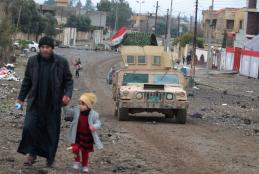
금, 2015/10/30- 14:46
246
0

185373_Protest_in_Nabi_Saleh_in_the_occupied_West_Bank_on_7_December_2013 (1)


지난 10월 17일 팔레스타인 서안지구 점령지역 헤브론에서 이스라엘인에게 팔레스타인 10대가 목숨을 잃은 가운데, 이스라엘군은 이처럼 점령지역 내 이스라엘 정착민들이 팔레스타인 민간인을 공격하고 있는 것에 대해 즉시 보호 조치를 취하고, 모든 관련 사건에 대해 실질적인 조사에 나서야 할 것이라고 국제앰네스티가 10월 30일 밝혔다.

올 10월 들어 팔레스타인인이 이스라엘 민간인, 군인, 경찰에 대해 흉기 공격을 시도하거나 직접 흉기로 찌르는 사건이 급격하게 증가했다. 지금까지 팔레스타인인의 총격 또는 흉기 공격으로 이스라엘인 8명이 목숨을 잃었으며, 같은 기간 동안 이스라엘군은 서안지구 점령지역과 이스라엘에서 팔레스타인인 35명 이상을 사살했다. 이 중 헤브론에서 숨진 사람만 최소 14명으로, 모두 흉기 공격을 감행했거나 그럴 것이라고 이스라엘측이 추측한 사람들이었다.

국제앰네스티는 헤브론에서 이스라엘군에게 사살된 팔레스타인인 중 일부가 즉결 처형되었으며, 화요일 오전 이후로 팔레스타인인 최소 4명 이상이 추가로 이스라엘군에 사살되었다는 증거를 입수했다. 그러나 헤브론의 팔레스타인 주민들은 국제앰네스티와의 인터뷰에서 이스라엘 민간인들에게도 민간인들에게도 군인들만큼이나 위협을 느낀다고 말했다. 헤브론 안팎으로 불법 정착촌을 만들어 생활하고 있는 이스라엘 민간인들은 대부분이 무장한 상태다.

필립 루터(Philip Luther) 국제앰네스티 중동-북아프리카 국장은 “불과 한 달도 되지 않는 시간 동안 헤브론의 이스라엘 정착촌 주민들이 팔레스타인인을 습격하는 사건은 이미 용납할 수 없는 심각한 수준에서 더욱 악화되고 있다”며 “이스라엘군은 점령지역, 특히 헤브론에 거주하는 팔레스타인 민간인들을 정착민들의 공격으로부터 보호하고, 정착민들의 폭력행위를 방지하기 위해 노력하고, 가해자들을 기소해야 할 의무를 반드시 이행해야 한다. 최근 사례와 같이 정착민들의 공격 사건에 전혀 개입하지 않는 명백한 실책으로 이스라엘군은 사실상 가해자들과 동조한 것이나 다름없다”고 말했다.

파델 알 카와스메흐의 사망

한편, 이달 초 헤브론 올드시티에서 이스라엘 민간인에게 목숨을 잃은 팔레스타인 소년이 당시 생명을 위협하는 행동을 전혀 하지 않았다는 목격자들의 증언은 이 지역에 거주하거나 근무하는 팔레스타인 민간인들이 처한 위험을 잘 드러내고 있다.

18세 소년 파델 알 카와스메흐(Fadel al-Qawasmeh)는 10월 17일 오전 출근길에 나서던 중 한 이스라엘 민간인에게 총에 맞아 숨졌다. 이스라엘군은 당시 파델이 칼을 가지고 이스라엘인을 찌르려 했다고 주장했으나, 사건이 벌어진 알슈하다 거리는 감시 카메라를 통해 이스라엘군의 삼엄한 감시를 받던 곳이었음에도 불구하고 이러한 주장을 뒷받침할 증거는 전혀 밝혀지지 않았다.

파델 알 카와스메흐는 사살되기 직전 알슈하다 거리의 56번 검문소를 통과했다. 이 지점을 기준으로 헤브론의 표면상 팔레스타인 점령 지역과, 이스라엘 불법 정착촌이 자리잡은 올드시티가 구분된다. 사건 발생 전날과 다음 날 해당 검문소에 있었던 국제앰네스티 조사관들은 이스라엘 군인들이 이곳을 지나는 사람들에게 주머니의 모든 소지품을 꺼내게 하고, 수 차례 금속탐지기를 통과하도록 지시하는 모습을 볼 수 있었다. 젊은 남성의 경우 특히 철저하게 몸수색을 받았기 때문에 파델이 칼을 소지하고 이곳을 통과했을 가능성은 극히 낮았다.

사건이 발생한 위치에서 불과 몇 미터 떨어진 곳에 사는 한 주민은 집에서 계단을 내려오던 도중, 한 젊은 남성이 이스라엘 군인들에게 가로막혀 다시 검문소로 돌아가는 모습을 봤다고 국제앰네스티에 전했다. 그리고는 군인들 옆에 서 있던 흰 옷을 입은 이스라엘 민간인이 이 남성의 뒤를 따라가더니, 머리와 등에 최소 3발 이상 총을 쐈다고 한다. 주민의 증언에 따르면 당시 파델은 손에 아무것도 들고 있지 않았으며, 세 번의 총격 모두 등 뒤에서 쏜 것이었다.

사건 현장을 발코니에서 목격한 또 다른 주민은 마찬가지로 흰 옷을 입은 이스라엘 민간인이 처음부터 총을 들고 있었고, 팔레스타인 소년을 향해 욕설을 하는 것을 들었으며, 이 소년이 누군가를 위협하는 낌새는 전혀 없었다고 전했다.

사건이 벌어지고 몇 초 만에 이스라엘 군인들이 현장에 도착했지만, 파델을 치료하거나 총을 들고 있는 이스라엘인을 체포하려는 움직임은 전혀 보이지 않았다고 한다.

이 주민은 “이스라엘 군인들이 쓰러진 채 피를 흘리고 있는 젊은이 옆에 서 있었는데, 사진만 찍고 있을 뿐 상처를 치료하려는 시도는 전혀 하지 않았다. 군인들은 그렇게 30분 동안 주변에 서 있다가 천을 덮었고, 그걸 보고 소년이 죽었다는 걸 알 수 있었다”고 말했다.

국제앰네스티는 이스라엘 군에 파델 알 카와스메흐가 사망한 정황에 대해 효과적이고 독립적인 조사를 시행할 것과, 파델을 습격한 가해자를 기소할 것을 촉구한다. 또한 군인들이 파델에게 응급처치를 하지 않았다는 진술의 사실 여부도 조사해야 할 것이다.

이스라엘 경찰 대변인은 국제앰네스티에 이미 해당 사건에 대해 조사하고 있는 중이며, 다만 “안보 사건”으로 분류되었기 때문에 이스라엘 정보기관이 조사를 담당하고 있다고 밝혔다.

정형화된 괴롭힘 방식

이스라엘 정착민들이 헤브론과 서안지구 점령지역의 팔레스타인인을 습격하고 괴롭히면서도 아무런 처벌도 받지 않는 것은 이미 오래 전부터 계속되어 온 패턴으로, 때로는 이스라엘군이 이를 노골적으로 지원하거나 묵인하기도 한다. 10월 17일 오전 사건 이후, 마스크를 쓰고 사복을 입은 이스라엘 정보원이 알슈하다 거리의 주택으로 들이닥쳐 현장을 목격한 주민들을 위협하고, 휴대폰으로 촬영한 사진이나 영상을 지우게 했다. 이스라엘군과 정착민들은 이후로도 여러 차례 같은 집 주민들을 공격하고 괴롭혔다.

한 주민은 “여기서는 [이스라엘]경찰에게 신고하는 것도 포기했다”고 말했다.

“신고를 하려면 수 차례 가게를 닫고 경찰서에 찾아가야 하는데, 그러면 며칠이나 장사를 못 하게 된다. 어차피 바뀌는 것도 없다. 경찰은 신고하러 갈 때마다 매우 불친절하게 대한다. 이제는 희망도 버린 상태”라고 덧붙였다.

더욱 엄격해지는 제한

이스라엘군은 정착민들의 공격으로부터 팔레스타인 주민들을 보호하기 위해 나서기는커녕, 29일 헤브론 올드시티에서 팔레스타인인의 이동을 더욱 엄격히 제한하겠다고 발표했다. 그와 함께 이 지역의 팔레스타인 상점을 모두 폐쇄했고, 15세부터 25세 사이의 팔레스타인 남성은 다수의 군 검문소를 통과할 수 없도록 했다.

파델 알 카와스메흐 사망 사건 이후로도 이스라엘 정착민들의 심각한 폭력 사건은 여러 건 발생했다. 10월 17일 또는 18일 밤, 팔레스타인 13세 소년이 헤브론 외곽의 불법 정착촌 키르야트 아르바 주민들이 던진 화염병을 가슴에 맞고 다쳤으며, 소년을 도우려던 사촌 역시 커다란 돌에 맞았다. 사건을 직접 목격한 근처 주민인 다아나 가족은 국제앰네스티에 당시 이스라엘 군인들이 함께 있었지만 전혀 개입하지 않았다고 전했다. 구급차를 불렀지만 공격이 계속된 탓에 현장까지 도착하지 못했다.

필립 루터 국장은 “서안지구 점령지역의 이스라엘인을 포함해, 모든 민간인에 대한 고의적인 공격은 재차 규탄해야 할 일이지만 팔레스타인 가해자는 엄격히 처벌을 받고 있는 한편 이스라엘 정착민들은 처벌에 대한 두려움 없이 팔레스타인 민간인을 해치고 살해까지 할 수 있다. 이스라엘군은 여전히 생명을 위협받는 경우가 아님에도 의심스러운 팔레스타인인을 대상으로 치명적인 무력을 사용하고 있다”며 “이스라엘의 조사 체계는 팔레스타인 민간인을 부당하게 살해한 이스라엘군과 경찰, 민간인을 감싸는 데 지나치게 오랫동안 이용되어 왔다. 국제사회의 압력으로 이처럼 부당한 관행을 끝내고, 팔레스타인인의 생명권 역시 존중되어야 하며 민간인에 대한 공격은 용납될 수 없다는 메시지를 전해야 할 것”이라고 말했다.

영어전문 보기
The Israeli military must immediately take steps to protect Palestinian civilians from attacks by Israeli settlers in the occupied West Bank and ensure effective investigation of all attacks, including the killing of a Palestinian teenager in Hebron by an Israeli civilian on 17 October, Amnesty International said today.

Since 1 October, there has been a dramatic increase in the number of attempted, alleged and actual stabbing attacks by individual Palestinians on Israeli civilians, soldiers, and police. Eight Israeli civilians have been killed in stabbing or shooting attacks by Palestinians. In the same period, Israeli forces have shot and killed more than 35 Palestinians in the occupied West Bank and Israel, including at least 14 in Hebron, either after stabbings were carried out or when the Israeli authorities alleged stabbing attacks were intended.

Amnesty International found evidence that at least some of the killings of Palestinians by Israeli forces in Hebron were extrajudicial executions, and four more Palestinians have been killed by Israeli forces in Hebron since Tuesday morning. But Palestinian residents of Hebron have told Amnesty International that they feel just as threatened by the Israeli civilians, many of them armed, living in illegal settlements in and around the city.
“In the space of less than a month, attacks by Israeli settlers on Palestinians in Hebron have escalated from what was already an unacceptably high level,” said Philip Luther, Director for the Middle East and North Africa Programme at Amnesty International.

“Israeli forces must fulfil their duties to protect Palestinian civilians living under occupation from attacks by settlers, work to prevent settler violence, and hold those responsible to account, particularly in Hebron. Their apparent failure to intervene during some of the recent settler attacks effectively makes them complicit.”

Killing of Fadel al-Qawasmeh

Eyewitness accounts stating that a Palestinian killed by an Israeli civilian in the Old City of Hebron earlier this month was not threatening the life of anyone at the scene highlight the dangers faced by Palestinian civilians living and working in the area.

On the morning of 17 October, 18-year-old Hebron resident Fadel al-Qawasmeh was walking to work when he was shot and killed by an Israeli civilian. The Israeli military claim that he had a knife and intended to stab the Israeli civilian but have released no evidence to support these claims, despite the fact that al-Shuhada Street, where the incident took place, is heavily monitored by video cameras operated by Israeli forces.

Shortly before he was shot, Fadel al-Qawasmeh had passed through Checkpoint 56 on al-Shuhada Street, which separates the section of Hebron ostensibly under Palestinian control from the Old City where illegal Israeli settlements are located. Amnesty International researchers present at the checkpoint the day before and after the shooting observed Israeli soldiers ordering people to remove items from their pockets and pass through the metal detector multiple times. Young men were particularly thoroughly searched, making it highly unlikely that Fadel al-Qawasmeh would have been able to smuggle a knife through.

A resident of a house on al-Shuhada Street, a few metres away from the scene of the shooting, told Amnesty International that as he was coming down the stairs of his home, he saw a young man being stopped by Israeli soldiers and turned back towards the checkpoint. He then reported seeing an Israeli civilian dressed in white, who had been standing next to the soldiers, follow the man up the road before shooting him at least three times in the head and back. He told Amnesty International that Fadel al-Qawasmeh had nothing in his hands, and all the shots were fired from behind.
Interviewed separately, a resident of another house on al-Shuhada Street who was watching from a balcony said that she saw an Israeli civilian of the same description holding a firearm in the moments before the shooting, and that she had heard him cursing the Palestinian youth. She did not see or hear any indications that the Palestinian youth was threatening anyone.

She saw Israeli forces approaching the scene within seconds, but they did not attempt to give medical treatment to Fadel al-Qawasmeh, or to arrest the settler holding the firearm.

“I saw Israeli soldiers standing next to the youth, who was lying on the ground bleeding. They were taking photos and did not attempt to treat his wounds. They stood around him for about 30 minutes and then they covered him and we knew he was dead,” she told Amnesty International.

Amnesty International is calling on the Israeli authorities to conduct an effective, independent investigation into the circumstances of the killing of Fadel al-Qawasmeh, and for the perpetrator of the attack to be brought to justice. The investigation should also examine whether soldiers failed to provide medical treatment for Fadel al-Qawasmeh.

An Israeli police spokesperson told Amnesty International that an investigation had been opened, but that as it was classified as a “security incident”, it was being handled by the Israel Security Agency.

A pattern of harassment

Settlers have long attacked and harassed Palestinians in Hebron and the rest of the occupied West Bank with impunity, and sometimes with the apparent assistance or acquiescence of Israeli forces. Later on the morning of 17 October, masked Israeli security personnel in civilian clothing stormed the house on al-Shuhada Street, threatened the residents who had been watching, and deleted photos and videos they had taken on their phones. Israeli forces and settlers have attacked and harassed residents of the same home several times since.

“We’ve given up complaining to the [Israeli] police here,” a resident of al-Shuhada Street told Amnesty International.

“In order to make a complaint, we have to close the store, go to the police station several times, and so lose several days of work. Nothing happens. The police treat us very badly when we go to make the complaint. I’ve given up hope.”

Deepening restrictions

Instead of taking steps to protect Palestinians from settler attacks, the Israeli military yesterday announced more restrictions on Palestinian movement in Hebron’s Old City, closing Palestinian stores in the area and prohibiting male Palestinians between the ages of 15 and 25 from passing through the numerous military checkpoints in the area.

Since the killing of Fadel al-Qawasmeh, there have been other serious incidents of violence perpetrated by settlers. On the night of 17/18 October, a 13-year-old Palestinian was wounded in the chest by a Molotov cocktail thrown by settlers from the illegal settlement of Kiryat Arba, on the outskirts of Hebron; his cousin trying to help him was hit by a large rock. Members of the Da’ana extended family, who live next to the settlement and witnessed the attack, told Amnesty International that Israeli forces were present and failed to intervene. An ambulance was called but was unable to reach the house due to the ongoing attack.
“While we again condemn all deliberate attacks on civilians, including Israeli civilians in the occupied West Bank, Palestinian perpetrators of such attacks do not enjoy impunity. On the other hand, Israeli settlers can harm and even kill Palestinian civilians seemingly without consequences, and Israeli forces continue to use lethal force against Palestinians they suspect, even when their lives are not at risk,” said Philip Luther.

“For far too long, Israel’s investigation mechanisms have served to shield Israeli military and police forces, as well as Israeli civilians, responsible for killing Palestinian civilians unlawfully. International pressure is needed to end this impunity, and send the message that Palestinians’ right to life matters and that all attacks on civilians will not be tolerated.”


수, 2015/11/04- 15:23
328
0
 

나이지리아 니제르델타 지역의 기름유출로 오염이 심각한 지역에 대해 이미 정화작업을 마쳤다는 거대 석유기업 쉘(Shell)의 주장이 명백히 거짓임이 드러났다고 국제앰네스티와 환경인권개발센터(CEHRD)가 3일 신규 보고서를 통해 밝혔다.

보고서 <오염지역 정화하라: 니제르델타 기름유출에 대한 쉘의 거짓말>은 쉘 측이 이미 수년 전 정화 작업을 실시했다고 주장한 4개 유출 지점에서 여전히 오염이 진행되고 있는 점에 대해 다루고 있다. 이 보고서는 1995년 11월 10일, 니제르델타 지역의 석유 기업들이 초래한 피해에 반발하며 쉼없이 캠페인을 벌였던 환경운동가이자 작가인 켄 사로위와(Ken Saro-Wiwa)가 처형된 지 20주기가 되는 날을 기리며 발표되었다.

마크 두멧(Mark Dummett) 국제앰네스티 기업과인권 조사관은 “쉘은 자사의 송유관과 유정관의 오염을 충분히 정화하지 않으면서 수천 명의 남녀와 어린이가 오염된 토지, 물, 공기에 길게는 수십 년까지 노출되도록 방치하고 있다”며 “기름유출로 인해 니제르델타 주민들이 생계와 식량을 의존하고 있는 들판과 숲, 어장 등은 처참한 피해를 입었다. 기름유출 사고 지점을 방문한 사람들은 누구나 오염이 전 지역으로 퍼졌음을 냄새와 눈으로 확인할 수 있을 것”이라고 말했다.

이 보고서는 석유산업을 규제하지 못한 나이지리아 정부의 실책에 대해서도 다루고 있다. 관련 감시기관인 나이지리아 원유유출 감시대책기구(NOSDRA)은 재원도 부족할뿐더러 원유로 인한 오염이 눈에 띄는 지역도 청결하다고 보고하고 있는 실정이다.

환경인권개발센터의 스테빈 오보도케(Stevyn Obodoekwe) 국장은 “나이지리아 국민은 물론 전세계 사람들이 1995년 처형된 켄 사로위와와 오고니 대표 8인을 아직도 기억하고 있는 만큼, 쉘과 나이지리아 정부는 니제르델타의 석유 기업들이 남긴 끔찍한 유산을 모른 척해서는 안 된다. 이 지역 주민 대부분에게 석유는 고통만을 가져다 주는 존재”라며 “기름때로 얼룩진 토양과 강물에 둘러싸여 살아가고 있는 주민들의 삶의 질은 처참할 수준으로, 이미 수십 년 째 지속되고 있다”고 말했다.

조사를 통해 쉘이 정화했다고 밝힌 지역에서 눈에 띄는 오염 발견

니제르델타는 아프리카에서 가장 원유생산량이 많은 지역이다. 쉘은 이곳에서 가장 규모가 큰 다국적 석유기업으로, 유전 50개와 5,000km에 이르는 송유관을 운영하고 있으나, 대부분 노후하고 제대로 관리되지 않는 상태다. 쉘 역시 자체 발표를 통해 2007년 이후 1,693건의 원유 유출이 발생했다고 인정한 바 있으며, 실제 유출 건수는 더욱 높을 것으로 추정된다.

2011년 유엔 환경계획(UNEP)은 니제르델타의 오고니랜드에 설치된 쉘의 송유관에서 유출된 원유로 막대한 수준의 오염이 발생했다고 밝혔다. 또한 쉘이 유출된 원유를 제대로 정화하지 않으면서 피해 지역의 생태계와 주민들에게 더욱 심각한 피해를 끼쳤다는 사실도 공개했다. 쉘은 UNEP가 지적한 피해 지역에 대해 정화 사업을 실시하고, 향후의 유출 사고 대응방식을 개선하겠다고 약속했다.

그러나 국제앰네스티와 환경인권개발센터가 2011년 유엔 환경계획이 오염 수준이 심각하다고 지적했던 4개 지역을 현장 조사한 결과, 이미 정화사업을 실시했다는 쉘의 주장에도 불구하고 4개 지역 모두 2015년에도 여전히 눈에 띄게 오염된 상태임을 확인할 수 있었다. 조사 결과 이러한 오염은 새로운 원유 유출 때문이 아니라 정화작업이 충분히 이루어지지 않은 것이 원인이었다.

오염 지역 중 하나인 11번 보무 유전에서 조사관들은 원유 유출이 발생한 지 45년이 지났음에도 여전히 검게 변한 흙과 물 위에 뜬 기름때를 발견할 수 있었다. 쉘 측이 이미 1975년과 2012년 정화사업을 두 번 실시했다고 주장했음에도 불구한 일이다. 나이지리아 규제당국이 정화되었다고 인증한 다른 오염지역의 경우에도 마찬가지로 마을과 농경지 근처에서 기름에 오염된 토양과 물이 발견됐다.

이러한 조사 결과는 쉘이 나이지리아의 기름오염 정화사업에 성의 있게 임하지 않았음을 보여주는 것이다. 정화사업을 직접 시행하는 현지 업자를 교육하거나 감독하는 과정에 있어서도 마찬가지였다.

쉘과 계약한 한 업자는 무성의한 겉핥기식의 정화 작업만으로는 지속적인 환경피해를 막을 수 없다며 “이것은 단지 은폐에 불과하다. 몇 미터만 땅을 파면 기름 찌꺼기가 나오는데, 우리는 그저 땅을 파고 기름 찌꺼기와 흙을 파낸 후 다시 메우기만 했을 뿐”이라고 국제앰네스티에 전했다.

기름 오염의 피해를 감당해야 하는 지역사회

지역 주민들은 국제앰네스티와 CEHRD에 원유 유출 이후 남은 오염물질들이 니제르델타 주민 약 3분의 2가 생계와 식량을 의존하고 있는 토지와 강을 오염시켰다고 말했다. 이제 80대가 된 에마디 로버츠 크파이(Emadee Roberts Kpai)는 2009년 원유 유출이 일어나기 전까지 보무에서 농업과 어업에 종사했다.

“시내는 이제 간 곳이 없고, 고기잡이로는 더 이상 생계를 꾸릴 수 없다. 농사짓던 농장은 이미 쉘에서 유출된 기름으로 황폐화됐고, 작물도 생산성이 없다. 물에는 고기가 없다. 작물을 심으면 자라기는 하지만 작황이 좋지 않다.
쉘이 우리 마을에 처음 들어왔을 때, 여기서 유전을 발견하면 마을을 완전히 탈바꿈시키고 모두가 행복해질 거라고 약속했는데… 우리가 얻은 것은 아무것도 없다.”

“더이상 작물이 자라지도, 물고기가 살지도 않는다.” © Mike Uwemedimo for Amnesty International

유엔 지적에도 불구하고 대응 없는 쉘

쉘 측은 국제앰네스티의 조사 결과에 대해 동의하지 않는다고 밝혔을 뿐 아무런 부연 설명을 덧붙이지 않았다. 대신 조사관들에게 자사 홈페이지를 안내했으나, 사이트상에서 정화사업에 대한 정보는 거의 찾아볼 수 없었다. 또한 쉘은 원유 유출 사건과 오염 대부분이 관리 부족보다는 송유관에서 원유를 절도하는 등의 불법 행위로 인한 것이라는 주장을 반복했다.

국제앰네스티와 환경인권개발센터는 이러한 불법 행위에 대한 쉘의 주장이 거짓이며, 송유관 부식으로 인한 원유 유출의 규모에 대해 지난 보고서에서 공개한 바 있다.

나이지리아는 송유관을 보유한 모든 기업에 대해 원유 유출 원인에 상관없이 정화 작업을 실시해야 할 의무가 있다고 법적으로 규정하고 있다.

국제앰네스티는 정화작업에 더욱 투명하게 임할 것을 쉘 측에 촉구한다. 또한 나이지리아 정부는 관련 감시기구인 나이지리아 원유유출 감시대책기구(NOSDRA)를 더욱 강화할 것을 요청한다.

마크 두멧 국장은 “쉘은 원유 유출의 원인이 절도범들이라고 주장하지만, 그게 사실이라 하더라도 쉘이 계속해서 기름오염 정화사업을 제대로 시행하지 못하는 데 대한 변명은 될 수 없다. 쉘의 책임 전가는 지키지 못한 약속과 방치된 기반시설에 대한 주목을 더 이상 분산시키지 못할 것”이라며 “쉘이 약속을 이행하지 않는 한 니제르델타는 번영을 약속받고도 병들고 황폐화된 땅으로 버려졌다는 교훈적 이야기로만 남게 될 것”이라고 말했다.

배경: 쉘에 대한 ‘클린 잇 업’ 캠페인

이번 보고서는 니제르델타 원유 유출의 처참한 피해를 복구하는 데 나설 것을 쉘에 촉구하는 국제앰네스티의 ‘정화 하세요(Clean It Up)’ 캠페인의 일환으로 발표되었다. 또한 1995년 11월 10일 켄 사로위와가 불공정재판으로 처형된 지 20년이 되는 날을 앞두고, 쉘의 주유소 앞에서 특별 철야농성과 항의 시위를 벌일 예정이다.

또한 공학 전공 학생을 대상으로 한 쉘의 자사 채용광고 “미래를 만드세요(Make the future)”를 바탕으로 패러디한 캠페인 영상도 함께 공개된다.

영어전문 보기

Niger Delta: Shell’s manifestly false claims about oil pollution exposed, again

Claims by oil giant Shell that it has cleaned up heavily polluted areas of the Niger Delta are blatantly false, Amnesty International and the Centre for Environment, Human Rights and Development (CEHRD) said in a new report published today.

Clean it up: Shell’s false claims about oil spills in the Niger Delta documents ongoing contamination at four oil spill sites that Shell said it had cleaned up years ago. The report is being published to mark the 20th anniversary of the execution, on 10 November 1995, of the environmental activist and writer, Ken Saro-Wiwa, who campaigned tirelessly against the damage caused by the oil industry in the Niger Delta.

“By inadequately cleaning up the pollution from its pipelines and wells, Shell is leaving thousands of women, men and children exposed to contaminated land, water and air, in some cases for years or even decades,” said Mark Dummett, Business and Human Rights researcher at Amnesty International.

“Oil spills have a devastating impact on the fields, forests and fisheries that the people of the Niger Delta depend on for their food and livelihood. Anyone who visits these spill sites can see and smell for themselves how the pollution has spread across the land.”

The report also documents the failure of the Nigerian government to regulate the oil industry. Its watchdog, the National Oil Spill Detection and Response Agency (NOSDRA) is under-resourced and continues to certify areas as clean that are visibly polluted with crude oil.

“As people in Nigeria and around the world remember Ken Saro-Wiwa and the eight other Ogoni leaders who were executed in 1995, Shell and the government of Nigeria cannot ignore the terrible legacy of the oil industry in the Niger Delta. For many people of the region, oil has brought nothing but misery,” said Stevyn Obodoekwe, CEHRD’s Director of Programmes.

“The quality of life of people living surrounded by oil fumes, oil encrusted soil and rivers awash with crude oil is appalling, and has been for decades.”

Investigation finds visible pollution at sites Shell says it cleaned

The Niger Delta is the biggest oil-producing region in Africa. The largest international oil company there is Shell. It operates around 50 oil fields and 5,000 km of pipelines, much of them ageing and poorly-maintained. The oil giant’s own figures admit to 1,693 oil spills since 2007, though the real number is probably higher.

In 2011 the United Nations Environmental Programme (UNEP) exposed massive levels of pollution caused by oil spills from Shell pipelines in the Ogoniland region of the Niger Delta. UNEP also exposed how the damage done to the environment and people was exacerbated by the company’s failure to clean up the spills properly. In response, Shell promised to clean up sites identified by UNEP and improve its response to future spills.

Yet in field investigations at four of the spill sites UNEP identified as highly polluted in 2011, Amnesty International and CEHRD found all four remain visibly contaminated in 2015, even though Shell says it has cleaned them. The investigation demonstrates this is due to inadequate clean-up, and not new oil spills.

At one of the locations, Shell’s Bomu Well 11, researchers found blackened soil and layers of oil on the water, 45 years after an oil spill took place – even though Shell claims to have cleaned it up twice, in 1975 and 2012. At other sites, certified as cleaned by the Nigerian regulator, researchers found soil and water contaminated by oil close to where people lived and farmed.

The investigation shows Shell has not addressed problems with its entire approach to cleaning up oil pollution in Nigeria, including how it trains and oversees the local contractors that actually conduct the work.

One contractor who had been hired by Shell told Amnesty International how half-hearted and superficial clean-up efforts fail to prevent lasting environmental damage:

“This is just a cover up. If you just dig down a few metres you find oil. We just excavated, then shifted the soil away, then covered it all up again.”

Communities bear the brunt of oil pollution

Communities told Amnesty International and CEHRD how lingering pollution after oil spills had contaminated the land and rivers that nearly two-thirds of the Niger Delta’s people rely on for food and livelihood. Emadee Roberts Kpai, now in his 80s, was a farmer and fisherman until the oil spill at Bomu Manifold in 2009.

“Our creeks are no more. Fishing activity is no more productive. The farm I should be farming has already been devastated by oil spills from Shell. Our crops are no longer productive. No fish in the water. We plant the crops, they grow but the harvest is poor.

“When Shell came to our community, they promised that if they find oil they’ll transform our community, and everybody will be happy… Instead we got nothing from it.”

Shell fails to act despite UN criticism

Shell told Amnesty International it disagreed with the organizations’ findings, without providing any details. The company directed researchers to its website, but this provides very little information about clean up. Shell also repeated its claim that most oil spills and pollution are caused by illegal activity, such as people stealing oil from pipes rather than poor maintenance.

Amnesty International and CEHRD have exposed false statements made by Shell about illegal activity and the extent of oil spills due to corroded pipes in previous reports.

In any case, Nigerian law says companies who own pipelines are responsible for cleaning up, no matter what causes a spill.
Amnesty International is calling on Shell to be more transparent about its clean-up operations. The organization also says the Nigerian government needs to strengthen its watchdog, the National Oil Spill Detection and Response Agency (NOSDRA).

”Shell says theft is to blame for oil spills, but even if that were true it would not excuse the company’s consistent failure to clean up oil pollution. Shell’s blame game can no longer deflect attention from its broken promises and neglected infrastructure,” said Mark Dummett.

“As long as oil companies fail to live up to their commitments, the Niger Delta will remain a cautionary tale of communities promised prosperity, but left with blighted, devastated lands.”

Background: Clean It Up campaign targets Shell

The report is part of Amnesty International’s Clean It Up campaign, which calls on Shell to finally deal with the devastating impact of oil spills in Niger Delta. The campaign involves special vigils and protest actions outside Shell petrol stations ahead of the 20th anniversary of Ken Saro-Wiwa’s execution after an unfair trial on 10 November 1995.

The campaign will also feature a spoof video based on Shell’s own “Make the future” recruitment campaign targeting engineering students.


목, 2015/11/05- 14:10
437
0
MP Mariya Ahmed Didi

2012년 반테러법 위반 혐의로 1심에서 13년을 받고 대통령직에서 강제로 물러난 모하메드 나시드 전 몰디브 대통령(가운데) ⓒAmnesty International

압둘라 야민 몰디브 대통령이 예정된 반정부시위를 앞두고 30일간의 국가 비상사태를 선포하면서 향후 반대세력과 인권에 대한 탄압이 더욱 심화될 가능성이 있다고 국제앰네스티가 4일 밝혔다.

압바스 파이즈(Abbas Faiz) 국제앰네스티 몰디브 조사관은 “국가 비상사태를 선포한 것이 정부 반대세력에 대한 억압이나 인권침해 심화의 전조가 되어서는 안 된다. 정부는 이번 비상사태를 언론의 자유를 탄압하거나 인권을 침해하는 수단으로 이용하지 말아야 한다”며 “몰디브 정부는 최근 2년 사이 더욱 활발해진 반정부 활동 및 표현의 자유를 짓밟은 걱정스러운 전례가 있다. 비상사태 기간 동안 정부가 국제인권법상의 의무를 존중하는 것이 무엇보다 중요하다”고 말했다.

압둘라 야민 압둘 가윰 대통령이 선포한 한 달간의 비상사태로, 평화적인 집회와 시위를 벌일 권리, 몰디브 국민이 다른 국가를 자유롭게 오갈 권리, 임의로 구금되지 않을 권리 등 헌법이 명시하는 다수의 인권에 대한 효력이 중단된다. 국제법상 임의 구금은 비상사태에도 금지된 행위다. 대통령의 비상사태 선포는 의회의 승인만을 기다리고 있다. 몰디브 의회는 이 건으로 11월 5일 소집된 상태다.

국제앰네스티는 몰디브 정부에 비상사태 선포와 이에 관련된 특정 조치 실시 결정에 대해 신중하고 타당한 근거를 제시할 것을 촉구한다. 정부는 어떤 경우를 막론하고 반드시 국제인권법에 따라 행동해야 한다.

영어전문 보기

Maldives: State of emergency an alarming development in continuing crackdown on human rights

President Abdulla Yameen’s declaration of a 30 day state of emergency in the Maldives ahead of planned anti-government protests raises the prospect of further attacks on dissent and human rights in the country, said Amnesty International today.

“The declaration of a state of emergency must not be a precursor to a further crackdown on dissent or other human rights violations. The government should not use this state of emergency to silence free speech or infringe on other human rights,” said Abbas Faiz, Amnesty International’s Maldives Researcher.

“The Maldivian authorities have a disturbing track-record of supressing freedom of expression and any form of opposition, which has intensified over the last two years. It is vital that authorities respect their obligations under international human rights law during this period of emergency.”

The one month-long decree by President Abdulla Yameen Abdul Gayoom suspends several constitutional rights, including the right to peaceful protest, freedom of peaceful assembly, the right for Maldivians to travel to and from the country, and the right not be detained arbitrarily. Under international law, arbitrary detention is prohibited even in times of emergency. The decree is awaiting approval by the Maldives Parliament, which has been called to session for this purpose on 5 November.

Amnesty International is calling on the government to provide careful justification for their decision to proclaim the state of emergency and any specific measures it includes. The authorities must ensure that they are acting in accordance with international human rights law at all times.


금, 2015/11/06- 18:15
489
0
페에크 알미르(Fa'eq al-Mir)는 시리아 여당을 이끌던 사람으로 1979년부터 수 차례 구금되었고, 2013년 10월 7일 집을 나서자 실종되었다. © Amnesty International (Photo: Mark Esplin)

페에크 알미르(Fa’eq al-Mir)는 시리아 여당을 이끌던 사람으로 1979년부터 수 차례 구금되었고, 2013년 10월 7일 집을 나서자 실종되었다. © Amnesty International (Photo: Mark Esplin)

시리아 정부가 지난 4년 간 대규모로 놀랍도록 치밀하게 수만 건에 이르는 강제실종을 자행해 온 사실이 드러났다고 국제앰네스티가 5일 발표한 보고서를 통해 밝혔다.

보고서 <감옥과 무덤 사이: 시리아의 강제실종>은 시리아 정부가 반인도적 범죄에 해당하는 조직적이고 만연한 강제실종을 통해 수익을 얻고 있다고 폭로했다. 비밀 암시장을 이용해 실종된 가족의 생사를 어떻게는 알아내려는 사람들로부터 무자비하게 돈을 착취한 것이다.

필립 루터(Philip Luther) 국제앰네스티 중동-북아프리카국장은 “시리아 정부가 주도한 강제실종은 국민들을 대상으로 냉정하게 계산되어 만연하게 이루어지고 있는 공격이다. 이는 시리아 전역에 공포 분위기를 조성하고 일부의 반대 의견조차도 묵살하기 위해 치밀하게 조직된 반인도적 범죄”라며 “이번 보고서는 시리아에서 흔적조차 없이 사라진 강제실종 피해자 수만 명의 가족들이 겪어야 했던 충격과 트라우마, 그리고 금전적 이득을 위해 잔인하게 착취당한 가슴 아픈 사연을 담고 있다”고 말했다.

강제실종의 규모는 충격적인 수준이다. 시리아 인권네트워크가 기록한 바에 따르면 2011년부터 지금까지 최소 65,000명이 실종되었으며, 그 중 58,000명이 민간인이었다. 실종자들은 보통 좁고 열악한 환경의 감방에 구금되어 외부와 완전히 차단되며, 질병과 고문, 즉결 처형으로 많은 수가 목숨을 잃는다.

2014년 2개월간 실종되었던 순수미술 전공 학생 라님 마투크(Raneem Ma’touq) © Private

2014년 2개월간 실종되었던 순수미술 전공 학생 라님 마투크(Raneem Ma’touq) © Private

시리아에서 지나치게 뿌리 깊게 자리잡은 강제실종으로 인해 “중간업자” 또는 “중개인”이 활동하는 암시장도 생겨났다. 이들은 실종자의 행방이나 생사만이라도 알고자 하는 절박한 가족들로부터 수백에서 수만 달러를 받아 챙긴다. 이렇게 받은 돈은 “국가 경제의 큰 부분”을 이바지하게 된다는 것이 한 시리아 인권활동가의 설명이다. 수도 다마스커스의 한 변호사 역시 이렇게 챙기는 현금이 “정부의 알짜 수입원으로, 국가재정을 여기에 의존할 정도에 이르렀다”고 국제앰네스티에 전하기도 했다.

강제실종의 피해자 중에는 시위대와 인권활동가, 기자, 의사, 인도주의적 활동가와 같이 정부의 뜻에 평화적으로 반대하던 사람들이 포함되어 있다. 그 외에 국가에 충성을 다하지 않는 것으로 의심되거나 가족이 정부에 수배된 사람들 역시 강제실종의 대상이 됐다.

일부의 경우, 특히 지난 2년 동안 강제실종은 보복을 가하거나 금전적 이득을 취하는 방법으로 이용되어 왔으며, 이로 인해 실종의 악순환이 더욱 깊어지고 있다.

실종된 가족의 생사를 알아내기 위해 재산을 처분하거나 평생 모은 저축을 중개인에게 지불하고도 거짓 정보를 얻는 경우도 있다. 2012년 형제 3명이 모두 실종된 한 남성은 국제앰네스티와의 인터뷰에서 세 형제의 행방을 알아내려고 미화 15만 달러 이상의 빚을 졌지만 아무런 성과가 없었다고 했다. 이 남성은 현재 빚을 갚기 위해 터키에서 일을 하고 있다.

필립 루터 국장은 “강제실종은 소중한 생명을 해칠 뿐만 아니라, 사랑하는 사람을 잃은 가족들의 고통과 맞바꿔 지하경제를 이끌고 있다. 이들 가족에게 남은 것은 불어나는 빚더미와, 사랑하는 가족의 크나큰 빈자리 뿐”이라고 말했다.

2011년 6월, 시리아 다라야의 자택에서 모하메드 잇삼 자글롤(Mohammed Issam Zaghloul)과 그의 두 아들 사르야, 자이드의 모습 © Private

2011년 6월, 시리아 다라야의 자택에서 모하메드 잇삼 자글롤(Mohammed Issam Zaghloul)과 그의 두 아들 사르야, 자이드의 모습 © Private

실종된 가족에 대해 수소문하려 하면 체포되거나 그들조차 강제 실종될 위험이 있기 때문에, 남은 방법은 결국 이러한 “중개인”에게 의존하는 것 외에는 거의 없다. 형제의 행방을 정부에 직접 물었던 한 남성은 3개월 동안 구금되었고, 독방에서 몇 주를 보내야 했다. 실종된 아들을 찾기 위해 다마스커스로 향했던 또 다른 남성은 도중에 군 검문소에서 체포되었으며, 이후로 지금까지 소식을 들을 수 없었다.

2년 전 강제실종된 시리아 인권변호사 칼릴 마투크(Khalil Ma’touq)의 친구는 강제실종이 “시리아 국민을 공포에 빠뜨리려는 정부의 거대한 전략”의 일부라고 밝혔다. 칼릴의 딸 라님 마투크 역시 2개월 전 실종되었으며, 구금된 채 끔찍한 경험을 해야 했다.

치과의사인 라니아 알라바시(Rania Alabbasi)의 경우는 특히 충격적인 사례다. 2013년 가택 수색으로 남편이 체포된 지 며칠 후, 라니아와 2세부터 14세 사이인 6명의 자녀 역시 모두 체포되었으며, 지금까지 가족 모두가 행방을 알 수 없는 상태다. 이들 부부가 지역사회에서 인도주의적 지원 활동을 했기 때문에 표적이 된 것으로 추정된다.

이번 보고서는 강제실종 이후 피해자의 가족과 친구들이 심리적 트라우마, 괴로움, 절망감과 육체적 고통에 시달리는 안타까운 모습도 보여준다. 2012년 강제 실종된 유세프의 형제 사에드는 지금까지도 어머니가 눈물이 마를 날이 없다며 “가끔 한밤중에 일어나 보면 어머니께서는 주무시지도 않고 형의 사진만 보며 울고 계신다”고 했다.

필립 루터 국장은 “강제 실종은 시리아 정부가 의도적으로 벌이는 잔혹한 활동이다. 정부는 수십만 명의 말 못할 고통을 간단히 끝낼 수 있는 충분한 권한이 있다. 그저 보안군에게 납치 활동을 중단하라고 명령하고, 실종된 가족의 행방이나 생사를 가족들에게 알리고, 자신의 권리를 평화적으로 행사했다는 이유만으로 수감된 모든 사람들을 즉시 조건 없이 석방하면 되는 것”이라고 말했다.

유엔과 일부 국가들이 이미 강제 실종에 대해 규탄한 바 있지만, 이제는 비난 이상의 더욱 강력한 조치가 필요한 때다. 1년 8개월 전인 2014년 2월 유엔 안전보장이사회는 시리아에서의 강제 실종 중단을 촉구하는 2139번 결의안을 채택했지만, 이것이 시행되기까지는 아직도 갈 길이 멀다.

필립 루터 국장은 “실질적인 행동 없는 비난만으로는 강제실종 피해자들에게 아무런 도움이 되지 않는다. 유엔 안전보장이사회는 시리아의 상황을 시급히 국제형사재판소에 회부하고, 자산동결 등의 구체적인 제재를 통해 시리아 정부가 강제 실종 중단에 나서도록 압박해야 한다”며 “최근 시리아 내에서 군사작전을 시작한 이란과 러시아 등 시리아 정부를 지지하는 국가들은 자국의 지원으로 자행된 대규모의 반인도적 전쟁범죄로부터 자유로울 수 없다. 바사르 알 아사드 정권의 중요한 후원국인 러시아는 강제 실종이라는 잔혹하고 야비한 활동을 중단하도록 시리아 정부를 설득할 수 있는 유일한 위치에 있다”고 말했다.

영어전문 보기

Syria: State profits from crimes against humanity as policy of enforced disappearances drives black market

The vast scale and chillingly orchestrated nature of tens of thousands of enforced disappearances by the Syrian government over the past four years is exposed in a new report by Amnesty International published today.

Between prison and the grave: Enforced disappearances in Syria reveals that the state is profiting from widespread and systematic enforced disappearances amounting to crimes against humanity, through an insidious black market in which family members desperate to find out the fates of their disappeared relatives are ruthlessly exploited for cash.

“This report describes in heart-breaking detail the devastation and trauma of the families of the tens of thousands of people who have vanished without trace in Syria, and their cruel exploitation for financial gain.”

The scale of the disappearances is harrowing. The Syrian Network for Human Rights has documented at least 65,000 disappearances since 2011 – 58,000 of them civilians. Those taken are usually held in overcrowded detention cells in appalling conditions and cut off from the outside world. Many die as a result of rampant disease, torture and extrajudicial execution.

Enforced disappearances have become so entrenched in Syria they have given rise to a black market in which “middlemen” or “brokers” are paid bribes ranging from hundreds to tens of thousands of dollars, by family members desperate to find out the whereabouts of their loved ones or whether they are even still alive. Such bribes have become “a big part of the economy” according to one Syrian human rights activist. A lawyer from Damascus also told Amnesty International the bribes are “a cash cow for the regime… a source of funding they have come to rely on”.

Those forcibly disappeared include peaceful opponents of the government such as demonstrators, human rights activists, journalists, doctors and humanitarian workers. Others have been targeted because they are believed to be disloyal to the government or because their relatives are wanted by the authorities.

In some cases, especially in the last two years, enforced disappearances have been used opportunistically as a means to settle scores or for financial gain, further fuelling the cycle of disappearances.

Some families have sold their property or given up their entire life savings to pay bribes to find out the fate of their relatives – sometimes in exchange for false information. One man whose three brothers were disappeared in 2012 told Amnesty International he had borrowed more than US$150,000 in failed attempts to find out where they are. He is now in Turkey working to pay back his debts.

“As well as shattering lives, disappearances are driving a black market economy of bribery which trades in the suffering of families who have lost a loved one. They are left with mounting debts and a gaping hole where a loved one used to be,” said Philip Luther.

Family members who try to inquire about disappeared relatives are often at risk of arrest or being forcibly disappeared themselves, which gives them little choice but to resort to using such “middlemen”. One man who asked the authorities about his brother’s whereabouts was detained for three months and spent several weeks in solitary confinement. Another man who went to Damascus to look for his disappeared son was arrested at a military checkpoint on the way and has not been heard from since.

A friend of Syrian human rights lawyer Khalil Ma’touq, who was forcibly disappeared two years ago, said enforced disappearances are part of “a grand strategy by the government to terrorize the people of Syria”. His daughter Raneem Ma’touq was also disappeared for two months and had a horrifying experience in detention.

In one particularly shocking case, Rania Alabbasi, a dentist, was arrested in 2013 along with her six children aged between two and 14 years old, days after her husband was seized during a raid on their home. The entire family has not been heard of since. It is believed they may have been targeted for providing humanitarian assistance to local families.

The report gives a tragic insight into the psychological trauma, anguish, despair and physical suffering experienced by family members and friends after an enforced disappearance. Saeed, whose brother Yusef was forcibly disappeared in 2012, said his mother never stops crying now. “Sometimes in the night I wake up and she is awake, looking at his picture and crying,” he said.

“Enforced disappearances are part of a deliberate, brutal campaign by the Syrian government. It is entirely within their power to put an end to the unspeakable suffering of scores of thousands simply by ordering security forces to stop enforced disappearances; informing families of the whereabouts or fate of their disappeared relatives; and immediately and unconditionally releasing all those imprisoned for peacefully exercising their rights,” said Philip Luther.

While some states and the UN have condemned enforced disappearances, much more is needed than words of censure. More than a year and a half ago, in February 2014, the UN Security Council adopted Resolution 2139, which calls for an end to enforced disappearances in Syria, but it has yet to take further steps to ensure it is implemented.

“Words which are not followed up by concrete action will not help the victims of enforced disappearances. The UN Security Council must urgently refer the situation in Syria to the Prosecutor of the International Criminal Court and impose targeted sanctions, including asset freezes, to pressure the authorities to end enforced disappearances,” said Philip Luther.

“States supporting the government of Syria, including Iran and Russia, which has recently begun military operations in Syria, cannot wash their hands of the mass crimes against humanity and war crimes being committed with their backing. Russia, whose patronage is essential for President Bashar al-Assad’s government, is in a unique position to convince the government to end this cruel and cowardly campaign of disappearances.”


수, 2015/11/11- 11:16
375
0