주요 콘텐츠로 건너뛰기

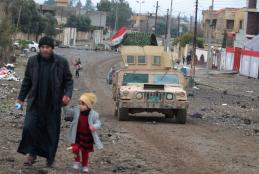
이라크: 모술 탈환전 이후 1년, 여전히 피해 속에서 고통받는 사람들

지역

이라크: 모술 탈환전 이후 1년, 여전히 피해 속에서 고통받는 사람들

익명 (미확인) | 금, 2017/10/27- 15:26

지난해 10월 16일, 무장단체 자칭 이슬람국가(IS)가 장악하고 있던 모술을 탈환하기 위해 이라크 정부군과 미국 연합군이 공격을 개시했다. 사마흐 하디드Samah Hadid 국제앰네스티 중동지역 캠페인국장은 다음과 같이 강조했다.

전쟁당사자들은 민간인들의 생명을 가볍게 여겼다. 운 좋게 목숨을 건진 사람들이라도 대다수는 임시 수용소의 비참한 환경 속에서 어떤 미래가 다가올지도 모르는 채 살아가고 있다. 국제사회는 모술 주민들을 잊어서는 안 될 것이다.

사마흐 하디드, 국제앰네스티 중동지역 캠페인국장

모술 탈환전으로 주민들은 처참한 피해를 입었다. 전투에 휘말려 일가족이 모두 숨지는 일이 부지기수였고, 지금까지도 수많은 시신이 잔해 속에 묻혀 있다. 전쟁당사자들은 민간인들의 생명을 가볍게 여겼다. 운 좋게 목숨을 건진 사람들이라도 대다수는 임시 수용소의 비참한 환경 속에서 어떤 미래가 다가올지도 모르는 채 살아가고 있다.

국제사회는 모술 주민들을 잊어서는 안 될 것이다. 현재 80만 명 이상이 제대로 된 의료서비스나 식량, 물조차도 없는 상태로 텐트 속에서 살아가고 있다. 이들에게 인도적 지원을 제공하기 위한 기금 마련이 시급한 상태다.

강제로 이주당한 사람들 역시 두려움 속에서 살아가고 있다. 친정부 무장세력에 의한 강제실종 사건이 증가하고 있고, 성급하게 진행된 불공정재판 끝에 고문으로 얻어낸 ‘자백’을 근거로 사형이 집행되고 있다. 이라크 정부는 모든 재판이 사형에 의존하지 않고 국제기준에 따라 진행되도록 보장해야 한다.

이라크 정부와 미국 연합군은 모술 탈환전으로 엄청난 민간인이 희생됐다는 점과 여기에 자신들의 책임이 있다는 점도 인정해야 할 것이다. 알려진 폭력 행위에 대해 공정하게 수사해야 하고, 책임자들을 반드시 처벌해야 한다. 모술 주민들은 탈환전으로 인한 희생자와 유족들이 보상을 지급받고, 이들의 정의가 구현될 수 있는지를 확인할 자격이 충분하다. 국제사회 역시 모술 전투를 교훈으로 삼아 다른 전투에서는 민간인들이 이처럼 처참한 피해를 입지 않도록 해야 한다.

시민들의 의견

댓글 달기

Plain text

  • 웹 페이지 주소 및 이메일 주소는 자동으로 링크로 전환됩니다.
  • 줄과 단락은 자동으로 분리됩니다.
  • 사용할 수 있는 HTML 태그: <a href hreflang> <em> <strong> <cite> <blockquote cite> <code> <ul type> <ol start type> <li> <dl> <dt> <dd>
이미지
무제한 수의 파일을 이 필드에 업로드할 수 있습니다.
50 MB 한계입니다.
허용된 유형: png gif jpg jpeg.
Enter the YouTube URL. Valid URL formats include: http://www.youtube.com/watch?v=1SqBdS0XkV4 and http://youtu.be/1SqBdS0XkV4.
CAPTCHA
스펨 사용자 차단 질문


올해 들어 지금까지 사우디아라비아에서 최소 151명 이상이 처형되며 1995년 이후 가장 높은 사형집행 건수를 기록한 것은 사우디아라비아 정부의 사형제도 사용에 암울한 기록을 남긴 전례 없는 움직임이라고 국제앰네스티가 밝혔다.

제임스 린치(James Lynch) 국제앰네스티 중동 북아프리카 부국장은 “사우디아라비아 정부는 올해 들어 지금까지 평균 이틀에 한 명꼴로, 최소 151명의 목숨을 빼앗은 잔혹한 사형집행을 의도적으로 계속해서 남발하는 것으로 보인다”고 말했다. 사우디아라비아의 연간 사형집행 건수는 최근 몇 년 동안 한 해 90건을 넘기는 일이 거의 없었다. 가장 최근에 사형이 집행된 것은 11월 9일이다.

국제앰네스티가 기록한 바에 따르면 마지막으로 사우디아라비아가 한 해 150명 이상을 처형한 해는 1995년으로, 192건의 사형이 집행됐다. 2014년의 총 사형집행 건수는 90건으로, 2015년부터 지금까지의 사형집행 건수는 전년도 대비 68% 증가한 것이 된다.

사우디아라비아에서는 마약 관련 범죄와 같은 치명적이지 않은 범죄에, 국제인권법과 인권 기준에서 명시한 공정재판의 기본적 안전조치조차 마련되지 않은 불공정재판을 통해 사형이 선고되는 경우가 대부분이다. 이에 관해서는 국제앰네스티가 2015년 8월 발표한 보고서 <법에 의한 살인: 사우디아라비아의 사형>에서 다루고 있다.

올해 처형된 151명 중 거의 절반에 가까운 사람들이 국제인권법상 사형이 부과될 수 있는 “매우 중대한 범죄”라는 조건에 해당하지 않는 범죄로 사형이 집행됐다. 매우 엄격한 안전조치 하에 사형을 적용하고 있다는 정부의 주장과는 명백히 상반되는 것이다.

올해 마약 관련 범죄로 처형된 63명 중에는 외국인이 45명으로 대다수를 차지했다. 올해 들어 지금까지 처형된 외국인의 수는 총 71명이다. 사우디아라비아에서는 외국인에게 사형이 부과되는 경우가 월등히 더 많다. 이러한 외국인들은 주로 개발도상국 출신의 이주노동자로, 보통 아랍어를 잘하지 못하고 재판 과정에서 적절한 통역이 이루어지지 않기 때문에 특히 취약하다.

제임스 린치 부국장은 “사형을 부과하는 것은 어떤 경우에라도 끔찍하지만, 사우디아라비아 정부가 국제인권법과 국제인권기준을 위반하면서도 이처럼 광범위하게, 매우 불공정한 재판을 거쳐, 때로는 정치적인 이유로 계속해서 사형을 부과하고 있다는 것은 특히 더욱 충격적인 일”이라고 말했다.

급증하는 사형집행 건수가 더욱 우려되는 것은 반정부 성향인 사우디아라비아의 시아파 이슬람교도들을 탄압하기 위해 명백한 정치적 도구로 사형제도가 이용되고 있다는 점 때문이다.

지난달 사우디 대법원은 동부 출신의 유명 시아파 이슬람 사제인 셰이크 님르 바키르 알 님르(Sheikh Nimr Baqir al-Nimr)에 대해 사형 선고를 확정했다. 사우디아라비아의 악명 높은 특수형사법원에서 정치적이고 매우 불공정한 재판을 거쳐 선고된 것이었다.

이에 앞서 셰이크 알 님르의 조카인 알리 모하메드 바키르 알 님르(Ali Mohammed Baqir al-Nimr)와 시아파 청년활동가인 다우드 후세인 알 마르훈(Dawood Hussein al-Marhoon), 압둘라 하산 알 자헤르(Abdullah Hasan al-Zaher) 역시 반정부시위에 참여했다가 미성년자임에도 체포된 후, 마찬가지로 사형 선고가 확정되었다. 최근 세 명 모두 독방으로 이감되면서, 사형집행이 임박한 것이 아니냐는 우려가 더욱 커지고 있다.

사우디아라비아는 18세 이하의 미성년자에게도 사형을 부과하고 집행하기를 계속하고 있다. 이는 국제관습법과 유엔 아동권리협약에 따른 사우디아라비아의 의무를 위반하는 것이다.

제임스 린치 부국장은 “미성년자 피고인에게 사형을 부과하는 것은 심각한 국제인권법 위반이다. 사우디아라비아 정부가 사형집행을 정치적 반대세력에 대해 처벌과 박해의 도구로 사용하고 있는 것은 충격적인 권력 남용”이라며 “정부는 사형을 집행하겠다며 사람들을 위협하기보다는 현재 임박한 사형집행을 모두 중단하고 즉시 사형집행 유예를 선언해야 함은 물론 심각한 결함이 있는 사우디아라비아의 사법제도를 재점검해야 한다”고 말했다.

영어전문 보기

Saudi Arabia: 151 executed this year in highest recorded toll in nearly two decades

At least 151 people have been put to death in Saudi Arabia so far this year –the highest recorded figure since 1995 – in an unprecedented wave of executions marking a grim new milestone in the Saudi Arabian authorities’ use of the death penalty, said Amnesty International.

So far in 2015, on average, one person has been executed every other day. Annual execution tolls for Saudi Arabia in recent years have rarely exceeded 90 for the entire year. The latest execution took place on 9 November.

“The Saudi Arabian authorities appear intent on continuing a bloody execution spree which has seen at least 151 people put to death so far this year – an average of one person every two days,” said James Lynch, Deputy Director at Amnesty International’s Middle East and North Africa Programme.

According to Amnesty International’s records, the last time Saudi Arabia executed more than 150 people in a single year was in 1995, when 192 executions were recorded. In 2014 the total number of executions carried out was 90 – meaning that so far there has been a 68% increase in executions over the whole of last year.

Death sentences in Saudi Arabia are frequently imposed for non-lethal offences, such as drug-related ones, and after unfair trials which lack basic safeguards for fair trial provided for under international human rights law and standards. This was documented in Amnesty International’s August 2015 report Killing in the Name of Justice: The death penalty in Saudi Arabia .

Almost half of the 151 executions carried out this year were for offences that do not meet the threshold of “most serious crimes” for which the death penalty can be imposed under international human rights law. This blatantly contradicts the Saudi Arabian authorities’ claims to apply the death penalty with the strictest safeguards in place. Under international human rights standards “most serious crimes” are crimes that involve intentional killing.

Of the 63 people executed this year for drug-related charges, the vast majority, 45 people, were foreign nationals. The total number of foreign nationals executed so far this year is 71. The death penalty is disproportionately used against foreigners in Saudi Arabia. Foreign nationals, mostly migrant workers from developing countries, are particularly vulnerable as they typically lack knowledge of Arabic and are denied adequate translation during their trials.

“The use of the death penalty is abhorrent in any circumstance but it is especially alarming that the Saudi Arabian authorities continue to use it in violation of international human rights law and standards, on such a wide scale, and after trials which are grossly unfair and sometimes politically motivated,” said James Lynch.

Concerns over the increase in executions have been further compounded by the apparent use of the death penalty as a political tool to clamp down on Saudi Arabian Shi’a Muslim dissidents.

Last month the Supreme Court upheld the death sentence of Sheikh Nimr Baqir al-Nimr, a prominent Shi’a Muslim cleric from the Kingdom’s Eastern Province, after a politicized and grossly unfair trial at Saudi Arabia’s notorious counter-terror court (the Specialized Criminal Court).

This followed news that Sheikh al-Nimr’s nephew Ali Mohammed Baqir al-Nimr, and two other young Shi’a activists, Dawood Hussein al-Marhoon and Abdullah Hasan al-Zaher, who were arrested as juveniles after participating in anti-government rallies, also had their death sentences upheld. All three have said they were tortured and denied access to a lawyer during their trials. The three young men have recently been transferred to solitary confinement heightening fears that their executions could be imminent.

Saudi Arabia also continues to impose death sentences on and execute people below 18 years of age, in violation of the country’s obligations under international customary law and the Convention on the Rights of the Child.

“Using the death penalty against juvenile offenders is an egregious violation of international human rights law. The use of the threat of executions as a tool to punish and intimidate political dissidents by the Saudi Arabian authorities is an appalling abuse of power,”said James Lynch.

“Instead of intimidating people with the threat of state sanctioned killing, the Saudi Arabian authorities should halt all impending executions and urgently establish a moratorium on executions as well as overhaul the Kingdom’s deeply flawed justice system.”


목, 2015/11/12- 18:08
282
0
ⓒ Amnesty International

ⓒ Amnesty International

시에라리온 정부는 임신한 학생 수 천명의 등교를 금지하고 곧 있을 시험에도 응시하지 못하도록 했다. 국제앰네스티는 6일 발표한 보고서 <수치와 비난: 위험에 처한 시에라리온 임신부 여학생들의 인권>을 통해 이 같은 실태 밝히고 시에라리온 정부에 즉시 이 같은 금지 조치를 해제할 것을 촉구한다.

사브리나 마흐타니(Sabrina Mahtani) 국제앰네스티 서아프리카 조사관은 “학교에서 임신한 학생을 제외시키고 중요한 시험 응시를 금지하는 것은 차별이며, 충격적인 결과를 초래하게 될 것이다. 사람은 누구나 교육받을 권리가 있으며, 이는 정부가 처벌로써 임의로 박탈할 수 있는 것이 아니다”라며 “시에라리온이 끔찍한 에볼라 사태에서 벗어나고있는 시점에 이러한 학생들이 소외되지 않는 것이 무엇보다 중요하다”고 말했다.

이 같은 논란은 지난 4월 2일 교육과학기술부장관이 발표한 성명에서 시작되었다. 장관은 소위 ‘순결한 여학생’들을 부정적인 영향으로부터 보호하겠다는 명분으로 임신한 여학생이 ‘학교’에 드나드는 것을 금지하겠다고 발표했다. 또 임신 여부를 판단하는 신체검사를 강요하여 학생들은 수치스럽고 굴욕적인 경험을 해야했다. 일부 학생들의 경우 선생님들이 임신 여부를 ‘검사’한다며 가슴과 배를 만지기도 했다.

한 18세 소녀는 국제앰네스티에 시험 응시를 허락 받기 위해서 모든 여학생들이 선생님들로부터 검사를 받아야 했다고 말했다. 이 소녀는 “선생님들이 임신했는지 알아보려고 가슴과 배를 만졌다. 어떤 학생들은 소변 검사를 받아야 했다. 선생님 중에는 검사할 때 장갑을 낀 사람도 있었다. 내 차례가 되었을 때는 매우 창피한 기분이었다. 선생님들에게 임신 사실을 들킬까 봐 겁이 나서 도망간 학생들도 많았다. 임신한 여학생 약 12명은 시험을 치르지 못했다.”고 전했다.

이렇게 임신을 ‘검사’하는 관행은 정부 정책에 포함된 것이 아님에도 여기저기서 시행되고 있다. 국제앰네스티는 시에라리온 정부에 이처럼 여학생들에게 수치스럽고 굴욕적으로 대우하는 것을 즉시 금지할 것을 촉구한다.

2015년 10월 말, 아일랜드, 영국 등으로부터 2016년 7월까지 지원을 받아 임신부 여학생들을 위한 임시 대체 수업이 마련되었다. 정부는 3천 명 이상의 청소년 임신부들이 이러한 임시 수업을 신청했다고 주장하고 있으나, 정규 수업과는 다른 조건과 시간에 진행되며, 여전히 시험 응시는 금지하고 있다. 또한 지역 전문가들 역시 수업 선택의 폭이 좁은 것과, 주류 교육으로부터 지속적으로 제외시킴으로써 낙인 효과를 일으킬 수 있다는 점을 비판하고 있다.

국제앰네스티는 대체 수업의 질과 내용이 정규 수업과 동등해야 하며, 학교에 다니기를 원치 않는 학생들도 참여할 수 있게 할 것을 촉구한다.

국제앰네스티와 인터뷰를 가진 여학생 중에는 대체 제도를 지지한다는 학생들도 있는 반면, 친구들과 함께 같은 학교를 다니고 싶어하는 학생들도 있었다. 국제앰네스티는 정부와 공여국들에 정규 학교에 다니기를 원치 않는 학생들도 대체 수업에 참여할 수 있도록 할 것을 촉구한다.

지난해 에볼라 바이러스 사태로 시에라리온의 모든 학교는 감염률을 줄이기 위한 긴급 조치로 2014년 6월부터 2015년 4월까지 폐쇄되었다. 이 기간 동안 청소년 임신 비율이 증가했는데, 대부분 성폭력으로부터 여학생들을 보호하지 못하는 등의 인권침해로 인한 임신이었다. 격리 조치와 이미 한계에 이른 의료 시스템으로 인해 학생들은 원치 않는 조기 임신으로부터 스스로를 보호할 수 있도록 성과 재생산건강에 대한 지원이나 조언을 구하는 것이 불가능했다. 학교에서의 성교육은 제한적인 수준으로, 10년 전 내전이 끝나고 교육과정에서 삭제되었다.

2004년 내전이 종식된 후 진실과 화해 위원회는 정부에 교육 과정에서 청소년 임신부를 제외하는 관행을 중단하라고 권고했다. 위원회는 이러한 관행을 ‘차별적이고 구시대적’이라고 표현했다.

사브리나 마흐타니 조사관은 “시에라리온에서 청소년 임신부는 비난과 수치의 대상이다. 이들은 삶에서 앞으로 나아갈 수 있고, 이른 시기에 임신했다고 해서 남은 인생까지 결정되는 것은 아님을 확인할 가장 중요한 기회를 박탈당하고 있다”며 “시에라리온이 에볼라 사태로부터 다시 일어서고 있는 가운데, 국제앰네스티가 만난 임신부 여학생들은 국가 재건을 돕고자 하는 소망을 피력했고, 많은 학생들이 지금 가장 절실히 필요한 간호사, 의사, 변호사가 되고 싶어했다. 이들을 주류 교육으로부터 제외시키는 관행이 뒤집히고, 시험 응시 금지 조치가 해제되지 않는 한 이 소녀들의 꿈은 이루어질 수 없을 것”이라고 말했다.

배경정보

2014년 3월 시작되어 2015년까지 계속된 시에라리온의 에볼라 바이러스 사태는 전국민에게 남녀노소 가릴 것 없이 피해를 입혔고, 그렇지 않아도 약자인 어린 소녀들에게 특히 큰 영향을 미쳤다.

임신한 학생을 교육과정에서 제외시키고 시험 응시를 금지한 것은 에볼라 발병보다 앞서 이루어진 것이나, 학교 수업을 재개하는 날 이러한 금지 조치를 공식적으로 발표한 것은 또다른 논란과 시에라리온의 여러 문제에 대한 우려에 불을 붙였다. 시에라리온 인권위원회는 이러한 금지 조치가 차별이자 낙인 찍기이며, 이로 인해 임신부 소외가 더욱 악화될 가능성이 크다고 평가했다.

시에라리온 교육과학기술부는 에볼라 발병 이후 청소년 임신이 더욱 증가했다고 스스로도 인정한 바 있다. 금지 조치로 얼마나 많은 여학생들이 영향을 받게 될 것인지는 분명하지 않다. 공식 통계에 따르면 3천 명으로 예상되지만, 상황을 지켜보는 전문가들은 실제 청소년 임신부 수가 이보다 훨씬 높은 1만여 명일 것으로 추정하고 있다.

현재 모든 임산부 학생이 응시할 수 없는 주요 시험은 적어도 두 가지이다. 먼저 기초교육검정시험(BECE)은 고등학교나 직업학교 등의 고위 교육기관으로 진학하려는 학생이라면 누구나 통과해야 하는 시험이다. 두 번째는 서아프리카 고등학교 검정시험(WASSCE)으로, 영어, 수학, 과학, 예술은 물론 경제 등 상업 과목까지 포함한 다양한 과목에 대해 응시할 수 있다. 서아프리카 고등학교 검정시험은 대학에 진학하기 위해 반드시 필요함은 물론, 잠재적 고용주들에게도 중요한 시험이다.

영어전문 보기

Sierra Leone: Pregnant schoolgirls excluded from school and banned from exams

Thousands of pregnant girls, excluded from mainstream schools and barred from sitting upcoming exams, risk being left behind as Sierra Leone moves forward from the Ebola crisis, Amnesty International said in a report published today.

The report, Shamed and blamed: Pregnant girls’ rights at risk in Sierra Leone, reveals how the prohibition, confirmed by the government in April this year and sometimes enforced through humiliating physical checks, not only stigmatizes an estimated 10,000 girls but risks destroying their future life opportunities. With exams scheduled for 23 November, Amnesty International is calling on authorities to immediately lift the ban.

“Excluding pregnant girls from mainstream schools and banning them from sitting crucial exams is discriminatory and will have devastating consequences. Education is a right and not something for governments to arbitrarily take away as a punishment,” said Sabrina Mahtani, Amnesty International’s West Africa Researcher.

“As Sierra Leone moves forward from the devastating Ebola crisis, it is vital that these girls, are not left behind.”

On 2 April the Minister of Education, Science and Technology issued a statement banning pregnant girls from “school settings”. The justification given for this policy – namely to protect “innocent girls” from negative influences – only serves to reinforce stigma through language that blames and shames pregnant girls.

Amnesty International has documented how this ban has been enforced in some schools through humiliating and degrading treatment of girls. Girls have been subjected to degrading physical searches and tests. Some have had their breasts and stomachs felt by teachers to “test” for pregnancy. Others have been compelled by their school to take pregnancy tests.

Amnesty International interviewed 52 girls, some of whom said they felt scared at the possibility of being accused of being pregnant, while others described the feeling of humiliation at being physically assessed.

One 18 year-old girl told Amnesty International how all girls were checked by teachers before they were allowed to sit an exam:

“They touched our breasts and stomachs to see if we were pregnant. Some girls were made to take urine tests. One of the teachers was wearing gloves when she was checking us. I felt really embarrassed when this happened to me. Many girls left as they were scared the teachers would find out they are pregnant. About 12 pregnant girls did not sit their exams.”

Whilst the way in which girls are “tested” for pregnancy is not part of government policy, the practice is widely known. Amnesty International is calling on the government to issue urgent directives banning such humiliating and degrading treatment of girls.

In late October 2015 temporary alternative classes for pregnant school girls funded until July 2016 by donor countries, particularly Ireland and the UK, were introduced.

While the government claims that more than 3,000 pregnant schoolgirls have registered for this scheme, the classes are held in different premises or at different times to their peers and the girls are still banned from exams. It has also been criticized by local experts for its lack of choice and the stigmatizing effect of persistent exclusion from mainstream education.

Amnesty International urges that the attending of the alternative system, which should be of equal quality and content, be optional for those girls who do not wish to continue at mainstream school.

While some of the girls interviewed by Amnesty International said they support the alternative system, others wanted to attend school with their peers. Amnesty International has called on the government and the donors to make the alternative system optional for those girls who do not wish to continue at mainstream school.

As the Ebola crisis spread last year, schools in Sierra Leone were closed between June 2014 and April 2015 as part of emergency measures to reduce infection rates. During this period, there was an increase in adolescent pregnancy. Many of these pregnancies resulted from rights violations including failure to protect girls from sexual violence. Quarantines and an already overstretched healthcare system, meant that girls were not able to access sexual and reproductive health support or advice to protect themselves from early and unwanted pregnancies. Sex education in schools is limited and was removed from the curricula after the war over a decade ago.

In 2004, after the end of the civil war, the Truth and Reconciliation Commission recommended that the government stop the practice of excluding pregnant girls from education. The Commission called this practice “discriminatory and archaic”.

“Pregnant girls are being blamed and shamed in Sierra Leone. They are being denied key chances to move forward with their lives, and to ensure early pregnancy does not become the event that determines the rest of their lives,” said Sabrina Mahtani.

“As the country emerges from the Ebola crisis, pregnant girls we met expressed their desire to help build up their country. Many wanted to become much needed nurses, doctors or lawyers. Unless their exclusion from mainstream education is reversed and the ban from sitting exams is lifted these girls’ dreams will not be realized.”

Background

The Ebola crisis that struck Sierra Leone in March 2014 and continued throughout 2015 hit all parts of the country’s population, with already marginalized groups like girls particularly affected.

The exclusion of pregnant girls from mainstream education and from sitting exams pre-dates the outbreak of Ebola; however, the official declaration of the ban when schools re-opened has sparked renewed debate and concern about this issue in Sierra Leone. The Human Rights Commission of Sierra Leone described the ban as discriminatory, stigmatizing and likely to worsen the marginalization of pregnant girls and women.

The Ministry of Education, Science and Technology has itself recognized that there has been an increase in adolescent pregnancy during the Ebola outbreak. It is not clear how many girls are affected the ban. Official figures suggest three thousand, but experts mapping the situation indicate that the true figure is far higher, likely to be an estimated 10,000 pregnant girls.

There are at least two crucial exams that all visibly pregnant girls are currently unable to take. Firstly, there is the Basic Education Certificate Examination (BECE), which is the exam all students must pass to guarantee admission into senior secondary school or other higher level education centre, such as vocational schools. The second key set of exams are the West African Senior School Certificate Examination (WASSCE), which can be taken in a range of subjects including English, mathematics, sciences and arts, as well as economics and other commercial subjects. The WASSCE exams are necessary to get into university or college and are also important for potential employers.


금, 2015/11/13- 13:51
395
0
© Amnesty International / Flor Montero

© Amnesty International / Flor Montero

11월 12일, 스위스 제네바에서는 세계 각국이 모여 ‘살인 로봇’에 대해 논의했다. 국제앰네스티는 전장과 치안유지활동 현장에서 ‘살인 로봇’의 치명성에 상관없이 그 사용을 금지하는 세계적인 규제 장치를 마련하기 위해 공식적인 협상 절차를 진행할 것을 촉구하고 있다. 이러한 규제가 반드시 필요한 10가지 이유는 다음과 같다.

1. ‘살인 로봇’은 더는 공상과학소설 속에만 등장하는 것이 아니다.

살인 로봇은 일단 작동하면 조종하는 사람 없이도 인간 목표물을 선정하고, 공격하고, 살해하거나 상처 입힐 수 있는 무기 시스템이다. ‘전자동무기시스템’(AWS) 으로도 알려진 이 무기는 한때 디스토피아를 그린 공상과학소설에나 등장하는 소재였지만, 머지않아 실존하게 될 예정이다.

이미 유사한 기술들도 많다. 예를 들어 덜 치명적인 무기를 탑재할 수 있는 드론이 개발되어 2011년 미국 텍사스 보안관이 국토안전부 허가를 받아 이를 구입하기도 했다. 올해 8월 미국의 노스다코타 주는 드론을 이용해 원거리에서 고전압 전기충격을 가하는 것이 합법화한 첫 번째 주가 되었다.

2. 무책임한 정부에 의해 탄압의 도구로 공공연히 사용될 것이다.

일부 국가는 ‘살인 로봇’을 통해 전장에 군인을 배치하거나 위험한 치안유지 작전에 경찰관을 배치하는 위험을 줄일 수 있다고 주장한다. 그렇게 되면 정부가 새로운 무력분쟁을 일으키거나, 시위 진압 같은 경우에 무력을 사용하는 것이 더욱 쉬워질 것이다. 군인과 경찰관은 더욱 안전해질지 모르나, 이렇게 무력사용의 장벽이 낮아지게 되면 더 많은 분쟁과 무력 사용으로 이어질 수 있고, 결과적으로 더 많은 민간인이 희생될 위험이 있다.

또한 ‘살인 로봇’ 사용을 지지하는 사람들은 감정이 없는 로봇이기 때문에 공포와 복수심, 분노, 인적 오류 등 인간의 부정적인 면이 배제될 것이라고 주장한다. 인간의 감정은 민간인을 살해하거나 해치지 않도록 하는 억제할 수 있으나 로봇은 인간에 대해 무차별적이거나 임의적인 공격을, 심지어는 대규모로도 가할 수 있도록 설정되기 쉽다. ‘살인 로봇’은 명령을 거부함으로써 때로는 생명을 구하는 것도 불가능할 것이다. 예를 들어 2011년 이집트에서 대규모 시위가 계속될 당시 군은 시위대를 향해 발포하는 것을 거부했다. 인간적인 연민과 법치주의에 대한 존중이 있었기에 가능한 행동이었다.

3. 인권법과 국제경찰력사용기준을 따르지 않을 것이다.

국제경찰력사용기준은 사망 또는 심각한 부상의 위협이 임박했을 때 이를 방어하기 위한 경우를 제외하고 화기의 사용을 금지하고 있으며, 무력은 필요한 가장 최소한의 수준만 사용해야 한다고 명시하고 있다. 어떤 사람이 다른 사람을 살해하기 직전이라는, 직접 임박한 위협이 있음을 기계가 사람처럼 판단하고 이러한 공격을 저지하는 데 필요한 최소한의 수준의 적절한 무력을 사용하는 모습은 상상하기 힘들다. 그러나 이러한 판단은 무기를 사용하는 경찰관에게는 무엇보다도 가장 중요한 것이다. 경찰은 대부분의 경우 무력을 동원하기 전에, 유엔 기준에 따라 우선 설득과 협상, 단계적 축소와 같은 비폭력적인 수단을 써야 한다.

효과적으로 치안을 유지하는 것은 단순히 무력을 사용하는 것보다 훨씬 고차원적인 것으로, 공감이나 부정과 같은 인간적인 기술과 주로 유동적이고 예측 불가능한 상황을 평가하고 대응할 능력이 필요하다. 이러한 능력을 단순한 알고리즘으로 압축시킬 수는 없다. 매 순간 변화하는 상황을 판단하고, 생명권과 신체의 완전성을 정당하게 보호하기 위한 제일 나은 방법을 찾아내는 것은 기계로서는 전혀 수행할 수 없는 일이다. 경찰관이 특정 상황에 대해 최소한의 무력을 사용하겠다고 결정하기까지는 위협의 성질에 대한 직접적이고 인간적인 판단과 무기에 대한 충분한 통제력이 필요하다. 간단히 말해, 이처럼 삶과 죽음이 달린 결정은 절대 기계가 대신해서는 안 된다.

4. 전쟁법을 따르지 않을 것이다.

국제인도법과 전쟁법의 세 가지 중추는 구별과 비례의 원칙, 예방 조치이다. 군은 반드시 전투원과 비전투원을 구별해야 하고, 민간인 사상자와 민간 건물 피해는 예상되는 군사적 이익보다 과도해서는 안 되며, 분쟁의 모든 당사자는 민간인 보호를 위해 충분한 사전 예방 조치를 취해야 한다는 것이다.

이는 모두 명백히 인간이 해야 할 판단이다. 로봇은 사람의 행동 기저에 있는 의도를 분석하거나, 공격의 비례 또는 필요성에 대한 복잡한 판단을 내릴만한 능력이 없다. 전쟁에 휘말린 민간인에 대한 연민과 공감은 말할 필요도 없다.

5. 로봇의 행동에 대한 책임을 누가 질 것이냐는 문제가 발생한다.

로봇이 불법 행동을 한다면 어떻게 처벌해야 할까? 프로그래밍과 생산, 배치에 참여한 사람들뿐만 아니라 고위 관계자와 정치적 지도자들에게도 책임을 물을 수 있을 것이다. 그러나 ‘살인 로봇’이 어떤 상황에서 어떻게 대응할지를 정확히 예측한다는 것은 불가능한 일이기 때문에, 책임성 공백이 생겨날 가능성이 있다.

이미 지금도 드론 공격으로 인한 불법 살인을 조사하는 경우는 거의 없으며, 책임자가 처벌받는 경우는 더더욱 드물다. 국제앰네스티는 파키스탄에서 이루어진 미국의 드론 공격에 대해 보고서를 발표하고, 미국 정부의 드론을 이용한 살인이 베일에 싸여 있으며, 정부가 이러한 공격의 국제법적 근거에 대해 해명하기를 거부했다고 폭로한 바 있다. 또한, 파키스탄 선주민 지역에 대한 공격 역시 인권을 침해했을 가능성이 있다고 우려를 제기하기도 했다.

드론 공격에 대해 책임을 묻는 것이 어렵다는 사실은 이미 충분히 증명되었는데, 이에 더해 목표 설정과 공격 결정을 모두 직접 수행하는 ‘살인 로봇’이 활동하게 될 경우 전장과 치안유지 현장에서 불법 살인으로 인한 사상자가 더욱 증가하는 모습을 지켜보고만 있어야 할 가능성이 크다.

6. ‘살인 로봇’의 개발로 또 다른 무기 경쟁이 촉발될 것이다.

중국, 이스라엘, 러시아, 한국, 영국, 미국은 현재 더욱 자동화된 전투 시스템을 개발하고 있는 국가들이다. 다양한 국가의 수많은 기업은 치안유지작전에서 최루가스와 고무탄, 전기충격 다트를 발사할 수 있는 반자동 로봇 무기를 이미 개발한 상태다.

무기 개발의 지난 역사를 돌아보면 각국 정부가 이러한 시스템을 서로 개발하고 확보하려 하면서 널리 보급되고, 이로 인해 다시 최첨단 무기 경쟁이 시작되는 것은 시간문제일 뿐임을 알 수 있다. 이러한 무기들은 부도덕한 정부의 무기고에 처박히게 될 것이고, 결국 반정부 무장단체와 범죄조직 등 비국가 행위자의 손에 들어가게 될 것이다.

7. 기계를 이용해 살해하고 무력을 사용하는 것은 인간의 존엄성에 대한 모욕이다.

로봇에 생명이 달린 결정을 내릴 수 있도록 허용하는 것은 기본적인 윤리에 어긋나는 것이다. 감정과 공감, 연민이 없는 로봇을 이용하는 것은 생명권과 존엄성을 침해하는 것이다. 사람을 죽이는 데 기계를 이용하는 것은 인간의 존엄성에 대한 가장 큰 모욕이다.

8. ‘살인 로봇’이 한 번 배치되면, 이를 막는 것은 거의 불가능할 것이다.

드론 사용이 무분별하게 증가하고 있는 점에서도 나타나듯이, 무기 시스템이 일단 사용되기 시작하면 이를 규제하거나 그 사용을 통제하는 것이 매우 어렵거나 거의 불가능하게 된다.

인터셉트(the Intercept)가 최근 펴낸 ‘드론 페이퍼(Drone Papers)’에서는 미국의 드론 프로그램의 충격적인 현실을 폭로했다. 이 문서에 따르면 5개월간 미국의 드론 공격으로 인한 사망자 중 90%가 의도치 않은 피해자였다. 미국 정부가 오랫동안 드론 프로그램을 투명하게 운영하지 못하고 있음을 더욱 분명히 보여주는 사실이다.

무기화된 드론의 사용을 철폐하기엔 이미 너무 늦은 듯하지만, 민간인의 희생을 막기 위해서는 이를 철저하게 통제해야만 한다. ‘살인 로봇’은 이러한 불법 살인의 위험을 더욱 증폭시킬 것이다. 이러한 로봇이 사전에 금지되어야 하는 이유다. ‘일단 두고 보자’는 식의 태도를 보인다면 이러한 시스템의 개발에 더욱 많은 투자가 이루어지고, 신속하게 보급될 것이다.

9. 수많은 로봇 기술 전문가들이 ‘살인 로봇’의 금지를 촉구했다.

2015년 7월, 세계 정상급 인공지능 관련 연구자와 과학자, 관련 전문가들이 모여 ‘살인 로봇’의 전면적인 금지를 촉구하는 공개서한에 서명했다.

지금까지 이 서한에 서명한 사람은 2,587명으로, 인공지능 및 로봇 기술 관련 단체와 전문가집단의 전 현직 대표 14명도 함께 참여했다. 그중에서도 구글 딥마인드(google DeepMind)의 데미스 하사비스, 테슬라(Tesla)의 CEO 엘론 머스크, 애플(Apple)의 공동설립자 스티브 워즈니악, 스카이프(Skype)의 공동설립자 얀 탈린, 스티븐 호킹 교수 등의 참여가 눈에 띈다.

과학자와 법률 전문가 수천 명이 ‘살인 로봇’의 개발과 사용 가능성에 대해 이렇게 우려를 표하고, 살인 로봇 금지를 촉구하는 캠페인에 동의하고 있는데, 국가 정부들은 무엇이 더 필요하단 말인가?

10. 지난 2년간 논의는 많았으나 실현된 것은 거의 없었다.

2013년 4월 ‘살인 로봇’ 문제가 처음 수면 위로 제기된 이후로 이 사안에 관해 의미 있는 국제적 논의는 스위스 제네바에서 열린 유엔 특정재래식무기금지협약 회의를 통해 비공식적으로 이루어진 2주간의 전문가 회담이 유일했다. 이처럼 심각한 위험에 투자된 시간이 이렇게나 적고, 지금까지 거의 아무런 성과도 내지 못했다는 것은 말도 안 되는 일이다.

국제앰네스티가 협력단체와 함께 치명적인 전자동 무기 시스템의 개발과 배치, 사용을 전면 금지할 것을 촉구하는 ‘살인 로봇 금지 캠페인’만이 유일하고 현실적인 해결책이다.

국제사회는 이처럼 심각한 세계적 위협을 더는 내버려둬서는 안 된다. 지금이야말로 살인 로봇의 금지를 위해 진지하게 임해야 할 때다.

영어전문 보기

Ten reasons why it’s time to get serious about banning ‘Killer Robots’

By Rasha Abdul Rahim, Advocate/Adviser on Arms Control, Security Trade & Human Rights at Amnesty International

Governments are meeting today in Geneva to discuss what to do about “Killer Robots”. Amnesty International is calling for the creation of a formal negotiation process with a view to establishing a new global ban on lethal and less-lethal “Killer Robots”, both on the battlefield and in policing operations. Here are 10 reasons why such a ban is essential.

1. “Killer Robots” will not be a thing of science fiction for long

Killer robots are weapons systems which, once activated, can select, attack, kill and injure human targets without a person in control. Once the stuff of dystopian science fiction, these weapons – also known as “fully autonomous weapon systems” (AWS) – will soon become fact.

Many precursors to this technology already exist. The Vanguard Defense Industries’ ShadowHawk drone, for example, can be armed with a grenade launcher, a shotgun with laser designator, or less-lethal weapons such as a Taser or bean-bag round launcher. In 2011 the office of the Sheriff in Montgomery County, Texas, purchased an unarmed ShadowHawk with a grant from the Department of Homeland Security. In August this year North Dakota became the first US state to legalize the use of drones that can be used remotely to incapacitate people with high-voltage electric-shocks.

2. They will be openly used for repression by unaccountable governments

Some governments argue that “Killer Robots” could reduce the risks of deploying soldiers to the battlefield, or police on dangerous law enforcement operations. Their use would therefore make it easier for governments to enter new armed conflicts and use force in, for example, policing of protests. Though soldiers and police might be safer, this lowered threshold could lead to more conflict and use of force and, consequently, more risk to civilians.

Proponents of “Killer Robots” also argue that their lack of emotion would eliminate negative human qualities such as fear, vengeance, rage and human error. However, human emotions can sometimes act as an important check on killing or injuring civilians, and robots could easily be programmed to carry out indiscriminate or arbitrary attacks on humans, even on a mass scale. “Killer Robots” would be incapable of refusing orders, which at times can save lives. For example, during mass protests in Egypt in January 2011, the army refused to fire on protesters, an action that required innate human compassion and respect for the rule of law.

3. They would not comply with human rights law and international policing standards

International policing standards prohibit the use of firearms except in defence against an imminent threat of death or serious injury, and force can only be used to the minimum extent necessary. It is very difficult to imagine a machine substituting human judgment where there is an immediate and direct risk that a person is about to kill another person, and then using appropriate force to the minimum extent necessary to stop the attack. Yet such a judgement is critically important to any decision by an officer to use a weapon. In most situations police are required by UN standards to first use non-violent means, such as persuasion, negotiation and de-escalation, before resorting to any form of force.

Effective policing is much more than just using force; it requires the uniquely human skills of empathy and negation, and an ability to assess and respond to often dynamic and unpredictable situations. These skills cannot be boiled down to mere algorithms. They require assessments of ever-evolving situations and of how best to lawfully protect the right to life and physical integrity that machines are simply incapable of. Decisions by law enforcement officers to use minimum force in specific situations require direct human judgement about the nature of the threat and meaningful control over any weapon. Put simply, such life and death decisions must never be delegated to machines.

4. They would not comply with the rules of war

Distinction, proportionality and precaution are the three pillars of international humanitarian law, the laws of war. Armed forces must distinguish between combatants and non-combatants; civilian causalities and damage to civilian buildings must not be excessive in relation to the expected military gain; and all sides must take reasonable precautions to protect civilians.

All of this, clearly, requires human judgement. Robots lack the ability to analyse the intentions behind people’s actions, or make complex decisions about the proportionality or necessity of an attack. Not to mention the need for compassion and empathy for civilians caught up in war.

5. There would be a huge accountability gap for their use

If a robot did act unlawfully how could it be brought to justice? Those involved in its programming, manufacture and deployment, as well as superior officers and political leaders could be held accountable. However, it would be impossible for any of these actors to reasonably foresee how a “Killer Robot” would react in any given circumstance, potentially creating an accountability vacuum.

Already, investigations into unlawful killings through drone strikes are rare, and accountability even rarer. In its report on US drone strikes in Pakistan, Amnesty International exposed the secrecy surrounding the US administration’s use of drones to kill people and its refusal to explain the international legal basis for individual attacks, raising concerns that strikes in Pakistani Tribal Areas may have also violated human rights.

Ensuring accountability for drone strikes has proven difficult enough, but with the extra layer of distance in both the targeting and killing decisions that “killer robots” would involve, we are only likely to see an increase in unlawful killings and injuries, both on the battlefield and in policing operations.

6. The development of “Killer Robots” will spark another arms race

China, Israel, Russia, South Korea, the UK, and the USA, are among several states currently developing systems to give machines greater autonomy in combat. Companies in a number of countries have already developed semi-autonomous robotic weapons which can fire tear gas, rubber bullets and electric-shock stun darts in law enforcement operations.

The past history of weapons development suggests it is only a matter of time before this could spark another hi-tech arms race, with states seeking to develop and acquire these systems, causing them to proliferate widely. They would end up in the arsenals of unscrupulous governments and eventually in the hands of non-state actors, including armed opposition groups and criminal gangs.

7. Allowing machines to kill or use force is an assault on human dignity

Allowing robots to have power over life-and-death decisions crosses a fundamental moral line. They lack emotion, empathy and compassion, and their use would violate the human rights to life and dignity. Using machines to kill humans is the ultimate indignity.

8. If “Killer Robots” are ever deployed, it would be near impossible to stop them

As the increasing and unchecked use of drones has demonstrated, once weapons systems enter into use, it is incredibly difficult or near impossible to regulate or even curb their use.

The “Drone Papers” recently published by The Intercept, if confirmed, paint an alarming picture of the lethal US drones programme. According to the documents, during one five-month stretch, 90% of people killed by US drone strikes were unintended targets, underscoring the US administration’s long-standing failure to bring transparency to the drones programme.

It appears too late to abolish the use of weaponized drones, yet their use must be drastically restricted to save civilian lives. “Killer Robots” would greatly amplify the risk of unlawful killings. That is why such robots must be pre-emptively banned. Taking a ‘wait and see’ approach could lead to further investment in the development and rapid proliferation of these systems.

9. Thousands of robotics experts have called for “Killer Robots” to be banned

In July 2015, some of the world’s leading artificial intelligence researchers, scientists, and related professionals signed an open letter calling for an outright ban on “Killer Robots”.

So far, the letter has gathered 2,587 signatures, including more than 14 current and past presidents of artificial intelligence and robotics organizations and professional associations. Notable signatories include Google DeepMind chief executive Demis Hassabis, Tesla CEO Elon Musk, Apple co-founder Steve Wozniak, Skype co-founder Jaan Tallin, and Professor Stephen Hawking.

If thousands of scientific and legal experts are so concerned about the development and potential use of “Killer Robots” and agree with the Campaign to Stop Killer Robots that they need to be banned, what are governments waiting for?

10. There has been a lot of talk but little action in two years

Ever since the problems posed by “Killer Robots” were first brought to light in April 2013, the only substantial international discussions on this issue have been two weeklong informal experts’ meetings in Geneva at the conference on the UN Convention on Certain Conventional Weapons (CCW). It is ludicrous that so little time has been devoted to so serious a risk, and so far little progress has been made.

For Amnesty International and its partners in the Campaign to Stop Killer Robots, a total ban on the development, deployment and use of lethal autonomous weapon systems is the only real solution.

The world can’t wait any longer to take action against such a serious global threat. It’s time to get serious about banning Killer Robots once and for all.

월, 2015/11/16- 16:50
362
0
터키의 한 시리아 난민 캠프© REUTERS/Yannis Behrakis

터키의 한 시리아 난민 캠프© REUTERS/Yannis Behrakis

터키 안탈리아에서 13일 G20 정상회의가 개막한 가운데, 선진국들은 나날이 심각해지는 세계적인 난민 위기에 대해 충격적이리만치 방관적인 태도를 중단하고, 세계 각지에서 가장 취약한 난민 115만 명의 재정착을 위해 구체적인 계획을 마련하거나 인도적 지원 수요를 충족할 만큼 충분한 기금을 마련하는 등의 공동 대책을 수립할 수 있도록 주도적으로 나서야 한다고 밝혔다.

현재 G20 국가들은 시리아 난민 약 14만 명을 수용하겠다고 약속한 바 있으나, 재정착이 필요한 난민의 수에 비하면 턱없이 부족한 수다. 지난해 G20 국가들이 제공한 재정착지는 수요의 10분의 1에 불과한 규모였다.

오드리 고프란(Audrey Gaughran) 국제앰네스티 글로벌이슈국장은 “세계적으로 참담하리만치 엄청난 규모의 난민 위기가 벌어지고 있는 가운데 선진국들은 지금까지도 구경만 하고 있다. 심지어는 안전을 찾아 온 난민들의 입국을 막으면서 이들의 절망에 적극적으로 기여한 국가도 있다”며 “터키 안탈리아에서 열린 G20 회의로 세계 주요 선진국들이 한자리에 모인 만큼, 이 기회를 놓치지 말고 수백만 난민의 고통을 끝낼 수 있는 구체적이고 의미 있는 해법을 모색하기 위해 힘을 모아야 할 것이다. 이번 G20 회의는 다른 정상회담이 관련 논의를 피하기만 했던 것과는 달리, 과감한 행동에 나서는 발판이 됨으로써 그 영향력을 증명할 수 있는 기회”라고 말했다.

국제앰네스티는 또한 G20 국가에 심각한 지원품 부족과 인도적 지원 중단으로 고통받고 있는 난민 수백만 명을 위해 인도적 재정 지원 규모를 과감하게 확대할 것을 촉구한다. 올 11월 현재까지 시리아 난민 사태에 대한 유엔의 인도적 지원 호소로 투자된 금액은 목표액의 50%에 불과하다.

시리아 난민을 주로 수용하고 있는 국가들과 G20의 영향력 있는 선진국의 대응은 충격적일 정도로 극명한 차이를 보인다. 연간 국민총소득 445억 달러인 레바논이 현재 국민 1인당 가장 많은 수의 난민을 수용하고 있는 반면, 국민총소득 1조 9천억 달러에 이르는 러시아는 시리아 난민을 단 한 명도 받아들이지 않았다.

오드리 고프란 국장은 “지금까지 주로 난민 위기에 대한 유럽 국가들의 잘못된 대처가 주목 받아왔으나, 이번 G20 회의는 다른 G20 국가 역시 국제사회에서 주도적인 역할을 맡은 데 따르는 책임을 받아들일 준비가 되어 있음을 보여줄 기회”라며 “세계적인 난민 위기에 대해 독일과 터키가 주도적으로 대처에 나서고 있고, 최근 캐나다가 향후 2개월간 시리아 난민 25,000명을 수용하겠다고 약속한 반면, 러시아와 사우디아라비아 등은 잔혹한 분쟁과 박해를 피해 온 난민들에 대해 충격적일 정도로 연민을 보이지 않고 있다. 지금이라도 방향을 바꾸고 도덕적 예의를 지키기에 아직 늦지 않았다”고 말했다.

또 “시리아 사태는 이러한 문제점을 전형적으로 보여주는 예다. 이번 회의에 참가하는 G20 국가들은 의장국인 터키가 현재 200만 명 이상으로 세계에서 가장 많은 난민을 수용하고 있는 국가임을 무시할 수 없을 것이다. 그 어떤 국가도 난민 원조에 나서지 않은 것은 세계 주요 부유국들이 자국의 책임을 완전히 유기하고 있다는 충격적인 예시”라며 “G20 정상회담이 철저한 보안 속에서 호화롭게 진행되는 동안, 불과 수백 킬로미터 떨어진 곳에서는 매일같이 수천 명의 남녀와 어린이들이 안전한 유럽 해안에 닿기 위해 목숨을 걸고 조각배를 타고 있다. 이러한 위기를 앞둔 상황에서 인도적 수요를 충족하는 기금을 마련할 구체적인 방안을 마련하고, 각국이 분명한 기간을 정해 난민을 수용하겠다고 약속하지 않는 한 무엇이든 비참한 실패로 끝나고 말 것”이라고 말했다.


배경정보

시리아 난민 중 약 10%인 40만 명은 특히 취약해 재정착이 필요한 상태다. 지금까지 세계 각국이 난민들에게 제공하기로 약속한 재정착지는 수요량의 4분의 1에 불과하다. 실제로 약속이 이행된 경우는 훨씬 적다.

국제앰네스티는 최근 수 개월간 상당수의 G20 국가들이 세계적인 난민위기에 대응하는 데 처참하게 실패한 사례를 기록했다. 가장 최근에는 지난해 G20 의장국이었던 호주에서 출입국 관계자들이 업자에게 돈을 주고 난민선을 돌려보냈음을 시사하는 증거를 공개하기도 했다.

전세계적으로 난민 중 86%가 개발도상국에 머무르고 있다. 시리아를 탈출한 난민 400만 명 중 95%가 터키, 레바논, 요르단, 이라크, 이집트 등 단 5개국에만 수용되어 있다.


영어전문 보기

G20 Summit: Rich countries must pull a U-turn on shameful refugee response

The world’s wealthiest countries must end their shocking inaction and begin to lead a coordinated response to the spiralling global refugee crisis by proposing a concrete plan for resettling the 1.15 million most vulnerable refugees worldwide, and fully fund humanitarian needs, said Amnesty International today ahead of the G20 summit in Antalya, Turkey.

To date, G20 member states have committed to resettling approximately 140,000 refugees from Syria – far below what is required. Last year, G20 countries offered resettlement places to a tenth of the refugees who needed them.
“World leaders have sat on the sidelines as a global refugee crisis of devastating proportions has unfolded before their eyes. Even worse, in some cases they have actively contributed to the misery by blocking refugees from seeking safety,” said Audrey Gaughran, Director for Global Issues at Amnesty International.

“As some of the world’s richest countries gather in Antalya they must not squander this opportunity to join forces to find concrete and meaningful ways to end the suffering of millions of vulnerable refugees. The G20 has a chance to prove its worth by serving as a springboard for bold action where other summits have shied away.”
Amnesty International is also calling on G20 members to drastically scale up financial support for humanitarian assistance for millions of refugees who are suffering because of severe cuts and shortages in aid. As of November, the UN humanitarian appeal for Syria’s refugee crisis is only 50% funded.
The contrast between the major host countries for Syrian refugees and the response of the G20 powers is striking. Lebanon which has a GNI of $44.5 billion currently hosts the highest number of refugees per capita, while Russia, with a GNI of $1.9 trillion has not resettled any Syrian refugees at all.
“Until now most of the focus has been on Europe’s failing response to the crisis, but this summit is a chance for other G20 nations to show they are ready to accept the responsibility that comes with playing a leading role in international affairs.”

“While states like Germany and Turkey have been playing a crucial role in responding to the global refugee crisis, and Canada has recently committed to resettle 25,000 Syrian refugees in the next two months, others like Russia and Saudi Arabia have shown shockingly little compassion towards people fleeing brutal conflicts and persecution. It is not too late for countries to change course and salvage some moral decency,” said Audrey Gaughran.

“The Syrian crisis exemplifies this failure. G20 leaders at the summit cannot ignore that they are meeting in a country that is currently hosting more than two million refugees – a greater number than any other country in the world. The failure to come to their aid is a shocking example of the complete abdication of responsibility by some of the world’s wealthiest countries.”

“Only a few hundred kilometres from the luxury high security G20 summit meetings, thousands of women, men and children risk their lives each day on flimsy boats to reach safety on Europe’s shores. In the face of such a crisis, anything less than a concrete plan to fully fund humanitarian needs and clear, time-bound commitments to resettle refugees from each country will be an abject failure.”

Background

Approximately 10% of Syria’s refugees – some 400,000 people – are particularly vulnerable and in need of resettlement. To date, countries around the world have pledged only a quarter of the resettlement places needed for refugees from Syria. The pledges that have actually been followed through on are much lower.
In recent months, Amnesty International has documented the abject failure of several G20 governments to respond to the global refugee crisis, most recently publishing damning evidence that officials from last year’s G20 host, Australia, may have paid bribes to smugglers to turn ships with refugees away from its shores.
Globally, 86% of refugees are hosted in developing countries. Of the four million refugees who have fled Syria, 95% of them are in just five main host countries: Turkey, Lebanon, Jordan, Iraq and Egypt.

화, 2015/11/17- 10:54
187
0
G20의 세계 정상들은 파렴치한 파리 공격에 대한 진정한 정치력을 보여주고, 반사적으로 반(反)난민 안건으로 기울게 되는 현상을 피해야 한다.

“우리는 폭력과 공포, 충돌로부터 피난처를 구하려는 사람들이 시리아와 이라크 등지에 분포해 있는 “이슬람 국가(IS)”로부터 도망쳐 왔다는 것을 기억해야 한다.”

존 달후이센(John Dalhuisen) 국제앰네스티 유럽중앙아시아국장

파리에서 일어난 비극적인 사건으로 세계가 아파하고 망연자실해 있으며, 전 세계 시민들의 마음과 생각은 극악무도한 공격에 영향을 받은 모든 사람으로 향해 있다. 테러리즘의 위협에 대해서는 인권에 대한 존중과 안전을 최고로 고려하여 항상 단호하게 대처해야 한다.

지금이 바로 세계 정상들이 진정한 정치력을 보여주고 혼란스러운 난민에 반대하는 미사여구에 대해 인정하기를 거부하는 절호의 기회이다.

바로 지금 유럽국가들은 두 개의 긴급한 도전에 직면해 있다. 첫 번째는 오래도록 계속되고 있는 테러리즘의 공격이다. 두 번째는 최근에 점점 더 증가하고 있는 국경에 있는 난민과 망명 신청자들이다. 이것은 같은 도전이 아니다. 이 중 하나만이 위협이다. 유럽 국가의 정상들은 그들을 구별하는 것에 주의를 기울여야 하고, 유럽의 안보가 전 세계 난민 위기에 역행하는 것은 좋은 방법이 아니며, 순서에 따라 비슷한 공포에서 도망쳐 온 난민과 망명신청자들에게 인도주의적인 입국을 허가할 준비를 해야 함을 분명히 해야 한다.

영어전문 보기

Turkey: G20 leaders must show statesmanship in the wake of Paris

World leaders must show true statesmanship and avoid resorting to a knee-jerk anti-refugee agenda in the wake of the despicable attacks in Paris, urged Amnesty International today.

We have to remember that many of those trying to gain sanctuary have fled violence, fear and conflict, and indeed often by the very same group known as the Islamic State in both Syria and Iraq.

John Dalhuisen, Amnesty International’s Director of Europe and Central Asia


“The tragic events in Paris have sickened and stunned the world and our hearts and thoughts go out to all those affected by this atrocious attack. The threat of terrorism must always be responded to resolutely, with the utmost regard for security and respect for human rights,” said John Dalhuisen, Amnesty International’s Director of Europe and Central Asia.

“Now is also the time for world leaders to show true statesmanship and refuse to bow to the conflated anti-refugee rhetoric which is already emanating from some quarters. We have to remember that many of those trying to gain sanctuary have fled violence, fear and conflict, and indeed often by the very same group known as the Islamic State in both Syria and Iraq.”

“Right now Europe faces two urgent challenges. The first is the long-standing threat of terrorism. The second, more recent, is an increased number of refugees and asylum seekers on its borders. They are not the same challenge and only one of them is a threat. European leaders must be careful to distinguish between them and be clear that Europe’s security is not best served by turning its back on a global refugee crisis, but by ensuring the orderly, organised and humane admission of those fleeing similar horrors.”

화, 2015/11/17- 12:09
785
0

People in boat

금주 말레이시아에서 한자리에 모이는 동남아시아 국가 정상들은 인권침해와 죽음을 무릅쓰며 뱃길에 올라야만 하는 미얀마, 방글라데시의 난민과 이주민 수천 명을 위해 시급히 공동 대책을 마련하는 데 최우선적으로 임해야 할 것이라고 국제앰네스티가 밝혔다.

11월 18일부터 22일까지 콸라룸푸르에서 동남아시아국가연합(ASEAN) 총회 참석을 위해 모이는 국가들은 현재 동남아시아 지역에서 난민 위기가 다시 임박하고 표현의 자유가 탄압 받고 있는 만큼, 경제 발전에만 논의를 집중해서는 안 된다.

참파 파텔(Champa Patel) 국제앰네스티 동남아시아-태평양 지역 국장대행은 “세계적인 난민 위기가 시작된 올해 5월, 미얀마와 방글라데시를 떠난 수천 명이 금방이라도 부서질 듯한 배 안에서 꼼짝도 하지 못하고, 안전하게 해안에 상륙하지 못한 채 돌려보내지고, 강제노역 현장으로 인신매매를 당하거나 해상에서 목숨을 잃었다. ASEAN 국가들은 금주 열리는 정상회의를 통해 이러한 비극이 다시는 재발하지 않도록 긴급한 행동에 나서기로 합의할 중요한 기회를 얻었다”며 “동남아시아 국가, 특히 인도네시아, 말레이시아와 태국은 각국의 의무에 따라 강력한 국내 난민 제도를 마련해야 한다. 국제관습법에서는 모든 사람에게 망명을 신청할 권리가 있고, 이러한 망명 신청이 공정하게 심사될 권리와, 고문이나 박해의 위험이 있을 경우 본국으로 송환되지 않을 권리가 있음을 분명히 명시하고 있다”고 말했다.
또한 “아직 이를 따르지 않은 ASEAN 국가들은 1951년 제정된 난민협약의 비준 절차에 임해야 할 것”이라고 덧붙였다.


표현의 자유
동남아시아 지역의 모든 국가, 그 중에서도 말레이시아와 태국, 미얀마, 베트남, 인도네시아는 표현의 자유를 존중, 보호해야 하고, 이를 침해하는 관련법을 폐지하거나 개정해야 한다.
말레이시아에서는 독재정권 당시 제정된 ‘선동금지법’에 따라 정부 또는 왕가를 비판한 야당 정치인과 정치활동가, 인권옹호자, 학자, 기자, 변호사 등 수백 명이 수사, 기소되거나 투옥되었다. “주나르(Zunar)”라는 필명으로 알려진 정치만평가 줄키플리 안와르 울하케(Zulkiflee Anwar Ulhaque)는 트위터(Twitter)에 사법당국을 비판하는 트윗을 올렸다가 이러한 선동금지법에 따라 9개 혐의를 받고 기소되기도 했다.
태국에서는 언론의 자유에 대한 정부의 탄압이 최근 급격히 강화되었다. 양심수들은 임의로 구금되어 상습적으로 보석을 거부당하거나 군사법원에서 불공정한 재판을 받고, 항소조차 할 수 없는 경우가 많았다. 정부는 불경죄와 반역죄를 적용해 평화적으로 표현의 자유를 행사한 수백 명을 감옥으로 보냈다. 인권옹호자들은 계속해서 검열과 강제실종, 폭력적인 공격에 직면하고 있다. 일례로 활동가 솜바스 분가마농(Sombath Boongamanong) 역시 2014년 5월 쿠데타를 비판했다는 이유로 군사재판을 앞두고 있다.

최근 역사적인 선거를 치른 미얀마에서도 지난 수년 간 평화적으로 반대의견을 밝혔다는 이유만으로 체포되거나 수감되는 경우가 더욱 증가했다. 미얀마에서 평화적으로 권리를 행사했다는 이유로 구금된 양심수의 수는 이미 수백 명에 이르지만 선거를 수 주 앞둔 시기에 최소 19명 이상의 새로운 양심수가 추가로 구금되었다. 이들 중 한 명인 전국 버마학생연합(ABFSU)의 사무총장 표 표 아웅(Phyoe Phyeo Aung)은 신규 국가교육법 시행에 반대하는 학생 시위를 벌이다 체포되어 다른 학생들 및 시위대 수백 명과 함께 지난 2015년 3월 10일부터 교도소에 수감되어 있다.

평화적, 사회적, 종교적 활동에 대한 탄압은 베트남에서도 계속되고 있다. 시민단체 회원들은 감시와 이동 제한, 임의 구금, 기소, 구금, 신체적 공격 등 주기적으로 괴롭힘을 당하고 있다. 블로거인 응우엔 후 빈(Nguyen Huu Vinh)은 동료인 응우엔 치 민 투이(Nguyen Thi Minh Thuy)와 함께 정부 정책과 관료들에 대해 비판적인 블로그를 운영했다는 것과 관련, 2014년 5월 체포된 후 지금까지도 미결 구금된 상태다.

인도네시아에서는 지난 5월 조코 위도도(Joko Widodo) 대통령이 파푸아 지역을 방문한 기간 동안 파푸아의 정치적 활동가들이 평화적인 시위를 벌이자 보안군이 시위대 최소 264명 이상을 임의로 체포했다. 지금도 수감되어 있는 파푸아와 말루쿠 지역의 평화적인 분리주의 활동가 수백 명 중에는 그저 분리 지지 깃발을 흔들었다는 이유만으로 구금되기도 했다. 신성모독법 역시 소수 종교를 억압하는 데 이용되고 있다.

참파 파텔 국장대행은 “동남아시아 전 지역의 모든 양심수들을 즉시 무조건적으로 석방할 것을 계속해서 촉구하는 바”라며 “ASEAN 국가들은 이번 콸라룸푸르 회의에서 자국의 인권옹호자들에 대한 공격을 중단하겠다는 약속 없이 돌아가서는 안 될 것이다. 이들 인권옹호자들은 기소될 우려 없이 계속해서 활동할 수 있어야 한다”고 말했다.
영어전문 보기

Southeast Asia: Refugee crisis and freedom of expression must be tackled at ASEAN Summit

Southeast Asian leaders meeting this week in Malaysia must urgently prioritize a coordinated plan to help the thousands of asylum seekers and migrants from Myanmar and Bangladesh who are forced to risk abuse and death at sea, said Amnesty International.
Governments meeting at the Association of Southeast Asian Nations (ASEAN) Summit in Kuala Lumpur from 18-22 November cannot solely focus on economic development while there is a looming refugee crisis and an ongoing clampdown on freedom of expression in the region.
“The global refugee crisis erupted in Southeast Asia in May this year, when thousands of people from Myanmar and Bangladesh were stranded in rickety boats, pushed back from safety on shore, trafficked into forced labour, or killed at sea. ASEAN nations have an important chance at this week’s Summit to agree on urgent action to prevent this tragedy from happening again,” said Champa Patel, Amnesty International’s Interim Director for South East Asia and Pacific regional office.

“Governments in the region – in particular Indonesia, Malaysia and Thailand – must put in place strong domestic asylum systems, in line with their obligations. Customary international law is clear – people have the right to seek asylum, to have their requests fairly considered and not to be returned to a risk of torture or persecution.

“Those ASEAN member states who have yet not done so should also begin the process of ratifying the 1951 Refugee Convention.”

Freedom of expression
All governments in the region, but especially Malaysia, Thailand, Myanmar, Viet Nam and Indonesia, must respect and protect the right to freedom of expression and repeal or amend laws that violate this right.
In Malaysia, the colonial-era Sedition Act has been used to investigate, charge or imprison hundreds of individuals who have criticized the government or the monarchy. They include opposition politicians, political activists, human rights defenders, academics, journalists, lawyers and others. Political cartoonist Zulkiflee Anwar Ulhaque, also known as “Zunar,” is facing nine charges under the Sedition Act for tweets criticizing the judiciary.
In Thailand, official repression of free speech has dramatically intensified. Prisoners of conscience have been arbitrarily imprisoned, routinely denied bail and tried in often unfair trials in military courts, some without the right to appeal. Authorities are using laws on lèse-majesté (insulting the monarchy) and treason to imprison scores of people for peaceful acts of self-expression. Human rights defenders continue to face censorship, enforced disappearances and violent attacks. For example, activist Sombath Boongamanong is among those facing military trial, for his criticism of the May 2014 coup.
While historic elections recently took place in Myanmar, there has been an increase in the numbers arrested and imprisoned solely for peaceful dissent during the past year. Weeks before the elections, at least 19 new prisoners of conscience were locked up adding to the scores of people already detained solely for peacefully exercise their rights. One of them is Phyoe Phyoe Aung, Secretary General of the All Burma Federation of Student Unions (ABFSU) who has been in prison along with scores of other students and protesters since 10 March 2015 after being violently arrested during a student protest against the newly adopted National Education Law.
The suppression of peaceful, social and religious activism continues in Viet Nam. Members of activist groups face regular harassment, including surveillance, restrictions on their movement, arbitrary detention, prosecution and imprisonment and physical attacks. Blogger Nguyen Huu Vinh and his colleague Nguyen Thi Minh Thuy remain in pre-trial detention since their arrest in May 2014, in connection with their blogs critical of government policies and officials.

In Indonesia, security forces arbitrarily arrested at least 264 Papuan political activists in May for peaceful protests during President Joko Widodo’s visit to the province. Scores of peaceful pro-independence activists from the Papua and Maluku regions remain imprisoned, some simply for waving a pro-independence flag. Blasphemy laws also continue to be used to repress minority beliefs.
“We continue to call for the immediate and unconditional release of all prisoners of conscience across the region,” said Champa Patel.

“ASEAN leaders must not leave the Kuala Lumpur Summit before there is a commitment to end the ongoing assault on human rights defenders in their countries. These defenders must be allowed to carry out their work without fear of persecution.”

수, 2015/11/18- 14:03
176
0
© 2015 Getty Images

© 2015 Getty Images


프랑스 의회가 파리 테러 참사에 대응하기 위해 일사천리로 마련하고 있는 긴급조치가 프랑스의 향후 반테러 대책으로 확정되어서는 안 된다고 국제앰네스티가 19일 경고했다.

존 달후이선(John Dalhuisen) 국제앰네스티 유럽-중앙아시아 국장은 “당장은 향후에 임박한 공격으로부터 국민을 보호하는 것을 마땅히 최우선으로 해야 한다. 그러나 현재 필수적인 인권보호조치까지 희생해가며 전면적으로 공권력을 강화하는 내용의 긴급조치가 프랑스 의회에서 일사천리로 통과되고 있다. 이러한 조치는 철저히 필요한 경우에만 동원해야 하며, 향후 프랑스의 장기적인 반테러 대책으로 확정되어서는 안 된다”고 말했다.

“당장은 향후에 임박한 공격으로부터 국민을 보호하는 것을 마땅히 최우선으로 해야 한다. 그러나 현재 필수적인 인권보호조치까지 희생해가며 전면적으로 공권력을 강화하는 내용의 긴급조치가 프랑스 의회에서 일사천리로 통과되고 있다.”

존 달후이센(John Dalhuisen) 국제앰네스티 유럽중앙아시아국장

11월 13일 발생한 파리 테러 이후 12일간의 국가 비상사태가 선포되면서 프랑스의 경찰력은 다방면으로 강화되었다. 18일에는 국가 비상사태를 3개월로 연장하고, 다수의 추가 조치를 취한다는 내용의 법안이 의회를 통과했다.

이로써 사법부의 승인 없이도 가택을 수사하거나 가택 연금에 처하는 것이 가능해졌다. 또한 단체 결성을 영구 금지할 수 있는 권한이 확대되었으며, 공공집회를 여는 것도 금지되었다.

이와 같은 예외적 조치는 일반 형법에 포함되지 않고, 시민의 자유와 인권을 제한하기 때문에 정식으로 비상사태가 선포된 경우에만 허용된다. 긴급조치는 반드시 필요한 경우에만 시행되어야 하고, 그 범위와 기간이 적절해야 한다. 가장 중요한 점은 이러한 조치가 임시여야 하고, 감시되어야 하며, 신중하게, 즉 절대적으로 필요한 경우에만 시행되어야 한다는 것이다.

존 달후이센 국장은 “시간이 흐르면서 프랑스와 유럽 전역의 경찰당국이 가해자를 처벌하고 당면한 위협을 막기 위해 최선을 다하고 있는 가운데, 일반법에 포함되지 않고 인권을 침해하는 비상시 권한의 필요성을 신중하게 재평가할 필요가 있다. 국민을 보호하기 위해 인권을 제한한다는 것은 모순”이라고 말했다.

논란이 되고 있는 올랑드 대통령의 장기적 입법개정안은 치명적인 무력 사용 규제를 재검토하고, 이미 광범위한 수준인 프랑스의 감시권한을 더욱 확대한다는 내용을 담고 있다. 또한 이중국적자의 프랑스 시민권을 박탈하고, 국경을 폐쇄하고, 안보상 위협이 될 것으로 추정되는 외국인을 조기 추방한다는 내용도 포함되어 있다. 야당 역시 국가 안보에 위협이 되는 인물을 사전에 구금할 수 있는 권한을 부여할 것을 촉구했다.

존 달후이센 국장은 “이러한 긴급조치가 연장되고 성문화된 끝에, 결국 일반법의 핵심적인 부분으로 자리잡아 천천히 인권을 좀먹은 사례를 우리는 이미 몇 번이고 목격했다. 장기적인 관점에서, 파리 테러를 일으키게 만든 유해한 사상은 프랑스가 공화국의 기본 가치를 지켜야만 타파할 수 있는 것”이라며 “올랑드 대통령은 지난 16일 의회 연설을 통해, 프랑스는 분쟁과 박해 등 파리에서 벌어진 사건과 다를 바 없이 끔찍한 현실을 피해 온 난민들을 언제나 환영할 것이라고 분명히 약속한 바 있다. 장기간이 될 테러와의 싸움에도 이와 같은 원칙적인 관점이 적용되어야 할 것”이라고 말했다.

영어전문 보기

France: Emergency measures must protect public without trampling human rights

The emergency measures being rushed through the French Parliament in the wake of the horrific Paris attacks to counter must not become a permanent fixture in France’s anti-terror arsenal, Amnesty International warned today.

“Right now the protection of the population from further imminent attack is rightly the number one priority. But the emergency powers currently being rushed through parliament provide for a sweeping extension of executive powers at the expense of essential human rights safeguards. They must be used only when strictly necessary and should not become a permanent addition to France’s anti-terror arsenal,” said John Dalhuisen, Amnesty International’s Director of Europe and Central Asia.

The 12-day state of emergency declared in the aftermath of the 13 November attacks provided for a range of additional police powers. The bill proposed yesterday extends the state of emergency for a further three months and includes a number of additional measures.

These include powers to carry out house searches and impose house arrest without the need for judicial authorization. Powers to ban associations with permanent effect have been extended and public demonstrations have been prohibited.

Only in a formally declared state of emergency can such extraordinary measures be permissible as they depart from the ordinary criminal law and curtail civil liberties and human rights. Emergency measures must be necessary and proportionate in scope and duration. Critically, they must be temporary, monitored, and employed judiciously, that is, only when absolutely required.

“As the days pass and law enforcement agencies in France and across the region work diligently to bring the perpetrators to justice and avert imminent threats, the need for emergency powers that depart from regular law and infringe on human rights will need to be carefully reassessed. It is a paradox to suspend human rights in order to defend them,” said John Dalhuisen.

Problematic longer-term legislative changes proposed by President Hollande include a review of the rules on the use of lethal force and extending France’s already sweeping surveillance powers. He has also proposed stripping citizens with dual nationality of their French citizenship, barring people from the country, and fast-tracking deportation of foreigners if they are suspected of being a security threat. Opposition politicians have also called for powers to pre-emptively detain national security suspects.

“Time and again we have seen emergency measures extended and codified until they become part and parcel of the ordinary law, chipping steadily away at human rights. In the long run, the pernicious ideology underpinning the Paris attacks can only be defeated by upholding the foundational values of the French Republic,” said John Dalhuisen.

“In his address to Parliament on Monday, President Hollande boldly affirmed France’s commitment to welcoming refugees fleeing conflict, persecution and the self-same horrors as hit the streets of Paris. This principled vision should be extended to the long-term fight against terrorism.”

금, 2015/11/20- 15:19
474
0
ⓒ Amnesty International

ⓒ Amnesty International

다이아몬드 업체들은 자사가 거래하는 다이아몬드가 인권침해와 분쟁으로부터 자유롭다고 주장하는 데 킴벌리 프로세스(Kimberley Process)를 이용해서는 안 된다고, 앙골라 루안다에서 열리는 킴벌리 프로세스 정기 총회를 맞아 국제앰네스티가 밝혔다.

킴벌리 프로세스는 반정부 무장단체의 자금원으로 쓰이는 소위 ‘블러드 다이아몬드(blood diamonds)’의 국제적 유통을 막기 위해서라는 의도로 지난 2003년 마련된 인증체계이나, 국제앰네스티의 2015년 9월 발표한 보고서를 통해 킴벌리 프로세스의 제도적인 약점이 밝혀졌다. 일례로 중앙아프리카공화국(CAR)의 무장단체들은 채굴한 다이아몬드를 내수시장에서 유통하는 방법으로 킴벌리 프로세스를 피해 국제적으로 수출하여 이익을 얻고 있다.

루시 그라함(Lucy Graham) 국제앰네스티 기업과인권 조사관은 “킴벌리 프로세스는 ‘블러드 다이아몬드’의 국제적인 유통을 막기 위해 출범했지만 이처럼 제한적인 목표조차도 달성하지 못하고 있다. 한편 다이아몬드 업계의 윤리적인 문제는 더욱 악화되고 있어, 국제앰네스티 보고서를 통해 아동노동과 밀매, 노동착취적 환경, 탈세 문제 등이 밝혀졌다”며 “분명 변화가 필요하다는 증거가 있음에도 불구하고 다이아몬드 업체들은 국제앰네스티 보고서에 방어적으로 대응하고, 보고서에서 제기한 문제점에 대해서도 무시하는 태도를 보였다. 공급 과정에서 벌어진 일에 대해 책임을 다하기보다는, 킴벌리 프로세스가 부여한 품위라는 허상 뒤에 숨어만 있는 것”이라고 말했다.

오는 2016년 1월 1일이면 세계 최대 규모로 다이아몬드 거래가 이루어지는 아랍에미리트연합(UAE)이 킴벌리 프로세스의 다음 의장국이 된다. 국제앰네스티는 보고서를 통해, 두바이 면세 지역의 경우 다이아몬드 유통업체에 대해 개발도상국의 희생으로 막대한 이익을 창출하도록 오히려 장려하는 등 UAE의 ‘블러드 다이아몬드’ 유통 규제 제도에 다수의 허점이 존재한다고 공개한 바 있다.

루시 그라함 조사관은 “UAE와 같은 국가 정부는 리더십을 발휘해야 한다. 이를 위해서는 다이아몬드 업체들이 공급체계에서 발생하는 불법행위와 중대한 인권침해에 대해 책임을 다하도록 하는 새로운 법률을 제정해야 할 것”이라고 말했다.

영어전문 보기

Time for diamond companies to stop hiding behind Kimberley Process

Diamond companies must stop using the Kimberley Process to claim that their diamonds are free from human rights abuses and conflict, Amnesty International said as the certification scheme holds its annual plenary in Luanda, Angola.

The Kimberley Process was created with good intentions in 2003 to stop so-called “blood diamonds” that fund rebel groups from entering global markets. But a September 2015 Amnesty International report exposed systemic weaknesses in the scheme. Armed groups in the Central African Republic (CAR), for example, are profiting from the country’s internal diamond trade, with diamonds from CAR finding their way into global markets despite a Kimberley Process export ban.

“The Kimberley Process was created to stop the international trade in blood diamonds, but it has not even achieved that limited goal. Meanwhile, the ethical problems facing the diamond sector have grown: our report exposed child labour, smuggling, exploitative working conditions and tax-evasion issues,” said Lucy Graham, Researcher in Amnesty International’s Business and Human Rights team.

“Despite evidence exposing the clear need for change, the diamond industry reacted defensively to our report and ignored the issues we raised. They continue to hide behind the veneer of respectability offered by the Kimberley Process rather than taking responsibility for what happens along their supply chains.”

The United Arab Emirates, one of the world’s biggest diamond trading centres, is expected to take over the rotating chair of the Kimberley Process on 1 January 2016. Amnesty International’s report exposed loopholes in the UAE’s system for preventing the trade in blood diamonds while finding that Dubai’s Tax Free Zone encourages diamond traders to make massive profits at the expense of developing countries.

“Governments like the UAE need to show leadership. This means new laws that ensure companies take responsibility for illegal acts and serious human rights abuses in their diamond supply chains,” said Lucy Graham.


토, 2015/11/21- 09:00
374
0
© Eliza Goroya/Amnesty International

© Eliza Goroya/Amnesty International


키프로스 국회가 동성 시민결합을 인정한 것은 키프로스의 레즈비언, 게이, 양성애자, 성전환자, 인터섹스(LGBTI)에 대한 차별을 철폐하고 완전한 결혼평등을 이룩하기 위해 중요한 첫걸음을 내디딘 것이라고 국제앰네스티가 밝혔다.

26일 표결로 이러한 법안이 통과된 것은 1998년 키프로스가 동성간 성관계를 비범죄화한 후로 계속해서 진전을 이룩해 온 결과다. 동성 시민결합을 인정하겠다는 정치적 결정이 나오기까지 2년에 걸친 기나긴 여론 수렴 과정을 거쳤다.

엘리자 고로야(Eliza Goroya) 국제앰네스티 그리스-키프로스 캠페이너는 “키프로스의 LGBTI 활동가들은 이날과 같이 성소수자의 결합을 법적으로 인정받는 첫걸음을 내딛기 위해 수 년에 걸쳐 노력해 왔다. 이날의 결정은 긍정적이기는 하나 너무 오랫동안 지연된 것으로, 모든 사람이 법적으로 완전한 결혼평등을 누릴 수 있기까지는 아직도 할 일이 많이 남아 있다”고 말했다.

시민단체 ‘어셉트 LGBT 키프로스(Accept LGBT Cyprus)’의 코스타스 가브리엘리데스(Costas Gabrielides)는 “이번 결정은 LGBTI뿐만 아니라 모든 소수자들을 위해 중요한 걸음을 내디딘 것”이라고 밝혔다.

이번에 채택된 새로운 법안을 통해 올바른 방향으로 나아가는 중요한 계기를 마련하게 됐지만, 국제앰네스티는 키프로스가 성적 지향성 및 성 정체성에 기반한 차별 철폐를 위해 완전한 결혼평등을 이룩하기까지는 아직 남은 과제가 많다고 지적한다.

아직은 완전한 결혼평등에 미치지 못한다는 점 외에도, 국제앰네스티는 키프로스에서 여전히 LGBTI에 대한 차별이 계속되고 있다는 점을 지적했다. 동성 연인에게 공동 입양권이 인정되지 않고, 성전환자의 바뀐 성별이 법적으로 인정되지 않으며, 인터섹스를 대상으로 한 “정상화” 수술이 법적으로 금지되지 않고 있는 점 등이 그 예다.

23세의 레즈비언 활동가인 알렉산드라는 “[새로운 법을 통해] LGBTI뿐만이 아닌 더 많은 사람들이 보호받게 되었다. 키프로스가 조금씩 앞으로 나아가고 있다는 신호”라며 “이제는 완전한 결혼평등과 입양권을 인정받기 위해, 또한 우리 중 가장 취약한 성전환자들이 자기 자신을 인정받을 수 있도록 노력해야 할 때”라고 말했다.

키프로스의 결정으로 그리스의 인권활동가들과 LGBTI 역시 희망에 부풀 것으로 보인다. 그리스 역시 키프로스와 비슷하게 동성 시민결합을 인정하는 법안을 곧 표결에 부칠 예정이다.

현재 유럽 지역 대부분의 국가가 완전한 결혼평등 또는 동성 시민결합을 지지하고 있다.

영어전문 보기

The Cypriot Parliament’s recognition of the right to same-sex civil unions is an important first step towards eradicating discrimination and achieving full marriage equality for lesbian, gay, bisexual, transgender and intersex (LGBTI) people in Cyprus, Amnesty International said.

Yesterday’s vote shows how far Cyprus has come since decriminalizing same-sex sexual relations in 1998. It was preceded by a lengthy public debate over the past two years following political promises to recognize civil partnerships.

“LGBTI activists in Cyprus have fought for years for this first step in the legal recognition of their intimate relationships. This a positive but long-overdue, and there is still a lot of work ahead before everybody can enjoy full marriage equality under the law,” said Eliza Goroya, Greece and Cyprus Campaigner at Amnesty International.

“This is an important step forward not only for the LGBTI community, but for every marginalized community,” said Costas Gabrielides from the NGO Accept LGBT Cyprus.

While the new law marks a significant move in the right direction, Amnesty International notes that more work is needed to achieve full marriage equality in Cyprus to combat discrimination on the grounds of sexual orientation and gender identity.

Besides falling short of full marriage equality, the organization noted that LGBTI people face continuing discrimination in Cyprus. This includes a lack of joint adoption rights for same-sex couples, the legal recognition of transgender people, and the banning of “normalizing” surgeries for intersex people.

“[The new law] means more people feel safer, not only LGBTI people. The message is that Cyprus is moving forward,” said Alexandra, a 23-year-old lesbian activist. “We now need to fight for full marriage equality and adoption rights, and also the most vulnerable among us: transgender people that are not recognized for who they are.”

The move by Cyprus is expected to buoy hopes for human rights activists and LGBTI people in Greece, where a similar bill on same-sex civil unions is expected to go to a vote soon.

The majority of European states now support full marriage equality or same-sex civil partnerships.

월, 2015/11/30- 18:36
374
0
ⓒ Amnesty International

ⓒ Amnesty International

카타르가 2022년 FIFA 월드컵 개최국으로 선정된 지 5년째를 맞이한 가운데,  월드컵 경기장 건설노동자의 노동착취 문제에 대해 정부가 대대적인 개혁에 착수하지 못하면서 여전히 착취가 만연해 있다.

이주건설노동자 대부분이 충격적인 환경 속에서 노동하고 있다는 사실이 대대적으로 공개되었음에도, 카타르 정부는 만성적인 노동착취를 끝내기 위해 거의 아무런 노력도 하지 않았다.

무스타파 카드리(Mustafa Qadri) 국제앰네스티 걸프지역 이주인권 조사관은 “이주노동자의 만성적인 인권침해 문제를 해결하고자 하는 조치는 거의 아무것도 이루어지지 않았다. 카타르 정부의 노동개혁은 고질적으로 지연되어 왔고, 이것이 인권 참사로 이어졌다”며 “정부가 제시한 개혁안은 수많은 노동자들이 고용주에게 휘둘리게 만드는 핵심적인 문제를 다루지 못하는 것이었으며, 이마저도 시행이 미뤄지고 있다”고 말했다.

또한 “빠른 시일 내로 행동에 나서지 않는다면, 2022년 카타르를 방문하게 될 모든 축구팬들은 이주노동자들의 피와 땀, 눈물로 얼룩진 축제를 즐기고 있는 것은 아닌지 자문해야 할 것”이라며 “이처럼 유감스러운 현실에는 국제축구연맹(FIFA) 역시 책임이 있다. FIFA는 카타르에서 노동인권이 문제가 되고 있다는 사실을 알고 있었다. 카타르 정부 및 사업 파트너들과 긴밀히 협력해, 착취로 쌓아 올린 월드컵이 되지 않도록 해야 할 것”이라고 말했다.

카타르 개최국 선정 후 5년, 주요 노동개혁은 아직도 시행되지 않아

국제앰네스티는 지난 4년 동안 카타르 이주노동자들의 노동환경을 조사하고자 다섯 차례의 현장 방문 조사를 실시했다. 카타르 이주노동자 인구는 2년 후면 200만 명에 이를 것으로 추정된다. 2015년 5월 발표한 보고서에서는 이주노동인권의 9개 핵심 사안을 제시했다. 카타르는 그 중 다음과 같은 5개 항목에서 심각하게 미흡한 수준이었다.

  • 임금 정시 지급 문제: 고용주가 노동자의 은행계좌로 제때 직접 임금을 지불할 것을 의무로 하는 임금 보호 제도가 2015년 2월 의회를 통과했지만 11월이 되어서야 시행되었다. 임금 체불은 만연한 문제로, 이 때문에 이주노동자들과 본국의 가족들은 절박한 상황에 처하게 된다.
  • 2015년 말까지 노동감사 인력을 400명까지 늘리겠다는 약속은 2016년 말까지 연기되었다.
  • 이주노동자들이 겪는 문제의 핵심인 카팔라(kafala) 후원 제도의 개혁에 대해서는 2014년 5월 제한적인 수준의 변화만을 약속했고, 2015년 10월에야 법안이 상정되었으며, 2016년 말에 비로소 시행될 예정이다. 새로운 제도가 시행되더라도 이주노동자들은 여전히 직장을 옮기거나 출국하기 위해서는 고용주의 허가를 받아야 한다.

건설노동자인 라메쉬(가명)는 카팔라 후원 제도 때문에 노동자들이 인권 보장을 요구하고 나서기가 더욱 어렵다고 국제앰네스티에 전했다.

라메쉬는 “상사의 사무실로 찾아가서 임금을 항상 제때 받지 못하니 본국으로 돌아가고 싶다고 말했다. 그러자 상사는 ‘계속 일 안 하면 영원히 못 갈 줄 알라’며 소리를 질렀다”고 말했다.

무스타파 카드리 조사관은 “카팔라 제도하에서는 비양심적인 고용주들이 노동자들에게 임금을 체불하거나, 불결하고 비좁은 숙소에 방치하거나, 이에 대해 항의하는 사람들을 위협하더라도 너무나 쉽게 빠져나갈 수 있다. 카팔라 제도에 대해 미봉책으로만 대응할 것이 아니라 전면 재정비에 착수해야만 하는 이유”라며 “이주노동자들은 사법제도를 이용하려 해도 수많은 장애와 더딘 진행을 겪어야 하고, 조합을 결성하거나 가입하는 것도 불가능하다. 수천여 명은 여전히 적절한 의료서비스 및 시회기반서비스를 받을 방법을 찾아 애써야 하고, 체류 허가를 받기 위해서는 지지부진한 시간을 기다려야 하고, 참기 힘든 환경에서 생활하거나 일해야 한다”고 말했다.

FIFA, 카타르의 노동인권 침해 종식을 위한 열쇠

FIFA는 지난 5년간 직접 주관하는 대표적 스포츠 행사 월드컵의 개최국인 카타르를 압박하기 위해 거의 아무런 구체적인 행동도 하지 않았다고 국제앰네스티는 지적했다. 가장 최근의 사례로 카타르 정부가 이주노동자의 노동 및 생활 환경을 조사하려던 영국인과 독일인 기자를 구금한 것에 대해, FIFA는 조사에 착수하겠다고 지난 5월 약속했지만 결국 실행에 옮기지는 못했다.

국제앰네스티는 FIFA에 카타르 정부가 이주노동자 인권을 보호하는 개혁안을 시행하고 감독하도록 압박할 것을 촉구한다.

또한 사업 파트너들과 함께 월드컵 개최 준비에 관련해 인권침해 여부를 확인하고 이를 막기 위해 인권실사제도를 시행할 것 역시 요청한다.

무스타파 카드리 조사관은 “FIFA는 월드컵 본선 기간을 전례 없이 여름에서 겨울로 변경하면서까지 카타르 월드컵이 성공적으로 개최될 수 있도록 최선을 다하고 있다. 그러나 간헐적으로 발표하는 공식 성명 외에는 카타르 정부가 이주노동자들의 인권을 보장하도록 어떻게 압박할 것인지에 대해서는 분명하고 구체적인 안건을 설정하지 않고 있다”며 “2016년이면 FIFA의 새로운 회장이 선출될 가능성도 있으나, 카타르 월드컵의 성공적인 개최 여부가 인권 존중 여하에 따라 결정될 것임을 분명히 하지 않는 한 현재 당면한 과제를 빠져나가지는 못할 것”이라고 말했다.

영어전문 보기

Five years of human rights failure shames FIFA and Qatar

Labour exploitation remains rampant in Qatar as the authorities fail to deliver significant reforms, Amnesty International said today before the fifth anniversary of Qatar winning the right to host the 2022 FIFA World Cup.

Despite massive public exposure of the appalling conditions faced by most migrant construction workers, the Qatari authorities have done almost nothing effective to end chronic labour exploitation.

“Too little has been done to address rampant migrant labour abuse. Qatar’s persistent labour reform delays are a recipe for human rights disaster,” said Mustafa Qadri, Gulf Migrant Rights Researcher at Amnesty International.

“The reforms proposed by the government fail to tackle the central issues that leave so many workers at the mercy of employers, yet even these changes have been delayed.

“Unless action is taken – and soon – then every football fan who visits Qatar in 2022 should ask themselves how they can be sure they are not benefiting from the blood, sweat and tears of migrant workers.

“FIFA has played its part in this sorry performance. It knew there were labour rights issues in Qatar. It must work closely with the Qatari authorities and business partners to ensure the World Cup is not built on exploitation.”

Five years on, Qatar yet to deliver major labour reforms

Amnesty International has carried out five research missions to Qatar in the past four years to investigate the condition of the migrant worker population, expected to reach two million within the next two years. A May 2015 report identified nine fundamental migrant labour rights issues. Qatar has seriously failed to address five of them, including:

Paying wages on time: A wage protection system that requires businesses to pay workers on time by direct bank deposits was signed into law in February 2015 but only came into force in November. Late payment of wages is a widespread problem that leaves migrant workers and their families back home in desperate situations.
Commitment to expanding the labour inspector force to 400 by the end of 2015: postponed until the end of 2016.
Reform of the restrictive kafala sponsorship system central to the problems faced by migrant workers: limited changes promised in May 2014, only introduced in October 2015, and won’t enter into force until the end of 2016. The new system will still require workers to seek their employer’s consent to change jobs or leave the country.
Construction worker Ramesh, whose name has been changed, told Amnesty International how the system makes it harder for workers to stand up for their rights:

“I went to my manager’s office and told him I want to go home because my pay is always late. The manager screamed at me, saying ‘keep working or you will never leave!’”

“Under the kafala system it is all too easy for an unscrupulous employer to get away with the late payment of salaries, housing workers in squalid and cramped housing, or threatening workers who complain about their conditions. That is why kafala requires a major overhaul, not just tinkering at the edges,” said Mustafa Qadri.

“Migrant workers continue to face impediments and delays in accessing the justice system, and are not allowed to form or join unions. Many thousands still struggle to obtain adequate health and other basic services, face delays in obtaining their resident permits, or live and work in intolerable conditions.”

FIFA key to ending labour abuse in Qatar

FIFA has done little concrete to press the hosts of its showpiece sporting event in the past five years, said Amnesty International. Most recently, FIFA failed to deliver on its promise this May to investigate the detention of British and German journalists who tried to investigate migrant workers’ working and living conditions.

Amnesty International is calling on FIFA to press the Qatari authorities to implement and monitor reforms to protect migrant workers’ rights.

The organization is also calling on FIFA and its business partners to put in place human rights due diligence systems that identify and prevent human rights abuses linked to the staging of the World Cup.

“FIFA has bent over backwards to make a Qatar World Cup work, even taking the unprecedented step of moving the tournament from summer to winter. But apart from occasional public statements the organization has not set any clear, concrete agenda for how it will push Qatar to ensure migrant workers’ rights are respected,” said Mustafa Qadri.

“FIFA may be moving to new leadership in 2016, but it will not be able to get past its current challenges until it makes it clear that Qatar’s hosting of the World Cup is contingent on respect for human rights.”


수, 2015/12/02- 16:22
255
0
일본대사관 앞에서 진행된 수요집회 ⓒPaula Allen

일본대사관 앞에서 진행된 수요집회 ⓒPaula Allen

박근혜 대통령께

제2차 세계대전 당시 일본군 성노예제 생존자들의 배상 문제를 놓고 현재 대한민국과 일본 정부 간에 진행중인 협상에 대해, 충분하고 효과적으로 배상할 것을 국제앰네스티를 대표해 촉구합니다.

모든 사람이 인권을 누리는 세상을 만들기 위해 세계적으로 활동하고 있는 국제앰네스티는 종전 70년이 넘도록 이처럼 끔찍한 범죄의 생존자들이 모든 책임을 부인하고 있는 일본 정부로부터 정의를 회복하지 못하고 있다는 사실에 깊이 우려하고 있습니다.

최근 일본군 성노예제 관련 논의를 해결하고 “미래  지향적 협력 관계”를 마련하기 위해 대화를 가속화하기로 일본 정부와 합의한 것은 한국 성노예 생존자들이 수십 년 동안 겪어야 했던 불의와 고통을 종식할 중요한 기회입니다. 국제앰네스티는 이러한 과정이 다른 국가에게도 자국 피해자에 대한 일본의 배상을 요구하는 데 힘이 될 수 있기를 바랍니다. 그래서 이번 협상은 성노예 생존자들에게 의미 있는 결과를 도출하고, 지난 수십 년 동안 일본 정부가 해당 사안에 대해 보였던 태도와 다름없이 아무런 성과 없는 무성의한 노력을 반복해서는 안 될 것입니다.

국제앰네스티는 일본과의 협상에 임하는 한국 정부에 특히 다음과 같은 사항을 촉구합니다.

  • 모든 성노예 생존자들의 요구를 파악하고, 협상 과정에서 이들을 효과적으로 옹호할 수 있도록 정기적으로 면담을 갖는 등 피해자 중심적인 입장으로 협상 절차에 임해야 할 것입니다.
  • 금전적 배상뿐만 아니라 원상회복, 재활, 정신적 배상(완전하고 전적인 사과, 진상 규명, 그 외에 일본의 책임을 인정하는 방법)과 같이 생존자들이 요구하는 배상 방법을 모색하고, 이를 번복하지 않을 것임을 보장해야 합니다.
  • 모든 생존자들이 배상을 받을 수 있도록 보장해야 합니다.
  • 그 어떤 조치도 생존자들이 배상을 요구하거나 소송을 제기할 수 있는 권리를 침해하지 않도록 보장해야 합니다.
  • 효과적인 절차를 통해 배상이 이루어지도록 보장해야 합니다. 다수의 생존자들이 일본 정부 주도로 마련된 ‘여성을 위한 아시아평화국민기금’을 비판한 것에 비추어, 한국 정부가 마련한 적절한 절차를 통해 배상이 이루어져야 할 것입니다.

국제앰네스티는 한국 정부가 이처럼 중요한 조치를 취해, 성노예 생존자들의 고통과 피해를 보전하고 수십 년간 이어진 불의를 종식하겠다는 확신을 갖고 협상에 임하기를 바랍니다.

사무총장을 대신하여,
토마스 슐츠-자고

수, 2015/12/02- 15:54
95
0
엘살바도르 대법원 앞에서 시위하는 여성들 © Giles Clarke

엘살바도르 대법원 앞에서 시위하는 여성들 © Giles Clarke

엘살바도르의 극단적인 낙태금지법에 따라 유산이나 응급상황을 겪은 여성들이 불법 낙태 시술을 받은 혐의로 갇히면서, 수백 명 자녀의 삶에 참담한 영향을 끼치고 있다고 국제앰네스티가 11월 30일 발표한 보고서를 통해 밝혔다.

보고서 <헤어진 가족, 끊어진 인연>에서는 터무니없는 낙태금지법으로 갇힌 여성의 아이들이 대부분 금전적으로 힘든 상황에 부닥치거나 어머니와 연락을 주고받지도 못하는 현실이 담겨있다.

아스트리드 발렌시아(Astrid Valencia) 국제앰네스티 중앙아메리카 조사관은 “엘살바도르 정부는 유산이나 임신 합병증을 겪은 여성을 부당하게 가둘 때마다 그 자녀들 역시 가난과 정신적 고통 속에 살아가도록 내몰고 있다”며 “임신 합병증을 겪은 여성들에게만 적용되는 엘살바도르의 ‘유죄 추정의 원칙’으로 수백 명이 희생되었고, 여성들은 최대 40년까지의 징역형에 처했으며, 의사와 환자 사이에 절대적인 공포 분위기가 조성되었다. 지금이야말로 엘살바도르의 이러한 시대착오적인 낙태금지법을 철폐해야 할 때”라고 말했다.

모든 경우에 대한 낙태 시술이 범죄화됨에 따라 최소 19명 이상의 여성들이 근거가 미약하거나 결정적이지 못한 증거로도 살인과 같은 중대한 범죄로 유죄 선고를 받고, 장기간의 징역형에 처해 현재 교도소에 갇혀 있다. 이들 중 대부분은 가정의 생계를 책임지고 있었다. 이런 여성들이 투옥되면 가족들이 벌이하고 아이들을 돌봐야 하는데, 주로 극심하게 어려운 상황에 처한 경우가 많았다.

경제적 수입이 전혀 없고, 교도소가 집에서 멀리 떨어진 탓에 대부분의 가족은 사랑하는 가족을 면회하기도 어렵다. 일부의 경우 수개월 넘게 자녀를 만나지 못하는 여성들도 있었다.

유산을 겪은 이후 ‘고의 살인’ 죄로 징역 40년형을 선고받고 현재 수감 중인 32세 여성 마리아 테레사 리베라는 2011년 갇힌 이후 지금까지 열 살 난 아들을 만난 것이 겨우 4번에 불과했다.

마리아 테레사의 아들은 그녀가 수감된 교도소로부터 수 시간 떨어진 곳에 할머니와 함께 살고 있는데, 교도소를 한번 방문하려면 엄두도 못 낼 정도로 비싼 비용이 든다. 마리아 테레사가 벌어오던 수입이 끊기고, 정부의 지원도 없어 마리아 테레사의 시어머니 역시 손자를 키우는 데 큰 어려움을 겪고 있다.

마리아 테레사는 욕실에서 거의 실신한 상태로 피를 심하게 흘리고 있는 것을 시어머니가 발견해 병원에 옮겨졌으나 그 자리에서 체포되었다. 병원 직원이 낙태한 것으로 의심하고 경찰에 신고했던 것이다.

재판 과정에서 마리아 테레사의 직장 상사 중 한 명이 그녀가 임신한 사실을 2011년 1월에 이미 알고 있었다며 불리한 증언을 했다. 이 증언이 사실이라면 유산 당시 임신 11개월째였다는 말이 된다. 이처럼 터무니없는 증언조차도 유죄를 선고하는 근거로 이용됐다.

마리아 테레사의 어린 아들은 어머니의 부당한 구금으로 유난히 힘든 시간을 보내고 있다.

마리아 테레사의 시어머니인 “이사벨”은 교도소를 방문할 때마다 겪는 고통에 대해, “손자를 데리고 처음 면회를 갔을 때는 정말 힘들었다. 손자는 심하게 울음을 터뜨렸고 나도 마찬가지였다. 아이는 교도소를 떠나지 않으려고 했다. 너무나 고통스러워서 아이를 데리고 나가는 것도 잠시 포기해야 했다. 아이에게도, 엄마에게도 너무나 힘든 일이기 때문이었다”고 전했다.

테오도라 델 카르멘 바스케스는 2008년 직장에서 사산한 후 “고의 살인” 죄로 징역 30년이 선고됐다. 그녀의 11살 난 아들은 면회를 거의 오지 못한다.

테오도라는 2008년 30년 형을 선고받았다. 11살 난 아들은 엄마를 거의 만날 수 없다.

베르타(가명) 역시 이와 비슷하게 임신 합병증을 겪고 기소되어 거의 1년간을 감옥에서 보냈다. 수감되어 있던 기간의 절반 동안은 열 살 난 아들을 만날 수 없었다.

“베르타”는 2010년 7월 출혈이 심한 상태로 지역 병원을 찾았다가 체포되었다. ‘고의 살인’ 죄로 기소되었지만 정작 본인은 임신한 사실조차 몰랐다. 재판이 시작할 때까지 변호사를 만나지도 못했다. 베르타가 기소된 죄목으로 유죄가 선고되면 최대 징역 50년형까지 처할 수 있었다. 사법절차가 시작된 지 거의 1년 만에 베르타는 무죄가 선고됐다. ‘치료 목적, 윤리적, 우생적 낙태 비범죄화를 위한 시민단체’라는 지역 인권단체의 소속 변호사들이 새로운 증거를 제출한 덕분이었다.

그러나 재판 과정과 교도소에 갇혔던 당시의 경험은 베르타와 가족들의 삶에 엄청난 상처를 남겼다.

베르타는 당시의 경험 때문에 여전히 정신적으로 힘든 상태이며, 이후 어떤 형태의 보상이나 배상도 받지 못했다고 국제앰네스티에 전했다.

베르타는 “몇 년이 지나더라도 그 때로 인한 고통은 여전히 마음속 깊은 곳에 남아 있다”고 말했다.

베르타의 어머니는 당시 베르타가 부당하게 교도소에 갇히면서 끼친 영향에 대해, “딸이 감방에서 지내는 동안 추위로 고생하고 있을 것을 생각하니 잘 때도 이불을 덮지 못했다. 이불을 덮지 않으면 함께 고통을 나눌 수 있겠다고 생각했기 때문이었다. 지금도 아무리 추워도 이불을 덮지 못하는 걸 보니 여전히 상처가 아물지 않은 것 같다. 지금은 베개도 딱딱한 바위처럼 느껴진다. 예전과는 전혀 달라졌다”고 국제앰네스티에 전했다.

아스트리드 발렌시아 조사관은 “엘살바도르 정부는 어린아이들에게 이처럼 감당할 수 없는 고통을 선고하기보다는, 여성을 그저 ‘출산 기계’로 취급하는 것만이 목적인 현행법을 재검토하는 데 여력을 집중해야 할 것”이라고 말했다.

1998년 개정형법에 따라, 엘살바도르는 강간, 근친상간에 의한 임신이거나 산모의 생명이 위험에 처한 경우에도 상관없이 모든 경우에 대한 낙태 시술을 금지했다. 이로 인해 여성들이 즉시 유죄로 몰리며 부당한 기소와 형법의 오적용이 계속되고 있다. 경제적으로 넉넉하지 못한 여성들은 특히 낙태금지법으로 더욱 큰 영향을 받았다.

영어전문 보기

EL SALVADOR’S TOTAL ABORTION BAN SENTENCES CHILDREN AND FAMILIES TO TRAUMA AND POVERTY

El Salvador’s extreme anti-abortion law is having a devastating effect on the lives of scores of children whose mothers, having suffered miscarriages or other obstetric emergencies, are being held behind bars accused of having illegal abortions, said Amnesty International in a new report today.

Separated families, broken ties, reveals how children of women jailed under the absurd anti-abortion law are often left facing difficult financial circumstances and prevented from staying in touch with their mothers.

“Each time authorities in El Salvador unfairly lock up a woman for having a miscarriage or suffering pregnancy related complications, they are also condemning her children to a life of poverty and trauma,” said Astrid Valencia, Central America Researcher at Amnesty International.

“El Salvador´s ‘guilty until proven innocent’ approach when it comes to women who suffer pregnancy-related complications has cost scores of lives, landed women in prison for up to 40 years and created an environment of absolute fear amongst doctors and patients. It is high time for El Salvador to abolish this outdated ban.”

At least 19 women are currently in jail, in the context of a total criminalization of abortion, convicted of serious offences such as homicide and sentenced to long prison terms on weak or inconclusive evidence. Most of them were their household’s main breadwinners. Since their incarceration, their extended families are responsible for providing and looking after their children, often in extremely difficult circumstances.

The lack of financial resources and the long distances between their homes and the prisons prevents many of the families from visiting their loved ones in prison. In some cases, women were not able to see their children for months.

Maria Teresa Rivera, a 32-year-old woman currently serving a 40 year prison sentence for “aggravated homicide” after having a miscarriage has only seen her ten-year-old son four times since she was jailed in 2011.

The boy lives with his grandmother several hours away from the prison and the journey is prohibitively expensive. Without Maria Teresa’s income and with no official support, her mother- in- law is also struggling to provide for her grandson.

Maria Teresa was arrested in a hospital after her mother-in-law found her in her bathroom almost unconscious and bleeding heavily. Staff at the hospital reported her to the police and accused her of having an abortion.

During the trial, one of Maria Teresa’s bosses testified against her saying she knew she was pregnant in January 2011. This would have made her 11 months pregnant by the time the miscarriage took place. The outrageous testimony was used as one of the pieces of evidence to convict her.

María Teresa´s young son is having a particularly difficult time dealing with his mother’s unfair detention.

“Isabel”, María Teresa´s mother in law, told Amnesty International of the traumatic visits to the prison: “The first time I took the child it was very hard. He cried a lot and I did too. He didn’t want to leave the prison. It was so hard that I stopped taking him for a while because it was tough for both of them.”

Similarly, Bertha (not her real name), spent nearly a year in jail also prosecuted for homicide after suffering a pregnancy-related complication. She was not able to see her 10- year-old son during half the time she was in prison.

“Bertha” was arrested in July 2010 in a local hospital, where she had arrived heavily bleeding. She was charged with “aggravated homicide” although she did not know she was pregnant. “Bertha” did not meet her lawyer until the trial started. The penalty for the crime she was accused of could be as high as 50 years in jail. Bertha was found innocent almost a year after the process against her began, when lawyers from the local human rights group Citizen Group for the Decriminalization of Therapeutic, Ethical and Eugenic Abortion provided new evidence on the case.

The trial and the time she was forced to spend in jail, however, left a profound mark on Berta’s life and her relatives.

She told Amnesty International that she is still traumatized by the experience and said she has not receive any kind of compensation or reparation measures.

“Even though several years have passed, the pain stays deep inside,” she said.

Talking about the impact of Bertha’s unfair incarceration on her family, her mother said: “To sleep, I couldn’t use the covers because during those days, when she was in the cells, I would start to think that she was suffering from the cold and so I wouldn’t cover myself so that I could experience her suffering. And now, I can’t use the covers even if I’m cold, so I know I’m still affected by it. Now, the pillow feels like a stone…I’m not the person I used to be.”

“Instead of sentencing children to this unbearable suffering, authorities in El Salvador should focus their energies in reviewing legislation that serves no purpose but to treat women as little more than ‘human vessels’,” said Astrid Valencia.

Following a change in the Penal Code in 1998, abortion in El Salvador has been banned in all circumstances – even when the pregnancy is the result of rape, incest or when the life of the woman is at risk. The change in the law has led to wrongful prosecutions and misapplication of criminal law where women are immediately assumed guilty. Women with few economic resources are particularly affected by the ban.


월, 2015/12/07- 15:45
513
0

몽골 국회가 사형을 역사 속으로 사라지게 만든 국가 대열에 합류하면서 몽골 인권에 중대한 성과를 이룩하게 되었다고 국제앰네스티가 4일 밝혔다.

“몽골 사례의 여파가 신속히 전 아시아 지역으로 퍼져나가기를 기대한다. 사형집행을 강행하고 있는 국가들도 이처럼 잔인하고 비인도적인 형벌을 폐지하기 위해 나아가야 할 길이 명백해졌다.”
-로젠 라이프 국제앰네스티 동아시아 조사국장

지난 3일 몽골 국회는 모든 범죄에 대해 사형을 폐지하는 형법개정안을 통과시켰다. 이렇게 채택된 새 형법은 2016년 9월부터 발효될 예정이며, 이로써 극도로 잔인하고 비인도적이며 굴욕적인 형벌인 사형을 완전히 폐지한 국가는 총 102개국이 된다.

로젠 라이프(Roseann Rife) 국제앰네스티 동아시아 조사국장은 “몽골의 역사적인 사형 폐지 결정은 위대한 인권적 성과다. 전세계적으로 사형은 이제 과거의 일이 되어 가고 있다. 몽골 사례의 여파가 신속히 전 아시아 지역으로 퍼져나가기를 기대한다. 사형집행을 강행하고 있는 국가들도 이처럼 잔인하고 비인도적인 형벌을 폐지하기 위해 나아가야 할 길이 명백해졌다”고 말했다.

올해 들어서만 피지, 마다가스카, 수리남 등 3개국이 이미 사형을 폐지했다.

몽골에서 사형집행이 이루어진 것은 지난 2008년이 마지막으로, 당시 사형제도는 국가 기밀로 취급되고 있었다. 그 이후로 사형폐지를 향해 계속해서 진전을 보인 끝에 지난 4일 역사적인 국회 표결로 이어질 수 있었다.

2010년 차히아긴 엘베그도르지 몽골 대통령은 모든 사형수의 형을 감형하고 예정된 사형집행 일정을 유예할 것을 발표했다. 또한 2012년에는 몽골의 사형폐지를 약속하는 내용의 국제조약을 비준했던 바 있다.

엘베그도르지 대통령은 몽골이 생명권을 완전히 존중하기 위해서는 사형에 등을 돌려야 한다고 꾸준히 발언해 왔다. 사형 위협만으로는 범죄에 대해 억지력을 발휘하지 못하며, 어떠한 사법제도라도 오심의 위험은 언제나 내재되어 있다는 것이 그의 주장이었다.

로젠 라이프 국장은 “차히아긴 엘베그도르지 대통령은 사형제도의 오류를 폭로했다. 몽골의 사형 폐지 과정에서 나타난 정치적 리더십은 다른 아시아 국가에서도 마찬가지로 발휘되어야 할 것이다. 사형집행을 강행하고 있는 국가들은 역사의 잘못된 편에 서 있다”고 말했다.

세계에서 소수의 국가만이 사형제도를 유지하고 있으며, 국제법과 국제기준을 완전히 위반하는 방법으로 사형을 적용하고 있다. 올해 초 인도네시아가 세계적인 비판에도 불구하고 사형집행을 재개한 한편, 파키스탄은 2014년 12월 사형집행 유예를 해제한 이후 지금까지 최소 300여명을 처형했다. 동아시아에서는 중국, 일본, 북한, 대만 등이 모두 2015년에도 사형을 집행했다.

국제앰네스티는 범죄의 성격이나 정황, 개인의 유죄 여부나 기타 특성, 국가가 사형을 집행하는 방식에 관계없이 모든 경우의 사형에 반대한다.

영어전문 보기

Mongolia: Historic vote abolishes death penalty

Mongolia’s parliament became the latest to consign the death penalty to the history books, in a major victory for human rights in the country, said Amnesty International today.

On Thursday, lawmakers voted in favour of a new Criminal Code that abolishes the death penalty for all crimes. The new Criminal Code will take effect from September 2016, and would bring the total number of countries to have completely abandoned this ultimate cruel, inhuman and degrading punishment to 102.

“Mongolia’s historic decision to abolish the death penalty is a great victory for human rights. The death penalty is becoming a thing of the past across the world,” said Roseann Rife, East Asia Research Director at Amnesty International.

“Mongolia has set an example which we hope will quickly ripple across Asia. The countries that continue to execute have been shown a clear path to follow to end this cruel and inhumane punishment.”

Three countries – Fiji, Madagascar and Suriname – have already abolished the death penalty this year.

The last execution in Mongolia was in 2008 and the death penalty remained classified as a state secret. Since then, the country has taken a series of steps towards abolition culminating in yesterday’s historic parliamentary vote.

In 2010, the country’s President, Tsakhiagiin Elbegdorj, commuted all death sentences and announced a moratorium on all executions. In 2012, Mongolia ratified an international treaty committing the country to the abolition of the death penalty.

President Tsakhiagiin Elbegdorj has repeatedly said Mongolia must turn its back on the death penalty in order to fully respect the right to life. He argued that the threat of executions does not have a deterrent effect and the risk of a miscarriage of justice is inherent in any system of justice.

“President Tsakhiagiin Elbegdorj exposed the fallacy of the death penalty. The political leadership shown in abolishing the death penalty in Mongolia needs to be repeated elsewhere in Asia. Countries that continue to execute are on the wrong side of history,” said Roseann Rife.

A minority of countries continue to use the death penalty, in ways that are completely contrary to international law and standards. Earlier this year, Indonesia resumed executions amidst worldwide criticism, while Pakistan has executed at least 300 people since it lifted a moratorium on executions in December 2014. In East Asia, China, Japan, North Korea, and Taiwan have all carried out executions in 2015.

Amnesty International opposes the death penalty in all cases without exception, regardless of the nature or circumstances of the crime; guilt, innocence or other characteristics of the individual; or the method used by the state to carry out the execution.

화, 2015/12/08- 14:47
398
0
Copyright: IAEA Imagebank Photo Credit: Dean Calma/IAEA

Copyright: IAEA Imagebank, Photo Credit: Dean Calma/IAEA

미국의 태국 대사가 태국 왕족의 명예를 훼손했다는 혐의로 경찰 조사를 받게 된 가운데, 태국 정부는 표현의 자유를 범죄화하는 데 불경죄를 이용하지 말아야 한다고 국제앰네스티가 9일 밝혔다.

글린 데이비스 대사는 지난달 태국에서 왕실을 모독했다는 이유로 유죄가 선고된 사람들을 장기간의 징역형에 처하는 것에 대해 우려를 표하는 발언을 했다가 불경죄로 기소되었다. 오드리 고크란(Audery Gaughran) 국제앰네스티 조사 상임국장은 “태국 정부가 불경죄를 무자비하게 적용하면서, 표현의 자유를 평화적으로 행사한 이유만으로 수십 명이 수감되었으며 일부는 항소권도 인정되지 않는 군사재판을 받아야 했다”며 “정당한 우려를 제기했다는 이유만으로 불경죄로 기소될 수 있다는 사실은 현재 태국 정부의 표현의 자유에 대한 억압이 터무니없는 수준에까지 이르렀음을 보여주는 점”이라고 밝혔다.

태국의 불경죄는 구성요건 요소에 대한 아무런 기준이 없음에도 누구나 이를 근거로 신고하는 것이 가능하다. 경찰 보고서에 따르면 경찰은 접수된 신고를 반드시 조사해야 할 의무가 있으며, 이에 따르지 않는 경찰관 역시 불경죄를 저지른 것으로 간주될 수 있다. 태국 형법은 국왕과 왕비, 왕위계승자 또는 섭정에 대해 “명예를 훼손하거나, 모욕하거나, 위협한” 자는 누구든 최소 3년에서 최대 15년까지의 징역형에 처할 수 있다고 명시하고 있다. 불경죄로 유죄가 선고된 수감자들은 국가 안보상 중대한 범죄를 저지른 것과 마찬가지의 대우를 받았다. 국가 안보 관련 범죄자들을 대상으로 하는 임시 군사 구금 시설에서 적절한 안전 조치도 없이 구금되어 있던 용의자 2명이 올해 10월과 11월 사망하기도 했다.

지난달 새로 부임한 글린 데이비스 주 태국 미국대사는 2015년 11월 25일 태국 외신기자클럽에서 이야기를 나누던 중 태국의 불경죄 적용에 대해 우려를 제기했다. 오드리 고크란 상임국장은 “데이비스 대사에 대한 기소가 받아들여졌다는 사실부터 태국의 표현의 자유 실태가 충격적인 수준임을 보여주는 것이다. 태국 국민들은 이처럼 모호하게 규정된 법에 따라 어떠한 악의 없는 행위로도 ‘범죄’로 기소되어 수 년간 감옥살이를 해야 할 수도 있다”며 “명예훼손은 형사처벌의 대상이 되어서는 안 된다. 태국 정부는 표현의 자유에 대한 국제적 의무에 따라 해당 법을 폐지하거나 수정해야 하고, 표현의 자유를 평화적으로 행사한 것만으로 처벌받은 사람들에 대한 모든 혐의를 취소하고 석방해야 한다”고 말했다.

태국은 2014년 5월 쿠데타를 통해 군부가 집권하게 된 이후, 전례 없는 수의 사람들을 불경죄로 기소하거나 유죄를 선고하고 있다. 왕가를 대신해 불경죄로 고소할 수 있게 하는 조항은 개인적, 정치적인 목적으로 악용될 소지가 있으며, 표현의 자유에 대한 사적 감시 및 억압으로도 이어지고 있다. 불경죄 관련 재판 과정은 비밀리에 진행되며, 한 반정부 활동가는 이에 대해 “반대 세력을 공격하기에 편리한 방법”이라고 표현하기도 했다.

영어전문 보기

Thailand: US Ambassador probe highlights ‘absurd’ restrictions on freedom of expression

Thailand must stop using the lèse majesté law to criminalize freedom of expression, Amnesty International said today as the US Ambassador to the country faced a police investigation for alleged defamation of members of the Thai royal family.

Glyn Davies has been accused of alleged lèse majesté offences over comments he made last month expressing concern at the lengthy jail sentences handed down to those convicted of breaking Thailand’s royal defamation law.

“The authorities’ vicious application of the lèse majesté law has left dozens of individuals in jail for the peaceful exercise of their rights, with some facing military trials without the right of appeal,” said Audrey Gaughran, Amnesty International’s Senior Director of Research.

“The fact that allegations of lèse majesté can be made for raising legitimate concerns highlight the current absurd extremes of Thailand’s restrictions on freedom of expression.”

Anyone can file a lèse majesté complaint in Thailand even though there are no public guidelines on what constitutes an offence. The police report that they are obliged to investigate each complaint, and any police officer who fails to act upon a complaint may themselves be deemed to be breaking the lèse majesté law.

Thailand’s Penal Code states that whoever “defames, insults or threatens” the King, the Queen, the Heir apparent or the Regent” is liable to be punished with a minimum of three years’ and maximum of 15 years’ imprisonment.

Prisoners convicted of lèse majesté are treated as though they have committed serious security offences. Two lèse majesté suspects died in October and November this year in a temporary military detention centre for national security cases, where they were held without proper detention safeguards.

Glyn Davies, who took up the post of US Ambassador last month, raised concerns about Thailand’s application of the lèse majesté law during a talk at the Foreign Correspondents’ Club of Thailand on 25 November 2015.

“The fact that the case against Glyn Davies has even entered the criminal justice system shows the shocking state of freedom of expression in Thailand, where citizens can face prosecution and many years in prison for any manner of innocuous ‘offences’ under this vaguely defined law,” said Audrey Gaughran.

“Defamation must not be the subject of criminal laws. The Thai authorities should repeal or amend this law to meet their international obligations on freedom of expression, and drop all charges against and release those individuals penalized for their peaceful exercise of this right.”

Since Thailand’s military government took power in a coup d’etat in May 2014, an unprecedented number of people have been charged and convicted under the lèse majesté law.

The provision for others to file complaints on behalf of the King and his family provides opportunities for the law to be misused for personal or political purposes and has also led to vigilante style policing and suppression of freedom of expression.

Trials of lèse majesté offenders have been shrouded in secrecy, with one anti-government activist describing the law to Amnesty International as “a convenient way to attack your opponents”.

금, 2015/12/11- 16:53
249
0


학교를 대상으로 사우디아라비아 주도 연합군이 여러 차례 공습을 가하면서 국제인도법을 위반하고, 예멘 어린이 수천 명의 교육받을 기회를 가로막고 있다고 국제앰네스티가 11일 새롭게 발표한 브리핑을 통해 밝혔다. 사우디 주도 연합군은 미국과 영국 등의 국가로부터 무기 공급을 받고 있다.

브리핑 <‘폭격 당한 아이들’: 공격받는 예멘 학교>는 예멘 현지 조사를 바탕으로, 2015년 8월과 10월 사이 학교를 대상으로 5차례의 공습이 벌어져 민간인 5명이 숨지고 어린이를 포함해 14명이 다친 사건에 대해 다루고 있다. 공습 당시 학교에 학생들은 없었지만, 폭격으로 인해 학교 건물이 심각한 피해를 입거나 파괴되면서 학생들에게 장기적인 영향을 미치게 되었다.

최근 예멘 현지 조사를 마치고 돌아온 라마 파키흐(Lama Fakih) 국제앰네스티 위기대응 상임고문은 “사우디아라비아 주도 연합군은 군사적인 목적이 아닌 교육적 목적으로 운영되던 학교를 대상으로 연이어 불법 공습을 가했고, 이는 명백한 전쟁법 위반”이라며 “학교는 주민들의 삶에 중심적인 존재로, 어린이들에게 안전한 공간이어야 한다. 예멘의 어린 학생들은 강제로 이러한 공습의 대가를 치르게 되었다. 혹독한 분쟁을 견뎌야 하는 것만으로 모자라, 장기간 교육을 받지 못한다는 격변과 혼란에 직면한 것이다. 아마도 평생 동안 감당해야 할 부담이 될 것”이라고 밝혔다.

어떤 학교는 공습을 한 번 이상 당한 경우도 있어, 이러한 공습이 의도적으로 학교를 노려 이루어졌음을 시사하고 있다.

파키흐 상임고문은 “군사적 표적이 아닌 학교를 의도적으로 공격하고, 적대행위에 참여하지 않은 민간인에게 직접 공격을 가하는 것은 전쟁범죄”라고 말했다.

사나아 지역과 하자, 호데이다 지역의 학교들이 피해를 입으면서 6,500명이 넘는 학생들의 학교 교육이 심각한 차질을 겪게 되었다. 어떤 지역은 유일한 학교가 파괴되기도 했다. 5건의 공습 모두 피해 학교가 군사적 목적으로 이용되었다는 증거는 전혀 발견되지 않았다.

2015년 10월 사나아 지역 베니 후샤야시의 ‘과학과 신앙’ 학교는 불과 수 주 만에 4차례의 공습을 당했다. 그 중 3번째 공격은 민간인 사망자 3명과 10명 이상의 부상자를 냈다. 마을에 단 하나뿐이었던 이 학교는 학생 1,200명의 배움터였다.

하드란 마을의 케이르 학교 역시 여러 차례 공습을 당하면서 재건이 불가능할 정도로 큰 피해를 입었다. 이 마을은 학교 외에도 민간 주택 2채가 폭격을 당해 어린이 2명이 숨지고 그 어머니가 부상을 입었으며, 근처 이슬람 사원 역시 폭격으로 기도를 하고 있던 남성 1명이 숨지고 1명이 다치기도 했다.

국제앰네스티는 이번 브리핑에서 다룬 5건의 공습에 대해 독립적이고 공정하게 조사할 것과 책임자를 처벌할 것을 촉구했다. 또한 불법 공습으로 인한 피해자와 그 가족들에게 충분한 보상을 제공할 것을 연합군에 요청했다.

파키흐 상임고문은 “불법 공습으로 의심되는 사례가 계속해서 증가하고 있음에도 사우디아라비아 주도 연합군과 그 지원국들이 이를 조사하지 않는 것은 이번 전쟁이 예멘 민간인들에게 초래한 참담한 결과를 냉담히 무시하고 있음을 시사한다”며 “다음 주 예정된 평화회담의 결과와는 상관없이, 이러한 불법 공습에 대한 독립적인 조사에 착수하고 책임자를 처벌하는 것이 무엇보다 중요하다”고 말했다.

이번 분쟁으로 예멘의 교육제도 전반이 피해를 입고 있다. 유엔아동기금(UNICEF)에 따르면 예멘 어린이의 최소 34%가 2015년 3월 첫 공습이 시작된 이후 학교에 가지 못했다. 사나아에 위치한 예멘 교육부가 국제앰네스티에 제공한 자료에 따르면 학교 254곳은 완전 파괴, 608곳은 부분적으로 피해를 입었으며 421곳은 분쟁으로 국내실향민이 된 사람들을 수용한 탓에 현재 운영되지 못하는 학교는 1,000곳이 넘는다.

학교에 대한 공습은 사상자를 발생시킬 뿐만 아니라 주민들을 공포로 몰아넣고, 학생들이 심리적 트라우마를 겪는 원인이 되고 있다.

“지금 우리는 두려움과 공포 속에서 살고 있어요. 오늘도 비행기를 봤는데 너무 무섭고 겁이 났어요.” 지난 8월 연합군의 폭격으로 파괴된 호데이야 시 만수리야 마을의 알아스마 학교에 다니던 12세 어린이의 말이다.

호데이야 시에 위치한 또 다른 학교인 알샤이메 여학교는 학생 3,200명을 수용하던 곳으로, 이 학교의 교장은 2015년 8월 며칠 사이에 연달아 2번 폭격을 당하면서 2명이 숨졌던 당시의 공포를 이렇게 전했다. 공습 당시 학생들은 학교에 없었지만 이로 인해 남성과 여성 각각 1명이 숨졌다.

“인간성의 종말이라고 생각했어요. 배움의 전당인 학교가 이런 식으로 사전 경고도 없이 폭격을 당하다니… 인간성이란 건 어디 있나요? … 이런 장소를 폭격하는 건 어떤 전쟁이라도 불법이에요.”

공습에 앞서 소셜미디어를 비롯한 온라인상에서 학교가 무기 저장고로 사용되고 있다는 내용의 루머가 퍼졌으나, 교장은 이러한 루머가 사실이 아니며, 이에 따라 학교 전체를 수색했지만 무기는 전혀 발견되지 않았다고 국제앰네스티에 밝혔다.

예멘에서 여러 분쟁 당사자들이 학교를 군사적 목적으로 이용하는 경우는 상당수 있었지만, 이번 브리핑에서 다룬 5건의 사례에서는 무기의 흔적이나 2차 폭발의 증거, 이외에 군사적 목적으로 사용되었음을 암시하는 증거를 전혀 찾을 수 없었다.

정부군과 비정부 무장단체 모두 군사적 목적 또는 인근의 군사 작전을 위해 학교를 이용하는 것을 자제하고, 이 때문에 학교가 정당한 군사적 목표 또는 공격 대상이 됨으로써 민간인을 위험에 빠뜨리고 어린이 교육에 장기적으로 부정적인 영향을 미치지 않도록 해야 한다.

올해 초 채택된 무력분쟁 시 어린이에 관한 유엔 안전보장이사회 결의안 2225호는 분쟁의 모든 당사자에 대해 “학교의 민간적 특성을 존중”할 것을 촉구하고, 또한 학교를 군사적으로 이용할 경우 학교가 국제법상 정당한 공격 대상이 됨으로써 어린이의 안전을 위협할 수 있다는 점에 대해 심각한 우려를 표하고 있다.

국제앰네스티의 이번 브리핑 역시 미국, 영국 등 사우디아라비아 주도 연합군에 무기를 공급하는 모든 국가에 대해, 전쟁범죄 등 국제법 위반행위를 저지르는 데 이용될 무기의 이전을 모두 시급히 중단해야 한다고 강조하고 있다. 특히, 연합군에 무기를 공급하는 국가들은 범용 폭탄과 전투기, 전투헬리콥터 및 관련 부품과 구성요소의 이전을 중단해야 한다.

지난달 미국 국방부는 사우디아라비아에 MK89 시리즈의 범용 폭탄을 포함해 총 12억 9,000만달러 규모의 무기 이전을 승인했다. 해당 무기가 불법 공습에 이용되어 민간인 사망자 수백 명을 발생시켰다는 국제앰네스티의 발표에도 불구한 일이었다.

파키흐 상임고문은 “사우디아라비아 주도 연합군 소속 국가들이 전쟁법과 국제인도법을 위반하고 있다는 명백한 증거가 있음에도 미국을 비롯한 동맹국들이 이들에 대한 무기이전을 허가하고 있다는 것은 그야말로 충격적인 일이다. 이러한 무기 이전은 모두 즉시 중단되어야 한다”고 말했다.

영국과 같은 무기거래조약의 당사국들은 이전된 무기가 민간인, 민간 표적을 공격하거나 국제인도법을 위반하는 데 쓰인다는 것을 알고 있을 경우 이러한 무기의 이전을 허가하는 것이 금지되어 있다.

영어전문 보기

Bombing of schools by Saudi Arabia-led coalition a flagrant attack on future of Yemen’s children

Saudi Arabia-led coalition forces have carried out a series of air strikes targeting schools that were still in use, in violation of international humanitarian law, and hampering access to education for thousands of Yemen’s children, said Amnesty International in a new briefing published today. The coalition forces are armed by states including the USA and UK.

The briefing ‘Our kids are bombed’: Schools under attack in Yemen, investigates five air strikes on schools which took place between August and October 2015 killing five civilians and injuring at least 14, including four children, based on field research in Yemen. While students were not present inside the schools during the attacks, the strikes caused serious damage or destruction which will have long-term consequences for students.

“The Saudi Arabia-led coalition launched a series of unlawful air strikes on schools being used for educational – not for military – purposes, a flagrant violation of the laws of war,” said Lama Fakih, Senior Crisis Advisor at Amnesty International who recently returned from Yemen.

“Schools are central to civilian life, they are meant to offer a safe space for children. Yemen’s young school pupils are being forced to pay the price for these attacks. On top of enduring a bitter conflict, they face longer term upheaval and disruption to their education – a potentially lifelong burden that they will be forced to shoulder.”

In some cases the schools were struck more than once, suggesting the strikes were deliberately targeted.

“Deliberately attacking schools that are not military objectives and directly attacking civilians not participating in hostilities are war crimes,” said Lama Fakih.

The damage has severely disrupted the schooling of the more than 6,500 children who attend classes at the schools in Hajjah, Hodeidah and Sana’a governorates. In certain cases the schools had been the only ones in the area. No evidence could be found in any of the five cases to suggest the schools had been used for military purposes.

In October 2015 the Science and Faith School in Beni Hushayash, Sana’a was attacked on four separate occasions within the space of a few weeks. The third strike killed three civilians and wounded more than 10 people. The school, which was the only one in the village, was providing education to 1,200 students.

The Kheir School in the village of Hadhran, Beni Hushaysh, also suffered multiple air strikes causing extensive damage rendering it unusable. Other air strikes on the same village struck two civilian homes, killing two children and injuring their mother, and a nearby mosque, killing one man and injuring another, who were praying at the time of the attack.

Amnesty International is calling for the five attacks highlighted in this briefing to be investigated independently and impartially and for those responsible to be held accountable. It is also asking the coalition to provide full reparation to victims of unlawful attacks and their families.

“The lack of investigations by the Saudi Arabia-led coalition, and those who provide them with arms and other support, into a growing list of suspected unlawful attacks suggests a chilling apathy for the devastating consequences this war has wrought on civilians in Yemen,” said Lama Fakih.

“Regardless of the outcome of planned peace talks next week it is crucial that independent investigations into these and other unlawful strikes are undertaken and that those responsible are held to account.”

The country’s entire education system has suffered as a result of the conflict. According to UNICEF (United Nations International Children’s Emergency Fund) at least 34% of children in Yemen have not been to school since the air strikes first began in March 2015. The Sana’a based Ministry of Education has also shared data with Amnesty International reflecting that more than 1,000 schools are out of operation: 254 completely destroyed, 608 partially damaged and 421 being used as shelters for people internally displaced by the conflict.

As well as killing and injuring people, the attacks on schools have terrified civilians and caused students to suffer psychological trauma.

“Right now we are living in fear and terror. Today I saw the plane and I was very afraid and terrified,” said one 12-year-old child who attends al-Asma school in Mansouriya, Hodeidah which was destroyed in a coalition bombing in August.

The director of another school in Hodeidah city, the al-Shaymeh Education Complex for Girls, which catered for some 3,200 students described her horror after the school came under attack twice within a matter of days in August 2015 killing two people. No students were present at the school during the attack, but a man and woman were killed.

“I felt that humanity has ended. I mean, a place of learning, to be hit in this way, without warning… where is humanity? …It is supposed to be illegal in any war to strike such places,” she said.

Prior to the attack, rumours had circulated online, including in social media, suggesting the school had been used to store weapons, but the director told Amnesty International this was untrue and that the school had been searched following the rumours- no weapons were found.

Although there have been occasions where schools in Yemen have been used for military purposes by the various parties to the conflict, in all five of the cases highlighted in this briefing no weapon remnants, evidence of secondary explosions or any other evidence was found by Amnesty International to indicate that the schools had been used for military purposes.

Both state and non-state armed groups should refrain from using schools for military purposes or operating nearby, which can have the effect of making them schools lawful military targets and subject to attack, consequently putting civilians at risk and having long-term adverse impact on children’s access to education.

UN Security Council Resolution 2225 on children in armed conflict adopted earlier this year calls on all parties to conflict to “respect the civilian character of schools” and also expresses serious concern that the military use of schools may render them legitimate targets of attack under international law and would endanger the safety of children.

Amnesty International’s briefing also highlights the urgent need for all states who supply arms to the Saudi Arabia-led coalition, including the USA and UK, to suspend all transfers of weapons which are being used to commit violations of international law, including war crimes, to those carrying out attacks. In particular, states supplying arms to coalition forces should suspend transfers of general purpose bombs, fighter jets, combat helicopters and their associated parts and components.

Last month the US State Department approved an arms transfer worth $1.29 billion to Saudi Arabia, which includes the transfer of general purpose bombs from the Mark/ MK89 series, despite the fact that Amnesty International has documented their use in unlawful air strikes that have killed scores of civilians.

“It is simply appalling that the USA and other allies of the Saudi Arabia-led coalition have continued to authorise arms transfers to members of the coalition, despite the clear evidence that they are not complying with the laws of war – international humanitarian law. All such transfers must halt immediately,” said Lama Fakih.

“States supplying weapons to the coalition must also use their influence to press coalition members to act in compliance with their international obligations and to investigate violations of international humanitarian law.”

Countries such as the UK, that are party to the Arms Trade Treaty, are prohibited from authorizing an arms transfer if they have knowledge that the arms would be used to commit attacks against civilians, civilian objects or other violations of international humanitarian law.


화, 2015/12/15- 11:49
410
0