주요 콘텐츠로 건너뛰기

이라크: 모술 탈환전 이후 1년, 여전히 피해 속에서 고통받는 사람들

지역

이라크: 모술 탈환전 이후 1년, 여전히 피해 속에서 고통받는 사람들

익명 (미확인) | 금, 2017/10/27- 15:26

지난해 10월 16일, 무장단체 자칭 이슬람국가(IS)가 장악하고 있던 모술을 탈환하기 위해 이라크 정부군과 미국 연합군이 공격을 개시했다. 사마흐 하디드Samah Hadid 국제앰네스티 중동지역 캠페인국장은 다음과 같이 강조했다.

전쟁당사자들은 민간인들의 생명을 가볍게 여겼다. 운 좋게 목숨을 건진 사람들이라도 대다수는 임시 수용소의 비참한 환경 속에서 어떤 미래가 다가올지도 모르는 채 살아가고 있다. 국제사회는 모술 주민들을 잊어서는 안 될 것이다.

사마흐 하디드, 국제앰네스티 중동지역 캠페인국장

모술 탈환전으로 주민들은 처참한 피해를 입었다. 전투에 휘말려 일가족이 모두 숨지는 일이 부지기수였고, 지금까지도 수많은 시신이 잔해 속에 묻혀 있다. 전쟁당사자들은 민간인들의 생명을 가볍게 여겼다. 운 좋게 목숨을 건진 사람들이라도 대다수는 임시 수용소의 비참한 환경 속에서 어떤 미래가 다가올지도 모르는 채 살아가고 있다.

국제사회는 모술 주민들을 잊어서는 안 될 것이다. 현재 80만 명 이상이 제대로 된 의료서비스나 식량, 물조차도 없는 상태로 텐트 속에서 살아가고 있다. 이들에게 인도적 지원을 제공하기 위한 기금 마련이 시급한 상태다.

강제로 이주당한 사람들 역시 두려움 속에서 살아가고 있다. 친정부 무장세력에 의한 강제실종 사건이 증가하고 있고, 성급하게 진행된 불공정재판 끝에 고문으로 얻어낸 ‘자백’을 근거로 사형이 집행되고 있다. 이라크 정부는 모든 재판이 사형에 의존하지 않고 국제기준에 따라 진행되도록 보장해야 한다.

이라크 정부와 미국 연합군은 모술 탈환전으로 엄청난 민간인이 희생됐다는 점과 여기에 자신들의 책임이 있다는 점도 인정해야 할 것이다. 알려진 폭력 행위에 대해 공정하게 수사해야 하고, 책임자들을 반드시 처벌해야 한다. 모술 주민들은 탈환전으로 인한 희생자와 유족들이 보상을 지급받고, 이들의 정의가 구현될 수 있는지를 확인할 자격이 충분하다. 국제사회 역시 모술 전투를 교훈으로 삼아 다른 전투에서는 민간인들이 이처럼 처참한 피해를 입지 않도록 해야 한다.

시민들의 의견

댓글 달기

Plain text

  • 웹 페이지 주소 및 이메일 주소는 자동으로 링크로 전환됩니다.
  • 줄과 단락은 자동으로 분리됩니다.
  • 사용할 수 있는 HTML 태그: <a href hreflang> <em> <strong> <cite> <blockquote cite> <code> <ul type> <ol start type> <li> <dl> <dt> <dd>
이미지
무제한 수의 파일을 이 필드에 업로드할 수 있습니다.
50 MB 한계입니다.
허용된 유형: png gif jpg jpeg.
Enter the YouTube URL. Valid URL formats include: http://www.youtube.com/watch?v=1SqBdS0XkV4 and http://youtu.be/1SqBdS0XkV4.
CAPTCHA
스펨 사용자 차단 질문

몽골 국회가 사형을 역사 속으로 사라지게 만든 국가 대열에 합류하면서 몽골 인권에 중대한 성과를 이룩하게 되었다고 국제앰네스티가 4일 밝혔다.

“몽골 사례의 여파가 신속히 전 아시아 지역으로 퍼져나가기를 기대한다. 사형집행을 강행하고 있는 국가들도 이처럼 잔인하고 비인도적인 형벌을 폐지하기 위해 나아가야 할 길이 명백해졌다.”
-로젠 라이프 국제앰네스티 동아시아 조사국장

지난 3일 몽골 국회는 모든 범죄에 대해 사형을 폐지하는 형법개정안을 통과시켰다. 이렇게 채택된 새 형법은 2016년 9월부터 발효될 예정이며, 이로써 극도로 잔인하고 비인도적이며 굴욕적인 형벌인 사형을 완전히 폐지한 국가는 총 102개국이 된다.

로젠 라이프(Roseann Rife) 국제앰네스티 동아시아 조사국장은 “몽골의 역사적인 사형 폐지 결정은 위대한 인권적 성과다. 전세계적으로 사형은 이제 과거의 일이 되어 가고 있다. 몽골 사례의 여파가 신속히 전 아시아 지역으로 퍼져나가기를 기대한다. 사형집행을 강행하고 있는 국가들도 이처럼 잔인하고 비인도적인 형벌을 폐지하기 위해 나아가야 할 길이 명백해졌다”고 말했다.

올해 들어서만 피지, 마다가스카, 수리남 등 3개국이 이미 사형을 폐지했다.

몽골에서 사형집행이 이루어진 것은 지난 2008년이 마지막으로, 당시 사형제도는 국가 기밀로 취급되고 있었다. 그 이후로 사형폐지를 향해 계속해서 진전을 보인 끝에 지난 4일 역사적인 국회 표결로 이어질 수 있었다.

2010년 차히아긴 엘베그도르지 몽골 대통령은 모든 사형수의 형을 감형하고 예정된 사형집행 일정을 유예할 것을 발표했다. 또한 2012년에는 몽골의 사형폐지를 약속하는 내용의 국제조약을 비준했던 바 있다.

엘베그도르지 대통령은 몽골이 생명권을 완전히 존중하기 위해서는 사형에 등을 돌려야 한다고 꾸준히 발언해 왔다. 사형 위협만으로는 범죄에 대해 억지력을 발휘하지 못하며, 어떠한 사법제도라도 오심의 위험은 언제나 내재되어 있다는 것이 그의 주장이었다.

로젠 라이프 국장은 “차히아긴 엘베그도르지 대통령은 사형제도의 오류를 폭로했다. 몽골의 사형 폐지 과정에서 나타난 정치적 리더십은 다른 아시아 국가에서도 마찬가지로 발휘되어야 할 것이다. 사형집행을 강행하고 있는 국가들은 역사의 잘못된 편에 서 있다”고 말했다.

세계에서 소수의 국가만이 사형제도를 유지하고 있으며, 국제법과 국제기준을 완전히 위반하는 방법으로 사형을 적용하고 있다. 올해 초 인도네시아가 세계적인 비판에도 불구하고 사형집행을 재개한 한편, 파키스탄은 2014년 12월 사형집행 유예를 해제한 이후 지금까지 최소 300여명을 처형했다. 동아시아에서는 중국, 일본, 북한, 대만 등이 모두 2015년에도 사형을 집행했다.

국제앰네스티는 범죄의 성격이나 정황, 개인의 유죄 여부나 기타 특성, 국가가 사형을 집행하는 방식에 관계없이 모든 경우의 사형에 반대한다.

영어전문 보기

Mongolia: Historic vote abolishes death penalty

Mongolia’s parliament became the latest to consign the death penalty to the history books, in a major victory for human rights in the country, said Amnesty International today.

On Thursday, lawmakers voted in favour of a new Criminal Code that abolishes the death penalty for all crimes. The new Criminal Code will take effect from September 2016, and would bring the total number of countries to have completely abandoned this ultimate cruel, inhuman and degrading punishment to 102.

“Mongolia’s historic decision to abolish the death penalty is a great victory for human rights. The death penalty is becoming a thing of the past across the world,” said Roseann Rife, East Asia Research Director at Amnesty International.

“Mongolia has set an example which we hope will quickly ripple across Asia. The countries that continue to execute have been shown a clear path to follow to end this cruel and inhumane punishment.”

Three countries – Fiji, Madagascar and Suriname – have already abolished the death penalty this year.

The last execution in Mongolia was in 2008 and the death penalty remained classified as a state secret. Since then, the country has taken a series of steps towards abolition culminating in yesterday’s historic parliamentary vote.

In 2010, the country’s President, Tsakhiagiin Elbegdorj, commuted all death sentences and announced a moratorium on all executions. In 2012, Mongolia ratified an international treaty committing the country to the abolition of the death penalty.

President Tsakhiagiin Elbegdorj has repeatedly said Mongolia must turn its back on the death penalty in order to fully respect the right to life. He argued that the threat of executions does not have a deterrent effect and the risk of a miscarriage of justice is inherent in any system of justice.

“President Tsakhiagiin Elbegdorj exposed the fallacy of the death penalty. The political leadership shown in abolishing the death penalty in Mongolia needs to be repeated elsewhere in Asia. Countries that continue to execute are on the wrong side of history,” said Roseann Rife.

A minority of countries continue to use the death penalty, in ways that are completely contrary to international law and standards. Earlier this year, Indonesia resumed executions amidst worldwide criticism, while Pakistan has executed at least 300 people since it lifted a moratorium on executions in December 2014. In East Asia, China, Japan, North Korea, and Taiwan have all carried out executions in 2015.

Amnesty International opposes the death penalty in all cases without exception, regardless of the nature or circumstances of the crime; guilt, innocence or other characteristics of the individual; or the method used by the state to carry out the execution.

화, 2015/12/08- 14:47
398
0
Copyright: IAEA Imagebank Photo Credit: Dean Calma/IAEA

Copyright: IAEA Imagebank, Photo Credit: Dean Calma/IAEA

미국의 태국 대사가 태국 왕족의 명예를 훼손했다는 혐의로 경찰 조사를 받게 된 가운데, 태국 정부는 표현의 자유를 범죄화하는 데 불경죄를 이용하지 말아야 한다고 국제앰네스티가 9일 밝혔다.

글린 데이비스 대사는 지난달 태국에서 왕실을 모독했다는 이유로 유죄가 선고된 사람들을 장기간의 징역형에 처하는 것에 대해 우려를 표하는 발언을 했다가 불경죄로 기소되었다. 오드리 고크란(Audery Gaughran) 국제앰네스티 조사 상임국장은 “태국 정부가 불경죄를 무자비하게 적용하면서, 표현의 자유를 평화적으로 행사한 이유만으로 수십 명이 수감되었으며 일부는 항소권도 인정되지 않는 군사재판을 받아야 했다”며 “정당한 우려를 제기했다는 이유만으로 불경죄로 기소될 수 있다는 사실은 현재 태국 정부의 표현의 자유에 대한 억압이 터무니없는 수준에까지 이르렀음을 보여주는 점”이라고 밝혔다.

태국의 불경죄는 구성요건 요소에 대한 아무런 기준이 없음에도 누구나 이를 근거로 신고하는 것이 가능하다. 경찰 보고서에 따르면 경찰은 접수된 신고를 반드시 조사해야 할 의무가 있으며, 이에 따르지 않는 경찰관 역시 불경죄를 저지른 것으로 간주될 수 있다. 태국 형법은 국왕과 왕비, 왕위계승자 또는 섭정에 대해 “명예를 훼손하거나, 모욕하거나, 위협한” 자는 누구든 최소 3년에서 최대 15년까지의 징역형에 처할 수 있다고 명시하고 있다. 불경죄로 유죄가 선고된 수감자들은 국가 안보상 중대한 범죄를 저지른 것과 마찬가지의 대우를 받았다. 국가 안보 관련 범죄자들을 대상으로 하는 임시 군사 구금 시설에서 적절한 안전 조치도 없이 구금되어 있던 용의자 2명이 올해 10월과 11월 사망하기도 했다.

지난달 새로 부임한 글린 데이비스 주 태국 미국대사는 2015년 11월 25일 태국 외신기자클럽에서 이야기를 나누던 중 태국의 불경죄 적용에 대해 우려를 제기했다. 오드리 고크란 상임국장은 “데이비스 대사에 대한 기소가 받아들여졌다는 사실부터 태국의 표현의 자유 실태가 충격적인 수준임을 보여주는 것이다. 태국 국민들은 이처럼 모호하게 규정된 법에 따라 어떠한 악의 없는 행위로도 ‘범죄’로 기소되어 수 년간 감옥살이를 해야 할 수도 있다”며 “명예훼손은 형사처벌의 대상이 되어서는 안 된다. 태국 정부는 표현의 자유에 대한 국제적 의무에 따라 해당 법을 폐지하거나 수정해야 하고, 표현의 자유를 평화적으로 행사한 것만으로 처벌받은 사람들에 대한 모든 혐의를 취소하고 석방해야 한다”고 말했다.

태국은 2014년 5월 쿠데타를 통해 군부가 집권하게 된 이후, 전례 없는 수의 사람들을 불경죄로 기소하거나 유죄를 선고하고 있다. 왕가를 대신해 불경죄로 고소할 수 있게 하는 조항은 개인적, 정치적인 목적으로 악용될 소지가 있으며, 표현의 자유에 대한 사적 감시 및 억압으로도 이어지고 있다. 불경죄 관련 재판 과정은 비밀리에 진행되며, 한 반정부 활동가는 이에 대해 “반대 세력을 공격하기에 편리한 방법”이라고 표현하기도 했다.

영어전문 보기

Thailand: US Ambassador probe highlights ‘absurd’ restrictions on freedom of expression

Thailand must stop using the lèse majesté law to criminalize freedom of expression, Amnesty International said today as the US Ambassador to the country faced a police investigation for alleged defamation of members of the Thai royal family.

Glyn Davies has been accused of alleged lèse majesté offences over comments he made last month expressing concern at the lengthy jail sentences handed down to those convicted of breaking Thailand’s royal defamation law.

“The authorities’ vicious application of the lèse majesté law has left dozens of individuals in jail for the peaceful exercise of their rights, with some facing military trials without the right of appeal,” said Audrey Gaughran, Amnesty International’s Senior Director of Research.

“The fact that allegations of lèse majesté can be made for raising legitimate concerns highlight the current absurd extremes of Thailand’s restrictions on freedom of expression.”

Anyone can file a lèse majesté complaint in Thailand even though there are no public guidelines on what constitutes an offence. The police report that they are obliged to investigate each complaint, and any police officer who fails to act upon a complaint may themselves be deemed to be breaking the lèse majesté law.

Thailand’s Penal Code states that whoever “defames, insults or threatens” the King, the Queen, the Heir apparent or the Regent” is liable to be punished with a minimum of three years’ and maximum of 15 years’ imprisonment.

Prisoners convicted of lèse majesté are treated as though they have committed serious security offences. Two lèse majesté suspects died in October and November this year in a temporary military detention centre for national security cases, where they were held without proper detention safeguards.

Glyn Davies, who took up the post of US Ambassador last month, raised concerns about Thailand’s application of the lèse majesté law during a talk at the Foreign Correspondents’ Club of Thailand on 25 November 2015.

“The fact that the case against Glyn Davies has even entered the criminal justice system shows the shocking state of freedom of expression in Thailand, where citizens can face prosecution and many years in prison for any manner of innocuous ‘offences’ under this vaguely defined law,” said Audrey Gaughran.

“Defamation must not be the subject of criminal laws. The Thai authorities should repeal or amend this law to meet their international obligations on freedom of expression, and drop all charges against and release those individuals penalized for their peaceful exercise of this right.”

Since Thailand’s military government took power in a coup d’etat in May 2014, an unprecedented number of people have been charged and convicted under the lèse majesté law.

The provision for others to file complaints on behalf of the King and his family provides opportunities for the law to be misused for personal or political purposes and has also led to vigilante style policing and suppression of freedom of expression.

Trials of lèse majesté offenders have been shrouded in secrecy, with one anti-government activist describing the law to Amnesty International as “a convenient way to attack your opponents”.

금, 2015/12/11- 16:53
249
0


학교를 대상으로 사우디아라비아 주도 연합군이 여러 차례 공습을 가하면서 국제인도법을 위반하고, 예멘 어린이 수천 명의 교육받을 기회를 가로막고 있다고 국제앰네스티가 11일 새롭게 발표한 브리핑을 통해 밝혔다. 사우디 주도 연합군은 미국과 영국 등의 국가로부터 무기 공급을 받고 있다.

브리핑 <‘폭격 당한 아이들’: 공격받는 예멘 학교>는 예멘 현지 조사를 바탕으로, 2015년 8월과 10월 사이 학교를 대상으로 5차례의 공습이 벌어져 민간인 5명이 숨지고 어린이를 포함해 14명이 다친 사건에 대해 다루고 있다. 공습 당시 학교에 학생들은 없었지만, 폭격으로 인해 학교 건물이 심각한 피해를 입거나 파괴되면서 학생들에게 장기적인 영향을 미치게 되었다.

최근 예멘 현지 조사를 마치고 돌아온 라마 파키흐(Lama Fakih) 국제앰네스티 위기대응 상임고문은 “사우디아라비아 주도 연합군은 군사적인 목적이 아닌 교육적 목적으로 운영되던 학교를 대상으로 연이어 불법 공습을 가했고, 이는 명백한 전쟁법 위반”이라며 “학교는 주민들의 삶에 중심적인 존재로, 어린이들에게 안전한 공간이어야 한다. 예멘의 어린 학생들은 강제로 이러한 공습의 대가를 치르게 되었다. 혹독한 분쟁을 견뎌야 하는 것만으로 모자라, 장기간 교육을 받지 못한다는 격변과 혼란에 직면한 것이다. 아마도 평생 동안 감당해야 할 부담이 될 것”이라고 밝혔다.

어떤 학교는 공습을 한 번 이상 당한 경우도 있어, 이러한 공습이 의도적으로 학교를 노려 이루어졌음을 시사하고 있다.

파키흐 상임고문은 “군사적 표적이 아닌 학교를 의도적으로 공격하고, 적대행위에 참여하지 않은 민간인에게 직접 공격을 가하는 것은 전쟁범죄”라고 말했다.

사나아 지역과 하자, 호데이다 지역의 학교들이 피해를 입으면서 6,500명이 넘는 학생들의 학교 교육이 심각한 차질을 겪게 되었다. 어떤 지역은 유일한 학교가 파괴되기도 했다. 5건의 공습 모두 피해 학교가 군사적 목적으로 이용되었다는 증거는 전혀 발견되지 않았다.

2015년 10월 사나아 지역 베니 후샤야시의 ‘과학과 신앙’ 학교는 불과 수 주 만에 4차례의 공습을 당했다. 그 중 3번째 공격은 민간인 사망자 3명과 10명 이상의 부상자를 냈다. 마을에 단 하나뿐이었던 이 학교는 학생 1,200명의 배움터였다.

하드란 마을의 케이르 학교 역시 여러 차례 공습을 당하면서 재건이 불가능할 정도로 큰 피해를 입었다. 이 마을은 학교 외에도 민간 주택 2채가 폭격을 당해 어린이 2명이 숨지고 그 어머니가 부상을 입었으며, 근처 이슬람 사원 역시 폭격으로 기도를 하고 있던 남성 1명이 숨지고 1명이 다치기도 했다.

국제앰네스티는 이번 브리핑에서 다룬 5건의 공습에 대해 독립적이고 공정하게 조사할 것과 책임자를 처벌할 것을 촉구했다. 또한 불법 공습으로 인한 피해자와 그 가족들에게 충분한 보상을 제공할 것을 연합군에 요청했다.

파키흐 상임고문은 “불법 공습으로 의심되는 사례가 계속해서 증가하고 있음에도 사우디아라비아 주도 연합군과 그 지원국들이 이를 조사하지 않는 것은 이번 전쟁이 예멘 민간인들에게 초래한 참담한 결과를 냉담히 무시하고 있음을 시사한다”며 “다음 주 예정된 평화회담의 결과와는 상관없이, 이러한 불법 공습에 대한 독립적인 조사에 착수하고 책임자를 처벌하는 것이 무엇보다 중요하다”고 말했다.

이번 분쟁으로 예멘의 교육제도 전반이 피해를 입고 있다. 유엔아동기금(UNICEF)에 따르면 예멘 어린이의 최소 34%가 2015년 3월 첫 공습이 시작된 이후 학교에 가지 못했다. 사나아에 위치한 예멘 교육부가 국제앰네스티에 제공한 자료에 따르면 학교 254곳은 완전 파괴, 608곳은 부분적으로 피해를 입었으며 421곳은 분쟁으로 국내실향민이 된 사람들을 수용한 탓에 현재 운영되지 못하는 학교는 1,000곳이 넘는다.

학교에 대한 공습은 사상자를 발생시킬 뿐만 아니라 주민들을 공포로 몰아넣고, 학생들이 심리적 트라우마를 겪는 원인이 되고 있다.

“지금 우리는 두려움과 공포 속에서 살고 있어요. 오늘도 비행기를 봤는데 너무 무섭고 겁이 났어요.” 지난 8월 연합군의 폭격으로 파괴된 호데이야 시 만수리야 마을의 알아스마 학교에 다니던 12세 어린이의 말이다.

호데이야 시에 위치한 또 다른 학교인 알샤이메 여학교는 학생 3,200명을 수용하던 곳으로, 이 학교의 교장은 2015년 8월 며칠 사이에 연달아 2번 폭격을 당하면서 2명이 숨졌던 당시의 공포를 이렇게 전했다. 공습 당시 학생들은 학교에 없었지만 이로 인해 남성과 여성 각각 1명이 숨졌다.

“인간성의 종말이라고 생각했어요. 배움의 전당인 학교가 이런 식으로 사전 경고도 없이 폭격을 당하다니… 인간성이란 건 어디 있나요? … 이런 장소를 폭격하는 건 어떤 전쟁이라도 불법이에요.”

공습에 앞서 소셜미디어를 비롯한 온라인상에서 학교가 무기 저장고로 사용되고 있다는 내용의 루머가 퍼졌으나, 교장은 이러한 루머가 사실이 아니며, 이에 따라 학교 전체를 수색했지만 무기는 전혀 발견되지 않았다고 국제앰네스티에 밝혔다.

예멘에서 여러 분쟁 당사자들이 학교를 군사적 목적으로 이용하는 경우는 상당수 있었지만, 이번 브리핑에서 다룬 5건의 사례에서는 무기의 흔적이나 2차 폭발의 증거, 이외에 군사적 목적으로 사용되었음을 암시하는 증거를 전혀 찾을 수 없었다.

정부군과 비정부 무장단체 모두 군사적 목적 또는 인근의 군사 작전을 위해 학교를 이용하는 것을 자제하고, 이 때문에 학교가 정당한 군사적 목표 또는 공격 대상이 됨으로써 민간인을 위험에 빠뜨리고 어린이 교육에 장기적으로 부정적인 영향을 미치지 않도록 해야 한다.

올해 초 채택된 무력분쟁 시 어린이에 관한 유엔 안전보장이사회 결의안 2225호는 분쟁의 모든 당사자에 대해 “학교의 민간적 특성을 존중”할 것을 촉구하고, 또한 학교를 군사적으로 이용할 경우 학교가 국제법상 정당한 공격 대상이 됨으로써 어린이의 안전을 위협할 수 있다는 점에 대해 심각한 우려를 표하고 있다.

국제앰네스티의 이번 브리핑 역시 미국, 영국 등 사우디아라비아 주도 연합군에 무기를 공급하는 모든 국가에 대해, 전쟁범죄 등 국제법 위반행위를 저지르는 데 이용될 무기의 이전을 모두 시급히 중단해야 한다고 강조하고 있다. 특히, 연합군에 무기를 공급하는 국가들은 범용 폭탄과 전투기, 전투헬리콥터 및 관련 부품과 구성요소의 이전을 중단해야 한다.

지난달 미국 국방부는 사우디아라비아에 MK89 시리즈의 범용 폭탄을 포함해 총 12억 9,000만달러 규모의 무기 이전을 승인했다. 해당 무기가 불법 공습에 이용되어 민간인 사망자 수백 명을 발생시켰다는 국제앰네스티의 발표에도 불구한 일이었다.

파키흐 상임고문은 “사우디아라비아 주도 연합군 소속 국가들이 전쟁법과 국제인도법을 위반하고 있다는 명백한 증거가 있음에도 미국을 비롯한 동맹국들이 이들에 대한 무기이전을 허가하고 있다는 것은 그야말로 충격적인 일이다. 이러한 무기 이전은 모두 즉시 중단되어야 한다”고 말했다.

영국과 같은 무기거래조약의 당사국들은 이전된 무기가 민간인, 민간 표적을 공격하거나 국제인도법을 위반하는 데 쓰인다는 것을 알고 있을 경우 이러한 무기의 이전을 허가하는 것이 금지되어 있다.

영어전문 보기

Bombing of schools by Saudi Arabia-led coalition a flagrant attack on future of Yemen’s children

Saudi Arabia-led coalition forces have carried out a series of air strikes targeting schools that were still in use, in violation of international humanitarian law, and hampering access to education for thousands of Yemen’s children, said Amnesty International in a new briefing published today. The coalition forces are armed by states including the USA and UK.

The briefing ‘Our kids are bombed’: Schools under attack in Yemen, investigates five air strikes on schools which took place between August and October 2015 killing five civilians and injuring at least 14, including four children, based on field research in Yemen. While students were not present inside the schools during the attacks, the strikes caused serious damage or destruction which will have long-term consequences for students.

“The Saudi Arabia-led coalition launched a series of unlawful air strikes on schools being used for educational – not for military – purposes, a flagrant violation of the laws of war,” said Lama Fakih, Senior Crisis Advisor at Amnesty International who recently returned from Yemen.

“Schools are central to civilian life, they are meant to offer a safe space for children. Yemen’s young school pupils are being forced to pay the price for these attacks. On top of enduring a bitter conflict, they face longer term upheaval and disruption to their education – a potentially lifelong burden that they will be forced to shoulder.”

In some cases the schools were struck more than once, suggesting the strikes were deliberately targeted.

“Deliberately attacking schools that are not military objectives and directly attacking civilians not participating in hostilities are war crimes,” said Lama Fakih.

The damage has severely disrupted the schooling of the more than 6,500 children who attend classes at the schools in Hajjah, Hodeidah and Sana’a governorates. In certain cases the schools had been the only ones in the area. No evidence could be found in any of the five cases to suggest the schools had been used for military purposes.

In October 2015 the Science and Faith School in Beni Hushayash, Sana’a was attacked on four separate occasions within the space of a few weeks. The third strike killed three civilians and wounded more than 10 people. The school, which was the only one in the village, was providing education to 1,200 students.

The Kheir School in the village of Hadhran, Beni Hushaysh, also suffered multiple air strikes causing extensive damage rendering it unusable. Other air strikes on the same village struck two civilian homes, killing two children and injuring their mother, and a nearby mosque, killing one man and injuring another, who were praying at the time of the attack.

Amnesty International is calling for the five attacks highlighted in this briefing to be investigated independently and impartially and for those responsible to be held accountable. It is also asking the coalition to provide full reparation to victims of unlawful attacks and their families.

“The lack of investigations by the Saudi Arabia-led coalition, and those who provide them with arms and other support, into a growing list of suspected unlawful attacks suggests a chilling apathy for the devastating consequences this war has wrought on civilians in Yemen,” said Lama Fakih.

“Regardless of the outcome of planned peace talks next week it is crucial that independent investigations into these and other unlawful strikes are undertaken and that those responsible are held to account.”

The country’s entire education system has suffered as a result of the conflict. According to UNICEF (United Nations International Children’s Emergency Fund) at least 34% of children in Yemen have not been to school since the air strikes first began in March 2015. The Sana’a based Ministry of Education has also shared data with Amnesty International reflecting that more than 1,000 schools are out of operation: 254 completely destroyed, 608 partially damaged and 421 being used as shelters for people internally displaced by the conflict.

As well as killing and injuring people, the attacks on schools have terrified civilians and caused students to suffer psychological trauma.

“Right now we are living in fear and terror. Today I saw the plane and I was very afraid and terrified,” said one 12-year-old child who attends al-Asma school in Mansouriya, Hodeidah which was destroyed in a coalition bombing in August.

The director of another school in Hodeidah city, the al-Shaymeh Education Complex for Girls, which catered for some 3,200 students described her horror after the school came under attack twice within a matter of days in August 2015 killing two people. No students were present at the school during the attack, but a man and woman were killed.

“I felt that humanity has ended. I mean, a place of learning, to be hit in this way, without warning… where is humanity? …It is supposed to be illegal in any war to strike such places,” she said.

Prior to the attack, rumours had circulated online, including in social media, suggesting the school had been used to store weapons, but the director told Amnesty International this was untrue and that the school had been searched following the rumours- no weapons were found.

Although there have been occasions where schools in Yemen have been used for military purposes by the various parties to the conflict, in all five of the cases highlighted in this briefing no weapon remnants, evidence of secondary explosions or any other evidence was found by Amnesty International to indicate that the schools had been used for military purposes.

Both state and non-state armed groups should refrain from using schools for military purposes or operating nearby, which can have the effect of making them schools lawful military targets and subject to attack, consequently putting civilians at risk and having long-term adverse impact on children’s access to education.

UN Security Council Resolution 2225 on children in armed conflict adopted earlier this year calls on all parties to conflict to “respect the civilian character of schools” and also expresses serious concern that the military use of schools may render them legitimate targets of attack under international law and would endanger the safety of children.

Amnesty International’s briefing also highlights the urgent need for all states who supply arms to the Saudi Arabia-led coalition, including the USA and UK, to suspend all transfers of weapons which are being used to commit violations of international law, including war crimes, to those carrying out attacks. In particular, states supplying arms to coalition forces should suspend transfers of general purpose bombs, fighter jets, combat helicopters and their associated parts and components.

Last month the US State Department approved an arms transfer worth $1.29 billion to Saudi Arabia, which includes the transfer of general purpose bombs from the Mark/ MK89 series, despite the fact that Amnesty International has documented their use in unlawful air strikes that have killed scores of civilians.

“It is simply appalling that the USA and other allies of the Saudi Arabia-led coalition have continued to authorise arms transfers to members of the coalition, despite the clear evidence that they are not complying with the laws of war – international humanitarian law. All such transfers must halt immediately,” said Lama Fakih.

“States supplying weapons to the coalition must also use their influence to press coalition members to act in compliance with their international obligations and to investigate violations of international humanitarian law.”

Countries such as the UK, that are party to the Arms Trade Treaty, are prohibited from authorizing an arms transfer if they have knowledge that the arms would be used to commit attacks against civilians, civilian objects or other violations of international humanitarian law.


화, 2015/12/15- 11:49
410
0

china


IT 기업들은 중국의 억압적인 인터넷 규제 거부해야

오는 16일 중국에서 세계인터넷대회가 개최되는 가운데, 국제앰네스티는 IT 업체들이 세계 사이버공간 규제에 영향력을 행사하려는 중국 정부의 시도에 동조해서는 안 될 것이라고 밝혔다. 이러한 시도는 표현의 자유를 통제하고 인권침해를 악화시킬 수 있다.

“중국 정부는 온라인상 규칙을 새로 규정함으로써 검열과 감시가 만연한 환경을 만들려 하고 있다. 이는 인터넷 자유에 대한 전면적인 공격이다.”

- 로젠 라이프(Roseann Rife) 국제앰네스티 동아시아사무소 조사국장

16일부터 3일간 중국 동부 우전에서 열리는 제2회 세계인터넷대회는 세계적인 기술 업체의 고위 임원들이 한자리에 모이는 행사로, 시진핑 중국 주석 역시 참석할 예정이다.

중국은 세계에서 가장 억압적인 인터넷 검열을 시행하고 있는 나라 중 하나이다. 중국 정부는 모호하게 규정된 법을 이용해 온라인상에서 표현의 자유를 행사했다는 이유만으로 사람들을 탄압의 표적으로 삼고 있다. 시진핑 주석이 취임한 이후 온라인상에 의견을 표현한 것만으로 구금된 사람은 수백 명에 이른다.

로젠 라이프(Roseann Rife) 국제앰네스티 동아시아사무소 조사국장은 “중국 정부가 국가의 주권과 안보 강화라는 명목 아래 온라인상 규칙을 새로 규정함으로써 검열과 감시가 만연한 환경을 만들려 하고 있다. 이는 인터넷 자유에 대한 전면적인 공격”이라며 “애플(Apple)과 구글(Google), 페이스북(Facebook), 링크드인(LinkedIn), 마이크로소프트(Microsoft)를 비롯한 IT 기업들은 중국의 억압적인 인터넷 규제 제도에 반대하고, 이익보다 사람과 원칙을 우선할 것을 각오해야 한다”고 말했다.

2014년부터 중국 정부는 세계 사이버공간 관리에 있어 “인터넷 주권”의 중요성을 더욱 홍보하고 있다.

중국 정부는 이미 두 번이나 세계적 인터넷 업체들로부터 서약서에 서명을 받으려 시도했다. 2014년 우전에서 열린 제1회 세계인터넷대회에서 정부는 참석 업체들을 대상으로 “모든 국가의 인터넷 주권을 존중”할 것을 국제사회에 촉구하는 내용의 선언문에 서명하게 하려 했지만 결국 수포로 돌아갔다.

또한 올해 9월에는 시진핑 주석의 미국 워싱턴주 방문을 앞두고 미국 IT업체들에게 재차 서약서에 서명하게 하려 했다. 이 서약서는 서명한 대상이 “중국의 국가 안보를 해치지 말아야” 하고, 중국 내 중국인 사용자들의 자료를 보관하고, “사회 전역의 감독을 수용”해야 한다는 내용을 담고 있다. 이러한 표현은 IT 업체의 수집 정보와 활동에 대해 정부가 무제한적인 권한을 가져야 한다는 중국 정부의 입장을 뒷받침하는 것이다.

그러나 중국 정부가 억압적인 행보를 취하더라도 IT 기업들은 사생활의 자유와 표현의 자유, 불법 구금되지 않을 자유 등과 같은 국제법상 인권을 존중할 독립적인 의무가 있다. 그러므로 인권침해에 기여하지 않기 위해서는 이에 의문을 제기하고 조치를 취해야 할 것이다.

심각한 수준의 검열

로젠 라이프 국장은 “중국의 ‘인터넷 주권’이 끼치는 영향은 매우 현실적이고 엄청난 수준이다. 여성인권활동가와 반부패 활동가, 정치개혁 논의를 촉구하던 사람들은 정부의 온라인 검열로 모두 침묵 당한 채 장기간의 징역형에 처할 위기를 맞았다”며 “IT기업들은 이러한 억압을 모른체하거나, 인터넷 주권이라는 개념을 인정해서는 안 된다. 인터넷 주권은 표현의 자유와 사생활의 자유에 대한 공격”이라고 말했다.

지난 14일, 변호사 푸지창에 대한 재판이 베이징에서 열렸다. 유명 인권변호사인 푸지창은 소셜미디어에 총 600자 분량의 정부를 비판하는 글 7건을 게시했다가 “분란을 조장”하고 “인종 혐오를 선동”했다는 혐의로 8년의 징역형에 처하게 됐다.

중국에서는 페이스북, 인스타그램(Instagram), 트위터(Twitter)와 같은 소셜미디어서비스를 비롯해 수천여 곳의 웹사이트가 여전히 차단된 상태다. 1989년 천안문 사태에 대한 언급을 포함해 수백여 건의 글이 소셜미디어와 검색 결과에서 검열되고 있다. 중국의 ‘인터넷 짜르’로 불리는 루웨이 국가인터넷정보공실 주임은 이러한 인터넷 통제가 질서 유지를 위해 반드시 필요한 조치라며 옹호하고 있다.

최근 상정된 신규 사이버보안법은 이미 엄격한 검열과 광범위한 감시가 이루어지고 있는 중국의 현 상황을 더욱 악화시킬 뿐이다. 이 법은 테러방지법과 같은 다른 법 조항과 마찬가지로 “인터넷 주권”을 지키기 위해 인터넷서비스 제공자들에게 중국 내 모든 개인정보를 보관할 것과 영장이나 독립적인 감독 없이도 정부에 관련 자료를 제공할 것을 요구하고 있다

배경

2014년 11월 우전에서 열린 제1회 세계인터넷대회 회장 밖에서 시위대 7명이 체포되었다. 이들은 중국 정부에 차단된 웹사이트 접속 허용을 촉구하라는 시위를 벌이고 있었다.

국가정부가 기술을 이용해 표현의 자유를 탄압하고, 인권침해 및 부정부패에 관한 정보를 검열하고, 안보라는 명목으로 무차별적인 대규모 감시를 벌이는 경향이 세계 각지에서 부쩍 증가하고 있으며, 기업이 이러한 활동에 동조하는 경우도 많다.

미국과 영국 정부는 미국 국가안전보장국(NSA)과 영국 정보통신본부(GCHQ)가 전세계적인 규모로 사생활의 자유를 침해하는 무차별적인 대규모 감시 프로그램을 시행하면서 온라인상의 자유를 약화시켰다. 미국과 영국 정부의 보편적 감시 프로그램과 이를 충분히 개선하라는 요구를 계속해서 거부하는 태도는 다른 국가에 위험한 선례를 남기게 되었다.

인터넷 업체들은 세계적인 활동에 있어 국제법상 인권을 존중해야 할 의무가 있으며, 여기에는 중대한 인권침해를 피하기 위한 사전적 조치가 수반되어야 한다. 충분한 안전조치와 관리감독 없이 개인정보를 수집하고 중국 정부와 공유할 것을 요구하는 것은 기업으로 하여금 인권을 존중할 의무에 반하는 행동을 하라는 요구와 같다. 기업은 표현의 자유 및 이와 관련된 인권을 존중하기 위해 이에 맞서야 할 것이다. 또한 자발적, 무비판적으로 개인정보를 공개하는 것은 심각한 결과를 초래할 수 있기 때문에 삼가야 한다.

영어전문 보기

Tech companies must reject China’s repressive internet rules

Tech firms must reject the Chinese authorities’ efforts to influence global internet governance in ways that would curb freedom of expression and exacerbate human rights abuses, Amnesty International said ahead of China hosting a major internet summit.

“The Chinese authorities are trying to rewrite the rules of the internet so censorship and surveillance become the norm everywhere. This is an all-out assault on internet freedoms.”
- Roseann Rife, East Asia Research Director at Amnesty International.

President Xi Jinping is expected to address senior executives of global tech firms attending the three-day World Internet Conference in Wuzhen, eastern China, which starts on Wednesday.

The Chinese government runs one of the world’s most repressive internet censorship regimes. The authorities continue to use vaguely-worded laws to arbitrarily target individuals for solely exercising their right to freedom of expression online.Since President Xi Jinping came to power, hundreds of people have been detained solely for expressing their views online.

“Under the guise of sovereignty and security, the Chinese authorities are trying to rewrite the rules of the internet so censorship and surveillance become the norm everywhere. This is an all-out assault on internet freedoms,” said Roseann Rife, East Asia Research Director at Amnesty International.

“Tech companies, including Apple, Google, Facebook, LinkedIn and Microsoft, must be prepared to say no to China’s repressive internet regime and put people and principles before profits.”

Since 2014, the Chinese government has increasingly promoted its notion of “internet sovereignty” for global internet governance.

The authorities have twice attempted to elicit written pledges from global internet companies. At the inaugural Wuzhen Internet Conference in November 2014, the authorities’ efforts to get companies to sign a declaration which called on the international community to “respect the internet sovereignty of all countries” ended in failure.

In September this year, the Chinese government tried again to secure written pledges from US tech firms ahead of President Xi Jinping’s state visit to Washington. The pledge committed the signatories to ensuring that they would not “harm China’s national security”, that companies would store Chinese users’ data within China, and that they would “accept supervision of all parts of society”. Such wording would support the Chinese government’s position that it should have unchecked powers to access the operations and information collected by tech companies.

Despite the repressive actions of the Chinese government, technology companies have an independent responsibility to respect international human rights, including the right to privacy, freedom of expression and freedom from unlawful detention. This means that they must ask questions and put measures in place to ensure that they do not contribute to human rights violations.

Devastating censorship

“The impact of China’s “internet sovereignty” is real and devastating. It is women’s rights activists, anti-corruption campaigners and those urging debate on political reforms who are silenced, and face the threat of long prison sentences for falling foul of the authorities’ online-censorship,” said Roseann Rife.

“Tech companies must not turn a blind eye to such repression or give credence to any notion of internet sovereignty that is an attack on the rights to freedom of expression or privacy.”

On Monday, the trial of lawyer Pu Zhiqianq took place in Beijing. The renowned human rights lawyer faces up to eight years in prison on the charges of “picking quarrels and provoking troubles” and “inciting ethnic hatred”, primarily on the basis of seven social media posts, in total around 600 characters, in which he criticized the government.

Thousands of websites remain blocked in China, including social media services like Facebook, Instagram and Twitter. Scores of phrases are censored on social media and in internet search results including any mention of the 1989 Tiananmen Square crackdown. Lu Wei, China’s internet czar has defended the controls, describing them as necessary to maintain order.

A proposed new cyber security law would only exacerbate China’s already strict internet censorship and extensive surveillance. The law, together with provisions in other laws such as the Anti-Terrorism Law, would require service providers to store all personal data within China, and turn it over to the authorities without any judicial authorization or independent oversight, to preserve “internet sovereignty”.

Background

In November 2014, seven people were detained for demonstrating outside the first World Internet Summit in Wuzhen. The protesters had called on the Chinese authorities to allow access to banned websites.

Governments across the globe are increasingly using technology to crackdown on freedom of expression, censor information on human rights violations and corruption, and to carry out indiscriminate mass surveillance in the name of security, often in collaboration with corporate actors.

The US and UK governments have undermined online freedoms globally with the indiscriminate mass surveillance programmes run by the National Security Agency (NSA) and General Communications Headquarters (GCHQ) which are violating the right to privacy on a global scale. The US and UK governments’ ubiquitous surveillance programmes and their continuing refusal to meaningfully reform them have set a dangerous precedent for other countries.

Internet companies have a responsibility to respect international human rights in their global operations. This entails putting pro-active measures in place so that serious human rights abuses can be avoided. A law requiring companies to store and share private information with the Chinese authorities without sufficient safeguards and adequate oversight would require them to act contrary to their responsibility to respect human rights – companies should challenge such measures in order to respect freedom of expression and related rights. They should not voluntarily and uncritically disclose private information because of the serious implications that this would have.

수, 2015/12/16- 12:01
376
0

세계 각국 정부는 언제나 같은 경로를 이용하면서 같은 인권침해에 노출되고 있는 이주민과 난민들을 보호하기 위해 나서야 할 것이라고, 세계 이주민의 날을 맞아 국제앰네스티가 밝혔다.

올해는 동남아시아 지역의 이주민들이 특히 취약한 상황에 처했다. 2015년 5월, 미얀마와 방글라데시를 떠난 수천 명의 난민들은 벵골 만과 안다만 해에서 선원들에게 끔찍한 학대를 당했다. 살인과 구타를 당하는 것은 물론 비인도적이고 굴욕적인 환경에 오랫동안 갇혀 있어야 했다.

인신매매와 밀수에 대한 태국 정부의 강경 단속으로 선원들이 난민선을 버리고 떠나면서 해상에 표류하게 된 이주민과 난민들이 결국 인도네시아와 말레이시아에서 제공한 임시 거주지에 정착하는 일도 있었다.

참파 파텔(Champa Patel) 국제앰네스티 동남아시아국장은 “2015년 세계적인 난민 위기에 전세계의 이목이 집중되었음에도 정작 이주민들은 크게 주목받지 못하고 있다”며 “이주민들은 사람다운 삶을 바라는 것조차 불가능하게 만드는 극심한 가난과 역경 때문에 고향을 떠나야만 하는 경우가 많다. 난민과 마찬가지로 이들 역시 위험한 비공식 경로를 이용하면서 인신매매업자들에 의한 착취와 구금, 사망의 위험에 속수무책인 상태”라고 말했다.

동남아시아

동남아시아 지역 국가들은 이주민과 난민들이 계속해서 안다만 해와 벵골 만을 가로지르는 위험한 뱃길을 택하고 있음에도, 법집행만을 최우선하며 이들의 안전은 고려하지 않고 있다.

국제앰네스티는 동남아 지역 국가들에게 수송 중인 이주민들을 보호하고 이들의 안전을 보장하기 위해 구체적인 조치를 취할 것을 촉구한다.

중앙아메리카, 멕시코

국제앰네스티는 또한 멕시코 정부에 대해 미국으로 향하기 위해 중앙아메리카를 지나는 이주민들을 보호하라고 촉구했다. 이 경로는 세계에서 가장 위험한 길로 여겨지고 있다.

보호자가 없는 어린이도 다수 포함된 이들 이주민 대부분은 중앙아메리카로부터 극심한 폭력과 가난을 피해 미국에 가고자 한다. 그 과정에서 납치와 실종, 성폭행, 살인까지 다양한 인권침해행위에 노출되는 끔찍한 여정을 감수할 수밖에 없다.

2013년 멕시코 정부가 법의학위원회를 창설한 것은 바람직한 조치였으나 이것만으로는 충분치 않다. 2010년과 2012년 사이 멕시코 북동부 타마울림파스와 누에보레온 주에서 벌어진 이주민 학살 사건에 대한 정부 조사는 여전히 한심할 수준으로 더디게 진행되고 있으며 지금도 계속되고 있는 납치와 살인, 실종 가해자들이 기소되는 경우도 거의 없다.

영어전문 보기

International Migrants Day: Governments Must Address Crisis

Governments must act to protect migrants fleeing through the same routes and exposed to the same abuses as refugees, said Amnesty International on International Migrants Day.
Migrants in South-East Asia have been particularly vulnerable this year. In May 2015, thousands of people from Myanmar and Bangladesh were subjected to horrific abuses at the hands of boat crews in the Bay of Bengal and the Andaman Sea. Abuses included killings, beatings and being kept in inhuman and degrading conditions.

Following the crackdown on trafficking and smuggling by the Thai authorities, crews abandoned their boats, leaving migrants and refugees stranded at sea, before they were eventually granted temporary shelter in Indonesia and Malaysia.

“While the world’s attention was focused on the global refugee crisis in 2015, migrants remained largely invisible,” said Champa Patel, South-East Asia Director at Amnesty International.

“Migrants are often forced to leave their homes due to extreme poverty and hardship that have rendered hopes for a dignified life impossible.”

“Just like refugees, they are vulnerable to exploitation by human traffickers, detention, and death on dangerous and irregular routes.”

South-East Asia

Governments in the region continue to prioritize law enforcement measures, even as migrants and refugees continue to attempt the deadly sea journey across the Andaman Sea and the Bay of Bengal, which do not address the safety of those attempting passage.
Amnesty International is calling on South-East Asian governments to put concrete measures in place to ensure the safety and protection of migrants in transit.

Central America and Mexico

Amnesty International is also calling on the Mexican government to protect migrants from across Central America en route to the USA – one of the most dangerous routes in the world.

The majority of migrants, many of whom are unaccompanied children, are trying to reach the USA from Central America, fleeing extreme levels of violence and poverty. Migrants are forced to undertake harrowing journeys where they are exposed to a range of abuses including abductions, disappearances, sexual violence and murder.

The creation of the Forensic Commission by the Mexican government in 2013 is a step towards the right direction, but it is not enough. Investigations by the state into the migrant massacres that occurred between 2010 and 2012 in the states of Tamaulipas and Nuevo León in north-eastern Mexico are still woefully slow and those responsible for ongoing abductions, killings and disappearances are rarely prosecuted.


월, 2015/12/21- 11:07
240
0
6월 27일 파리에서 열린 Gay Pride에 참여한 앰네스티 활동가들 ⓒGuillaume POLI

6월 27일 파리에서 열린 Gay Pride에 참여한 앰네스티 활동가들 ⓒGuillaume POLI


시민결합의 범위를 동성커플까지 확대하기로 결정한 그리스 의회는 올바른 방향으로 나아가는 역사적이자 중요한 한 걸음을 내딛었다.

“이번 법안의 통과는 동성관계의 법적인 인정을 위해 수 년 동안 쉼 없이 싸워온 활동가들의 작지만 어렵게 얻은 승리다.” 라고 가우리 반 굴릭 국제앰네스티 유럽 및 중앙아시아 부국장이 밝혔다.

이번에 통과된 법은 국가가 동성관계가 존재하고 중요한 사안이라는 것을 인정한 것으로, 레즈비언, 게이, 양성애자, 성전환자, 그리고 인터섹스(이하LGBTI) 뿐 아니라 정의와 평등을 위해 싸워온 모든 사람들에게 그리스가 더 관용적인 사회로 가고 있다는 희망의 메시지가 되고 있다.

그리스 정교회와 몇몇 정당은 새로운 법안에 강력히 반대했다. 새로운 법은 동성결합에 의한 파트너를 가장 가까운 친족으로 인정한다. 또한 병원 방문 권리, 긴급한 의료에 대한 결정권, 그리고 유산 상속권 등 여타 결혼한 부부들이 갖는 권리를 동성커플도 누릴 수 있게 되었다.

국제앰네스티는 LGBTI권리를 위한 투쟁이 완전히 끝난 것이 아니며 그리스 정부는 (결혼을 포함해)법 앞의 평등, 입양권, 성전환자들의 바뀐 성별에 대한 법적 인정 등 모든 권리를 보장할 것을 촉구했다.

“그럼에도 불구하고 그리스의 LGBTI는 여전히 적대적인 분위기에서 살고 있고, 당국은 이들을 적절하게 보호하지 못하고 있다. 물리적인 공격이 계속되고, 혐오 발언이 일상적으로 나오고 있지만 당국은 이를 제지하지 못하고 있다. 심지어 TV프로그램에서 동성커플의 애정표현도 검열되고 있다” 고 굴릭 국장은 덧붙였다.

비영리단체 컬러유스(Colour Youth)는 국제앰네스티에 LGBTI에 대한 공격들이 지난해에 비해 3배 이상 늘었다고 전했다. 개인의 진짜 혹은 알려진 성적 지향 혹은 성 정체성 때문에 폭행과 총격, 강간 등의 공격이 보고되었다.

이번에 통과된 법은 또한 성전환자들의 성별 전환을 법적으로 인정하지 않는다.

“모든 LGBTI의 권리는 전적으로 존중되고 보호 받아야 한다. 어떠한 사람도 단지 자신이 누구이고, 누구를 사랑하며 혹은 자신의 성적 지향을 표현했다는 이유 만으로 차별이나 폭력을 경험해서는 안 된다. 그리스 정부는 이번 기회를 이용해 활동가들이 용감히 싸워온 ‘완전한 평등’을 달성해야 한다.”

배경정보

2008년 그리스 정부는 ‘결혼’의 대안으로 시민결합법을 도입했다. 그러나 이 법은 이성애자들에게만 적용되었다. 2013년 유럽인권재판소는 이 법이 유럽인권협약 8조와 14조의 사생활을 존중 받을 권리에 있어서 성적 지향을 이유로 대상자를 차별하고 있다고 판결했다. 이에 따라 162 커플이 소송을 제기 했고 현재도 진행 중이다.
국제앰네스티는 모든 국가에 성적 지향이나 성 정체성을 기반으로 한 동성결혼법에 있어서 차별을 종식 시킬 것을 요구한다. 올 3월 국제앰네스티는 그리스 법무부장관과 만나 완전한 결혼 평등과 성 전환자의 법적 성별 변경 인정을 포함하여 LBGTI를 향한 차별을 종식시킬 것을 촉구했다.

올해 6월, 법무부장관은 모든 커플들의 시민결합의 권리를 보장하기 위한 법률을 제정하겠다고 발표했다. 12월 15일 LGBTI 단체들은 법 제정 초기 단계에서 보완되어야 할 부분을 의회 위원회에 전달했고, 성 정체성의 법적 인정과 동성커플이 가족을 만들 권리를 위한 초기단계의 위원회의 설립, 그리고 국제앰네스티가 그리스 정부에 전달한 요구사항을 포함하는 새로운 약속들을 이끌어 냈다.


영어전문 보기

Greece: Historic recognition of same-sex relationships

The Greek Parliament’s vote to extend civil unions to same-sex couples is an historic and important step in the right direction, but falls short of guaranteeing full equality with married couples, said Amnesty International.

“The passing of this law represents a small but hard-won victory for activists in Greece, who have fought tirelessly for years for the legal recognition of same-sex relationships,” said Gauri van Gulik, Amnesty International’s Deputy Director for Europe and Central Asia.

“This law means that the State acknowledges that same-sex relationships exist, and that they matter. It sends a message of hope not only to lesbian, gay, bisexual, transgender and intersex (LGBTI) people, but to everyone fighting for justice and equality. The message is that Greece is becoming more tolerant.”

The new law, which was strongly opposed by the Greek Orthodox Church and several political parties, recognizes partners of a civil union agreement as next of kin and enables same-sex couples to enjoy some of the same rights granted to married couples. These include hospital visitation rights, emergency medical decisions, and inheritance rights.

Amnesty International stresses that the fight for LGBTI rights is far from over and urges the Greek government to guarantee all rights, including equality before the law (including marriage), adoption rights and legal gender recognition for transgender people.

“Despite this first step, LGBTI people in Greece still live in a climate of hostility from which the authorities are failing to protect them adequately. Physical attacks are on the rise, hate speech is common and goes unchecked by the authorities. Even displays of affection between same-sex couples are censored on television,” said Gauri van Gulik.

The NGO Colour Youth told Amnesty International that reported attacks against LGBTI people have more than tripled in 2015 compared to 2014. Reported attacks include beatings, shootings, and rapes because of individuals’ real or perceived sexual orientation or gender identity.

The legislation also fails to provide legal gender recognition to transgender people.
“The rights of every lesbian, gay, bisexual, transgender and intersex persons must be fully respected and protected. No one should experience discrimination or violence because of who they are, who they love, or how they express their gender. The Greek government should use this momentum to provide what activists have been bravely fighting for: nothing less than full equality.”

Background

In 2008 the Greek government introduced civil unions as an alternative to marriage, but the law applied only to heterosexual couples. In November 2013, the European Court of Human Rights ruled that the legislation discriminated against the applicants’ enjoyment of their right to private life on grounds of sexual orientation, amounting to a breach of Articles 8 and 14 of the European Convention on Human Rights. Due to non-implementation of the ruling, a new lawsuit by 162 couples was initiated and is currently ongoing.

Amnesty International calls on all states to end discrimination in civil marriage laws based on sexual orientation or gender identity. In March 2015, Amnesty International met with the Minister of Justice in Greece and urged him to combat discrimination towards LGBTI persons including introducing full marriage equality and legal gender recognition of transgender people.

In June 2015, the Minister of Justice announced that it would legislate for civil partnership rights for all couples. On 15 December, LGBTI NGOs made interventions to the Parliamentary Committee on what they found lacking from the draft law, leading to some new commitments including the establishment of drafting committees for the legal recognition of gender identity and the right to found a family for same-sex people, a commitment which Amnesty International urges the Greek government to fulfil.

For more information or to request an interview please call Amnesty International’s press office in London, UK:

수, 2015/12/23- 16:46
337
0

Pu Zhiqiang


중국 법원이 인권변호사 푸즈창에 대해 징역형과 3년의 집행유예를 선고한 것은 표현의 자유를 옹호하는 사람에게 족쇄를 채우려 하는 중국 정부의 고의적인 시도라고 국제앰네스티가 22일 밝혔다.

22일 베이징의 한 법원은 푸즈창에 대해 “분란을 조장하고 물의를 일으킨 것”과 “인종 혐오를 조장”했다는 혐의로 징역 3년과 집행유예 3년을 선고했다. 이러한 판결의 주된 근거는 푸즈창이 소셜미디어에 올린 총 600여자의 게시물 7건으로, 중국 정부 관료와 경찰을 비판하는 내용이었다.

윌리엄 니(William Nee) 국제앰네스티 중국 조사관은 “푸즈창이 또 하루를 감옥에서 보내지 않아도 된다는 것은 분명 긍정적인 일이나, 이것이 매우 부당한 판결이라는 사실은 숨길 수 없다. 푸즈창은 범죄를 저지르지 않았으며, 이번 유죄 판결은 중국에서 가장 용기 있는 인권변호사가 변호 활동을 할 수 없도록 실질적으로 족쇄를 채운 것”이라며 “푸즈창은 이미 18개월이 넘는 시간을 구금되어 있었으며, 이렇게 오랫동안 조사를 벌였음에도 정부가 수집할 수 있었던 유일한 ‘증거’는 정부를 비판한 게시물 7건뿐이었다. 푸즈창은 중국에서 가장 적극적으로 표현의 자유를 옹호한 사람이며, 단지 표현의 자유를 행사했다는 이유만으로 재판을 받고 있다”고 말했다.

22일 오전, 경찰은 베이징 제2중급인민법원 앞에서 푸즈창을 지지하기 위해 모인 활동가들 최소 12명을 체포했다.

푸즈창의 재판이 열린 12월 14일에는 신원을 알 수 없는 사람들과 경찰이 법원 앞에 있던 외신 기자들과 외교관, 푸즈창의 지지자들을 난폭하게 해산시켰다. 지지자들 중 약 20명이 경찰에 체포되었고, 평화적인 시위에 참여했다는 이유로 현재 최소 4명이 형사 구금되어 있으며 변호사 접견도 허용되지 않고 있다. 이외에도 지지자 중 5명의 행방을 알 수 없어, 마찬가지로 구금됐을 것으로 우려된다.

윌리엄 니 조사관은 “푸즈창의 재판이 있던 법원 앞에서 벌어진 경찰의 부끄러운 활동은 오히려 중국에 푸즈창과 같은 표현의 자유를 옹호하는 사람이 반드시 필요한 이유를 더욱 부각시켰을 뿐이다. 푸즈창에 대한 지지를 평화적으로 표현한 것만으로 구금된 사람들 역시 모두 조건 없이 즉시 석방되어야 한다”고 말했다.


배경

푸즈창은 2014년 5월 6일 베이징에서 1989년 천안문 사태에 대한 조사를 촉구하는 민간 세미나에 참석했다가 처음으로 경찰에 체포되었다. 중국 정부의 투명성 증진과 부정부패 폭로를 목적으로 하는 활동가 연합 ‘신공민 운동’ 관련 사건 등, 다수의 ‘민감한’ 인권 사건의 변호를 맡았다.


영어전문 보기

Guilty verdict against lawyer Pu Zhiqiang a gross injustice

The three year suspended prison sentence handed down against human rights lawyer Pu Zhiqiang is a deliberate attempt by the Chinese authorities to shackle a champion of freedom of expression, Amnesty International said today.

On Tuesday, a court in Beijing sentenced Pu Zhiqiang to three years in prison, suspended for three years, for “picking quarrels and provoking troubles” and “inciting ethnic hatred”. The conviction was primarily based on seven social media posts, in total approximately 600 characters, in which Pu criticized government officials and polices.

“Clearly it is positive that Pu Zhiqiang is unlikely to spend another night in jail, yet that cannot hide the gross injustice against him. He is no criminal and this guilty verdict effectively shackles one of China’s bravest champions of human rights from practicing law,” said William Nee, China Researcher at Amnesty International.

“Pu Zhiqiang has already been detained for more than 18 months, and despite investigating Pu for so long, the only ‘evidence’ the authorities could muster against him were seven social media posts in which he criticized the government. He is one of China’s most courageous defenders of the right to freedom of expression, and he’s been persecuted for simply exercising that right.”

On Tuesday morning, police detained at least 12 activists outsideBeijing No. 2 Intermediate People’s Court who had come to show their support for Pu Zhiqiang.

At Pu’s trial on 14 December, unidentified individuals and police manhandled foreign journalists, diplomats and his supporters outside the court. Approximately 20 of his supporters were taken away by police. At least four people are now criminally detained for taking part in the peaceful protest, and have been denied access to lawyers. A further five supporters have not been heard from since and it is feared they are also detained.

“The disgraceful police operation outside Pu Zhiqiang’s trial only underscores why China needs defenders of free speech like Pu more than ever. All those detained solely for peacefully expressing their support for Pu should also be immediately and unconditionally released,” said William Nee.

Background

Pu Zhiqiang was originally detained by police on 6 May 2014, after he attended a private seminar in Beijing that called for an investigation into the 1989 Tiananmen crackdown. He has represented individuals in many ‘sensitive’ human rights cases, including those linked with the ‘New Citizens’ Movement’, a loose network of activists who aim to promote government transparency and expose corruption.

화, 2015/12/29- 11:40
450
0
 

러시아의 시리아 공습으로 민간인 수백 명이 숨지고 주택과 모스크, 시장 등은 물론 의료 시설에도 폭격을 가해 주거 지역이 대규모로 파괴되었으며, 이러한 공격 유형은 국제인도법을 위반한 증거라고 국제앰네스티가 23일 발표한 신규 브리핑을 통해 밝혔다.

<‘민간 피해 없다’: 러시아 공습 발표에 대한 진실 드러나>는 러시아의 공격으로 추정되는 시리아 전역의 공습으로 민간인들이 큰 피해를 입은 점을 강조하고 있다. 2015년 9월과 11월 사이 시리아 홈즈, 이들렙, 알레포 지역에서 이루어진 6차례의 공습으로 민간인 최소 200명이 숨지고 전투기 십여 대가 파괴된 사건을 다룬 이번 보고서는, 러시아 정부가 모스크와 야전병원을 대상으로 가한 공습에서 민간 피해가 발생했음에도 이를 은폐하기 위해 거짓 발표를 했을 가능성과 그 증거 역시 함께 제시했다. 또한 러시아가 국제법상 금지된 확산탄을 사용하고, 인구가 밀집한 주거 지역에 비유도 미사일을 투하했다는 증거도 수록했다.

“러시아 공습 중 일부의 경우 명백한 군사적 표적이 없는 주거 지역, 심지어 의료 시설까지도 폭격해 민간인 또는 민간 건물을 직접 공격하면서 민간인 사상자를 발생시킨 것으로 보인다. 이러한 공격은 전쟁범죄에 해당할 수 있다”며 “이러한 의혹에 대해 반드시 독립적이고 공정한 조사가 이루어져야 한다.”
– 필립 루터(Philip Luther) 국제앰네스티 중동-북아프리카 국장

러시아 정부는 자국 군이 오직 “테러리스트” 표적만을 공격했다고 주장하고 있다. 공습이 이루어진 후 민간인 사망자가 발생했다는 보고에 대해 정부는 민간인 피해 사실을 부인했고, 어떤 경우에는 침묵으로 대응하기도 했다.

국제앰네스티는 공습 목격자와 생존자들 인터뷰를 비롯해 공습 이후의 현장을 담은 사진과 영상 자료를 수집했고, 무기 전문가들의 자문을 거쳤다. 각 공습 사례의 세부사항과 “테러리스트” 표적을 타격했다는 러시아 국방부의 발표 내용과, 목격자 증언으로 파악한 세부적인 내용을 대조한 결과 러시아가 주도한 공격으로 추정된다는 점이 확인됐다.

국제앰네스티의 조사 결과 폭격을 당한 지역 부근에는 군사적 표적이나 군대가 전혀 없었던 것으로 밝혀졌다. 이는 러시아의 공습이 국제인도법을 위반했을 가능성이 있으며 일부의 경우는 전쟁범죄까지 해당할 수 있음을 시사한다.

이번 브리핑에서 다룬 사례 중 가장 피해가 큰 공격은 이들렙 주 아리하 중심부의 붐비는 시장에 미사일 3발이 떨어져 민간인 49명이 숨진 사건이었다. 당시 목격자들은 불과 몇 초 만에 북적거리던 일요장이 아수라장으로 변했다고 증언했다.

2015년 11월 29일 공습으로 파괴된 아리하 시장의 모습. © Muhammad Qurabi al-Ghazal


지역 언론활동가인 모하메드 쿠라비 알 가잘은 “순식간에 사람들이 비명을 지르기 시작했고, 사방에 탄 냄새가 자욱했으며 그야말로 난장판이었다. 근처에는 초등학교가 있었는데, 어린이들이 완전히 겁에 질린 채 뛰쳐나오고 있었다. 사방에 목이 없고 사지가 떨어져 나간 시신이 가득했다”고 전했다.

“순식간에 사람들이 비명을 지르기 시작했고, 사방에 탄 냄새가 자욱했으며 그야말로 난장판이었다.”

쿠라비 알 가잘은 또 40구의 시신이 일렬로 놓인 옆에서 주저앉아 울고 있는 한 여성을 목격했다고 한다. 이 여성은 남편과 세 아이를 모두 잃었다. 그는 “아이들의 시신은 말 그대로 자루에 담겨 있었다. 지금까지도 잊을 수가 없다”고 덧붙였다.

10월 15일 홈즈 주 알 간투에서는 러시아의 공격으로 추정되는 또 다른 공습으로 주거 건물 지하에 피난해 있던 어린이 32명과 여성 11명을 포함해 최소 46명의 민간인들이 숨졌다. 공습 직후 현장을 촬영한 동영상에서는 군대가 있었던 흔적을 전혀 찾아볼 수 없다. 공습 현장 사진을 분석한 무기 전문가들은 파괴된 형태를 보아 기체 폭탄을 사용했을 가능성이 있다고 밝혔다. ‘진공 폭탄(vacuum bomb)’으로도 알려진 기체 폭탄은 특히 민간 지역 부근에서 사용할 경우 무차별적인 피해를 입히기 쉬운 무기다.

10월 7일 알레포 주 다랏 이자에서는 러시아가 발사한 것으로 추정되는 해상발사 순항미사일이 주택가에 떨어져 민가 십여 채가 파괴되고 민간인 5명이 숨졌다.

한 지역 주민은 “다른 공습과는 느낌이 매우 달랐다. 지진이 일어난 듯 땅이 흔들렸고… 본 것 중 가장 심각한 파괴 현장이었다. 한 집에서는 어머니와 두 아이가 숨졌고, 다른 집에서는 부부가 모두 목숨을 잃었다. 이 부부는 공습이 벌어지기 불과 일주일 전에 결혼한 사람들이었다”고 말했다. 이 주민은 당시 폭격을 당한 지역이 주택가였으며, 근처에 어떤 무장단체의 군사 기지도 없었다고 분명히 밝혔다.

러시아의 공습으로 추정되는 폭격은 병원에도 이루어졌다. 의료 시설은 국제인도법상 특별히 보호해야 하며, 이를 공격하는 것은 전쟁범죄에 해당할 수 있다. 이들렙 주의 세르민 야전병원에 공습이 가해지는 현장을 불과 몇 미터 떨어진 곳에서 목격한 한 증인은 미사일이 떨어지기 전까지 전투기를 목격하거나 소리를 전혀 듣지 못한 것으로 보아 최첨단 전투기로 폭격을 가했을 것으로 추정된다고 전했다.

10월 1일 이들렙 주 지스르 알 슈고르의 중심에 위치한 오마르 빈 알 캇탑 모스크를 폭격한 것에 대한 러시아 정부의 대응은, 러시아의 군사작전에 대한 비판을 잠재우기 위해 준비한 전략이 아니냐는 심각한 의혹을 제기시켰다. 파괴된 모스크의 사진과 그에 관련된 보고서들이 공개되자 러시아 정부는 모두 “날조”된 정보라 주장하며, 모스크는 여전히 온전하다는 의미로 위성 사진을 제시했다. 그러나 위성 사진에 나타난 것은 공습으로 파괴된 모스크와는 다른 모스크였다.

2015년 10월 1일 공습을 당한 지스르 알 슈고르의 오마르 빈 알 캇탑 모스크 ©Mustafa al-Ahmad


필립 루터 국장은 “온전한 모스크의 위성 사진을 제시하며 이것이 파괴된 모스크라고 주장함으로써 러시아 정부는 시리아에서의 군사작전에 대한 비난과 정밀 조사를 피하고자 교묘한 속임수를 쓴 것으로 보인다. 이러한 행위는 보고된 국제법 위반 행위를 성실하게 조사하려는 사람들의 의지와 자신감을 높이는 데 도움이 되지 않는다. 러시아 국방부는 더욱 투명하게 공습 표적을 공개하고 국제인도법상 의무를 성실하게 따르고 있는지 평가할 수 있도록 해야 할 것”이라고 말했다.

“온전한 모스크의 위성 사진을 제시하며 이것이 파괴된 모스크라고 주장함으로써 러시아 정부는 시리아에서의 군사작전에 대한 비난과 정밀 조사를 피하고자 교묘한 속임수를 쓴 것으로 보인다. 이러한 행위는 보고된 국제법 위반 행위를 성실하게 조사하려는 사람들의 의지와 자신감을 높이는 데 도움이 되지 않는다. 러시아 국방부는 더욱 투명하게 공습 표적을 공개하고 국제인도법상 의무를 성실하게 따르고 있는지 평가할 수 있도록 해야 할 것”
– 필립 루터 국장

11월 24일 터키 공군에 러시아 전투기가 요격된 이후, 러시아 국방부는 시리아에서의 군사작전에 대한 정보를 이전보다도 더욱 제한적으로 공개하고 있다.

국제앰네스티는 이외에도 러시아가 인구 밀집 주택가에 비유도 미사일 및 국제법상 금지된 확산탄을 사용했음을 시사하는 사진, 동영상 자료 등의 증거를 수집했다.

확산탄은 어떤 상황에라도 사용해서는 안 되는 무차별적인 무기로, 한 발마다 축구 경기장만한 면적에 수백 개의 파편을 흩뿌린다. 불발률이 매우 높은 탓에 발사된 지 수 년이 지난 뒤에도 민간인들에게 지속적인 위협이 되고 있다. 인구가 밀집한 주거 지역 부근에 비유도 미사일을 반복적으로 사용하는 것은 무차별 공격을 금지하는 국제법 조항을 위반하는 것이다.

필립 루터 국장은 “러시아는 무차별적인 불법 공격을 중단해야 한다. 또한 확산탄 사용을 전면 중지하고, 민간 지역에 비유도 미사일을 투하하는 것 역시 중단해야 한다”고 말했다.

영어전문 보기

Syria: Russia’s shameful failure to acknowledge civilian killings

Russian air strikes in Syria have killed hundreds of civilians and caused massive destruction in residential areas, striking homes, a mosque and a busy market, as well as medical facilities, in a pattern of attacks that show evidence of violations of international humanitarian law, said Amnesty International in a new briefing published today.

‘Civilian objects were not damaged’: Russia’s statements on its attacks in Syria unmasked highlights the high price civilians have paid for suspected Russian attacks across the country. The report focuses on six attacks in Homs, Idleb and Aleppo between September and November 2015 which killed at least 200 civilians and around a dozen fighters. The briefing includes evidence suggesting that Russian authorities may have lied to cover up civilian damage to a mosque from one air strike and a field hospital in another. It also documents evidence suggesting Russia’s use of internationally banned cluster munitions and of unguided bombs in populated residential areas.

“Some Russian air strikes appear to have directly attacked civilians or civilian objects by striking residential areas with no evident military target and even medical facilities, resulting in deaths and injuries to civilians. Such attacks may amount to war crimes,” said Philip Luther, Director of the Middle East and North Africa Programme at Amnesty International.

“It is crucial that suspected violations are independently and impartially investigated.”

The Russian authorities have claimed that their armed forces are only striking “terrorist” targets. After some attacks, they have responded to reports of civilian deaths, by denying they killed civilians; after others, they have simply stayed silent.

Amnesty International interviewed eyewitnesses and survivors of attacks as well as examining video evidence and images showing the aftermath of attacks, aided by analysis by weapons experts. The attacks were identified as suspected Russian air strikes by cross-referencing details of each attack with statements from the Russian Ministry of Defence announcing “terrorist” targets struck, or from details about the nature of the attack in witness testimony.

The organization’s research into these strikes indicate that there were no military targets or fighters in the immediate vicinity of the areas that were struck. This suggests that the attacks may have violated international humanitarian law and may, in some circumstances, constitute war crimes.

In one of the deadliest attacks documented in the briefing three missiles were fired on a busy market in the centre of Ariha in Idleb governorate killing 49 civilians. Witnesses described how within seconds the bustling Sunday market turned to a scene of carnage.

“In just a few moments, people were screaming, the smell of burning was in the air and there was just chaos. There was a primary school nearby, and children were running out absolutely terrified… there were bodies everywhere, decapitated and mutilated,” said Mohammed Qurabi al-Ghazal, a local media activist.

He saw one woman sitting and crying beside 40 bodies lined up in a row. She had lost her husband and three children. ”Her children were literally in bags. To this day, I cannot get over it,” he added.

In another suspected Russian attack, at least 46 civilians, including 32 children and 11 women who were sheltering for safety in the basement of a residential building, were killed on 15 October in al-Ghantu, Homs governorate. Video footage of the scene after the attack shows no evidence of a military presence. Weapons experts who analysed images of the attack said the nature of the destruction indicated possible use of fuel-air explosives (also known as “vacuum bombs”), a type of weapon particularly prone to indiscriminate effects when used in the vicinity of civilians.
In another attack five civilians were killed and a dozen homes were destroyed when a suspected Russian sea-launched cruise missile struck residential buildings in Darat Izza, Aleppo governorate, on 7 October.

“It felt very different from other air strikes… the ground shook like an earthquake… this was the worst destruction I had seen… A mother and her two children were killed in one house and a young couple in another house. The couple were married about a week before the attack,” said one local witness, who confirmed the area struck was residential and that there were no nearby military bases of any armed groups.

Suspected Russian air strikes have also struck hospitals. Medical facilities have special protection under international humanitarian law, and attacking them can amount to a war crime. A witness to an attack just a few metres from Sermin field hospital in Idleb said the attack appeared to have been carried out by a more sophisticated plane as they did not see or hear the plane before the missiles were dropped.

The Russian authorities’ reaction to an attack on Omar Bin al-Khattab mosque in central Jisr al-Shughour, Idleb governorate, on 1 October raises serious questions about the tactics they are prepared to deploy to undermine criticism of their operations. After reports and photos of the destroyed mosque emerged, the Russian authorities responded by calling it a “hoax”, presenting a satellite image purporting to show the mosque still intact. However, the mosque shown in the image was a different one from the one destroyed in the attack.

“By presenting satellite imagery of an intact mosque and claiming it showed another that had been destroyed, the Russian authorities appear to have used sleight of hand to try to avoid reproach and avert scrutiny of their actions in Syria. Such conduct does not cultivate confidence in their willingness to investigate reported violations in good faith. Russia’s Ministry of Defence must be more transparent and disclose targets of their attacks in order to facilitate assessment of whether they are complying with their obligations under international humanitarian law,” said Philip Luther.

Since a Russian fighter jet was shot down by the Turkish air force on 24 November, Russia’s Ministry of Defence has released even less information about its campaign in Syria than it did before then.

Amnesty International has also gathered evidence, including photos and video footage, suggesting the Russians have used unguided bombs in densely populated civilian areas, as well as internationally banned deadly cluster munitions.

Cluster munitions are inherently indiscriminate weapons that must not be used in any circumstances. Each cluster bomb scatters scores of bomblets over an area the size of a football pitch. Because of their high dud rate they pose a continuing threat to civilians for years after their initial use. The repeated use of unguided bombs in the vicinity of densely populated civilian areas would violate the prohibition of indiscriminate attacks.

“Russia must end indiscriminate and other unlawful attacks. They must halt all use of cluster munitions and stop dropping unguided bombs on civilian areas,” said Philip Luther.

화, 2015/12/29- 20:20
342
0
ⓒAmnesty International

ⓒAmnesty International


표현의 자유를 행사했다는 이유로 블로거 라이프 바다위(Raif Badawi)에게 공개 채찍질형을 집행한 이후 1년 동안 사우디아라비아의 인권상황은 꾸준히 악화되어 왔다고 국제앰네스티가 밝혔다.

지난 한 해 동안 사우디아라비아의 인권상황은 더욱 최악으로 치달았다. 불과 얼마 전에는 이슬람 시아파 성직자인 셰이크 님르 알 님르를 포함해 하루 만에 47명을 집단 처형하면서 중동 지역을 충격에 휩싸이게 했다.

지난달 지방선거를 통해 마침내 여성의 투표권을 인정한 것은 매우 환영할만한 일이나, 사우디아라비아는 여전히 인권활동가에 대한 전면적인 탄압을 계속하고 있는 한편, 예멘에서 막대한 규모의 폭격을 주도하며 심각한 국제인도법 위반행위 및 전쟁범죄를 범하고 있다.

제임스 린치(James Lynch) 국제앰네스티 중동-북아프리카 부국장은 “라이프 바다위의 공개 채찍질형 집행에 대한 국제사회의 비난이 쏟아진 지 1년이 지났지만, 바다위를 포함한 양심수 수십 명은 지금도 평화적으로 활동에 참여했다는 이유만으로 감옥에 수감된 채 잔인한 처벌과 부당대우를 당할 위험에 처해 있다”며 “2014년 사우디아라비아의 테러방지법이 발효된 이후 더욱 많은 인권옹호자들이 징역형을 선고 받고 있음에도 동맹국들은 부끄럽게도 ‘테러와의 전쟁’이라는 명목으로 사우디 정부의 탄압을 지지하고 있다”고 말했다.

라이프 바다위의 변호사인 왈리드 아부 알 카이르는 2014년 2월 발효된 사우디아라비아의 테러방지법에 따라 불공정한 재판을 거쳐 처음으로 유죄가 선고된 인권옹호자다. 2015년에도 이 법을 근거로 수십여 명이 수감되었다. 그 중 압둘카림 알 코더 박사와 압둘라만 알 하미드 박사는 현재 폐쇄된 독립적 단체인 사우디 시민, 정치적 권리 연합 (ACPRA)의 창립 회원으로, 마찬가지로 불공정한 재판을 통해 형이 선고됐다.

사우디아라비아는 독립적인 인권단체 조직을 금지하고, “무허가 단체”를 결성했다는 혐의로 설립에 참여한 회원들을 장기간의 징역형에 처하고 있다. 평화적인 시위를 포함한 모든 공공 집회 역시 2011년 사우디 내무부의 명령이 내려진 이후 금지된 상태다.

한편 사우디아라비아 정부는 2014년 발효된 테러방지법과 악명 높은 “테러 전담 법원”인 특수형사법원(SCC)을 이용해 모든 형태의 캠페인 활동을 제도적으로 탄압하고 있다. 이슬람 시아파 활동가들에게 매우 불공정한 재판을 통해 사형을 선고하고 집행하는 방법도 그 중 하나로, 유명 시아파 성직자이자 정부에 비판적이었던 셰이크 님르 알 님르가 시아파 활동가 3명과 함께 1월 2일 처형된 것도 이를 이용한 것이었다.

셰이크 님르 알 님르의 조카인 알리 알 님르와, 시아파 활동가인 다우드 알 마르훈, 압둘라 알 자헤르는 체포될 당시 모두 18세 미만의 미성년자였다. 세 사람은 매우 불공정한 재판을 거쳐, 단순히 ‘자백’만을 근거로 사형을 선고 받았다. 이들은 고문에 의한 자백이었다고 주장했으나 법원은 이러한 의혹을 조사하기를 거부했다.

제임스 린치 부국장은 “사우디아라비아 정부가 미성년자 피고인 3명에게 사형 선고를 확정하는 터무니없는 국제법 위반 행위를 저질렀고, 그것도 이들 3명이 모두 고문에 의한 것이라고 주장한 ‘자백’만을 근거로 이루어졌다는 것은 정부에 비판적인 의견을 드러내는 모든 활동을 참혹하게 탄압하고 있음을 보여주는 것”이라며 “사우디아라비아는 2015년 1월부터 11월 사이 최소 151명을 연달아 처형하며 1995년 이후 가장 많은 사형을 집행하는 충격적인 행보를 보였다. 이제는 이로부터 벗어나 진전을 보여야 할 때다. 이들 사형수 중 절반 가량이 국제법상 사형을 부과할 수 없는 범죄로 처형됐다”고 말했다.

또한 사우디아라비아는 2015년 3월부터 연합군을 구성해 예멘의 후티 반군 점령 지역에 수천여 건의 공습을 가하고 있다. 이로 인해 의료시설과 학교, 공장, 발전소, 다리, 도로 등의 민간 시설 역시 피해를 입으면서 민간인 수백 명이 목숨을 잃었다. 국제앰네스티는 이러한 공습이 부적절하거나 무차별적으로 이루어지는 경우가 빈번하며, 민간인 또는 민간 표적을 정확히 겨냥한 것으로 추정되는 사례도 있다고 파악한 바 있다.

사우디아라비아 주도 연합군이 예멘의 민간 표적을 공격하는 데 사용한 무기 중에는 미국과 영국이 생산하고 개발한 무기도 있다. 미국과 영국 정부는 이외에도 사우디 연합군에 물류적 지원과 정보를 제공하고 있다.

제임스 린치 부국장은 “미국, 영국과 같은 동맹국들은 사우디아라비아 정부와의 긴밀한 관계를 이용해, 사우디아라비아의 인권상황을 개선하고 예멘에서 이루어지는 군사작전이 국제법을 따르도록 정부를 공개적, 비공개적으로 압박해야 할 것이다. 이러한 사안에 침묵하면서 사우디아라비아에 치명적인 무기를 계속해서 공급하는 것은 납득하기 어려운 일”이라고 말했다.

배경

2015년 1월 9일 제다 광장에서 라이프 바다위에게 채찍질 50번이 가해졌다. 이는 2014년 5월, 온라인상에 공개 토론 웹사이트를 만들고 “이슬람교를 모욕”했다는 혐의로 법원이 바다위에게 선고한 징역 10년형과 채찍질형 1,000번 중 일부를 집행한 것이었다.

남은 채찍질형은 건강상의 문제로 연기된 이후, 지금까지도 알 수 없는 이유로 집행되지 않고 있다.

국제앰네스티가 2014년 편지쓰기마라톤을 통해 라이프 바다위의 사례를 소개하면서 그를 지지하는 메시지 백만 건 이상이 보내졌다. 2015년에는 바다위의 변호사 왈리드 아부 알 카이르가 처한 곤경 역시 주목됐다.

사우디아라비아의 표현의 자유 탄압으로 피해를 입은 다른 사례자들에 대한 더 자세한 정보는 국제앰네스티 웹사이트의 사우디아라비아 페이지에서 확인할 수 있다.

영어전문 보기

Saudi Arabia: A year of bloody repression since flogging of Raif Badawi

The human rights situation in Saudi Arabia has steadily deteriorated over the year since blogger Raif Badawi was publicly flogged for exercising his right to free expression, said Amnesty International the day before the first anniversary of the flogging.

The past year has seen the Kingdom’s human rights record go from bad to worse. Most recently the mass execution of 47 people in a single day, including Shia Muslim cleric Sheikh Nimr al-Nimr, sent shockwaves across the region.

Despite the much hailed participation of women in municipal elections last month, Saudi Arabia continued its sweeping crackdown on human rights activists and led a devastating air bombardment campaign in Yemen that saw the commission of serious violations of international humanitarian law, including war crimes.

“A year after the international outcry over his public flogging, Raif Badawi and dozens of prisoners of conscience remain in prison and at risk of suffering cruel punishments and ill-treatment for their peaceful activism,” said James Lynch, Deputy Director of the Middle East and North Africa Programme at Amnesty International.

“More and more human rights defenders are being sentenced to years in prison under Saudi Arabia’s 2014 counter-terror law, while its allies shamelessly back the Kingdom’s repression in the name of the so-called ‘war on terror’.”

Among the many people imprisoned is Raif Badawi’s lawyer, Waleed Abu al-Khair, the first human rights defender to be sentenced under Saudi Arabia’s counter-terror law in force since February 2014, after an unfair trial. Dozens more were jailed under the law in 2015, including human rights defenders Dr Abdulkareem al-Khoder and Dr Abdulrahman al-Hamid, both founding members of the now disbanded independent Saudi Civil and Political Rights Association (ACPRA), also after unfair trials.

Saudi Arabia continues to ban independent human rights associations and imprison its founding members, with lengthy prison terms for forming “unlicensed organizations”. All public gatherings, including peaceful demonstrations, remain prohibited under an order issued by the Ministry of Interior in 2011.

Meanwhile, the authorities have used the 2014 counter-terror law and the Kingdom’s notorious “counter-terror” court, the Specialized Criminal Court (SCC), to systematically clamp down on all forms of activism, including by sentencing to death and executing Shi’a Muslim activists after grossly unfair trials, such as prominent Shi’a Muslim cleric and vocal critic of the Saudi Arabian government, Sheikh Nimr al-Nimr who was executed with three other Shia Muslim activists on 2 January.

Ali al-Nimr, the nephew of Sheikh Nimr al-Nimr, and other Shi’a activists Dawood al-Marhoon and Abdullah al-Zaher were all under the age of 18 when they were arrested. All three have had grossly unfair trials and were sentenced to death based solely on ‘confessions’ they claim were extracted under torture. The court has refused to investigate their allegations of torture.

“A bloody crackdown on all forms of dissent has seen the authorities uphold death sentences imposed on three alleged juvenile offenders, in egregious violation of international law and based on no evidence other than ‘confessions’ all three activists have said they were tortured to make,” said James Lynch.

“This is at a time when Saudi Arabia has stepped up its horrendous execution spree with at least 151 people executed between January and November 2015 – the highest toll since 1995. Close to half of those executed were for crimes that should not, according to international law, be punishable by death.”

Saudi Arabia has also led a military coalition which, since March 2015, has carried out thousands of air strikes in areas of Yemen controlled by the Huthi armed group. Hundreds of civilians have been killed in the air strikes, which have also struck civilian infrastructure including health facilities, schools, factories, power facilities, bridges and roads. Amnesty International has found that such strikes have been frequently disproportionate or indiscriminate and in some instances they appear to have directly targeted civilians or civilian objects.

Some of the weapons used by the Saudi Arabia-led coalition forces in Yemen which have hit civilian targets, were produced and/or designed in the US and UK. The UK and US governments are also providing logistical support and intelligence to the coalition.

“Saudi Arabia’s allies like the USA and UK should be using their close relationships to press the government, including publicly, to improve its human rights record and to comply with international law in its Yemen campaign. Their silence, as they continue to supply Saudi Arabia with deadly arms, is simply not tenable,” said James Lynch.

Background
A security officer administered 50 lashes with a cane on Raif Badawi in a public square in Jeddah on 9 January 2015. The 50 lashes were part of the sentence of 1,000 lashes and 10 years in prison handed down by a court in May 2014 for setting up an online forum for public debate and for “insulting Islam”.

Further floggings were delayed, initially due to medical concerns and since then for unknown reasons.

More than a million messages have been sent in support of jailed Saudi Arabian blogger Raif Badawi since Amnesty International’s Write for Rights campaign raised his case in 2014. In 2015 the campaign highlighted the plight of his lawyer, Waleed Abu al-Khair.

More information about other victims of Saudi Arabia’s crackdown on freedom of expression is available on the Saudi Arabia webpage of Amnesty International’s website.
Public Document

목, 2016/01/07- 18:47
189
0
© REUTERS/Yannis Behrakis

© REUTERS/Yannis Behrakis


레바논 정부가 8일 시리아 난민 100명 이상을 본국에 강제 송환한 것으로 파악했다고 국제앰네스티가 밝혔다. 송환되지 않은 난민 약 150명은 여전히 레바논 베이루트의 라픽 하리리 국제공항에서 발이 묶인 채로 수 시간 내에 강제 송환될 위기에 처해 있다. 레바논 정부는 뒤이어 도착하는 현지 시간 오후 9시 30분 항공편으로 이들을 돌려보낼 계획인 것으로 알려졌다.

이들은 터키로 향하기 위해 시리아에서 항공편을 이용해 베이루트에 도착한 난민들로, 1월 7일 베이루트를 떠날 예정이었다. 그러나 터키 정부의 난민 입국 제한 정책이 8일부터 시행되면서 시리아 난민에 대한 비자 규정도 변경되었고, 이에 앞서 터키항공 항공편 2대가 취소됨에 따라 난민들의 발이 묶이게 되었다.

“100명이 넘는 난민들을 강제로 시리아에 돌려보낸다면 레바논 정부는 충격적일 수준의 퇴보를 저지르는 것이며 이들 난민을 죽음의 위험으로 몰아넣게 된다. 이는 시리아의 유혈사태와 박해를 피해 온 모든 난민을 보호해야 할 레바논의 국제법적 의무를 위반하는 말도 안 되는 행위”
– 셰리프 엘세이드-알리(Sherif Elsayed-Ali) 국제앰네스티 난민이주민권리국장

셰리프 엘세이드-알리(Sherif Elsayed-Ali) 국제앰네스티 난민이주민권리국장은 “100명이 넘는 난민들을 강제로 시리아에 돌려보낸다면 레바논 정부는 충격적일 수준의 퇴보를 저지르는 것이며 이들 난민을 죽음의 위험으로 몰아넣게 된다. 이는 시리아의 유혈사태와 박해를 피해 온 모든 난민을 보호해야 할 레바논의 국제법적 의무를 위반하는 말도 안 되는 행위”라며 “터키 정부가 새롭게 시행한 이번 비자 규제로 시리아의 분쟁으로부터 벗어날 안식처를 절실히 찾고 있는 시리아인들에게 또 다른 장애물이 되는 한편 이러한 제한이 난민들에게 초래할 수 있는 엄청난 결과를 목격하게 되었다”고 말했다.

영어전문 보기

Lebanon: Forcible return of more than 100 refugees to Syria a shocking setback

More than 100 Syrian refugees have been forcibly returned to Syria by the Lebanese authorities today, Amnesty International has learned. Around 150 others are still stranded at Beirut’s Rafic Hariri International Airport and are at risk of imminent deportation in the coming hours. The authorities are reportedly planning to force them to leave on the next flight at 9:30pm local time.

The refugees had arrived in Beirut on flights from Syria with the intention of travelling on to Turkey. They were due to depart on 7 January but were unable to leave as two Turkish Airlines flights were cancelled ahead of new visa regulations for Syrian refugees imposed by the Turkish authorities that came into force today restricting access to the country.

“By forcibly returning more than 100 refugees to Syria the Lebanese government has stooped to a shocking new low and is putting these people in mortal danger. This is an outrageous breach of Lebanon’s international obligations to protect all refugees fleeing bloodshed and persecution in Syria. The Lebanese government must halt all further deportations of Syrian refugees immediately,” said Sherif Elsayed-Ali, Head of Refugee and Migrants’ Rights at Amnesty International.

“The new visa regulations in Turkey present yet another hurdle for Syrians desperate to seek sanctuary from the conflict and show what devastating consequences such restrictions can have for refugees.”

월, 2016/01/11- 12:25
511
0

© AFP/Getty Images

© AFP/Getty Images


쿠웨이트에서 1월 12일자로 시행되는 새로운 사이버범죄 관련법은 이미 표현의 자유를 엄격히 제한하고 있는 쿠웨이트의 현행 법망을 더욱 강화하게 될 것이며, 시급히 재검토가 이루어져야 할 것이라고 국제앰네스티가 11일 밝혔다.

이번에 시행되는 ‘전자범죄법’은 온라인상의 다양한 의견 표현을 범죄화하는 조항을 담고 있으며, 특히 정부와 종교적 인사, 해외 지도자들에 대한 비판을 대상으로 하고 있다. 쿠웨이트에서는 이미 트위터(Twitter)와 같은 소셜미디어를 통해 이러한 언급을 했다가 다른 법에 따라 체포 및 기소된 사람들이 수십 명에 이른다.

사이드 부메두하(Said Boumedouha) 국제앰네스티 중동-북아프리카 부국장은 “이번 전자범죄법은 언론의 자유를 억압하기 위해 마련된 촘촘한 법망에 결함 있는 그물을 더 추가하는 것”이라며 “세계 어느 나라와 마찬가지로 쿠웨이트 국민 역시 자신의 의견을 평화적으로 표현할 권리가 있으며, 구금될 우려 없이 온라인상에서 자국 또는 타국의 정부를 비판할 자유도 있다”고 말했다.

사이드 부메두하(Said Boumedouha) 국제앰네스티 중동-북아프리카 부국장은 “이번 전자범죄법은 언론의 자유를 억압하기 위해 마련된 촘촘한 법망에 결함 있는 그물을 더 추가하는 것”
– 사이드 부메두하(Said Boumedouha) 국제앰네스티 중동-북아프리카 부국장

전자범죄법은 1970년에서 2006년 사이, 정부와 사법부 및 종교계 인사, 지역정부 대표자 등을 비판하는 것으로 해석될 수 있는 평화적인 표현을 모두 범죄화하면서 문제가 된 기존법의 모호한 조항을 그대로 답습하고 있다. 지금도 이미 쿠웨이트의 평화적인 표현의 자유를 제한하는 데 이러한 법이 적용되고 있다.

이번 전자범죄법이 시행되면 쿠웨이트 국민들은 인터넷상에 자신의 의견을 평화적으로 표현한 것만으로 최대 징역 10년형에 처해질 수 있다.

전자범죄법은 네트워크상 미승인 접속 시도, 위조 등을 통한 데이터 변조, 불법으로 수집한 정보 유포, 인터넷을 이용한 밀매 등 상황에 따라 범죄임을 쉽게 알 수 있는 행위를 주로 다루고 있으나, 이러한 행위에 평화적인 의견 표현을 포함시키는 실책을 범했다.

또한 범죄의 정의를 분명하고 정확하게 명시할 것을 요구하는 국제법과 상충됨은 물론, 각국 정부에 “인터넷 보안 문제 해결에 임할 때는 각국의 국제적 인권 의무에 따를 것”을 촉구하는 인터넷상 인권 증진, 보호, 향유에 관한 2014년 유엔 인권위원회 결의안에도 위배된다. 표현의 자유 보호 역시 결의안에서 요구하는 내용에 포함된다.

“전자범죄법은 21세기에 어울리지 않으며, 그 내용과 취지에 있어 구시대의 억압적인 법을 답습하는 시대착오적 법이다. 쿠웨이트 국민은 더 나은 대우를 받을 권리가 있다”

사이드 부메두하 부국장은 “쿠웨이트 정부는 이번 전자범죄법의 시행에 앞서 이 법이 쿠웨이트의 국제법상 인권 의무를 따르고 있는지 검토하기를 우선해야 한다”며 “전자범죄법은 21세기에 어울리지 않으며, 그 내용과 취지에 있어 구시대의 억압적인 법을 답습하는 시대착오적 법이다. 쿠웨이트 국민은 더 나은 대우를 받을 권리가 있다”고 말했다.

2015년 12월, 국제앰네스티는 쿠웨이트 정부에 육성과 서면, 전자적 수단 등을 막론하고 표현의 자유와 관련된 모든 법을 국제인권법과 국제인권기준에 따르도록 개정할 것을 촉구한 바 있다.

배경

국제앰네스티는 2015년 12월 발표한 보고서 <’철권 정책’: 쿠웨이트의 평화적 비판 범죄화>를 통해 쿠웨이트의 평화적인 표현의 자유에 관련하여 우려되는 점과 권고사항을 제시했다.

기자이자 양심수인 아야드 칼레드 알 하르비(26)는 쿠웨이트 국왕과 정부에 비판적인 것으로 해석되는 트윗을 작성한 것과, 유명 정부 비판가인 무살람 알 바락의 발언 및 아랍 지도자들을 비판하는 내용의 시 구절을 전파했다는 이유로 2014년 10월부터 교도소에 수감되어 있다.

블로거 하마드 알 나키 역시 트위터에 바레인과 사우디아라비아 지도자들을 비판하는 것으로 보이는 글과, 이슬람을 “모욕하는” 듯한 글을 남긴 혐의로 현재 징역 10년형을 복역 중인 양심수다.

인권옹호자이자 정치활동가이며 또 다른 양심수인 압둘라 파이루즈는 왕족이라고 해서 기소를 면해서는 안 된다는 트윗을 게재했다가 징역 5년형을 복역하고 있다.

2014년 7월 28일, 변호사 칼레드 알 샤티는 무장단체 자칭 ‘이슬람국가’에 가담한 사람들을 은연중 비난하는 트윗을 작성했다. 이에 12월 17일 경범죄법원은 이슬람교를 모욕했다는 혐의로 징역 1년에 처하고 형을 즉시 집행할 것을 명령했으나, 항소법원에서는 판결이 나올 때까지 형 집행을 중지하라고 지시했다. 칼레드 알 샤티의 징역형이 확정될 경우 양심수가 된다.

영어전문 보기

Kuwait: Electronic Crimes law threatens to further stifle freedom of expression

A new cybercrimes law, which is due to take effect on 12 January 2016, will add a further layer to the web of laws that already restrict the right of people in Kuwait to freedom of expression and must be urgently reviewed, said Amnesty International today.

The law includes criminalization of a range of online expression – in particular, criticism of the government, religious figureheads or foreign leaders. Dozens of people in Kuwait have already been arrested and prosecuted under other legislation for comments of this kind made on social media sites such as Twitter.

“This repressive law is the latest, flawed strand in a tangled web of legislation that is designed to stifle free speech,” said Said Boumedouha, Deputy Director of Amnesty International’s Middle East and North Africa programme.

“Like anyone else in the world, Kuwaitis have a right to peacefully express their opinion, including by criticizing their own or other governments online without fear of imprisonment.”

The law repeats vaguely worded provisions of flawed laws dating back to 1970 and 2006 which criminalize a range of peaceful expression that could be construed as criticism of government and judicial officials, religious figures or leaders of regional governments. These laws have already been used to restrict peaceful expression in Kuwait.

With the introduction of this new law, people in Kuwait will face up to 10 years’ imprisonment for peacefully expressing their opinions over the internet.

The law addresses actions which, depending on circumstances, could be recognizably criminal acts; such as unauthorized access to an electronic network, the alteration of data, such as by way of forgery, the dissemination of unlawfully accessed information and the use of the internet for trafficking. However, the law mistakenly conflates this type of activity with peaceful expression.

The new legislation also conflicts with international law, which requires the definition of crimes to be clear and precise. It flies in the face of the UN Human Rights Council’s 2014 resolution on the promotion, protection and enjoyment of human rights on the Internet, which called upon states to ensure that they “address security concerns on the Internet in accordance with their international human rights obligations”, including the protection of freedom of expression.

“The Kuwaiti authorities must not apply this law until they have reviewed its compatibility with Kuwait’s international human rights obligations,” said Said Boumedouha.

“This law does not belong to the 21st century. In spirit and indeed, in letter, it is a retrograde piece of legislation that merely draws upon earlier, repressive laws. Kuwaitis deserve better.”

In December 2015, Amnesty International urged the government to revise all laws relating to freedom of expression, whether in speech, print or by electronic means, and to bring them in line with international human rights law and standards.

Background

Amnesty International set out its concerns and recommendations relating to freedom of peaceful expression in Kuwait in its December 2015 report, The iron fist policy: Criminalization of peaceful dissent in Kuwait.

Journalist and prisoner of conscience Ayad Khaled al-Harbi, 26, has been in prison since October 2014 in connection with, among other things, tweets deemed critical of Kuwait’s Amir and government and echoing the words of prominent government critic, Musallam al-Barrak, as well as verses of poetry criticizing Arab rulers.

Blogger Hamad al-Naqi is currently serving a 10-year prison term for posting comments on Twitter that were considered critical of the leaders of Bahrain and Saudi Arabia and other messages deemed “insulting” to Islam. He is a prisoner of conscience.

Prisoner of conscience, Abdullah Fairouz, a human rights defender and political activist, is serving a five-year jail term because he posted tweets saying that those who lived in royal palaces should not be immune from prosecution.

On 28 July 2014, lawyer Khaled al-Shatti tweeted a thinly veiled condemnation of members of the armed group calling itself Islamic State. He was sentenced to one year in prison with immediate implementation by a Misdemeanours Court on 17 December for insult to religion. However the Appeals Court halted the implementation of this sentence until it issued its verdict. If Khaled al-Shatti is jailed, he will be a prisoner conscience.

수, 2016/01/13- 15:01
283
0
코웰지 외곽 말로(Malo)호수에서 여성들이 채굴한 광물을 씻고 있다. ⓒAmnesty International and Afrewatch

코웰지 외곽 말로(Malo)호수에서 여성들이 채굴한 광물을 씻고 있다. ⓒAmnesty International and Afrewatch

스마트폰, 차량용 배터리 속에 숨은 아동노동 실태

애플(Apple)과 삼성(Samsung), 소니(Sony) 등 대형 전자기업이 자사 제품에 사용되는 코발트가 아동노동 착취의 산물은 아닌지에 대한 기본적인 점검조차 하지 않고 있다고 국제앰네스티와 아프리워치(Afrewatch)가 19일 공동 발표한 보고서를 통해 밝혔다.

보고서 <목숨을 건 코발트 채굴: 콩고민주공화국의 코발트 교역 과정에서 발생하는 인권침해>(영문 보고서/국문 요약보고서)는 리튬이온배터리의 원재료로 이용되는 코발트가, 성인부터 7세의 어린 아이까지 위험한 환경에서 노동하고 있는 광산으로부터 유통되는 과정을 추적했다.

마크 더멧(Mark Dummett) 국제앰네스티 기업과 인권 조사관은 “매장을 화려하게 전시하고 최첨단 기술을 홍보하는 것과, 돌더미를 지고 다니는 어린이들, 직접 판 탄광에서 장기적인 폐질환을 감수하며 일하는 광부들의 모습은 극명한 대조를 이룬다”며 “수백만 명이 최신 기술의 혜택을 누리고 있지만 그 제조 과정을 궁금해하는 사람은 거의 없다. 지금이 바로 대기업들이 수익성 높은 제품들의 원자재 채굴 과정에 대해 책임을 져야 할 때”라고 말했다.

이 보고서는 아동노동이 만연한 지역에서 코발트를 구입한 유통업자들이 중국계 대형 광산기업 저장화유코발트주식회사(Chinese mineral giant Zhejiang Huayou Cobalt Ltd)의 완전자회사인 콩고동방광업(Congo Dongfang Mining, CDM)에 판매하는 과정을 기록했다.

국제앰네스티의 투자문서 조사 결과 화유코발트와 자회사 CDM은 코발트 원석을 가공해 중국과 한국의 배터리 부품업체 3곳에 납품하고 있었다. 이 업체들이 이후 배터리 제조사로 부품을 판매하고, 이렇게 생산된 배터리가 애플, 마이크로소프트(Microsoft), 삼성, 소니, 다임러(Daimler), 폭스바겐(Volkswagen) 등의 기술 및 자동차기업에 공급된다.

국제앰네스티는 화유코발트가 가공한 코발트를 사용하는 배터리 제조사로부터 부품을 구매하는 것으로 알려진 16개 다국적기업과 접촉했다. 이 중 한 곳은 관련성을 인정했지만, 4개 기업은 콩고민주공화국이나 화유코발트로부터 코발트를 공급받았는지에 대해 확실한 답변을 내놓지 못했다. 6개 기업은 이러한 주장에 대해 조사 중이라고 밝혔고, 5개 기업은 배터리 제조업체의 관련 문서에 납품처로 기록되어 있었음에도 화유코발트로부터 코발트를 공급받지 않고 있다고 부인했다. 2개 기업은 콩고민주공화국산 코발트를 사용하지 않는다고 밝혔다.

그러나 결정적으로, 어떤 기업도 자사 제품에 사용된 코발트의 생산지를 독립적으로 확인할만한 구체적인 내용은 제공하지 못했다.

“세계에서 가장 부유하고 혁신적이라 꼽히는 기업들이 부품 자재의 원산지를 공개하지도 않고 최첨단 장치를 판매할 수 있다는 것은 디지털 시대의 커다란 모순”
– 엠마누엘 움풀라, 아프리워치(아프리카 자원 감시단) 국장

엠마누엘 움풀라(Emmaunel Umpula) 아프리워치(Afrewatch, 아프리카 자원 감시단) 국장은 “세계에서 가장 부유하고 혁신적이라 꼽히는 기업들이 부품 자재의 원산지를 공개하지도 않고 최첨단 장치를 판매할 수 있다는 것은 디지털 시대의 커다란 모순”이라며 “광산에서의 인권침해가 무관심 속에 잊혀지고 있는 것은 오늘날의 세계 시장 소비자들이 광산과 공장, 생산 라인의 환경에 대해 전혀 알지 못하기 때문이다. 조사 결과 유통업자들도 원산지와 채굴 방법에 대해서는 전혀 묻지 않은 채 코발트를 매입하고 있었다”고 말했다.

Provinces-in-DRC-hr-kr

위험한 광산과 아동노동

콩고민주공화국은 세계 코발트 생산량의 최소 50% 이상을 차지하고 있다. 이곳에서 주로 광물을 제련하는 업체는 화유코발트의 자회사 CDM으로, 화유코발트는 자사 코발트의 40% 이상을 콩고민주공화국에서 조달한다.

CDM이 코발트를 매입하는 지역의 광부들은 장기적인 건강피해와 치명적인 사고가 발생할 매우 높은 위험을 감수하고 있다. 2014년 9월부터 2015년 12월 사이에만 콩고민주공화국 남부 지역의 최소 80명이 넘는 영세 광부들이 지하 탄광에서 목숨을 잃었다. 대부분의 사고가 알려지지 않은 채 무마되고, 시신은 무너진 잔해 속에 방치되기 때문에 실제 사망자 수는 알 수 없다.

또한 국제앰네스티 조사관들은 대다수의 광부들이 폐질환 또는 피부염으로부터 보호할 장갑이나 작업복, 마스크와 같은 가장 기본적인 보호장비조차도 없이 매일 장시간 코발트와 접촉하고 있다는 점도 파악했다.

국제앰네스티와 인터뷰를 나눈 어린이들은 광산에서 하루에 12시간 이상 무거운 돌 더미를 옮기고 일당 1~2달러를 받으며 일하고 있다고 전했다. 유니세프(UNICEF, 유엔아동기금)는 2014년 콩고민주공화국 남부 전역의 어린이 약 4만 명이 광산에서 일을 했고, 그 중 많은 수가 코발트 광산이었다고 발표했다.

14세 폴(Paul)은 12세 때부터 광산에서 일을 시작했다. 폴은 지하에서 오랫동안 일을 한 탓에 계속해서 몸이 아프다고 했다.

“탄광에서 24시간을 보낼 때가 많아요. 아침에 들어와서 다음 날 아침에 나가는 거죠. … 갱도 안에서의 생활에 적응할 수밖에 없었어요. … 양어머니께선 학교에 보내주려고 하셨는데, 양아버지가 반대해 탄광에서 일을 하게 했어요.”

“현실에서 그들은 거의 한 푼도 없이 등골 휘는 절망적인 삶을 살아가고 있다. 대기업은 이러한 현실을 변화시킬 힘이 있다”
– 마크 더멧, 국제앰네스티 기업과 인권 조사관

마크 더멧 조사관은 “탄광 노동은 건강과 안전을 위협하는 환경 때문에 최악의 아동노동 형태로 꼽힌다. 세계적으로 총 1,250억달러의 수익을 올리고 있는 기업들이 자사 제품에 쓰이는 주요 원자재가 어디서 나오는지도 점검하지 못한다고 주장하기엔 신뢰성이 없다”며 “전기자동차나 스마트폰의 배터리에 쓰이는 기본적인 광물을 채광하는 것은 광부들에게 부의 원천이 되어야 하지만, 현실에서 그들은 거의 한 푼도 없이 등골 휘는 절망적인 삶을 살아가고 있다. 대기업은 이러한 현실을 변화시킬 힘이 있다”고 말했다.

공급망 추적 – 부끄러운 기업

Potential-DRC-cobalt-supply-chain-hr-kr2

국제앰네스티와 아프리워치 조사관들은 2015년 4월과 5월 콩고민주공화국 남부 지역의 5개 광산에서 어린이 17명을 포함한 전, 현직 코발트 광부 87명과 인터뷰를 가졌다. 또한 코발트 유통업자 18명과도 이야기를 나누고, 광부와 업자들의 차량을 따라 광산에서 코발트 광석을 구입해 시장에서 대형 기업에 판매하는 과정을 추적했다. 이렇게 광석을 매입하는 기업 중 가장 규모가 큰 곳은 화유코발트의 콩고계 자회사인 CDM이다.

화유코발트는 중국의 닝보샨샨(Ningbo Shanshan)과 톈진바모(Tianjin Bamo), 한국의 엘엔에프신소재(L&F Materials) 등 3곳의 리튬이온배터리 부품업체에 코발트를 공급하고 있다. 3개 업체는 2013년 화유코발트로부터 최소 미화 9,000만달러 이상 규모의 코발트를 매입했다.

이어 국제앰네스티는 이들 3개 업체로부터 직, 간접적으로 부품을 구매하는 것으로 나타난 다국적 소비재기업 16개곳과 연락을 시도했다. 국제앰네스티의 연락을 받기 이전부터 화유코발트와 연락을 주고받거나 자사 제품에 쓰인 코발트의 원산지를 추적했다고 밝힌 곳은 한 곳도 없었다.

이번 보고서는 코발트 공급망을 이용하는 기업들이 공급망에서 대두되는 인권 위험요소에 대응하지 못하고 있음을 보여주고 있다.

Movement-of-cobalt-hr-kr2

현재 세계 코발트 시장에는 아무런 규제도 존재하지 않는다. 미국의 현행 ‘분쟁 광물’ 규정에 따르면 콩고민주공화국에서 생산되는 금, 탄탈룸, 주석, 텅스텐은 규제 대상이 되지만, 코발트는 포함되지 않는다.

“연락을 시도한 다국적기업 중 다수가 아동노동에 대해서는 무관용 정책으로 임할 것이라고 밝혔다. 그러나 기업이 공급망 조사를 하지 않는다면 이러한 약속은 그저 말뿐으로 아무런 의미가 없다. 이들의 주장은 전혀 신뢰성이 없다”
– 마크 더멧, 국제앰네스티 기업과 인권 조사관

마크 더멧 조사관은 “연락을 시도한 다국적기업 중 다수가 아동노동에 대해서는 무관용 정책으로 임할 것이라고 밝혔다. 그러나 기업이 공급망 조사를 하지 않는다면 이러한 약속은 그저 말뿐으로 아무런 의미가 없다. 이들의 주장은 전혀 신뢰성이 없다”며 “기업이 원자재로 쓰이는 광물의 생산지와 공급자에 대해 점검하고 그 정보를 공개적으로 밝히도록 규정하는 법률이 마련되지 않는다면 이러한 기업들은 계속해서 인권침해로 수익을 창출할 것이다. 각국 정부는 기업이 절망으로 수익을 얻는 투명성 부족을 해결해야 한다”고 말했다.

Cobalt-supply-chain-hr-kr2

국제앰네스티와 아프리워치는 자사 제품에 리튬이온배터리를 사용하는 다국적기업에게 인권 주의의무를 수행할 것과, 코발트가 위험한 환경에서 아동노동 착취로 채굴되고 있는지 조사할 것, 자사 공급망을 더욱 투명하게 관리할 것을 촉구한다.

또한 중국 정부에도 해외에서 사업을 진행하는 채광기업에 대해 공급망을 조사하고 기업활동 중 발생하는 인권침해 문제를 해결하도록 의무화할 것을 촉구한다. 화유코발트는 거래하는 코발트의 원산지와 채굴 및 유통 과정 관련자들을 확인하고, 아동노동 착취 또는 위험한 환경에서 채굴된 코발트를 매입해서는 안된다.

“기업은 공급망에서 인권 위험 요소가 확인되었다고 해서 콩고민주공화국산 코발트를 금수 조치하거나 공급자와의 거래를 중단하는 것이 아니라, 인권침해로 피해를 입은 사람들에 대해 구제에 나서야 할 것이다.”
– 마크 더멧, 국제앰네스티 기업과 인권 조사관

마크 더멧 조사관은 “기업은 공급망에서 인권 위험 요소가 확인되었다고 해서 콩고민주공화국산 코발트를 금수 조치하거나 공급자와의 거래를 중단하는 것이 아니라, 인권침해로 피해를 입은 사람들에 대해 구제에 나서야 할 것이다.”라고 말했다.

영어전문 보기

Exposed: Child labour behind smart phone and electric car batteries

Major electronics brands, including Apple, Samsung and Sony, are failing to do basic checks to ensure that cobalt mined by child labourers has not been used in their products, said Amnesty International and Afrewatch in a report published today.

The report, “This is what we die for: Human rights abuses in the Democratic Republic of the Congo power the global trade in cobalt”, traces the sale of cobalt, used in lithium-ion batteries, from mines where children as young as seven and adults work in perilous conditions.

“The glamourous shop displays and marketing of state of the art technologies are a stark contrast to the children carrying bags of rocks, and miners in narrow manmade tunnels risking permanent lung damage,” said Mark Dummett, Business & Human Rights Researcher at Amnesty International.

“Millions of people enjoy the benefits of new technologies but rarely ask how they are made. It is high time the big brands took some responsibility for the mining of the raw materials that make their lucrative products.”

The report documents how traders buy cobalt from areas where child labour is rife and sell it to Congo Dongfang Mining (CDM), a wholly-owned subsidiary of Chinese mineral giant Zhejiang Huayou Cobalt Ltd (Huayou Cobalt).

Amnesty International’s investigation uses investor documents to show how Huayou Cobalt and its subsidiary CDM process the cobalt before selling it to three battery component manufacturers in China and South Korea. In turn, they sell to battery makers who claim to supply technology and car companies, including Apple, Microsoft, Samsung, Sony, Daimler and Volkswagen.

Amnesty International contacted 16 multinationals who were listed as customers of the battery manufacturers listed as sourcing processed ore from Huayou Cobalt. One company admitted the connection, while four were unable to say for certain whether they were buying cobalt from the DRC or Huayou Cobalt. Six said they were investigating the claims. Five denied sourcing cobalt from via Huayou Cobalt, though they are listed as customers in the company documents of battery manufacturers. Two multinationals denied sourcing cobalt from DRC.

Crucially, none provided enough details to independently verify where the cobalt in their products came from.

“It is a major paradox of the digital era that some of the world’s richest, most innovative companies are able to market incredibly sophisticated devices without being required to show where they source raw materials for their components,” said Emmanuel Umpula, Afrewatch (Africa Resources Watch) Executive Director.

“The abuses in mines remain out of sight and out of mind because in today’s global marketplace consumers have no idea about the conditions at the mine, factory, and assembly line. We found that traders are buying cobalt without asking questions about how and where it was mined.”

Fatal mines and child labour

The DRC produces at least 50% of the world’s cobalt. One of the largest mineral processors in the country is Huayou Cobalt subsidiary CDM. Huayou Cobalt gets more than 40% of its cobalt from DRC.

Miners working in areas from which CDM buys cobalt face the risk of long-term health damage and a high risk of fatal accidents. At least 80 artisanal died underground miners in southern DRC between September 2014 and December 2015 alone. The true figure is unknown as many accidents go unrecorded and bodies are left buried in the rubble.

Amnesty International researchers also found that the vast majority of miners spend long hours every day working with cobalt without the most basic of protective equipment, such as gloves, work clothes or facemasks to protect them from lung or skin disease.

Children told Amnesty International they worked for up to 12 hours a day in the mines, carrying heavy loads to earn between one and two dollars a day. In 2014 approximately 40,000 children worked in mines across southern DRC, many of them mining cobalt, according to UNICEF.

Paul, a 14-year-old orphan, started mining at the age of 12. He told researchers that prolonged time underground made him constantly ill:

“I would spend 24 hours down in the tunnels. I arrived in the morning and would leave the following morning … I had to relieve myself down in the tunnels … My foster mother planned to send me to school, but my foster father was against it, he exploited me by making me work in the mine.”

“The dangers to health and safety make mining one of the worst forms of child labour. Companies whose global profits total $125 billion cannot credibly claim that they are unable to check where key minerals in their productions come from,” said Mark Dummett.

“Mining the basic materials that power an electric car or a smartphone should be a source of prosperity for miners in DRC. The reality is that it is a back-breaking life of misery for almost no money. Big brands have the power to change this.”

Following the supply chain – corporate shame

Amnesty International and Afrewatch researchers spoke to 87 current and former cobalt miners, 17 of them children, from five mine sites in southern DRC in April and May 2015. They also interviewed 18 cobalt traders and followed vehicles of miners and traders as they carried cobalt ore from mines to markets where larger companies buy the ore. The largest of them is Huayou Cobalt’s Congolese subsidiary CDM.

Huayou Cobalt supplies cobalt to three lithium-ion battery component manufacturers Ningbo Shanshan and Tianjin Bamo from China and L&F Materials from South Korea. These three battery component manufacturers bought more than US$90 million worth of cobalt from Huayou Cobalt in 2013.

Amnesty International then contacted 16 multinational consumer brands listed as direct or indirect customers of the three battery component manufacturers. None said they had been in touch with Huayou Cobalt or traced where the cobalt in their products had come from prior to Amnesty International’s contact.

The report shows that companies along the cobalt supply chain are failing to address human rights risks arising in their supply chain.

Today there is no regulation of the global cobalt market. Cobalt does not fall under existing “conflict minerals” rules in the USA, which cover gold, coltan/tantalum, tin and tungsten mined in DRC.

“Many of these multinationals say they have a zero tolerance policy for child labour. But this promise is not worth the paper it is written when the companies are not investigating their suppliers. Their claim is simply not credible,” said Mark Dummett.

“Without laws that require companies to check and publicly disclose information about where they source minerals and their suppliers, companies can continue to benefit from human rights abuses. Governments must put an end to this lack of transparency, which allows companies to profit from misery.”

Amnesty International and Afrewatch are calling on multinational companies who use lithium-ion batteries in their products to conduct human rights due diligence, investigate whether the cobalt is extracted under hazardous conditions or with child labour, and be more transparent about their suppliers.

The organizations are also calling on China to require Chinese extractive companies operating overseas to investigate their supply chains and address human rights abuses in their operations. The organizations say Huayou Cobalt should confirm who is involved in mining and trading its cobalt (and where) and make sure it is not buying cobalt mined by child labour or in dangerous conditions.

“Companies must not simply discontinue a trading relationship with a supplier or embargo DRC cobalt once human rights risks have been identified in the supply chain. They must take remedial action on the harm suffered by people whose human rights were abused,” said Mark Dummett.

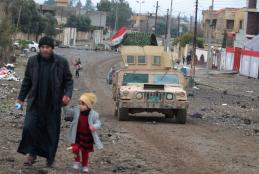
화, 2016/01/19- 17:46
681
0

ⓒ Leila Alaoui

지난주 금요일 부르키나파소의 수도, 와가두구에서 알카에다의 공격으로 국제앰네스티와 함께 일해온 사진작가 레일라 알라우이(Leila Alaoui)가 지난밤 끝내 숨을 거뒀습니다.

레일라는 재능있는 프랑스-모로코 출신의 사진작가로 국제앰네스티에서 진행하고 있는 여성인권에 대한 사진을 촬영하기 위해 부르키나파소를 방문한 것이었습니다. 다리와 가슴에 총을 맞고 빠르게 병원으로 호송되어 수술을 받고 상태가 호전되는 듯 보였지만 결국 목숨을 잃었습니다.

당시 현장에 함께 있었던 운전기사 마하마디(Mahamadi Ouédraogo)는 총격을 받고 그 자리에서 숨을 거뒀습니다. 마하마디는 네 아이의 아빠로 2008년부터 국제앰네스티와 함께 일해왔습니다.

지난 금요일 밤 레일라와 마하마디는 공격이 발생한 스플렌디드(Splendid) 호텔 맞은편, 카푸치노 카페에 저녁을 먹으러 가던 중에 알카에다의 총격을 받았습니다.

와가두구는 위험지역이 아니었기 때문에 레일라는 국제앰네스티 부르키나파소 지부의 지원으로 마하마디와 함께 일을 진행했던 것입니다.

예술가인 말리카(Malika), 2016년 1월 13일 레일라가 와가두구에서 말리카를 촬영했다. ⓒ Amnesty International

예술가인 말리카(Malika), 2016년 1월 13일 레일라가 와가두구에서 말리카를 촬영했다. ⓒ Amnesty International

국제앰네스티는 가장 먼저 마하마디와 레일라의 가족을 위해 최선을 다해 지원할 것입니다. 현재 앰네스티는 현지에서 가족들과 의사, 필요한 모든 사람과 연락을 취하고 있습니다.

국제앰네스티는 다양한 국적과 종교를 가진 수십 명이 목숨을 잃고 부상을 입은 와가두구 시민들에 대한 잔인한 공격을 규탄합니다.

“레일라는 여성과 소녀, 소외된 사람들의 이야기를 듣고, 그들의 권리를 위해 자신의 재능과 열정을 쏟았습니다. 그녀 자신도 강한 여성으로서, 여성들이 희생자가 아닌 자신의 인생을 만들어가는 여성으로 보여주었습니다.

마하마디는 친절하고 열정적인 동료였습니다. 지난 7년간 우리와 함께 국제앰네스티의 임무를 함께하며, 우리를 어디든 안전하게 데려다주었을 뿐만 아니라, 따뜻한 미소와 신중함으로 앰네스티 활동을 도왔습니다.

레일라와 마하마디를 잃은 것은 큰 슬픔입니다. 고인의 명복을 빕니다.”

-부르키나파소 지부 사무국장, 입 부카리 트라오레(Yves Boukari Traoré)

* 이 곳에서 레일라 작품을 보실 수 있습니다. http://www.leilaalaoui.com/

“모로코에서 청소년기를 보내는 내내 바다에서 익사하는 이주민들의 이야기를 뉴스로 접했습니다. 이런 이야기들은 사회 깊이 뿌리박힌 부당함을 끊임없이 생각하게 되었습니다…제가 프랑스-모로코 출신이라는 점에서 민족, 사회적 약자, 하위문화에 대한 고민을 발전시켜 제 신념을 공고히 하고 저만의 스타일을 만들 수 있었습니다.”

– 레일라, 지중해를 건너는 이주민들의 증언을 담은 프로젝트에서

수, 2016/01/20- 13:41
297
0
채광기업으로부터 경작지를 지키려는 사람들, 미얀마 ⓒAmnesty International

채광기업으로부터 경작지를 지키려는 사람들, 미얀마 ⓒAmnesty International

세계가 당면한 불평등 위기는 통제 불능인 악순환으로 빠지고 있다. 극심한 빈부격차 역시 한 국가만의 문제가 아닌, 전세계적으로 나타나는 현상이 되었다.

이러한 위기 속에, 더 나은 세상을 만들고자 하는 노력도 위협받고 있다. 불평등이 심화되면서 노동자의 임금수준과 근로환경은 악화되었고, 경제적인 격차가 커질수록 여성인권 수준은 제도적으로 더욱 추락했다. 세계 부유층의 압도적 대다수가 남성인 반면, 가장 불안정한 직장에서 낮은 임금을 받는 것은 여성이다. 청년들은 극심한 실업난에 빠져 있고, 이주민, 소수민족, LGBTQI, 장애인, 선주민들은 여전히 제도적인 차별에 시달리며 사회에서 소외되고 있다. 다수의 인권을 실현하고자 하는 노력은 이러한 부와 권력의 차이에 가로막혀 계속해서 힘을 잃어가고 있다.

정·재계 고위층이 자신들의 이익을 위해 야합하고 시민들의 공간과 민주적 권리를 더욱 심하게 탄압하면서 극심한 불평등으로 이어지는 경우도 빈번하다. 거의 세계 모든 지역에서 평화적 시위를 할 권리와 지배적인 경제 담론에 이의를 제기할 시민들의 목소리가 크게 제한되고 있다. 지배층은 극심한 불평등과 참여민주주의가 오랫동안 공존할 수 없음을 알고 있기 때문이다.

상위 1% 국가들의 탄소소비량이 하위 1% 국가들의 175배에 달하면서, 지구의 미래조차도 이러한 격차를 해소하는 것에 달려 있다.

현재의 경제체제는 제 역할을 다하지 못하고 있다. 시장이익에 대한 지나친 자만심에 사로잡혀 소수의 지배층에만 이용될 뿐, 대다수의 사람과 지구를 외면하고 있다. 현재 인류는 불평등의 위기 속에서 살아가고 있다는 것에 많은 사람이 동의한다. 국제통화기금(IMF)과 교황을 비롯한 영향력 있는 인사와 단체 역시 이에 동의한 바 있다. 이제는 행동에 나서야 할 때다. 현행 체제는 우연히 만들어진 것이 아니라, 의도적인 정책 결정의 산물이다. 지도자들이 대다수가 아닌 1%의 목소리에만 귀 기울였다는 결과다. 이제는 바뀌어야 한다.

국제사회가 지속 가능한 개발목표(Sustainable Development Goals, 아젠다 2030)를 채택하고, 경제 발전에 대한 논의와 함께 파리 기후변화협정(Climate Change Accord in Paris)을 통해 모든 국가가 기후변화에 맞서 함께 노력하는 데 동의하면서 이 모든 것이 실현될 수 있게 되었다.

우리는 투쟁 없이는 이미 했던 약속은 물론, 산적한 과제도 실현될 수 없다는 것을 알고있다. 따라서 우리는 불평등과 맞서기 위한 국제적 연대를 출범하기 위해 오늘 이 자리에 모였다.

우리는 경제, 정치, 사회, 문화계를 막론하고 불평등의 근본적인 원인을 해결하기 위해 함께 노력할 것이다. 정부를 압박해 탈세를 막고 진보적인 조세 및 지출 정책을 마련함으로써 국민이 건강권과 교육권 등 필수적인 공공서비스를 누릴 수 있도록 정부의 의무를 다하게 할 것이다. 노동자의 결사권과 단체교섭권을 지지하고, 빈부 격차를 줄이도록 노력할 것이다. 여성의 불평등한 가사노동 분담량을 재분배하고, 정부의 탄압과 근본주의 대두로 인한 여성폭력 문제를 해결하고자 노력할 것이다. 보편적인 사회보장제도를 지지할 것이다. 토지개혁 실현을 위해 투쟁할 것이다. 전 세계적으로 투쟁을 무산시키고, 인권침해를 저지르고, 불평등을 심화한 기업들의 부당한 권력과 관행에 맞서 함께 노력할 것이다. 기후정의 실현을 위해 함께 노력할 것이다. 인류와 지구를 보호하려는 노력을 저해하는 화석연료기업 등의 기업권력에 맞설 것이다. 모든 국가가 역할을 다하고 바닥으로의 경쟁(race to the bottom)을 피하도록 국제적 협력을 함께 지지할 것이다.

세계화 실패로 불평등과 갈등, 부패와 탄압만 남았다. 세계는 공익을 우선하는 새로운 경제모델 수립을 통해 근본적으로 변화해야 할 때다. 전례 없는 규모의 변화가 필요하다. 세계인들은 이러한 변화를 요구하고 만들어가는 핵심이 되어야 한다. 대중의 힘을 원동력으로 한 활동만이 정부와 노동조합, 시민사회, 기업을 하나로 모아 공익을 위해 협력할 수 있도록 돌파구를 마련할 수 있다.

우리는 모든 사람의 인권이 존중되고, 보호받고, 실현되는, 지금보다 더 나은 세상을 꿈꾸기를 선택했다. 다수의 이익을 우선하는 더 나은 세상을 만들만한 재능과 기술, 총명함이 인류에게는 있다고 믿는다. 또한, 언젠가 이를 위해 함께 맞서 싸울 때가 오리라 믿는다.

아드리아노 캄폴리나(Adriano Campolina), 액션에이드(ActionAid) 대표이사
존 은두나(John Nduna), 액트얼라이언스(ACT Alliance) 사무총장
살릴 셰티(Salil Shetty), 국제앰네스티(Amnesty International) 사무총장
리디아 알피사르 두란(Lydia Alpízar Durán), 개발에서의 여성인권을 위한 연합(AWID) 이사장
베른트 닐스(Bernd Nilles), CIDSE 사무총장
다난자얀 스리스칸다라자(Dhananjayan Sriskandarajah), 세계시민단체연합(CIVICUS) 사무총장
매즈 크리스텐슨(Mads Christensen), 그린피스(Greenpeace) 이사장 대행
샤란 버로우(Sharan Burrow), 국제노총(ITUC) 사무총장
위니 비안이마(Winnie Byanyima), 옥스팜(Oxfam) 이사장

Untitled-1

영어전문 보기

Civil society leaders issue statement to step up the fight on inequality

The world faces an inequality crisis that is spiralling out of control. Across the world we are seeing the gap between the richest and the rest reach extremes not seen in a century.

Struggles for a better world are all threatened by the inequality crisis. Workers across the world are seeing their wages and conditions eroded as inequality increases. The rights of women are systematically worse in situations of greater economic inequality. The vast majority of the world’s richest people are men; those in the most precarious and poorly paid work are women. Young people are facing a crisis of unemployment. Other groups such as migrants, ethnic minorities, LGBTQI people, people with disability and indigenous people continue to be pushed to the margins, suffering systematic discrimination. The struggle to realise the human rights of the majority are continually undercut in the face of such disparities of wealth and power.

Extreme inequality is also frequently linked to rising restrictions on civic space and democratic rights as political and economic elites collude to protect their interests. The right to peaceful protest and the ability of citizens to challenge the prevailing economic discourse is being curtailed almost everywhere, for elites know that extreme inequality and participatory democracy cannot co-exist for long.

Even the future of our planet is dependent on ending this great divide, with the carbon consumption of the 1% as much as 175 times that of the poorest.

Our current economic system is not working at many levels. Dominated by an over-confidence in the benefits of the market, it helps only a small elite, and is failing the majority, and failing the planet. There is widespread agreement that we are living through an inequality crisis. On this the IMF, the Pope and many other influential voices are agreed. The time has come to do something about it. The current system did not come about by accident. It is the result of deliberate policy choices. It is the result of our leaders listening to the 1% instead of to the majority. This has to change.

This is all happening at the time when the international community has agreed a new set of Sustainable Development Goals (Agenda 2030), and has come together to discuss financing development and crucially the Climate Change Accord in Paris where every country agreed to work together to combat climate change.

We know that existing commitments, and much more beyond that must be done, will not be realised without a fight. That is why today we are coming together as the beginnings of a global alliance to fight inequality.

We will work together with others to tackle the root causes of inequality, whether they be economic, political, social or cultural. We will press governments to meet their obligations to ensure people can enjoy their rights to health, education and other essential public services through tackling tax dodging and ensuring progressive tax and spend policies. We will support workers’ rights to freedom of association and collective bargaining, and narrow the gap between rich and poor. We will fight for the redistribution of women’s unequal share of unpaid care work, and the tackling of violence against women brought on by state repression and rising fundamentalism. We will advocate for universal social protection floors. We will fight for land reform. We will work together to challenge the disproportionate power and practices of the corporate sector that is undermining so many struggles, contributing to human rights violations and increasing inequality across the globe. We will work together with others to secure climate justice. We will take on the power of corporations, including fossil fuel companies who are undermining efforts which respond to science and protect people and planet. We will together champion international cooperation so every country plays its part and we avoid a race to the bottom.

The current face of failed globalisation is rising inequality, conflict, corruption and oppression. The world needs fundamental change through a new economic model that puts the interests of people first. We need change on a scale never seen before. People across the world must be at the heart of demanding and driving this change. Only such a people powered movement can build a breakthrough that unites governments, trade unions, civil society and companies who share a commitment to the common good.

We choose to imagine a better world than this, where everyone’s human rights are respected, protected and fulfilled. We believe humanity has the talent, technology, and brilliance to build that better world, where the interests of the majority are put first. And we believe the time has come to fight for it together.

Adriano Campolina, Chief Eexecutive, ActionAid
John Nduna, General Secretary, ACT Alliance
Salil Shetty, General Secretary, Amnesty International
Lydia Alpízar Durán, Executive Director, Association for Women’s Rights in Development (AWID)
Bernd Nilles, Secretary General, CIDSE
Dhananjayan Sriskandarajah , General Secretary, CIVICUS
Mads Christensen, Acting Executive Director, Greenpeace
Sharan Burrow, General Secretary, International Trade Union Confederation (ITUC)
Winnie Byanyima, Executive Director, Oxfam


금, 2016/01/22- 17:05
320
0
이스라엘의 팔레스타인 점령 50년

군사명령 101호의 충격적인 네 가지 진실


이스라엘은 지난 50년간 팔레스타인 사람들의 집회-시위를 원천 금지해 왔다.

8월 27일은 이스라엘이 팔레스타인인의 평화적인 정치적 의견 표현을 금지하는 ‘명령 101호’를 발부한 지 50년째를 맞는 날이다. 이 명령을 위반할 경우 최대 10년의 징역형 또는 무거운 벌금형에 처해질 수 있다. 이제 50년이 된 명령 101호는 이스라엘이 팔레스타인을 점령한 기간만큼이나 오래된 조항이지만 여전히 서안지구의 모든 팔레스타인 사람들에게, 언제든지 적용될 수 있다.

이처럼 가혹한 군법 조항이 팔레스타인 사람들의 일상에 미치는 영향은 다음 네 가지 사실을 통해 그대로 느낄 수 있다.


 1 

서안지구의 팔레스타인인은 이스라엘군의 사전 허가 없이 10명 이상이 모이는 행진, 집회, 농성에 참여할 수 없다.

행사의 목적이 정치적인 경우나, 행사 중에 정치적인 주제 또는 그렇게 여겨질 만한 연설을 하거나 논의하는 경우라도 반드시 이스라엘의 허가를 받아야 한다.

1967년 이후로 이스라엘은 군법에 따라 여성과 어린이를 가리지 않고 수만 명에 이르는 팔레스타인인을 체포, 구금했다. 그중 다수가 정치적으로 보이는 평화적 시위에 참여했다는 이유만으로 명령 101호가 적용되어 체포되었다.

팔레스타인 인권옹호자인 파리드 알 아트라시(Farid al-Atrash)와 이사 암로(Issa Amro)는 현재 이스라엘 군사법원에서 재판을 받고 있다. 두 사람에게 적용된 다수 혐의 중 하나는 “무허가 행진에 참여”했다는 것이었는데, 이는 국제적으로 형사범죄라고 인정되지 않는 혐의다. 두 사람은 2016년 2월 26일, 이스라엘인들이 팔레스타인 점령지역 안에 불법으로 정착촌을 조성하고 있는 것과 헤브론 구시가지에 차별적으로 이동 제한을 부과하고 있는 것에 반대하며 평화적인 행진을 벌였다.

표현의 자유, 결사의 자유와 함께 평화적인 집회의 자유는 시민적, 정치적 권리에 관한 국제규약을 비롯해 이스라엘이 당사국으로 있는 다수의 인권조약에도 명시되어 있는 권리다.


 2 

이스라엘군 허가 없이 특정 깃발 또는 상징, 정치적인 내용의 문서 또는 이미지를 공개하는 것은 금지되어 있다.

지난 50년간 팔레스타인인들은 정치적으로 해석될 수 있는 포스터를 방에 붙이거나, 팔레스타인 국기를 들었다는 이유만으로 체포되고 구금되었다.

1993년 팔레스타인은 이스라엘과 오슬로 평화협정을 체결하고 자치권을 인정받았지만, 여전히 이러한 행위는 범죄로 처벌되고 있다. 오슬로 협정 체결 이후 팔레스타인은 유엔 비회원 참관 국가 지위를 획득했고, 135개국 이상의 유엔 회원국에 국가로 인정받게 되었다. 그런데도 이스라엘군 지휘관의 허가 없이 서안지구에서 팔레스타인 국기를 들거나, 방에 ‘부적절한’ 포스터를 붙이는 것은 여전히 이스라엘 군법상 범죄행위로 간주되고 있다.

현재 군사재판이 진행 중인 이사 암로(Issa Amro)는 ‘무허가 시위’에 참가해, ‘나에게는 꿈이 있습니다(I have a dream)’라는 문구가 적힌 티셔츠를 입고 팔레스타인 국기를 흔들었다는 혐의를 받고 있다. 이는 정치적인 행위로 해석되기 때문에 범죄라는 것이다.


 3 

군사명령에 따라 불법으로 간주하는 단체의 활동 또는 목적을 지지하는 것은 금지되어 있다. 

대다수 팔레스타인 정당과 학생회가 이러한 불법 단체에 속한다.

공개된 장소에서 깃발을 흔들거나, 찬송가를 부르거나 구호를 외쳤다는 이유로 이스라엘에 ‘적대적인 단체’로 간주한 정당 또는 학생회 또는 노조를 지지할 경우, 명령 101호에 따라 체포될 수 있다.

기자와 학생, 교사, 농부, 정치인, 운전기사까지 팔레스타인 각계각층의 모든 사람들이 이 명령에 따라 체포, 구금되고 고문과 부당대우를 받기도 한다.


 4 

명령 101호를 위반할 경우 누구나 10년 이하의 징역형 또는 무거운 벌금형에 처할 수 있다.

전 양심수 바셈 타미미(Bassem Tamimi)는 2012년 11월 6일, 이스라엘 정착촌을 반대하는 평화적 시위에 관여했다는 이유로 징역 4개월과 5천 셰켈(당시 환율로 미화 1,280달러)의 벌금형이 선고됐다. 법원은 이에 더해, 사전형량조정(plea bargain)을 통해 이미 3년 형을 선고하고 집행유예 3개월도 부과했다. 바셈 타미미는 명령 101호를 위반했기 때문에 어쩔 수 없이 사전형량조정에 응할 수밖에 없는 상황이었다고 말했다.

군사법원에 선 팔레스타인 사람은 사실상 모두 유죄를 선고받으며, 대부분의 경우 사전형량조정을 거쳐 형이 선고됐다. 팔레스타인 피고인들은 사법제도 자체가 매우 불공정해 그대로 재판을 받을 경우 더욱 무거운 형량이 선고된다는 것을 알고 있기 때문이다.

더 보기 | 이스라엘의 팔레스타인 강탈 50년

금, 2017/09/01- 10:58
218
0