주요 콘텐츠로 건너뛰기

이란: 청소년 사형수 수백 명 처형으로 드러난 위선

지역

이란: 청소년 사형수 수백 명 처형으로 드러난 위선

익명 (미확인) | 수, 2016/01/27- 15:44
 

행복하지 않은 생일 © Kianoush Ramezani

이란의 청소년 수백 명이 18세 이전에 저지른 범죄로 인해 사형수로 살아가고 있다고 국제앰네스티는 26일 새로 공개한 보고서를 통해 비판했다. 이 보고서는 계속되는 아동 인권침해를 은폐하고, 세계 최대 소년범 처형 국가라는 충격적인 사실에 대한 비판을 면하려는 정부의 최근 시도와 관련해 그 실상을 폭로하고 있다.

보고서 <사형수로 자라나다: 이란의 사형제도와 청소년 범죄자(영문)>는 이란 정부가 계속해서 청소년 사형수들을 처형대로 보내고 있다고 폭로하면서, 당국이 일부 개혁을 통해 긍정적인 성과가 있었던 것처럼 발표하고 있으나, 실제로는 아직 사형을 선고하고 있다는 점을 밝히고 있다.

사이드 부메두하(Said Boumedouha) 국제앰네스티 중동북아프리카 부국장은 “이번 보고서는 아동 인권을 부끄러우리만치 경시하고 있는 이란 정부의 실태를 밝히고 있다. 범죄 당시 18세 이하였던 청소년에 대해서는 법적으로 사형 부과를 절대적으로 금지하고 있음에도 이란은 이를 명백히 위반하며 청소년 사형수들을 계속해서 처형하고 있는 몇 안 되는 나라 중 하나”라며 “이란 소년사법제도에 다소의 개혁이 이루어지긴 했으나, 여전히 여성은 9세, 남성은 15세부터 사형에 처할 수 있도록 허용하는 법률을 유지하고 있어 세계 대부분 국가보다 뒤처져 있다”고 말했다.

최근 수년간 이란 정부는 범죄 당시 청소년 범죄자의 정신적인 발달과 성숙도를 재량적으로 평가한 결과에 따라 사형을 다른 형벌로 대체할 수 있도록 허용하는 2013년 개정형법 도입을 자축했다. 그러나 이러한 조치만으로는 축하할만한 이유가 될 수 없다. 실제로는 오히려 20년 전 이란이 유엔 아동권리협약(CRC)을 비준할 당시 청소년에 대한 사형제도 부과를 완전히 폐지하겠다고 약속한 내용을 지금까지도 지키지 않고 있다는 사실을 드러낸 것밖에는 안된다.

이란은 아동권리협약의 당사국으로서 18세 이하의 모든 사람을 아동으로 대우하고, 이들에게 사형 또는 석방 가능성 없는 무기징역을 절대 부과하지 않도록 보장해야 한다는 법적 의무가 있다.

그러나 국제앰네스티의 보고서에 2005년부터 2015년 사이 사형이 집행된 것으로 기록된 청소년 범죄자의 수는 73명에 이른다.

유엔 발표에 따르면 지금도 최소 160명 이상의 청소년 사형수가 복역 중이다. 이란의 사형제도 사용에 관한 정보는 비밀에 부쳐지는 경우가 많으므로 실제 숫자는 더욱 높을 것으로 보인다.

국제앰네스티는 보고서를 통해 청소년 사형수 49명의 이름과 수감 장소를 파악할 수 있었다. 대부분이 평균적으로 7년 동안 갇혀 있었던 것으로 밝혀졌다. 국제앰네스티가 기록한 일부 사례의 경우에는 사형 선고를 받고 갇힌 기간이 10년을 넘기기도 했다.

사이드 부메두하 부국장은 “이번 보고서는 삶의 귀중한 시간을 빼앗긴 채 사형수로 살아가는 청소년 사형수들의 매우 비참한 현실을 보여주고 있다. 이들은 고문과 부당대우로 자백을 강요당하고, 이러한 자백을 근거로 판결이 내려지는 등의 불공정한 재판으로 사형을 선고받은 경우가 많았다”고 말했다.

다수의 사례에서 정부는 청소년 사형수의 사형 집행 일정을 결정한 후, 사형 집행 불과 몇 분 전에 다시 연기하며 사형수로서의 고통을 더욱 극심하게 만들었다. 이는 그야말로 매우 잔혹하고, 비인도적이며 굴욕적인 대우이다.

정의 구현 실패한 ‘단편적’ 개혁

2013년 5월 이란 개정형법이 채택되면서 청소년 사형수들의 처우가 마침내 현장에서나마 개선될 것이라는 조심스러운 기대가 있었다. 개정형법에서는 판사가 범죄 당시 청소년 범죄자의 정신적 성숙도를 평가하고, 그 결과에 따라 사형을 다른 형벌로 대체해 부과할 수 있도록 한다. 2014년 이란 대법원은 모든 청소년 사형수가 재심 신청이 가능하다고 말했다.

그러나 개정형법이 채택된 지 거의 3년이 지난 지금도 여전히 청소년 사형수에 대한 사형집행이 계속되고 있으며, 어떤 경우에는 청소년 사형수에게 재심을 신청할 권리가 있다는 사실조차 알리지 않기도 했다.

또한, 보고서는 안타깝게도 최근 개정된 형법에 따라 재심을 받은 청소년 사형수들이 범죄 당시 “정신적으로 성숙”한 것으로 판정되어 다시 사형이 선고되는 일이 증가하는 경향을 지적하며, 거의 아무것도 변화한 것이 없다는 명백한 증거라고 꼬집었다.

부메두하 부국장은 “재심 허용과 그 외 단편적인 개혁은 이란 소년사법제도의 진전 가능성을 보여줬다며 크게 환영을 받았지만, 이는 그저 잔혹한 결과만을 낳은 변덕스러운 과정에 불과했다는 사실이 점차 드러나고 있다”고 말했다.

어떤 경우에는 판사가 ‘사람을 죽이면 안 된다는 것을 알고 있는지’와 같은 간단한 질문을 근거로 청소년 범죄자의 “성숙도”를 판단하기도 했다. 또한, 어린 나이로 인한 아동의 미성숙과 정신질환으로 발생하는 책임능력 문제를 빈번히 혼동해, 청소년 범죄자가 ‘정신질환자’가 아니므로 사형이 선고되어야 마땅하다고 판결하는 경우도 많았다.

파테메흐 살베히(Fatemeh Salbehi)는 16세 때 강제로 결혼해야 했던 남편을 살해한 혐의로 2015년 10월 처형됐다. 파테메흐는 재심에서 정신 감정이라며 기도를 하거나 종교 서적을 공부했는지 정도의 기본적인 질문을 받고, 불과 몇 시간 만에 사형이 재선고됐다. 이외에도 하미드 아흐마디, 아미르 암롤라히, 샤바쉬 마흐무디, 사자드 산자리, 살라르 샤디자디 등 5명은 범죄의 특성을 알고 있고 정신질환을 가지고 있지 않다는 판사의 판단으로 재심에서 사형을 다시 선고받았다.

사이드 부메두하 부국장은 “청소년 범죄자에 대한 사형선고와 집행을 금지하는 법을 시급히 만들어야 이런 결함들을 해결할 수 있을 것”이라며 “청소년 범죄자의 삶과 죽음을 판사의 변덕에 맡겨서는 안 된다. 이란 정부는 한참 부족한 수준의 성의 없는 개혁에 그칠 것이 아니라, 정말로 필요한 것은 모든 청소년 사형수들을 감형하고 청소년에 대한 사형 부과를 완전히 철폐하는 것임을 받아들여야 한다”고 말했다.

이란이 국제외교무대에 다시 참여하고 있는 만큼 세계 각국은 이러한 신규 채널을 이용해 이번 보고서에서 확인된 사례에 대해 이란 정부에 문제를 제기하고, 즉시 모든 청소년 사형수들을 감형할 것을 촉구해야 한다.

배경

2015년 6월 이란 정부는 형사 기소된 청소년이라면 반드시 특수소년법원에서 재판을 받도록 명시한 개정안을 발의했다. 이전까지는 사형이 선고될 수 있는 범죄로 기소된 청소년의 경우 성인 법원에서 재판을 받는 것이 일반적이었다.

특수소년법원 설립은 환영할만한 조치지만, 실제로 이를 통해 청소년에 대한 사형 부과를 막을 수 있을지는 지켜봐야 할 일이다.

지난 10년간 10대 청소년의 뇌 발달에 관한 신경학적 연구 결과 등 청소년기와 범죄 간의 연관성을 다룬 학제간 사회과학 연구자료는 청소년의 과실 정도가 성인에 비해 적게 고려되어야 한다는 주장의 근거로 인용되었다. 이러한 연구 결과는 2005년 미국 대법원이 18세 이전에 저지른 범죄로 유죄가 선고되었을 경우 사형을 부과하지 못하도록 결정한 논의의 근거로도 인용되었다.

영어전문 보기

Iran’s hypocrisy exposed as scores of juvenile offenders condemned to gallows

Scores of youths in Iran are languishing on death row for crimes committed under the age of 18, said Amnesty International in a damning new report published today. The report debunks recent attempts by Iran’s authorities to whitewash their continuing violations of children’s rights and deflect criticism of their appalling record as one of the world’s last executioners of juvenile offenders.

Growing up on death row: The death penalty and juvenile offenders in Iran reveals that Iran has continued to consign juvenile offenders to the gallows, while trumpeting as major advances, piecemeal reforms that fail to abolish the death penalty against juvenile offenders.

“This report sheds light on Iran’s shameful disregard for the rights of children. Iran is one of the few countries that continues to execute juvenile offenders in blatant violation of the absolute legal prohibition on the use of the death penalty against people under the age of 18 years at the time of the crime,” said Said Boumedouha, Deputy Director of Amnesty International’s Middle East and North Africa Programme.

“Despite some juvenile justice reforms, Iran continues to lag behind the rest of the world, maintaining laws that permit girls as young as nine and boys as young as 15 to be sentenced to death.”

In recent years the Iranian authorities have celebrated changes to the country’s 2013 Islamic Penal Code that allow judges to replace the death penalty with an alternative punishment based on a discretionary assessment of juvenile offenders’ mental growth and maturity at the time of the crime. However, these measures are far from a cause for celebration. In fact, they lay bare Iran’s ongoing failure to respect a pledge that it undertook over two decades ago, when it ratified the Convention on the Rights of the Child (CRC), to abolish the use of death penalty against juvenile offenders completely.

As a state party to the CRC Iran is legally obliged to treat everyone under the age of 18 as a child and ensure that they are never subject to the death penalty nor to life imprisonment without possibility of release.
However, Amnesty International’s report lists 73 executions of juvenile offenders which took place between 2005 and 2015.

According to the UN at least 160 juvenile offenders are currently on death row. The true numbers are likely to be much higher as information about the use of the death penalty in Iran is often shrouded in secrecy.
Amnesty International has been able to identify the names and location of 49 juvenile offenders at risk of the death penalty in the report. Many were found to have spent, on average, about seven years on death row. In a few cases documented by Amnesty International, the time that juvenile offenders spent on death row exceeded a decade.

“The report paints a deeply distressing picture of juvenile offenders languishing on death row, robbed of valuable years of their lives – often after being sentenced to death following unfair trials, including those based on forced confessions extracted through torture and other ill-treatment,” said Said Boumedouha.

In a number of cases the authorities have scheduled the executions of juvenile offenders and then postponed them at the last minute, adding to the severe anguish of being on death row. Such treatment is at the very least cruel, inhuman and degrading.

‘Piecemeal’ reforms failing to deliver justice

Iran’s new Islamic Penal Code adopted in May 2013 had sparked guarded hopes that the situation of juvenile offenders under a death sentence would finally improve, at least in practice. The Code allows judges to assess a juvenile offender’s mental maturity at the time of the offence, and potentially, to impose an alternative punishment to the death penalty on the basis of the outcome. In 2014, Iran’s Supreme Court confirmed that all juvenile offenders on death row could apply for retrial.

Yet almost three years after the changes to the Penal Code, the authorities have continued to carry out executions of juvenile offenders, and in some cases, they even fail to informed the juvenile offenders of their right to apply for a retrial.

Tragically, the report also points to a growing trend where juvenile offenders retried under recent reforms are judged to have attained “mental maturity” at the time of the crime and resentenced to death, in blatant evidence of how little has changed.

“Retrial proceedings and other piecemeal reforms had been hailed as possible steps forward for juvenile justice in Iran but increasingly they are being exposed as whimsical procedures leading to cruel outcomes,” said Said Boumedouha.

In some cases, judges have concluded that a juvenile offender was “mature” based on a handful of simple questions such as whether he or she understood that it is wrong to kill a human being. They have also repeatedly confused the issue of lack of maturity of children due to their age with the diminished responsibility of individuals with mental illness, concluding that a juvenile offender was not “afflicted with insanity” and therefore deserved the death penalty.

Fatemeh Salbehi was executed in October 2015 for murdering her husband whom she was forced to marry at 16. She was resentenced to death after a retrial session lasting only a few hours in which the psychological assessment was limited to a few basic questions such as whether or not she prayed or studied religious textbooks. In five other cases Hamid Ahmadi, Amir Amrollahi, Siavash Mahmoudi, Sajad Sanjari, and Salar Shadizadi were resentenced to death after courts presiding over their retrials concluded that they understood the nature of the crime and were not insane.

“The persisting flaws in Iran’s treatment of juvenile offenders highlight the continuing and urgent need for laws that categorically prohibit the use of the death penalty against juvenile offenders,” said Said Boumedouha.

“The life or death of a juvenile offender must not be left at the whim of judges. Instead of introducing half-hearted reforms that fall woefully short, Iran’s authorities must accept that what they really need to do is commute the death sentences of all juvenile offenders, and end the use of the death penalty against juvenile offenders in Iran once and for all.”

As Iran re-enters the world of international diplomacy it is also crucial that world leaders use such new channels to raise the cases identified in this report with the Iranian authorities and to urge them to immediately commute all death sentences for juvenile offenders.

Background

In June 2015 Iran introduced reforms specifying that juveniles accused of a crime must be dealt with by specialized juvenile courts. Previously juvenile offenders accused of capital crimes were generally prosecuted by adult courts.
Although the introduction of specialized juvenile courts is a welcome step, it remains to be seen whether this will prevent further use of the death penalty against juvenile offenders in practise.

Over the past decade, interdisciplinary social science studies on the relationship between adolescence and crime, including neuroscientific findings on brain maturity of teenagers, have been cited in support of arguments for considering juveniles less culpable than adults. Such findings were invoked during arguments which ultimately persuaded the US Supreme Court to abolish the death penalty against individuals convicted of committing a crime while under 18 years of age in 2005.

시민들의 의견

댓글 달기

Plain text

  • 웹 페이지 주소 및 이메일 주소는 자동으로 링크로 전환됩니다.
  • 줄과 단락은 자동으로 분리됩니다.
  • 사용할 수 있는 HTML 태그: <a href hreflang> <em> <strong> <cite> <blockquote cite> <code> <ul type> <ol start type> <li> <dl> <dt> <dd>
이미지
무제한 수의 파일을 이 필드에 업로드할 수 있습니다.
50 MB 한계입니다.
허용된 유형: png gif jpg jpeg.
Enter the YouTube URL. Valid URL formats include: http://www.youtube.com/watch?v=1SqBdS0XkV4 and http://youtu.be/1SqBdS0XkV4.
CAPTCHA
스펨 사용자 차단 질문

[집중취재-음식배달 전문대행을 아십니까 ②] 개인사업자인 배달대행원, 사고 시 보상 막막 (데일리한국)

개인사업자로 분류되지만 임금노동자와 유사한 형태로 일하는 독립 사업자들을 특수형태근로자라고 한다. 이는 20여 년 전에는 없었던 개념으로 새롭게 생겨난 근로 형태다. 택배원과 보험모집인, 학습지교사 등이 특수형태근로자에 해당하는데 최근 약 5년 사이에 급증하기 시작한 음식 배달대행업체를 통해 일을 하는 배달원도 이 특수고용노동자에 속한다.

올 7월 기준 청소년 배달대행 등 특수고용자가 전국 3,750명으로 추정된다. 이들 중 1.4%인 53명만이 산재보험에 가입됐다는 사실을 고려하면 소규모 영세음식점뿐만 아니라 음식 배달대행 일을 하다 사망한 뒤 집계에 잡히지 않은 청소년 수는 더 많을 것으로 예상된다. 


아래 주소에서 기사 전문을 확인하실 수 있습니다

출처 http://daily.hankooki.com/lpage/society/201512/dh20151204004849137780.h…

금, 2015/12/04- 11:09
763
0


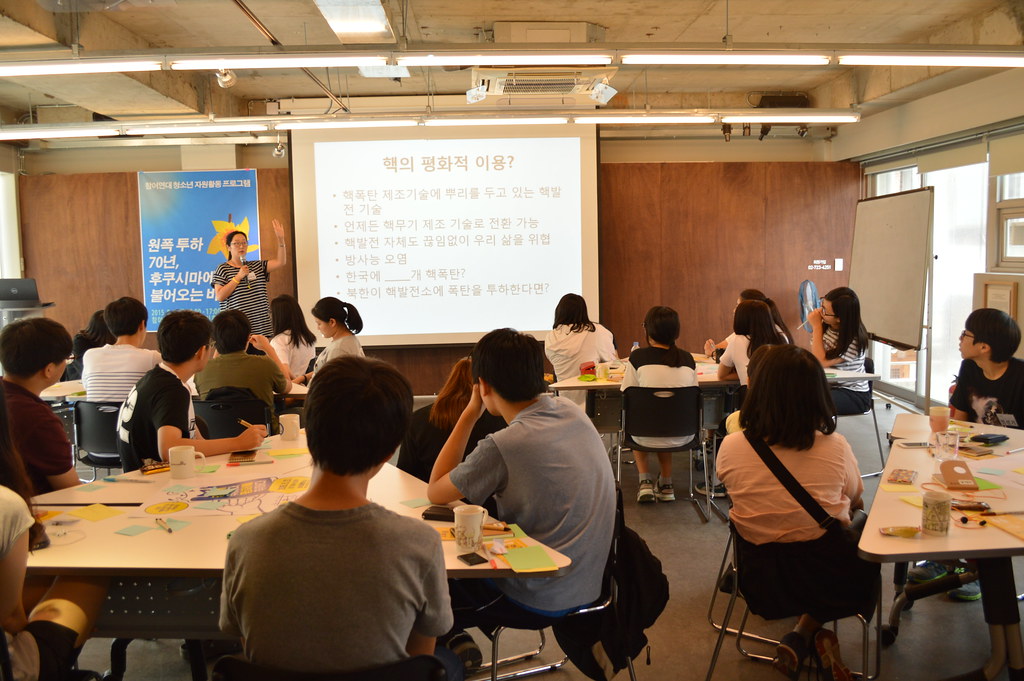
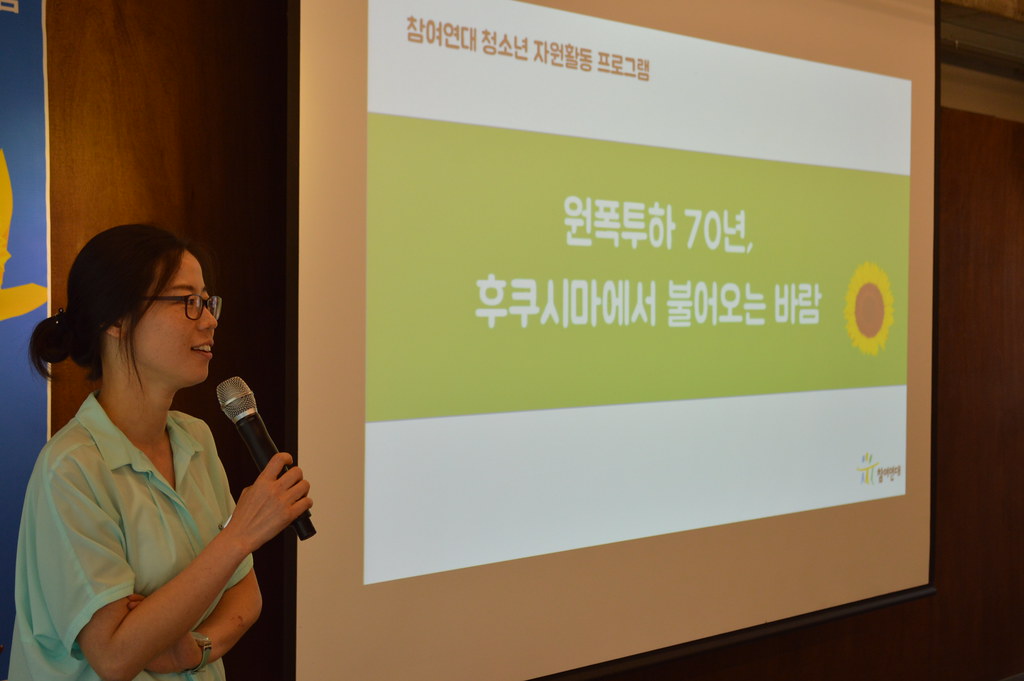
8월 4일 화요일, 청소년 자원활동 프로그램 <원폭투하 70년, 후쿠시마에서 불어오는 바람>을 진행했습니다. 이번 자원활동 프로그램은 참여연대를 비롯한 시민운동의 의미를 알고 활동을 체험하는 프로그램입니다. 올해 2015년은 히로시마/나가사키에 원폭이 투하된 지 70년, 평화운동에 대해 직접 보고, 듣고, 나누고, 직접 행동하는 시간을 가졌습니다.


20150804_청소년자원활동프로그램<원폭70년, 후쿠시마에서불어오는바람>


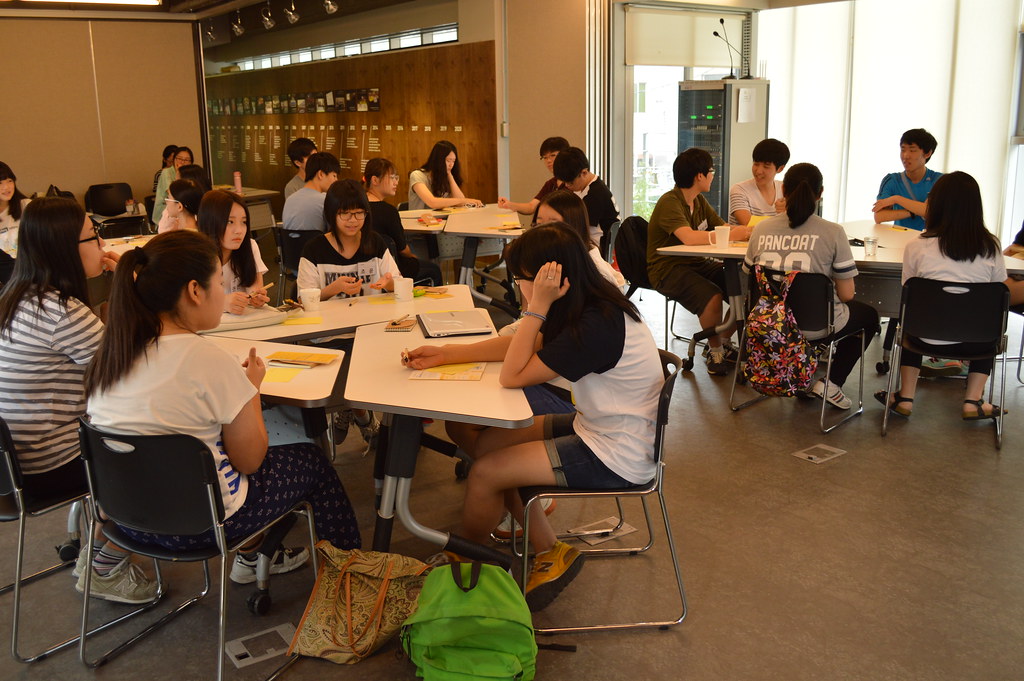
이번 자원활동 프로그램엔 회원 자녀를 비롯해 24명의 중·고등학생 분들이 모였습니다. 서먹한 분위기를 풀기위해 간단한 아이스브레이킹 게임을 하고, 조별로 서로를 소개하는 시간을 가졌습니다. 자기소개는 ‘서로 소개해주기’프로그램으로 진행했는데 내가 나를 소개하는 것이 아니라 내 옆자리의 친구를 인터뷰한 뒤, 다른 조원들에게 내가 인터뷰한 친구를 소개해주며 서로를 환영하는 식으로 진행했습니다.


20150804_청소년자원활동프로그램<원폭70년, 후쿠시마에서불어오는바람>


참여연대 소개를 비롯한 국내외 시민단체들에 대해 알아보는 시간을 가진 후 본격적으로 오늘의 주제인 ‘반핵’으로 넘어갔습니다. 핵무기, 원자력 발전소, 핵무기 피해자들 등의 이미지를 보며 느낌을 나누고, 한국인 피폭자의 이야기, 후쿠시마 사람들, 그리고 한국의 밀양 할매들까지 우리가 알지 못했던 핵·원전과 관련한 이야기를 나눴습니다.


20150804_청소년자원활동프로그램<원폭70년, 후쿠시마에서불어오는바람>20150804_청소년자원활동프로그램<원폭70년, 후쿠시마에서불어오는바람>20150804_청소년자원활동프로그램<원폭70년, 후쿠시마에서불어오는바람>20150804_청소년자원활동프로그램<원폭70년, 후쿠시마에서불어오는바람>


히로시마/나가사키에 원자폭탄이 떨어진지 70년이 흘렀습니다. 수많은 사람이 죽고, 다쳤는데 피폭된 사람 중 10%는 강제 징용된 조선이기도 했습니다. 그리고 2011년. 후쿠시마 원자력 발전소에서 발생한 사고로 비극은 반복됐습니다. 일본 교과서 부교재에는 ‘원전은 큰 지진이나 지진해일(쓰나미)에도 견딜 수 있도록 설계돼 있다’고 쓰여 있습니다. 핵발전 안전 신화는 깨졌고, 세계1위 수준의 핵발전소 밀집국가인 한국도 원전사고의 위협에서 벗어날 수 없습니다. 


20150804_청소년자원활동프로그램<원폭70년, 후쿠시마에서불어오는바람>


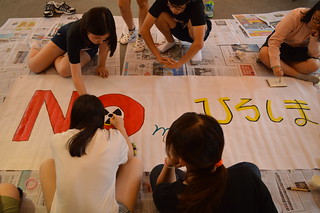
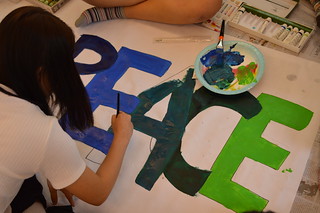
전기를 생산하기 위해 핵발전소, 석탄화력발전소, 송전탑, 송전선로, 변전소 등을 짓고, 그로 인해 ‘밀양’처럼 마을 공동체가 허물어진 사례를 살펴보며 아무생각 없이 쓰고 있는 ‘전기’에 대해 생각해봤습니다. 이어서 밀양 할머니들에게 편지를 쓰는 시간과 히로시마에 보낼 지지의 현수막 만들기 시간도 가졌습니다. 


20150804_청소년자원활동프로그램<원폭70년, 후쿠시마에서불어오는바람>20150804_청소년자원활동프로그램<원폭70년, 후쿠시마에서불어오는바람>20150804_청소년자원활동프로그램<원폭70년, 후쿠시마에서불어오는바람>20150804_청소년자원활동프로그램<원폭70년, 후쿠시마에서불어오는바람>


마지막 소감 나누기 시간에서 많은 이야기가 나왔습니다. “내가 그린 그림과 편지가 밀양 할머니, 히로시마에 직접 전달된다는 게 의미 있고, 기뻐요”, “그동안 차타고 무심결에 송전탑을 지나쳤는데 여기에 얼마나 많은 폭력이 있었을까라는 생각이 하게 되었어요.”, “일본의 핵투하로 인해 우리나라 광복이 이어졌다고만 생각했는데 그곳에 우리나라 피해자가 있는지 몰랐어요. 이번에 새롭게 알게 되어 좋았어요.”, “기대 안하고 왔는데 핵에 대해 많이 알게 된 것 같아요. 이번 계기로 앞으로도 관심가지고 찾아볼 것 같습니다.”


20150804_청소년자원활동프로그램<원폭70년, 후쿠시마에서불어오는바람>


처음에는 서먹서먹한 분위기였지만, 같이 고민하고 토론하며 현수막까지 직접 만들고 나니 참가자들의 얼굴에 미소가 번져갔던 것 같습니다. 따스한 마음이 담긴 청소년 자원활동가들의 현수막, 어떤가요? ^^ 


직접 듣고, 보고, 나누고, 행동하며 배우는 <참여연대 청소년 자원활동 프로그램>, 다음 방학 때 또 찾아뵙겠습니다!


목, 2015/08/06- 11:25
741
0
 

2014년 7월과 8월 사이 가자지구에서 벌어진 무력분쟁 중 이스라엘군이 가한 공격을 지도상에 표시하는 온라인 조사 도구가 8일 발표됐다. 국제앰네스티와 포렌식 아키텍처(Forensic Architecture)가 공동 개발한 이 프로그램은 전쟁범죄 및 그 외의 국제인도법 위반행위에 대한 처벌이 이루어지도록 압박하는 것을 목적으로 개발되었다.

‘가자 플랫폼(Gaza Platform)’은 2014년 가자지구에서 이루어진 이스라엘의 군사작전 관련 데이터를 탐색하고 분석하는 기능을 제공한다. 플랫폼 데이터는 향후 수 개월 동안 업데이트될 예정이며, 현재 제공되는 초기 데이터만으로도 이미 이스라엘군이 중대한 조직적 인권침해를 범했음을 보여주는 다수의 공격 패턴을 확인할 수 있다.

필립 루서 국제앰네스티 중동북아프리카 국장은 “’가자 플랫폼’은 현존하는 프로그램 중 2014년 분쟁 당시의 전투 기록을 가장 포괄적으로 제공하고 있다. 2,500건 이상의 공격 사례를 종합해, 지난 여름 50일간 가자지구에서 이스라엘군이 일으킨 파괴의 규모가 얼마나 거대한지 보여줄 수 있다”며 “가자 플랫폼을 통해 각각의 공격 사례를 단순히 나열해 제시하기보다 공격의 패턴을 공개함으로써, 이스라엘군이 가자지구 분쟁 당시 저지른 인권침해행위의 조직적인 특성을 드러내는 것도 가능하다. 이 프로그램이 가자지구 분쟁 당시의 인권침해행위에 대한 처벌을 촉구하는 인권조사자들에게 귀중한 자원이 되는 것이 우리의 목표”라고 말했다.

‘가자 플랫폼(Gaza Platform)’이란?

‘가자 플랫폼’은 각각의 공격이 벌어졌던 시간과 장소를 인터랙티브 지도에 기록하고, 공격의 유형, 폭격 지점, 사상자 수 등의 다양한 기준에 따라 분류해 패턴을 도출한다. 가능할 경우 사진, 영상, 목격자 증언, 위성사진 등의 자료 역시 포함된다. 데이터 시각화 및 디지털 매핑의 신기술을 이용해 사용자들은 이러한 정보를 열람하고 검색해 가자지구 분쟁 중 이스라엘군이 가한 공격의 패턴을 파악할 수 있다. 특정 공격 사례가 전쟁범죄 등 국제인도법 위반에 해당하는지 여부를 분석하는 데 도움이 될 수 있도록 공격 양상을 파악하고 공개하는 것이 이 프로그램의 목적이다.

가자지구 기반 인권단체인 알 메잔(Al Mezan)과 팔레스타인 인권센터(PCHR)와 함께 국제앰네스티가 현지에서 직접 수집한 ‘가자 플랫폼’의 데이터를 분석하고 입력하기 위해 런던과 가자의 조사팀이 수 개월 동안 최선을 다했다.

‘가자 플랫폼’의 발표는 이번 프로젝트의 시작에 불과하다. 가자지구 분쟁과 관련해 더욱 많은 증거를 확보하기 위한 노력은 계속될 것이며, 이에 따라 플랫폼 역시 새로운 정보로 업데이트될 예정이다.

이스라엘군의 인권침해 양상

증언, 사진, 영상, 위성사진 등 방대한 양의 멀티미디어 정보는 여전히 분석 중인 반면, 가자 플랫폼은 현재 2014년 분쟁 당시 이스라엘군이 포탄을 이용해 270건 이상의 공격을 가했고, 민간인 320명 이상이 숨졌음을 보여주고 있다. 표적 없는 폭발무기인 포탄을 인구가 밀집한 민간 지역에 반복적으로 이용한 것은 무차별 공격에 해당하며, 이는 전쟁범죄로 조사되어야 한다.

가자 플랫폼은 또한 이스라엘군이 1,200건 이상 민간 주택을 표적으로 공격해 민간인 1,100명 이상을 숨지게 하는 등 충격적인 공격 패턴을 나타냈음을 명백히 보여준다. 적군에 직접적으로 관여하지 않은 민간인과 민간 대상을 직접 공격하는 것은 국제인도법 또는 “전쟁법”상 금지하고 있다. 국제앰네스티와 유엔 조사위원회 및 그 외의 분쟁감시기구들은 이러한 민간 대상 공격이 2014년 분쟁 중 높은 빈도로 나타난 것에 대해 경고한 바 있다.

이외에도 이스라엘군이 긴급 구조원, 의료 종사자 및 시설을 우선적으로 공격하거나, 드론으로 미사일을 발사한 후 곧 더 큰 폭격을 가하는 “지붕 노크” 공격 경고를 광범위하게 사용하는 등의 걱정스러운 공격 양상을 보였다는 점 역시 파악할 수 있다.

인권조사를 위한 혁신적인 도구

이얄 바이츠만(Eyal Weizman) 포렌식 아키텍처 국장은 “분쟁이 시작된 지 1년이 지난 후인 오늘 ‘가자 플랫폼’을 발표하게 된 것은, 지난해 가자지구 분쟁 중 이루어진 인권침해를 전면 기록하는 과정에 있어 중요한 진전이다. 또한 개인과 단체들이 분쟁 중 직접 경험하거나 기록한 공격 사례에 대해 사진, 증언 등 더 많은 증거를 보내줄 것을 촉구하는 것이기도 하다”고 말했다.

디지털 시대로 지난해 가자 분쟁과 같은 인권위기 상황에서 입수하는 정보의 속도와 입수 수단이 급격히 증가하게 되었다. 다양한 매체로 남은 증거들이 사후에 어떤 일이 벌어졌는지를 확인하는 데 중요한 역할을 수행하는 경우도 많다. 가자 플랫폼은 다양한 형태의 정보를 분석하고 상호 참조하는 데 효율적이고 새로운 방식을 제공하고 있다.

포렌식 아키텍처의 조사원이자 가자플랫품 프로젝트 담당자인 프란세스코 세브레곤디(Francesco Sebregondi)는 “가자 플랫폼은 최근의 가자지구 분쟁과 같이 복잡한 사건을 해결할 수 있는 새로운 디지털 도구의 힘을 보여준다. 사용자는 이를 통해 각각의 사건들 사이의 연관성을 밝혀냄으로써, 규모를 넘나들며 각 사례별 자세한 세부사항부터 분쟁의 전체적인 상황까지 파악할 수 있다”며 “이번 프로젝트는 현지 증인과 단체, 전세계 사람들 간의 정보 공유를 가능하게 하는 공동 플랫폼을 통해 더욱 효과적으로 분쟁 감시를 수행하기 위한 첫걸음을 내디딘 것”이라고 말했다.

포렌식 아키텍처 직원들이 가자 플랫폼을 테스트하고 있다 © Amnesty International (Photo: Richard Burton)

포렌식 아키텍처 직원들이 가자 플랫폼을 테스트하고 있다 © Amnesty International (Photo: Richard Burton)

배경정보

포렌식 아키텍처는 런던대학교 골드스미스대학 기반의 연구프로젝트 및 자문단체다.

가자 플랫폼은 무장분쟁과 인권침해에 관한 조사를 돕고자 새로운 매핑 및 데이터 시각화 도구를 개발하는 시범 프로젝트다. 포렌식 아키텍처가 개발해 PATTRN이라고 이름붙여진 이 도구는 팔레스타인 인권단체 알 메산, PCHR과 제휴한 국제앰네스티에 의해 처음으로 사용되었다. 인권조사자들과 기자, 시민들이 정보를 공유하고 분쟁과 위기를 공동으로 감시할 수 있도록 더욱 널리 이용할 수 있는 도구를 개발하는 것이 장기적인 목표다.

영어전문 보기

Launch of innovative digital tool to help expose patterns of Israeli violations in Gaza

An investigative online tool mapping Israeli attacks in Gaza during the conflict of July and August 2014 has been unveiled by Amnesty International and Forensic Architecture today. Its purpose is to help push for accountability for war crimes and other violations of international humanitarian law.

The Gaza Platform enables the user to explore and analyse data about Israel’s 2014 military operation in Gaza. The preliminary data currently plotted on the Platform, which will be updated over the coming months, already highlights a number of patterns in the attacks by Israeli forces that indicate that grave and systemic violations were committed.

“The Gaza Platform is the most comprehensive record of attacks during the 2014 conflict to date. It allows us to piece together more than 2,500 individual attacks, illustrating the vast scale of destruction caused by Israel’s military operations in Gaza during the 50-day war last summer,” said Philip Luther, Director of Amnesty International’s Middle East and North Africa Programme.

“By revealing patterns rather than just presenting a series of individual attacks, the Gaza Platform has the potential to expose the systematic nature of Israeli violations committed during the conflict. Our aim is for it to become an invaluable resource for human rights investigators pushing for accountability for violations committed during the conflict.”

How the Gaza Platform works

The Platform records the time and location of each attack on an interactive map and classifies it according to numerous criteria including type of attack, site struck and number of casualties to highlight patterns. Photos, videos, eyewitness testimony and satellite imagery for attacks are also included where available. With the help of new data visualization and digital mapping technology, users can view and search this information to detect patterns in the Israeli forces’ conduct during the conflict. The aim is to identify and publicize patterns which can help in the analysis of whether particular attacks constitute violations of international humanitarian law, including war crimes.

A team of researchers in London and Gaza has been working over several months to collate and input onto the Platform data collected on the ground by the Gaza-based human rights organizations Al Mezan and the Palestinian Center for Human Rights (PCHR), as well as information gathered by Amnesty International.

The launch of the Platform is just the start of the project – it will be updated with new information as work to gather further evidence relating to the conflict continues.

Patterns of Israeli violations

While a vast amount of multimedia information, including testimony, photos, videos and satellite imagery, is still being processed, the Gaza Platform currently shows that more than 270 Israeli attacks were carried out using artillery fire during the 2014 conflict, killing more than 320 civilians. The repeated use of artillery, an imprecise explosive weapon, in densely populated civilian areas constitutes indiscriminate attacks that should be investigated as war crimes.

The Platform also clearly illustrates an overwhelming pattern of targeting residential homes, with more than 1,200 Israeli attacks on houses resulting in more than 1,100 civilian deaths. Direct attacks on civilians not directly participating in hostilities and on civilian objects are prohibited under international humanitarian law, or “the laws of war”. Amnesty International, the UN Commission of Inquiry and other conflict monitoring organizations have raised the alarm about the high number of such attacks during the 2014 conflict.

Users can also note other disturbing patterns, such as Israeli attacks striking first responders, medical workers and facilities, as well as the extensive use of “knock on the roof” warning attacks, where a missile fired from a drone is followed shortly afterwards by a larger bomb. Amnesty International does not consider that such strikes constitute an effective warning, nor do they absolve Israel from the clear obligation not to direct attacks at civilians or civilian property.

Innovative tool for human rights research

“The launch of the Gaza Platform today, a year after the start of the conflict, is a significant step in the process of documenting the full scale of violations that took place in Gaza last year. It is also a call for individuals and other organizations to send more photographs, testimonies and other forms of evidence about attacks they have experienced or documented during the conflict,” said Eyal Weizman, Director of Forensic Architecture.

The digital age has rapidly increased the pace and means of information gathering during a human rights crisis such as last year’s conflict in Gaza. Multimedia evidence can often play an instrumental role in confirming what took place after the fact. The Platform offers an efficient new method of processing and cross-referencing different types of information.

“The Gaza Platform exploits the power of new digital tools to shed light on complex events such as the latest war in Gaza. It enables users to move across scales, from the granular details of each incident to the big picture of the overall conflict, by revealing connections between scattered events,” said Francesco Sebregondi, Research Fellow at Forensic Architecture and Coordinator of the Gaza Platform project.

“We see this project as a first step towards more effective conflict monitoring efforts, supported by collaborative platforms that facilitate the sharing of data between witnesses on the ground, organizations, and citizens worldwide.”

Background

Forensic Architecture is a research project and consultancy based at Goldsmiths, University of London.

The Gaza Platform is a pilot project of a new mapping and data visualization tool to support research around armed conflicts and human rights violations. Entitled PATTRN, the tool has been developed by Forensic Architecture and first put into practice by Amnesty International in partnership with Palestinian human rights organizations Al Mezan and PCHR. The long-term goal is to create a tool that can be used more widely by human rights researchers, investigators, journalists, and citizens to enable them to share information and to monitor conflicts and crises collaboratively.


수, 2015/07/08- 09:31
738
0

[oo실험실 아이들의 이야기, 첫 번째]

청소년 손으로 세상을 바꾸는 프로젝트, 기억하시나요? 청소년이 네 개의 프로젝트를 꾸려 열심히 뛰고 있답니다. 팀원들이 프로젝트를 직접 소개하면서 여러분의 참여를 부탁드렸는데요, 들어보시겠어요?

저희는요…
저희들은 저마다 수의사를 꿈꾸는, 사육사가 되기를 바라는, 혹은 동물을 사랑하는 마음을 지닌 여고생들입니다. 아직 우리의 행동들은 작디작지만 동물원이 동물을 구경하는 놀이터를 넘어 동물 종 보전의 장소가 되고, 인간과 자연이 공존하는 행복한 동물원을 만드는 변화의 첫 걸음이 될 수 있을 것이라고 믿습니다.

프로젝트 소개
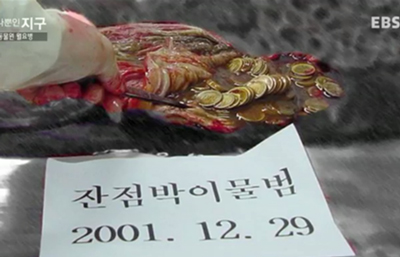
EBS에서 방영된 ‘동물원의 월요병’이란 다큐를 보고 이 프로젝트를 기획 진행하게 되었습니다. 주말 4-5만명이 동물원을 방문하고 지나가면 주는 먹이와 쓰레기, 잘못된 관람문화로 인해 주말이 지나고 나면 앓는 동물들이 많습니다. 혹은 목숨을 잃기도 합니다. 물개가 죽어 배를 가르니 보이는 동전이 200개나 가득 차 있어 잔뜩 늘어난 위는 정말 충격적이었습니다. 저희는 잘못 된 관람문화로 인해 더 이상 피해를 입는 동물들의 수를 줄이고자 동물원 관람문화 개선을 위한 대중 인식 제고 프로젝트를 진행하고 있습니다.

▲ 죽은 물범의 위에서 나온 수 백개의 동전들 © EBS

▲ 죽은 물범의 위에서 나온 수 백개의 동전들 © EBS

모두의 행.동.
‘모두의 행.동’은 ‘모두의 행복한 동물원’을 가리킵니다. 소셜미디어를 통해 더 많은 사람들에게 이 프로젝트를 알리기 위해 개설한 페이스북 페이지입니다. 지금은 뉴스를 연재하고 있고요. 소셜미디어를 통해 공유되기에 적합한 컨텐츠도 준비하고 있습니다. 이곳에 연재하고 있는 뉴스들을 많이 공유해주셔도 큰 힘이 될 것 같습니다.

스토리펀딩 ‘행복한동물원만들기’
저희의 목표는 동물원에 있는 동물 뿐 아니라 모든 동물들이 사람과 함께 행복해지는 것입니다. 그리고 우리가 동물들을 대하는 방법에 대한 인식이 바뀐다면, 많은 변화가 이루어 질 것 이라 생각합니다. 이를 위해 현재 다음카카오의 스토리 펀딩을 통해 뉴스를 연재하며 펀딩을 받고 있고, 아이들의 자연스런 교육을 위한 그림책을 만들어 전국의 어린이 도서관에 보급하려고 힘쓰고 있습니다. 또한 동물원과 동물들에 대한 사람들의 인식을 바꾸기 위한 위한 다양한 컨텐츠를 만들 것입니다.

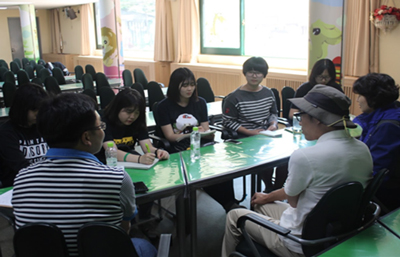
▲ 동물원 운영 팀장님, 사육사 님과의 인터뷰

▲ 동물원 운영 팀장님, 사육사 님과의 인터뷰


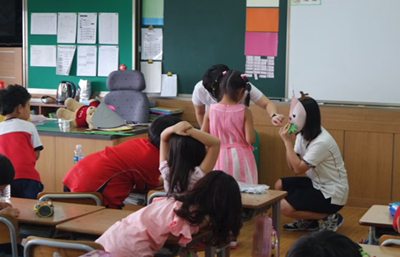
▲초등학생을 대상으로 한 인식 제고 캠페인으로 역할극 활동 중

▲초등학생을 대상으로 한 인식 제고 캠페인으로 역할극 활동 중

그동안 4주에 걸쳐 뉴스가 연재되었습니다. 1-2화: 잘못된 관람문화로 인해서 아파하는 동물들의 사례, 3화는 건강외 관람객이 동물에게 미치는 영향, 4화: 저희가 해왔던 활동내용 입니다. 앞으로 두 번의 뉴스연재가 남아있습니다.

▲교내 디자인 동아리와 협업하여 만든 행복한 동물원 펀딩 메인

▲교내 디자인 동아리와 협업하여 만든 행복한 동물원 펀딩 메인

부탁드립니다
‘우리가 사는 이 세상을 조금 더 많은 연민이 깃든 조금 덜 잔인한 곳으로 만들 수 있는 한 가지 길은 어린이를 잘 가르치는 것이다. 우리가 다른 생명체에 대한 연민의 발자국을 늘려갈수록 어린이들이 더 나은 세상에서 그들의 소망과 꿈을 이뤄갈 수 있을 것이다.’ -미국 콜로라도대학교 마크 베코프 생태학 교수

열 일곱, 열 여덟 여고생들이 우리와 함께 지구에서 살아가고 있는 생명체에 대한 연민을 갖고 함께 살아가기 위해 만든 이 예쁜 활동을 후원해주시고 많이 알려주세요.

화, 2015/11/24- 10:29
723
0


7일 통과한 유엔 안전보장이사회 결의안을 통해, 염소 등 화학무기 공격의 책임자를 가려낼 독립적 전문가 집단을 구성할 수 있게 되면서 시리아에서 벌어지는 전쟁범죄에 대해 책임을 물을 수 있는 희망이 생겨났다고 국제앰네스티가 밝혔다.

사이드 부메두하(Said Boumedouha) 국제앰네스티 중동-북아프리카 국장대행은 “염소가스 등의 화학무기 공격은 시리아 민간인들에게 죽음과 고통, 공포를 안겼다. 이번 결의안으로 시리아 분쟁이라는 어둠 속에 그토록 갈망하던 한 줄기 희망의 빛이 나타나게 되었다. 이번 결의안이 적절히 시행된다면, 시리아에서 매일같이 자행되는 수많은 전쟁범죄에 대한 불처벌의 악순환을 깰 기회가 될 것”이라고 말했다.

시리아 사태가 발발한 이후 4년이 넘는 시간 동안 화학무기 공격으로 민간인 수백여 명이 목숨을 잃었다. 화학무기 사용은 국제인도법상 금지되어 있다.

이번 결의안은 이러한 화학무기 공격의 책임자를 가려낼 합동조사기구를 설립하기 위해 필요한 조치를 상술하고 있다. 또한 분쟁의 모든 당사자들은 공격 장소 및 관련자, 관련 정보에 대해 전면적인 접근 권한을 부여하는 등 합동조사기구의 활동에 전적으로 협조해야 할 의무가 있다고 명시했다.

러시아를 비롯해 시리아 분쟁의 책임성 강화를 촉구하는 이전 결의안에 거부권을 행사했던 회원국들도 의견을 함께했다는 사실은 국제사회가 시리아의 참상 속에서 고통받는 민간인들을 구하기 위해 힘을 합칠 수 있다는 것, 또한 그래야만 한다는 것을 보여주고 있다.

그러나 책임자 개개인에 대해 어떻게 처벌이 이루어질 것인지, 결의안 내용에 불응할 경우 어떻게 적용될 것인지에 대해서는 구체적인 사항을 명시하지 않고 있다. 국제앰네스티는 시리아 상황을 국제형사재판소에 회부하는 것으로 결의안을 보완할 것을 유엔 안보리에 촉구한다.

화학무기 공격으로 인한 사상자는 2011년 3월 이후 시리아 전역에서 발생한 사상자 수의 극히 일부분에 불과하다.

사이드 부메두하 국장대행은 “이번 결의안은 시리아에서 벌어지고 있는 끔찍한 범죄 중 단 한 가지 종류에만 범위를 한정한다. 그러나 시리아에서는 화학무기 공격 이외에도 전쟁범죄와 반인도적 범죄로 매일 수천여 명 이상이 계속해서 고통에 시달리고 있다”고 말했다.

영어전문 보기

Syria: UN resolution on chemical weapons a vital step towards justice for war crimes

A UN Security Council resolution passed today, paving the way for establishing an independent team of experts to identify the perpetrators of chlorine and other chemical weapon attacks, offers hope for accountability for war crimes in Syria, said Amnesty International.

“Chlorine and other chemical weapon attacks have brought death, anguish and terror to the civilian population in Syria. This resolution offers a much needed ray of hope in the darkness that presides over this conflict. If properly implemented, it could offer an opportunity to break the cycle of impunity for the countless war crimes being committed on a daily basis there,” said Said Boumedouha, Acting Director of Amnesty International’s Middle East and North Africa Programme.

Hundreds of civilians have been killed in chemical weapons attacks since the crisis in Syria began more than four years ago. The use of chemical weapons is prohibited by international humanitarian law.

The resolution details steps needed to create a Joint Investigative Mechanism to identify perpetrators of such attacks. It stipulates that all parties to the conflict would have an obligation to cooperate with it fully, including by granting full access to locations, individuals and relevant materials.

The fact that UN Security Council member states, including Russia which has blocked previous resolutions pushing for accountability in Syria, came together demonstrates how they can and should unite to help end the suffering of civilians in the Syrian catastrophe.

However, the resolution stops short of specifying how individuals should be held to account or how the terms of the resolution would be enforced in the event of non-compliance. Amnesty International is calling on the UN Security Council to expand on this resolution by referring the situation in Syria to the Prosecutor of the International Criminal Court.

Those killed and injured in chemical weapons attacks in Syria represent just a fraction of the casualties across the country since March 2011.

“The narrow scope of this resolution focuses only on one category of horrific crimes being committed in Syria, when thousands more continue to suffer on a daily basis as a result of other abuses including war crimes and crimes against humanity,” said Said Boumedouha.


월, 2015/08/10- 11:20
696
0