주요 콘텐츠로 건너뛰기

인권교육에 힘을 실어주는 열 가지 발언

지역

인권교육에 힘을 실어주는 열 가지 발언

익명 (미확인) | 목, 2016/02/18- 14:10
2001년 12월, 노르웨이 오슬로에서 코피 아난의 노벨평화상 수상을 기리는 집회가 열렸다. ©Amnesty International

2001년 12월, 노르웨이 오슬로에서 코피 아난의 노벨평화상 수상을 기리는 집회가 열렸다. ©Amnesty International

세계 각지의 인권옹호자와 활동가들은 인권교육이 인권 보호에 어떻게 변화를 일으키는지 다음과 같은 발언을 통해 일깨워주고 있다.

1. “인권 교육은 학교 수업의 한 과목이나 하루 다뤄지고 마는 주제에 그치는 것이 아니라, 사람이 안전하고 존엄하게 살기 위해 필요한 도구를 갖추게 하는 과정입니다. 오늘 세계 인권의 날을 맞아, 후세에 인권적인 문화를 조성, 확산시키고 모든 국가에 자유와 안전, 평화를 증진할 수 있도록 계속해서 함께 노력합시다.”
– 코피 아난(Kofi Annan) 전 유엔 사무총장, 노벨평화상 수상자

2. “보편적인 인권이란 어디서부터 시작되는 것일까요? 우리 집과 가까운, 아주 작은 곳, 너무나 익숙하고 보잘것없어서 세계 어느 지도에도 표시되지 않은 그런 곳입니다. 그러나 이는 누군가의 세계이자, 그가 사는 동네, 다니는 학교, 일하는 공장, 농장, 사무실이기도 합니다. 모든 남성과 여성, 어린이가 동등한 정의와 동등한 대우, 동등한 존엄을 요구해야 할 곳입니다. 이곳에서 이러한 권리가 인정받지 못한다면 어디서라도 의미가 없을 것입니다. 일상과 가까운 곳에서부터 인권을 지키기 위해 사려 깊은 시민운동이 이루어지지 않는다면, 더 넓은 세상에서의 진전을 기대하는 것은 헛된 일입니다.”
– 엘레노어 루즈벨트(Eleanor Roosevelt), 미국의 정치가이자 활동가

3. “교육은 세상을 바꿀 수 있는 가장 강력한 무기다.”
– 넬슨 만델라(Nelson Mandela), 남아프리카공화국의 인권활동가

4. “오랜 편견을 극복하기 위해서는 모든 지역사회에 집중적인 인권교육이 보급되어야 한다.”
– 루스 마노라마(Ruth Manorama), 인도의 활동가

5. “인권교육은 세계 각지에서 벌어지는 불의의 근본적인 원인을 해결하기 위한 중요한 열쇠다. 사람들이 자신과 타인의 권리에 대해 알면 알수록, 이를 지키기 위한 준비도 더욱 철저해질 수 있다.”
– 살릴 셰티(Salil Shetty) 국제앰네스티 사무총장

6. “인권교육은 사람들에게 자신의 삶의 힘과 가치를 일깨우는 데 엄청난 영향을 미칠 수 있습니다.”
– 이케다 다이사쿠, 일본의 철학가, 활동가, 작가, 교육학자

7. “교육은 또 다른 인권을 여는 열쇠입니다.”
– 카타리나 토마세프스키(Katarina Tomasevski) 유엔 유고슬라비아 특별조사관

8. “어린이들은 유치원 때부터 존중과 평등, 정의라는 인권의 기본 가치를 배우고 체험해야 합니다. 아주 어린 시절부터 모든 학교의 교육과정과 교과서, 정책, 교사 연수, 교수법 및 전반적인 교육 환경에 인권교육이 스며 있어야 합니다. 인권교육은 어린이들이 올바른 선택을 하고, 비판적이고 독립적인 사고로 접근하며, 타인의 관점에서 공감할 수 있도록 이끌 것입니다.”
– 제이드 라드 알 후세인(Zeid Ra’ad Al Hussein) 요르단 유엔 인권고등판무관

9. “지식은 변화를 만들 기회를 가져다 줄 것입니다.”
– 클레어 패긴(Claire Fagin), 미국의 간호사, 교육자, 학자, 상담가

10. “인권교육은 단순한 정보 제공에 그칠 것이 아니라, 타인의 존엄성을 존중하는 법과, 모든 사회에서 이러한 존중이 이루어질 수 있게 하는 수단 및 방법을 모든 국가, 모든 계층의 사람들이 배우는 종합적인 평생 과정이 되어야 한다.”
– 유엔 총회

영어전문 보기

10 quotes on the power of human rights education

10 times human rights defenders and activists around the world have reminded us how human rights education makes a difference in protecting people’s rights:

1. “Human rights education is much more than a lesson in schools or a theme for a day; it is a process to equip people with the tools they need to live lives of security and dignity. On this International Human Rights Day, let us continue to work together to develop and nurture in future generations a culture of human rights, to promote freedom, security and peace in all nations.”
– Kofi Annan, former Secretary General of the United Nations, Nobel Peace Prize winner

2. “Where, after all, do universal human rights begin? In small places, close to home – so close and so small that they cannot be seen on any maps of the world. Yet they are the world of the individual person; the neighborhood he lives in; the school or college he attends; the factory, farm, or office where he works. Such are the places where every man, woman, and child seeks equal justice, equal opportunity, equal dignity without discrimination. Unless these rights have meaning there, they have little meaning anywhere. Without concerned citizen action to uphold them close to home, we shall look in vain for progress in the larger world.”
– Eleanor Roosevelt, American political leader and activist

3. “Education is the most powerful weapon which you can use to change the world.”
– Nelson Mandela, South African civil rights activist

4. “An intensive human rights education for all communities needs to be provided to overcome the old prejudices.”
– Ruth Manorama, Indian activist

5. “Human rights education is key to addressing the underlying causes of injustice around the world. The more people know about their rights, and the rights of others in society, the better equipped they are to protect them.”
– Salil Shetty, Secretary General of Amnesty International

6. “The effects of human rights education can be dramatic in awakening people to the value and power of their own lives […].”
– Daisaku Ikeda, Japanese philosopher, activist, author and educator

7. “Education… is the key to unlocking other human rights.”
– Katarina Tomasevski, Yugoslavian UN Special Rapporteur

8. “Even in kindergarten, children should learn – and experience – the fundamental human rights values of respect, equality and justice. From the earliest age, human rights education should be infused throughout the program of every school – in curricula and textbooks, policies, the training of teaching personnel, pedagogical methods and the overall learning environment…. [Children] can be guided by human rights education to make informed choices in life, to approach situations with critical and independent thought, and to empathize with other points of view.”
– Zeid Ra’ad Al Hussein, Jordanian UN High Commissioner for Human Rights

9. “Knowledge will bring you the opportunity to make a difference.”
– Claire Fagin, American nurse, educator, academic, and consultant

10. “Human rights education should involve more than the provision of information and should constitute a comprehensive life-long process by which people at all levels in development and in all strata of society learn respect for the dignity of others and the means and methods of ensuring that respect in all societies.”
– UN General Assembly

시민들의 의견

댓글 달기

Plain text

  • 웹 페이지 주소 및 이메일 주소는 자동으로 링크로 전환됩니다.
  • 줄과 단락은 자동으로 분리됩니다.
  • 사용할 수 있는 HTML 태그: <a href hreflang> <em> <strong> <cite> <blockquote cite> <code> <ul type> <ol start type> <li> <dl> <dt> <dd>
이미지
무제한 수의 파일을 이 필드에 업로드할 수 있습니다.
50 MB 한계입니다.
허용된 유형: png gif jpg jpeg.
Enter the YouTube URL. Valid URL formats include: http://www.youtube.com/watch?v=1SqBdS0XkV4 and http://youtu.be/1SqBdS0XkV4.
CAPTCHA
스펨 사용자 차단 질문

5일 이른 시각부터 지중해 중부에서 대규모 수색구조 작전이 진행 중인 가운데, 유럽 국가들은 보호가 필요한 사람들이 유럽연합(EU)에 들어오기 위해 죽음을 무릅쓰고 바다를 건너지 않도록 안전하고 합법적인 경로 마련에 더욱 나서야 할 것이라고 국제앰네스티가 밝혔다.

언론 보도에 따르면 600명을 태웠을 것으로 추정되는 낚싯배가 리비아의 주라와 항에서 전복되면서 수백 명이 숨졌을 것으로 우려된다. 지금까지 400명 이상이 구조되었고 시신 25구가 수습됐다. 비정부단체인 국경없는의사회(MSF), 해상난민구조센터(MOAS)를 비롯해 다양한 국가가 참여한 구조작전이 현재 진행 중으로, 밤새 계속될 예정이다.

데니스 크리보셰프(Denis Krivosheev) 국제앰네스티 유럽-중앙아시아 국장은 “여전히 매주 수천 명이 유럽에서의 안전하고 나아진 삶을 꿈꾸며 지중해를 건너고 있어, 해상 조난 사건은 앞으로도 비극적인 현실로 남을 것”이라며 “이번 조난 사건으로 위험천만한 뱃길을 나서는 사람이 줄어들도록, 보호가 필요한 사람들을 위해 합법적이고 안전한 경로를 즉시 마련해야 한다는 필요성이 더욱 부각됐다”고 말했다.

이 정도 규모의 조난 사건이 벌어진 것은 2015년 상반기 전례없이 증가한 해상 난민 사망자를 줄이고자 유럽 국가들이 지난 4월 말 수색구조 작전을 더욱 확대하기로 결정한 이래 처음 있는 일이다.

국제앰네스티는 난민 재정착 기회 증가, 인도적 비자 발급과 가족 재통합을 통한 유럽 진입 기회 확충, 난민 지위가 인정된 사람들의 이동 제한 완화 등을 약속할 것을 촉구한다.

데니스 크리보셰프 국장은 “난민과 이주민들이 계속해서 위험한 뱃길을 통해 유럽으로 들어오려 하고 있는 가운데, 해상 구명 노력이 무엇보다 가장 우선되어야 한다. 지난 4월 연이은 조난 사고로 1,200명 이상이 숨지거나 실종된 이후 유럽 국가들이 함께 마련한 인도적 작전은 계속해서 적절한 지원을 받고 시행되어야 한다”고 말했다.

사건 발생 며칠 전, 국제난민기구는 2015년 들어 이미 난민과 이주민 2,000명이 지중해에서 목숨을 잃었다고 발표했다. 올해 들어 지금까지 약 98,000명의 난민과 이주민이 지중해를 건너 이탈리아에 도착했다.

영어전문 보기

Latest Mediterranean shipwreck underscores urgent need for safe, legal routes to Europe

European governments must do more to provide safe and legal ways for people in need of protection to enter the European Union (EU), rather than risking their lives at sea in their thousands, Amnesty International said as a massive search-and-rescue operation got under way in the central Mediterranean earlier today.

Media reports say hundreds of people are feared lost at sea after a fishing boat, which carried an estimated 600 people, capsized off the Libyan port of Zuwara. More than 400 people have been rescued and 25 bodies were retrieved so far. Rescue operations, carried out with the participation of vessels from various countries as well as NGOs Médecins Sans Frontières (MSF) and Migrant Offshore Aid Station (MOAS), are ongoing and will continue overnight.

“People are still crossing the central Mediterranean in their thousands almost every week to seek safety and better lives in Europe, so fatal incidents at sea are going to remain a tragic reality,” said Denis Krivosheev, Deputy Europe and Central Asia Director at Amnesty International.

“Today’s fatal incident emphasizes how European governments must immediately put in place safe and legal routes for those in need of protection to reduce the numbers of people embarking on perilous sea journeys.”

It is the first incident of this scale since EU governments agreed to scale up search-and-rescue operations in late April, which curtailed an unprecedented surge in deaths at sea in the early months of 2015.

Amnesty International is calling for increased pledges to resettle refugees, expanded access to Europe through humanitarian visas and family reunification, and an easing of restrictions on freedom of movement of successful asylum seekers.

“While refugees and migrants are continuing to access to Europe through dangerous journeys, it is imperative that efforts to save lives at sea are given top priority. Humanitarian operations launched by European governments in the aftermath of the April shipwrecks, when more than 1,200 people died or disappeared at sea, must continue to be properly resourced and implemented,” said Denis Krivosheev.

Today’s incident comes a day after the International Organization for Migration announced that 2,000 migrants and asylum-seekers had already perished in the Mediterranean this year. Around 98,000 refugees and migrants crossed the central Mediterranean and arrived to Italy so far this year.


금, 2015/08/07- 17:30
666
0
차마 납득하기에 너무나도 가슴 아픈 일이었다. 올해 4월, 파라과이의 만 10세 소녀 ‘마이눔비’(가명)가 수차례 강간을 당하고 임신한 상태로, 가해자는 양아버지로 추정된다는 소식이 전해졌다. 이 소녀는 4개월 동안 여러 차례 병원을 찾았지만 임신 사실은 그 후에야 밝혀졌다.

이처럼 끔찍한 사실을 알게 된 마이눔비의 어머니는 가해자에게 소송을 제기했지만 기각되었고, 딸이 낙태 시술을 받을 수 있도록 허가해 달라고 정부에 요청했다. 하지만 정부는 이를 받아들이지 않았고, 대신 마이눔비를 미혼모 보호소로 보냈다.

그 이유는 무엇일까? 다른 라틴아메리카 국가와 마찬가지로 파라과이의 낙태금지법 역시 세계에서 가장 엄격한 수준으로, 산모의 생명이 위험한 경우에만 낙태를 허용하고 있다. 정부는 마이눔비가 예외에 해당하지 않는다고 봤다. 임신으로 인해 이처럼 어린 소녀의 신체적, 정신적 건강이 위험해질 수 있음에도 불구하고 말이다.

국내외에서 비판의 목소리가 쏟아졌지만 정부는 꿈쩍도 하지 않았고, 결국 13일 저녁, 이제 11살이 된 마이눔비가 제왕절개로 출산하면서 사건은 마무리되었다. 다행히도 산모와 아이 모두 건강한 상태인 것으로 추정된다.

마이눔비의 슬픈 사연이 이와 같은 결말로 이어지면서 파라과이의 낙태에 대한 엄격한 규제를 지지하는 사람들은 예상대로 승리의 환호를 외치며, 이처럼 어린 소녀도 건강하게 출산할 수 있다고 주장하고 있다. 마이눔비의 경우가 자신들이 맞다는 것을 증명한다는 것이다.

이보다 더 큰 착각이 있을 수 없다.

마이눔비가 목숨을 건졌다고 하더라도, 파라과이 정부가 그녀의 건강과 생명을 그저 운에 맡기기로 결정하며 아무런 배려도 보이지 않았다는 것은 변하지 않는다.

마이눔비의 임신 사실을 처음으로 발견한 병원의 병원장과, 이후 마이눔비 사례를 분석했던 의사위원회, 유엔 관련기구, 미주인권위원회 등 수많은 전문가집단이 임신과 출산으로 그녀의 건강에 장기적인 악영향을 끼칠 것이라는 명백한 사실을 지적해 왔다.

국제보건기구(WHO)는 16세 이하 청소년 산모의 사망 위험이 20대 산모보다 4배 높다고 밝혔다. 그 외에도 신체적, 정신적 건강에 문제가 생길 확률이 어린 나이에 아이를 낳은 소녀들에게 훨씬 높게 나타났다.

파라과이 정부는 수개월 동안 계속해서 이 모든 사실과 세계적인 지탄을 무시하고 마이눔비에게 임신을 유지할 것을 강요했다. 낙태에 대한 자신들만의 신념과, 산모의 생명이 위험할 때만 낙태를 허용한다고 명시한 파라과이 헌법을 좁은 의미로 해석한 것에 기반한 것이다. 생명이라는 것이 단순히 “심장이 뛴다”는 의미 이상이라는 점과, 이렇게 어린 소녀가 출산 때까지 임신을 유지하는 신체적 및 정신적 상태가 장기적으로 봤을 때 생명을 위태롭게 할 수 있다는 점을 무시한 것이다.

10세 강간 피해자 소녀에 대한 정부의 끔찍하리만치 잔인한 대우는 고문에 해당한다. 강간으로 인한 임신을 강제로 유지해야 함으로써 여성들이 겪게 되는 신체적, 정신적 피해는 유엔 고문반대위원회 등의 기관에서 심각한 인권침해로 간주, 상세히 기록되고 있다. 국제인권기준 역시 이러한 경우 정부는 낙태 시술을 허용해야 한다고 명시하고 있다.

파라과이의 엄격한 낙태금지법은 여성에 대한 뿌리깊은 차별에 기인한다. 파라과이의 법제도와 사회구조는 여성을 아이 낳는 역할 이외로는 전혀 고려하지 않는 것처럼 보인다.

낙태금지법에 가장 큰 피해를 입는 것은 역시 사회에서 가장 소외된 사람들이다. 마이눔비가 유복한 집안에서 태어났다면 사설 병원이나 해외에서 조용히 낙태 시술을 받았을 것이다. 이러할 경우에 정부가 끼어들 가능성은 거의 없다.

안타깝게도 이는 파라과이만의 문제가 아니다. 다른 라틴아메리카 국가들 역시 계속해서 여성들이 자신의 인권을 행사할 능력을 상당히 제한하고 있다.

8월 17일은 ‘에스페란시타’가 목숨을 잃은 지 3년째가 되는 날이다. 도미니카공화국의 이 16세 소녀는 백혈병 진단을 받았지만 임신부라는 이유만으로 응급치료를 받지 못했다. 2014년에는 칠레의 11세 소녀 ‘벨렌’이 양아버지의 반복된 강간으로 임신하게 되었지만 마찬가지로 낙태 시술을 받을 합법적인 방법이 전혀 허용되지 않았다.

칠레와 도미니카공화국은 낙태를 전적으로 금지하고 있는 세계의 수많은 국가에 비하면 매우 소수에 불과하다. 다행히도 도미니카공화국은 2014년 12월 낙태 전면 금지였던 국내법에 3개의 예외 항목을 두도록 개정했고, 올해 12월 시행할 예정이다. 한편 칠레는 지난 수 주 동안, 산모의 생명이 위태롭거나 태아가 생존하지 못할 경우, 강간으로 인한 임신인 경우는 낙태 시술을 합법적으로 받을 수 있도록 하는 데 잠정적이지만 중요한 조치를 시행했다.

마이눔비가 목숨을 건진 것은 다행이다. 그러나 슬픈 시련으로 인한 그녀의 정신적 충격이 실제 어느 정도인지는 시간이 흘러야 알 수 있을 것이다. 무서운 것은 파라과이가 낙태금지를 철폐하고, 현대식 피임법을 사용할 수 있도록 보장하고, 어린 소녀들이 성재생산권에 관한 정보에 쉽게 접근할 수 있도록 하지 않는 한 마이눔비의 사연은 너무나도 흔한 사례 중 하나로만 남게 될 것이라는 점이다.

기본권 행사에 개인적인 신념을 적용한다면 더욱 많은 생명을 위험에 처하게 할 뿐이다.

글 _ 에리카 게바라 로사스(Erika Guevara-Rosas) 국제앰네스티 미주 국장

영어전문 보기

Lucky to be alive after rape and childhood pregnancy

By Erika Guevara-Rosas, Americas Director at Amnesty International

It was a situation almost too heart-wrenching to comprehend. In April this year came the news from Paraguay that “Mainumby” (not her real name) then a 10-year-old girl, had become pregnant after she was repeatedly raped, allegedly by her stepfather. The girl had been taken to hospital several times in a four-month-period before the pregnancy was discovered.

After finding out the horrific news, Mainumby’s mother, whose legal complaint against her daughter’s abuser had fallen on deaf ears, made a request to the authorities to allow her daughter to have an abortion. But the government refused it, and instead moved the girl into a home for young mothers.

The reason? Paraguay, like many other countries in Latin America, has some of the world’s most restrictive abortion laws – where terminating a pregnancy is only allowed if the life of the pregnant woman is at risk. Authorities decided this case did not fall under the exception, despite the risk that a pregnancy poses to such a young girl’s physical and mental health.

Despite a global and national outcry, the authorities never budged – and last night the case came to its conclusion, as Mainumby – now 11 years old – gave birth via caesarean section. Thankfully, both the girl and the newborn appear to be in stable health condition.

The latest event in this tragic story prompted predictable triumphant cries from those who support Paraguay’s cruel stance on abortion and claim that girls this age can be mothers without risks. They say Mainumby’s case proves them right.

They could not be more mistaken.

The fact that Mainumby did not die does not excuse the absolute lack of care by the Paraguayan authorities, who simply decided to gamble with her health, life and integrity.

A long list of authoritative voices have pointed out the obvious, and possible long term, dangers to her health: the Director of the Hospital who first discovered the pregnancy; the Doctor’s Commission who subsequently assessed Mainumby’s case, relevant United Nations agencies, and the Inter-American Commission on Human Rights.

The World Health Organization has said that the risk of maternal death is four times higher among adolescents younger than 16 years than among women in their twenties. Other physical and mental health problems are also significantly higher among young girls who became mothers.

For months on end, the Paraguayan authorities chose to ignore all these facts and all the international outcry and forced Mainumby to continue with the pregnancy. They did so based on their personal convictions about abortion and on their narrow interpretation of the country’s Penal Code — which allows a legal abortion only if the life of the women is at risk. This disregards the fact that life is much more than a mere “beating heart” and that the physical and psychological consequences of carrying a pregnancy to term for such a young girl can be life-threatening in the long term.

The authorities’ appallingly cruel treatment of this 10-year-old rape victim amounts to torture. The physical and mental harm that women and girls face by forcing them to continue with a pregnancy that is a result of rape is well documented and recognised as a serious human rights violation, including by the UN Committee against Torture. Human rights standards are clear that governments should ensure access to abortion in such cases.

Paraguay’s repressive abortion laws are rooted in ingrained discrimination against women and girls. The country’s legal system – and sectors of society– appear to view women as little more than child bearers.

The anti-abortion laws are also hitting the poorest in society the hardest. If Mainumby had come from a wealthy family, she would have had the finances to quietly get an abortion from a private clinic, or to travel abroad for one – it is unlikely the authorities would have stepped in in either case.

Unfortunately, this issue is far from being isolated to Paraguay – across Latin America, many other countries continue to place far-reaching restrictions women and girls’ ability to exercise their human rights.

This 17 August will mark the third anniversary of the death of “Esperancita”, a 16-year-old girl who was diagnosed with leukemia in the Dominican Republic and was refused immediate treatment because she was pregnant. In 2014, “Belén”, an 11-year-old girl from Chile who had become pregnant after being repeatedly raped by her stepfather was also denied any legal option to terminate her pregnancy.

Chile and the Dominican Republic are two of just a handful of countries around the world where abortion is fully criminalized. Thankfully, the Dominican Republic changed its Penal Code in December 2014, to include three exceptions to the full ban on abortion. Such reform will entry into force in December this year. Meanwhile Chile has over the past weeks taken tentative, but important, steps towards decriminalizing abortion when the pregnancy has been the result of rape, when the life of the women is at risk or when the foetus is unviable.

Mainumby is lucky to be alive – although only time will tell the true extent of the psychological consequences of her tragic ordeal. But the terrifying fact is that her story will remain all too common unless Paraguay decides to decriminalize abortion and guarantee the availability of modern contraceptives and access to information about sexual and reproductive rights for young girls.

Placing personal convictions over basic human rights will only put more lives at risk.


월, 2015/08/17- 13:49
661
0
 
  • 2014년 8월 1일부터 4일 사이 라파에 가해진 이스라엘 공격을 재구성
  • 전쟁범죄와 반인도적 범죄 가능성에 대한 유력 증거 드러나… 긴급 조사 필요
  • 납치된 군인 1명에 대한 보복으로 이스라엘군이 살해한 팔레스타인 민간인은 어린이 75명을 포함해 최소 135명 이상
  • 목격자 증언과 상호 참조해 전문가가 분석한 수백 건의 영상, 사진, 위성사진 자료 공개
  • 공격이 가해진 시간과 장소를 파악하기 위해 여러 개의 영상에 나타난 그림자와 연기의 형태를 연구하는 등 첨단 기술을 응용한 증거 자료 분석

이스라엘이 자국 병사 1명이 납치된 데 대한 보복으로 전쟁범죄를 자행했다는 새로운 증거가 나타났다고, 국제앰네스티와 포렌식 아키텍쳐(Forensic Architecture)가 29일 공개한 합동 보고서를 통해 밝혔다. 이번에 공개된 증거 자료는 막대한 양의 멀티미디어 자료에 대한 상세 분석을 포함하고 있으며, 조직적이고 명백히 고의적이었던 라파 지역의 공습과 지상공격으로 최소 135명의 민간인이 숨졌던 것에 대해, 반인도적 범죄에 해당할 수도 있음을 시사하고 있다.

온라인상으로 공개된 보고서 <‘블랙 프라이데이’: 2014년 이스라엘-가자 분쟁 중 벌어진 라파 대학살>은 영국 런던 골드스미스 대학 연구팀 포렌식 아키텍쳐(Forensic Architecture)의 최첨단 조사 기술과 분석 연구를 활용한 것이 특징이다.

필립 루서(Philip Luther) 국제앰네스티 중동-북아프리카 국장은 “이스라엘군이 자국군의 하다르 골딘 중위가 납치되는 것을 막기 위해 라파의 민간인 주거지역에 무자비한 대규모 폭격을 가하는 등의 전쟁범죄를 저질렀다는 유력한 증거가 있으며, 이는 충격적인 수준의 민간인 경시를 보여주고 있다. 이스라엘군은 지나치게 과한 수준이거나 무차별적인 공격을 수 차례 감행했고, 이에 대한 독립적인 조사도 전혀 이루어지지 않았다”며 “이번 보고서는 정의를 등한시해서는 안 된다고 긴급히 촉구하고 있다. 수백 건의 사진과 영상, 위성사진, 목격자 증언에 대한 통합 분석을 통해 이스라엘군이 국제인도법을 심각하게 위반했다는 강력한 증거가 드러났으며, 이에 대해 반드시 조사해야 한다”고 말했다.

이렇게 수집된 막대한 양의 증거 자료는 군사 및 관련 전문가들의 검수를 받은 후, 당시 사건에 대한 구체적인 정황을 알 수 있도록 8월 1일부터 시간 순서대로 정렬했다. 8월 1일은 이스라엘군이 하다르 골딘 중위의 납치에 대한 보복으로 비밀리에 문제의 ‘한니발’ 절차를 시행한 날이다.

‘한니발 명령’에 따르면, 이스라엘군은 자국군 병사가 포로로 잡힐 경우 당사자와 인근 지역 민간인들의 생사 여부를 고려하지 않고 집중 포격으로 대응할 수 있다. 보고서에서 설명하는 바와 같이, 이 명령을 시행한다는 것은 민간인에 대한 불법 공격을 명령하는 것이 된다.

필립 루서 국장은 “하다르 골딘 중위가 포로로 잡히자, 이스라엘군은 사정없이 싸우겠다는 입장을 취해 엄청난 민간인 피해를 일으키면서 모든 원칙을 내던진 것처럼 보인다. 무슨 수를 써서라도 골딘 중위의 억류를 막는다는 목표를 위해서였다. 민간인 피해를 막기 위해 사전에 주의해야 한다는 의무는 완전히 저버린 것이다. 라파의 인구 밀집 주거지역을 포함한 모든 지역이 민간인과 군사적 표적간의 구별 없이 무차별적으로 폭격을 당했다”고 말했다.

8월 2일 골딘 중위가 사망한 것으로 알려진 뒤에도 계속된 공습의 잔혹성으로 볼 때, 골딘 중위의 납치에 대한 보복으로 라파 주민들을 처단하겠다는 의도 역시 일부 있었을 것으로 추정된다.

집중 포격

2014년 8월 1일 골딘 중위가 납치되기 직전 휴전이 선언되었고, 이제 안전할 것이라고 생각한 많은 수의 민간인들이 집으로 돌아갔다. 그러나 거리에 수많은 인파가 있었음에도 아무런 경고 없이 대규모 폭격이 시작되었고, 특히 자동차에 타고 있던 사람들이 폭격의 표적이 되었다. 이후 이 날은 라파 주민들에게 ‘검은 금요일’로 알려지게 되었다.

당시 목격자들은 F-16 제트기와 무인기, 헬리콥터로 인해 불타는 지옥과 다름없어진 혼란스럽고 충격적인 현장의 모습을 증언했다. 거리에 포탄이 쏟아지며 지나는 행인과 자동차는 물론, 부상자를 대피시키던 구급차 등의 차량에도 무차별 폭격이 가해졌다.

한 목격자는 그 날의 공습에 대해 ‘사람들을 무자비하게 난도질하는 기계’로 비유하며, 라파 주민들을 완전히 말살시키려 했다고 증언했다.

최첨단 법의학적 분석

이를 조사하기 위해, 당시 라파 학살 현장을 목격한 사람들의 증언은 여러 장소에서 촬영된 사진과 영상 자료 수백여 개를 상호 참조했다. 다양한 출처로부터 입수한 이 자료들 중에는 국제앰네스티가 새롭게 입수한 고해상도 위성사진 역시 포함되어 있다.

포렌식 아키텍쳐 연구팀은 이러한 자료를 분석하기 위해 다양한 첨단 기술을 활용했다. 자료 내에서 그림자의 각도나 연기 구름의 모양 및 크기 등 ‘물리적 시계’ 역할을 하는 요소를 분석해, 공격이 이루어진 시간과 장소를 정확히 알아냈는데, 이것이 지리적 동기화라고 알려진 절차다.

분석 결과 8월 1일, 이스라엘군은 위험에 처할 민간인들을 전혀 고려하지 않은 채 골딘 중위가 있을 것으로 추정되는 지역 여러 곳을 공격했다. 오히려 골딘 중위를 살해하려는 의도로 이루어진 공격이었을 가능성이 제기되는 점이다.

가장 많은 사망자를 낸 공격의 경우, 연구팀은 군사 전문가의 도움을 받아 이스라엘 공군이 보유한 가장 큰 규격의 포탄인 1톤포(one-ton bomb) 2개가 라파 동부 알타누르 지역의 단층 주택에 떨어졌음을 확인할 수 있었다. 당시 인접 지역에는 민간인 수백 명이 있었던 터라 지나치게 과도한 수준의 공격이었다.

필립 루서 국장은 “라파 공습에서 나타난 잔혹함을 통해 이스라엘군은 단 한 명의 병사가 포로로 잡히는 것을 막기 위해 이렇게 극단적인 수단까지 동원할 수 있다는 사실이 드러났다. 이 목표 하나를 위해 팔레스타인 민간인 수백 명의 목숨이 희생되어야 했다”고 말했다.

당시 목격자들이 제공한 사진과 영상, 그 외의 멀티미디어 자료를 분석하는 것은 이스라엘군의 국제인도법 위반 가능성을 조사하기 위한 가장 중요한 요소다. 이스라엘 정부는 2014년 가자지구 분쟁이 발발한 이후 국제앰네스티 관계자의 가자지구 출입을 허용하지 않고 있기 때문이다.

이얄 와이츠먼(Eyal Weizman) 포렌식아키텍처 대표는 “포렌식 아키텍처는 최신 건축학 기술과 미디어 기술을 결합해, 분쟁 중 건물에 남은 피해 흔적을 기반으로 복잡한 사건을 재구성하는 데 활용하고 있다. 건축 모형을 이용해 소셜미디어에 게재된 사진, 동영상 등의 다양한 증거 자료와 증언 사이에 연결고리를 찾아내고, 사건 전개 과정을 시각적으로 재구성할 수 있다”고 밝혔다.

병원과 의료 종사자에게도 가해진 공격

보고서의 위성사진과 사진자료에 나타난 구멍과 피해 정도를 보면 라파 공습 당시 병원과 구급차가 반복적으로 공격을 당했음을 알 수 있는데, 이는 국제법을 위반하는 것이다.

아부 유세프 알 나자르 병원에 있던 한 의사는 공격이 더욱 격화되면서 혼란에 빠진 환자들이 병원을 도망쳐 나가던 모습에 대해 증언했다. 침대에 누운 채로 빠져나가는 환자도 있었고, 링거를 꽂은 채 나온 사람도 많았다. 깁스를 한 어린 소년이 다리를 질질 끌며 도망치는 모습도 보았다.

노인 남성 1명과 여성 1명, 어린이 3명을 싣고 오던 구급차는 무인기의 미사일에 직격당해, 함께 타고 있던 의료인들까지 모두 불에 타 숨졌다. 당시 현장에 도착한 응급대원이었던 자베르 다라비는 “다리도, 손도 없이… 심하게 불에 탄” 시신의 새카만 잔해들뿐이었다고 말했다. 안타깝게도 자베르는 의료 자원봉사자였던 자신의 아들 역시 구급차에 타고 있던 사망자 중 한 명이었음을 뒤늦게 알게 되었다.

필립 루서 국장은 “구급차와 병원을 폭격함으로써 이스라엘군은 전쟁법을 노골적으로 무시하고 있다. 의료시설과 의료 전문가들을 고의적으로 공격하는 것은 전쟁범죄에 해당한다”고 말했다.

불처벌의 악순환 끝내야

라파 학살에 대한 이번 조사를 통해, 가자지구 분쟁 중 전쟁범죄를 포함해 국제인도법을 심각하게 위반한 사실이 있다는 매우 강력한 증거가 공개됐다.

이전에 발표했던 보고서를 통해 국제앰네스티는 이스라엘군의 민간 주택에 대한 조직적인 공격, 민간 고층 건물의 악의적인 파괴와 팔레스타인 무장단체의 이스라엘 민간인에 대한 무차별 직접 공격 등 분쟁 양측의 인권침해 및 가자지구 팔레스타인인의 즉결처형에 대해 지적한 바 있다.

그러나 분쟁이 발발한 지 1년이 지났지만 이스라엘 정부는 이러한 국제인도법 위반행위에 대해 신뢰성 있고 독립적이고 공정한 조사를 시행하지 않고 있다. 이스라엘은 8월 1일 라파에서의 활동 일부에 대해 제한적인 군사 청문회를 열었지만 처벌받은 사람은 아무도 없었다.

필립 루서 국장은 “지금까지 이스라엘 정부는 라파와 그 외 지역에서 자행한 국제법상 범죄에 대해 독립적인 조사를 전혀 하지 못하고 있거나, 할 의지가 없음을 보여줬다. 이번 보고서를 통해 가자지구 분쟁 중의 중대한 국제인도법 위반행위에 대해, 이미 신뢰성 있는 자료가 많은 가운데 유력한 증거가 더욱 추가되었다. 이에 대한 독립적이고 공정하고 실질적인 조사가 필요하다”며 “피해자들과 그 가족은 정당한 대우와 보상을 받을 권리가 있다. 전쟁범죄를 지시한 용의자는 반드시 기소되어야 한다”고 말했다.

영어전문 보기

Gaza: Cutting edge investigation points to Israeli war crimes in Rafah on ‘Black Friday’

  • Reconstruction of Israeli attacks in Rafah between 1 and 4 August 2014
  • Strong evidence of war crimes and possible crimes against humanity revealed requiring urgent investigation
  • Israeli forces killed at least 135 Palestinian civilians, including 75 children, following the capture of an Israeli soldier
  • Hundreds of videos, photos and satellite images analysed by experts, cross-referenced with eyewitness testimony
  • Advanced techniques used to analyse evidence, including studying shadows and smoke plumes in multiple videos to determine time and location of an attack

New evidence showing that Israeli forces carried out war crimes in retaliation for the capture of an Israeli soldier has been released today in a joint report by Amnesty International and Forensic Architecture. The evidence, which includes detailed analysis of vast quantities of multimedia materials, suggests that the systematic and apparently deliberate nature of the air and ground attack on Rafah which killed at least 135 civilians, may also amount to crimes against humanity.

The online report, ‘Black Friday’: Carnage in Rafah during 2014 Israel/Gaza conflict, features cutting edge investigative techniques and analysis pioneered by Forensic Architecture, a research team based at Goldsmiths, University of London.

“There is strong evidence that Israeli forces committed war crimes in their relentless and massive bombardment of residential areas of Rafah in order to foil the capture of Lieutenant Hadar Goldin, displaying a shocking disregard for civilian lives. They carried out a series of disproportionate or otherwise indiscriminate attacks, which they have completely failed to investigate independently,” said Philip Luther, Director of the Middle East and North Africa Programme at Amnesty International.

“This report presents an urgent call for justice that must not be ignored. The combined analysis of hundreds of photos and videos, as well as satellite imagery and testimony from eyewitnesses, provides compelling evidence of serious violations of international humanitarian law by Israeli forces which must be investigated.”

The massive amount of evidence collected was presented to military and other experts, and then pieced together in chronological order to create a detailed account of events from 1 August, when the Israeli military implemented the controversial and secretive “Hannibal” procedure following the capture of Lieutenant Hadar Goldin.

Under the “Hannibal Directive”, Israeli forces can respond to the capture of a soldier with intense firepower despite the risks to his life or to civilians in the vicinity. As the report illustrates, the implementation of the directive led to the ordering of unlawful attacks on civilians.

“After Lieutenant Hadar Goldin was captured, Israeli forces appear to have thrown out the rule book, employing a ‘gloves off’ policy with devastating consequences for civilians. The goal was to foil his capture at any cost. The obligation to take precautions to avoid the loss of civilian lives was completely neglected. Entire districts of Rafah, including heavily populated residential areas, were bombarded without distinction between civilians and military targets,” said Philip Luther.

The ferocity of the attacks, which continued after Lieutenant Goldin was declared dead on 2 August, suggests they may in part have been motivated by a desire to punish the population of Rafah as revenge for his capture.

Intense bombardment

Shortly before Lieutenant Goldin’s capture on 1 August 2014, a ceasefire had been announced, and many civilians returned to their homes believing it was safe. Massive and prolonged bombardment began without warning while masses of people were on the streets, and many of them, especially those in vehicles, became targets. That day later became known in Rafah as “Black Friday”.

Eyewitness accounts described horrifying scenes of chaos and panic as an inferno of fire from F-16 jets, drones, helicopters and artillery rained down on the streets, striking civilians on foot or in cars, as well as ambulances and other vehicles evacuating the wounded.

One witness described the attacks that day as an attempt to pulverize Rafah’s civilians, likening the onslaught to “a machine making mincemeat out of people without mercy”.

Cutting edge forensic analysis

For this investigation, eyewitness accounts describing the carnage in Rafah were cross-referenced with hundreds of photos and videos taken from various sources and multiple locations, as well as new high resolution satellite imagery obtained by Amnesty International.

A team of researchers at Forensic Architecture used an array of sophisticated techniques to analyse this evidence. They examined time indicators within an image – such as the angle of shadows or shape and size plumes of smoke, which act as “physical clocks” – to pinpoint attacks in time and space (a process known as geo-synching).

The analysis reveals that on 1 August, Israeli attacks on Rafah targeted several locations where Lieutenant Goldin was believed to be located, regardless of the danger posed to civilians, suggesting that the attacks may even have been intended to kill him.

In one of the deadliest incidents researchers, with the help of military experts, were able to confirm that two one-ton bombs – the largest type of bomb in Israel’s air force arsenal –were dropped on a single-storey building in al-Tannur in eastern Rafah. Scores of civilians were in the immediate vicinity at the time making this a grossly disproportionate attack.

“The ferocity of the attack on Rafah shows the extreme measures Israeli forces were prepared to take to prevent the capture alive of one soldier – scores of Palestinian civilian lives were sacrificed for this single aim,” said Philip Luther.
The analysis of available photos, videos and other multimedia evidence from eyewitnesses was crucial for investigating possible violations since the Israeli authorities have denied Amnesty International staff access to the Gaza Strip since the 2014 conflict began.

“Forensic Architecture combines new architectural and media technologies to reconstruct complex incidents based on the traces that violence leaves on buildings during a conflict. Architectural models help us draw links between multiple bits of evidence such as images, videos uploaded on social media and testimonies to virtually reconstruct the unfolding of events,” said Eyal Weizman, the Director of Forensic Architecture.

Attacks on hospitals and medical workers

Satellite images and photographs analysed for the report show craters and damage indicating that hospitals and ambulances were attacked repeatedly during the assault on Rafah, in violation of international law.

A doctor described how frantic patients fled Abu Youssef al-Najjar hospital after attacks on the area intensified. Some were wheeled out on beds, many had intravenous drips still attached. A young boy in a plaster cast dragged himself along the ground to get away.

An ambulance carrying a wounded old man, woman and three children was struck by a drone-fired missile, setting it alight and burning everyone inside including medical workers to death. Jaber Darabih, a paramedic who arrived at the scene, described the charred remains of bodies with “no legs, no hands… severely burned”. Tragically, he later discovered that his own son, a volunteer paramedic was among those killed in the ambulance.

“By attacking ambulances and striking near hospitals, Israel’s army displayed a flagrant disregard for the laws of war. Deliberately attacking health facilities and medical professionals amounts to war crimes,” said Philip Luther.

Ending the cycle of impunity

This investigation into Rafah provides some of the most compelling evidence yet of serious violations of international humanitarian law, including war crimes, during the conflict.

In previous reports, Amnesty International has highlighted violations by both sides, including systematic attacks by Israel on inhabited civilian homes and its wanton destruction of multistorey civilian buildings; and Palestinian armed groups’ indiscriminate attacks and direct attacks on civilians in Israel, as well as summary killings of Palestinians in Gaza.

However, a year after the conflict, the Israeli authorities have failed to conduct credible, independent and impartial investigations into violations of international humanitarian law. Israel’s limited military inquiries into some of its forces’ actions in Rafah on 1 August have not held anyone accountable.

“Thus far, the Israeli authorities have proved at best incapable of carrying out independent investigations into crimes under international law in Rafah and elsewhere, and at worst unwilling to do so. This report’s findings add compelling evidence to an already large body of credible documentation of serious violations during the Gaza conflict, which demand independent, impartial and effective investigations,” said Philip Luther.

”Victims and their families have a right to justice and reparation. And those suspected of ordering or committing war crimes must be prosecuted.”


수, 2015/07/29- 16:56
625
0

[2015 청소년 자발적 사회문화활동 지원사업]


무기력에 대한 유쾌하고도 진지한 명상

'우물 밖 청개구리'의 잡지 프로젝트 <핵노답-무기력>


‘우물 밖 청개구리’의 대표 허일정 씨는 2016년에 스무 살이 된다. 이름 앞에 ‘OO고등학교 O학년’ 대신 붙이던 ‘학교 밖 청소년’이란 규정도 더 이상 필요치 않을 것이다. 그렇다고 딱히 달라질 것은 없다. 우물 밖 세상 공부와 마음의 향방을 좇는 여행은 계속될 것인 즉. 열정과 무기력을 오가며, 흐르다 고이다 또 흐를 것이다. 청개구리가 어느 방향으로 뛸지, 점프력은 얼마나 될지, 섣부른 짐작과 가늠은 금물이다.


우물 밖 청개구리 대표인 허일정 청소년이 발표하는 중'우물 밖 청개구리'의 허일정 대표


마음의 방향키를 잡고


새해 계획을 묻자, 계획이라기보다 ‘지향(志向)’이 있다는 답이 돌아왔다. 구체적인 계획을 세우지 않아도 마음이 기우는 방향으로 걷다 보면, 그 길 위에서 귀한 인연과 흥미로운 기회들을 만났다. 고등학교 진학 대신 선택한 주체적 배움의 길이 가르쳐 준 지혜다.


지금 그의 지향은 ‘이야기’에 닿아있다. 사람들의 이야기를 귀 기울여 듣고, 자신의 언어로 기록하는 것. 기록의 방식은 인터뷰 기사일 수도 있고, 동화나 그림이 될 수도 있으리라. 그리고 공들여 만진 그 이야기들이 ‘책’이라는 물성을 갖게 될 것은 자명해 보인다.


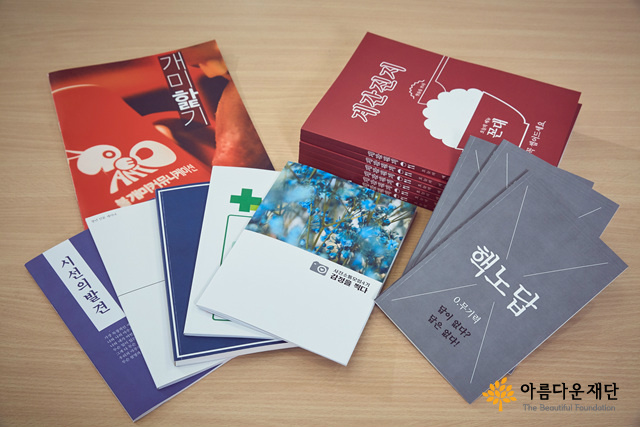
우물 밖 청개구리의 잡지 프로젝트로 만든 출판물들 (개미핥기, 계간진지, 핵노답, 감정을 찍다, 시선의 발견 책자'우물 밖 청개구리'의 잡지 프로젝트 <핵노답-무기력>


 2015년 한 해 동안 허일정 씨가 발간에 참여한 책은 무려 7권에 이른다. 그 중에는 춘천에 소재한 인문학 카페 ‘36.5℃’의 세미나 자료집과 잡지도 있고, 청소년 자발적 사회문화활동 지원사업으로 선정된 ‘우물 밖 청개구리’의 잡지 프로젝트 <핵노답-무기력>도 있다. 기획부터 인터뷰, 글, 그림, 편집디자인에 이르기까지, 한 권의 책이 탄생하는 과정에 속속들이 참여하며 맛본 책 짓는 즐거움은 강렬했다.


“막판엔 거의 잠도 못 잘 만큼 힘든 작업이었지만, 괴로운 게 아니라 즐거웠어요. ‘내가 이런 적이 있었나?’ 싶을 만큼 모든 과정들이 재미있었어요. 특히 인터뷰라는 새로운 대화 방식을 매개로 타인을 깊이 들여다볼 수 있었던 시간이 기억에 남아요. 인터뷰라는 게 결국 사람 사는 이야기잖아요. 이론으로 설명하는 게 아니라 삶으로, 실체로 증명해내는…. 그 여운이 컸어요. 타인의 삶을 통해 저를 돌아볼 수 있는 시간이기도 했고요. 또한 출판을 통해 혼자 끄적이거나 블로그에 비공개로 올리던 소극적이고 방어적인 글쓰기에서 벗어나, 생판 모르는 독자들과 생각을 공유하고 소통하는 글쓰기를 하게 된 것도 흥미로웠어요.”


본격 무기력 탐구생활


본격 무기력 탐구생활이라 할 잡지 <핵노답-무기력>의 탄생엔 허일정 씨가 경험한 무기력 증후군이 시발점이 됐다. 6개월 가까이 두문불출했던 은둔의 시간이 그것. 그 답 없고 길 없는 무기력 대폭발의 체험은 에너지를 소진한 이후 얻은 몸살 같은 것이었는지도 모르겠다.


왜 공부를 하는가에 대한 회의로부터 주체적 삶과 배움에 대한 열망에 이르기까지, 고민의 시간은 길지 않았으며 선택은 단호했다. 불현듯 학교를 벗어던진 열일곱에겐 모든 것이 과잉이었다. 넘치는 호기심과 의욕과 설렘이 일말의 두려움과 불안과 교차하는 가운데 해야 할 일도, 하고 싶은 일도 많았다.


처음엔 주로 서울에 있는 다양한 대안공간들을 찾아다녔어요. 강의도 듣고, 다큐도 찍고, 학교 밖 청소년들의 모임을 주도하기도 했죠. 그러다 곧 서울과 춘천의 물리적 거리에 몸이 먼저 지치더라고요. 춘천을 떠나고 싶기만 했던 마음이 이곳에서 내가 도모해볼 순 없을까?’로 돌아서는 계기가 됐죠. 우연찮게도 주변에 고등학교를 진학하지 않은 친구 몇몇이 있어 그 친구들과 우물 밖 청개구리를 결성했어요. 딱히 무엇을 하겠다는 목적 하에 모였다기보다는, 만나다 보니 자연스레 목적이 생기더라고요. 버스킹을 하고, 프리마켓에 참여해 음식을 만들어 팔기도 했어요. 꿈파티, 심리학 스터디, 사람책 도서관 등 다양한 청소년 문화기획을 시도하고 진행했죠. 그렇게 2년여 바쁘게 지내다 무기력이 찾아온 거예요.”


주체적인 삶을 살고자 한껏 열정을 살랐건만, 훅 치고 들어온 무기력엔 속수무책이었다. 하여 차라리 무기력을 화두 삼자 생각했다. 무기력이란 정서를 야기하는 원인은 무엇이며 무기력엔 왜 답이 없는지, 응당 무기력은 극복해야 할 숙제인지, 무기력을 잡고 무기력에 정면 대응하고자 했다.


무기력을 경험한 청소년청년 인터뷰, 무기력을 둘러싼 두 가지 시선(극복 VS 장려)의 끝장 토론, 무기력을 즐기기 위한 팁 등 무기력에 대한 본격 탐구활동을 책으로 묶자 결심한 건, 이전에 진행해온 문화기획이 남긴 공허감 때문이었다. 분명 흥미로운 일들이었지만 지나고 나면 휘발되기 쉬운 일회성 추억일 뿐. 가시적이며 물성을 지닌 을 남기고 싶었다. 기억은 기록을 통해 완성되는 까닭이다.


첫 책, 그 이후의 이야기를 기대하며


우물 밖 청개구리 대표 허일정 청소년이 인터뷰어를 바라보며 이야기하는 장면


무기력 탐구를 통한 무기력과의 대치 국면은 공생으로 마무리된 듯싶다. 허일정 씨를 포함한 우물 밖 청개구리친구들은 때때로 찾아드는 무기력에 잠식당하기도 했지만, 늘 그래왔듯 열심히 삶을 배우고 즐겼다.


이들의 활동상황은 실로 숨 가빴다. 글쓰기와 시 읽기, 그림 그리기 모임을 비롯해 청소년청년 인문학 세미나를 다수 진행하거나 참여했을 뿐 아니라 이를 자료집으로 묶어냈으니, 과연 이처럼 빽빽한 일정에 무기력할 틈이 있었을까 의문이다.


어쨌거나 <핵노답-무기력>이 무기력 극복 프로젝트가 아니었음은 분명하다. 무기력이라는 모호한 정서를 가만히 들여다보는, 무기력 명상에 가까웠다 할까. ‘무기력해선 안 된다는 사회적 압박이 무기력한 상황을 더 나락으로 치닫게 하는 원인임으로 알았고, 무기력에 압도당하기 보다는 한 걸음 뒤에서 무기력을 관찰할 줄 알게 되었다는 허일정 씨의 말이 이를 증명한다.


지난 12월 초순, 인문학 카페 ‘36.5에선 프리마켓과 토크 콘서트를 겸한 출판기념회가 열렸다. ‘우물 밖 청개구리<핵노답-무기력>‘36.5를 중심으로 뭉친 청년들의 청춘독립잡지 <계간진지>의 발간을 축하하는 자리였다. 성황리에 진행된 축제의 장에서 그는 캐리커처 부스를 맡았다고 한다. 캐리커처 역시 생애 첫 시도. 한 사람을 무려 네 번이나 다시 그려야 했다지만, 실패조차 웃음어린 추억이 되는 것이 -’의 마법이다.


2015년 세상의 모든 -’이 갖게 마련인 애착과 매혹을 집대성한 듯 흥미진진했던 책 작업의 경험이 2016이야기에 대한 지향과 만나 어디로 튈지, 벌써부터 궁금해진다.


 고우정 ㅣ사진 임다윤


<함께보면 좋은 글>

청소년 기본권 찾기 프로젝트 '청기와' 초심을 발판 삼아 성장과 확장을 꾀하다 

과학하는 형아들, 정의롭고 공평한 세상을 꿈꾸다 '오픈소스'  

평범해도 괜찮아! 평범한 청소년들의 이야기 '98%'

아이들은 놀이터에서 자란다 '문화디자인'  

청춘, 벽화로 세상을 물들이다 '모자이크'


숨요 변화사업국 변화사업전서영

 아이들 스스로 성장할 수 있도록 지원하는 '꿈꾸는 다음세대' 영역을 담당하고 있습니다.


목, 2016/02/11- 10:02
613
0

© REUTERS/Yannis Behrakis

© REUTERS/Yannis Behrakis


러시아 정부가 비호를 신청했다가 구금된 시리아 난민 3명을 강제 송환하려 하는 것은 국제법 위반이라고 국제앰네스티가 밝혔다.

유엔난민기구(UNHCR)는 러시아 정부에 이들 난민 3명을 전쟁국가로 추방하지 말 것을 요청했음에도, 25일 시리아 다마스커스로 추방했다.

데니스 크리보셰프(Denis Krivosheev) 국제앰네스티 유럽중앙아시아 부국장은 “러시아 정부는 자국 역시 시리아에서 발생하고 있는 전쟁에 개입하고 있으면서, 시리아로 난민들을 돌려보내는 것이 안전한 것처럼 주장한다. 이는 시리아의 난민 위기를 무시하는 것”이라며, “이들 난민 3명을 추방하려는 것은 국제인권법과 난민법을 위반하는 것임은 물론, 국제적 보호가 필요한 사람들에 대한 러시아 정부의 접근 방법이 부끄러운 수준임을 보여주는 새로운 예”라고 말했다.

“러시아 정부는 자국 역시 시리아에서 발생하고 있는 전쟁에 개입하고 있으면서, 시리아로 난민들을 돌려보내는 것이 안전한 것처럼 주장한다. 이는 시리아의 난민 위기를 무시하는 것이다”
-데니스 크리보셰프, 국제앰네스티 유럽중앙아시아

2015년 한 해 동안 러시아에서 난민 지위를 받은 시리아 난민은 단 한 명도 없었으며, 임시 보호가 허용된 사람도 단 482명에 불과했다.

자카리 바리 압달무즈마, 드루비 카이삼, 와판 사다흐 에들린 등 시리아 남성 3명은 지난 24일 모스크바에서 다게스탄 마하치칼라의 외국인 임시 수용소로 보내졌다.

유엔난민기구는 추방중단을 요청했으며, 유럽인권재판소(ECHR) 역시 중재에 나서 러시아 정부에 압달무즈마를 추방해서는 안 된다고 판결했다.

데니스 크리보셰프 부국장은 “러시아 국방부는 시리아 공습으로 민간인이 사망한 사실도 부인하고 있을 뿐만 아니라, 중대한 인권침해 위험이 실재하는 시리아로 난민들을 고의로 돌려보내려고 하고 있다”며 “러시아 정부는 이들의 추방을 중단하고, 대신 이들 3명을 비롯한 난민들에게 난민 지위를 제공함으로써 이들을 보호해야 할 국제적 의무를 다해야 할 것”이라고 말했다.

마하칠라카 외국인 수용소에는 이들 3명 외에도 다른 시리아인 2명이 구금되어 있다. 그 중 알레포에서 온 쿠로 사브리는 1년 전 구금된 이후 지금까지 거듭 비호 신청을 요청했지만 제도적으로 받아들여지지 않고 있다.

2011년부터 러시아에서 거주한 사브리는 러시아인 아내와 자녀도 있지만, 러시아 정부의 입장은 변하지 않았다. 유럽인권재판소의 중재로 지금까지 사브리는 시리아로 송환되지 않을 수 있었다.

러시아 이민국은 러시아 법원의 판결을 무시하고 알레포 출신 난민인 샤바 모하메드의 비호 신청을 거절하려 했다. 이민국은 알레포에서 전투가 일어난 바가 없으며 보호가 필요한 사람은 쿠르드인, 아르메니아인, 체르케스인 뿐이라고 주장했다.

국제앰네스티는 알레포에서 격렬한 무력충돌로 올 2월에만 수만 명이 고향을 떠났다고 기록한 바 있다.

영어전문 보기

Russia: ‘Shameful’ plan to deport Syrian refugees back to warzone violates international law

Russia is violating international law by trying to deport three Syrian refugees who were detained in Dagestan after seeking asylum in the country, Amnesty International has said.

The three men are due to be flown to Damascus on Thursday despite the United Nations Refugee Agency (UNHCR) asking Russia not to deport them to a country at war.

“The Russian authorities are pretending it is safe for people to go back to the country where Russia itself is a warring party and is unforgivably ignoring the country’s refugee crisis,” said Denis Krivosheev, Amnesty International’s Deputy Director for Europe and Central Asia.

“The attempt to deport these three men – in violation of international human rights and refugee law – is the latest example exposing Russia’s shameful approach to people in need of international protection.”

In 2015, not a single person from Syria was given refugee status in Russia, while temporary asylum was given to only 482 people.

The three Syrian men, Zakari Barri Abdalmuzma, Drubi Khaisam and Wafan Sadakh Edlin, were taken to Moscow from a temporary detention centre for foreigners in Makhachkala, Dagestan on Wednesday.

UNHCR has called for the deportations to be halted, while the European Court of Human Rights (ECtHR) has also intervened and ordered the Russian authorities not to deport Abdalmuzma.

“Not only is Russia’s Ministry of Defence falsely denying that civilians are being killed in its aerial bombardment of Syria, it is also knowingly sending refugees back to a country where they are at real risk of serious human rights violations,” said Denis Krivosheev.

“The Russian authorities must stop this deportation and instead fulfil their international obligation to protect refugees by offering asylum to these three men, along with other refugees from Syria.”

Two other Syrians are held in the detention centre for foreigners in Makhachkala. One of them, Kuro Sabri from Aleppo, has seen his requests for asylum systematically rejected since he was detained a year ago today.

Sabri has been living in Russia since 2011 and has a Russian wife and child, but this has had no impact on the stance of the Russian authorities. Until now, only the intervention of the ECtHR has prevented his return to Syria.

The Russian Migration Service has also attempted to deny asylum to another refugee, Shava Mohamed from Aleppo, in defiance of a Russian court ruling. The Migration Service claimed that there is no fighting in the city and that only Kurds, Armenians or Circassians are in need of protection.

Amnesty International has documented heavy fighting in Aleppo that has displaced tens of thousands of people in February alone.


월, 2016/02/29- 11:18
589
0