시민정치마당 1일 방문자 수가 7,000명(실사용자 5000명)을 넘어가고 있습니다.
감사합니다.
시스템은 운영자 없이 간헐적으로 1인이 운영 중입니다. 그럼에도 이렇게 많은 분들이 찾아 주셔서 감사합니다.
안정적인 운영을 소망하며,
현실에 변화에 작은 도움이라도 될 수 있도록 노력 하겠습니다.
시민정치마당은 시민사회단체들의 네트워크를 희망하며, 이를 구현하기 위해 RSS를 기본으로 사용하고 있습니다.
하지만,
이 사이트의 RSS 시스템은 기존의 메타블로그 시스템과 크게 2가지 면에서 틀린 것이 있습니다.
하나는 RSS 수집을 할 때, 새로운 tag 들을 붙이게 하였습니다. 지역이라는 tag와 카테고리 라는 tag 입니다.
이를 통해서 지역별, 분야별 분류가 이루어질 수 있습니다.두번째는 이렇게 해서 수집된 글들이 검색최적화 과정을 거쳐 사이트에서의 글과 동격으로 처리 되도록 하였습니다. 이것이 기존의 블로그라운지와 같은 메타블로그 시스템과 틀린 점입니다.
왜 이렇게 복잡한 시스템을 만들었냐 하면요..?
저는 이전에 Kxxx 라는 단체에서 3년간 인터넷 팀장을 하였습니다.
수년간의 자료를 보면, 단체가 사회적으로 우호적인 여론이 형성되었을 때나, 부정적인 여론이 형성되었을 때나...
언제나 사이트 방문자수 대 회원가입율은 일정하게 유지가 되더라.. ~ 라는 것이였습니다.
이 단체 뿐만 아니라, 또 다른 단체도 같은 데이타를 보여 주었는데...
이로써... 대략의 회원가입수는 사이트 방문자 수에 비례한다 라는 공식을 경험적으로 가지게 되었습니다.
특히나 시간이 지날수록
단체의 회원가입 통로는 90% 이상이 온라인으로 이루어지며, 오프에서 인맥으로 맺어진 관계보다 훨씬 오래 간다 라는 회원팀들의 의견도 들을 수 있었습니다.
즉, 사이트의 방문자 수가 많으면, 회원가입이 늘어나며, 그렇게 늘어난 회원은 오프에서 가입한 회원보다 더 오랜 동안 회원활동을 한다 라는 겁니다.
문제는
노무현 정권 시절에 비해 이명박 정권에서 사이트 방문자 수는 1/3로 급격하게 추락하는 것이였습니다.
1~2개의 사이트가 아니라, 전반의 NGO 사이트들이 비슷하게 사이트 방문자 급감을 보여 주었습니다.
이명박 정권 이런 현상의 결정적인 이유로 저는
인터넷 환경의 변화를 지목합니다.
이제 사용자는 "환경운동연합" 이나, " 참여연대" 라는 키워드를 입력하여 사이트를 방문하지 않습니다.
"옥수수의 습격" 이라든가, "삼성 x 파일 이후 ~ " 와 같은 키워드를 사용하여 인터넷을 방황합니다.
또한, 페이스북과 트위터 그리고 스마트폰의 영향등이 함께 작용하여
사이트 사용자들을 끊잉없이 감소시키고 있는 것 입니다.
특별히 외부 수입이 없는 NGO 들에게 있어서 사이트 방문자 수 급감은
단순히 이슈 영향력의 감소 뿐만 아니라, 회원 회비의 점진적 감소해감을 의미하며, 구조조적과 사업 규모 축소를 의미하는 것입니다.
이 상태로 가면.. 전국의 NGO 들은 5년을 버티지 못하고 모두가 박물관 신세가 될 것 처럼 보입니다.
사회적으로 이런 문제에 대해서 그러나 놀랍게도 관심 가지는 사람이나 단체를 찾기가 싶지가 않았습니다.
결국, 나름의 방안을 찾아 보는데,
그 중에 하나로
대부분의 사이트에 default로 내장되어 있는 RSS 서비스를 이용하여 메타블로그 시스템을 만들고, 검색최적화를 강화하여.. 각 단체들에게 노출의 기회를 조금이라도 더 느려 보자 라는 것 입니다.
이렇게 한들 큰 효과야 있겠는가? 싶지만.. 당장 각각의 사이트들이 검색최적화나 반응형 웹사이트로 변화지 못 한 상태이기도 하고, 이렇게라도 해서 변화의 자극이라도 될 수 있다면 좋겠다 라는 생각이였습니다.
지자체나 프로젝트 등에 의지해서 유지되는 것이 아니라, 시민들로 부터 평가와 교류를 통하여 성장하는 건강한 진보블럭들에게 조금이라도 인터넷 공간에 노출되게 하고, 활성에너지가 그들 내부로 들어가게 하기 위해 고민한 것이
이런
지역과 검색최적화가 이루어지는 메타블로그 시스템입니다.
큰 도움은 안되겠지만... 그래도 이전보다는 단 1명에게라도 더 노출을 시켜 보자 라는 작은 생각으로... 이런 시스템을 만들어 봅니다.
최소한 건강한 NGO 들을 지키기 위해서 어떻게 해야 할 것인가? .. 이런 문제 제기 던지기는 되지 않을까 싶습니다.
더 좋은 방법이 있으면.. .그 길로 가야 겠지요... ~~
우짜둥둥..
관심과 참여 부탁드립니다....

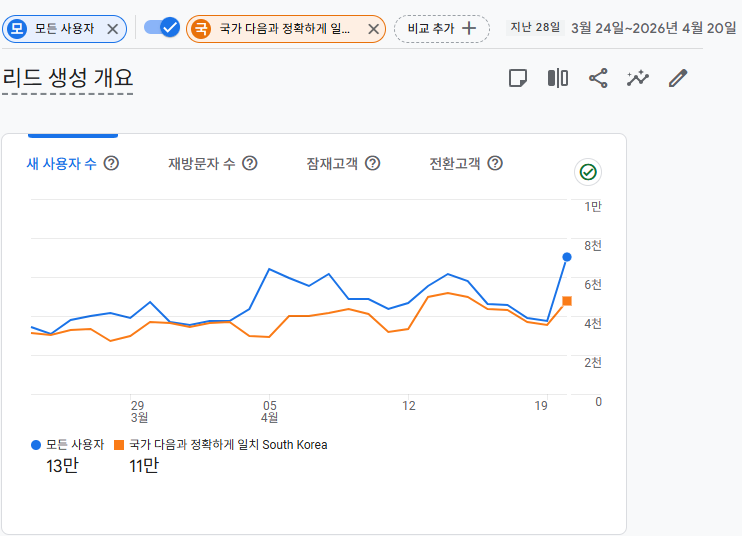
시민정치마당 1일 방문자 수가 7,000명(실사용자 5000명)을 넘어가고 있습니다.
감사합니다.
시스템은 운영자 없이 간헐적으로 1인이 운영 중입니다. 그럼에도 이렇게 많은 분들이 찾아 주셔서 감사합니다.
안정적인 운영을 소망하며,
현실에 변화에 작은 도움이라도 될 수 있도록 노력 하겠습니다.
오늘(5/10) 국내 70개 인권시민사회단체는 다가오는 5/30~6/1 경주에서 열리는 제66차 유엔 NGO 컨퍼런스(UN DPI/NGO conference) 결과문서 중 ‘새마을운동’ 단락에 대한 우려를 유엔 NGO 컨퍼런스 사무국에 전달했다. 전 세계 약 1,000여개 NGO가 참여할 것으로 예측되는 유엔 NGO 컨퍼런스는 회의 결과로 발표될 결과문서 초안에 대한 의견을 온라인을 통해 받고 있다. 70개 인권시민사회단체들은 이 중 ‘새마을운동’에 대한 단락이 편향적이고 일방적인 평가로 이뤄져 있으며 이에 삭제되는 것이 마땅하다는 의견을 제출했다.
결과문서 초안은 새마을 운동이 “농어촌과 도시 지역 간의 경제적 및 사회 기반적 격차를 줄이는 데에 영향을 끼친 모범적인 시민운동”이자 “보다 평등하고 정의로운 사회를 만드는 데에 크게 기여”한 운동이라고 밝히고 있다. 그러나 이러한 설명은 새마을운동이 실제는 국가 주도로 진행되었으며, 획일적인 국가주의와 집단주의 등을 강조해 독재정권 유지를 위한 동원과 통제 체제로 기능했다는 평가가 있음을 가리고 있다. 유엔이 채택하는 문서에 이처럼 논쟁적인 사안에 대한 매우 편향된 평가만 반영하는 것은 부적절하다.
게다가 유엔 NGO 컨퍼런스의 프로그램 중 하나로 ‘빈곤없는 세상, 새마을 시민 교육과 개도국 농촌개발’이라는 라운드 테이블 스페셜 세션이 열리는데, 이 역시 새마을 운동에 대한 편향적인 평가를 일방적으로 반영하고 있다. 이 세션은 “새마을운동이라는 시민 운동이 한국적 맥락에서 어떻게 경제 개발과 인권 증진, 지속가능한 환경에 대한 인식 제고에 기여했는지 소개하고 다른 국가에 어떻게 적용될 수 있는지 소개”하는 것을 목적으로 하고 있다. 과연 새마을운동에 대한 소개인지 의문마저 들게 하는 이 행사는 새마을운동에 대한 객관적 평가를 외면한 채 오로지 새마을운동 세계화사업에 박차를 가하고 있는 현 정부의 입장만을 반영하고 있다는 인상을 주기에 충분하다.
70개 인권시민사회단체들은 시민사회를 대상으로 유엔에서 주최하는 가장 큰 행사인 이번 유엔 NGO 컨퍼런스에 새마을운동을 미화하는 내용의 결과문서 초안이 제출되고 라운드 테이블 스페셜 세션이 개최되는 것에 심각한 우려를 표한다. 인권시민사회단체들의 입장은 이번 컨퍼런스 사무국뿐만 아니라 참여하는 국제 시민사회단체들에게도 전달될 예정이다.
▷ UN NGO 컨퍼런스는?
- UN 공보국 (Department of Public Information)에서 매년 주최하는 유엔 NGO 컨퍼런스. 올해 제66차 UN NGO 컨퍼런스는 ‘세계시민교육: 유엔 지속가능한발전(SDG) 목표 이행을 위한 협력’이라는 주제로 5/30~6/1 경상북도 경주에서 개최될 예정이며 전세계 약 1,000여개 NGO가 참여할 것으로 알려짐.
- 이번 유엔 NGO 컨퍼런스의 후원은 외교부와 교육부, 주최 도시는 경상북도와 경주시, 주관은 한동대학교, 한국NPO공동회의, 드림터치포올, 유엔 아카데미임팩트 한국협의회가 맡고 있음.
- 한국어 공식 사이트:http://www.66undpingoconference.org/home
▷ 유엔 NGO/DPI 최종문서 초안 중 ‘새마을운동’에 대한 한국 70개 인권시민사회단체 입장 (한글)
1. 우리는 66차 UN DPI/NGO 컨퍼런스의 결과문서(outcome document), 경주 액션 아젠다(Gyeongju Action Agenda)의 초안 내용 중 한국의 새마을 운동에 대한 설명과 평가에 깊이 우려하는 바이다. 초안은 새마을운동이 “농ㆍ어촌과 도시 지역 간의 경제적 및 사회 기반적 격차를 줄이는 데에 중대한 영향을 끼친 모범적 시민 운동이었다. 이는 1970년대에 수십년 간의 국가성장을 촉발하는데 일조했으며, 보다 평등하고 정의로운 사회를 만드는 데에 강력히 기여했다. 세계시민성의 맥락에서 2030 의제를 달성하기 위하여, 우리는 새마을 운동을 빈곤퇴치와 개발의 모델로 제안한다.”고 밝히고 있다.
2. 하지만 새마을운동에 대한 평가는 한국 내에서 뿐 아니라 국제적으로도 매우 논쟁적이다. 농촌 생활환경 개선 등 일부 농촌근대화를 이루었다는 평가도 있지만, 농촌의 국가의존성이 증폭되었고 현재에도 농촌 경제는 크게 개선되지 않은 채 열악한 상황이란 점에서 부정적인 평가가 존재한다. 또한 ‘시민운동’이었는가에 대해서도 국가와 관의 주도로 이루어진 강제적인 대중동원 사업이었으며 획일적인 국가주의와 집단주의 등을 강조하는 독재정권 유지를 위한 동원과 통제체체로 기능했다는 평가가 존재한다. 따라서 국가주도의 새마을운동이 ‘경제적 및 사회 기반적 격차를 줄이는데 중대한 영향’을 끼쳤다거나 ‘보다 평등하고 공정한 사회를 만드는 데 크게 기여했다’고 평가할 수 없으며, 무엇보다 70년대부터 진행된 한국 사회의 급격한 산업화가 가져온 극명한 격차와 폐해, 이후 폭발적으로 진행된 한국의 노동운동과 민주화운동을 부인하는 설명이라는 점에서 적절하지 않다.
3. 또한 우리는 독재자 박정희의 딸 박근혜 정부가 들어선 이래 새마을운동에 대한 이러한 평가가 광범위하게 확산되고 있으며, 특히 새마을운동 ODA 사업이 대폭 확대되고 있다는 사실에 주목한다. 현재 정부는 새마을운동 세계화 사업을 진행하고 있는데, 1970년대 독재정권이라는 한국의 특수한 상황에서 적용된 사례가 다른 개도국 농촌개발 사업에 일괄적으로 적용될 수 있을지 의문이다. 해당 지역의 정치·사회·문화적·역사적 특수성을 고려하지 않은 개발의 모델은 결코 지속가능하지 않다는 것을 국제사회는 이미 경험으로써 배웠으며, 실제 새마을운동 ODA 사업의 추진과정과 효과성에 대한 현장전문가들의 비판이 일고 있다. 가령 지역사회의 주도적 참여, 상황과 필요에 맞춘 준비와 계획, 현장 인력의 전문성, 지속가능성 등이 모두 미흡하다는 지적이 존재한다. 이를 국제적 차원에서 ‘모델’로 제시하는 것 또한 우려되는 바이다.
4. 따라서 이번 영문 초안의 새마을운동에 대한 평가는 매우 편향적이거나 일방적인 시각에 근거한 것으로, 삭제되는 것이 마땅하다고 본다.
* 70개 인권시민사회단체 명단 (가나다 순)
ODA 워치, 공익인권법재단 공감, 공익인권변호사모임 희망을 만드는 법, 국제민주연대, 다산인권센터, 민주사회를위한변호사모임, 민주주의법학연구회, 서울인권영화제, 성소수자차별반대 무지개행동 (25개 단체, 공익인권법재단 공감, 공익인권변호사모임 희망을만드는법, 노동당 성정치위원회, 녹색당 소수자인권특별위원회, 대구퀴어문화축제, 대학성소수자모임연대 QUV, 레주파, 망할 세상을 횡단하는 LGBTAIQ 완전변태, 무지개인권연대, 30대 이상 레즈비언 친목모임 그루터기, 성적소수문화인권연대 연분홍치마, 성적지향.성별정체성 법정책연구회, (사) 신나는센터, 언니네트워크, 이화 성소수자인권운동모임 변태소녀하늘을날다, 정의당 성소수자 위원회, 조계종 사회노동위원회, 지구지역행동네트워크, 차별없는세상을위한기독인연대, 퀴어문화축제조직위원회, 한국게이인권운동단체 친구사이, 한국레즈비언상담소, 한국성적소수자문화인권센터, 행동하는 성소수자인권연대, HIV/AIDS 인권연대 나누리+), 외국인이주·노동운동협의회, 인권교육 온다, 인권단체연석회의 (42개 단체: HIV/AIDS인권연대나누리+, 거창평화인권예술제위원회, 광주인권운동센터, 구속노동자후원회, 국제민주연대, 노동인권실현을위한노무사모임, 다산인권센터, 문화연대, 민족민주열사․희생자추모(기념)단체연대회의, 민주사회를위한변호사모임, 민주주의법학연구회, 민주화실천가족운동협의회, 불교인권위원회, 빈곤과차별에저항하는인권운동연대, 사회진보연대, 삼성노동인권지킴이, 새사회연대, 서울인권영화제, 안산노동인권센터, 외국인이주·노동운동협의회, 울산인권운동연대, 원불교인권위원회, 이주인권연대, 인권교육센터‘들’, 인권운동사랑방, 장애물없는생활환경시민연대, 장애와인권발바닥행동, 장애우권익문제연구소, 전국불안정노동철폐연대, 전국장애인차별철폐연대, 전북평화와인권연대, 전쟁없는세상, 진보네트워크센터, 천주교인권위원회, 청주노동인권센터, 한국DPI, 한국HIV/AIDS감염인연대 KANOS, 한국게이인권운동단체친구사이, 한국교회인권센터, 한국비정규노동센터, 한국성적소수자문화인권센터, 행동하는성소수자인권연대), 인권운동공간 활, 인권운동사랑방, 인권중심 사람, 장애와인권발바닥행동, 전국민주노동조합총연맹, 전국장애인차별철폐연대, 제주평화인권센터, 진보네트워크센터, 참여연대, 천주교인권위원회
▷ 유엔 NGO/DPI 최종문서 초안 중 새마을운동에 대한 한국 인권시민사회단체 입장 (영문)
We, undersigned 70 South Korean NGOs, are deeply concerned about the draft outcome document of the 66th DPI/NGO Conference which describes the Sae-ma-ul Undong(SMU). In the draft document, it is mentioned that “Sae-ma-ul Undong (SMU) of Korea was an exemplary civic movement that had a significant impact in bridging the economic and infrastructural gap between rural and urban areas. In the 1970s it helped spark decades of national growth, contributing powerfully to the creation of a more equal and just society. We offer it as a model for poverty eradication and development in achieving Agenda 2030 in the context of global citizenship.”
The evaluation of SMU remains a controversial topic not only in South Korea, but also in the international community. Although there are claims that it helped modernization of rural areas, including by improving living conditions, some argue that it increased the dependence of rural areas on the government and that the rural economy has not significantly improved and remains fragile. Furthermore, regarding the “civic” nature of the movement, SMU was a forced mass mobilization project led by the state and a control mechanism to justify military dictatorship that emphasized monolithic nationalism and collectivism. Therefore, it is not fair to assess that the state-driven SMU contributed to “reducing economic and infrastructural gaps” or “creating a fairer and more equal society”. Above all, the description of SMU denies the massive social gaps and harmful consequences produced by the rapid industrialisation of Korean society in the 1970s, as well as the strong democratisation and labour movements that followed as a result.
In addition, we note with concern that such a 'positive' evaluation of SMU has been spreading systematically and that official development assistance (ODA) employing SMU has expanded extensively, since President Park Geun-hye - the daughter of the military strongman Park Jung-hee - took office. Currently, the government is actively carrying out a project to globalise SMU; however, we have serious doubts as to whether a case of development carried out under special circumstances, such as the military dictatorship in the Republic of Korea in the 1970s, can be uniformly applied to rural development projects in developing countries. The international community has already learned through experience that models of development that do not consider the political, social, cultural and historical specificities of the target communities are not sustainable. In effect, there exist criticisms by field specialists over the implementation process and effectiveness of ODA programs employing SMU, such as the lack of participation of the target community, preparations and planning according to the community's circumstances and needs, professionalism among field personnel, and sustainability. Therefore, it is of deep concern that such a model is being proposed as an exemplary model at an international level.
Therefore, we strongly urge that this paragraph be deleted from the draft outcome document, as it is based on biased and unilateral views.
* This statement is endorsed by below 70 South Korean NGOs
Catholic Human Rights Committee, Dasan human rights center, Democratic Legal Studies Association, Disability and Human Rights in Action, Gonggam Human Rights Law Foundation, Human Rights Center 'Saram', Human Rights Movement Space 'Hwal', Human Rights Education 'OnDa', Jeju Peace Human Rights Center, Korean Confederation of Trade Unions, Korean House for International Solidarity, Korean Lawyers for Public Interest and Human Rights, "Korean Networks of Human Rights Groups (42 NGOs: Alliance for Enactment of Anti-Discrimination Act, Ansan Labor and Human Rights Center, Buddhism Human Rights Committee, Catholic Human Rights Committee, Cheongju Labor Human Rights Center, Cultural Action, DASAN Human Rights Center, Democratic Legal Studies Association, Disability and Human Rights in Action, Disabled People’s International Daegu, Geochang Peace and Human Rights Art Festival Commission, Gwangju Human Rights Acitivites Center, Human Rights Education Center 'Deul', Human Rights Solidarity for New Society, Joint Committee with Migrants in Korea, Korea HIV/AIDS Network of Solidarity KANOS, Korean Coalition for Abolishment of Insecurity Employment, Korean Contingent Workers' Center, Korean Council for Democratic Martyr, Korean Gay Men's Groups 'Chingusai', Korean House for International Solidarity, Korean Progressive Network 'Jinbonet', Korean Sexual-Minority Culture and Rights Center, Labor Attorneys for Labor Rights, Migrants Human Rights Solidarity, MINBYUN-Lawyers for a Democratic Society, Minkahyup Human Rights Group, Network of Accessible Environment for All, People's Solidarity for Social Progress, Samsung Labor Watch, SARANGBANG Group for Human Rights, Seoul Human Rights Film Festival, Solidarity against Disability Discrimination, Solidarity for HIV/AIDS Human Rights Nanuri+, Solidarity for LGBT Human Rights of Korea, Solidarity for Peace & Human Rights, The Committee to Support Imprisoned Workers, The National Council of Churches in Korea Human Rights Center, The Research Institute of the Differently Abled People Rights in Korea, Ulsan Solidarity for Human Rights, Won Buddhism Human Rights Committee, World Without War, Korean Progressive Network 'Jinbonet', MINBYUN - Lawyers for a Democratic Society, ODA Watch, People's Solidarity for Participatory Democracy, Rainbow Action Against Sexual-Minority Discrimination (25 NGOs: Chingusai – Korean Gay Men’s Human Rights Group, Christian Solidarity for a World without Discrimination, Collective for Sexual Minority Cultures PINKS, Daegu Queer Cultural Festival, GongGam Human Rights Law Foundation, Minority Rights Committee of the Green Party, Jogye Order Social Labour Committee, Korea Queer Culture Festival Organizing Committee, Korean Lawyers for Public Interest and Human Rights(KLPH), Korean lesbian community radio group, Lezpa, "Korean Sexual-Minority Culture and Riughts Center(KSCRC), Labor Party, Sexual Politics Committee, "Lesbian Community Group(Gruteogi)", Lesbian Counseling Center in South Korea, Lesbian Human Rights Group ‘Byunnal’ of Ewha Womans University, "LGBTAIQ Crossing the damn world (It means Totally Queer)", "LGBTQ Student Alliance of Korea(QUV)", Network for Glocal Activism, Rainbow Solidarity for LGBT Human Rights of Daegu, Sexual Minority Committee of the Justice Party, "Sinnaneuncenter: LGBT Culture", Arts & Human Rights Center, Solidarity for HIV/AIDS Human Rights Nanuri+, Solidarity for LGBT Human Rights of Korea, "The Korean Society of Law and Policy on Sexual Orientation and Gender Identity(SOGILAW)", "Unninetwork)", SARANGBANG Group for Human Rights, Seoul Human Rights Film Festival, Solidarity Against Disability Discrimination
We, undersigned 70 South Korean NGOs, are deeply concerned about the draft outcome document of the 66th DPI/NGO Conference which describes the Sae-ma-ul Undong(SMU). In the draft document, it is mentioned that “Sae-ma-ul Undong (SMU) of Korea was an exemplary civic movement that had a significant impact in bridging the economic and infrastructural gap between rural and urban areas. In the 1970s it helped spark decades of national growth, contributing powerfully to the creation of a more equal and just society. We offer it as a model for poverty eradication and development in achieving Agenda 2030 in the context of global citizenship.”
The evaluation of SMU remains a controversial topic not only in South Korea, but also in the international community. Although there are claims that it helped modernization of rural areas, including by improving living conditions, some argue that it increased the dependence of rural areas on the government and that the rural economy has not significantly improved and remains fragile. Furthermore, regarding the “civic” nature of the movement, SMU was a forced mass mobilization project led by the state and a control mechanism to justify military dictatorship that emphasized monolithic nationalism and collectivism. Therefore, it is not fair to assess that the state-driven SMU contributed to “reducing economic and infrastructural gaps” or “creating a fairer and more equal society”. Above all, the description of SMU denies the massive social gaps and harmful consequences produced by the rapid industrialisation of Korean society in the 1970s, as well as the strong democratisation and labour movements that followed as a result.
In addition, we note with concern that such a 'positive' evaluation of SMU has been spreading systematically and that official development assistance (ODA) employing SMU has expanded extensively, since President Park Geun-hye - the daughter of the military strongman Park Jung-hee - took office. Currently, the government is actively carrying out a project to globalise SMU; however, we have serious doubts as to whether a case of development carried out under special circumstances, such as the military dictatorship in the Republic of Korea in the 1970s, can be uniformly applied to rural development projects in developing countries. The international community has already learned through experience that models of development that do not consider the political, social, cultural and historical specificities of the target communities are not sustainable. In effect, there exist criticisms by field specialists over the implementation process and effectiveness of ODA programs employing SMU, such as the lack of participation of the target community, preparations and planning according to the community's circumstances and needs, professionalism among field personnel, and sustainability. Therefore, it is of deep concern that such a model is being proposed as an exemplary model at an international level.
Therefore, we strongly urge that this paragraph be deleted from the draft outcome document, as it is based on biased and unilateral views.
For further details or media inquiry, please contact Ms. Gayoon Baek (Coordinator, People’s Solidarity for Participatory Democracy): [email protected], +82 2 723 5051
* This statement is endorsed by below 70 South Korean NGOs
Catholic Human Rights Committee, Dasan human rights center, Democratic Legal Studies Association, Disability and Human Rights in Action, Gonggam Human Rights Law Foundation, Human Rights Center 'Saram', Human Rights Movement Space 'Hwal', Human Rights Education 'OnDa', Jeju Peace Human Rights Center, Korean Confederation of Trade Unions, Korean House for International Solidarity, Korean Lawyers for Public Interest and Human Rights, "Korean Networks of Human Rights Groups (42 NGOs: Alliance for Enactment of Anti-Discrimination Act, Ansan Labor and Human Rights Center, Buddhism Human Rights Committee, Catholic Human Rights Committee, Cheongju Labor Human Rights Center, Cultural Action, DASAN Human Rights Center, Democratic Legal Studies Association, Disability and Human Rights in Action, Disabled People’s International Daegu, Geochang Peace and Human Rights Art Festival Commission, Gwangju Human Rights Acitivites Center, Human Rights Education Center 'Deul', Human Rights Solidarity for New Society, Joint Committee with Migrants in Korea, Korea HIV/AIDS Network of Solidarity KANOS, Korean Coalition for Abolishment of Insecurity Employment, Korean Contingent Workers' Center, Korean Council for Democratic Martyr, Korean Gay Men's Groups 'Chingusai', Korean House for International Solidarity, Korean Progressive Network 'Jinbonet', Korean Sexual-Minority Culture and Rights Center, Labor Attorneys for Labor Rights, Migrants Human Rights Solidarity, MINBYUN-Lawyers for a Democratic Society, Minkahyup Human Rights Group, Network of Accessible Environment for All, People's Solidarity for Social Progress, Samsung Labor Watch, SARANGBANG Group for Human Rights, Seoul Human Rights Film Festival, Solidarity against Disability Discrimination, Solidarity for HIV/AIDS Human Rights Nanuri+, Solidarity for LGBT Human Rights of Korea, Solidarity for Peace & Human Rights, The Committee to Support Imprisoned Workers, The National Council of Churches in Korea Human Rights Center, The Research Institute of the Differently Abled People Rights in Korea, Ulsan Solidarity for Human Rights, Won Buddhism Human Rights Committee, World Without War, Korean Progressive Network 'Jinbonet', MINBYUN - Lawyers for a Democratic Society, ODA Watch, People's Solidarity for Participatory Democracy, Rainbow Action Against Sexual-Minority Discrimination (25 NGOs: Chingusai – Korean Gay Men’s Human Rights Group, Christian Solidarity for a World without Discrimination, Collective for Sexual Minority Cultures PINKS, Daegu Queer Cultural Festival, GongGam Human Rights Law Foundation, Minority Rights Committee of the Green Party, Jogye Order Social Labour Committee, Korea Queer Culture Festival Organizing Committee, Korean Lawyers for Public Interest and Human Rights(KLPH), Korean lesbian community radio group, Lezpa, "Korean Sexual-Minority Culture and Riughts Center(KSCRC), Labor Party, Sexual Politics Committee, "Lesbian Community Group(Gruteogi)", Lesbian Counseling Center in South Korea, Lesbian Human Rights Group ‘Byunnal’ of Ewha Womans University, "LGBTAIQ Crossing the damn world (It means Totally Queer)", "LGBTQ Student Alliance of Korea(QUV)", Network for Glocal Activism, Rainbow Solidarity for LGBT Human Rights of Daegu, Sexual Minority Committee of the Justice Party, "Sinnaneuncenter: LGBT Culture", Arts & Human Rights Center, Solidarity for HIV/AIDS Human Rights Nanuri+, Solidarity for LGBT Human Rights of Korea, "The Korean Society of Law and Policy on Sexual Orientation and Gender Identity(SOGILAW)", "Unninetwork)", SARANGBANG Group for Human Rights, Seoul Human Rights Film Festival, Solidarity Against Disability Discrimination

11월 2일 아침에 출근한 앰네스티 러시아 사무소 직원들은 지방정부의 출입금지 공고와 함께 사무실이 예정 없이 폐쇄된 것을 발견했다.
모스크바 시내 중심에 위치한 앰네스티 러시아 사무소는 지방정부로부터 직접 임대한 것으로, 입구에 붙은 짧은 공고에는 이 건물이 “러시아 연방 소속 시청의 재산”이며 시청 직원의 동행 없이는 아무도 출입할 수 없다고 쓰여 있었다. 잠금 장치와 도난방지 시스템은 제거된 상태였으며, 전기 공급은 차단된 것으로 드러났다.
사무소 직원들은 사태 해결을 위해 공고에 적힌 시청의 전화번호로 통화를 시도했지만 연결되지 않았다.
한편, 이날 오후에 지방정부는 앰네스티가 임대료를 지급하지 않아서 사무소를 폐쇄했다고 기자들에게 발표했다.
이 주장이 잘못된 것은 입증할 수 있다. 달후이센 국장은 “세입자로서의 모든 의무는 충실히 이행했다고 100% 자신한다”고 말했다. 앰네스티는 올해 10월까지 임대료를 지급한 내역서를 가지고 있다. 이는 오늘 아침 모스코바시 국부자산관리부 재정부서에서도 구두로 인정한 것이며, 그들은 서류상 앰네스티가 더 이상 세입자가 아니라는 것을 확인해줄 수 없다고 했다. 해당부서 책임자와의 접촉을 시도했지만 성공하지 못했다.

러시아 사무소 상황: 여전히 정부는 응답이 없다. 우리의 업무를 방해하기 위한 고의적인 움직임처럼 보이기 시작한다. (존 달후이센 트위터)
“러시아 정부가 무슨 의도로 사무국 출입을 막은 것인지 모르겠다. 아무런 사전 경고도 없이 벌어진, 달갑지 않은 뜻밖의 일이다”라며 “현재 러시아 내에서의 시민사회활동 분위기로 미루어 보아 그럴싸한 이유는 분명히 다수 존재하지만, 아직 어떠한 결론을 내리기는 이르다. 현 상황을 가능한 신속하게 해결하기 위해 노력하고 있으며, 이러한 업무방해 조치에 대해 정부가 간단한 해명이라도 해 주기를 매우 바란다”고 존 달후이센(John Dalhuisen) 국제앰네스티 유럽중앙아시아 국장은 말했다.
현재 러시아 내에서의 시민사회활동 분위기로 미루어 보아 그럴싸한 이유는 분명히 다수 존재하지만, 아직 어떠한 결론을 내리기는 이르다. 현 상황을 가능한 신속하게 해결하기 위해 노력하고 있으며, 이러한 업무방해 조치에 대해 정부가 간단한 해명이라도 해 주기를 매우 바란다
존 달후이센(John Dalhuisen) 국제앰네스티 유럽중앙아시아 국장
이어 그는 “잠금장치가 바뀌고 불이 꺼져 확실히 업무에 차질이 생겼지만, 침묵하거나 러시아 인권활동을 단념하는 일은 없을 것이다”라고 말했다.
잠금장치가 바뀌고 불이 꺼져 확실히 업무에 차질이 생겼지만, 침묵하거나 러시아 인권활동을 단념하는 일은 없을 것이다.
존 달후이센

댓글 달기