동남아시아: ‘선상 난민’ 위기 정상회담, 놓치지 말아야 할 기회
동남아시아 지역 국가들은 생명을 구하고, 동남아시아 난민 위기의 근본적 원인을 해결하기 위해 즉시 행동에 나서야 할 것이라고 국제앰네스티가 5월 29일 태국에서 열린 특별회의를 앞두고 밝혔다.
리처드 베넷(Rechard Bennett) 국제앰네스티 아시아태평양 국장은 “이번 방콕 특별회의는 난민위기를 모든 차원에서 국제인권법에 따라 해결할 수 있도록 지역적으로 진정성 있는 노력을 기울일 기회이자, 놓쳐서는 안 될 기회”라며 “배 안에 들어찬 난민 수천 명이 식량이나 마실 물도 거의 없이 방치되는 동안 정부는 거처 마련이나 그 외 기초적인 인도적 지원 제공에 늑장을 부렸던 사례를 이미 지켜본 바 있다. 즉각적인 대책이 필요하다는 점은 명백하다”고 말했다.
인도네시아, 태국, 말레이시아는 긴급 인도적 지원을 제공하고, 배를 강제 송환시키는 냉혹한 정책을 폐지하는 등 중요한 첫걸음을 내디뎠다. 그러나 이러한 노력은 인권을 존중하는 동시에 모든 이민 방식에 적용될 수 있도록 확대되어야 한다. 국가 정부는 합법적이고 안전한 이민 경로를 보장해야 할 책임을 지닌다.
리처드 베넷 국장은 “동남아시아 국가들은 기소를 피해 온 사람들을 비롯한 난민과 이주민을 보호하고, 불법 이민자로 간주되거나 그저 방치되지 않도록 공통 정책을 수립해야 한다”고 말했다.
국제앰네스티는 이번 주 공개서한을 통해 각국 정부에 현재의 위기뿐만 아니라, 이를 야기한 근본적인 상황 역시 해결하기 위해 즉시 조치를 취할 것을 촉구했다.
리처드 베넷 국장은 “말레이시아와 인도네시아에 도착한 수천 명에게는 임시 거처와 식량, 물, 옷, 의료적 지원 및 필요한 보호 조치를 제공하는 등 안전과 존엄이 보장되어야 한다. 난민 신청은 공정하게 처리되어야 하고, 어떠한 경우에도 이들이 본국 또는 생명을 위협받는 다른 나라로 보내져서는 안 된다”며 “누구도 단지 입국 방법만을 이유로 구금해서는 안 된다. 장기 구금과 불확실성은 난민들의 정신적 건강에 심각한 영향을 끼치며, 이러한 사실은 호주의 잔혹한 난민 정책을 통해서 지켜본 바 있다. 동남아시아 국가들은 이와 같은 실수를 반복하지 말아야 할 것”이라고 말했다.
국제앰네스티는 난민 위기의 근본적인 원인, 즉 처음부터 이들이 자국을 떠나게 만든 원인을 해결할 수 있도록 즉시 행동에 나설 것을 모든 국가에 촉구한다.
배로 이주를 결행한 사람들 중 대다수가 이슬람계 로힝야족으로, 이들은 미얀마에서 수십 년에 걸쳐 제도화된 차별을 겪고 있는 소수민족이다. 지난 2012년 당시 이슬람계와 불교계 사이에서 빚어진 폭력사태로 인해 주로 로힝야족으로 이루어진 수만 명은 아라칸 주로 강제 이주되어, 불결한 환경의 캠프에서 생활하고 있다. 또다른 수만 명은 2012년 폭력사태 이후 배를 타고 벵골 만으로 건너간 것으로 추정된다.
리처드 베넷 국장은 “미얀마의 로힝야족 수천 명은 자국의 힘든 상황에서 벗어나고자 목숨을 걸고 위험천만한 뱃길로 나설 만큼 절박한 처지에 있다. 이에 대해 지금까지 미얀마는 부인으로 일관하고 있으며, 심지어는 로힝야족의 존재조차 부정하고 있다. 이러한 상황을 기반으로는 진전이 이루어질 수 없다”고 말했다.
또한 “국제사회는 미얀마에 로힝야족에 대한 제도적 차별을 중단할 것을 촉구해야 한다. 로힝야족에게 시민권을 부여하고 모든 차별적인 법을 철폐하는 것에서부터 시작해야 한다”고 말했다.
2015년 5월 29일, 동남아시아 ‘선상 난민’ 위기를 해결하기 위해 17개국의 대표들은 태국 방콕에 모여 특별회의를 개최했다. 지난 수 주간 말레이시아와 인도네시아에 도착하거나 미얀마로 강제 송환된 사람은 약 3,500명에 이른다. 소집된 특별회의에서는 수색구조 작전 수행에 전념하고 있음을 재확인하는 데 그쳤다. 긴급한 인도주의적 요구사항의 해결, 난민 위기의 근본 원인과 같은 주요 제안 및 권고사항에 대한 논의는 후속 회의로 연기되었다.
이번 특별회의는 난민 위기를 해결하기 위한 구체적인 대책을 마련할 기회였으나 이를 놓치고 말았다. 여전히 바다 위에서 표류하고 있거나, 구조되었더라도 여전히 절박한 상황에 놓인 수천 명의 난민들에게는 그다지 도움이 되지 않을 몇 가지 권고사항만이 남았을 뿐이다.
각국 정부는 수색구조 작전의 강화, 인도주의적 지원의 확충, 난민 위기의 근본적 원인 해결 등의 주요 사안에 대해 즉시 해결에 나서는 것이 무엇보다 중요하다.
이번 특별회의는 수천 명이 절박한 환경 속에 바다에 표류하고 있다는, 장기간 계속되었던 인권위기의 새로운 장을 연 문제를 해결하는 데 조금은 진전을 이룩한 것이었다. 각국 정부가 마침내 해야 할 역할에 대해 논의하고, 후속 회의 개최를 약속한 것은 환영할 일이다. 그러나 하선하기 안전한 장소 선별, 구조한 사람들의 적절한 수용 절차 마련 등에 대해 적절한 합의가 이루어져야 한다.
수색구조 작전의 세부적인 사항 외에도 여러 주요 사안에 대한 논의 역시 이루어지지 않았다.
최근 인도네시아와 말레이시아에 도착한 보트에 이주민 외에 난민 역시 타고 있었다는 사실은 회의에 참석한 각국 대표 중 누구도 거론하지 않았다. 이처럼 중요한 사안이 향후 ‘보호가 필요한 사람 선별’에 대한 논의에서 이루어지기를 기대한다. 국제난민법에 따라, 유엔 인권위원회의 지원을 통해 공정한 절차를 거치고, 장기간의 거처가 필요한 사람들에게 난민 지위를 인정하는 등의 대책이 마련되어야 한다.
또한 처음부터 이와 같은 난민 위기를 촉발시킨 근본 원인의 해결 방법에 대해서는 세부사항이 거의 완전히 누락된 상태다. ‘인권에 대한 전적인 존중을 증진’시킴으로써 근본 원인을 해결하겠다는 성명서의 표현은 미얀마의 로힝야족과 같은 소수민족 박해를 종식시키기 위한 노력으로 이어져야 한다. 그렇지 못할 경우 사람들은 여전히 본국의 견딜 수 없는 환경에서 도망칠 수밖에 없을 것이다.
South East Asia: ‘Boat people’ crisis summit an opportunity that must not be missed
Regional governments must take immediate action to save lives and address the root causes of the South East Asian refugees and migrant crisis, Amnesty International said ahead of a key summit in Thailand on Friday.
“The Bangkok summit is an opportunity to develop a genuine regional effort to address all the many dimensions of the crisis in line with international human rights law that must not be missed,” said Richard Bennett, Amnesty International’s Asia Pacific Director.
“We have seen thousands of people crammed onto boats with little or no food or water, while governments have been slow to provide shelter or other basic humanitarian assistance. There clearly needs to be immediate action.”
We have seen thousands of people crammed onto boats with little or no food or water, while governments have been slow to provide shelter or other basic humanitarian assistance. There clearly needs to be immediate action.
Richard Bennett, Amnesty International’s Asia Pacific Director
Indonesia, Thailand and Malaysia have taken crucial first steps by offering temporary humanitarian assistance and reversing appalling policies of turning back boats. However, efforts must be stepped up to address all forms of migration while respecting human rights. Governments have a responsibility to ensure legal and safe routes of migration.
“Countries must develop a common set of policies to ensure that refugees and migrants – including people fleeing persecution – are protected, and not criminalized or simply left to fend for themselves,” said Richard Bennett.
Representatives of 17 countries will gather in Bangkok on 29 May to discuss the current asylum seeker and migrant crisis in South East Asia. Approximately 3,500 people have over the past weeks landed in Malaysia and Indonesia or returned to Myanmar.
In an open letter this week, Amnesty International has urged governments to take immediate steps to address not only the current crisis, but also the underlying conditions that have caused it.
“The thousands who have landed in Malaysia and Indonesia must be ensured safety and dignity, including the shelter, food, water, clothing, health care and protection they need. Claims for asylum should be fairly processed and under no circumstances should people be returned to or sent to countries where their lives are at risk,” said Richard Bennett.
“People should not be detained solely on the basis of their method of arrival in a country. Prolonged periods of detention and uncertainty have a damaging impact on asylum seekers’ mental health, as we have seen through Australia’s cruel refugee policies. South East Asian countries must not repeat these mistakes.”
Amnesty International is urging all governments to take immediate steps to address the root causes of the crisis, which are driving people to flee in the first place.
A large proportion of those fleeing by boat appear to be Muslim Rohingya, a minority that has faced decades of institutionalised discrimination in Myanmar. Waves of violence between Muslims and Buddhists dating back to 2012 has left tens of thousands of people – mainly Rohingya – displaced in Rakhine state, where they live in camps in squalid conditions. Tens of thousands of others are believed to have fled across the Bay of Bengal by boat since the 2012 violence.
“Many thousands of Rohingya in Myanmar are desperate enough to risk their lives on dangerous boat journeys to escape the conditions they face at home. Myanmar’s response so far has been one of denial – even that the Rohingya even exist. This cannot be the basis on which to proceed,” said Richard Bennett.
“The international community must urge Myanmar to end systemic discrimination against the Rohingya, starting with granting them citizenship and repealing all other discriminatory laws.”
29 May 2015 a regional summit to address the South East Asia “boat people” crisis reaffirmed existing commitments to carry out search and rescue operations. Many key proposals and recommendations, including on addressing urgent humanitarian needs, and the root causes of the crisis were deferred to a follow up meeting.
Representatives of 17 countries gathered in Bangkok today to discuss the current refugee and migrant crisis. Approximately 3,500 people have over the past weeks landed in Malaysia and Indonesia or returned to Myanmar.
The meeting missed an opportunity to develop concrete measures to address the crisis. Recommendations alone are cold comfort to thousands of people who remain adrift at sea and others who have been rescued but remain in a desperate situation.
It is critical that countries immediately address these key issues, including by intensifying search and rescue operations, stepping up humanitarian assistance and addressing the root causes of the crisis.
The summit was a small step towards addressing the latest chapter of a long-term human rights crisis that has seen thousands stranded at sea in desperate conditions. It’s welcome that governments are finally discussing what must be done and there was a commitment to another meeting. However, adequate arrangements must include identification of places of safety for disembarkation and adequate reception arrangements for those rescued.
In addition to the details of search and rescue operations, several key issues were also left off the table.
At no point did those attending acknowledge that refugees were also on the boats that recently arrived in Indonesia or Malaysia. We hope that the that the talk of ’identifying those with protection needs’ will address this key issue, by using fair proceedings and granting refugee status to those who need longer-term shelter, in full accordance with international refugee law and with assistance from UNHRC.
There was also an almost complete lack of specifics on how to address the root causes that sparked this crisis in the first place. The statement’s mention of addressing root causes by ‘promoting full respect for human rights’ must translate into steps towards ending the persecution of ethnic minorities like the Rohingya in Myanmar– otherwise people will still feel compelled to flee unbearable conditions at home.


 지구의 벗 스코틀랜드 활동가들이 지난해 열린 '기후변화 행동의 날(Day of Action)'에 참가해 기후변화의 심각성을 알리는 퍼포먼스를 취하고 있다. ⓒColin Hattersley[/caption]
짚고 넘어가야 할 사실은 아직 기후난민은 국제법에 의해 난민으로 인정도, 보호도 받지 못한다는 것이다. 현재 난민을 규정하는 초석이 되는 1951년에 체결된 ‘난민 지위에 관한 유엔협약’에서는 난민을 "인종·종교·국적·특정 사회집단에서 소속 또는 정치적 견해를 이유로 박해를 받게 될 것이라는 충분한 이유 있는 공포 때문에 자국 국적 밖에 있는 자 및 자국의 보호를 받을 수 없거나 또는 그러한 공포 때문에 자국의 보호를 받기를 원하지 않는 자"라고 정의한다. 즉, 해수면 상승, 물 부족, 가뭄, 폭풍 해일 등 극단적인 기후변화의 결과로 나라를 떠나야만 하는, 혹은 이로 인한 피해에 대해 자국으로부터 어떠한 보호도 받을 수 없는 기후난민은 일반적인 난민의 범주에 포함이 되지 않는다는 것이다.
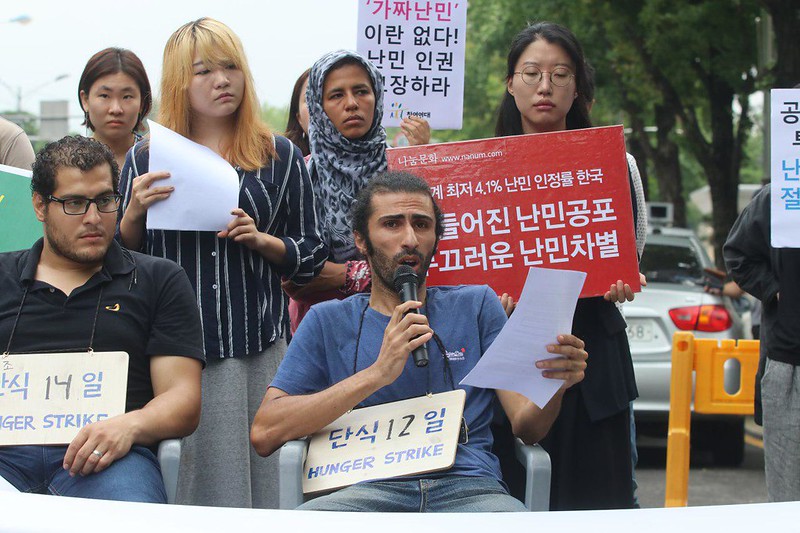
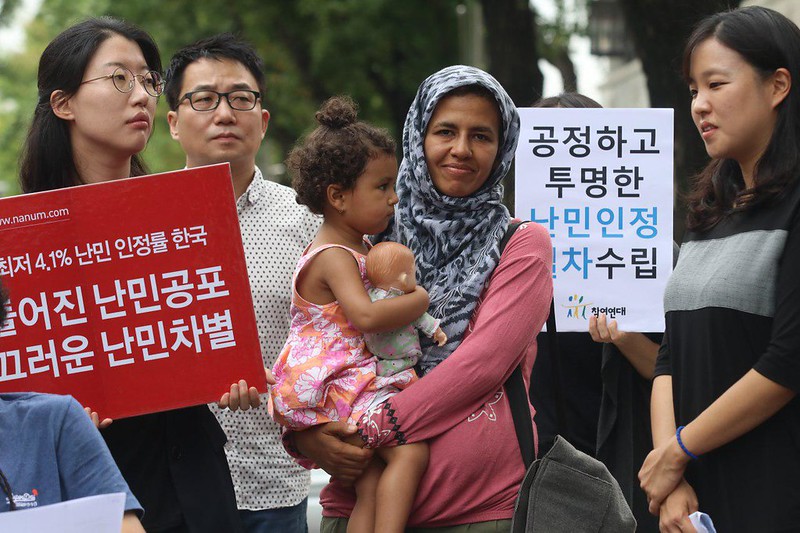
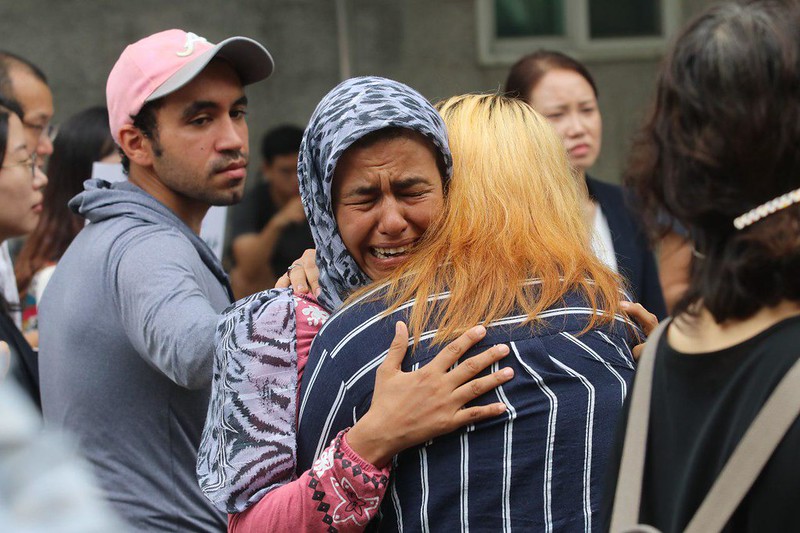
얼마 전 제주도에 입국한 예멘 난민 신청자들이 우리 사회에 던진 파장이 크다. 난민을 둘러싼 여러 논쟁이 현재까지 뜨겁게 이어지는 가운데, ‘진짜 난민’과 ‘가짜 난민’을 엄격하게 구분해야 한다는 주장이 큰 힘을 얻고 있다. 한국은 1992년 국회 비준을 거쳐 난민 협약에 가입했고, 2012년에는 아시아 최초로 독자적인 난민법을 제정하며 국제사회로부터 선도적인 난민 정책을 펼칠 것이라 주목받던 나라다. 그러나 한국의 난민 인정률은 4%대로, 소위 ‘진짜 난민’도 한국에서 난민으로 인정받기란 ‘하늘의 별 따기’다. 상황이 이런데 법률적으로는 개념 자체도 없는 기후난민이 우리나라에 대거 유입됐을 때 어떤 일이 일어날지는 어렵지 않게 예측할 수 있다. 기후난민에 대한 법적 근거가 부재함에도 불구하고 이 문제를 심각하게 여기고 있는 몇몇 나라에서는 대응에 나서기 시작했다. 지난해 11월 뉴질랜드는 해수면 상승으로 수몰 위기에 처한 주변 국가들에게 특별 비자를 발급하는 등 기후난민을 받아들일 준비를 할 것이라고 밝혔다.
국내에도 기후난민이란 개념이 아예 생소해 보이지는 않는다. 포털에 ‘기후난민’이란 키워드를 검색하면 정부 기관과 기업체의 관련 사회공헌 활동 기사가 줄을 잇는다. 우리나라의 무상 원조 기관인
지구의 벗 스코틀랜드 활동가들이 지난해 열린 '기후변화 행동의 날(Day of Action)'에 참가해 기후변화의 심각성을 알리는 퍼포먼스를 취하고 있다. ⓒColin Hattersley[/caption]
짚고 넘어가야 할 사실은 아직 기후난민은 국제법에 의해 난민으로 인정도, 보호도 받지 못한다는 것이다. 현재 난민을 규정하는 초석이 되는 1951년에 체결된 ‘난민 지위에 관한 유엔협약’에서는 난민을 "인종·종교·국적·특정 사회집단에서 소속 또는 정치적 견해를 이유로 박해를 받게 될 것이라는 충분한 이유 있는 공포 때문에 자국 국적 밖에 있는 자 및 자국의 보호를 받을 수 없거나 또는 그러한 공포 때문에 자국의 보호를 받기를 원하지 않는 자"라고 정의한다. 즉, 해수면 상승, 물 부족, 가뭄, 폭풍 해일 등 극단적인 기후변화의 결과로 나라를 떠나야만 하는, 혹은 이로 인한 피해에 대해 자국으로부터 어떠한 보호도 받을 수 없는 기후난민은 일반적인 난민의 범주에 포함이 되지 않는다는 것이다.
얼마 전 제주도에 입국한 예멘 난민 신청자들이 우리 사회에 던진 파장이 크다. 난민을 둘러싼 여러 논쟁이 현재까지 뜨겁게 이어지는 가운데, ‘진짜 난민’과 ‘가짜 난민’을 엄격하게 구분해야 한다는 주장이 큰 힘을 얻고 있다. 한국은 1992년 국회 비준을 거쳐 난민 협약에 가입했고, 2012년에는 아시아 최초로 독자적인 난민법을 제정하며 국제사회로부터 선도적인 난민 정책을 펼칠 것이라 주목받던 나라다. 그러나 한국의 난민 인정률은 4%대로, 소위 ‘진짜 난민’도 한국에서 난민으로 인정받기란 ‘하늘의 별 따기’다. 상황이 이런데 법률적으로는 개념 자체도 없는 기후난민이 우리나라에 대거 유입됐을 때 어떤 일이 일어날지는 어렵지 않게 예측할 수 있다. 기후난민에 대한 법적 근거가 부재함에도 불구하고 이 문제를 심각하게 여기고 있는 몇몇 나라에서는 대응에 나서기 시작했다. 지난해 11월 뉴질랜드는 해수면 상승으로 수몰 위기에 처한 주변 국가들에게 특별 비자를 발급하는 등 기후난민을 받아들일 준비를 할 것이라고 밝혔다.
국내에도 기후난민이란 개념이 아예 생소해 보이지는 않는다. 포털에 ‘기후난민’이란 키워드를 검색하면 정부 기관과 기업체의 관련 사회공헌 활동 기사가 줄을 잇는다. 우리나라의 무상 원조 기관인 한국국제협력단(코이카)은 지난 6월 8일 글로벌녹색성장기구(GGGI)와 함께 개도국 기후변화대응 지원을 위한 협력을 강화하기로 했다. ⓒ코이카[/caption]
기후난민 문제의 핵심은 기후변화에 책임이 거의 없는 가난한 나라들이 그 피해를 고스란히 떠안는다는 데 있다. 기후변화에 책임이 있는 나라들은 응당한 역할을 해야만 한다. 한국은 이산화탄소 배출량 세계 7위인 국가다. 국제사회에서는 기후변화 대응에 무책임한 ‘기후 악당 국가’로도 유명하다. 결국 기후난민 문제의 궁극적인 해결에 있어서는 온실가스 감축이 알파와 오메가가 될 것이다. 사회적 합의 도출을 위한 공론화 과정 역시 빠져서는 안 된다. 치열한 토론을 통해 양극단의 생각을 조율하고 합의하는 과정이 없다면 우리는 기후난민이 현실이 됐을 때도 진짜, 가짜 난민 논쟁에서 한 발짝도 나가지 못한 모습을 보일 것이다.
한국국제협력단(코이카)은 지난 6월 8일 글로벌녹색성장기구(GGGI)와 함께 개도국 기후변화대응 지원을 위한 협력을 강화하기로 했다. ⓒ코이카[/caption]
기후난민 문제의 핵심은 기후변화에 책임이 거의 없는 가난한 나라들이 그 피해를 고스란히 떠안는다는 데 있다. 기후변화에 책임이 있는 나라들은 응당한 역할을 해야만 한다. 한국은 이산화탄소 배출량 세계 7위인 국가다. 국제사회에서는 기후변화 대응에 무책임한 ‘기후 악당 국가’로도 유명하다. 결국 기후난민 문제의 궁극적인 해결에 있어서는 온실가스 감축이 알파와 오메가가 될 것이다. 사회적 합의 도출을 위한 공론화 과정 역시 빠져서는 안 된다. 치열한 토론을 통해 양극단의 생각을 조율하고 합의하는 과정이 없다면 우리는 기후난민이 현실이 됐을 때도 진짜, 가짜 난민 논쟁에서 한 발짝도 나가지 못한 모습을 보일 것이다.



 “라하프는 자신의 가족들로부터 도망치고 사우디아라비아의 남성 후견인 제도(male guardianship rules)를 따르지 않기 위해 엄청난 위험을 감수했다. 단 며칠 만에 전세계 수백만은 그의 이야기에 감동했다. 타국에서 안전한 거처를 구하려 했던 이들이 보여준 엄청난 용기와 희생을 전 세계에 상기시키자”
시민들의 의견
댓글 달기