주요 콘텐츠로 건너뛰기

아르헨티나 낙태 비범죄화 법안 표결, 실패 아닌 새로운 시작

지역

아르헨티나 낙태 비범죄화 법안 표결, 실패 아닌 새로운 시작

익명 (미확인) | 금, 2018/08/17- 16:54
초록색 손수건은 캐나다 작가 마가렛 앳우드의 페미니스트 디스토피아 소설

초록색 손수건은 캐나다 작가 마가렛 앳우드의 페미니스트 디스토피아 소설 에서 영감을 받았다.

마리엘라 벨스키Mariela Belski 국제앰네스티 아르헨티나지부 국장
이 글은 TIME에 동시 게재되었습니다.

지난 수요일 저녁, 아르헨티나 상원에서는 임신 14주 이내의 낙태 시술을 합법화하는 법안이 부결됐다. 법안이 통과되면 수많은 생명을 구할 수도 있었지만, 상원은 16시간에 걸친 기나긴 토론 끝에 이 법안을 채택하지 않기로 결정했다. 아르헨티나에서 임신을 중단해야 하는 여성들은 앞으로도 당분간은 사망 및 투옥 위험을 감수해야 한다.

그러나 무언가는 분명 돌이킬 수 없이 변했다.

그날 밤, 대부분 여성으로 구성된 군중 수십만 명이 하나가 되어 부에노스아이레스의 상원의회 앞 거리를 가득 메웠다. 우리는 쏟아지는 빗줄기 속에서도 몇 시간이고 함께 자리를 지켰다. 에메랄드빛 녹색 손수건은 이제 라틴아메리카를 휩쓴 낙태 옹호 운동의 상징으로 자리잡았다. 그날 밤 우리는 상원의원 대부분이 법안에 반대표를 던지리라는 것도, 우리가 승리를 거둘 확률이 희박하다는 것도 잘 알고 있었다. 그럼에도 우리는 차디찬 빗속에서, 얼굴에 녹색 페인트가 녹아내리는 와중에도 그 자리에 서 있었다.

이처럼 엄청난 인파가 한 자리에 모인 것은 중대한 사건이었다. 그간 낙태를 둘러싸고 있던 낙인과 수치, 비밀은 모두 산산이 흩어져 사라졌다.

낙태 비범죄화 법안이 부결되면서, 이제 아르헨티나는 강간으로 인한 임신이거나 산모의 생명 또는 건강이 위험한 경우에만 낙태를 허용하는 1921년 법을 여전히 유지하게 됐다. 그 외의 이유로 임신을 중단해야 하는 사람은 안전하지 못한 환경에서 비밀리에 낙태 시술을 받아야 한다.

이러한 실패는 있었지만, 더 이상 변화는 피할 수 없다. 이제 아르헨티나 여성들은 서로 자랑스럽게 연대하고, 내 몸에 대해 자유롭게 결정할 권리를 요구할 수 있다.

“이제 하나가 된 우리는 누구도 무시할 수 없다.” 거리에 모인 여성들은 이렇게 노래했다. 자신의 의견을 표현하고, 권리를 주장하면서 마침내 큰 원동력을 얻은 것이다. 이 문제는 의회에서 한바탕 큰 이슈가 되었으니, 더 이상은 이를 침묵 속에 묻어둘 수도 없게 되었다.

이러한 태도 변화를 이끌어 낸 것은 주로 젊은 여성 세대 덕분이었다. 거리와 학교, 버스, 나이트클럽까지 녹색 물결은 멈추는 법이 없었다.

최근 몇 주 사이 아르헨티나의 주류 언론은 젊은 층의 포용적인 언어 사용에 대해 설명하는 기사를 싣기도 했다. 많은 사람들이 여성대명사 ‘la’나 남성대명사 ‘el’을 사용하는 대신, 젠더 중립적인 ‘les’를 사용하고 있다.

젊은 여성들은 재생산에 대한 권리가 최우선 정치 의제로 다뤄질 수 있도록 신속하게 움직이며 열정적인 활동을 벌였고, 동시에 성추행과 성폭력에 관한 대화의 물꼬를 트기도 했다.

오늘날 여성들이 이렇게 연대할 수 있는 것은 이전 세대의 페미니스트들이 수 년에 걸쳐 여성 인권을 위해 투쟁해 왔기 때문이다. 그 대표적인 예인 넬리 민예르스키는 지칠 줄 모르는 활동가다.  89세의 나이에도 여전히 상징적인 인물로 운동을 주도하고 있다. 아르헨티나 상원이 개정안을 부결시켰다고 해도 넬리와 그녀의 활동은 멈추지 않을 것이다.


https://youtu.be/BySIxJb32-M
우리가 경험한 역사적인 순간은 이제 멈출 수 없는 것이 되었다. 여성단체와 시민사회단체 및 그 지지자들이 폭넓게 연대한 ‘합법적이고 안전하며 자유로운 낙태를 받을 권리를 요구하는 국민운동’은 2005년 처음 출범한 이후 지금까지 낙태 합법화 법안을 일곱 차례 제출했다. 최근 상하 양원에서 표결이 진행되는 동안 대규모 철야 집회가 두 차례 열렸고, 여기에 수십만 명이 참여했다. 또한 ‘국민운동’은 학교 성교육과 피임법 이용 등 이전까지 터부시되던 문제를 국가적 의제로 끌어올리기도 했다. 낙태법이 부결된 직후, 마우리시오 마크리 아르헨티나 대통령은 재생산과 가족계획에 관한 정책 개선을 위해 노력 중이라고 밝혔다.

그야말로 역사적인 사건이다. 마침내 우리의 목소리를 듣게 만든 것이다.

그것도 엄청난 반대에 부딪혔음에도 일궈낸 성과다. 지난달, 모국인 아르헨티나에서 여전히 상당한 영향력을 유지하고 있는 프란치스코 교황은 낙태를 나치 강제수용소에서 이루어진 우생학적 수술에 비유했다. 아르헨티나 상원은 교회의 압력을 공개적으로 비난했고, 법안에 관해 논의가 진행되는 동안 부에노스아이레스의 천주교회는 ‘생명을 위한 미사’를 거행했다.

녹색으로 무장한 여성들은 잘 알고 있다. 낙태 합법화가 실제로는 생명을 살리는 것이며, 충분히 막을 수 있었음에도 낙태금지법 때문에 벌어지는 죽음을 막는 것이라고 말이다. 낙태를 반대하는 것은 사실 여성의 몸을 통제하고, 여성이 남성보다 자유를 누리지 못하게 하는 것이라고 말이다. (여성 의원들은 반대 14표, 찬성 14표로 골고루 표가 나뉘었던 반면 대다수의 남성 의원들은 반대표를 던졌다.)

무엇보다도 이 젊은 활동가들은 이번 표결이 아르헨티나의 낙태 허용 여부만을 결정하는 것은 아님을 잘 알고 있다. 법이 어떻든 낙태는 언제나 이루어진다. 이번 표결은 이러한 낙태가 지금까지 그랬던 것처럼 생명을 위협하는 시술이 될 것인지, 아니면 안전하고 합법적으로 이루어질 것인지를 결정하는 것이었다. 안타깝게도 대부분의 의원들은 더 많은 사람이 죽거나 다칠 수 있는 위험에도 불구하고, 여전히 낙태를 받은 여성을 범죄자로 만드는 쪽을 선택했다. 그러나 예전처럼 침묵의 시대로 후퇴시킬 수는 없다.

인권 변화는 점진적으로 이루어진다. 지난 수요일 밤, 상원 앞에 모인 수많은 여성들은 좌절감 속에서도 다시 일어서고 희망을 갖겠다는 발언을 했다. 집회에 참석한 학생들은 확성기를 들고 이렇게 외쳤다. “성차별주의자들 잘 들어라, 라틴아메리카가 온통 페미니스트로 가득 찰 것이다.” 앞으로 수 년 후 의제를 상정하고 표결하는 주역은 이들이 될 것이다.

비록 표결 결과는 우리의 패배였지만, 이 변화를 만들기 위해 캠페인에 참여했던 사람들은 이만한 진전을 이룩했다는 점에 대해 모두 자랑스레 여겨야 한다. 여성인권을 지지하기 위해 수백만 명이 한자리에 모였던 것이다.

이번 법안은 내년 3월 본회의가 열릴 때까지는 다시 논의될 수 없지만, 그 사이 비슷한 운동들이 라틴아메리카 대륙을 휩쓸고 있다. 멕시코, 에콰도르, 칠레, 콜롬비아, 페루 등지에서는 자국에서 합법적 낙태 요구 운동을 벌이기 위해 저마다 손수건을 준비하고 있다. 유럽의 연대 운동 규모 역시 어마어마한 수준이다.

아르헨티나 상원은 여성 인권에 등을 돌렸지만, 이번 운동을 통해 라틴아메리카 대륙 전체는 물론 그 너머까지 거대한 창문이 활짝 열렸다. 이제 전세계 사람들은 우리의 존재를 알게 됐다. 결국 승리하기까지는 그리 오래 걸리지 않을 것이다.

시민들의 의견

댓글 달기

Plain text

  • 웹 페이지 주소 및 이메일 주소는 자동으로 링크로 전환됩니다.
  • 줄과 단락은 자동으로 분리됩니다.
  • 사용할 수 있는 HTML 태그: <a href hreflang> <em> <strong> <cite> <blockquote cite> <code> <ul type> <ol start type> <li> <dl> <dt> <dd>
이미지
무제한 수의 파일을 이 필드에 업로드할 수 있습니다.
50 MB 한계입니다.
허용된 유형: png gif jpg jpeg.
Enter the YouTube URL. Valid URL formats include: http://www.youtube.com/watch?v=1SqBdS0XkV4 and http://youtu.be/1SqBdS0XkV4.
CAPTCHA
스펨 사용자 차단 질문

People crossing the Guatemala border

엘살바도르, 과테말라, 온두라스 등 중앙아메리카 국가의 수만 명이 만연한 폭력과 치솟는 살인율로 해외로 떠날 수밖에 없는 상황임에도, 정부는 이에 제대로 대응하지 못하면서 난민 위기를 더욱 심화시키고 있다고 국제앰네스티가 14일 발표한 보고서를 통해 밝혔다.

보고서 <즐거운 나의 집? 심화되는 난민 위기 속 온두라스, 과테말라, 엘살바도르의 역할>에서는 해당 3국이 폭력으로부터 국민을 보호하지 못하고 있음은 물론, 멕시코와 미국 등의 국가에서 추방되어 목숨을 위협받는 상황으로 되돌아와야 하는 사람들에 대한 포괄적인 보호 대책도 마련하지 않고 있다고 분석했다.


엘살바도르, 과테말라, 온두라스는 사실상 생명도 소모품처럼 버려지는 듯한 전쟁지역과 다름없는 곳이 되었으며, 수백만 명은 범죄 조직원들과 정부 보안군이 자신과 사랑하는 사람들에게 무슨 일을 저지를지 모르는 끊임없는 공포 속에서 살아가고 있다. 이들은 이제 세계에서 가장 주목 받지 못하는 난민 위기의 주인공이 되고 말았다.

– 살릴 셰티(Salil Shetty), 국제앰네스티 사무총장

살릴 셰티(Salil Shetty) 국제앰네스티 사무총장은 “엘살바도르, 과테말라, 온두라스는 사실상 생명도 소모품처럼 버려지는 듯한 전쟁지역과 다름없는 곳이 되었으며, 수백만 명은 범죄 조직원들과 정부 보안군이 자신과 사랑하는 사람들에게 무슨 일을 저지를지 모르는 끊임없는 공포 속에서 살아가고 있다. 이들은 이제 세계에서 가장 주목 받지 못하는 난민 위기의 주인공이 되고 말았다”고 했다.

한편, “멕시코, 미국과 같은 국가들이 중앙아메리카 출신 난민들을 보호하는 데 완전히 실패했지만, 엘살바도르, 과테말라, 온두라스 정부가 이러한 난민 위기에서 자신들의 맡은 역할을 인정하고, 사람들이 모국을 떠나게 만드는 근본적인 문제의 해결에 나서기 매우 적절한 시기”라고도 했다.

또한 “중앙아메리카 수백만 명의 사람들은 국제적 비호를 제공해야 할 의무를 다하지 않는 국가와, 가장 비참한 결말로부터 안전하게 지켜줄 능력과 의지가 전무한 자국 정부의 희생양이 되어 소외 당하고 있다”고 말했다.


중앙아메리카 수백만 명의 사람들은 국제적 비호를 제공해야 할 의무를 다하지 않는 국가와, 가장 비참한 결말로부터 안전하게 지켜줄 능력과 의지가 전무한 자국 정부의 희생양이 되어 소외 당하고 있다.

– 샬릴 셰티

기록을 깨는 폭력과 사건

과테말라와 온두라스의 살인율은 세계에서 가장 높은 수준이다.

유엔은 전쟁지역을 제외하고 세계에서 가장 사망자가 많은 국가로 엘살바도르를 꼽았다. 엘살바도르에서는 2015년 인구 10만명당 108건이 넘는 살인 사건이 발생했다.

인구 10만명당 살인률은 온두라스가 63.75, 과테말라는 34.9였다.

젊은이들이 가장 주된 피해자로, 2015년 3국에서 사망한 살인 피해자 중 절반 이상이 30세 이하였다.

어린 남자아이들은 협박에 못 이겨 범죄조직에 가담해야 하고, 여자아이들은 강제로 조직원들의 “여자친구”가 되어 성적 학대를 당하는 경우가 많다.

©Encarni Pindado/Amnesty International

©Encarni Pindado/Amnesty International

상점 주인과 버스 운전기사는 해당 지역을 통제하는 조직에게 주기적으로 갈취를 당하고 강제로 “세금”을 내야 한다. 엄격한 불문율을 따르지 않는 사람은 폭행을 당하거나 목숨을 잃기까지도 한다.

3국을 통틀어 많은 어린이들이 국제앰네스티와의 인터뷰를 통해, 범죄조직원들이 두려워서 학교를 그만둔 뒤 지금은 온종일 집에서만 시간을 보내야 한다고 말했다.

엘살바도르 교육부는 2015년 범죄조직의 괴롭힘이나 위협 때문에 학교를 그만둔 학생이 39,000명으로, 2014년 13,000명이었던 통계에 비해 3배 증가한 수치로 나타났다고 보고했다. 이에 대해 교원조합은 실제 수는 10만 명 이상일 것으로 본다고 밝혔다.

일부의 경우, 10대 청소년들이 정부 보안군에게 범죄조직 가담자로 몰려 괴롭힘과 공격을 당하기도 했다.

16세의 안드레스(가명)는 지난 5월 보안군에 체포된 이후 엘살바도르에 몸을 숨긴 채 살아가고 있다. 안드레스는 국제앰네스티와의 인터뷰에서, 총격전에 가담했고 범죄조직의 파수꾼임을 자백하라며 보안군에게 고문을 당했다고 말했다. 국내에서 충격적이리만치 만연한 수준인 폭력범죄에 대응하고자 노력하는 모습을 보여주고자하는 정부 관계자들의 필사적인 시도로 보인다.

안드레스는 군인들이 그의 입과 코에 물을 쏟고, 머리를 웅덩이에 집어넣고, 입 속에 모래를 넣거나, 배 위로 뛰어올라 발길질, 주먹질을 하고, 자백하지 않으면 죽이겠다며 위협했다고 진술했다.

안드레스의 어머니는 아들의 처우에 대해 정부에 항의했고, 이에 대한 조사가 진행 중이다.

Encarni Pindado/Amnesty International

©Encarni Pindado/Amnesty International

보호받지 못 하는 사람들

현재 안드레스는 그를 고문한 사람들이 찾아올까 두려워하며 계속해서 이사를 다니고 있다. 또한 엘살바도르를 떠나기만 간절히 바라고 있다.

걷잡을 수 없이 계속되는 폭력으로 멕시코, 미국 등 국가에서 중앙아메리카인의 비호 신청이 급격히 증가해, 수십 년 전 중앙아메리카 내전 이후 사상 최고치를 기록했다.

유엔난민기구(UNHCR) 발표에 따르면 엘살바도르, 온두라스, 과테말라 3개국 출신인 비호 신청자 수는 5년 전보다 6배 이상 증가했고, 특히 주변국과 미국에서 더욱 두드러지게 나타났다.

그러나 많은 비호 신청자들이 망명이 허가되지 않을 경우 극심한 폭력과 사망에까지 직면할 수 있다는 강력한 증거가 있음에도, 멕시코와 미국 등에서 이루어지는 강제추방 건수는 증가하고 있다. 2015년 멕시코에서 추방된 과테말라, 온두라스, 엘살바도르인의 수는 2010년에 비해 약 180% 증가했다.

살해당할 수도 있는 모국으로 추방되다

사울의 경우는 이미 너무 늦었다. 다섯 아이를 둔 35세 아버지인 사울은 2016년 7월 멕시코에서 비호 신청이 거절되면서 모국인 온두라스로 되돌아온 후 3주도 지나지 않아 살해당했다.

범죄조직이 시장을 장악하면서 온두라스에서 가장 위험한 직업이 된 버스기사 일을 하던 사울은 총격전에서 두 아들과 가까스로 살아남은 후 2015년 11월 국경을 넘었다. 두 아들은 이로 인해 심각한 부상을 입었지만 경찰은 사울의 신고에 후속 조치를 취하지도 않았고, 그를 보호하지도 않았다.

국제앰네스티가 지난 7월 연락을 취했을 때, 사울은 “아마도 나한테 무슨 일이 다시 벌어질 것만 같다”는 말을 남겼다.

현재 사울의 아내와 아이들은 무슨 일이 벌어질지 두려움에 떨며 살고 있다.

엘살바도르, 온두라스, 과테말라의 정부 관계자들은 미국이 지원하는 ‘번영 계획’의 일환으로 배당된 미화 750달러를 생명의 위험에 처한 강제 추방자들을 돕기 위해 어떻게 사용할 것인지에 대해서는 확답을 하지 못했다. 이 계획은 이민자 유입을 막고 강제 추방자들을 보호하기 위해 이민의 근본적인 원인을 해결하는 것을 목표로 하고 있다.

엘살바도르, 온두라스, 과테말라는 강제추방자를 위한 공식 수용소를 마련했다. 이곳에서 추방자들은 짧은 면접을 거쳐야 하는데, 이민 담당자가 국경을 오가는 도중 겪은 인권침해가 있었는지를 묻는 식이다. 그러나 이들이 떠나게 된 이유인 모국에서의 폭력에 대해, 또는 보호 조치가 필요한지에 대해 묻는 경우는 거의 없었다.

살릴 셰티 사무총장은 “강제추방자를 위한 수용소 운영은 실 없는 농담 같다. 말끔한 건물에 따뜻한 식사와 환영 문구만으로는 그들을 기다리는 끔찍한 공포로부터 안전하게 지켜줄 수 없다”라며,

“그보다 필요한 것은 지원받은 국제 원조금을 투입해 이처럼 많은 사람들이 절박하게 모국을 떠나게 만드는 근본 원인을 해결할 수 있는 효과적인 지역규모 계획을 마련하는 것”이라고 말했다.

또한 “중앙아메리카 국가들이 자국의 충격적인 폭력 수준을 해결하지 않는 한, 중앙아메리카 지역은 최악의 암흑기로 퇴보할 위험에 놓여 있다. 국민들이 폭력을 피해 달아나고 있음을 완고히 부인하기보다, 위정자들은 그 해결책을 찾는 데 더욱 노력을 기울여야 할 것”이라고 밝혔다.

영어전문 보기

Central America turns its back on hundreds of thousands fleeing ‘war-like’ violence

Governments in Central America are fuelling a deepening refugee crisis by failing to tackle rampant violence and sky-high homicide rates in El Salvador, Guatemala and Honduras which are forcing hundreds of thousands to flee, Amnesty International said in a new report today.

Home Sweet Home? Honduras, Guatemala and El Salvador’s role in a deepening refugee crisis explores how the three countries are failing to protect people from violence, and also failing to set up a comprehensive protection plan for deportees forced by countries such as Mexico and the USA to return to life-threatening situations.

“El Salvador, Guatemala and Honduras have become virtual war zones where lives seem to be expendable and millions live in constant terror at what gang members or public security forces can do to them or their loved ones. These millions are now the protagonists in one of the world’s least visible refugee crises,” said Salil Shetty, Secretary General at Amnesty International.

“Although countries like Mexico and the USA are utterly failing to protect Central American asylum seekers and refugees, it is high time for authorities in El Salvador, Guatemala and Honduras to own up to their role in this crisis and take steps to tackle the problems that force these people to leave home in the first place.”

“Millions of Central Americans are falling through the cracks, victims of countries that do not fulfil their responsibility to provide the international protection they need, and of their own governments’ utter inability and unwillingness to keep them safe from the most tragic end.”

Record-breaking violence
Murder rates in Guatemala and Honduras are also among the highest on earth.

The United Nations has ranked El Salvador as one of the deadliest countries on earth outside of a war zone, with more than 108 homicides per 100,000 inhabitants in 2015.

In Honduras the rate was 63.75 and in Guatemala it was 34.99 per 100,000 inhabitants.

Young people are the hardest hit by violence, with more than half of those killed in the three countries in 2015 under 30 years of age.

Young boys often join the gangs under duress, while girls are forced to become gangsters’ “girlfriends” and are often sexually abused.

Shop owners and bus drivers are routinely extorted and forced to pay “taxes” to the gangs controlling their area. Those who fail to follow the strict unwritten rules of conduct are often abused or killed.

Many young children across the three countries told Amnesty International they had quit school for fear of gang members and now have to spend all day at home.

The Salvadoran Ministry of Education has been reported as saying that 39,000 students left school due to harassment or threats by gangs in 2015 – three times the figure in 2014 (13,000). The teachers’ union said they believed the real number could be more than 100,000.

In some cases, teenagers are harassed and attacked by the security forces, accused of being part of a gang.

Sixteen-year-old Andrés (not his real name) is living in hiding in El Salvador after being arrested in May by security forces. He told Amnesty International they tortured him to confess to participating in a shootout and being a lookout for gangs in what seems a desperate attempt to show officials are trying to tackle the shocking levels of violent crime in the country.

He said the soldiers poured bottles of water into his mouth and nose, put his head in a puddle, stuffed sand into his mouth, jumped on his stomach, then kicked, punched and threatened to kill him unless he confessed.

His mother complained to the authorities about her son’s treatment and an investigation has been opened.

Andrés is now constantly moving from house to house, afraid the men who abused him will find him, and is desperate to leave the country.

No protection

The relentless violence has led to a surge in asylum applications from Central American citizens in Mexico, the United States and other countries, reaching levels not seen since the region’s armed conflicts ended decades ago.

According to the United Nations Refugee Agency (UNHCR), the number of asylum applications from people coming from the three countries has increased more than six times in the past five years, particularly in neighbouring countries and in the United States.

But despite overwhelming evidence that many asylum-seekers face extreme violence and potentially death if they are not granted asylum, deportations from Mexico, the USA and elsewhere have increased. The number of Guatemalans, Hondurans and Salvadorans deported from Mexico increased by nearly 180% between 2010 and 2015.

Sent back home to be killed

For Saúl, it is too late. The 35-year-old father of five was murdered in his native Honduras less than three weeks after he was sent back home from Mexico in July 2016 when his asylum application was rejected.

A bus driver – one of the most dangerous professions in Honduras due to the control gangs assert over the industry – Saúl fled the country in November 2015 after he survived a shooting along with his two sons, who were severely injured. The police failed to follow up on his report or offer him protection.

When Amnesty International spoke to Saúl in July, his final words were, “I feel like something is going to happen again, maybe to me.”

His wife and sons are now living in terror of what might happen to them.

Government officials in El Salvador, Honduras and Guatemala were unable to confirm to Amnesty International how the US$750 million earmarked for the region as part of the US-backed Plan for Prosperity would be used to help deportees whose lives are at risk. The plan is aimed at tackling the root causes of migration as a way to stem the migrant flow and protect those who are deported back.

El Salvador, Honduras and Guatemala have set up official reception centres for deportees. Deportees have to go through a short interview where a migration official asks them about any abuse they might have suffered during the journey. They are rarely asked about the violence they were fleeing in their own countries and any needs for protection they might have.

“Reception programmes for deportees are a bad joke. A shiny building, a warm meal and a welcome banner will not keep these people safe from the horrors that await them back home,” said Salil Shetty.

“Instead, what we need to see is an effective region-wide initiative to invest the international aid they are receiving into tackling what causes so many people to desperately flee their homes.”

“Unless Central American leaders address the shocking current levels of violence in their countries, the region risks plunging back into its darkest times. Instead of stubbornly denying people are running away from violence, those in power should focus their efforts on trying to find solutions to it.”


수, 2016/10/19- 15:05
317
0
© FETHI NASRI/AFP/Getty Images

© FETHI NASRI/AFP/Getty Images

국제앰네스티의 조사에 따르면 리비아의 밀입국 경로를 따라 충격적인 수준의 인권침해가 벌어지고 있다는 사실이 드러났다. 국제앰네스티는 이탈리아 풀리아(Puglia)와 시칠리아(Sicily)의 난민 수용소에서 최소 90명 이상의 난민과 이주민을 만났고, 성폭력과 살인, 고문, 종교적 박해의 끔찍한 증언을 들었다. 이들은 지난 수 개월간 리비아에서 지중해를 통해 이탈리아 남부에 도착한 사람들로, 인신매매업자, 밀수업자, 범죄조직, 무장단체로부터 인권침해에 시달렸다.

난민과 이주민들은 무장단체에 납치되거나 수개월 동안 지하에 감금되어 성폭행을 당하고, 인신매매업자, 밀수업자, 범죄조직에 구타와 착취, 총격을 당하는 등 리비아에서 끔찍한 공포를 견뎌야 했다.

막달레나 무그라비(Magdalena Mughrabi) 국제앰네스티 중동북아프리카 부국장대행은 “난민과 이주민들은 무장단체에 납치되거나 수개월 동안 지하에 감금되어 성폭행을 당하고, 인신매매업자, 밀수업자, 범죄조직에 구타와 착취, 총격을 당하는 등 리비아에서 끔찍한 공포를 견뎌야 했다”며 “유럽으로 건너 온 사람들 대부분이 탈출해야만 했던 처참하고 절박한 환경을 보여준다”고 말했다.

대부분이 사하라 이남 아프리카 출신인 난민과 이주민 수만 명은 유럽에 정착할 수 있으리란 희망을 품고, 전쟁과 박해, 극심한 빈곤을 피해 리비아로 향하고 있다. 국제이주기구(IOM)는 현재 리비아에 26,4000명 이상의 난민과 이주민이 있는 것으로 추정하고 있다. 유엔난민기구(UNHCR)에 따르면 등록된 난민과 비호신청자만 약 37,500명으로, 이 중 절반이 시리아 난민이다.

막달레나 무그라비 부국장대행은 “비호를 신청하려는 사람들이 납치, 고문, 강간을 당하는 일은 일어나서는 안 된다. 국제사회는 애초에 난민들이 리비아로 도망쳐 올 필요가 없도록 최선을 다해야 한다. 유럽연합(EU)과 세계 모든 국가는 처음 떠난 이웃 국가에서 극심한 역경과 암담한 미래를 마주하는 취약한 난민들에게 제공할 재정착지와 인도주의적 비자의 수를 대폭 증가시켜야 한다”고 말했다.

유엔의 지원으로 리비아 통합정부가 구성됐지만, 여전히 리비아에서는 벵가지(Benghazi), 데르나(Derna), 시르테(Sirte) 등지에서 전투가 계속되고 있다.

막달레나 부국장 대행은 “리비아 정부는 법치주의를 회복하고 난민과 이주민의 권리를 보호하기 위해 시급히 조치를 취해야 한다. 국제사회의 지지로 구성된 통합정부는 인권을 존중하고 보호하겠다고 약속했으며, 이처럼 혐오스러운 범죄의 책임자를 처벌해야 할 의무가 있다.” 라고 덧붙였다.

여전히 무법과 폭력이 리비아를 잠식해 가고 있는 가운데, 리비아 남부에서 유럽행 보트가 출발하는 북부 지중해 해안까지의 경로를 따라 밀입국업자들이 성업하고 있다. 국제앰네스티가 인터뷰한 사람 중 20명 이상이 리비아의 해상경비대에게 또는 이주민 수용소에서 인권침해에 시달렸다고 전했다.

국제앰네스티와 이야기를 나눈 난민과 이주민들은 리비아에 도착해서부터 북부 해안에 이르기까지 여정의 모든 단계에서 인권침해에 직면했다고 진술했다. 리비아에 수년간 거주한 사람들도 지역 범죄조직과 경찰, 또는 무장단체의 괴롭힘이나 인권침해로 인해 탈출하고 싶어 했다.

국제앰네스티는 2015년 발표한 보고서 <잔혹뿐인 리비아(Libya is full of Cruelty, 영문)>를 통해 인신매매업자, 밀수업자, 무장단체의 인권침해를 기록했다. 그로부터 1년이 지난 후에도 난민과 이주민은 여전히 끔찍한 인권침해의 대상이 되고 있음이 증언을 통해 드러난다.

여정 내내 계속되는 공포

국제앰네스티가 인터뷰한 사람 중 대다수가 인신매매를 당한 경험이 있다고 전했다. 이들은 리비아에 도착하자마자 인신매매업자에게 붙잡히거나 범죄조직에 팔렸고, 붙잡힌 사람에게 구타, 강간, 고문, 착취를 당했다고 증언한 사람도 다수였다. 밀수꾼들이 사람들을 총살하는 모습을 목격하거나, 질병 또는 부당한 대우로 죽어가는 모습을 본 사람들도 있었다.

리비아에 도착하는 순간 고난이 시작돼요. 그때부터 폭행하기 시작하죠.

“리비아에 도착하는 순간 고난이 시작돼요. 그때부터 폭행하기 시작하죠.” 소말리아에서 온 18세 소년 아흐메드는 2015년 11월, 수단에서 사막을 건너 리비아에 이르기까지의 고된 여정에 대해 전했다. 함께 가던 시리아 남성들이 갈증에 시달리다 못해 물을 구걸하자, 밀수업자들은 벌이라면서 일부러 물을 주지 않거나 심지어는 총을 쏘기까지 했다고 한다.

“그러다 21살 정도로 보이는 젊은 시리아 남성이 숨을 거뒀어요. 그러고 나니 물을 주긴 했는데, 다른 시리아 남성도 죽고 말았어요. 19세밖에 되지 않았죠.” 아흐메드는 밀수업자들이 죽은 사람들의 소지품을 모두 압수하고, 시신을 매장할 시간도 주지 않았다고 덧붙였다.

에리트리아에서 온 24세 남성 파올로스는 수단과 차드를 거쳐 2016년 4월 리비아에 도착했다. 파올로스는 리비아 국경을 넘어 남부 도시인 사브하(Sabha)로 향하던 중, 밀수업자들이 장애인 남성을 사막 한가운데 버리고 갔다고 증언했다.

“그들이 한 남자를 [트럭 밖으로] 사막으로 집어 던지는 모습을 봤어요. 아직 살아 있었는데도요. 그 사람은 장애인이었어요.”

밀입국 과정에서 벌어지는 성폭력

국제앰네스티가 인터뷰한 여성 15명 중 대부분은 리비아 해안으로 향하는 도중 끊임없는 성폭력의 공포 속에서 살아야 했다고 말했다. 강간이 너무나 비일비재하다 보니 임신을 피하기 위해 길을 떠나기 전 미리 피임약을 먹었다고 말한 사람도 많았다. 국제앰네스티가 방문한 이탈리아 바리의 난민, 이주민 수용소 의료진은 다른 여성들도 같은 일을 겪었다고 확인했다. 국제앰네스티는 성폭력 생존자와 목격자 총 16명의 증언을 수집했다.

증언에 따르면 여성들은 인신매매업자, 밀수업자 또는 무장단체 소속원에게 성폭행을 당했다. 이들은 주로 밀입국 경로를 따라, 또는 여성들이 유럽행 보트를 타기 전 해안 근처의 민가 또는 버려진 창고에 갇혀있을 때를 노려 공격했다.

22세 에리트레아 여성은 다른 여성들이 성폭행을 당하는 모습을 목격했으며, 그중 한 명은 밀수업자가 돈을 내지 않았다고 누명을 씌우면서 집단 강간을 당했다고 전했다.

“다음에도 그 여자의 가족들은 돈을 주지 못했고, 그 사람은 결국 끌려가서 리비아 남자 5명에게 강간을 당했어요. 그들이 밤늦게 끌고 나가도 아무도 막지 못했어요. 다들 너무 겁에 질려 있었죠.”

에리트레아에서 온 22세 람야는 2015년 3월 리비아에 들어온 이후, 리비아 북동부 아지다비야(Ajdabya) 부근의 한 수용소에 잡혀 있는 동안 인신매매업자들에게 한 번 이상 강간을 당했다고 말했다.

여자들은 거부하려고 했지만, 머리에 총이 겨눠진 상태에서는 살고 싶으면 어쩔 수가 없죠. 저는 남자 3명에게 두 번 강간을 당했어요. 죽고 싶지는 않았거든요.

“경비들은 술을 마시고 하시시[대마초]를 피우고 들어와서 원하는 여자를 골라 끌고 나갔어요. 여자들은 거부하려고 했지만, 머리에 총이 겨눠진 상태에서는 살고 싶으면 어쩔 수가 없죠. 저는 남자 3명에게 두 번 강간을 당했어요. 죽고 싶지는 않았거든요.”

28세 카메룬 여성 앙투아네트는 2016년 4월, 자신을 붙잡고 있던 인신매매업자들에 대해 이렇게 말했다. “그 사람들은 여자든 아이든 신경 쓰지 않아요. 몽둥이를 [구타하는 데] 쓰고, 공중에 총을 쐈어요. 나는 아이가 있었기 때문에 강간하지 않았던 건지도 모르지만, 그들은 임신부와 혼자 있는 여자들을 성폭행했어요. 직접 목격했죠.”

납치, 착취, 갈취

많은 사람이 밀수업자들이 자신을 인질로 잡고 가족에게 몸값을 요구했다고 말했다. 이들은 인질을 처참한 환경에 가둬 두고, 음식과 물도 주지 않은 채 폭행과 괴롭힘, 욕설을 일삼았다.

에리트레아에서 온 22세 셈레는 몸값을 이유로 잡혀 있는 동안 14세 소년과 22세 여성 등 4명이 질병과 굶주림으로 목숨을 잃는 것을 봤다고 말했다.

“아무도 병원으로 데려가는 사람이 없어서 우리가 직접 시신을 묻어 줘야 했어요.” 셈레의 아버지가 결국 몸값을 지급했음에도 인신매매업자들은 셈레를 풀어 주는 대신 다른 범죄조직에 팔아넘겼다.

다른 사람들도 붙잡혀 있는 동안 계속해서 폭행을 당하고, 돈을 내지 못하는 사람들은 몸값 대신 무임금으로 노동해야 했다고 진술했다.

에리트레아에서 온 23세 남성 압둘라는 인신매매업자가 돈을 요구하며 고문과 구타를 일삼았고, 특히 가족들에게 몸값을 내도록 압박할 때 폭력은 더욱 심했다고 말했다.

에리트레아 출신의 20세 살레는 2015년 10월 리비아에 들어오자마자 인신매매업자들이 관리하는 바니왈리드(Bani Walid)의 한 창고로 끌려갔다. 이곳에 열흘간 갇혀 있는 동안 살레는 돈을 내지 못한 한 남성이 물속에서 전기고문을 당하고 목숨을 잃는 모습을 목격했다. “그들은 돈을 못 내는 사람은 누구나 이렇게 될 거라고 말했어요.”

살레는 탈출에 성공했지만, 결국 사브라타(Sabratah)의 해안가에 위치한 또 다른 인신매매 수용소에 갇히게 됐다.

“무슨 일인지 영문을 몰랐어요. 그들은 우리 가족이 돈을 낼 때까지 우리를 가둬 둘 거라고 말했어요. 우리를 감시하는 사람들은 집안일이나 청소, 무슨 일이든 보수 없이 강제로 일을 시켰어요. 제대로 된 음식은 주지 않았고, 물조차도 짠맛이 났어요. 제대로 된 화장실도 없어서 피부병이 난 사람들이 많았어요. 업자들은 대마를 피우고 총이나 쇠막대기, 돌멩이 등 무엇이든 잡히는 대로 들고 우리를 구타했어요. 인정이라곤 없는 사람들이었죠.” 라고 살레가 덧붙였다.

무장단체에 의한 성폭력과 종교적 박해

최근 수년간 자칭 이슬람국가(IS)에 충성을 맹세하고 자의적으로 해석한 이슬람 율법을 적용하려 하는 강력한 무장단체들이 떠오르며 외국인, 특히 기독교도들은 인권침해와 잠재적 전쟁범죄에 휘말릴 위험이 더욱 증가했다. 국제앰네스티는 몇 달씩 IS에 납치되었다는 사람들과 만나볼 수 있었다.

21세 에리트레아 여성 아말은 2015년 7월 리비아의 수도 트리폴리(Tripoli)로 향하던 71명이 벵가지(Benghazi) 근방에서 IS로 추정되는 무장단체에 모두 납치되었다고 전했다.

“그들이 밀수업자에게 왜 기독교도들을 도와주고 있냐고 물었어요. 업자가 기독교도들인 줄 몰랐던 척을 하자 그 사람은 그냥 보내줬죠. 그들은 우리를 기독교도과 무슬림으로 나누고, 다시 남자와 여자로 나눴어요. [기독교도들은] 트리폴리로 끌려갔고, 에리트레아에서 온 여자 11명은 지하에 갇혀 9개월간 햇빛을 볼 수 없었어요.”

“3일 동안 아무것도 먹지 못할 때도 있었어요. 하루에 한 끼로 빵 반 조각을 줄 때도 있었고요. 총을 들이대거나, 칼로 베어 버리겠다고 위협할 때도 있었어요.”

아말은 무장단체 소속원이 자신들에게 이슬람으로 개종할 것을 강요하고, 거부할 경우 호스나 몽둥이로 구타했다고 말했다.

여성들은 결국 굴복하고 개종에 동의했지만, 그 이후부터는 성폭행에 시달렸다고 한다. 남성들은 이들을 “부인”이라며 성노예처럼 대우했다. 아말은 여러 남성에게 강간당한 뒤 한 남성에게 맡겨졌고, 이 남성 역시 강간했다고 말했다.

또 다른 사례로 28세의 에티오피아 남성 아담은 벵가지에서 아내와 함께 살고 있었으나 2015년 단지 기독교도이라는 이유만으로 IS에 납치되었다.

“그들은 나를 한 달 반 동안 감옥에 가뒀어요. 내가 가족이 있다고 말했더니 그중 한 명이 나를 불쌍하게 여기고, 그들이 풀어줄지도 모르니 코란을 외울 수 있게 도와줬어요. 많은 사람이 죽었어요.” 아담은 결국 붙잡힌 지 7개월 만에 탈출할 수 있었다.

IS는 2015년 2월과 3월 세 번에 걸쳐 콥트교도 49명을 처형한 것이 자신들의 소행이라고 주장했다.

통합정부는 자국군과 동맹 민병대에 의한 인권침해를 중단해야 한다. 또한, 무장단체를 포함해 누구도 면죄부를 가지고 전쟁범죄를 비롯한 중대한 인권침해를 계속해서 저지를 수 없도록 반드시 보장해야 한다

막달레나 무그라비 부국장대행은 “경쟁 관계에 있는 무장단체와 민병대가 증가하고 무법상태가 만연하면서 리비아의 난민과 이주민이 처한 위험은 더욱 증가하고 있다. 통합정부(The Government of National Accord)는 자국군과 동맹 민병대에 의한 인권침해를 중단해야 한다. 또한, 무장단체를 포함해 누구도 면죄부를 가지고 전쟁범죄를 비롯한 중대한 인권침해를 계속해서 저지를 수 없도록 반드시 보장해야 한다”며 “국제사회 역시 리비아의 전쟁범죄와 반인도적 범죄를 조사할 사법권이 있는 국제형사재판소(ICC)를 지원해야 한다. 또한, 분쟁의 모든 당사자는 국제형사재판소의 조사에 협조해야 한다”고 강조했다.

리비아의 외국인들은 무장단체의 계속되는 위협뿐만 아니라, 여전히 적대적인 여론으로 인해 만연한 인종차별과 외국인혐오에도 직면하고 있다. 인터뷰한 난민과 이주민 중 다수가 신체적 폭행을 당하고, 칼이나 총으로 위협을 받거나, 총구가 겨눠진 채로 소지품을 빼앗기고, 거리에서 범죄조직에 구타를 당한 적이 있다고 말했다.

바다 위 생명을 구하라

6월 28일 유럽위원회는 지중해 중부의 해군작전인 ‘소피아 작전(Operation Sophia)’을 향후 수년간 더 연장하고, 밀입국 업자를 단속하는 기본 기능을 유지한 상태로 리비아 해안경비대와의 훈련과 정보 공유 및 리비아의 무기금수조치 시행여부 감시 임무를 추가하기로 한 결정을 승인했다.

막달레나 부국장대행은 “EU는 이주민과 난민을 쫓아내기보다 리비아에 갇힌 이들이 안전한 장소로 갈 수 있도록 안전하고 합법적인 방법을 모색하는 데 더욱 집중해야 할 것이다. 생명을 구하는 것이 최우선이 되어야 하며, 이를 위해서는 향후의 비극을 막기 위해 알맞은 장소에 충분한 자원을 배치해야 한다”며 “EU는 밀입국 업자들의 인권침해 문제를 해결해야 하지만, 난민들을 생명과 인권이 명백히 위태로운 국가에 가두려 해서도 안 된다”고 말했다.

배경정보

국제이주기구에 따르면, 리비아에서 머물고 있는 외국인은 대부분 니제르, 이집트, 차드, 가나, 수단 출신이다. 리비아를 거쳐 보트를 타고 이탈리아로 향하는 난민 중 대다수는 에리트레아, 나이지리아, 감비아, 소말리아, 코트디부아르 출신이다. 서아프리카 출신 난민들이 리비아로 들어오는 주요 거점은 리비아 남서부의 도시 사브하(Sabha)다. 소말리아, 에리트레아, 에티오피아에서 수단을 거쳐 온 사람들은 쿠프라(Kufra)를 통해 들어온 후 리비아 북동부의 아지다비야(Ajdabiya)로 향한다. 유럽으로 향하는 보트 대부분은 리비아 북서쪽에서 출항한다. 출항하기 전, 외국인들은 더 많은 사람이 모일 때까지 민가나 농장에 갇혀 있다.

국제앰네스티가 기록한 리비아의 난민과 이주민에 대한 인권침해 중 일부는 인신매매에 해당한다. 인신매매는 인권침해일 뿐만 아니라 대부분 국가에서 형법상 범죄로 규정되어 있으며, 납치, 사기, 속임수 등 위협과 무력행사 또는 강요를 통해 사람을 인도하는 것을 포함한다. 인신매매를 막고 책임자를 기소해 재판을 받게 하는 것은 국제인권법상 의무다. 반면 밀입국은 강제성이 포함되지 않으며, 서로 합의된 일이다. 밀입국에는 형사범죄가 동반될 수 있지만, 그 자체로 인권침해가 되지는 않는다.

영어전문 보기

Refugees and migrants fleeing sexual violence, abuse and exploitation in Libya

Horrifying accounts of sexual violence, killings, torture and religious persecution collected by Amnesty International reveal the shocking range of abuses along the smuggling routes to and through Libya. The organization spoke to at least 90 refugees and migrants at reception centres in Puglia and Sicily, who had made the journey across the Mediterranean from Libya to southern Italy in the past few months, and who were abused by people smugglers, traffickers, organized criminal gangs and armed groups.

“From being abducted, incarcerated underground for months and sexually abused by members of armed groups, to being beaten, exploited or shot at by people smugglers, traffickers or criminal gangs – refugees and migrants have described in harrowing detail the horrors they were forced to endure in Libya,” said Magdalena Mughrabi, Interim Deputy Director of the Middle East and North Africa Programme at Amnesty International.

“Their experiences paint a terrifying picture of the conditions many of those who come to Europe are so desperate to escape.”

Hundreds of thousands of refugees and migrants – mostly from Sub-Saharan Africa – travel to Libya fleeing war, persecution or extreme poverty, often in the hope of settling in Europe. The International Organization for Migration (IOM) estimates there are over 264,000 migrants and refugees currently in Libya. According to UNHCR, there are around 37,500 registered refugees and asylum-seekers, half of them Syrians.

“No one should have to face abduction, torture and rape in Libya to seek protection. The international community should be doing their utmost to ensure refugees do not need to flee to Libya in the first place. The EU, and indeed governments around the world, should dramatically increase the number of resettlement places and humanitarian visas to vulnerable refugees facing severe hardships and few prospects in the neighbouring countries they first fled to,” said Magdalena Mughrabi.

Despite the formation of a UN-backed Government of National Accord fighting continues in parts of Libya including in Benghazi, Derna and Sirte. “The Libyan authorities must take urgent steps to restore the rule of law and protect the rights of refugees and migrants. The internationally-backed Government of National Accord has made commitments to respect and uphold human rights – they have a duty to hold those responsible for these abhorrent crimes accountable.” Amidst the lawlessness and violence that continue to plague the country, a lucrative people-smuggling business has been established along routes running from southern Libya to the Mediterranean coast in the north where boats bound for Europe depart. At least 20 of the people Amnesty International spoke to also described abuses suffered at the hands of the Libyan coastguard and in immigration detention centres inside Libya.

Amnesty International spoke to refugees and migrants who described facing abuse at every stage of the journey, from their arrival in Libya until they reached the northern sea coast. Others had lived in Libya for years but wanted to escape because of harassment or abuse by local gangs, police or armed groups. Amnesty International documented abuses by smugglers, traffickers and armed groups in Libya in its 2015 report Libya is full of Cruelty. The latest testimonies show that one year on, refugees and migrants continue to be subjected to horrifying abuse.

Horrors along the journey

The majority of people Amnesty International spoke to reported being victims of human trafficking. They were held by smugglers as soon as they entered Libya or sold on to criminal gangs. Several described being beaten, raped, tortured, or exploited by those who held them captive. Some witnessed people being shot dead by smugglers, others saw people left to die as a result of illness or ill-treatment.

“When you [arrive in] Libya, that’s when the struggle starts. That’s when they start to beat you,” said Ahmed, an 18-year-old from Somalia describing his arduous journey through the desert from Sudan to Libya in November 2015. He said the smugglers refused to give them water as punishment and even shot at them when they begged for water for a group of Syrian men travelling with them who were gasping with thirst.

“The first Syrian died, he was young, maybe 21 years old. After this they gave us water, but the other Syrian man also died…he was only 19,” he said, adding that the smugglers seized the belongings of the dead men and did not allow them time to bury them.

Paolos, a 24-year-old Eritrean man who travelled through Sudan and Chad and arrived in Libya in April 2016, told how the smugglers abandoned a disabled man in the desert along the way, as they crossed the Libyan border heading to the southern town of Sabha.

“We saw them throw one man [out of the pick-up truck] into the desert. He was still alive. He was a disabled man,” he said.

Sexual violence along the smuggling route

Amnesty International spoke to 15 women most of whom said they lived in perpetual fear of sexual violence along the journey to the Libyan coast. Many said rape was so commonplace that they took contraceptive pills before travelling to avoid becoming pregnant as a result of it. Medical staff as well as psychologists and social workers in three reception centres visited by Amnesty International in Sicily and Puglia confirmed that women reported a high level of sexual violence during the journey. At the reception centre in Bari, staff also confirmed that many migrant and refugee women were taking contraception ahead of the journey out of fear of rape. In total, Amnesty International collected 16 accounts of sexual violence from survivors and eyewitnesses.

According to testimonies, women were sexually assaulted either by the smugglers themselves, traffickers or members of armed groups. Attacks took place along the smuggling route and while women were being held in private homes or abandoned warehouses near the coast waiting to board boats to Europe.

A 22-year-old Eritrean woman told Amnesty International that she witnessed other women being sexually abused, including one who was gang-raped because the smuggler wrongly accused her of failing to pay his fee. “Her family couldn’t pay the money again. They took her away and she was raped by five Libyan men. They took her out late at night, no one opposed it, everyone was too afraid,” she said.

Ramya, 22, from Eritrea said she was raped more than once by the traffickers who held her captive in a camp near Ajdabya, in northeastern Libya after she entered the country in March 2015. “The guards would drink and smoke hashish [cannabis] and then come in and choose which women they wanted and take them outside. The women tried to refuse but when you have a gun pointed at your head, you don’t really have a choice if you want to survive. I was raped twice by three men…I didn’t want to lose my life,” she said.

Antoinette, a 28-year-old woman from Cameroon said of the traffickers who held her captive in April 2016: “They don’t care if you’re a woman or a child…They used sticks [to beat us] and would shoot in the air. Maybe because I had a child they didn’t rape me but they raped pregnant women and single women. I saw this happen.”

Abducted, exploited and extorted

Many said the smugglers held them captive to extort a ransom from their families. They kept them in deplorable and often squalid conditions, deprived them of food and water and would beat, harass and insult them constantly.

Semre, 22, from Eritrea, said he saw four people including a 14-year-old boy and a 22-year-old woman die from illness and starvation while he was held captive for ransom. “No one took them to the hospital so we had to bury them ourselves,” he said. His father eventually paid the traffickers in exchange for Semre’s freedom but instead of releasing him they sold him on to another criminal group.

Others recounted how they were repeatedly beaten by those who held them captive and those who could not pay were forced to work for free to pay off the debt.

Abdulla, a 23-year-old Eritrean man, said the traffickers would torture and beat people to force them to pay, particularly while forcing them to speak to their families to pressure them into paying. Saleh, 20, from Eritrea, entered Libya in October 2015 and was immediately taken to a storage hangar in Bani Walid run by traffickers. During the 10 days he was held there, he witnessed how one man who couldn’t pay dying after being electrocuted in water. “They said that if anyone else couldn’t pay, their fate would be the same,” he said. Saleh escaped but eventually ended up at another camp run by traffickers in Sabratah, close to the sea. He said: “We didn’t know what was happening…They said they would keep us there until our family was able to pay…The people in control forced us to work for free, in houses, to clean, any jobs. They didn’t give us proper food. Even the water they gave us was salty. There were no proper bathrooms. Many of us got skin problems. The men would smoke hashish and would beat you with their guns and anything they could find. They used metal, rocks. They had no heart.”

Sexual abuse and religious persecution by armed groups

The rise of powerful armed groups in recent years, including some which have pledged allegiance to the armed group calling itself Islamic State (IS) and aim at imposing their own interpretation of Islamic Law, has put foreign nationals – particularly Christians – at an increased risk of abuse and potential war crimes. Amnesty International spoke to people who said they were abducted by IS for several months.

Amal, a 21-year-old Eritrean woman, described how the group of 71 people she was travelling with was abducted by an armed group they believed to be IS near Benghazi while they were on their way to Tripoli in July 2015. “They asked the smuggler why he was helping Christians. He pretended that he didn’t know we were Christians so they let him go. They separated us into Christians and Muslims and then they separated the men and women. They took [the Christians] to Tripoli and kept us underground – we didn’t see the sun for nine months. We were 11 women from Eritrea,” she said. “Sometimes we didn’t eat for three days. Other times they would give us one meal a day, half a piece of bread.”

She also described how they were pressured into converting to Islam and beaten with hoses or sticks when they refused. “Sometimes they would frighten us with their guns, or threaten to slaughter us with their knives,” she said. When the women finally succumbed and agreed to convert, she said they suffered sexual violence. The men considered them their “wives” and treated them as sexual slaves. She said she was raped by different men before being assigned to one man who also raped her.

In another case, in 2015 Adam, 28, a man from Ethiopia living in Benghazi with his wife, was abducted by IS simply because he was a Christian. “They kept me in a prison for one and half months. Then one of them felt sorry for me after I told him I have a family and he helped me memorize the Quran so they would let me go…They killed many people,” he said. He was eventually able to escape after seven months in captivity.

The IS claimed responsibility for the summary killings of 49 Copts in three separate incidents in February and March 2015. “The lawlessness and proliferation of rival armed groups and militias increases the risks faced by refugees and migrants in Libya. The Government of National Accord must put a halt to abuses by its own forces and allied militias. And it must ensure that no one, including members of armed groups, can continue to commit serious abuses, including possible war crimes, with impunity,” said Magdalena Mughrabi. “The international community must also support the International Criminal Court, which continues to have jurisdiction over Libya, to investigate war crimes and crimes against humanity. And all parties to the conflict should cooperate with the ICC investigation.” As well as the persistent threat from armed groups, foreign nationals in Libya also face widespread racism and xenophobia as public sentiment remains hostile. Many refugees and migrants interviewed reported being physically assaulted, threatened with knives and guns or robbed of their possessions at gunpoint or beaten on the streets by criminal gangs.

Saving lives at sea

On 28 June the European Council endorsed a decision to extend Operation Sophia, the naval operation in the central Mediterranean, for a further year, maintaining its primary function of tackling smugglers and adding to its tasks training of and information sharing with the Libyan coastguard as well as monitoring the implementation of the arms embargo on Libya. “The EU should focus less on keeping migrants and refugees out and more on finding safe and legal ways for those trapped in Libya to access a place of safety. The priority should be saving lives, this means deploying enough resources in the right places to prevent further tragedy,” said Magdalena Mughrabi. “The EU should be tackling abuses by smugglers but should not be seeking to trap people in a country where their lives and rights are so obviously at risk.”

Background

According to IOM, most foreign nationals residing in Libya originate from Niger, Egypt, Chad, Ghana and Sudan. The majority of those transiting through the country and then crossing to Italy by boat are from Eritrea, Nigeria, Gambia, Somalia and Côte d’Ivoire. The main transit point for people from West Africa entering Libya is the south-western city of Sabha. Those entering via Sudan from Somalia, Eritrea and Ethiopia come through Kufra, and then travel onto Ajdabiya in the north eastern part of the country. Most boats heading to Europe depart from north-western Libya. Before departure, foreign nationals are held in houses and farms until more people are gathered for the journey.

Some of the abuses documented by Amnesty International against refugees and migrants in Libya amount to human trafficking. Trafficking people constitutes a human rights abuse as well as being a crime in most national criminal law systems. It includes the transfer of persons through threat, the use of force or coercion such as abduction, fraud or deception. Its disruption and prosecution with the end of bringing perpetrators to justice is an obligation under international human rights law. By contrast, smuggling does not involve coercion; it is consensual. While smuggling can involve the commission of criminal offences, it is not in itself a human rights abuse.


금, 2016/07/15- 12:32
315
0

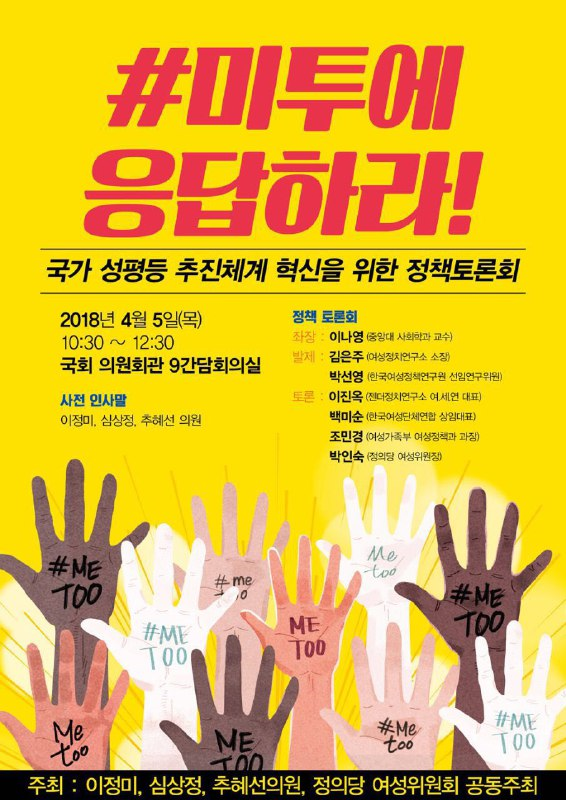
이진옥 젠더정치연구소 여.세.연 대표님이 토론자로 함께 하시는 토론회 소식 공유드립니다. :)

#미투에응답하라!
"국가 성평등 추진체계 혁신을 위한 정책토론회"
-일시: 2018년 4월 5일(목) 10:30 ~ 12:30
-장소: 국회 의원회관 제9간담회의실

좌장: 이나영(중앙대 사회학과 교수)
발제: 김은주(여성정치연구소 소장)
박선영(한국여성정책연구원 선임연구위원)
토론: 이진옥(젠더정치연구소 여.세.연 대표)
백미순(한국여성단체연합 상임대표)
조민경(여성가족부 여성정책과 과장)
박인숙(정의당 여성위원장)


수, 2018/03/28- 11:58
314
0

©Amnesty International/Olga Stefatou

©Amnesty International/Olga Stefatou


시리아 난민 어린이 5명이 거리에서 플라스틱 장난감 총을 갖고 있었다는 이유로 그리스 경찰에게 폭행, 구금되고 옷 벗기를 강요받는 등의 부당대우를 당했다. 이는고 밝힌 것은 매우 우려되는 사건이며 이에 대해 적절한 조사가 이루어져야 할 것이라고 국제앰네스티가 30일 밝혔다.

12세에서 16세 사이의 남자 어린이들은 아테네 시내에서 하는공연되는 연극에 참여하기 위해 소품으로 쓰이는 장난감을 들고 가다 “무장단체 조직원이라는 혐의”로 검문을 받았다.

시리아 난민 어린이 5명이 거리에서 플라스틱 장난감 총을 갖고 있었다는 이유로 그리스 경찰에게 폭행, 구금되고 옷 벗기를 강요받는 등의 부당대우를 당했다.
– 국제앰네스티

존 달후이센(John Dalhuisen) 국제앰네스티 유럽국장은 “이번 사건의 어처구니없는 요소들 때문에, 그리스 경찰이은 구금된 어린이들의 신원을 확인하는 과정에서 인권침해를 저질렀다는 매우 심각하고도 충격적인 의혹이 있다. 이번 사건의 어처구니없는 요소들 때문에 으로부터 주목이 분산되어서는 안 된다.”며 “어린이들을 폭행하고 부당대우를 저질렀다는 의혹이 사실로 밝혀질 경우, 그리스 정부는 적절한 형사적 조치와 징계가 이루어지도록 해야 한다. 또한 경찰관들이 어린이를 상대로 이러한 부당대우를 가한 원인에 인종차별적 인식이 포함되어 있을 가능성에 대해서도 조사해야 한다”고 말했다.

어린이들을 폭행하고 부당대우를 저질렀다는 의혹이 사실로 밝혀질 경우, 그리스 정부는 적절한 형사적 조치와 징계가 이루어지도록 해야 한다. 또한 경찰관들이 어린이를 상대로 이러한 부당대우를 가한 원인에 인종차별적 인식이 포함되어 있을 가능성에 대해서도 조사해야 한다

그리스 경찰은 30일 국제앰네스티에 “사건의 사실관계를 파악하기 위해” “징계조사위원회”를 구성했다고 전했다.

9월 27일 오후 구금된 어린이들은 당시 지역 문화센터에서 시리아 분쟁을 다룬 연극에 참여할 예정이었으며, 의상과 장난감 총을 비닐봉지에 담아 가져가고 있었다.

어린이들을 폭행하고 부당대우를 저질렀다는 의혹이 사실로 밝혀질 경우, 그리스 정부는 적절한 형사적 조치와 징계가 이루어지도록 해야 한다.
– 존 달후이센(John Dalhuisen), 국제앰네스티 유럽국장

그러다 오토바이를 탄 경찰관 4명에게 붙잡혀 검문을 받았고, 경찰관들은 지원을 요청하며 더 많은 경찰을 부르고는 오모노이아 경찰서로 어린이들을 연행했다. 함께 있었던 24세, 21세의 시리아 난민 2명 역시 경찰서로 이송됐다.

어린이들의 담당 변호사인 엘렉트라 코트라는 어린이들이 구금 중 경찰관 2명에게 부당대우를 받고, 언어 폭력을 당했으며 옷을 벗기를 강요당했다고 국제앰네스티에 전했다.

구금된 어린이 중 가장 어린 12세 소년은 속옷을 벗기를 거부하자 벽으로 내동댕이쳐졌다고 말했다.

또 다른 14세 소년은 엄마를 찾았다가 한 경찰관에게 난폭하게 휘둘리고 욕설을 들었다고 말했다. 이 소년의 형제는 무슨 일인지 보려고 뒤를 돌았다가 다른 경찰관에게 목 뒤를 세게 얻어맞았다고 했다.

아테네 도심의 난민 거주지에서 부모와 함께 살고 있었던 어린이들은 경찰 구금시설에에 구금되어 있는 동안 가족에게 연락하는 것이 전혀 허락되지 않았고, 물을 달라고 하자 더러운 화장실의 수돗물을 마시라는 말을 들었다고 한다.

아이들의 수난은 세 번째 경찰관이 방으로 들어와 다른 경찰들에게 그만두라고 하고서야 마침내 끝이 났다.

아이들과 함께 있던 성인 2명은 다른 방에서 취조를 받았으며, 그날 저녁 7명 모두 아무런 혐의 없이 풀려났다.

아이들의 부당대우와 관련해 변호사가 형사 소송을 하려 하자 경찰은 이를 방해했고, 그 뒤 12세 소년이 진술을 하기 위해 다른 경찰서로 보내졌다.

경찰이 유념해야 할 가장 중요한 질문 하나는, ‘만약 그리스 어린이 다섯 명이 아테네 시내에서 장난감 총을 가지고 있었다면 같은 일이 벌어졌을까?’라는 것
– 존 달후이센, 국제앰네스티

그러나 변호사와 소년의 아버지는 참석이 허용되지 않았고, 소년은 증언을 하면서 자신이 부당대우로 고발한 경찰관과 마주해야 했다. 이는 그리스 경찰 규칙에 위배되는 것이다.

존 달후이센 국장은 “경찰에 대한 이 같은 의혹의 심각성은 철저한 조사에 임할 만한 것이며, 만약 사실로 밝혀질 경우 용의 경찰관들에 대한 징계와 형사 고발 절차가 이루어져야 한다”며 “경찰은 이번 의혹과 같은 사건이 다시는 벌어지지 않도록 보장해야 한다. 경찰이 유념해야 할 가장 중요한 질문 하나는, ‘만약 그리스 어린이 다섯 명이 아테네 시내에서 장난감 총을 가지고 있었다면 같은 일이 벌어졌을까?’라는 것이다.

국제앰네스티는 최근 수년 간 그리스 경찰이 가한 부당대우 의혹에 대해 난민과 이주민들의 수많은 증언을 기록한 바 있다.

영어전문 보기

Greece: Syrian refugee children detained for carrying toy guns allegedly ill-treated by police

The alleged ill-treatment of five Syrian refugee children who say they were detained, beaten and forced to strip naked by Greek police for carrying plastic toy guns in the street is a deeply disturbing incident that must be properly investigated, Amnesty International said today.

The children, boys aged between 12 and 16, were seized “on suspicion of being members of an armed group” while they carried the toys as props on their way to perform in a theatre play in central Athens this week.

“The ridiculous elements of this case should not deflect attention from the extremely serious and deeply disturbing nature of the allegations against Greek police officers, who are accused of committing human rights violations against children in their custody during an identity check,” said John Dalhuisen, Amnesty International’s Director for Europe.

“If these allegations of beating and other ill-treatment are shown to be true, the Greek authorities must ensure that criminal and disciplinary proceedings are taken as appropriate. They should also look into whether racial profiling may have played a part in motivating these officers to inflict such ill-treatment on children.”

The police told Amnesty International on Friday that they had begun a “disciplinary inquiry” to “determine the facts of the case”.

The children, who were due to perform in a production about the Syrian conflict at a local cultural centre, were carrying their costumes and toy guns in a carrier bag when they were detained on the afternoon of 27 September.

They were stopped and searched by four police officers on motorbikes, who called more officers for support, before being taken to Omonoia police station. Two other Syrian refugees in their group, aged 24 and 21, were also transferred to the police station with them.

The children’s lawyer, Electra Koutra, told Amnesty International that the children said they were ill-treated in custody, verbally abused and forced to undress by two police officers.

The youngest child, aged 12, said he was thrown against a wall after refusing to remove his underwear.

Another boy, aged 14, said he was violently shaken and sworn at by a police officer after asking for his mother. The boy’s brother, who had turned around to see what was happening, said he was slapped hard on the back of his neck by the other officer.

The children, who live with their parents at a refugee squat in central Athens, said they were not allowed to contact any family members while in police custody and that when they asked for water they were told to drink water from the tap of a filthy toilet.

Their ordeal finally ended when a third police officer entered the room and told the other officers to stop.

The two adults in the group were questioned in another room, before all seven were released without charge later that evening.

After police initially obstructed the lawyer’s attempts to file a criminal lawsuit in respect of the ill-treatment of the boys, the 12-year-old boy was transferred to make his statement at another police station.

However, neither the lawyer nor the boy’s father were allowed to be present, and while giving his statement the child also, in breach of Greek police rules, was faced with the police officer he had accused of ill-treatment.

“The seriousness of these allegations against the police merit a thorough investigation, and if they are found to be true, disciplinary and criminal proceedings must be initiated against the officers suspected of responsibility,” said John Dalhuisen.

“The police must ensure that incidents such as those alleged must never take place. One key question they should ask is, ‘Would this have happened if five Greek children had been found carrying toy guns in the street in Athens’?”

Amnesty International has documented numerous testimonies of refugees and migrants alleging ill-treatment by the Greek police in recent years.


목, 2016/10/06- 13:54
314
0

타지기스탄 대통령 에모말리
라흐몬 © AFP/Getty Images

타지키스탄 정부가 형사사법제도에 정치적으로 개입하고 억압적인 법률을 도입하며 법조계에 중대한 타격을 입히고 있다.

타지키스탄 정부는 정당한 직업 의무를 행사했다는 이유로 처벌하는 등, 국내 변호사들을 위협, 탄압하고 침묵시키기 위해 다수의 억압적 전략을 사용했다. 지난 2년간 변호사 자격 보유자 수는 절반 이하로 급격히 감소했다.

데니스 크리보셰프(Denis Krivosheev) 국제앰네스티 유럽중앙아시아 부국장은 “정부를 비판하는 사람들이 감금되고 독립된 언론이 침묵하는 등 기본적인 자유가 거의 존재하지 않는 국가에서 변호사, 특히 인권변호사들은 권리가 위협받은 사람을 보호하는 데 아주 중요한 역할을 한다”고 했다.

정부의 변호사들을 향한 무자비한 공격으로 변호사 수는 급격히 줄어들었으며 이들의 독립성은 제한됐다. 직업적 의무를 우선시한 사람들에게도 마찬가지였다.

-데니스 크리보셰프(Denis Krivosheev) 국제앰네스티 유럽중앙아시아 부국장

변호사 자격 보유자 수는 2015년 1200명 이상이었으나 현재는 600명에 불과한 수준으로 급감했다.

“극단주의” 혐의로 기소된 고객을 변호한 변호사들은 자신들 역시 보복성 체포를 당하거나 불공정재판에 따른 장기간의 징역형을 받는 등 정부로부터 부당한 박해와 괴롭힘을 받을 위험이 더욱 높아졌다. 변호사 가족들 역시 타지키스탄 정보당국과 지역 정부로부터 괴롭힘과 위협을 당하고 있다.

변호사 부조르그메크르 요로프(Buzurgmekhr Yorov)와 누리딘 마크카모프(Nuriddin Makhkamov)는 2015년 9월, 최근 활동이 금지된 야당인 타지키스탄 이슬람부흥당 소속으로 구금된 당원들을 변호했다. 현재 두 변호사는 테러 관련 혐의로 각각 20년 이상의 징역형을 선고받고, 가족과의 면회도 거의 허용되지 않은 채 교도소에 수감되어 있다.

요로프와 마크카모프가 체포된 후 일부 동료 변호사들이 이들을 변호할 준비를 했다. 변호를 맡은 무아자마콘 카디로바(Muazzamakhon Kadyrova)도 체포될 위험이 임박해 해외로 피할 수밖에 없었다.

타지키스탄 정부는 변호사들을 비롯해 모든 사람의 인권을 존중해야 한다. 타지키스탄의 변호사들은 모두 아무런 방해나 보복의 우려 없이 자신의 직무를 수행할 수 있어야 한다.

월, 2017/05/29- 15:51
313
0