주요 콘텐츠로 건너뛰기

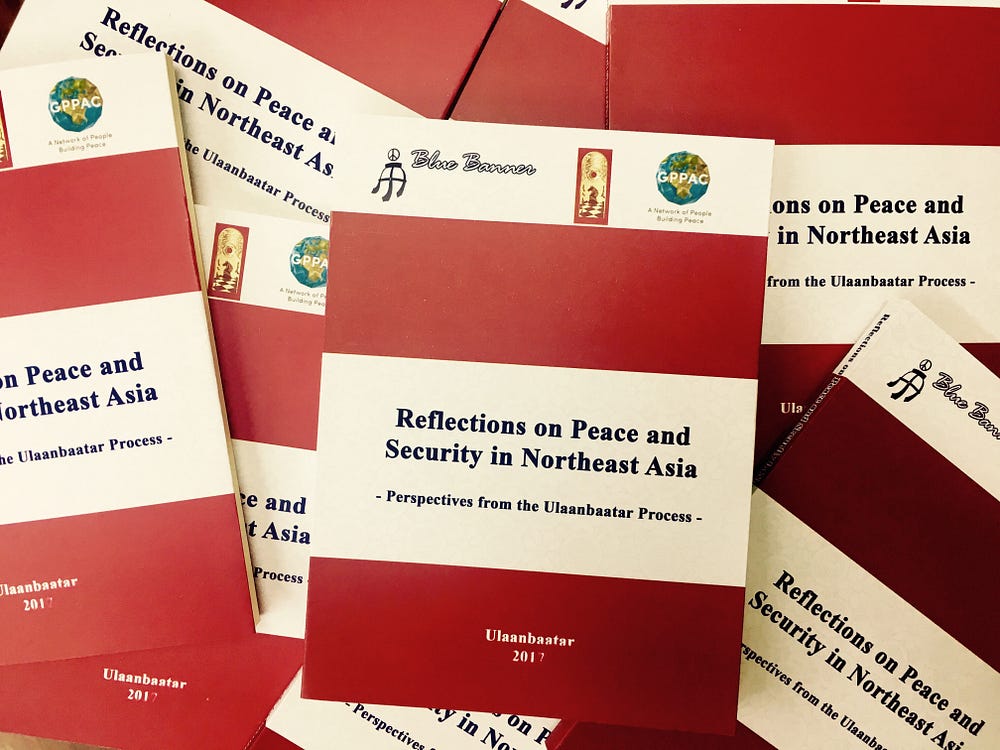
[발간] GPPAC, 「동북아 평화와 안보에 대한 고찰」 펴내

지역

[발간] GPPAC, 「동북아 평화와 안보에 대한 고찰」 펴내

익명 (미확인) | 금, 2017/09/01- 19:33


GPPAC, 동북아 평화와 안보에 대한 시민사회 시각을 담은 책자 발간

‘동북아 평화와 안보에 대한 고찰 – 울란바토르 프로세스의 관점’ 펴내

남‧북‧미‧일‧중‧러‧몽골 7개국 시민사회‧연구자 등의 입장 담겨


보도자료 [원문보기/다운로드]

 
지난 8월 29일 몽골 울란바토르에서 GPPAC(무장갈등 예방을 위한 글로벌 파트너십)은 책자 ‘동북아 평화와 안보에 대한 고찰 – 울란바토르 프로세스의 관점’을 발간했다. 울란바토르 프로세스는 동북아 평화와 안정을 위한 시민사회 주도의 대화체이다. 이번 발간물은 한반도∙동북아가 당면하고 위기와 관련해 울란바토르 프로세스에 참여하고 있는 시민사회 구성원들의 다양한 의견들, 우려와 긴장 그리고 모순 등을 담은 여러 글들을 포함하고 있다. 2017년 8월 29일부터 30일까지 열린 제3회 울란바토르 프로세스 회의를 즈음해 발행되었다. 
 
이번에 발간한 책자 ‘동북아 평화와 안보에 대한 고찰 – 울란바토르 프로세스의 관점’은 동북아의 평화구축이라는 맥락에서 비정부기구들이 당면하고 있는 성과와 과제 뿐만 아니라 역내 핵무기에 대한 논쟁적인 이슈들을, 불안정한 정전체제에 얼어버린 한반도의 최근 안보 상황도 다룬다. 남‧북미‧중‧일‧러‧몽골의 시민사회 대표들로 구성된 울란바토르 프로세스 참가자들이 쓴 글이라는 특징을 가진다. 한국에서는 참여연대 이태호 정책위원장과 평화를 만드는 여성회 안김정애 대표가 집필에 참여했다. 북한에서는 조선평화옹호전국민족위원회(KNPC)의 글이 포함됐다. 


2015년 6월GPPAC이 출범시킨 울란바토르 프로세스는 보다 많은 시민사회 대화와 상호작용을 통해 동북아의 평화와 안정을 위한 조건을 조성하도록 지원하는데 목표를 두고 있다. 이 회의는 GPPAC 동북아와 몽골 NGO인 블루배너가 몽골 외교부의 지원 하에 주관하고 있다.


이번에 열린 제 3회 울란바토르 프로세스 회의는 최근 동북아 상황 특히 한반도 위기와 관련해 시민사회 간의 열린 대화를 가능토록 기회를 제공하였다. 지난 두 차례의 회의 역시 울란바토르에서 개최되었는데 6자회담국과 몽골의 시민사회 대표들이 참석하였다.


 >>>> 발간된 글은 온라인에서 확인할 수 있다. https://medium.com/reflections-on-peace-and-security-in-northeast


‘동북아 평화와 안보에 대한 고찰 – 울란바토르 프로세스의 관점’


목차


들어가며

안젤리 나란드란 (편집자, GPPAC 동북아 사무국) - 울란바토르 프로세스, 대화의 습관 만들기


1장. 동북아 안보와 비핵지대를 향한 비전

엔자이한 잘갈사이칸 (블루배너) – 재앙을 예방하기 :비핵국가의 핵 외교 (몽골의 사례)

아나스타샤 바라니코바 (해양국립대학교) - 동북아비핵지대 그리고 한반도 핵위기의 평화로운 해결

스즈키 타츠지로 (나가사키대학교 핵무기철폐연구센터, RECNA) - 동북아비핵지대를 향한 포괄적인 접근법 : 일본의 핵에 대한 삼중 딜레마 풀기

미약마 도브친 (블루배너) - 핵없는 세계에 대한 몽골의 기여 그리고 핵 에너지 안보의 문제점


2장. 한반도 안보 이슈와 지역 안정에의 영향

이태호 (참여연대) - 남한 정권 교체와 한반도 핵‧미사일 갈등 해결 가능성

루시 로버츠 (미국친우봉사회, AFSC) - AFSC의 동북아 공동안보 비전 : 한반도의 평화와 인간안보 관련 이슈들

수 하오 (중국외교대학교) - 북한의 핵‧전략 무기 개발 관련 중국 역할의 평가와 전망

조선평화옹호전국민족위원회(KNPC) - 동북아의 맥락과 한반도에 지속되는 전쟁 


3장. 동북아 평화구축에서 시민사회 대화와 다자트랙 외교

안김정애 (평화를만드는여성회) - 한반도 안보에 대한 여성들의 관점

니암다바 라브단도르 (블루배너) - 동북아 관계의 최근 상황 : 청년 관점에서

피터 반 투이즐 (GPPAC 전 사무총장) - 동북아 안보 : 동남아의 역할은 무엇인가?

메리 조이스 (GPPAC 동북아, 피스보트) - 대화의 습관 길들이기 : 동북아 평화구축에서 시민사회의 역할 


에필로그

가와사키 아키라 (ICAN, 피스보트) - 핵무기폐기조약과 동북아


문의 참여연대 평화군축센터 02-723-4250 [email protected]


시민들의 의견

댓글 달기

Plain text

  • 웹 페이지 주소 및 이메일 주소는 자동으로 링크로 전환됩니다.
  • 줄과 단락은 자동으로 분리됩니다.
  • 사용할 수 있는 HTML 태그: <a href hreflang> <em> <strong> <cite> <blockquote cite> <code> <ul type> <ol start type> <li> <dl> <dt> <dd>
이미지
무제한 수의 파일을 이 필드에 업로드할 수 있습니다.
50 MB 한계입니다.
허용된 유형: png gif jpg jpeg.
Enter the YouTube URL. Valid URL formats include: http://www.youtube.com/watch?v=1SqBdS0XkV4 and http://youtu.be/1SqBdS0XkV4.
CAPTCHA
스펨 사용자 차단 질문
<div class="xe_content"><h1>참여연대, <국회 통과를 기다리는 국정원 개혁 입법> 이슈리포트 발표 </h1> <h2>14개 개정법률안의 주요 쟁점 분석, 개혁방향으로 ▲국정원 직무범위 세분화 및 수사권 폐지 ▲정치관여 금지, 처벌 강화 ▲국회 통제 강화 ▲예산투명성 강화 등 제시</h2> <h2>20대 국회에서 국정원 개혁법안 반드시 처리해야</h2> <p> </p> <p>오늘(4/2, 화) 참여연대 행정감시센터(소장 이광수 변호사)는 <국회 통과를 기다리는 국정원 개혁 입법_14개 개정법률안의 주요 쟁점과 참여연대 의견> 이슈리포트(총 22쪽)를 발표했습니다. 현재 20대 국회에는 국가정보원(이하 국정원) 개혁을 요구하는 국가정보원법 개정법률안이 14개나 계류 중입니다. 이번 이슈리포트는 ▲직무범위 세분화 및 수사권 폐지, ▲정치관여 금지 및 처벌 강화,  ▲국회통제 강화, 예산투명성 강화 등 국회에 계류 중인 국정원 개정법률안을 분석하고, 각 개혁 방향에 대한 참여연대의 의견을 담았습니다.</p> <p> </p> <p>국정원이 무소불위의 권력기관이 아니라 정보기관의 고유 역할을 하도록 민주적 통제를 강화해야 한다는 주장에 반대하는 사람은 없을 것입니다. 그러나 각론으로 들어가면 자유한국당과 바른미래당은 국정원이 가진 범죄수사권의 이관에 반대하고 있습니다. 더불어민주당 역시 국정원 개혁에 적극적이지 않은 모습입니다. 최근에는 선거제도 개혁과  관련된 패스트트랙법안을 협의하면서 더불어민주당은 협상카드라며 국정원개혁법안을 그 대상에서 제외하기도 했습니다. 이 상태로 20대 국회에서 국정원에 대한 제도적 개혁을 이루지 못한다면, 국정원은 정권과 집권자의 의지에 따라 언제든지 무소불위의 정권보위기관으로 회귀할 수 있습니다.</p> <p> </p> <p>20대 국회에 계류 중인 국정원법 개정법률안을 분석하여 그 세부적인 내용을 살펴봤습니다. 총 14개의 국정원법 개정법률안을 분석한 결과 ▲직무범위 세분화 및 범죄수사권 폐지 내용을 담은 법안은 총 5개(진선미, 천정배, 박홍근, 김병기, 노회찬 의원안), ▲정치관여 금지, 처벌 강화 내용을 담은 법안은 총 8개(진선미, 천정배, 이원욱, 박홍근, 김병기, 노회찬, 이완영, 이은재 의원안)로 확인되었습니다. 또 ▲국회 통제 강화 방안을 담은 법안은 총 10개(김수민, 박찬대, 진선미, 천정배, 박홍근, 김병기, 노회찬, 이완영, 장제원, 이은재 의원안), ▲예산투명성 강화 방안을 담은 법안은 총 9개(김수민, 진선미, 천정배, 김성태, 박홍근, 추미애, 노회찬, 이완영, 이은재 의원안)로 확인되었습니다.  </p> <p> </p> <p>분석결과 국정원 개혁의 필요성에는 여야가 모두 공감하고 있다는 것을 확인할 수 있었습니다. 다만 국정원의 범죄수사권 이관 또는 폐지에는 이견이 있었습니다. 그러나 첫째, 국정원의 직무범위를 축소·세분화하고 둘째, 국정원의 정치관여를 금지하고 처벌을 강화하며 셋째, ‘감찰관’을 신설하고, 국회의 자료제출요구권을 강화하여 국정원 외부 통제를 강화하고, 넷째, 예산을 총액으로 요구하지 못하도록 하는 등 국정원 예산의 투명성을 강화하는 방향에는 일정한 공감대가 형성되어 있었습니다. 이제 국회에 주어진 시간은 1년여입니다. 오랜 논의를 통해 제출된 국정원 개혁법안들이 사장되지 않도록 논의를 서둘러 20대 국회에서 국가정보원 개혁입법을 처리해야 합니다.</p> <p> </p> <p>▶이슈리포트 <a href="https://docs.google.com/document/d/1hCP9j_nv2ryhSeoYZujANbxITXv2kjIDpBM…; rel="nofollow">[보기/다운로드] 국회통과를 기다리는 국정원 개혁입법_14개 개정법률안의 주요쟁점과 참여연대 의견</a></p> <p>▶보도자료 <a href="http://bit.ly/2HRuDGb&quot; rel="nofollow">[원문보기/다운로드]</a></p> <p> </p> <p><iframe src="//e.issuu.com/embed.html#2952507/68841707" style="border:none;width:100%;height:450px;"></iframe></p> <p> </p> <div> </div></div>
화, 2019/04/02- 10:22
2
0
<div class="xe_content"><h1>제10차 한미 방위비분담 특별협정 국회 공청회 진술자료</h1> <p> </p> <h2>제10차 SMA 협정안 이대로 비준동의해서는 안되는 이유</h2> <p> </p> <p style="text-align:right;">박정은 참여연대 사무처장</p> <p> </p> <p> </p> <p>10차 방위비 분담금 특별협정과 이행약정에 대해 정부와 국회 일각에서는 미 측의 주요 요구사항이었던 전략자산 전개비용 등이 포함된 ‘작전지원’ 부문 신설 요청을 철회시킨 것, 박근혜 정부가 이면합의를 통해 군사건설 분야의 예외적 현금지원이 가능하게 한 규정을 폐기한 것, 군수비용으로 지원된 미집행 현물의 이월요건 강화 등을 성과로 내세우고 있음. </p> <p> </p> <p>이는 SMA 협정의 취지와 목적에 부합하지 않는 요구이거나 규정이었기 때문에 당연히 시정되어야 할 사항들이었음. 그러나 SMA 협정과 이행약정을 둘러싼 오랜 문제제기나 우려들이 여전히 해소되지 않은 부분들이 많음. 특히 이행약정에는 지난 9차 협정의 문제점이 제대로 제거되지 않았거나, 미 측이 요구한 작전지원 항목을 대체할 수 있는 조항도 추가되어 있음. 국회 비준동의 이전에 반드시 삭제를 요구하거나 시정해야 할 부분임. </p> <p> </p> <p>SMA의 문제점들은 한미간의 기울어진 협상력에 기인하는 바이기도 하지만, 국회 스스로 제대로 점검하거나 통제하려는 노력이 충분치 않았기 때문임. 한국의 과도한 부담에도 불구하고 미 측이 한국 방어에 한국이 ‘무임승차’하고 있다는 허구적인 주장을 방어하는 가장 좋은 방법은 국회가 민주적 법절차를 통해 통제하고 견인하는 것임. 한미동맹 유지와 지속이라는 명분을 앞세워 미흡하고 잘못된 협정안을 제대로 시정하지 않고 비준동의 하는 일이 더 이상 반복되어서는 안 됨.</p> <p> </p> <h2>연간 5조 원 이상 지원, 막대한 미집행금에도 불구 대폭 인상 </h2> <p>이번 협정안의 가장 큰 문제는 한국이 부담해야 하는 분담금이 또다시 근거 없이 대폭 증액되었다는 것임. 2019년 한 해에만 SMA를 통한 지원액이 1조 389억 원으로 작년 9,602억 원보다 787억 원(8.2%) 증가함. 그러나 비용 증액의 타당한 근거를 찾을 수가 없음.</p> <p> </p> <p>이미 한국은 한 해 1조 원에 달하는 방위비 분담금 외에도 직⋅간접 지원을 통해 매년 5조 원이 넘는 주한미군 주둔 경비를 부담해왔음. (2018. 국방연구원) 반면 미국은 막대한 미집행액을 쌓아두고 이자 수익까지 챙겨왔음. 지난해까지 쌓여 있는 미집행액은 1조 원이 넘음. 군사건설비 불법 전용 등으로 한국이 총사업비의 92%를 부담한 평택 미군기지도 매우 호화롭게 조성되어 기지확장사업은 종료되었음. </p> <p> </p> <p>2018년 말 기준, 군사건설 항목 미집행 현물 지원분은 9,302억원, 비집행 현금 2,884억원(2018년 6월 기준), 군수비용 항목 미집행 현물 지원분은 562억원임. 1조 원을 훨씬 넘는 미집행금이 남아 있는 상태임. 군사건설 분야가 현물지원 체제로 전환됨에 따라 미집행 현금 규모가 2008년 약 1조 1,193억원에서 점차 감소함. 이는 미 측의 천문학적인 증액 요구나, 8.2% 증액해준 이번 협상 결과가 얼마나 불합리한지를 보여줌. 미집행 현금으로 여전히 이자소득이 발생하고 있으며, 이에 대해 한국 정부가 회수 방안을 마련하지 않는 등 아무런 조치를 취하지 않고 있는 것도 문제임. </p> <p> </p> <p>또한 한국의 국방비가 대폭 인상된 만큼 주한미군에 대한 의존도를 줄이고, 그에 따른 분담 비용도 축소되는 것이 마땅함에도 전체 비용이 한국 국방비 인상률을 반영하여 인상된 것은 납득하기 어려움. </p> <p> </p> <p>앞서 국방부는 SMA 협상을 앞두고 주한미군에 대한 직간접지원 규모를 조사, 연구하여 협상에 활용하겠다고 했고, 5조 원 이상 한국이 매년 직간접적으로 지원하고 있음을 확인한 바 있음. 또한 한국이 일본에 비해 병력대비 높은 수준으로 주한미군을 지원하고 있으며, 이는 SMA 협정상 뿐만 아니라 직간접 비용과 지속적/한시적 비용 등 모든 항목에서 높은 지원 규모라는 것이 드러남. 주둔병력 대비 한국인 노동자의 비율도, 건물면적 등 모든 면에서 일본을 추월하고 있음. 한국은 전 세계 유일하게 주한미군의 통신선과 연합C4I 체계 사용비와 KATUSA를 지원하고 있음.</p> <p> </p> <p>이번 협정안이 결코 성과라고 볼 수 없는 이유임. 애초 미국이 부담하게 되어있는 주둔경비를 한국이 지원하도록 한 특별조치로서 SMA 협정이 체결되어 왔음. 미 측의 정보 미공개로 주한미군 경비 전체를 제대로 파악할 수 없는 가운데, 동맹이라는 이름으로 지원금 규모가 이 정도로 계속 증액되는 것을 문제의식 없이 수용해서는 안 됨. </p> <p> </p> <h2>작전지원 항목 신설 대신 이행약정으로 군수 지원 항목에 반영</h2> <p>정부가 미 측의 작전지원 항목 신설 요구를 명시적으로 수용하지 않았지만, 대신 이행약정을 통해 미군의 작전상 일시적 주둔의 경우에도 추가적인 현물 군수지원을 하기로 합의함. 이는 비용 증액의 한 요소가 되고 있음. 협상 내내 분담금 대폭 증액을 요구한 미 측의 의사가 반영된 부분임. </p> <p> </p> <p>미 측이 요구했던 작전지원 항목 신설은 주한미군의 안정적인 주둔을 위한 비용 분담이라는 특별협정의 취지와 목적에 부합하지 않지만, 정부는 미 측의 입장을 고려하여, 이행약정 제5절 제2호에 “주한미군의 상시적 또는 일시적 주둔 지원을 위해”, “기지운영지원의 일부(공공요금 중 전기·천연가스·상수도·하수도 요금, 저장, 위생·세탁·목욕·폐기물 처리 용역)”를 제공하기로 함. 이는 미 측이 애초 요구한 전략자산 전개 비용, 연합훈련 비용, 순환배치 비용 등에 쓰인다는 것을 의미함. 이는 시설과 부지를 공여받아 주둔하는 주한미군만이 아니라 작전상 한국에 들어오는 해외미군의 활동도 지원하겠다는 것으로 해석될 수 있음. </p> <p> </p> <p>이는 SMA 취지에 맞지 않을 뿐만 아니라 향후 해외미군 활동지원 비용 부담으로 이어지고 확대되는 계기가 될 것임. 또한 성주에 배치된 사드도 “한국이 부지만 제공하고 운영유지 비용은 미 측이 부담한다”던 정부의 공언과는 달리 운영유지 비용도 한국이 부담하는 조항으로 이용될 가능성을 배제할 수 없음. 이행약정에서 해당 조항은 반드시 삭제되어야 함. </p> <p> </p> <h2>미 측 군사적 필요에 따른 ‘특정시설’ 건설 지원의 문제점</h2> <p>협정안은 박근혜 정부가 이면합의해 준 바 있는 특정 군사건설 사업에 대한 예외적인 현금 지원 가능 조항을 삭제, 설계·감리비 외에는 모두 현물로 지원하도록 한 점을 강조하고 있음. 이행약정 제4절 제4호에 “특정 시설이 미국의 군사적 소요로 인해 필요하며, 동 목적을 위해 가용한 현금 보유액이 부족하다고 한국 국방부와 주한미군사가 협의를 통해 합의하는 예외적인 경우에만 특정 시설 건설을 위해 비한국 업체 이용이 가능하다”는 조항을 두었음.</p> <p> </p> <p>미 측의 군사적 필요에 따라 미군기지에 건설하는 특정 시설의 성격이 무엇인지 반드시 검토해야 할 사안임. 또한 현금 지원 조항을 삭제했다고 하나, 한국이 설계, 시공감리에 현금을 지원하고, 이를 제외하고 현물을 지원한다는 점에서 크게 달라지지 않았음. 검토보고서가 지적한대로, 가용현금 보유액 부족 여부에 대한 판단은 한국 측이 판단하기 어렵고 미 측의 자체적인 현금 사용계획 등에 따를 수밖에 없음. </p> <p> </p> <p>김경협 의원실이 밝힌대로, 외교부 자체 조사 결과 지난 9차 협정에서 국내 중요시설을 도·감청할 수 있는 정보시설 건설에 현금지원을 할 수 있도록 하는 합의가 국회 비준동의 과정에 보고되지 않은 채 이루어졌음. 10차 협정의 이행약정은 국가 중요시설까지 도·감청할 수 있는 '민감특수정보시설(Sensitive Compartmented Information Facility, SCIF)'을 미군 단독으로 건설하는데, 한국 정부가 공식적으로 설계, 시공감리에는 현금 지원을, 나머지는 현물 지원을 한다는 것임.  </p> <p> </p> <p>한국 국민의 세금으로 여전히 SCIF 사업을 지원할 가능성을 배제할 수 없는 상황에서, 이면합의로 한 현금 지원이 아니기 때문에 방위비 분담금 집행의 투명성을 제고한 것이라고 주장할 수는 없음. 한국이 개입할 수 없고, 경우에 따라 감시를 당할 수 있는 장치를 위한 시설을 미군이 단독으로 건설하는 것이 과연 타당한지, 이에 대한 한국 측의 지원이 타당한지 반드시 점검되어야 함. </p> <p> </p> <p>군사건설 지원에 있어 한국 정부가 사업 선정 단계에서부터 협의할 장치를 두었다고는 하나. 주한미군사령관이 최종 사업들을 선정하는 등 군사건설 계획 수립과 집행에 있어 한국 정부의 개입 없이 전적으로 주한미군 측이 결정하게 되어 있는 점도 짚어야 할 부분임.</p> <p> </p> <h2>협정과 이행약정 연장조항, 국회 비준동의권 배제 가능</h2> <p>협정안 7조는 “이 협정은 당사자의 상호 서면 합의에 의해 연장되지 않는 한, 2019년 12월 31일까지 유효”하다고 밝히고 있음. 이는 2019년 협정이 종료되지 않으면 국회 비준동의와 관계없이 정부의 서면 합의로 연장 가능하다는 것으로, 방위비 분담금 액수 등을 변경할 수 있는 것처럼 해석될 수 있음. 경우에 따라 위헌 소지가 발생할 수 있음. 자동연장에 합의하는 마감 시한 규정도 없어 미국의 일방적인 요구에 끌려다닐 가능성을 배제할 수 없음. </p> <p> </p> <p>또한 이행약정 또한 국회의 동의 여부와 관계없이 “외교경로를 통하여 상호합의에 의해 수정 및 개정” 될 수 있도록 했음. 정부는 특별협정과 이행약정을 함께 국회에 제출하여 투명성을 증진하였다고 주장하고 있는데, 이 말대로라면, 협정안에 담지 못한 미 측의 요구가 반영된 이행약정에 대한 국회의 심사와 동의가 필수적임. 국회 통제 밖에서 한미 당국이 언제든지 이행약정의 수정이나 개정을 가능하게 해서는 안 됨.</p> <p> </p> <p> </p> <p><strong>* 참고자료 : 제10차 한미 방위비분담 특별협정 국회 공청회 자료집 [<a href="https://drive.google.com/file/d/1pAtO9u6b6zrpUVBWsCkP51QdC3gdT0Jn/view?…; rel="nofollow">원문보기 / 다운로드</a>]</strong></p></div>
목, 2019/04/04- 21:36
2
0
한미연합 군사연습 중단! 3.11 평화행진

☮ 적대를 멈추고 평화로!
한미연합군사연습 중단! 
3.11 평화행진 ??‍♀️?‍?????

일시 : 3월 11일(토) 오후 2시
장소 : 서울광장 -> 용산 대통령 집무실 앞
주최 : 정전 70년 한반도 평화행동

한반도 전쟁 위기가 유례 없이 높아진 가운데, 3월 대규모 한미연합군사연습이 예정되어 있습니다.

2월에도 한미연합군사훈련이 연일 고강도로 진행되었고, 북한의 군사훈련도 높은 수위로 계속되고 있습니다. 점점 격해지는 군사적 대결을 보고만 있을 수 없습니다.

더 큰 위기로 이어지기 전에 한미연합군사연습을 중단해야 합니다. 군사적 긴장을 낮추고 다시 대화 여건을 만드는 것이 시급합니다.

평화를 위한 우리의 행동이 절실한 시기입니다.
다가오는 토요일, 3.11 평화행진에 함께 해주세요!


역대급 전쟁위기, 우리의 힘으로 막아야 합니다
전쟁을 말하는 대통령
전쟁연습이 일상이 된 위험한 나라
높아지는 군사적 긴장
격화되는 대결국면
예고된 전쟁위기
군사적 긴장을 낮추고 대화 여건 조성으로
평화를 위한 우리의 행동이 절실합니다
한미연합 군사연습 중단! 3.11평화행진

Korea Peace Appeal

한반도 종전과 평화를 위한 전 세계 서명운동
지금 당신의 참여가 평화를 앞당깁니다 ? endthekoreanwar.net

SNS에서도 만나요. 좋아요, 구독, 팔로우 기다립니다 ?
Facebook · Instagram · Youtube · 카카오톡 · 텔레그램 · Twitter

The post ? 적대를 멈추고 평화로! 3.11 평화행진 appeared first on 참여연대.

금, 2023/03/03- 05:47
1
0

GPPAC calls for an inclusive, people-centered peacebuilding response to the COVID-19 pandemic


6 April 2020


As peacebuilders from around the world, united as the Global Partnership for the Prevention of Armed Conflict (GPPAC), we stand in solidarity with all those affected by the novel coronavirus (COVID-19).


The pandemic is causing physical and psychological suffering, as people and communities experience illness, loss and economic hardship, as well as isolation, fear, and despair. It is not just a challenge to human health, but to human dignity, and the values that we hold dearest as peacebuilders. 


At a time like this, strengthening peacebuilding, human security and global cooperation as well as creating innovative, responsive, inclusive and multilateral conflict prevention strategies is more essential than ever.


We call upon governments, civil society, businesses, communities and individuals to put inclusive peace and human rights at the centre of all responses to the outbreak.


We call for:


  • A global ceasefire, to prevent a multiplication of suffering as the pandemic and armed violence intersect.

  • A unified response, without discrimination, racism, xenophobia and political division; and with protection of vulnerable and marginalised groups, including those now at greater risk of domestic, sexual and gender-based violence.

  • Protection of civic space and human rights, this health crisis must not be used as an excuse to erode them.

  • International solidarity, including economic solidarity, in response to this crisis.  

  • A transformative vision of a post-COVID-19 world, which centres people, prevention, peace, cooperation and human security.


A global ceasefire

We add our voices to the call of UN Secretary-General António Guterres for a global ceasefire. We are dedicated to preventing and ending violent conflict, as its staggering human cost is always unacceptable, and will be further exacerbated by the virus. Its impact will be greatest on societies where healthcare systems have collapsed or are already overburdened by war; on those who are fleeing or living in refugee camps, where physical distancing is near impossible, and access to clean water, good sanitation and healthcare is limited.


As peacebuilders, we are here to help support dialogue and mediation, and to seek a peaceful way forward together. We call for a permanent lockdown on war!


Unity over division

Governments, political, religious and community leaders, media and civil society: Do not allow this pandemic to be used as an excuse for xenophobia, racism, discrimination, stigmatisation, toxic nationalism, or perpetuation of international political divisions. 


No-one is to blame. There is an urgent need for us to come together and work across divides to limit the spread and impact of the virus.


We call on governments to respond to the crisis in a non-discriminatory way, ensuring that support reaches all parts of society, in rural areas and cities, and includes marginalised and vulnerable groups. This includes the protection of those at increased risk of domestic, sexual and gender-based violence; and the protection of health workers. Equally important is the need to ensure that communication surrounding the disease and measures to address it is accurate, equal and accessible, taking into account language, literacy and disabilities, as well as access to communications media.


We encourage regional inter-governmental organisations to convene virtual dialogues and to invite civil society leaders, including women peacebuilders, young people, traditional indigenous leaders and faith community leaders to provide recommendations on response and recovery. Now, more than ever, we need a multi-stakeholder approach.


Protect human rights and civic space

We support temporary measures to slow or halt the spread of COVID-19. However, we call on governments in the strongest possible terms to respect human rights and to not abuse this moment to restrict civil rights and civic space or further militarize communities.


  • Do not violate people’s rights to privacy.

  • Address the spread of hate speech and false health information, but do not broadly restrict freedom of expression and speech and access to information.

  • Do not limit freedom of peaceful assembly any longer than is strictly necessary to halt this virus.

  • Do not use a state of emergency to bypass democratically elected bodies in policy making and legislation unrelated to the disease.

  • If events where civil society ordinarily has a voice are cancelled or taken online, ensure that civil society voices can still be heard.


Any measures taken should be necessary, proportional, and time bound. Emergency powers must have clear limitations and oversight and grievance mechanisms in place.


The UN and regional organizations must work to ensure that the response to the pandemic is progressive, peace-oriented and inclusive rather than authoritarian and exclusive.


As civil society, we are here to help limit the spread of the disease and its consequences: We can help convey accurate information, prevent panic, support community cohesion and assist in humanitarian response. We can contribute to a recovery strategy. We can help assess the human rights and conflict impact of measures taken. Do not silence us.


Solidarity at every level - but don’t divert funding

We stand in solidarity with all those affected around the world. We have seen and applaud beautiful examples of solidarity in communities, in countries and between nations. We call on governments, especially those of wealthy countries, to extend that solidarity across the world.


This pandemic impacts us all. However, in poorer countries the effects will be more intense, multiplied by weaker healthcare systems, malnutrition, lack of access to water, sanitation and information as well as a lack of opportunity for many to stay home without going hungry. The poor will also be hit in wealthy nations, for many of the same reasons.


We call on governments and wealthy nations in particular to address these inequalities on principle, but also because this virus is not restricted or confined by borders or gates: We need a global pandemic “Marshall Plan” to protect people, economies, and our collective future. A unified, coordinated strategy and pooling of resources is needed for just and inclusive recovery. The Sustainable Development Goals (SDGs) provide an integrated framework to help rebuild, and particularly to address the needs of marginalised and vulnerable populations more quickly and comprehensively.


At the same time, we call on donors and donor countries not to divert funds from other issues: it remains as important as ever to build peace, address gender inequality, protect human rights, mitigate the climate crisis, fight hunger, and much more. Instead, lets create new aid packages to halt this pandemic, protect the vulnerable from its economic effects, and bolster healthcare systems around the world. 


Local peacebuilders are first responders. Their work is critical and should be supported. We also call on donors to be flexible in allowing grantees to adjust their programmes to respond to this crisis, and to extend grants as a result of many planned activities having to be postponed.


A moment of opportunity

We have a shared responsibility to shape the world we want to live in once this pandemic has passed. As a community of peacebuilders we have bigger dreams than a return to the pre-pandemic status quo. As humanity, we have a chance:


To end wars and build peace.


To contribute to achieving all the Sustainable Development Goals.


To (re)build the public good and public institutions.


To recommit to international cooperation for the benefit of humankind, and advance reform of the international institutional architecture, including the UN system.


To realise a true shift to prevention – in healthcare, in conflict, in creating healthy environments and more – and the transformative approach societies deserve.


To refocus on what is most important to us.


To protect and expand human rights and civic space.


To show that human instinct leans towards kindness and caring, not hatred and violence.


To support people and the planet over money and markets.


To recognise our critical workers - those in healthcare, teaching, cleaning, food production and more - with better wages and conditions.


To build our collective infrastructures for peace and resilience to this and future challenges.


To be able to look back one day and say: 2020 was the year we chose to change the whole world for the good.


https://gppac.net/news/gppac-calls-inclusive-people-centered-peacebuildi... target="_blank" rel="nofollow">GPPAC website>>
 

수, 2020/04/08- 18:23
1
0

On December 8 2022, in partnership with the Permanent Mission of Mongolia to the United Nations, the Global Partnership for the Prevention of Armed Conflict (GPPAC) organised a roundtable discussion titled Building and Sustaining Peace at the Regional Level: The Network Approach to Regional Coordination in Northeast Asia during an advocacy visit of Ulaanbaatar Process participants to New York City.

This discussion was an informal dialogue to share the learning from the Ulaanbaatar Process with global peacebuilding policy experts within the United Nations, Member States and regional organisations. The conversation outlined critical avenues to support regional peacebuilding coordination in policy and shared practical experiences for practical action. The discussion also outlined persistent challenges of regional peacebuilding coordination, and discussed recommendations to develop solutions to strengthen peacebuilding work in Northeast Asia.

During the roundtable, remarks were shared by Ulziibayar Vangansuren, Permanent Mission of Mongolia to the United Nations; Ambassador Enkhsaikhan Jargalsaikhan, Chair of NGO Blue Banner and former Mongolian Permanent Representative to the UN; Sonja Bachmann, Teamleader Northeast Asia and Pacific, UN Department of Peacebuilding Political Affairs (DPPA); Kajita Natsuha, learning designer and facilitator; Kim Jeongsoo, Standing Representative, Women Making Peace and Hwang Sooyoung, Manager, Centers for Peace and Disarmament and for International Solidarity, People’s Solidarity for Participatory Democracy (PSPD).

Based on the experiences from Northeast Asia, the following key elements build an effective regional peacebuilding architecture:

  • Multi-stakeholder coordination is required and must be based on complementarity among partners.
  • The network approach to peacebuilding must be at the core of regional coordination.
  • Inclusivity is key for effective regional peacebuilding networks.

The following recommendations have thus been identified for the strengthening of the regional peacebuilding mechanisms:  

  • The UN should take a more active convening role to bring together regional actors, the UN, national governments, and civil society, among others, to coordinate actions better and ensure a stronger impact of peacebuilding activities.  Where regional peacebuilding networks play an essential role in building the foundation for regional dialogue, the UN should provide technical and political accompaniment to ensure the commitment to action. 

  • Improved funding mechanisms are needed to support the civil society organizations’ network approach. A network approach creates empowering and equitable spaces for exchanging expertise for more impactful and informed action, sharing resources and access points at various levels, and enabling and supporting communities committed to peace. Donors should reflect on how to improve funding mechanisms to support better civil society organizations engaged in regional peacebuilding networks, allowing them, through effective funding, to fill the gaps in the regional peacebuilding infrastructure. It is crucial to ensure that all regions are fairly represented in the international discussion on peacebuilding and are given international attention, as this also impacts funding availability. 

  • The inclusion of women and youth is key in regional peacebuilding networks and should be supported. Although women are strongly affected by conflicts, they are often excluded from negotiations and peace processes, especially in highly patriarchal contexts. The inclusion of local women within peacebuilding initiatives is essential to ensure that their unique perspectives can have a real impact at the decision-making level. Likewise, the meaningful participation of young people in dialogue on equal terms is essential to achieve and sustain peace. Young people in all their diversities should be considered as drivers for change, and their contributions should be held as relevant and valuable. Donors should prioritise supporting regional peacebuilding dialogues that ensure the meaningful participation of women and youth at all stages of the process.  The UN and its Member States should use their influence and international platforms to  ensure that the unique perspectives of local women and youth peacebuilders are heard and taken into account in the decision-making processes.

This is an article for Global Partnership for the prevention of Armed Conflict (GPPAC) Northeast Asia News, Jan 2023

Summary Document [See/Download]

The post Building and Sustaining Peace at the Regional Level appeared first on 참여연대.

월, 2023/01/30- 15:02
1
0