[보도자료] 한반도·동북아 평화 민간 대화 ‘울란바토르 프로세스’ 발족

한반도·동북아 평화 민간 대화 ‘울란바토르 프로세스’ 발족
몽골 정부·시민사회 제안으로 남·북·중·미·러·일 시민사회 ‘6+1 대화’ 시작
역내 군사적 긴장 해소하고 대화 물꼬 트기 위한 민간대화 착수
한반도·동북아 평화를 위한 민간 대화, ‘울란바토르 프로세스(Ulaanbaatar Process)’가 발족했다. 이 프로세스에는 남한과 북한을 포함해 6자 회담 국가들인 중국, 일본, 러시아, 미국 그리고 몽골의 시민사회 인사들이 참여한다. 남한 시민사회단체로는 참여연대와 평화를만드는여성회가 참여했다.
울란바토르 프로세스는‘무장갈등 예방을 위한 글로벌 파트너십(Global Partnership for the Prevention of Armed Conflict, GPPAC)’ 동북아시아 위원회 주최로 2015년 6월 23일부터 24일까지 양일간 몽골에서 개최된 ‘울란바토르 프로세스 - 동북아 평화와 안정을 위한 시민사회 대화’회의의 결과로 발족이 결정됐다. 역내에 군사적 긴장이 갈수록 고조되고 있지만 평화와 안정을 위한 제도적 장치는 부재하다는 점에서 지역 내 시민사회 간 대화를 강화하기 위해 추진된 것이다. 이번 회의의 가장 중요한 결과는 향후 울란바토르 프로세스를 통해 한반도 평화, 동북아비핵지대 건설, 그리고 이러한 목표들을 달성하기 위하여 여성의 역할 강화를 포함한 시민사회의 역할 등의 이슈들에 대해 우선순위를 두고 대화를 이어가겠다는 계획을 세운 것이다.
동북아 평화를 위한 민간대화 프로세스(트랙2)가 몽골 울란바토르에서 열리게 된 것은 몽골이 그동안 동북아시아에서 고유의 전략적 역할을 맡아왔기 때문이다. 몽골 정부는 6자 회담국들은 물론 역내 다른 국가들과도 우호적인 외교관계를 가지고 있으며 유엔이 인정한 비핵지대 국가로서 이 지역 내 국가들 간 대화의 가교 역할을 해 왔다. 몽골 정부는 이미 2007년, 2010년, 2014년에도 역내 핵 위협을 줄이기 위한 시민사회 간 대화를 지지한다는 취지에서 울란바토르에서 GPPAC 동북아 지역 회의를 주최하도록 지원한 바 있다.
두 번째 ‘울란바토르 프로세스’ 트랙2 대화는, 트랙1(정부간) 또는 트랙1.5(반관반민) 대화를 포함해 현재 진행 중인 다른 프로세스들에 상호보완적 성격을 강화하고 역내 대화를 보다 심화시키는 방향으로 2016년에 개최될 예정이다. 한국 시민사회는 민간 주도의 울란바토르 프로세스가 향후 한반도 나아가 동북아 지역의 평화와 안정을 강화하는데 적절한 대화의 기회와 장소를 제공하게 될 것을 기대하는 바이다.
<2015 울란바토르 프로세스 개요>
회의명 : 울란바토르 프로세스 – 동북아 평화와 안정을 위한 시민사회 대화
일시 및 장소 : 2015년 6월 23~24일, 몽골 울란바토르
주최 : GPPAC 동북아시아 위원회
주관 : 블루배너(Blue Banner), 피스보트(Peace Boat)* 블루배너는 몽골의 대표적인 평화운동 NGO이며 GPPAC 울란바토르 포컬포인트를 맡고 있음. 피스보트는 일본 평화운동 NGO이며 GPPAC 동북아시아 위원회 사무국을 맡고 있음.
* 울란바토르 프로세스에는 GPPAC 동북아 회원단체(베이징-중국, 도쿄-일본, 평양-북한, 서울-한국, 블라디보스토크-러시아)와 GPPAC 북미 회원단체(워싱턴-미국)가 참여함.
* 몽골 정부는 지난해부터 동북아시아 트랙1.5 대화인‘울란바토르 다이알로그(Ulaanbaatar Dialogue)를 개최하고 있음. 올해는 동북아 전통적 안보와 비전통적 안보 이슈, 에너지 및 교통 협력에 관한 주제로 6월 25~26일 양일간 몽골 외교부에서 진행했음.


무장갈등예방을위한글로벌파트너십(Global Partnership for the Prevention of Armed Conflict, GPPAC)이란?
- 설립배경 : 2003년 설립. 2001년 무장갈등 예방 보고서를 작성하면서 시민사회와 소통했던 코피 아난 전 유엔 사무총장이 갈등 예방과 평화 구축에 있어 글로벌 네트워크의 필요성을 절감하고 설립을 지지함.
- 설립목적 : 지역사회(local), 국가(national), 지역(regional), 글로벌 평화와 안보를 위해 활동하는 시민사회와 정부, 유엔, 그 밖의 역내 기관들 간 네트워크 강화를 위해 설립.
- GPPAC 지역 모임과 회원 구성• 지역 : 중앙·서아프리카, 남아프리카, 중남미, 북미, 남아시아, 태평양, 동남아시아, 동북아시아, 중앙아시아, 중동·북아프리카, 동유럽, 카프카스(구소련일부), 서발칸지역, 북·서유럽 등 총 15개 지역
• 동북아시아 위원회 : 베이징, 홍콩, 도쿄, 교토, 서울, 상하이, 타이페이, 울란바토르, 블라디보스토크 등을 기반으로 한 시민사회단체들로 구성
* GPPAC은 국가가 아닌 도시기반으로 멤버십 구성함. GPPAC 평양은 옵저버로 참여를 시작해 현재 GPPAC 동북아지역 회원으로 참여
* GPPAC 서울에는 참여연대, 평화를만드는여성회, 아리(ARI), 동북아지역평화구축훈련센터(NARPI)가 회원단체로 활동하고 있음.
2015 울란바토르 프로세스 참가자 (이름, 소속, 지역)
○ 몽골 (울란바토르 포컬포인트)
엔자이칸 잘갈사이칸 / 블루배너(Blue Banner), 몽골 울란바토르
미약마르 도브친 / 블루배너(Blue Banner), 몽골 울란바토르
알타 누그소이 / 블루배너(Blue Banner), 몽골 울란바토르
갈산 세리터 / 블루배너(Blue Banner), 몽골 울란바토르○ 미국
린다 루이스 / 미국친우봉사회(AFSC) 북한 프로그램, 중국 대련
존 필슨 / 평화구축연맹(Alliance for Peacebuilding), 미국 워싱턴○ 중국
런 위안즈 / 중국 외교학원(China Foreign Affairs University), 중국 베이징
롱 지앙원 / 중국 NGO 협력협회(CANGO), 중국 베이징○ 러시아
아나스타샤 바라니코바 / 네벨스코이 국립해양대학교(Maritime State University), 러시아 블라디보스토크○ 일본
요시오카 타츠야 / GPPAC 동북아 사무국-피스보트, 일본 동경
카와사키 아키라 / GPPAC 동북아 사무국-피스보트, 일본 동경○ 북한
오룡일 / 조선평화옹호전국민족위원회(KNPC), 북한 평양
김정훈 / 조선평화옹호전국민족위원회(KNPC), 북한 평양○ 남한
이태호 / 참여연대, 한국 서울
이미현 / 참여연대, 한국 서울
정경란 / 평화를만드는여성회, 한국 서울○ 사무국 대표
피터 반 투이즐 / GPPAC 글로벌 사무국, 네덜란드 헤이그
자히드 모블라자데 / GPPAC 글로벌 사무국, 네덜란드 헤이그
메리 조이스 / GPPAC 동북아 사무국-피스보트, 일본 동경
안젤리 나란드란 / GPPAC 동북아 사무국-피스보트, 일본 동경
[영문 보도자료] Launch of the Ulaanbaatar Process for dialogue and Peace in Northeast Asia
The inaugural meeting of the Ulaanbaatar Process took place in Mongolia from 23-24 June, 2015. It gathered peace activists and experts from China, Japan, the Democratic People’s Republic of Korea, the Republic of Korea, Russia, the United States of America and Mongolia for a 2-day open and frank discussion on Northeast Asian peace and security issues and the role that civil society can play in addressing them.
Initiated by the Global Partnership for the Prevention of Armed Conflict (GPPAC), such a civil society dialogue process was first proposed by GPPAC's Northeast Asia regional network at its inception in 2005. With the aim of supporting the creation of peace and stability throughout a Northeast Asia charged with fierce rhetoric, steeped in fear of military escalation, and lacking institutional mechanisms for peace and security, the Ulaanbaatar Process is uniquely positioned to serve as an effective regional Track 2 dialogue among civil society from throughout the region, including from all member states of the Six Party Talks.
Central to the Ulaanbaatar Process is the emerging strategic role of Mongolia within the Northeast Asian context. A UN-recognized single-state Nuclear-Weapon-Free Zone with friendly diplomatic relations with all Six Party Talk states and the rest of the region, Mongolia plays a significant and unique role to facilitate for this regional dialogue. The Mongolian government has supported GPPAC by hosting regional GPPAC meetings in 2007, 2010 and 2014 in Ulaanbaatar, focusing on issues including reducing nuclear threats through regional dialogue. GPPAC’s Ulaanbaatar Focal Point, the NGO Blue Banner, shares the responsibilities of coordination of the process with GPPAC Northeast Asia.
The inaugural meeting of the Ulaanbaatar Process saw constructive debate and knowledge-sharing on issues of concern to the entire region, including the creation of a Northeast Asian Nuclear Weapon Free Zone, the replacement of the Korean War armistice with a permanent peace treaty and the role that the women and men of civil society can continue to play in helping achieve these goals. A major outcome of the meeting is a work-plan for the Ulaanbaatar Process in the months and years to come.
The second Ulaanbaatar Process meeting is planned to be held in 2016 to deepen dialogue while seeking greater complementarity with other ongoing processes, including Track 1 or 1.5 dialogues. The civil society driven Ulaanbaatar Process seeks to offer a safe space and venue in which to reflect on how civil society can be strengthened and best contribute to the peace and security of the Northeast Asian region.


 6.15 남측위와 한반도 종전 평화 캠페인은 올해 정전협정 체결 70년을 맞아 <(가) 2023 정전 70년, 한반도 평화행동>을 시작할 것을 제안하며, 평화를 원하는 모든 시민들께서 함께 해주실 것을 요청합니다.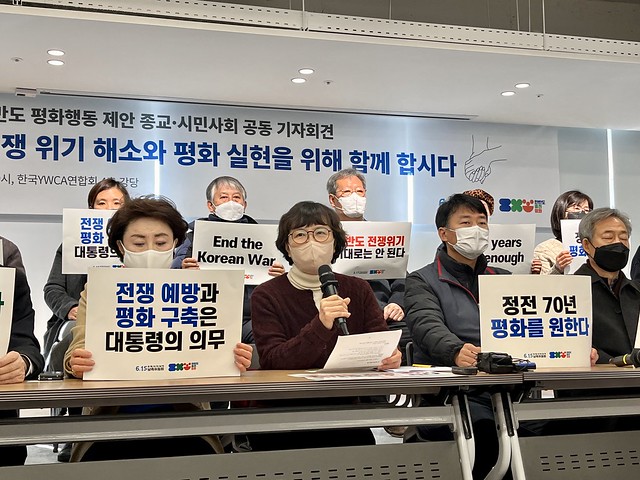

 한반도 전쟁 반대와 평화 실현을 위한 집중 서명운동


 2023년6월 27일 세계경제포럼은 중국이 오랜 시간 동안 세계무역기구에서 결의한 유해수산보조금 철폐 정책(World Trade Organization agreement for ocean sustainability)에 동의했다는 소식을 전했다. 유해수산보조금의 대상은 공해와 연근해 그리고 타국의 수역에서 진행하는 조업행위에 지원된다. 국제 시민사회와 학자가 20여 년 전 해양 생물 개체수를 저감하는 유해수산보조금 문제를 인지했고, 세계무역기구에 유해수산보조금에 문제를 다뤄 달라고 요구가 지금의 논의를 끌어내고 있다. 다른 시각으로 본다면 유해수산보조금에 대한 문제가 제기되고도 20년간 해결책 없이 계속 논의만 진행되고 있다는 얘기기도 하다. 세계무역기구는 작년 6월 12일 제네바에서 유해수산보조금 문제에 대해 부분적으로 유해수산보조금을 지급하지 말자는 협상을 진행했다. 협상 내용은 유류비와 다른 보조금이 빠진 불법⋅비보고⋅비규제(IUU) 어업과 남획에만 한정한 유해수산보조금이라 세계무역기구에서 규정하는 보조금에 대한 정의를 규정하자는 의견이 나올 것으로 예상한다. 다른 협정과 마찬가지로 유해수산보조금에 대한 결의가 세계무역기구 협정에 포함된다고 하더라도 시행까진 상당한 시간이 걸릴 것이다. 협정의 내용을 국내법으로 가져오는 절차와 유해수산보조금 지급에 해당하는 불법⋅비보고⋅비규제(IUU) 어업과 남획 대상을 규정하고 인과관계를 찾는 데 상당한 시간이 소요될 것이기 때문이다. 세계무역기구는 2025년 2월 모든 보조금 금지에 대한 협상을 재개한다.
유해수산보조금 철폐 결의 수용한 중국
각국의 국내총생산(GDP) 순위를 보면 육지와 해양환경에 큰 영향을 주는 국가 그룹을 묶어볼 수 있다. 물론 환경을 보전하는데 강력한 법과 제도가 있는 예외적인 국가가 국내총생산 순위에서 눈에 띄기도 하지만, 나라 대다수는 이름만 들으면 절로 동의하는 나라다. 총생산량이 증가하기 위해선 많은 산업시설과 사회기반시설이 충족해야 하기 때문이고, 이 조건을 충족하기 위해선 육상이나 해상 생태계에 치명적인 영향을 줄 수밖에 없기 때문이다. 국내총생산량 상위 15개국을 순위별 나열하면 미국, 중국, 일본, 독일, 인도, 영국, 프랑스, 러시아, 캐나다, 이탈리아, 브라질, 호주, 한국, 멕시코, 스페인의 순서다. 국제사회에선 경제 대국 반열에 속한 나라 중 중국과 러시아를 세계무역기구 유해수산보조금 철폐 결의에 동의하게 만드는 일이 어려울 것이라 예상했다. 한국과 일본은 중국과 러시아라는 그림자 속에 눈치를 보고있으리라는 것도 함께 예상한 일이었다. 그런데 중국이 결단을 내렸다.
예상과 다르게 중국은 천진에서 진행한 세계경제포럼 제14차 연례 회의에서 중국 정부가 해양의 지속가능성을 위한 무역협정을 수용했다고 밝혔다. 중국이 앞으로 어떤 조치를 세부적으로 취할지 지켜봐야 하지만, 바다를 배경으로 활동하는 활동가들은 중국의 선택이 세계무역기구의 164개 회원국에게 유해수산보조금 철폐 결의에 동의하게 하는 데 도움을 줄 것인지 각국 정부의 행동을 지켜보고 있다. 중국의 결의안 수용은 우리나라와 세계 활동가 네트워크에게 예상하지 못한 놀라움과 유해수산보조금 철폐에 대한 희망마저 주고 있다. 세계 수산물 생산 대국으로 불리는 중국이 세계무역기구의 결정을 쉽게 따르지 않을 것이라고 예상했기 때문이다. 2020년 국제연합식량농업기구(FAO)에 등록된 중국의 선박은 564,000척에 달한다. 많은 어업국이 중국의 유류보조금과 유해수산보조금 지원 정책을 핑계로 각국의 유해수산보조금 사업의 철폐를 미뤄오고 있었다. 우리나라도 같은 상황이다. 해양생태계의 재자연화를 위한 정책을 제안하면 어업과 관련한 이해관계자는 중국의 정책과 비교했을 때 손해가 크기 때문에 우리는 할 수 없다는 게 주된 변명이었다. 많은 나라에 거대한 핑곗거리를 제공하던 중국 정부가 전과 다른 모습으로 유해수산보조금 철폐 결의를 수용했기 때문이다.
유해수산보조금과 수산제도의 현실화
유해수산보조금은 세금을 통해 어업 강도를 유지하는 비용으로 볼 수 있다. 국제사회에서 언급되는 가장 큰 예는 유류보조금이다. 유류보조금이 지급되지 않으면 조업을 해도 손실이 발생하는 어업이 존재한다. 경제적 손해가 예상되는 어업에 보조금을 지급해 억지로 조업을 유지하고 있는 사례가 발생하고 있다. 유류보조금이 없이 순익이 발생하지 않는다는 건 해양 생물의 개체수가 대폭 감소했다고 추측할 수 있다. 해양생물의 감소 중 가장 큰 원인은 인간 활동에 의한 간섭이다. 또, 해양생물에 영향을 주는 인간 활동의 간섭 중 하나는 강도 높아진 어업이다.
[caption id="attachment_234124" align="aligncenter" width="800"]
2023년6월 27일 세계경제포럼은 중국이 오랜 시간 동안 세계무역기구에서 결의한 유해수산보조금 철폐 정책(World Trade Organization agreement for ocean sustainability)에 동의했다는 소식을 전했다. 유해수산보조금의 대상은 공해와 연근해 그리고 타국의 수역에서 진행하는 조업행위에 지원된다. 국제 시민사회와 학자가 20여 년 전 해양 생물 개체수를 저감하는 유해수산보조금 문제를 인지했고, 세계무역기구에 유해수산보조금에 문제를 다뤄 달라고 요구가 지금의 논의를 끌어내고 있다. 다른 시각으로 본다면 유해수산보조금에 대한 문제가 제기되고도 20년간 해결책 없이 계속 논의만 진행되고 있다는 얘기기도 하다. 세계무역기구는 작년 6월 12일 제네바에서 유해수산보조금 문제에 대해 부분적으로 유해수산보조금을 지급하지 말자는 협상을 진행했다. 협상 내용은 유류비와 다른 보조금이 빠진 불법⋅비보고⋅비규제(IUU) 어업과 남획에만 한정한 유해수산보조금이라 세계무역기구에서 규정하는 보조금에 대한 정의를 규정하자는 의견이 나올 것으로 예상한다. 다른 협정과 마찬가지로 유해수산보조금에 대한 결의가 세계무역기구 협정에 포함된다고 하더라도 시행까진 상당한 시간이 걸릴 것이다. 협정의 내용을 국내법으로 가져오는 절차와 유해수산보조금 지급에 해당하는 불법⋅비보고⋅비규제(IUU) 어업과 남획 대상을 규정하고 인과관계를 찾는 데 상당한 시간이 소요될 것이기 때문이다. 세계무역기구는 2025년 2월 모든 보조금 금지에 대한 협상을 재개한다.
유해수산보조금 철폐 결의 수용한 중국
각국의 국내총생산(GDP) 순위를 보면 육지와 해양환경에 큰 영향을 주는 국가 그룹을 묶어볼 수 있다. 물론 환경을 보전하는데 강력한 법과 제도가 있는 예외적인 국가가 국내총생산 순위에서 눈에 띄기도 하지만, 나라 대다수는 이름만 들으면 절로 동의하는 나라다. 총생산량이 증가하기 위해선 많은 산업시설과 사회기반시설이 충족해야 하기 때문이고, 이 조건을 충족하기 위해선 육상이나 해상 생태계에 치명적인 영향을 줄 수밖에 없기 때문이다. 국내총생산량 상위 15개국을 순위별 나열하면 미국, 중국, 일본, 독일, 인도, 영국, 프랑스, 러시아, 캐나다, 이탈리아, 브라질, 호주, 한국, 멕시코, 스페인의 순서다. 국제사회에선 경제 대국 반열에 속한 나라 중 중국과 러시아를 세계무역기구 유해수산보조금 철폐 결의에 동의하게 만드는 일이 어려울 것이라 예상했다. 한국과 일본은 중국과 러시아라는 그림자 속에 눈치를 보고있으리라는 것도 함께 예상한 일이었다. 그런데 중국이 결단을 내렸다.
예상과 다르게 중국은 천진에서 진행한 세계경제포럼 제14차 연례 회의에서 중국 정부가 해양의 지속가능성을 위한 무역협정을 수용했다고 밝혔다. 중국이 앞으로 어떤 조치를 세부적으로 취할지 지켜봐야 하지만, 바다를 배경으로 활동하는 활동가들은 중국의 선택이 세계무역기구의 164개 회원국에게 유해수산보조금 철폐 결의에 동의하게 하는 데 도움을 줄 것인지 각국 정부의 행동을 지켜보고 있다. 중국의 결의안 수용은 우리나라와 세계 활동가 네트워크에게 예상하지 못한 놀라움과 유해수산보조금 철폐에 대한 희망마저 주고 있다. 세계 수산물 생산 대국으로 불리는 중국이 세계무역기구의 결정을 쉽게 따르지 않을 것이라고 예상했기 때문이다. 2020년 국제연합식량농업기구(FAO)에 등록된 중국의 선박은 564,000척에 달한다. 많은 어업국이 중국의 유류보조금과 유해수산보조금 지원 정책을 핑계로 각국의 유해수산보조금 사업의 철폐를 미뤄오고 있었다. 우리나라도 같은 상황이다. 해양생태계의 재자연화를 위한 정책을 제안하면 어업과 관련한 이해관계자는 중국의 정책과 비교했을 때 손해가 크기 때문에 우리는 할 수 없다는 게 주된 변명이었다. 많은 나라에 거대한 핑곗거리를 제공하던 중국 정부가 전과 다른 모습으로 유해수산보조금 철폐 결의를 수용했기 때문이다.
유해수산보조금과 수산제도의 현실화
유해수산보조금은 세금을 통해 어업 강도를 유지하는 비용으로 볼 수 있다. 국제사회에서 언급되는 가장 큰 예는 유류보조금이다. 유류보조금이 지급되지 않으면 조업을 해도 손실이 발생하는 어업이 존재한다. 경제적 손해가 예상되는 어업에 보조금을 지급해 억지로 조업을 유지하고 있는 사례가 발생하고 있다. 유류보조금이 없이 순익이 발생하지 않는다는 건 해양 생물의 개체수가 대폭 감소했다고 추측할 수 있다. 해양생물의 감소 중 가장 큰 원인은 인간 활동에 의한 간섭이다. 또, 해양생물에 영향을 주는 인간 활동의 간섭 중 하나는 강도 높아진 어업이다.
[caption id="attachment_234124" align="aligncenter" width="800"] 유해수산보조금 철폐 결의를 수용한 국가 지도[/caption]
우리나라의 수산업법이 일제 강점기 일본의 수산업법에서 시작하다 보니 그동안 발전한 어선의 마력, 강도가 높아진 그물, 어군 탐지 능력, 가벼워진 선체 등 다양한 기술 발전을 법령이 따라가지 못하는 것이 현실이다. 일본은 2020년 태평양 전쟁 당시 만들었던 수산업법을 개정했다. 우리나라도 2021년 수산업법 전부 개정안을 통과했지만, 법령과 현실은 아직도 상당한 거리와 괴리가 있다. 강도 높은 어업으로 파괴된 해양생태계를 재자연화할 수 있는 법령으로 변경하기에 정부의 태도는 어업 이해관계자를 설득할 자신이 없는 것처럼 소극적으로 보인다. 정부가 개정안에서 어구 관리와 어구 보증금에 관한 근거법령을 남긴 건 작게나마 환영할 부분이었다.
[caption id="attachment_234118" align="aligncenter" width="562"]
유해수산보조금 철폐 결의를 수용한 국가 지도[/caption]
우리나라의 수산업법이 일제 강점기 일본의 수산업법에서 시작하다 보니 그동안 발전한 어선의 마력, 강도가 높아진 그물, 어군 탐지 능력, 가벼워진 선체 등 다양한 기술 발전을 법령이 따라가지 못하는 것이 현실이다. 일본은 2020년 태평양 전쟁 당시 만들었던 수산업법을 개정했다. 우리나라도 2021년 수산업법 전부 개정안을 통과했지만, 법령과 현실은 아직도 상당한 거리와 괴리가 있다. 강도 높은 어업으로 파괴된 해양생태계를 재자연화할 수 있는 법령으로 변경하기에 정부의 태도는 어업 이해관계자를 설득할 자신이 없는 것처럼 소극적으로 보인다. 정부가 개정안에서 어구 관리와 어구 보증금에 관한 근거법령을 남긴 건 작게나마 환영할 부분이었다.
[caption id="attachment_234118" align="aligncenter" width="562"] 2023년 8월 30일 현재, WTO 유해수산보조금 철폐 결의를 수용한 국가 ©WTO[/caption]
결의가 세계무역기구 협정에 포함되기 위해선 164개국의 2/3국인 109개국이 결의에 동의해야 한다. 오늘 8월 19일까지 지난 6월 불법⋅비보고⋅비규제(IUU) 어업과 남획에 대한 유해수산보조금 철폐 결의에 동의한 국가는 스위스, 싱가포르, 세이셜, 미국, 캐나다, 아이슬랜드, 아랍에미래이트, 유럽연합, 나이지리아, 벨리즈, 중국, 일본, 가봉, 페루, 우크라이나 순이다. 중국이 결의안을 수용한 후 일본이 일주일 만에 세계무역기구의 결정을 따라 수용하면서 동북아시아권에선 우리나라만 이 결의에 동의하지 않고 있는 나라가 됐다. 중국의 WTO 수산 유해수산보조금 중단 결의는 장기적으로 우리나라를 포함한 세계 각 어업국의 정책에 많은 영향을 줄 것으로 판단된다.
앞으로 한국 정부의 움직임에 귀추가 주목된다. 우리나라는 세계 유해수산보조금 지급국 상위 15개국 안에 들어있기 때문이다. 정확히는 상위 15개 유해수산보조급 지급국 중 우리나라는 중국, 일본에 이어 세 번째에 이름을 올렸다. 우리나라 유해수산보조금 총액은 14.996억 달러로 한화 약 2조가 넘는 금액이다. 이 중 배타적경제수역을 포함하는 관할수역 내에서 사용된 유해수산보조금은 13억2천억 달러로 전체 금액의 88%에 달한다. 캐나다 브리티시 컬럼비아 대학교는 세계 유해수산보조금의 20%에서 37%가 공해나 관할수역 외곽지역에서의 어업에 지원된다고 밝히고 있다. 바다에서 해양생물이 회유하는 동안 국경의 간섭을 받지 않지만, 이동하는 해양생물을 목적으로 어선이 따라가며 포획할 때 생기는 생태적 영향은 결국 모든 국가의 연근해 관할수역 생물까지 영향을 끼치게 될 것이다.
세계무역기구의 유해수산보조금의 범위가 불법⋅비보고⋅비규제(IUU) 어업과 남획에 한정돼 높아진 어업 강도를 고려한 유해수산보조금의 철폐를 요구해야 한다.
유해한 보조금 대신 유익한 보조금으로
해양생태계에 유익하게 작용하는 보조금이 있다. 한 예로 해양보호구역을 보전하는 비용이다. 법으로 지정한 해양보호구역은 인간 간섭을 최소화해서 해양생태계를 복원할 목적으로 지정한다. 실제로 영국의 라임베이 해양보호구역, 미국의 파파하노모쿠아키아 해양보호구역은 법적 지정후 영국 바다와 태평양에 직접적인 해양생물 개체수 증가에 영향을 줬다고 연구됐다. 파파하노모쿠아키아 해양보호구역은 세계에서 가장 큰 어업금지 구역으로 2006년에 지정됐다. 2016년 오바마 대통령 정부에 의해 그 규모를 넓힌 해양보호구역은 스페인 영토 세 배에 달했다. 2022년 10월 20일 사이언스지에 게재된 파파하노모쿠아키아와 관련된 논문에는 어업금지 해양보호구역의 넘침효과(Spillover effect)를 통해 태평양 황다랑어의 개체수가 54% 증가하고 눈다랑어 개체수가 12%가 증가하는 데 영향을 끼쳤다고 밝혔다. 비단 다랑어류 뿐 아니라 모든 어종 개체수의 8%가 증가하게 했다는 주장했다. 장기적 관점에서 인류와 해양생태계가 서로 공존할 수 있는 환경을 만들기 위해선 생태계에 유해한 보조금을 폐지하고 해양생태계가 재자연화할 수 있는 유익한 보조금으로 변화해야 한다. 인간 간섭을 없앤 해양보호구역의 확대는 해양생태계와 생물다양성을 건강하게 유지하고 인류와 해양생물의 공존점을 만들어 낼 것으로 기대한다.
2023년 8월 30일 현재, WTO 유해수산보조금 철폐 결의를 수용한 국가 ©WTO[/caption]
결의가 세계무역기구 협정에 포함되기 위해선 164개국의 2/3국인 109개국이 결의에 동의해야 한다. 오늘 8월 19일까지 지난 6월 불법⋅비보고⋅비규제(IUU) 어업과 남획에 대한 유해수산보조금 철폐 결의에 동의한 국가는 스위스, 싱가포르, 세이셜, 미국, 캐나다, 아이슬랜드, 아랍에미래이트, 유럽연합, 나이지리아, 벨리즈, 중국, 일본, 가봉, 페루, 우크라이나 순이다. 중국이 결의안을 수용한 후 일본이 일주일 만에 세계무역기구의 결정을 따라 수용하면서 동북아시아권에선 우리나라만 이 결의에 동의하지 않고 있는 나라가 됐다. 중국의 WTO 수산 유해수산보조금 중단 결의는 장기적으로 우리나라를 포함한 세계 각 어업국의 정책에 많은 영향을 줄 것으로 판단된다.
앞으로 한국 정부의 움직임에 귀추가 주목된다. 우리나라는 세계 유해수산보조금 지급국 상위 15개국 안에 들어있기 때문이다. 정확히는 상위 15개 유해수산보조급 지급국 중 우리나라는 중국, 일본에 이어 세 번째에 이름을 올렸다. 우리나라 유해수산보조금 총액은 14.996억 달러로 한화 약 2조가 넘는 금액이다. 이 중 배타적경제수역을 포함하는 관할수역 내에서 사용된 유해수산보조금은 13억2천억 달러로 전체 금액의 88%에 달한다. 캐나다 브리티시 컬럼비아 대학교는 세계 유해수산보조금의 20%에서 37%가 공해나 관할수역 외곽지역에서의 어업에 지원된다고 밝히고 있다. 바다에서 해양생물이 회유하는 동안 국경의 간섭을 받지 않지만, 이동하는 해양생물을 목적으로 어선이 따라가며 포획할 때 생기는 생태적 영향은 결국 모든 국가의 연근해 관할수역 생물까지 영향을 끼치게 될 것이다.
세계무역기구의 유해수산보조금의 범위가 불법⋅비보고⋅비규제(IUU) 어업과 남획에 한정돼 높아진 어업 강도를 고려한 유해수산보조금의 철폐를 요구해야 한다.
유해한 보조금 대신 유익한 보조금으로
해양생태계에 유익하게 작용하는 보조금이 있다. 한 예로 해양보호구역을 보전하는 비용이다. 법으로 지정한 해양보호구역은 인간 간섭을 최소화해서 해양생태계를 복원할 목적으로 지정한다. 실제로 영국의 라임베이 해양보호구역, 미국의 파파하노모쿠아키아 해양보호구역은 법적 지정후 영국 바다와 태평양에 직접적인 해양생물 개체수 증가에 영향을 줬다고 연구됐다. 파파하노모쿠아키아 해양보호구역은 세계에서 가장 큰 어업금지 구역으로 2006년에 지정됐다. 2016년 오바마 대통령 정부에 의해 그 규모를 넓힌 해양보호구역은 스페인 영토 세 배에 달했다. 2022년 10월 20일 사이언스지에 게재된 파파하노모쿠아키아와 관련된 논문에는 어업금지 해양보호구역의 넘침효과(Spillover effect)를 통해 태평양 황다랑어의 개체수가 54% 증가하고 눈다랑어 개체수가 12%가 증가하는 데 영향을 끼쳤다고 밝혔다. 비단 다랑어류 뿐 아니라 모든 어종 개체수의 8%가 증가하게 했다는 주장했다. 장기적 관점에서 인류와 해양생태계가 서로 공존할 수 있는 환경을 만들기 위해선 생태계에 유해한 보조금을 폐지하고 해양생태계가 재자연화할 수 있는 유익한 보조금으로 변화해야 한다. 인간 간섭을 없앤 해양보호구역의 확대는 해양생태계와 생물다양성을 건강하게 유지하고 인류와 해양생물의 공존점을 만들어 낼 것으로 기대한다.


시민들의 의견
댓글 달기