지역
전환을 위한 기후행동 2015의 출범식 및 집담회


위험 경고를 무시한 채 수백 명이 홍수가 난 진흙탕 속에서 석탄을 건져내고 있다. 사진=Vietnamnet[/caption]
탄광 운영사인 베트남 국유 탄광기업(Vinacomin)에 따르면 홍수에 떠내려간 석탄의 양은 수십만 톤에 달한다. 현지 언론은 석탄 찌꺼기에 범벅이 된 무릎 깊이의 진흙탕을 헤치며 여성과 아이들이 대피하는 장면을 보도했다. 재해 속에서도 일부 주민들이 위험 경고를 무릅쓴 채 석탄을 건져내느라 안간힘을 쏟는 모습도 포착됐다.
베트남에서 가장 유명한 관광지로 알려진 하롱베이 인근엔 5,736헥타르에 달하는 노천 탄광과 세 기의 석탄화력발전소가 있다. 이 일대 탄광은 베트남 석탄 생산량의 약 75%를 공급한다. 폭우로 인한 산사태와 침수로 인해 탄광 가동이 전면 중단됐고, 8만 명이 일손을 놓아야 했다. 화력발전소에 공급되는 석탄 생산과 운송이 차질을 빚으면서 전력 부족을 둘러싼 우려도 제기됐다.
하지만 더 심각한 우려는 석탄에 포함된 유해물질이 빗물에 휩쓸려 유입되면서 광범위한 건강과 환경 피해로 이어질 수 있다는 데 있다. 국제 환경단체 워터키퍼 얼라이언스(Waterkeeper Alliacne)는 “베트남 정부의 재해 구호팀이 배치되면서 상황이 나아지긴 했지만, 피해 규모와 확산 속도는 매우 우려될 수준”이라고 말했다.
전문가들은 노천 탄광의 범람으로 중금속물질을 비롯한 각종 독성물질이 유출됐을 위험이 높다고 지적했다. 과거 조사 결과 이 지역 토양에서 비소, 카드뮴, 납을 포함한 유해물질이 검출됐고, 이런 유해물질이 홍수에 의해 확산되는 일이 허리케인 카트리나 재해와 같은 기존 사례에서 실제로 벌어졌다는 것이다.
폭우 피해 지역 지도. 세계자연유산 하롱베이 주변에 탄광과 석탄화력발전소의 위치가 표시되어 있다. 자료=워터키퍼 얼라이언스
[caption id="" align="aligncenter" width="624"] 하롱베이 주변 석탄화력발전소 중 하나인 몽즈엉 화력발전소. 이 사업은 현대건설을 비롯한 한국기업이 참여했다.[/caption]
이와 관련해 아론 번스타인 하버드 의대 소아과 교수는 “심각한 수해로 인한 정식적 외상과 수인성 질병 또는 사망과 같은 일반적인 직접 피해 외에 꽝닌 일대의 홍수는 독성물질에 특히 취약한 아이의 발달 신경계에 영구적인 손상을 가할 수 있다”고 경고했다. 환경단체는 석탄 오염에 따른 하롱베이 지역의 피해를 최소화하기 위해 베트남 정부와 유네스코 그리고 국제사회가 즉각 나서야 한다고 촉구했다.
이번 베트남 폭우 사태가 단순한 자연재해를 넘어서 환경 재앙으로 이어질 것이란 경고가 나오게 된 온 대목이다. 이런 재난은 안전과 환경보호 조치를 제대로 마련하지 않은 기업에 의해 발생하지만, 피해는 사회와 생태계에 고스란히 전가되어 왔다. 이번에도, 석탄 산업계가 일으킨 끔찍한 피해를 무고한 주민과 자연 생태계가 뒤집어쓰게 됐다.
탄광과 석탄화력발전소가 인접한 하천은 하롱베이로 직접 유입된다. 하롱베이는 유네스코 세계자연유산으로서 수천 개의 기암괴석과 동굴 그리고 수상마을을 보러 해마다 수백만 명의 관광객들이 찾는다. 베트남 하롱베이 외에도 호주의 그레이트베리어리프, 방글라데시의 순다르반은 천혜의 물 생태계에 기반한 세계자연유산인 동시에 석탄 산업계에 의해 위협 받고 있다는 공통점이 있다. 석탄의 유해성을 염두에 두면 생태적으로 민감하고 식수 공급에 중요한 지역에 석탄 개발 사업을 허용해선 안 된다.
[caption id="" align="aligncenter" width="650"]
하롱베이 주변 석탄화력발전소 중 하나인 몽즈엉 화력발전소. 이 사업은 현대건설을 비롯한 한국기업이 참여했다.[/caption]
이와 관련해 아론 번스타인 하버드 의대 소아과 교수는 “심각한 수해로 인한 정식적 외상과 수인성 질병 또는 사망과 같은 일반적인 직접 피해 외에 꽝닌 일대의 홍수는 독성물질에 특히 취약한 아이의 발달 신경계에 영구적인 손상을 가할 수 있다”고 경고했다. 환경단체는 석탄 오염에 따른 하롱베이 지역의 피해를 최소화하기 위해 베트남 정부와 유네스코 그리고 국제사회가 즉각 나서야 한다고 촉구했다.
이번 베트남 폭우 사태가 단순한 자연재해를 넘어서 환경 재앙으로 이어질 것이란 경고가 나오게 된 온 대목이다. 이런 재난은 안전과 환경보호 조치를 제대로 마련하지 않은 기업에 의해 발생하지만, 피해는 사회와 생태계에 고스란히 전가되어 왔다. 이번에도, 석탄 산업계가 일으킨 끔찍한 피해를 무고한 주민과 자연 생태계가 뒤집어쓰게 됐다.
탄광과 석탄화력발전소가 인접한 하천은 하롱베이로 직접 유입된다. 하롱베이는 유네스코 세계자연유산으로서 수천 개의 기암괴석과 동굴 그리고 수상마을을 보러 해마다 수백만 명의 관광객들이 찾는다. 베트남 하롱베이 외에도 호주의 그레이트베리어리프, 방글라데시의 순다르반은 천혜의 물 생태계에 기반한 세계자연유산인 동시에 석탄 산업계에 의해 위협 받고 있다는 공통점이 있다. 석탄의 유해성을 염두에 두면 생태적으로 민감하고 식수 공급에 중요한 지역에 석탄 개발 사업을 허용해선 안 된다.
[caption id="" align="aligncenter" width="650"]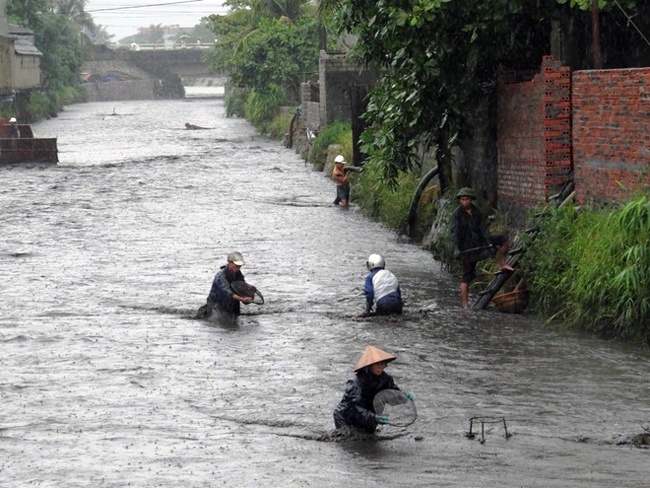 폭우와 홍수로 인해 꽝닌성 캄파시에 있는 최대 탄광 지역에서 석탄이 바다로 유입됐다. 사진=Vietnamnet[/caption]
그럼에도 불구하고, 베트남에선 해안과 하천 주변에 석탄화력발전소를 더 늘릴 계획을 추진 중이다. 게다가 탄광 기업은 재해 수습도 되지 않은 상황에서 조업 재개에만 혈안이 되어 있다. 하지만 이번 폭우 사태에서 나타났듯 석탄 화력발전에 대한 과도한 의존은 기후변화로 인한 전력 공급의 불안정을 더 가중시킬 수 있다. 대부분 해안가에 입지한 석탄화력발전소는 기후변화에 의해 더 심각해지는 자연재해에 취약하다는 것이다.
역설적으로, 석탄은 기후변화의 최대 주범이다. 석탄화력발전소는 세계 온실가스 배출량의 37%를차지한다. 극심한 폭풍과 이상기후는 점점 더 빈번해지는 가운데, 석탄재 폐기물 처리장이 폭우에 견디도록 제대로 건설되지 않는다면 ‘시한폭탄’에 불과할 수 있다. 폭우가 시작되던 시점에 석탄을 싣고 베트남에서 중국으로 향하던 다섯 척의 선박이 폭풍을 만나 침몰하는 사건도 있었다.
한국 기업이 기후변화에 취약한 아시아 지역의 석탄화력발전소 건설에 앞장서고 있다는 사실도 짚을 필요가 있다. 이번 재해 지역에 인접한 몽즈엉 석탄화력발전소는 포스코, 현대건설, 두산중공업이 참여하고 한국수출입은행이 자금을 조달한 사업이다. 한국의 발전사와 건설업체들은 수출신용 지원을 통해 해외 석탄화력발전소 사업에 뛰어들어왔고, 대부분이 필리핀, 인도네시아, 베트남과 같은 아시아의 개발도상국이다. 세계가 위험한 기후변화를 막기 위해 화석연료 사용을 제한해나가는 가운데 한국은 여전히 ‘검은 황금’으로 이윤을 거두는 일에만 몰두해있다.
폭우와 홍수로 인해 꽝닌성 캄파시에 있는 최대 탄광 지역에서 석탄이 바다로 유입됐다. 사진=Vietnamnet[/caption]
그럼에도 불구하고, 베트남에선 해안과 하천 주변에 석탄화력발전소를 더 늘릴 계획을 추진 중이다. 게다가 탄광 기업은 재해 수습도 되지 않은 상황에서 조업 재개에만 혈안이 되어 있다. 하지만 이번 폭우 사태에서 나타났듯 석탄 화력발전에 대한 과도한 의존은 기후변화로 인한 전력 공급의 불안정을 더 가중시킬 수 있다. 대부분 해안가에 입지한 석탄화력발전소는 기후변화에 의해 더 심각해지는 자연재해에 취약하다는 것이다.
역설적으로, 석탄은 기후변화의 최대 주범이다. 석탄화력발전소는 세계 온실가스 배출량의 37%를차지한다. 극심한 폭풍과 이상기후는 점점 더 빈번해지는 가운데, 석탄재 폐기물 처리장이 폭우에 견디도록 제대로 건설되지 않는다면 ‘시한폭탄’에 불과할 수 있다. 폭우가 시작되던 시점에 석탄을 싣고 베트남에서 중국으로 향하던 다섯 척의 선박이 폭풍을 만나 침몰하는 사건도 있었다.
한국 기업이 기후변화에 취약한 아시아 지역의 석탄화력발전소 건설에 앞장서고 있다는 사실도 짚을 필요가 있다. 이번 재해 지역에 인접한 몽즈엉 석탄화력발전소는 포스코, 현대건설, 두산중공업이 참여하고 한국수출입은행이 자금을 조달한 사업이다. 한국의 발전사와 건설업체들은 수출신용 지원을 통해 해외 석탄화력발전소 사업에 뛰어들어왔고, 대부분이 필리핀, 인도네시아, 베트남과 같은 아시아의 개발도상국이다. 세계가 위험한 기후변화를 막기 위해 화석연료 사용을 제한해나가는 가운데 한국은 여전히 ‘검은 황금’으로 이윤을 거두는 일에만 몰두해있다.
 어디서나 풍부한 햇빛을 이용한 태양광 발전은 온실가스를 배출하지 않는 친환경 재생에너지입니다. 우리가 집과 마을에서 태양광을 세우고 스스로 전기를 공급할 수 있는 장점은 큰 매력입니다. 태양광이 어느 때보다 각광을 받고 있는 지금, 소형 ‘베란다 태양광’부터 발전사업에 이르기까지 시민들이 다양한 방식으로 태양광을 폭넓게 접하고 있습니다. 햇빛으로 직접 전기 생산에 도전할 해피선샤인 태양광교실 6기 참가자를 모집합니다.
※이번 7기 교육은 특별히 학교 등 교육기관의 관심 있는 교사 또는 시설 관리자를 대상으로 진행됩니다. 일반 참가자 분들은 차기 교육에 신청해주시면 감사하겠습니다.
일시: 2015년 10월 24일(토) 10~18시
장소: 63빌딩 3층 교육장 ☞찾아오는 길
참가대상 및 인원
•전국 초·중·고·대학 교직원, 교육기관 종사자
•총 50명 모집(선착순)
모집요강
•모집기간: 10월 15일 18시까지
•참가자 확정: 개별 연락
•참가자 혜택: 전체 프로그램 참여자에게 해피선샤인 태양광교실 수료증 수여
•참가비: 1인당 10,000원(점심 포함 / 입금 안내는 참가자 최종선정 후 문자 공지)
•접수방법: 아래 양식을 작성해 제출
프로그램
10:00~11:00 태양광발전의 산업동향 및 경제성 (한화환경연구소 양동운 수석연구원)
11:00~11:30 태양광발전 국내 설치현황 및 적용사례 (한화63시티 성락준 팀장)
11:30~12:00 태양광발전 원리 설명 (한화63시티 주영길 매니저)
12:00~13:00 점심식사
13:00~14:30 베란다∙독립형 태양광발전 제작실습 및테스트 실시 (한화63시티 주영길 매니저)
14:30~15:30 태양광발전 활성화를 위한 정부∙지자체 지원제도 및 판매현황 (환경운동연합 이지언 부장)
15:30~16:30 시민햇빛발전협동조합 현황 및 운영사례 (우리동네햇빛발전협동조합 강병식 사무국장)
16:30~17:30 태양광 관심 분야별 소모임(3개 분과 중 1개 선택) 미니/주택형/건물지원사업, RPS사업, 협동조합 태양광사업17:30~18:00 63빌딩 태양광발전 설치현장(120kW) 견학
문의
환경운동연합 에너지기후팀 신주운 간사(02-735-7000, [email protected])
본 프로그램은 환경운동연합과 한화(63시티, 한화큐셀코리아, 한화환경연구소)가 공동 주관합니다.
<내 손으로 만드는 태양광 가이드북>을 미리 읽어오세요.
다운로드(PDF 4.3MB)
어디서나 풍부한 햇빛을 이용한 태양광 발전은 온실가스를 배출하지 않는 친환경 재생에너지입니다. 우리가 집과 마을에서 태양광을 세우고 스스로 전기를 공급할 수 있는 장점은 큰 매력입니다. 태양광이 어느 때보다 각광을 받고 있는 지금, 소형 ‘베란다 태양광’부터 발전사업에 이르기까지 시민들이 다양한 방식으로 태양광을 폭넓게 접하고 있습니다. 햇빛으로 직접 전기 생산에 도전할 해피선샤인 태양광교실 6기 참가자를 모집합니다.
※이번 7기 교육은 특별히 학교 등 교육기관의 관심 있는 교사 또는 시설 관리자를 대상으로 진행됩니다. 일반 참가자 분들은 차기 교육에 신청해주시면 감사하겠습니다.
일시: 2015년 10월 24일(토) 10~18시
장소: 63빌딩 3층 교육장 ☞찾아오는 길
참가대상 및 인원
•전국 초·중·고·대학 교직원, 교육기관 종사자
•총 50명 모집(선착순)
모집요강
•모집기간: 10월 15일 18시까지
•참가자 확정: 개별 연락
•참가자 혜택: 전체 프로그램 참여자에게 해피선샤인 태양광교실 수료증 수여
•참가비: 1인당 10,000원(점심 포함 / 입금 안내는 참가자 최종선정 후 문자 공지)
•접수방법: 아래 양식을 작성해 제출
프로그램
10:00~11:00 태양광발전의 산업동향 및 경제성 (한화환경연구소 양동운 수석연구원)
11:00~11:30 태양광발전 국내 설치현황 및 적용사례 (한화63시티 성락준 팀장)
11:30~12:00 태양광발전 원리 설명 (한화63시티 주영길 매니저)
12:00~13:00 점심식사
13:00~14:30 베란다∙독립형 태양광발전 제작실습 및테스트 실시 (한화63시티 주영길 매니저)
14:30~15:30 태양광발전 활성화를 위한 정부∙지자체 지원제도 및 판매현황 (환경운동연합 이지언 부장)
15:30~16:30 시민햇빛발전협동조합 현황 및 운영사례 (우리동네햇빛발전협동조합 강병식 사무국장)
16:30~17:30 태양광 관심 분야별 소모임(3개 분과 중 1개 선택) 미니/주택형/건물지원사업, RPS사업, 협동조합 태양광사업17:30~18:00 63빌딩 태양광발전 설치현장(120kW) 견학
문의
환경운동연합 에너지기후팀 신주운 간사(02-735-7000, [email protected])
본 프로그램은 환경운동연합과 한화(63시티, 한화큐셀코리아, 한화환경연구소)가 공동 주관합니다.
<내 손으로 만드는 태양광 가이드북>을 미리 읽어오세요.
다운로드(PDF 4.3MB)
 SolarGuidebook-web.pdf
‘저탄소 녹색성장’ 주장한 한국, 석탄 소비량은 계속 증가
한국 기업의 해외 탄광개발 피해 심각
뉴사우스웨일스 주정부, 한전의 바이롱 탄광사업에 잠정중단 명령

한국전력(이하 한전)이 호주에서 추진 중인 탄광 개발 사업이 법적 소송에 휘말리게 됐다. 호주 현지 언론보도에 따르면, 한전은 호주 뉴사우스웨일스주 바이롱 탄광의 탐사권을 취득하는 과정에서 허위 정보를 제출한 혐의를 받고 있다. 뉴사우스웨일스 주 정부는 탐사 작업의 중단을 명령하고, 지난 29일 한전을 상대로 소송을 제기했다.
시추 예정 부지의 소유주는 한전에 의해 제출된 현장 사진이 실제와 다르다며 주 정부에 사실을 알렸다. 한전이 제출한 문제의 사진은 평지로 보이는 목초지였지만, 실제 해당 부지는 경사진 암석 지대로 이루어졌다는 증거 사진이 토지 소유주에 의해 제시됐다.
뉴사우스웨일스 주정부는 ‘허위나 잘못된(false or misleading)’ 정보를 제출해 광물법을 위반했다며 한국전력 호주 현지법인과 탐사업체를 상대로 소송을 제기했다. 한전이 주 정부에 제출한 문서에는 정보가 ‘사실이며 정확하다’고 명시했다.
단순히 사진 한 장을 허위로 제출했다는 차원이 아니라, 탄광 개발 허가 과정이 그만큼 부실하고 편법으로 얼룩져있다는 단적인 증거였다. 문제를 제기한 토지 소유인 크레이그 쇼는 “이번 혐의가 사실로 밝혀진다면, 주민들은 이번 건이 단지 빙하의 일각에 불과한지 의심할 수밖에 없을 것”이라면서 “한전이 편법으로 추가적인 허위 정보를 제출했을지 모른다”고 지적했다. 그는 정보공개를 통해 한전의 자료를 검토하던 중 문제를 발견하고 이의를 제기했다.
이번 소송에 휘말린 한전 바이롱호주 유한회사는 한국전력이 지분 100%를 소유하고 있다. 한전은 앞서 2010년 7월 바이롱 광산 지분의 100%를 인수했다. 한전이 해외 자원개발에 뛰어든 뒤 광구의 지분을 100% 인수한 경우는 이번 사업이 처음이다. 한전은 2017년부터 바이롱 탄광에서 생산을 시작해 40년 이상 연간 500만톤 이상의 발전용 유연탄을 안정적으로 확보하고, 연간 약 5,900억 원의 수익을 내겠다며 대대적으로 이를 홍보하기도 했다.
바이롱 탄광 사업은 수자원과 농지 오염을 우려한 지역 주민과 환경단체의 강한 반대에 부딪혀왔다. 이번 소송과 관련해 바이롱밸리보전연맹(Bylong Valley Protection Alliance)은 성명을 내고 “한국전력을 상대로 한 이번 소송을 환영한다”면서 “한전이 호주와 다른 나라에서 보여줬던 과거 이력은 이미 우려스러운 것으로 나타났다. 한전이 (탄광) 사업의 승인을 받기 위해 허위 사진을 제출하면서 이런 우려를 더욱 키웠다”고 비판했다.
성명은 “바이롱 탄광 사업은 최상의 경작지와 지하수를 망가뜨릴 것으로 우려된다”며 “뉴사우스웨일스 주정부가 이렇게 미심쩍은 기업에 사업 허가를 내준다는 것은 정말 위험천만한 일”이라며 경고했다.

기후변화 대응에 따라 세계적으로 석탄 소비량이 줄어들고 있는 가운데 한전은 막대한 수익을 기대하며 바이롱 탄광 사업 추진에 열을 올리고 있다. 빌 바토벡 한전 호주법인 부사장은 “지금은 광산을 개발하기 위한 황금기”라며 이번 사업에 대한 지지를 호소하기도 했다. 바이롱 탄광 사업은 호주에서 추진 중인 마지막 신규 탄광 개발 사업 중 하나다.
바이롱 탄광에서 생산된 석탄은 한국의 화력발전소와 산업용 원료로 수입될 계획이다. 한국은 세계 4위의 석탄 수입국이다. 국내 탄광은 거의 모두 문을 닫았지만 막대한 양의 석탄을 해외 수입에 의존하게 됐다. 주로 인도네시아와 호주로부터 수입된다. 정부는 3년 전 저탄소 녹색성장을 강조하면서도 전력수요 증가를 명분으로 신규 석탄화력발전소를 대거 승인하면서 해외 석탄 자원개발을 적극 추진해왔다.
석탄이 국내 화력발전소에서 태워지면서 다량의 대기오염물질로 심각한 건강피해를 일으키는 한편, 채굴하고 수입되는 과정에서도 광범위한 환경 피해를 일으키고 있다는 사실을 염두에 두면, 한국은 ‘석탄 중독’에서 이제 벗어나야 할 때이다.
호주에서 탄광 개발을 둘러싼 우려가 커지는 가운데 시민사회의 시선이 바이롱 밸리를 향하고 있다. 바이롱 밸리는 자연 생태계가 매우 잘 보전된 지역으로서 내셔널트러스트의 경관보전 지역으로 지정되기도 했다. 이번 소송은 4월 말 법원에서 다뤄질 예정이다. 바이롱 탄광 개발, 호주만의 문제가 아니다.
인도네시아 자바섬 바탕 지역에 강행되는 2,000MW 규모의 새 석탄화력발전소 추진 중단을 요구하는 세계 63개의 시민사회단체가 일본 정부에 서한을 전달했다. 일본 기업이 이번 사업에 뛰어들겠다고 밝혔고, 일본의 국제협력은행(JBIC)이 16억 달러의 자금 지원을 검토 중에 있다. 인도네시아 정부는 군대까지 동원해 농민들에 대한 토지 수탈과 인권 침해를 자행하고 있습니다. 아래는 지구의 벗 일본의 보도자료와 서한의 전문이다. 한국 시민사회 중 환경운동연합이 서한에 연명했습니다. 링크는 http://www.foejapan.org/en/aid/150925.html
시민사회, 인도네시아 바탕 석탄화력 관련 일본 국제협력은행의 지원 중단 요구
63 CSOs Call on JBIC to Reject Financing for Batang Coal Plant in Indonesia
September 25, 2015
At the proposed project site of the controversial 2,000-megawatt coal-fired power plant in Batang, Central Java, Indonesia, further cases of human rights violations have been reported. Most recently, the Indonesian army has put and leveled the soil in the majority of farmlands which the landowners have not yet agreed to sell for the project.
On September 25, the undersigned 63 organizations from 20 countries, have submitted the urgent petition as below to call on Japan Bank for International Cooperation (JBIC) to reject financing for the project, which has been pushed through in the forcible way, neglecting the local people’s opinion and rights.
Despite this serious human rights violation against the local community, JBIC is still considering funding the coal plant in Batang, which will cost US$ 4 billion. Japanese companies, “J Power” Electric Power Development Co. and Itochu Corp, have already decided to invested in the project. And JBIC is currently planning to finance around US$ 1.6 billion.
Ongoing and strong concerns regarding a loss of livelihoods, such as farming and fishing, have been raised persistently by local communities, and the project has been unable to proceed for nearly four years. 67 landowners who own some of the proposed project site are still refusing to sell their land.
In the end of July, three local villagers came to Japan to submit their objection to JBIC and talked directly to the Japanese decision-makers and public about the serious human rights violations they have experienced, such as intimidation and arbitrary arrest at the hands of the army, the police and the thugs. (http://sekitan.jp/jbic/?p=1184&lang=en)
To date, JBIC hasn't yet decided its finance for the project mainly due to the incompletion of the land acquisition. But the military has already cleared and leveled the farmland which the landowners haven't yet sold. This situation might be used by JBIC as a excuse for the completion of land acquisition. And JBIC might make a loan agreement with the project proponent on the occasion of the deadline for the financial closure of this project, or around October 6, 2015.
The urgent petition calls on JBIC to reject financing for the project, following its own environmental and social guidelines. JBIC must sincerely listen to the concerns and opinion of the local people, but being not complicit in those serious human rights violations against the local community the project has resulted in.
(The full text of the petition is below and downloadable here (PDF) :
------------------------------------------------------------------
(This is a translation - The original letter was written in Japanese.)
September 25, 2015
Mr. Shinzo ABE, Prime Minister
Mr. Taro ASO, Minister of Finance
Mr. Hiroshi WATANABE, Governor, CEO, Japan Bank for International Cooperation
Urgent Request to Reject Japanese Public Financing
for the Proposed Batang Coal-fired Power Plant, Central Java, Indonesia
At the proposed project site of the Batang Coal-Fired Power Plant in Central Java, Indonesia, which the Japan Bank for International Cooperation (JBIC) is currently considering its finance for, the military engineer of the Indonesian army has resumed land clearing with heavy equipment since September 11, 2015. They have put and leveled the soil in the majority of farmlands which the landowners have not yet agreed to sell or to be acquired, and have also destroyed almost all the irrigation systems for their farmlands. We, the undersigned 63 organizations from 20 countries, express our strong objection against and deep regret at the forcible way with which the project has been pushed through, neglecting the local people’s opinion and rights and committing human rights violations in a highly oppressive manner, and call on JBIC not to finance for the project.
Ongoing and strong concerns regarding loss of livelihoods, such as farming and fishing, and health impacts from pollution, have been raised persistently by local communities, and the project has been unable to proceed for nearly four years. During this period, community leaders opposing the project and landowners refusing to sell their land in the proposed project site have been subject to repeated human rights violations, such as intimidation, violence, and arbitrary arrest and detention at the hands of the army, the police, and other actors. Despite these human rights violations, 67 landowners who own some of the proposed project site are still refusing to sell their land. Also, an administrative court case has been filed at Semarang City, Central Java, questioning the legality of the acquisition process based on Law No. 2 of 2012 on Land Acquisition in this project, and the public hearing is still continuing.
On July 29, 2015, 23 members of the local community submitted an official objection to JBIC. In the submission, the local community pointed out how the project has failed and will fail to comply with many provisions of the JBIC Guidelines for Confirmation of Environmental and Social Considerations (the Guidelines), as it has made/will make their life worse and has caused/will cause violations of human rights. JBIC have already conveyed the local community’s objections to the project proponent, according to “Summary of Procedures to Submit Objections concerning JBIC Guidelines.” And the project proponent under the Guidelines is expected to take steps to bring the project into compliance by making appropriate environmental and social considerations.
For one and a half month, however, there have been no improvements on the ground. Instead, further cases of human rights violations have been reported from the local area. The intimidation to force the landowners to sell their land has been continuing by local thugs, who are supposedly hired by the pro group for the project and visited the landowners’ houses in the midnight. When President Joko Widodo came to Batang for the “kick-off construction” ceremony on August 28, 2015, the local community who are opposing the project tried to convey their opposition to the President. But high-pressure water cannons belonging to the army and police prevented them from even coming close to the ceremony venue. Further, despite not having any “consent” of the landowners and farmers, the land clearing work has commenced again by heavy equipment of the Indonesian army since September 11, 2015, who just very easily destroyed the land which used to be very fertile enough for the farmers to harvest the rice three times a year.
This situation raises two important questions for us: first is whether the project proponent and the Indonesian government, who have important roles to play in terms of environmental and social considerations in this project, currently have intention to implement the project with appropriate environmental and social considerations according to the Guidelines, and the second is whether they actually have capacity to implement the project with appropriate environmental and social considerations in the future.
JBIC Guidelines states that “If, as a result of its environmental review, JBIC judges that appropriate environmental and social considerations are not ensured, it will encourage the project proponent, through the borrower, to undertake appropriate environmental and social considerations. If appropriate environmental and social considerations are not undertaken, there may be cases where funding is not extended.”
As the deadline for the financial closure of the project is October 6, 2015, it is assumed that JBIC would is being urged to make a decision. Given the following situations, we call on JBIC to reject financing for the project, taking the outcomes of its environmental reviews into account for decisions on funding:
(i) In the objection paper, the local community pointed out how the project has failed and will fail to comply with many provisions of JBIC Guidelines, which haven’t been improved or solved yet.
(ii) Even after JBIC had already conveyed the contents of the objection paper to the project proponent, no appropriate environmental and social consideration has been made since then (to rectify matters).
(iii) In light of the factors, such as the intention and the capacity of the project proponent and host government, who have important roles to play in this project, it is very uncertain whether appropriate environmental and social considerations can be ensured after JBIC makes a decision to finance the project.
We request that the Japanese government and JBIC sincerely listen to the concerns and opinion of the local people and take a strong and resolute position to reject its finance, but being not complicit in those serious human rights violations against the local community the project has resulted in. We will wait for your response.
This letter is endorsed by the following 63 organizations.
350.org
Asian Peasant Coalition (APC)
BankTrack
ECA Watch
Friends of the Earth Asia Pacific
Greenpeace East Asia
Greenpeace International
11.11.11, Belgium
NOAH - Friends of the Earth Denmark
Center for ecology and energy, Bosnia and Herzegovina
Center for Environment - Friends of the Earth Bosnia and Herzegovina
Friends of the Earth Canada
COECOCEIBA - Friends of the Earth Costa Rica
Les Amis de la Terre - Friends of the Earth France
CounterCurrent – GegenStroemung, Germany
Urgewald, Germany
The Ecological Justice, Indonesia
Greenpeace Indonesia
Indonesia Civil Society for Foreign Policy Working Group On Infrastructure, Indonesia
KIARA (The People's Coalition for Fisheries Justice), Indonesia
Paguyuban UKPWR, Indonesia
Wahana Lingkungan Hidup Indonesia (WALHI) - Friends of the Earth Indonesia
WALHI Central Java, Indonesia
WALHI East Java, Indonesia
WALHI Jambi, Indonesia
WALHI West Java, Indonesia
Re:Common, Italy
A SEED JAPAN, Japan
Friends of the Earth Japan
greeneconomy & development and population's principle laboratory, Japan
Japan Center for a Sustainable Environment and Society (JACSES), Japan
Japan Tropical Forest Action Network, Japan
JUBILEE KYUSHU ON WORLD DEBT AND POVERTY, Japan
Kiko Network, Japan
Mekong Watch, Japan
Network for Indonesian Democracy, Japan (NINDJA), Japan
ODA Reform Network – Kansai, Japan
Pacific Asia Resource Center (PARC), Japan
Korea Federation for Environmental Movements (KFEM) - Friends of the Earth Korea
The Consumers' Association of Penang, Malaysia
Sahabat Alam Malaysia - Friends of the Earth Malaysia
Third World Network, Malaysia
Both ENDS, the Netherlands
Health of Mother Earth Foundation, Nigeria
CREED (Citizens' Alliance in Reforms for Equitable and Efficient Development), Pakistan
Pakistan Fisherfolk Forum, Pakistan
Farmers Development Center -Bohol, Philippines
Kalikasan People's Network for the Environment, Philippines
Kilusang Magbubukid ng Pilipinas (KMP), Philippines
KINABUHI Network, Philippines
Philippine Movement for Climate Justice (PMCJ), Philippines
Women's Development Center, INC., Philippines
Friends of the Earth Scotland
Ecological Alert and Recovery-Thailand (EARTH), Thailand
Energy Watch Thailand, Thailand
Greenpeace Southeast Asia, Thailand
Krabi Anti-Coal Network, Thailand
Save Andaman from Coal Network, Thailand
Thai Climate Justice Working Group, Thailand
Friends of the Earth US
Sierra Club, US
Ulu Foundation, US
GreenID, Vietnam
Contact:
Friends of the Earth Japan
Add: 1-21-9 Komone, Itabashi-ku, Tokyo 173-0037 Japan
Tel:+81 3-6909-5983 Fax:+81 3-6909-5986
Cc: Mr. Masahiro Okafuji, President & Chief Executive Officer, ITOCHU Corporation
Mr. Yasuo Maeda, Chairman, Electric Power Development Co.,Ltd. (J-POWER)
Mr. Masayoshi Kitamura, President, Electric Power Development Co.,Ltd. (J-POWER)
Mr. Teisuke Kitayama, Chairman of the Board, Sumitomo Mitsui Banking Corporation
Mr. Nobuhide Hayashi, President & CEO, Mizuho Bank, Ltd.
Mr. Nobuyuki Hirano, President, The Bank of Tokyo-Mitsubishi UFJ, Ltd.
* Batang Coal-fired Power Plant Project, Central Java, Indonesia
Two Japanese companies, J-POWER and ITOCHU, have already decided to invest in the project. Japan Bank for International Cooperation (JBIC) is currently considering its finance for the project. The loan amount is allegedly around 40 percent of the entire project cost (approximately US$ 4 billion). If built, the power plants (2,000 MW) will be one of the biggest coal-fired power plants in Southeast Asia. See more details (only available in Japanese) http://www.foejapan.org/aid/jbic02/batang/index.html


지속가능한 새만금을 위한 2차 정책토론회
새만금 선진적 하구역 관리 도입과 풍력 발전 확대
모시는 글
새만금의 수질을 개선하기 위한 정책 변화를 모색하면서 동시에 새만금과 주변에 분포한 재생가능한 에너지 자원을 효과적으로 활용하는 방안에 대해서 지역사회는 관심이 매우 큼니다. 재생에너지 활용과 연계하는 새만금의 지속가능한 개발은 국가적 차원에서도 매우 중요한 기회입니다. 한국신·재생에너지학회와 환경운동연합은 새만금 해수유통과 연계한 새만금 조력발전에 이어 새만금의 풍력 자원 활용에 대한 정책토론회를 개최하고자 합니다.
새만금 방조제와 주변은 풍황이 양호하고 주거지역과 충분히 떨어져 있으며 상당한 부지를 확보할 수 있기 때문에 풍력자원을 활용하기에 좋은 입지 조건을 가지고 있습니다. 또한 정부에서 추진하는 세계적 규모의 서남해 해상풍력도 새만금 지역이 배후 기지가 될 예정입니다. 새만금 주변에 부안 신·재생에너지테마파크의 연구 및 산업 시설, 그리고 군산의 풍력산업이 새만금과 인근 서해 바다의 풍력 개발과 연계된다면 풍력 보급 및 산업 진흥에 새로운 전환기가 마련될 것입니다. 그리고 새만금과 인근 바다의 풍력자원 개발은 지역 경제 활성화에도 크게 기여할 것입니다.
새만금 수질 변화를 관찰하고, 수질 개선을 위한 합리적인 관리방안을 수립하는 것은 새만금의 지속가능한 미래를 위한 출발점입니다. 나아가 새만금과 인근 바다의 재생에너지 자원을 활용할 수 있다면 새만금의 미래를 더욱 밝아질 것입니다. 해양환경, 수질, 재생가능한 에너지 전문가, 새만금 바깥 쪽 피해 어민, 새만금의 다른 길을 모색해온 시민환경단체 등이 한계 상황에 직면한 새만금 문제의 현황을 공유하고 미래 지향적인 발전 방향을 모색하고자 마련된 자리에 여러분의 적극적인 참여를 부탁드립니다.
2015.9.15
오창환(전북환경연합 공동대표) 윤형기(한국신.재생에너지학회회장) 박덕배(사)한반도수산포럼대표
토론회 개요
□ 일 시 : 2015. 9.23(수) 14:00 ~ 17:00
□ 장 소 : 전북대 진수당 3층 회의실 (361호)
□ 주 최 : 환경운동연합•한국신·재생에너지학회•사)한반도수산포럼
□ 주 관 : 전북환경운동연합 •녹색에너지전략연구소
□ 토론회 계획
| 구 분 | 시 간 | 내 용 | 비고 | |
| 개회식 (인사말, 축 사) |
14:00~14:20 | 20 | 인사말 _ 윤형기(한국신·재생에너지학회 회장) 박재묵(환경운동연합 공동대표) 박덕배(사)한반도수산포럼대표 |
|
| 축 사 _ 김광수 전라북도의회의장 | ||||
| 발 표 | 14:20~14:40 | 20 | 발표 1. 선진국의 하구역 관리와 이용형태, 그리고 새만금의 미래 | |
| 전승수 _ 생태지평 연구소장, 전남대 지구환경과학부 교수 | ||||
| 14:40~15:10 | 20 | 발표 2. 새만금 및 서남해안 풍력발전 타당성 검토 | ||
| 이장호 _ 군산대 풍력기술연구센터장 | ||||
| 15:10~15:30 | 20 | 발표 3. 새만금 내측 환경악화와 외해 환경 변화 예측 | ||
| 장원근 _ 한국해양수산개발원 연구위원 | ||||
| 15:30~15:40 | 휴식 시간 | |||
| 지 정 토 론 |
15:41~16:20 | 좌장 _ 오창환(전북대교수·전북환경연합 대표) | ||
| 7 | 김은정 전북일보 선임기자 _ 선진국하구역관리와 문화 관광 | |||
| 7 | 김택천 새만금 외해역환경정책협의회 위원장 _ 외해 환경 | |||
| 7 | 김재병 전북환경운동연합 생태디자인센터소장 | |||
| 7 | 김춘이 환경운동연합 생태사회처장 _ 해외 사례 | |||
| 7 | 심문식 부안군 해양수산과장 _ 수산업 영향 | |||
| 7 | 이상훈 녹색에너지전략연구소 소장 _ 풍력발전 가능성 | |||
| 7 | 최진용 군산대 교수 _ 새만금 내측 준설과 수질 환경 | |||
| 7 | 최훈열 전라북도의원 | |||
| 7 | 함한희 전북대교수/무형문화연구소장 _ 지역, 문화 | |||
| 객석토론 | 16:20~16:40 | 20 | 참가자 자유 토론 | |
| 폐 회 | 16:40~16:50 | 10 | 정리 | |
시민들의 의견
댓글 달기