주요 콘텐츠로 건너뛰기

동남아시아: ‘선상 난민’ 위기 정상회담, 놓치지 말아야 할 기회

지역

동남아시아: ‘선상 난민’ 위기 정상회담, 놓치지 말아야 할 기회

익명 (미확인) | 수, 2015/06/03- 13:54

동남아시아 지역 국가들은 생명을 구하고, 동남아시아 난민 위기의 근본적 원인을 해결하기 위해 즉시 행동에 나서야 할 것이라고 국제앰네스티가 5월 29일 태국에서 열린 특별회의를 앞두고 밝혔다.

리처드 베넷(Rechard Bennett) 국제앰네스티 아시아태평양 국장은 “이번 방콕 특별회의는 난민위기를 모든 차원에서 국제인권법에 따라 해결할 수 있도록 지역적으로 진정성 있는 노력을 기울일 기회이자, 놓쳐서는 안 될 기회”라며 “배 안에 들어찬 난민 수천 명이 식량이나 마실 물도 거의 없이 방치되는 동안 정부는 거처 마련이나 그 외 기초적인 인도적 지원 제공에 늑장을 부렸던 사례를 이미 지켜본 바 있다. 즉각적인 대책이 필요하다는 점은 명백하다”고 말했다.

인도네시아, 태국, 말레이시아는 긴급 인도적 지원을 제공하고, 배를 강제 송환시키는 냉혹한 정책을 폐지하는 등 중요한 첫걸음을 내디뎠다. 그러나 이러한 노력은 인권을 존중하는 동시에 모든 이민 방식에 적용될 수 있도록 확대되어야 한다. 국가 정부는 합법적이고 안전한 이민 경로를 보장해야 할 책임을 지닌다.

리처드 베넷 국장은 “동남아시아 국가들은 기소를 피해 온 사람들을 비롯한 난민과 이주민을 보호하고, 불법 이민자로 간주되거나 그저 방치되지 않도록 공통 정책을 수립해야 한다”고 말했다.

국제앰네스티는 이번 주 공개서한을 통해 각국 정부에 현재의 위기뿐만 아니라, 이를 야기한 근본적인 상황 역시 해결하기 위해 즉시 조치를 취할 것을 촉구했다.

리처드 베넷 국장은 “말레이시아와 인도네시아에 도착한 수천 명에게는 임시 거처와 식량, 물, 옷, 의료적 지원 및 필요한 보호 조치를 제공하는 등 안전과 존엄이 보장되어야 한다. 난민 신청은 공정하게 처리되어야 하고, 어떠한 경우에도 이들이 본국 또는 생명을 위협받는 다른 나라로 보내져서는 안 된다”며 “누구도 단지 입국 방법만을 이유로 구금해서는 안 된다. 장기 구금과 불확실성은 난민들의 정신적 건강에 심각한 영향을 끼치며, 이러한 사실은 호주의 잔혹한 난민 정책을 통해서 지켜본 바 있다. 동남아시아 국가들은 이와 같은 실수를 반복하지 말아야 할 것”이라고 말했다.

국제앰네스티는 난민 위기의 근본적인 원인, 즉 처음부터 이들이 자국을 떠나게 만든 원인을 해결할 수 있도록 즉시 행동에 나설 것을 모든 국가에 촉구한다.

배로 이주를 결행한 사람들 중 대다수가 이슬람계 로힝야족으로, 이들은 미얀마에서 수십 년에 걸쳐 제도화된 차별을 겪고 있는 소수민족이다. 지난 2012년 당시 이슬람계와 불교계 사이에서 빚어진 폭력사태로 인해 주로 로힝야족으로 이루어진 수만 명은 아라칸 주로 강제 이주되어, 불결한 환경의 캠프에서 생활하고 있다. 또다른 수만 명은 2012년 폭력사태 이후 배를 타고 벵골 만으로 건너간 것으로 추정된다.

리처드 베넷 국장은 “미얀마의 로힝야족 수천 명은 자국의 힘든 상황에서 벗어나고자 목숨을 걸고 위험천만한 뱃길로 나설 만큼 절박한 처지에 있다. 이에 대해 지금까지 미얀마는 부인으로 일관하고 있으며, 심지어는 로힝야족의 존재조차 부정하고 있다. 이러한 상황을 기반으로는 진전이 이루어질 수 없다”고 말했다.

또한 “국제사회는 미얀마에 로힝야족에 대한 제도적 차별을 중단할 것을 촉구해야 한다. 로힝야족에게 시민권을 부여하고 모든 차별적인 법을 철폐하는 것에서부터 시작해야 한다”고 말했다.

2015년 5월 29일, 동남아시아 ‘선상 난민’ 위기를 해결하기 위해 17개국의 대표들은 태국 방콕에 모여 특별회의를 개최했다. 지난 수 주간 말레이시아와 인도네시아에 도착하거나 미얀마로 강제 송환된 사람은 약 3,500명에 이른다. 소집된 특별회의에서는 수색구조 작전 수행에 전념하고 있음을 재확인하는 데 그쳤다. 긴급한 인도주의적 요구사항의 해결, 난민 위기의 근본 원인과 같은 주요 제안 및 권고사항에 대한 논의는 후속 회의로 연기되었다.

이번 특별회의는 난민 위기를 해결하기 위한 구체적인 대책을 마련할 기회였으나 이를 놓치고 말았다. 여전히 바다 위에서 표류하고 있거나, 구조되었더라도 여전히 절박한 상황에 놓인 수천 명의 난민들에게는 그다지 도움이 되지 않을 몇 가지 권고사항만이 남았을 뿐이다.

각국 정부는 수색구조 작전의 강화, 인도주의적 지원의 확충, 난민 위기의 근본적 원인 해결 등의 주요 사안에 대해 즉시 해결에 나서는 것이 무엇보다 중요하다.

이번 특별회의는 수천 명이 절박한 환경 속에 바다에 표류하고 있다는, 장기간 계속되었던 인권위기의 새로운 장을 연 문제를 해결하는 데 조금은 진전을 이룩한 것이었다. 각국 정부가 마침내 해야 할 역할에 대해 논의하고, 후속 회의 개최를 약속한 것은 환영할 일이다. 그러나 하선하기 안전한 장소 선별, 구조한 사람들의 적절한 수용 절차 마련 등에 대해 적절한 합의가 이루어져야 한다.

수색구조 작전의 세부적인 사항 외에도 여러 주요 사안에 대한 논의 역시 이루어지지 않았다.

최근 인도네시아와 말레이시아에 도착한 보트에 이주민 외에 난민 역시 타고 있었다는 사실은 회의에 참석한 각국 대표 중 누구도 거론하지 않았다. 이처럼 중요한 사안이 향후 ‘보호가 필요한 사람 선별’에 대한 논의에서 이루어지기를 기대한다. 국제난민법에 따라, 유엔 인권위원회의 지원을 통해 공정한 절차를 거치고, 장기간의 거처가 필요한 사람들에게 난민 지위를 인정하는 등의 대책이 마련되어야 한다.

또한 처음부터 이와 같은 난민 위기를 촉발시킨 근본 원인의 해결 방법에 대해서는 세부사항이 거의 완전히 누락된 상태다. ‘인권에 대한 전적인 존중을 증진’시킴으로써 근본 원인을 해결하겠다는 성명서의 표현은 미얀마의 로힝야족과 같은 소수민족 박해를 종식시키기 위한 노력으로 이어져야 한다. 그렇지 못할 경우 사람들은 여전히 본국의 견딜 수 없는 환경에서 도망칠 수밖에 없을 것이다.

영어전문 보기

South East Asia: ‘Boat people’ crisis summit an opportunity that must not be missed

Regional governments must take immediate action to save lives and address the root causes of the South East Asian refugees and migrant crisis, Amnesty International said ahead of a key summit in Thailand on Friday.

“The Bangkok summit is an opportunity to develop a genuine regional effort to address all the many dimensions of the crisis in line with international human rights law that must not be missed,” said Richard Bennett, Amnesty International’s Asia Pacific Director.

“We have seen thousands of people crammed onto boats with little or no food or water, while governments have been slow to provide shelter or other basic humanitarian assistance. There clearly needs to be immediate action.”

We have seen thousands of people crammed onto boats with little or no food or water, while governments have been slow to provide shelter or other basic humanitarian assistance. There clearly needs to be immediate action.
Richard Bennett, Amnesty International’s Asia Pacific Director
Indonesia, Thailand and Malaysia have taken crucial first steps by offering temporary humanitarian assistance and reversing appalling policies of turning back boats. However, efforts must be stepped up to address all forms of migration while respecting human rights. Governments have a responsibility to ensure legal and safe routes of migration.

“Countries must develop a common set of policies to ensure that refugees and migrants – including people fleeing persecution – are protected, and not criminalized or simply left to fend for themselves,” said Richard Bennett.

Representatives of 17 countries will gather in Bangkok on 29 May to discuss the current asylum seeker and migrant crisis in South East Asia. Approximately 3,500 people have over the past weeks landed in Malaysia and Indonesia or returned to Myanmar.

In an open letter this week, Amnesty International has urged governments to take immediate steps to address not only the current crisis, but also the underlying conditions that have caused it.

“The thousands who have landed in Malaysia and Indonesia must be ensured safety and dignity, including the shelter, food, water, clothing, health care and protection they need. Claims for asylum should be fairly processed and under no circumstances should people be returned to or sent to countries where their lives are at risk,” said Richard Bennett.

“People should not be detained solely on the basis of their method of arrival in a country. Prolonged periods of detention and uncertainty have a damaging impact on asylum seekers’ mental health, as we have seen through Australia’s cruel refugee policies. South East Asian countries must not repeat these mistakes.”
Amnesty International is urging all governments to take immediate steps to address the root causes of the crisis, which are driving people to flee in the first place.

A large proportion of those fleeing by boat appear to be Muslim Rohingya, a minority that has faced decades of institutionalised discrimination in Myanmar. Waves of violence between Muslims and Buddhists dating back to 2012 has left tens of thousands of people – mainly Rohingya – displaced in Rakhine state, where they live in camps in squalid conditions. Tens of thousands of others are believed to have fled across the Bay of Bengal by boat since the 2012 violence.

“Many thousands of Rohingya in Myanmar are desperate enough to risk their lives on dangerous boat journeys to escape the conditions they face at home. Myanmar’s response so far has been one of denial – even that the Rohingya even exist. This cannot be the basis on which to proceed,” said Richard Bennett.

“The international community must urge Myanmar to end systemic discrimination against the Rohingya, starting with granting them citizenship and repealing all other discriminatory laws.”

29 May 2015 a regional summit to address the South East Asia “boat people” crisis reaffirmed existing commitments to carry out search and rescue operations. Many key proposals and recommendations, including on addressing urgent humanitarian needs, and the root causes of the crisis were deferred to a follow up meeting.

Representatives of 17 countries gathered in Bangkok today to discuss the current refugee and migrant crisis. Approximately 3,500 people have over the past weeks landed in Malaysia and Indonesia or returned to Myanmar.

The meeting missed an opportunity to develop concrete measures to address the crisis. Recommendations alone are cold comfort to thousands of people who remain adrift at sea and others who have been rescued but remain in a desperate situation.

It is critical that countries immediately address these key issues, including by intensifying search and rescue operations, stepping up humanitarian assistance and addressing the root causes of the crisis.

The summit was a small step towards addressing the latest chapter of a long-term human rights crisis that has seen thousands stranded at sea in desperate conditions. It’s welcome that governments are finally discussing what must be done and there was a commitment to another meeting. However, adequate arrangements must include identification of places of safety for disembarkation and adequate reception arrangements for those rescued.
In addition to the details of search and rescue operations, several key issues were also left off the table.
At no point did those attending acknowledge that refugees were also on the boats that recently arrived in Indonesia or Malaysia. We hope that the that the talk of ’identifying those with protection needs’ will address this key issue, by using fair proceedings and granting refugee status to those who need longer-term shelter, in full accordance with international refugee law and with assistance from UNHRC.

There was also an almost complete lack of specifics on how to address the root causes that sparked this crisis in the first place. The statement’s mention of addressing root causes by ‘promoting full respect for human rights’ must translate into steps towards ending the persecution of ethnic minorities like the Rohingya in Myanmar– otherwise people will still feel compelled to flee unbearable conditions at home.


시민들의 의견

댓글 달기

Plain text

  • 웹 페이지 주소 및 이메일 주소는 자동으로 링크로 전환됩니다.
  • 줄과 단락은 자동으로 분리됩니다.
  • 사용할 수 있는 HTML 태그: <a href hreflang> <em> <strong> <cite> <blockquote cite> <code> <ul type> <ol start type> <li> <dl> <dt> <dd>
이미지
무제한 수의 파일을 이 필드에 업로드할 수 있습니다.
50 MB 한계입니다.
허용된 유형: png gif jpg jpeg.
Enter the YouTube URL. Valid URL formats include: http://www.youtube.com/watch?v=1SqBdS0XkV4 and http://youtu.be/1SqBdS0XkV4.
CAPTCHA
스펨 사용자 차단 질문

[이야기마당]

시리아의 비극, 끝나지 않은 이야기


“유럽으로 가는 것이 우리의 목표가 아니에요. 유럽으로 가길 원하지 않아요. 그냥 전쟁만 멈춰줘요. 그게 전부예요.”

 
- 독일행을 기다리던 시리아 난민 소년 키난 마살메흐- 


지난 10/12(월) 참여연대 국제연대위원회에서는 이야기마당 <시리아의 비극, 끝나지 않은 이야기>를 개최하였다. 시리아내전의 배경과 현황을 이해하고, 유럽의 난민 대란을 통해 어떻게 시리아 문제를 바라 볼 것인지 난민캠프 이야기와 우리와 함께 난민으로 살아가는 사람들이 이야기를 들어보는 자리로 마련된 이야기마당에 약 30여명이 참석하였다. 


첫 번째 발제를 맡은 강원대학교 송영훈 교수는 난민문제는 인도적인 요소가 아닌 정치적인 문제가 강하게 작용하는 사안이라고 이야기하며, 난민들의 안전을 보장할 수 있도록 국제사회의 지원과 재청착에 대한 정치적 결단이 요구된다고 하였다. 


국제분쟁 전문기자인 김재명 교수는 시리아내전의 배경과 현황을 이야기하며 시리아 내전을 종식시키기 위해서는 군사적 개입이 아닌 정치적·외교적 노력이 필요하다고 하였다. 


최근까지 시리아 난민캠프를 오고가며 구호활동을 하고 있는 헬프시리아 사무국장인 압둘와합은 시리아 난민캠프의 열악한 상황을 공유하며 시리아에 많은 관심을 부탁하였다. 


공익법센터 어필 김종철 변호사는 우리나라에 768명의 시리아 난민 중 3명만이 난민 인정을 받았다는 사실을 이야기하며, 우리 역시 과거에 난민이었고 난민은 특별한 사람들이 아닌 우리와 같이 평범한 사람들이라며 난민들에 대한 인식전환이 필요하다고 강조하였다. 


참가자들은 시리아 내전을 종식시키는 방법과 난민을 지원할 수 있는 방법에 대해 함께 실질적으로 어떻게 행동해야 할지 질문하였다. 압둘와합은 모든 관심은 행동으로부터 시작되며 행동없는 관심은 관심이 아니라며 지속적인 관심과 함께 행동해주길 부탁하였다. 


3시간 가까이 이어진 이야기마당은 진행되는 내내 열기가 가득했다. 전 유엔난민기구 대표인 사다코 오카다는 "난민은 죄인이 아니다. 난민을 만든 정치와 국가, 정부의 책임이다"라는 말을 남겼다. 빠른 시일내에 시리아의 비극이 끝나 시리아 난민들이 다시 시리아로 돌아가 일상적인 삶을 되찾기를 희망하며 이야기마당을 마쳤다. 


관련 기사 보기 ① >> 
관련 기사 보기 ② >> 


목, 2015/10/15- 23:47
159
0

호주-아세안 정상회담이 지난 3월 17일과 18일 호주 시드니에서 열렸다.

동남아시아국가연합(ASEAN)과 호주는 이번 주말 개최되는 정상회담에서 로힝야를 대상으로 계속해서 자행되고 있는 반인도적 범죄에 대해 강경한 입장을 취해야 할 것이라고 국제앰네스티가 밝혔다.

3월 17일부터 18일까지 호주 시드니에서 열리는 아세안-호주 정상회담에 미얀마의 실질적 정치 지도자인 아웅산 수치 국가자문역 역시 참석할 것으로 예상된다.

이번 주말 시드니에서 개최되는 정상회의에서는 라킨 주는 물론 미얀마 전체의 인권 위기이기도 한 이 문제를 최우선 의제로 다뤄야 한다. 부끄럽게도 아세안은 지금까지 회원국인 미얀마에서 벌어지는 일에 대해 침묵을 지켜 왔다.”

제임스 고메즈(James Gomez) 국제앰네스티 동남아시아-태평양 국장

제임스 고메즈(James Gomez) 국제앰네스티 동남아시아-태평양 국장은 “로힝야를 미얀마에서 영영 추방하려는 정부의 조직적 활동을 이제 끝내야 한다. 폭력 사태는 잦아들었지만, 인종청소는 계속되고 있다. 정부는 로힝야의 식량 공급을 막고, 이들을 쫓아내기 위해 기존의 로힝야 거주 지역에 다수의 정부군 기지를 건설하고 있다”며 “이번 주말 시드니에서 개최되는 정상회의에서는 라킨 주는 물론 미얀마 전체의 인권 위기이기도 한 이 문제를 최우선 의제로 다뤄야 한다. 부끄럽게도 아세안은 지금까지 회원국인 미얀마에서 벌어지는 일에 대해 침묵을 지켜 왔다. 지금이야말로 아세안이 의미 있는 조치를 취하고, 해당 문제의 해결을 위해 긴급 정상회의를 소집해야 할 최적의 시기”라고 말했다.

국제앰네스티는 2017년 8월부터 미얀마 정부군이 로힝야를 대상으로 반인도적 범죄에 해당하는 수준의 잔혹한 인종청소를 가했다고 기록했다.

이번 주에는 최근까지 로힝야 대부분이 거주하고 있던 라킨 주 북부 지역에 미얀마 정부가 로힝야 마을에 불을 지르고 정부군 기지를 건설하는 등 군대를 파견하고 있는 정황에 대해서도 공개했다.

이번 정상회의가 개최되기 불과 몇 주 전에는 호주가 2018년 한 해 동안 미얀마군에 약 40만 달러 규모의 훈련 프로그램을 제공하는 등 미얀마를 계속해서 지원할 예정이라는 내용이 언론을 통해 보도되기도 했다.

제임스 고메즈 국장은 “호주가 미얀마군과의 협력을 계속해서 유지하는 것은 용납할 수 없는 일이며, 즉시 중단되어야 한다. 이들이 협력하는 미얀마군은 불과 몇 달 전까지만 해도 잔혹한 인종청소 작전으로 로힝야 사람들을 살해하고, 마을을 불태우고, 강간을 저지르며 수천, 수만 명이 피난을 떠나게 만들었던 바로 그 군인들이다. 또한 미얀마 북부의 소수민족 민간인들을 대상으로 전쟁범죄를 저지른 가해자이기도 하다”며 “호주와 아세안 등 미얀마와 같은 지역에 속한 국가들은 이러한 반인도적 범죄를 용납할 수 없으며, 반드시 처벌할 것이라는 신호를 보내야 한다. 범죄의 가해자인 미얀마 보안군에게 지지와 협력을 보내면서 이러한 범죄를 용서하는 듯한 모습을 보여서는 안 된다”고 말했다.


호주: 잔혹하고 비인도적인 난민 정책

또한 아세안 국가들은 호주의 부당하고 잔혹한 난민 정책에 대해서도 압력을 가해야 한다. 국제앰네스티는 고문 및 부당대우에 해당하는 호주의 “연안 처리” 정책에 따라 난민들이 마누스 섬과 나우루의 불결한 환경에 억류되어 있으며, 이는 국제법 위반에도 해당하는 일이라고 기록했다.

올해 초, 국제앰네스티는 호주가 난민 수백 명을 기본적인 서비스조차 제공되지 않는 신규 수용소로 이전시키고 폭력의 위험 속에 방치하는 등 난민들의 운명을 파푸아뉴기니에 떠넘기고 있는 정황에 대해 알리기도 했다.

제임스 고메즈 국장은 “난민 문제에 대한 호주의 비인간적인 태도가 주변 지역에도 영향을 미치고 있다. 아세안 국가들은 호주에 국제법상 의무를 엄수하고, 난민의 인권을 존중하라고 압박해야 한다.


인권옹호자 탄압

국제앰네스티는 아세안 지역에서 인권옹호자들에 대한 위협이 나날이 늘어가고 있는 문제를 우선적으로 다룰 것을 해당 국가정부에 촉구한다. 지난 한 해 동안 다수의 국가에서는 인권옹호자에 대한 탄압을 더욱 강화했으며, 그 과정에서 이들의 평화적인 활동을 막기 위해 괴롭힘과 가혹한 법, 심지어는 물리적 폭력까지 동원했다.

향후 12개월 안에 말레이시아, 캄보디아, 태국 등 아세안 지역의 3개 국가에서 총선이 개최된다. 이들 국가에서는 표현과 결사의 자유를 더욱 제한하기 위해 다가오는 투표일을 이용하고 있다는 걱정스러운 조짐이 이미 나타나고 있다.

제임스 고메즈 국장은 “베트남 하노이에서 필리핀 마닐라까지, 인권을 위해 목소리를 높이는 용감한 사람들은 갈수록 더 큰 위험을 감수해야 하는 상황이다. 시민사회에 대한 탄압이 동남아시아 지역에 유행처럼 번지고 있는 것은 매우 걱정스러운 일이다. 각국 정부는 이처럼 충격적인 퇴보를 멈추기 위해 할 수 있는 모든 조치를 취하고, 그 대신 인권옹호자에게 안전한 환경을 만들기 위해 서로 협력해야 할 것”이라고 말했다.

온라인액션
미얀마: 로힝야 취재 기자 2명, 징역 14년형 선고 위기에 처하다
770 명 참여중
탄원편지 보내기
화, 2018/03/20- 14:10
156
0

우리는 학대받고 탄압받는 로힝야 곁에 있겠습니다 

미얀마 정부는 국제사회의 진상규명 노력에 협력하고, 책임자 처벌하라

로힝야 난민들의 안전하고 존엄한 귀환 및 시민권 보장하라


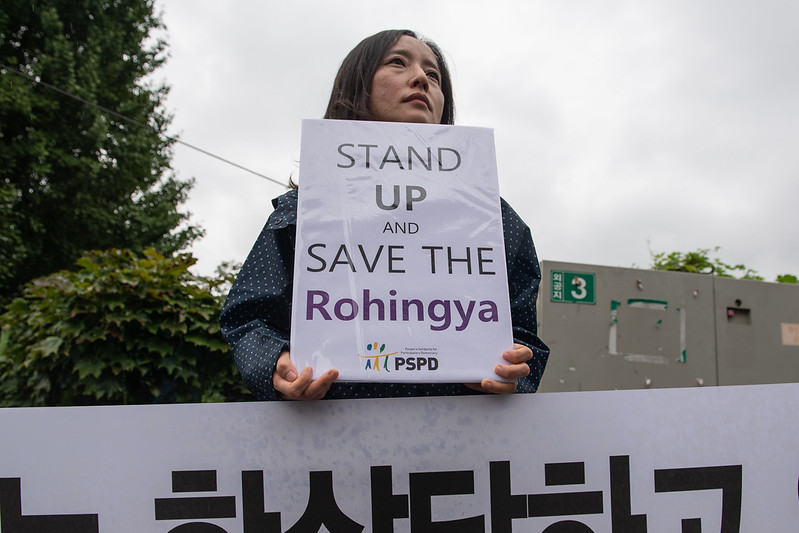
일시 및 장소 : 2018년 8월 24일(금) 오전11시, 주한 미얀마대사관 앞


20180824_로힝야 학살 1주기 미얀마 정부 규탄 기자회견

2018.08.24 로힝야 학살 1주기 미얀마 정부 규탄 기자회견 (사진 = 조진섭)


20180824_로힝야 학살 1주기 미얀마 정부 규탄 기자회견

2018.08.24 로힝야 학살 1주기 미얀마 정부 규탄 기자회견 (사진 = 조진섭)


20180824_로힝야 학살 1주기 미얀마 정부 규탄 기자회견

2018.08.24 기자회견 참가자들은 한국 시민사회의 우려와 요구를 담은 성명서를

미얀마 대사관에 전달했다 (사진 = 조진섭)


오늘(24일) 오전 11시, 32개 한국의 인권시민사회단체는 로힝야 학살 1주기를 맞아 주한 미얀마대사관 앞에서 로힝야를 탄압하고 있는 미얀마 정부를 규탄하고, 한국 시민사회의 우려와 요구를 담은 성명서를 주한 미얀마대사관에 전달하였습니다.


지난해 8월 25일, 약 25,000명의 로힝야 민간인들이 미얀마 군부에 의한 무차별적인 집단살해, 강간, 방화 등으로 희생되었습니다. 또한 80만 명에 육박하는 로힝야 난민들은 여전히 집으로 돌아가지 못한 채 인접국인 방글라데시 난민촌에서 생활하고 있습니다. UN을 비롯한 국제사회는 이를 반인도적 범죄, 전형적인 인종청소(제노사이드)라고 규정하고 있지만 미얀마 정부는 여전히 그 책임을 부인하고 있습니다.  


한국의 시민사회단체는 성명서를 통해 미얀마 정부에 독립적이고 철저한 조사를 통해 진실을 규명하고 책임자를 처벌할 것을 촉구하였습니다. 또한 지난 40여년간 무국적자로 온갖 차별과 박해를 받아온 로힝야 난민들의 자발적이고 안전하며 존엄한 귀환과 시민권 보장을 요구하였습니다. 또한 한국 정부를 포함한 국제사회가 로힝야 난민에 대한 인도적 지원을 확대하고, 로힝야 문제의 지속가능한 해결을 위한 노력에 적극 협력할 것을 주문하였습니다.


한편, 로힝야 학살 1주기를 맞아 이를 추모하고 기억하는 행사 “Rohingya Genocide Remembrance Day”가 독일, 캐나다, 아일랜드 등 전세계 각국에서 진행될 예정입니다. 한국에서도 8월 24일(금) 오후 6시, 서울시NPO지원센터 품다홀에서 로힝야 학살 1주기 추모행사 “집으로 돌아가는 길”이 개최됩니다.


▣ 붙임1. 로힝야 학살 1주기 한국시민사회 공동성명서(국‧영문)

▣ 기자회견 사진 보기(출처 : 조진섭 작가) >>  

 
로힝야 학살 1주기 한국시민사회 공동성명서(국문)
 

우리는 학살당하고 외면당하는 로힝야 곁에   있겠습니다

미얀마 정부는 로힝야 학살 인정하고 난민 귀환 보장하라!

 
로힝야와 연대하는 한국 시민사회는 작년 미얀마 정부에 의해 학살당한 희생자들을 추모하고, 스스로를 ‘로힝야’라고 부를 권리마저 부인된, 세계에서 가장 박해받고 있는 이들과 연대하기 위해 오늘 미얀마 대사관 앞에 모였다.
 
1년 전 오늘, 미얀마 정부는 미얀마 소수 민족인 로힝야 사람들에 대한 대규모 군사작전을 벌였다. 그로 인해 약 25,000명의 로힝야 민간인들이 집단살해, 집단강간, 구타, 자의적 체포와 구금, 거주지 방화, 재산 약탈을 당했으며 약 80만 명의 난민이 발생했다. 그럼에도 불구하고 미얀마 정부는 여전히 이러한 사실 자체를 부인하고 책임을 회피하고 있다. 
 
우리는 미얀마 정부가 오랫동안 로힝야 사람들에 대한 집단적인 폭력과 추방 그리고 법·제도적 차별을 광범위하고 체계적으로 지속해온 사실을 다시 환기한다. 로힝야는 법이 토착 민족으로 인정하는 기준인 1823년보다 훨씬 이전부터 아라칸 지역에 살아온 미얀마의 사회구성원이다. 그럼에도 불구하고, 1982년부터 시민권을 사실상 박탈당하고 무국적자로 내몰렸다. 이동의 자유는 물론 종교의 자유도 제약되어 왔고, 자녀 출산도 2명으로 제한되어 왔다.
 
미얀마 군부가 조직적으로 저지른 작년의 학살은 전 세계를 경악하게 했다. 로힝야 학살이 노벨 평화상 수상자인 아웅산 수치 정권에서 발생했다는 점은 한국 시민사회에도 커다란 충격이었다. 유엔을 비롯한 국제사회는 이를 반인도적 범죄 또는 전형적인 인종청소라고 규정했다. 이양희 유엔 미얀마인권특별보고관은 집단학살(제노사이드)의 특징들이 있다고 발표했다. 국제형사재판소가 개입을 검토할 정도였다.
 
학살 생존자의 증언과 드러난 증거들은 이 끔찍한 비극의 책임이 미얀마 정부에 있음을 증명하고 있다. 그러나 미얀마 정부는 여전히 그 책임을 부인하고 있다. 아무리 미얀마 정부가 학살이 로힝야 무장세력 때문이라고 주장하더라도, 수많은 학살 생존자들의 증언을 지울 수는 없다. 또한 이양희 유엔 미얀마인권특별보고관의 활동을 포함한 국제사회의 독립적이고 신뢰할 수 있는 조사를 미얀마 정부가 받아들이지 않는 한, 우리는 그들의 어떤 주장도 신뢰할 수 없다.
 
로힝야 사람들은 고향으로 돌아갈 권리가 있다. 한국 시민사회는 이들의 자발적이고 안전하며 존엄성이 보장된 귀환을 보장할 것을 미얀마 정부에 촉구한다. 어떤 정부도 이러한 권리를 부정하거나, 그 권리를 포기할 것을 강요해서는 안 된다. 로힝야의 국적도, 유엔 안전보장이사회의 합의 여부와도 상관없이, 국제인권규범은 이들의 기본권을 보장하고 있으며 이는 향후 귀환 과정에서도 온전히 적용되어야 한다.
 
더불어 우리는 지금 한국 사회에 표출되고 있는 난민과 무슬림에 대한 혐오에 우려를 표한다. 로힝야 학살 소식에 달렸던 끔찍한 혐오 댓글들은 이제 예멘 난민들과 무슬림 이주민들에게로 대상만 바뀌었을 뿐이다. 인간의 당연한 권리를 부정하는 혐오를 방치하고 용인한다면 결국 그 피해는 우리 모두에게 돌아올 것이 자명하다. 우리는 종교, 인종, 피부색, 국적, 성별, 성 정체성, 정치적 견해 등을 이유로 한 차별과 혐오를 단호히 반대하며 인권의 기본적 원칙에 기반하여 대처할 것이다.
 
한국 시민사회는 미얀마 정부의 로힝야 학살과 이에 대한 부정을 결코 좌시하지 않을 것이며 학살에 대한 진상규명, 책임자 처벌, 피해자 구제, 재발 방지를 위한 노력을 국제사회와 함께 해나갈 것을 약속한다. 우리는 로힝야 사람들의 고통에 지속적으로 연대할 것이다. 이는 한국 사회에서도 자라나고 있는 인종주의적 폭력과 혐오에 맞서 싸우는 방법이기 때문이다.
 
이에 한국 시민사회는 다음과 같이 요구한다.
 
 
하나, 미얀마 정부는 독립적이고 철저한 조사를 통해 진실을 규명하고 책임자를 처벌하라! 이를 위해 미얀마 정부는 국제사회의 진상규명 노력에 협력하고, 학살 발생지역에 대한 국제언론과 인권단체들의 제약 없는 출입을 허용하라.
 
하나, 미얀마 정부는 로힝야를 토착 민족으로 인정하고 시민권을 부여하라!
 
하나, 미얀마 정부는 로힝야 난민들의 자발적이고 안전하며 존엄한 귀환을 보장하고, 송환 논의에 로힝야의 적극적 참여를 보장하라!
 
하나, 미얀마 정부는 로힝야 피해자에 대한 구제 방안을 마련하고 재발 방지를 약속하라!
 
하나, 유엔 안전보장이사회는 로힝야 학살을 국제형사재판소에 회부하라!
 
하나, 한국 정부를 포함한 국제사회는 로힝야 난민에 대한 인도적 지원을 확대하고, 로힝야 문제의 지속가능한 해결을 위한 노력에 적극 협력하라!
 
 
2018년 8월 24일
거창평화인권예술제위원회, 공익법센터 어필, 공익인권법재단 공감, 광주인권지기 활짝, 구속노동자후원회, 국제민주연대, 난민인권센터, 다산인권센터, 대한불교조계종 사회노동위원회, 민변 국제연대위원회, 사회변혁노동자당, 생명평화아시아, 성적소수문화인권연대 연분홍치마, 신대승네트워크, 실천불교전국승가회, 아시아인권평화디딤돌 아디(ADI), 에이팟코리아(A-PAD Korea), 이주민센터 친구, 인권운동공간 활, 인권운동사랑방, 인천인권영화제, 작은형제회, 전국장애인차별철폐연대, 전북평화와인권연대, 제주다크투어, 제주평화인권연구소 왓, 진실의 힘, 참여연대, 천주교인권위원회, 팔레스타인평화연대, 한국게이인권운동단체 친구사이, 해외주민운동연대(KOCO)  <총 32개 단체>
 
▣ 로힝야 학살 1주기 한국시민사회 공동성명서(영문)
 
Joint Statement of Korean Civil Society for the First Rohingya Genocide Remembrance Day
 

We Stand for Rohingya who have been Slaughtered and Ignored.

The Myanmar Government Shall Concede the Genocide of Rohingya and Guarantee the Safe Return of the Refugees.

 
The Korean Civil Society, united in our solidarity with Rohingya, gathered today
in front of the Myanmar embassy to honor victims killed by Myanmar government last
year and to band together with the most persecuted people who have been denied the
right to call ‘Rohingya’ themselves.
 
A year ago from today, the Myanmar government launched a major military
campaign against Rohingya, the ethnic minority in Myanmar. As a result, about 25,000
civilians were killed, beaten, arbitrarily arrested, detained, and they suffered from
residential arson and property looting. About 800,000 were being made refugees.
Nevertheless, the Government still denies the fact and shuns responsibility.
 
We call attention on the fact that the Myanmar government has for a long time
maintained a broad and systematic way of collective violence, deportation and legal and
institutional discrimination against the Rohingya people. Rohingya is a member of
Myanmar society that has lived in the Arakan region since long before 1823 which is the
legal standard to be recognized as indigenous people of the nation. However, since 1982,
Rohingya people have been virtually deprived of their civil rights and driven to be stateless
people. The freedom of movement as well as the freedom of religion have been
limited and their childbirth has been restricted to two children.
 
Last year's organized genocide by the Myanmar military shocked the world. The
genocide of Rohingya had also a huge impact on the Korean civil society as the genocide
took place under the government of Aung San Suu Kyi who is the winner of the Nobel
Peace Prize. The international community, including the U.N., defined it as an
anti-humanitarian crime or typical ethnic cleansing. Lee Yang-hee, a U.N. special
investigator on human rights in Myanmar, announced that the number of characteristics of
genocide were found in the matter. Moreover, the International Criminal Court also
considered an intervention on this incident.
 
The evidence and testimonies from the survivors of the genocide attests to the
responsibility of the government for this terrible tragedy. However, the Myanmar
government is still denying its responsibility. No matter how much the government claims
that the genocide was caused by the Rohingya armed forces, it cannot erase the testimony
of countless survivors of the genocide. We also cannot trust any of their claims unless the
Myanmar government accepts an independent and reliable international investigation,
including the activities of Lee Yang-hee, the U.N. special investigator on human rights.
 
The Rohingya people have the right to return home. The Korean civil society
urges the Myanmar government to guarantee their voluntary, safe and dignified return. No
government should deny or force to relinquish these rights from them. Regardless of
Rohingya's nationality or whether the U.N. Security Council agreed or not, the
international human rights regulations guarantee their basic rights, which should be fully
applied in the course of their return.
 
We also would like to express concerns about the hatred of refugees and Muslims
now being exposed to Korean society. The terrible hateful comments on the media
coverage regarding the genocide of Rohingya have only changed its targets to Yemen
refugees and Muslim immigrants. It is evident that the damage will come back to all of us
if we neglect and tolerate the hatred that denies human rights. We will resolutely oppose
to discrimination and hatred on the grounds of religion, race, skin color, nationality,
gender, gender identity, and political views and we will deal with this problem based on
the basic principles of human rights.
 
The Korean civil society will never tolerate the genocide of the Myanmar
government and its irregularities and we will promise to work with the international
community to find the truth, to fight impunity, to rescue victims and to prevent recurrence.
We will continue to associate with the sufferings of the people of Rohingya. This will be
the way to fight against racism and hatred growing in Korean society.
 
In response, the Korean civil society demands the followings:
 
The Myanmar government should seek justice and the truth through the
independent and thorough investigations and hold the perpetrators accountable for their
actions. In order to do this, the Myanmar government should cooperate with the
international community to find out the truth and the Myanmar government should
permit unrestricted access by international media and human rights groups to the site of
the genocide.
 
The Myanmar government should acknowledge Rohingya as indigenous people
and give them the citizenship.
 
The Myanmar government should ensure voluntary, safe and dignified return of
all the refugees, and ensure active participation in the repatriation discussion.
The Myanmar government should come up with a rescue plan for victims of
Rohingya and promise to prevent recurrence.
 
The U.N. Security Council should submit the case of the genocide to the
International Criminal Court.
 
The international community, including the Korean government, should expand
humanitarian aid to the refugees in Rohingya and cooperate actively in efforts to
resolve the issue in a sustainable manner.
August 24th, 2018
A-PAD Korea
Advocates for Public Interest Law (APIL)
Asian Dignity Initiative
Catholic Human Rights Committee
Committee to Support Imprisoned Workers
Dasan Human Rights Center
eco-peace-asia
Geochang Peace and Human Rights Art Festival Commission
GongGam Human Rights Law Foundation
Gwang-Ju Human Rights Center 'Hwal JJak'
Human Rights Movement Space 'Hwal'
Incheon Human Rights Film Festival
Incorporated Organization Silcheon Bulgyo
Jeju Dark Tours
Jeju peace human rights institute WHAT
Korean Gay Men's Human Rights Group 'Chignusai'
Korean House for International Solidarity
Korean Solidarity for Overseas Community Organization (KOCO)
Migrants center FRIENDS
MINBYUN-Lawyers for a Democratic Society International Solidarity Committee
NANCEN, Refugee Rights Center
New Bodhisattva Network
Order of Friars Minor
Palestine Peace & Solidarity in South Korea
People's Solidarity for Participatory Democracy
PINKS : SOLIDARITY FOR SEXUAL MINORITY CULTURES & HUMAN RIGHTS
Sarangbang Group for Human Rights
Social and Labor Committee of Jogye order of Korean Buddhism
Socialist Revolutionary Workers Party
Solidarity Against Disability Discrimination
Solidarity for Peace & Human Rights
Truth Foundation
(Total 32 Korean Organizations)
금, 2018/08/24- 13:28
156
0

russia_ngo

2012년 11월 21일 러시아의 엄격한 “외국기관”법이 실시된 지 4년째를 맞는 가운데, 그간 100개곳이 넘는 시민단체의 재정이 감소하고 평판이 손상됐으며 직원들은 위협을 당했다고 국제앰네스티가 밝혔다.

새로운 보고서 <’국민의 기관’: 러시아의 ‘외국기관’법 실시 후 4년>에서는 독립적이고 비판적인 비정부단체가 강제 폐쇄되고, 유익한 사회봉사 활동이 제한되고, 광범위한 영역의 정부 정책에 대한 정밀 조사가 차단되는 등, 표현의 자유에 대한 계획적인 공격에 해당하는 조치로 인해 러시아 사회가 큰 대가를 치렀다고 지적하고 있다.

세르게이 니키틴(Sergei Nikitin) 국제앰네스티 러시아지부 국장은 “외국기관법은 비판적인 비정부단체를 구속하고, 낙인 찍고, 궁극적으로는 침묵시키기 위해 마련된 법이다. 광범위한 영역의 비정부단체들이 이 법의 그물망에 걸렸고, 이로 인해 러시아에서의 개인의 권리와 시민사회 토론의 질이 상당히 손상됐다. 결국 패배하는 것은 비정부단체들만이 아니라, 러시아 사회가 될 것”이라고 말했다.

지난 4년 동안 이 “외국기관” 명단에 포함된 단체는 148개로, 이 중 27개곳이 완전 폐쇄됐다. 이들 비정부단체는 평범한 사람들의 인권을 보호하는 데 중요한 역할을 수행해 왔다. 다수의 사례에서 차별 및 폭력 피해자들을 위한 법정대리, 심리지원 서비스, 환경 감시 등 국가가 제공하지 않는 서비스를 지원하기도 했다.

러시아 국민의 복지를 위한 이 같은 중요한 기여가 이제는 가로막히거나 위협받고 있다. 비정부단체들이 “정치적 활동”에 참여하는 것으로 간주되어 2012년 시행된 ‘외국기관법’에 따라 ‘외국 기관’으로 분류될 위기에 놓였고, 이미 그렇게 분류된 단체들도 있기 때문이다.

올해 6월 통과된 개정안은 이 법에서 금지한 “정치적 활동”의 범위를 확장해, 사실상 공공 정책 또는 정부 관계자의 행동에 대한 모든 언급 형식을 포함시키는 역할만을 했을 뿐이다.

국제앰네스티는 “외국 기관”으로 분류된 비정부단체 10여개곳 이상의 사례를 검토하고, 이들 단체의 대표 및 직원들과 인터뷰를 진행했다. 이에 포함된 비정부단체는 차별, 여성인권 및 LGBTI 인권 보호, 역사적 기록 보존, 학술연구, 형사사법제도 및 교정제도 개혁, 소비자 권리, 환경 문제 등 광범위한 영역에서 활동하고 있었다. 단 하나 공통점은 이들 단체 모두가 정부 정책을 비판적으로 평가하는 데 사람들의 참여를 독려했다는 것이다.

러시아에서의 모금 활동은 언제나 제한적이지만, 러시아 매체에서 비정부단체를 공격적으로 악마화하면서 기금 마련은 더욱 어려워졌다. “외국기관”법은 비정부단체들이 유일한 대책으로 해외에서 모금을 하게 만들어, 불안정한 자금원으로 상당한 법적 위험과 신임도 하락을 감수하게 하는 효과를 일으켰다. 해외에서 모금을 하고 정치적으로 간주되는 활동에 관여한 비정부단체는 모두 이 법에 따라 법적 책임을 지게 된다.

이 법에서는 “동식물 생태계를 보호하기 위한 활동”은 “정치적”으로 간주해서는 안 된다고 명시했음에도, 최소 21곳 이상의 환경단체가 “외국 기관” 목록에 포함됐다.

러시아 니즈니노브로고드에 위치한 드론트 환경센터는 이 목록에서 제외해 줄 것을 요청했지만, 해외 자금을 받았다는 이유로 거절됐다. 근거로 인용된 모금원 세 가지는 벨로나 무르만스크에서 드론트 소식지 정기구독을 신청하며 지불한 500루블(8달러)과, 드론트가 “외국기관”으로 분류된 또 다른 환경단체인 젤레니미르(‘녹색 세계’)로부터 빌렸다가 조사 전 갚은 금액이었으며, 더욱 충격적인 점은 러시아 정교회에서 운영하는 재단인 소라보트니체스트보의 보조금도 포함되어 있었다는 것이다.

드론트의 아슈카트 카이우모프(Ashkat Kaiumov) 회장은 “알고 보니 [교회에] 키프로스로부터 일부 유입된 현금이 있었고, 이 때문에 법무부가 (법률에 엄격히 준거하여) 이 돈을 ‘해외’ 자본이라고 간주한 것이었다. 정말 이상하고 비현실적인 상황”이라고 밝혔다.

결국 2016년 2월 1일 30만 루블(약 4,800달러)의 벌금을 명령받은 드론트는 지도부의 결정으로 “외국 기관” 목록에서 제외될 때까지 활동을 임시적으로 유예했다. 그 전까지는 정부의 허가를 받지 않아도 되는 미등록 운동으로써 활동을 계속할 예정이다.

드론트의 사례가 단체의 목을 서서히 조르는 대표적인 예라면, 돈 여성협회가 공격당한 사례는 비정부단체에 대한 끈질긴 탄압을 잘 보여준다. 돈 여성협회는 2014년 “외국기관”법에 따라 러시아 법무부가 단체들을 해당 목록에 강제 포함시킬 수 있었던 당시 가장 먼저 표적이 된 단체 중 하나였다. 이에 대응해 활동가들은 활동을 계속하기 위해 돈 여성 재단이라는 새로운 단체를 설립했지만, 2015년 10월 이 역시 “외국기관”으로 공표됐다.

2016년 6월 24일 돈 여성재단의 대표 발렌티나 체레야텐코는 자신이 러시아 형법 330조 1항에 따라 “외국기관”법상 “책임을 고의로 회피”한 혐의로 형사 기소되었다는 통지를 받았다. 발렌티나에게 유죄가 선고될 경우 징역 2년형까지 처해질 수 있다.

국제앰네스티는 러시아 정부에 “외국기관”법을 폐지하고, 비정부단체의 활동에 대한 임의적인 제한을 해제할 것을 촉구한다.

세르게이 니키틴 국장은 “러시아 정부는 시민사회단체의 건설적인 비판을 받아들이고, 이들에게 적대하는 것이 아니라 함께 노력하는 법을 배울 수 있을 만큼 충분히 탄탄해야 한다. 그러기 위해서는 가장 먼저 ‘외국기관’법을 폐지하고, 그 외 비정부단체의 활동에 관한 임의적인 제한 조치를 해제해야 한다”고 말했다.


영어전문 보기

Russia: Four years of Putin’s ‘Foreign Agents’ law to shackle and silence NGOs

More than a hundred organizations have seen their funding shrink, their reputations tarnished, and their staff intimidated under Russia’s draconian “foreign agents” law, said Amnesty International ahead of the fourth anniversary of its coming into force on 21 November 2012.

A new report ‘Agents of the people’: Four years of “foreign agents” law’ in Russia highlights the high price Russian society has paid as independent critical non-governmental organizations have been forced to close, valuable services have been restricted and scrutiny of government policy in a wide range of areas has been silenced in what amounts to a calculated assault on freedom of expression.

“The foreign agents law was designed to shackle, stigmatise, and ultimately silence critical NGOs. It has caught a wide range of NGOs in its net and come at considerable cost to individual rights and the quality of civic discussion in Russia. The ultimate losers are not just NGOs but Russian society,” said Sergei Nikitin, Director of Amnesty International Russia.

In the last four years, 148 organizations have been included on the list of “foreign agents”, of which 27 have closed down altogether. These NGOs have performed important roles in protecting the rights of ordinary people. In many cases they provided services that the state has failed to provide, such as legal representation or psychological support for victims of discrimination or violence and environmental monitoring.

These vital contributions to the wellbeing of people in Russia are now either blocked or under threat because the NGOs risk being – or have already been – considered to engage in “political activity” and labelled “foreign agents” under the 2012 law.

Amendments to the law passed in June this year have served only to extend the extraordinary breadth of proscribed “political activity”, to include virtually any form of commentary on public policy or the actions of public officials.

Amnesty International examined cases of more than a dozen NGOs listed as “foreign agents” and conducted interviews with their leadership and staff. They include organizations working on a wide range of issues including: discrimination, the protection of women’s and LGBTI rights, the preservation of historical memory, academic research, criminal justice and prison system reform, consumers’ rights, and environmental issues. The one common theme is that all the organizations sought to engage people in the critical evaluation of government policy.

While funding in Russia was always limited, accessing it has become even harder in the wake of the aggressive demonising of NGOs in the Russian media. The effect of the “foreign agents” law has been to make funding from abroad – the only alternative available to NGOs – an insecure source of funds that brings considerable reputational and legal risk. Any NGO which has foreign funding and engages in what is deemed to be political activity is liable to fall foul of that law.

While the law clearly says that “activities to protect the plant and animal world” should not be considered “political”, at least 21 environmental organizations have been included on the “foreign agents” register.

When environmental centre Dront based in Nizhnii Novgorod (Central Russia) applied to be taken off the list, their request was refused on the grounds that they had received foreign funding. The three sources of funding cited were: 500 roubles ($8) from Bellona-Murmansk to subscribe to Dront’s newspaper, Bereginja; a loan from another environmental NGO listed as a “foreign agent”, Zelenyi Mir (Green World), which was repaid by Dront before the inspection; and, even more surprisingly, a grant from Sorabotnichestvo, a foundation run by the Russian Orthodox Church.

“It turned out, [the Church] gets some cash inflow from Cyprus and that’s why our regional Ministry of Justice (in strict conformity with the law, mind you) counted this money as ‘foreign’. It is a strange, surreal situation,” said Dront’s Chair Ashkat Kaiumov.

After Dront was ordered to pay a 300,000 rouble fine (around $4,800) on 1 February 2016 the organization’s leadership decided to temporarily suspend its activities until it is removed from the “foreign agents” list. Meanwhile it will continue working as an unregistered public movement which does not need official sanction.

If the Dront case exemplifies the slow strangulation of an organization, the attack on the Union of the Don Women showcases the persistent persecution of an NGO. It was one of the first organizations to fall under the “foreign agents” law in 2014, when the Ministry of Justice was given powers to compulsorily include organizations into its list. As a response, the activists, set up a new organization, the Foundation of the Don Women, to carry on the work. However in October 2015 this too was declared a “foreign agent”.

On 24 June 2016 its head Valentina Cherevatenko was informed that a criminal case under Article 330.1 of the Russian Criminal Code had been opened against her for “willfully evading responsibilities” under the “foreign agents” law. If found guilty, Valentina could face up to two years in jail

Amnesty International calls on the Russian authorities to repeal the “foreign agents” law and lift arbitrary restrictions on NGOs’ work.

“The Russian authorities should be robust enough to accept constructive criticism from civil society groups and learn to work with them – not against them. The first step on this way is to repeal the ‘foreign agents’ law and lift other arbitrary restrictions on NGOs’ work,” said Sergei Nikitin.

화, 2016/11/22- 11:48
147
0

미얀마는 라카인주의 민간인 보호를 우선시해야 하며

분쟁의 원인을 해결해야 한다. 

>>> 공동성명 국문본 [원문보기/다운로드]


이 성명에 연명한 우리 즉 시민사회단체, 민중단체, 개인 등은 누구나 신분증명의 권리를 가지며, 분쟁을 조정하는데 있어 대화를 우선시 해야 하며 정치적 협상을 통해 정착이 이뤄져야 한다고 믿는다. 


우리는 최근 버마/미얀마 라카인주에서 일어나고 있는 폭력과 비무장 민간인들에 대한 공격이 고조되고 있는 상황에 극심한 괴로움과 우려를 표한다. 이유가 어찌되었든 어떤 무장단체이건 특정 종족과 종교의 민간인들을 표적으로 하는 것을 규탄한다. 이미 수십년간 계속되어 온 미얀마 군대(Tatmadaw)의 로힝자 사람들에 대한 무장 공격은 최근 아라칸 로힝자 구호대(ARSA)가 국경수비대와 경찰의 전초기지를 공격한 것과 관련해 미얀마 군대가 불필요한 물리력을 행사함으로써 최근 번지게 되었다. 미얀마 군대의 흉포한 작전의 여파로 수백명의 무고한 민간인들이 살해당하고 수백, 수천의 사람들이 이주해야만 했다. 대개는 로힝자 마을 주민들인 60만명이 넘는 시민들이 라카인주 북부로부터 쫓겨났다. 우리는 특히 미얀마 군대가 행한 "정리 작전(Clearance Operations)"에 대해 우려한다. 이 작전 동안 다양한 독립언론인들이 로힝자 마을에 대한 체계적인 방화, 로힝자 여성에 대한 성폭력, 비무장 시민들에 대한 총격을 영상으로 기록했다. 


민간인들에 대한 무장공격으로 취약한 마을에 대한 인도주의적 지원에까지 제약이 따름으로써 그 영향은 배가되고 있다. 2017년 8월 25일, 인도주의적 단체들은 국내이주민, 취약계층에 대한 지원을 포함해 라카인주 북부에서 진행하던 모든 사업을 중단해야만 했다. 안보 상황을 포함해 정부의 현장방문 제한, 국제구호에 반대하는 라카인 출신 사람들의 시위 등 여러가지 요소들 때문이었다. 몇몇의 구호활동가들에게는 알려진바와 마찬가지로 라카인주로의 접근이 허용되었지만 허가를 받는 과정은 대체로 복잡하고 지체되었다. 미얀마 언론과 정부에 연결된 소셜미디어 계정들은 인도주의 단체들과 ARSA가 관련이 있는듯한 내용을 포함한 잘못된 정보를 유포함으로써 외국 기관이나 인사들에 대한 미얀마 내 강력한 적대감을 불러일으키는데 일조했다. 동남아시아와 서아시아 국가를 비롯해 미얀마 정부와 군대 등에 퍼져있는 미얀마 민족주의자들 역시 로힝자 사람들을 비인간화하고 군대의 대응에 지지를 얻도록 혐오 발언, 선전선동 발언들을 통해 공포와 분노의 분위기를 만드는데 일조해 왔다. 


우리는 적대행위를 즉각적으로 중단하고 긴급 구호를 하는 것 이외에 이 이슈의 근본 원인을 다루고 소수민족에 대한 구조적이며 법적인 차별에 집중해야 한다고 믿는다. 우리는 또한 최근 이뤄지고 있는 폭력과 학대가 미얀마 북 샨주, 카친 주를 비룻한 여러 분쟁지역에서 버마/미얀마 군대가 로힝자 사람들에게 자행한 인권침해의 오래된 유형에 해당한다는 점을 고려해야만 한다. 무장 소수민족 단체와의 수십년 계속된 분쟁 중 민간인을 상대로 하는 폭력에 책임을 묻지 않은 것이 결국 버마/미얀마 군대가 라카인 주에서 똑같은 전술을 적용하도록 부추기고 있다. 


이 분쟁의 주요 동력과 근본 원인을 해소하지 않고서 라카인주에서 일어나고 있는 분쟁과 이주의 반복을 끝내는 일은 없을 것이다. 


이에 연명자들은 다음과 같이 요구한다. 


버마/미얀마 군대에 대한 요구

  • 라카인주를 비롯해 북 샨주, 카친주와 같은 다른 분쟁 지역에서 비무장 민간인들에 대한 폭력과 학대를 멈추어야 한다.
  • 관련 국제인권법, 인도주의법과 특히 분쟁 중 민간인, 아동, 여성, 소수자 보호와 관련 있는 규범들을 준수해야 한다. 
  • 민간인에 대한 범죄를 행한 사람들에게 책임을 물어야 한다.
  • 종교, 인종, 시민권 여부 등에 의한 차별없이 모든 이주민들에 대한 지원이 이뤄지도록 하기 위해 긴급구호팀의 접촉을 허용하도록 정부와 협조해야 한다. 


버마/미얀마 정부에 대한 요구

  • 버마/미얀마 군대에 군대 개입 활동 중에 국제법을 준수하고 민간인을 보호할 수 있도록 공개적으로 요구해야 한다. 
  • 군사 활동 중 저지른 범죄에 대해 어떤 군인이나 민간인에 대해서도 책임을 지도록 해야 한다. 
  • 검증되지 않은 선동적인 자료를 소셜미디어에 유포하는 것을 멈추고 로힝야와 다른 소수민족에 대한 혐오발언을 비난해야 한다. 
  • 유엔팩트파인딩미션과 독립 언론 등을 포함해 독립적인 모니터 그룹에 대한 라카인주 북부와 다른 미얀마 주 방문을 허용해야 한다. 
  • 1982년 제정된 시민권법을 검토하고 국제규범에 맞게 개정해야 한다. 또한 로힝야 사람들의 시민권과 자유로운 이동에 대한 제약을 끝내야 한다. 
  • 관련 국제인권법, 인도주의법과 특히 분쟁 중 민간인, 아동, 여성, 소수자 보호와 관련 있는 규범들을 준수해야 한다. 
  • 군에 대한 민주적 통치를 하고 심각한 범죄에 대한 책임을 묻기 위해서 2008년 헌법 검토와 개정의 과정을 거쳐라. 


버마/미얀마 시민사회에 대한 요구

  • 검증되지 않은 선동적인 자료를 소셜미디어에 유포하는 것을 멈추고 로힝야와 다른 소수민족에 대한 혐오발언을 비난해야 한다. 
  • 민간인 보호와 비차별 관련해 인권법, 인도주의법에 대한 이해를 증진해야 한다. 
  • 독립 언론과 자유로운 인도적 지원이 허용될 수 있도록 정부에 요구해야 한다. 
  • 버마/미얀마 군대 및 정부가 적대시 정책을 중단하고 차별적 법률 체계를 검토하며, 국제인권규약을 준수할 수 있도록 개입해야 한다. 
  • 다른 민족, 관련 국제 시민사회 플랫폼과 연대를 해야 한다. 


국제/지역 정부간, 비정부 기구들에 대한 요구

  • 라카인주와 다른 분쟁 영향 지역에서 일어나는 일을 모니터하고 또한 난민들에 대한 정부의 활동이 '해를 끼치지 않기'라는 원칙을 지키기 위해 노력하는지 모니터하는데 협력해야 한다. 
  • 국제 무기거래 중단 조치를 취하고 군사력 개입을 중단하도록 관련 국가들에게 호소해야 한다. 그리고 버마/미얀마 군대에 대해 민간인에 대한 공격을 멈출때까지 집중 제재를 부과하도록 해야 한다. 
  • 버마/미얀마 특히 라카인주 북부와 샨주, 카친주에서 벌어지고 있는 범죄와 인권침해와 관련에 유엔팩트파인딩미션엥 협력하고 지원해야 한다. 


아세안과 회원국들에 대한 요구

  • 우선적으로 로힝야 이슈와 관련해 분쟁에 대한 지속가능한 해결책을 찾고 로힝야와 버마/미얀마 내 다른 소수민족에 대한 계속되는 인권침해를 해결한다는 목표를 가지고 버마/미얀마와 다른 아세안 회원국들 간에 즉각적인 대화를 시작할 수 있도록 해야 한다. 
  • 국경을 열고 라카인주로부터 쫓겨나고 있는 난민들을 수용하고 쉼터를 제공해야 한다. 인종, 종교, 국적, 특정 사회단체 소속 또는 정치적 견해를 이유로 박해를 받을 수 있는 망명자들을 원래 국가로 돌려보내지 못하도록 하는 국제법 즉 강제송환금지라는 근본적 원칙을 존중해야 한다. 
  • 라카인주와 방글라데시에 있는 이주민들에게 인도적 지원을 제공하기 위해 아세안 평화와 인도주의 미션을 파송해야 한다. 
  • 버마/미얀마 정부가 1982년 제정된 시민권법과 다른 차별적인 법들이 모든 사람들에게 시민권에 대한 권리와 동등한 기회를 제공하고 민족이나 정치적, 종교적 신념에 따라 사람들을 불공정하게 대우하지 않도록 전체적으로 검토할 것을 요구해야 한다. 
  • 아세안 헌정 원칙과 최근 이행에 대해 검토하고 국내 분쟁을 예방하는 조항을 삽입할 것을 검토해야 한다. 
  • 이번 사태와 향후 유사 사례를 막기 위해 평화와 화해 아세안연구소(AIPR)와 아세안인권위(AICHR)의 임무와 메커니즘을 강화해야 한다. 
  • "평화와 안정"이라는 우선적 주제에 맞춰 지역 분쟁 예방에 집단적이고 결단력있는 접근을 할 수 있도록 나아가야 한다.


연명자

단체

Global Partnership for the Prevention of Armed Conflict (GPPAC)

Solidarity for ASEAN Peoples' Advocacies (SAPA)

Initiatives for International Dialogue (IID) / GPPAC Southeast Asia, Philippines

Progressive Voice (PV)-Myanmar/Burma

SUARAM-Malaysia

Asian Forum for Human Rights and Development (FORUM-ASIA)

Working Group for Peace (WGP), Cambodia

Alliance for Conflict Transformation (ACT), Cambodia

Cambodia Civil Society Working on Asian (CCWA) 

Cambodian Civil Society Partnership (CCSP)

IM Centre for Dialogue and Peace-Indonesia

Institut Titian Perdamaian (Peace Building Institute) (ITP), Indonesia

People’s Empowerment Foundation, Thailand

Southeast Asian Conflict Studies Network (SEACSN)

ASEAN SOGIE Caucus

Think Centre, Singapore

SAMIN, Indonesia

Asia Pacific Refugee Rights Network (APRRN)

Center for Peace Education-Miriam College (CPE), Philippines

Acehnese Civil Society Task Force (ACSTF), Indonesia

Asia Democracy Network (ADN)

ALTSEAN-Burma

International NGO Forum on Indonesian Development (INFID), Indonesia

Pusat KOMAS, Malaysia

Islamic Renaissance Front, Malaysia

MARUAH, Singapore

Vietnamese Women for Human Rights (VNWHR)

Arakan Watch 

Rohingya Arakanese Refugee Committee (RARC), Malaysia 

Rohingya Youth Development Forum (RYFF), Arakan-Burma

Rohingya Academy

Destination Justice, Cambodia

Coalition for Integrity and Social Accountability, Cambodia

Cambodian Youth Network (CYN), Cambodia

Centre for Development Resources

KontraS, Indonesia

Swedish Burma Committee (SBC)

GZO Peace Institute, Philippines

Burmese Relief Center, Japan 

Free Burma Campaign, South Africa

Info Birmanie, France

International Campaign for the Rohingya 

Karen Community of Canada 

Rhiza Collective

The Arakan Project

Coalition of Cambodia Farmer Community

Vietnam Committee on Human Rights

Myanmar Ethnic Rohingya Human Rights Organization Malaysia (MERHROM), Malaysia

 Empowering Singaporeans, Singapore

ReturnOurCPF, Singapore

Asia Pacific Centre for the Responsibility to Protect (APR2P)

Task Force Detainees of the Philippines (TFDP)

Women Health, Philippines

Migrants Rights Council, India

Pambansang Koalisyon ng Kababaihan sa Kanayunan (PKKK/NRWC), Philippines

Philippine Alliance of Human Rights Advocates (PAHRA), Philippines

RIGHTS Network, Philippines

Vietnam Coalition Against Torture

 Buhay Na May Dignidad Para Sa Lahat (DIGNIDAD)/Life of Dignity For All, Philippines

 Action Aid International

Network for Transformative Social Protection (NTSP)

SYNERGY (Social Harmony Organization), Myanmar/Burma

Khmer Kampuchea Krom for Human Rights and Development Association (KKKHRDA), Cambodia

ASEAN Youth Forum

Boat People SOS

Burma Human Rights Network 

Burma-Initiative

Stiftung Asienhaus

Acehnese Women's Education Foundation

Women Peace Network-Arakan

Sustainability and Participation thru Education and Lifelong Learning (SPELL), Philippines 

Centre for Community Development and Social Work (Codes Vietnam) 

Center for Community Development and Education (CCDE)

 Europe solidaire sans frontières (ESSF), France

Indian Social Action Forum (INSAF), New Delhi, India

Tampadipa Institute, Myanmar/Burma

Mrinal Gore Interactive Centre for Social Justice and Peace, India

Partido Manggagawa, Philippines

National Garments Workers Federation, Bangladesh

Migrant CARE, Indonesia

Mindanao Peoples’ Peace Movement (MPPM), Philippines

Pakistan Kissan Rabita Committee, Pakistan

National Garments Workers Federation, Bangladesh

Focus on the Global South

Stop the War Coalition, Philippines

New Trade Union Initiative, India

Bangladesh Krishok Federation, Bangladesh

Philippinenbüro e.V., Germany

Network of Young Democratic Asians (NOYDA)

People's Solidarity for Participatory Democracy (PSPD), South Korea

PeaceMOMO, South Korea

Green Formosa Front, Taiwan

Genocide Watch, United States

Alliance for Peacebuilding, United States

International Refugee Rights Initiative (IRRI)

World Federalist Movement (WFM)

Permanent Peace Movement (PPM), Lebanon

Middle East and North Africa Partnership for Preventing of Armed Conflict (MENAPPAC)

femLINKpacific / GPPAC Pacific, Fiji

Vanuatu Human Rights Coalition, Vanuatu

Coordinadora Regional de Investigaciones Económicas y Sociales (CRIES) / GPPAC Latin America and the Carribean, Argentina

International Center on Conflict and Negotiation (ICCN) / GPPAC South Caucuses, Georgia

Foundation for Tolerance International (FTI) / GPPAC Central Asia, Kyrgyztan

GPPAC Eastern Europe

Global Centre for the Responsibility to Protect

Igarapé Institute, Brazil

United Nations Association of the United Kingdom (UNA-UK), UK

Nansen Dialogue Centre, Serbia


개인

Sushil Pyakurel, Former Commissioner National Human Rights Commission , Nepal 

Andrew Khoo, Advocate and Solicitor, Malaysia

Prof. Walden Bello, Philippines

Wensislaus Fatubun, Papuan Film-maker, Human Right Defender and Lobbyist in Geneva

A. S. M. Enamul Hoque, Independent Consultant (development, public health and humanitarian service) and human rights activist, Bangladesh  

Huynh Thuc Vy, chairwoman of Vietnamese Women for Human Rights (VNWHR), Vietnam

Bruce Van Voorhis, United States

Masjaliza Hamzah, Human rights activist, Malaysia

Marina Mahathir, Writer, Malaysia

Dayang Karna Bahidjan, Development Worker and Muslim woman, Mindanao-Philippines

 Andrew Paul, MA Candidate, York University, Toronto, Canada

Ging Cristobal, Philippines

 Han Hui Hui, Singaporean Human Rights Defender, Singapore

 Anabelle Vitacion, Philippines

Naomi Fontanos, Philippines

Tuan Q. Nguyen, USA

 Tabrani Yunis, Director of Center for Community Development and Education (CCDE)-Aceh, Indonesia

Tabrani Yunis, Indonesia

Dorothy Guerrero, Philippines

Oksana Chelysheva, member of Union of Journalists of Finland 

Prof. Kamal Mitra Chenoy, India

Prof. Anuradha Chenoy, India

William Nicholas Gomes, Human Rights Defender and Freelance Journalist, UK 

Thin New Soe, Burma/Myanmar

Aresenio Pereira da Silva, Timor Leste

Susanne Sutthisunsanee, Thailand

Dr. Eduardo Tadem, Philippines

Prof. Gamini Keerawella, Regional Centre for Strategic Studies, Sri Lanka

Dr. Jehan Perera, National Peace Council of Sri Lanka


>>> 영문 성명 보러가기

금, 2017/12/01- 18:58
146
0