지난 수 년 사이 베네수엘라를 집어삼킨 인권 위기로 수백만 명의 삶이 산산조각났다. 당신이 꼭 알아두어야 할 베네수엘라 인권 위기의 실태를 다음과 같이 정리했다.
1. 과도한 무력 사용
현재 베네수엘라에 사회 불안정을 가져온 원인 중 대부분은 2017년 3월 29일로 거슬러 올라간다. 대법원이 니콜라스 마두로 대통령의 지지를 등에 업고, 야당이 다수를 차지하고 있던 국회를 장악한 것이다. 이에 항의하며 시위가 벌어졌지만, 마두로 정부는 과도한 무력을 불법으로 동원해 이를 진압했다. 2017년 4월부터 7월 사이 벌어진 대규모 시위에서 120명 이상이 목숨을 잃고 약 1,958명이 부상을 입었으며, 5,000명 이상이 구금 당했다.
2. 대규모 시위
비영리단체 베네수엘라 사회갈등관측소(Venezuelan Observatory of Social Conflict)에 따르면 2018년 한 해 동안 전국에서 12,715건에 이르는 대규모 시위가 벌어졌다. 후안 구아이도 국회의장이 마두로 대통령에 맞서 대규모 시위에 참여할 것을 촉구하면서 이러한 시위는 2019년까지도 계속되고 있다.
국제앰네스티가 발표한 보고서 ‘공포의 밤(Nights of Terror)’은 베네수엘라 보안군과 정부의 후원을 받는 민간 무장단체가 시민들의 시위 참여 및 기타 항의 행위를 막기 위해 무단으로 주택에 들이닥치는 수법을 사용하고 있는 실태에 대해 폭로했다.
3. 나날이 심해지는 탄압
베네수엘라 정부는 인권 위기 발생 이후 조직적인 억압 정책을 유지해 왔으나, 최근 그 강도가 더욱 심해지고 있는 양상이다. 국제앰네스티는 보고서 ‘이렇게는 살 수 없다(This is no way to live)’를 통해, 국가의 지원을 받는 보안군이 “범죄와 싸운다”는 명목으로 가장 취약하고 사회적으로 소외된 사람들에게 살해 목적으로 치명적인 무력을 사용하고 있다고 밝혔다.
2019년 초에는 시위대를 대상으로 한 인권침해가 수도 없이 보고되었으며, 특히 인권 위기로 가장 큰 피해를 입은 빈곤 지역과 친 마두로 무장단체가 집중된 지역에서 주로 보고됐다. 베네수엘라의 시민사회단체들은 올해에만 시위 도중 41명이 숨졌다고 주장했다.
4. 어린이 구금
정부는 의견이 다른 집단을 불법으로 괴롭히기 위해 사법제도를 이용하고 있다. 베네수엘라 인권단체 포로 페날(Foro Penal)에 따르면, 2019년 1월 21일부터 31일 사이 988명이 자의적으로 구금되었다. 이들 중 137명은 어린이 및 청소년이었으며, 그 중 10명은 지금까지도 석방되지 않고 있다. 또한 구금자를 대상으로 고문 및 부당대우가 이루어졌다는 의혹도 있다. 포로 페날(Foro Penal)은 지금까지 정치적인 이유로 구금된 사람이 942명에 달하는 것으로 추정한다.
5. 군사법원에서의 민간인 재판
체포된 시위대는 군사법원에서 재판을 받는 경우가 빈번했다. 이는 국제법에 위배되는 것이다. 기소된 사람들은 “반란을 선동하려는 의도로 단체 조직” 혹은 “보초병 공격”과 같이 군인을 대상으로 마련된 특수한 혐의가 적용되었다. 이 역시 반대 세력을 잠재우려는 정부의 의도를 알 수 있는 또 다른 증거다.
6. 난민 및 이주민 300만명
유엔 통계에 따르면 2015년 이후 지금까지 300만명 이상이 베네수엘라를 떠난 것으로 추정된다. 이는 베네수엘라 총인구의 10%에 해당하는 숫자다. 이들 중 대부분은 브라질, 칠레, 콜롬비아, 에콰도르, 페루로 피신했다. 난민들은 건강권과 식량권을 보장받지 못하는 것을 주된 피난 이유로 꼽았다. 즉 이들은 살기 위해 자국을 떠나고 있는 것이다. 국제앰네스티는 라틴아메리카와 카리브해 지역 국가를 대상으로 베네수엘라 난민들이 망명 신청 절차를 밟을 수 있도록 허용할 것을 촉구한다.
7. 표현의 자유 탄압
지금까지 내국인과 외국인을 통틀어 언론 종사자 최소 19명을 임의 구금하거나 강제 추방하는 등, 표현의 자유가 침해된 사례 역시 다수 보고되었다. 2019년 1월에는 단 7일 사이에 기자 최소 11명이 구금되었다.
8. 경제 붕괴
베네수엘라 국회에 따르면 2018년 베네수엘라의 물가 상승률은 1,698,488%로 충격적인 수준이다. 국제통화기금(IMF)는 2019년에는 베네수엘라의 연간 물가 상승률이 10,000,000%에 이를 것으로 추정하고 있다. 한편 베네수엘라의 법정 최저임금은 월급 미화 6달러이며, 국민 대부분의 수입이 이 정도 수준에 머물고 있다. 결국 필연적인 결과로, 많은 사람들이 기본적인 생필품조차 구하지 못하고 있다. 식량, 약품과 같은 생필품 부족으로 인해 베네수엘라 국민 수백만 명이 나날이 악화되어만 가는 충격적인 생활 환경 속에 놓이게 됐다. 정부의 대응 조치는 노동권과 임금에 타격을 입혔다. 2013년까지만 해도 베네수엘라 정부는 경제적, 사회적 권리에서 훌륭한 진전을 이룩했으나, 최근 수 년 동안은 그와 정반대인 추세를 보이고 있다.
9. 정부의 인권 위기 부인
니콜라스 마두로 대통령은 베네수엘라가 인권 위기를 겪고 있다는 사실을 거듭 부인하고 있다. 또한 식량과 약품이 부족하다는 사실조차 인정하기를 거부하며, 피해를 더욱 증폭시키고 있다. 국민 복지에 관한 공식 통계 중에는 독립적 기구에서 보고한 내용과 상반되는 것도 일부 존재한다.
정부가 이러한 생필품 부족 현상을 부인하고 있기 때문에, 여러 차례 제안된 국제사회의 인도적 지원도 받아들이지 않고 있다. 이로 인해 특히 가장 취약한 상태에 놓인 사람들은 재앙에 가까운 피해를 입고 있다.
10. 미국의 제재
1월 28일, 미국 정부는 베네수엘라의 국영 석유회사가 판매하는 원유의 수입을 금지하는 한편, 미국 공급자들 역시 중질원유를 처리하는 데 필요한 물품을 베네수엘라에 판매하지 못하도록 하는 제재안을 발표했다. 베네수엘라 경제가 원유 수출에 대부분 의존하고 있고, 미국은 베네수엘라의 주요 무역 상대국이라는 점을 고려했을 때, 이러한 제재는 베네수엘라 국민을 더욱 어려운 처지로 내몰 가능성이 높다.
미얀마 법원이 로이터통신 기자 와 론(Wa Lone)과 초 소 우(Kyaw Soe Oo)가 제기한 항소를 기각했다는 소식에 대해 티라나 하산(Tirana Hassan) 국제앰네스티 위기대응국장은 다음과 같이 밝혔다.
로이터통신의 용기 있는 무고한 기자 2명을 감옥에 가둬 두기로 한 법원의 결정은 라킨 주에서 벌어진 잔혹행위에 대한 진실을 숨기려는 미얀마 정부가 주도한 일이다.
“와 론과 초 소 우는 날조된 혐의로 유죄가 선고됐다. 이들이 체포될 당시 조사하고 있던 대학살 사건은 이미 미얀마군이 인정한 사실이며, 경찰 고위 관계자 중 한 사람은 법정에서 경찰이 고의로 두 사람을 함정에 빠뜨렸다고 증언하기도 했다. 이 관계자는 이후 수감되었지만 곧 석방될 날을 기다리고 있다.”
와 론과 초 소 우는 2017년 12월 체포된 이후 지금까지 1년 이상을 가족과 어린 자녀들에게서 떨어진 채 감옥에서 보내고 있다.
“두 사람에게는 감옥에서 단 하루를 보내는 것도 부당한 일이다. 이러한 촌극은 그만 끝내야 한다. 미얀마 정부는 두 사람을 아무런 조건 없이 즉시 석방해야 한다. 또한 미얀마 정부는 기자와 활동가, 인권옹호자에게 악용되는 억압적인 법률을 폐지하거나 수정하는 등 표현과 결사, 평화로운 집회의 자유를 행사할 국민의 권리를 보장해야 한다.”
온라인액션
미얀마: 로이터통신 기자 2명에 징역 7년형 선고
560 명 참여중
배경 정보
와 론과 초 소 우는 2017년 12월 12일 미얀마 수도 양곤에서 체포되었다. 당시 두 사람은 라킨 주 북부에서 미얀마 보안군 소속 군인들이 저지른 대량학살 사건을 조사하고 있었다. 미얀마 군은 강제 추방, 살인, 강간, 고문, 주택 및 마을 방화 등 로힝야인을 대상으로 광범위한 잔혹행위를 저질렀다. 유엔 진상조사단은 이러한 전쟁범죄, 반인도적 범죄, 인종학살에 책임이 있는 군 고위 관계자를 대상으로 형사 수사를 진행해야 한다고 밝힌 바 있다.
체포된 기자 2명은 2주간 외부와 단절된 채 구금된 후 양곤의 인세인 교도소로 이감됐다. 미얀마에 다수 존재하는 억압적인 법률 중 하나인 공직자 비밀엄수법으로 유죄가 선고되면 최대 14년의 징역형에 처해질 수 있다.
체포된 기자 2명은 공직자 비밀엄수법 위반 혐의로 기소되어 2018년 9월 3일 징역 7년형을 선고받았다. 이에 대해 두 사람의 변호인단은 2018년 11월 5일 항소를 제기했다.
한 나라에서 다른 한 나라로 한날한시 함께 왔고, 같은 이유로 난민이 되고자 했지만 아빠는 난민이 아니고 아들만 난민이다? 다소 황당한 법무부의 결정에 법원이 제동을 걸었습니다. 2021년 5월 27일 아버지 A씨에 대한 난민 지위 인정 판결이 내려진 것인데요. 해당 판결에서 특히 주목해야 할 점은 난민 지위를 먼저 인정받은 아들과 함께 살 수 있는 권리를 인정했다는 점입니다. 가족과 함께 살 권리는 우리 헌법이 인정하는 기본권이기도 합니다. 한반도의 또 다른 이산가족으로 살 수 밖에 없었던 수많은 난민들의 목소리가 더 크게 울리기를 바라며 이일 변호사가 비평했습니다.
난민 A씨가 있다. 아들과 함께 살면서 한국에서 새로운 종교를 신앙하고 활동하게 되었다. 개종 자체를 일종의 체제에 대한 근본적인 반역으로 이해하고 봉쇄하는 본국, 그래서 사형에도 처할 수 있는 국가로는 돌아갈 수 없게 되었다. 난민 A씨는 피난처가 된 한국 정부에게 송환하지 말고 한국에 살 수 있게 해달라고 난민 신청을 하였다. 이 난민의 사연은 2018년 그 아들 민혁군의 중학교 친구들이 “내 친구가 공정한 난민심사를 받을 수 있게 해달라”며 청와대 국민청원 및 1인 시위를 하기 시작하며 국내외 언론을 통해 널리 알려졌다. 머나먼 곳의 건조한 사건이 아니라, ‘친구’와 ‘우정’의 이야기로 한국 사회에 난민이 처음으로 출현한 바로 그 가족의 얘기다.
2016년부터 한국 정부를 절박하게 두드린 가족에게 그 문은 한차례의 소송과 재신청을 거쳐 아들 민혁군에게 2018년 10월 난민 지위 인정으로 열렸다. 그러나 아버지인 난민 A씨에게는 개종한 종교에 대한 지식이 부족하다며 법무부는 이를 부정했다. 아버지만 사지로 돌려보내며 한국에서 살 수 있을까? 서울행정법원은 ‘개종 사실은 믿을 수 있고’, ‘본국에도 널리 알려졌으며’, ‘가족이 함께 살아갈 권리 즉 가족결합권에 따른 인도적 요청에 따르더라도 난민 지위가 인정되어야 한다’라며 법무부의 판단이 위법하다고 선언했다. 그 이유 중 세 번째 부분 즉 가족결합권의 근거와 내용에 대한 명시적인 판단이 이 판결이 갖는 핵심적 의의다. 난민 가족은 함께 살아가야 한다는 것.
가족이 함께 살아갈 권리를 어떤 난민이 가지나? 그때의 가족은 누구인가?
가족이 같이 살아갈 수 있는 권리. 이것은 인간의 기본적인 권리다. 서로 사랑하는 가족이 존재하는 한 여기에 어떤 이의가 있을 수 있을까? 이게 왜 문제가 될까 의아할 수도 있다. 보통의 일상생활에서는 굳이 말하지 않아도 가족은 같이 살아가기 때문이다. 어쩌면 전쟁과 강제이주의 맥락이 없는 평범한 사회에서는 오히려 원치 않은 가족과 서로 ‘떨어질 권리’가 더 문제 될지도 모른다.
그러나 강제이주 상태에 놓인 난민들의 경우는 상황이 다르다. 가족이 같이 살아갈 권리가 각국의 경계와 출입국행정 속에 실질적으로 침해되고 있기 때문이다. 따라서 이미 존재하는 권리를 난민들에게는 명시적으로 개념화해서 ‘가족결합권’이라고 불러왔다. 왜냐하면 난민들은 가족이 각각의 국가의 경계 속에 뿔뿔이 흩어져, 만나고 싶어도 만나지 못하고 헤어져 있는 경우도 있고, 같은 공간에 있어도 서로 그 법적 지위가 달라 함께 살아갈 근거를 확보하지 못하여 추방의 위기에 놓여 서로 헤어지게 되는 경우도 있다. 이 상태가 바로 가족결합권의, 중대한 인권침해가 된다.
앞의 예로는, 한국의 인도적 체류를 받은 3,000여명 정도의 시리아, 예멘 난민들을 들 수 있다. 전쟁과 박해를 피해 가족 구성원 중 한 명이 한국에 와서 쫓겨나지 않을 지위를 얻었지만, 가족들을 데려올 수 없다. 왜냐하면 법무부가 ‘가족결합권에 의한 난민인정’은 오로지 ‘난민인정자’에게만 가능하다고 하기 때문이다. 자녀를 비롯한 가족들과 생이별 상태에서, 여권이 만료되면 가족을 만나러 나갈 수도 없고, 가족을 데려올 수도 없는 처지의 ‘이산가족’인 난민들이다. 굳이 표현하자면 ‘난민이 함께 살 수 있는 가족결합권’이 누구에게 주어지는지의 문제고, 법무부는 ‘난민’은 되지만 ‘준난민(난민의 지위를 받진 않았지만, 인도적 체류 허가를 받은 사람)’은 안된다고 한다. 전쟁터에서 온 난민은 가족이 서로 함께 살 권리가 없나? 왜 차별해야할까?
최근 매년 50여명도 되지 않는 소수의 사람들이 심사절차를 통해 난민 지위를 확인받지만 이 경우에도 행정절차의 문제로 헤어진 가족을 다시 만나기 어려운 경우가 많다. 더욱이 그 가족의 범위도 법무부는 ‘배우자 및 미성년 자녀’에만 해당된다고 해석하고 있기에 실질적으로 부양하고 있는 부모, 혹은 성년에 갓 진입한 자녀들은 데려올 방법이 없다. ‘가족’에 누가 들어가는지에 대한 문제다. 심지어 체류자격도 별도로 부여하고 그 권리도 다르다고 한다. 누구는 일할 수 있고, 가족은 일할 수 없다고 한다. 한국 안에서도 또 서로를 찢어놓는다. 왜 그럴까?
이 사건에서도 법무부는 마찬가지의 태도였다. 간단히 말해 민혁군은 한국에 난민으로 살 권리가 있다고 하더라도 아버지는 추방되어야 한다는 이야기였다. 아버지는 난민으로 보기 어렵고, 가족결합권도 난민법에 따르면 ‘부모’에 대해서까지는 적용되기 어려우니 난민지위를 인정받은 민혁군이 ‘아버지와 함께 살 권리’를 요구할 수는 없다는 것이다.
기교적이고 선뜻 이해하기 어려운 법무부의 이런 판단의 근거를 찾자면 난민법에 정한 ‘배우자 등의 입국허가’(난민법 제17조) 뿐이다. 난민법에 난민인정자의 배우자 및 미성년자녀만 입국 허가할 수 있도록 되어 있으니, 이것이 가족결합권의 근거고, 부모는 여기에 따른 ‘혜택’을 받을 수 없다고 법무부는 생각해온 것이다.
가족이 함께 살 권리를 부당하게 봉쇄한 법무부의 판단을 뒤집은 법원의 이 판결
이처럼 법무부가 난민으로 인정하여 보호하여할 사람이 ‘함께 살 것’을 권리로서 요구할 수 있는 권리의 내용을 결정할 수 있을까? 법무부가 난민 지위를 획득한 사람의 ‘가족’이 누구인지, ‘가족의 범위가 누구인지’를 임의로 정하여 서로를 찢어 이산가족인 상태에 방치할지 말지를 결정할 수 있을까? 가족결합권의 근거가 난민법 제17조일까?
이번 판결에서 법원은 아니라고 했다. 난민의 가족결합권의 근거는 난민법 제17조가 아니라 ‘혼인과 가족생활을 형성할 자유와 제도를 보호하는 헌법 제36조 제1항과 혼인의 자유에서 파생되는 가족결합권’에서 찾았다. 대한민국 헌법이 ‘가족’이 함께 살 권리를 이미 보장하고 있다는 것이다. ‘난민의 지위에 관한 1951년 전권대사 회의 권고안’, ‘유럽연합 회원국들의 가족재결합에 대한 지침’도 참고할만한 근거로 들었고, ‘미성년자인 자녀에게 부모와 가족결합권을 인정하지 않을 경우’ 결국 자녀도 부모와 함께 송환을 강요당할 수 있는 부당한 결과가 나온다고도 했다. 그래서 가족결합권이 있는데 난민의 지위를 인정하지 않은 것은 위법하다고 헀다. 타당한 판결이면서, 동시에 너무나 당연한 판결이기도 하다.
원래 가족결합권은 난민법에서만 나오는 것이 아니다. 사실상 국제관습법으로 인정되는 세계인권선언 제16조에도, 소위 자유권규약 제23조에도 존재한다. 각국의 헌법도 이를 인정한다. 국내 판례도 예전에도 사실 이러한 태도를 취했다. 예를 들면, “가족은 사회의 자연적이고 기본적인 단위집단으로서 사회와 국가의 보호를 받을 자격을 가지므로, 가족결합원칙에 따라 부양가족에게도 난민의 지위가 인정되어야 한다‘(인천지방법원 2020. 2. 7. 선고 2019구합50636판결) 같은 경우다. 난민의 가족결합권은 법무부가 임의로 정하는 것도, 난민법 제17조에서 나오는게 아닌 것이다.
우리나라 헌법을 통해 본 가족결합권의 정의
그렇다면 이 판결의 보다 근본적인 질문과 의의가 나온다. 난민법 제17조의 협소한 정의에만 매달리는 법무부와 달리 가족결합권의 근거를 보다 근본적인 헌법 제36조 제1항에서 찾는다면, ‘난민인정자’에게만 가족결합권이 있을까? 아닐 것이다. 난민협약이 아닌 고문방지협약에 따라 보호받는 준난민, ‘인도적 체류자’에게도 있을 것이다. 그리고 가족결합권은 ‘미성년자의 부모’에게만 인정될 것인가? 성년이 되어 부모를 부양해야할 경우 그 부모와는 같이 살 가족결합권이 없을까? 이 판결은 우선은 ‘미성년자의 부모’라고 언급하긴 하였으나, 그렇게 제한된다고 한계를 짓는 판결이라고 보긴 어렵다.
2010년부터 한국에 살아온 난민 A씨와 민혁군에게 드디어 11년이 지나서야 한국에서 평화롭게 살아갈 길의 단초가 열렸다. 그리고 이 판결은 난민 A씨의 가족에게만 문을 연 것이 아니라, 같은 처지에 있는 수많은 난민이 ‘이산가족’으로 살아가거나, 그렇게 찢어져 추방하게 되는 것을 방치해온 법무부에 새로운 답변을 요구하고 있다.
그동안 법무부의 협소한 판단에 따라 난민 가족들이 찢겨가며 수많은 문제와 비극들이 생겨왔다. ‘난민의 사회적 자리를 가능한 축소하고 한 뼘씩’만 천천히 넓히려고 해왔기 때문이다. ‘2등 시민’에 머물더라도 추방하지 않으면 감지덕지 해야하지 않느냐라고 시혜적 사고에 머물러 있었기 때문이다.
사회적 소수자 중 하나인 ‘난민’의 입장에서 그 권리를 진지하게 고민하고, 사회적 자리를 찾아가며 문제를 풀어가면 답은 간단하다. 난민도 가족이 함께 살아갈 권리가 있다. 한국 국민이 분단체제 속 만날 수 없는 이산가족을 애달파 한다면, 한국 사회 속에서 이산가족으로 살아가는 난민의 고통도 차별 없이 공감되어야 한다. 이제 가족결합권의 범위와 주체를 헌법과 국제인권법에 맞게 운영해야 한다. 법무부가 법원의 판단을 존중하며 따르는 것 외에 다른 답은 없다. 시간은 도래했다. 너무나도 당연한 난민들의 고통의 호소에 귀를 막지 말고 응답할 시간이.
참여연대 사법감시센터는 최근 판결 중 사회 변화의 흐름을 반영하지 못하거나 국민의 법 감정과 괴리된 판결, 기본권과 인권보호에 기여하지 못한 판결, 또는 그와 반대로 인권수호기관으로서 위상을 정립하는데 기여한 판결을 소재로 [https://www.peoplepower21.org/Judiciary/1476842" style="font-family:'나눔고딕', NanumGothic, ng;" target="_blank" rel="nofollow">판결비평-광장에 나온 판결]사업을 진행하고 있습니다. 주로 법률가 층에만 국한되는 판결비평을 시민사회 공론의 장으로 끌어내어 다양한 의견을 나눔으로써 법원의 판결이 더욱더 발전될 수 있다는 생각 때문입니다.
정부가 지난 2021년 12월 17일 발의한 『난민법 일부개정법률안(의안번호 제13939호)』은 ‘심사기능의 내실화 및 효율화’, ‘난민 신청자의 생존 보장’이라는 제도 개선의 핵심을 외면한 개악안으로, 국가인권위원회, 대한변호사협회, 유엔난민기구에서 모두 우려의 의견을 표해 왔습니다.
법안의 핵심 규정인 ‘난민심사 부적격 결정제도’는 대부분의 난민 신청자를 남용적 신청자로 취급하고, 난민의 심사 기회를 심각하게 제한하는 법안입니다. 법안은 난민 불인정 결정을 받거나 난민인정 결정이 취소된 사람 등이 다시 난민인정 신청을 하는 경우 원칙적으로 21일 이내에 난민인정 재심사 적격 여부에 대한 심사를 먼저 받도록 하고 있고, 심사 결과 중대한 사정 변경이 있는 경우 적격 결정을 하고, 적격 결정을 받은 사람에 대해서만 난민인정 심사 절차를 진행하도록 하고 있습니다.
이미 난민 지위 인정을 통한 난민 보호가 어려운 한국의 현실에서 이 제도가 그대로 도입될 경우, 난민일 가능성이 높은 난민 신청자가 심사의 기회조차 잃고 위험한 본국으로 강제송환되는 등의 피해를 입을 수 있습니다. 한국은 난민인정률이 OECD 가입국 중 최하위로 매년 난민인정률이 1%를 넘지 못하고 있습니다. 이런 상황에서 박해를 피해 도망쳐 오느라 물증을 취득하기 어려운 난민의 경우 진술만으로 사정변경의 중대성을 입증하는 데 한계가 있고, 21일 내 담당 조사관이 국가정황정보를 조사하면서 사정변경의 중대성을 충분히 파악하는 것은 기대하기 어렵습니다. 또한 부적격 결정에 대해서는 행정소송을 통해서만 구제를 받을 수 있기 때문에 대다수의 난민은 법원에서 다툴 기회조차 얻지 못하고 본국으로 내몰리게 될 것입니다.
국가인권위원회, 대한변호사협회, 시민사회 등에서 수차례 우려 의견을 표해왔음에도 불구하고 정부는 해당 개정안이 ‘시민사회의 의견을 반영한 안’이라고 주장하며 난민법 개정안의 국회 통과를 도모하고 있습니다. 이에 난민인권네트워크는 국회에 발의된 난민법 개정안에 대한 폐기를 촉구하며 3월 21일(화) 오전 11시, 국회 앞에서 <인종차별 조장하는 난민법 개악안 즉각 폐기 촉구> 기자회견을 개최합니다.
2023.3.21.(화) 오전 11시, 국회 앞, 난민법 개악안 즉각 폐기 촉구 기자회견 (사진=난민인권네트워크)
정부가 지난 2021년 12월 17일 발의한 『난민법 일부개정법률안(의안번호 제13939호)』은 ‘심사기능의 내실화 및 효율화’, ‘난민 신청자의 생존 보장’이라는 제도 개선의 핵심을 외면한 개악안으로, 국가인권위원회, 대한변호사협회, 유엔난민기구에서 모두 우려의 의견을 표해 왔습니다.
법안의 핵심 규정인 ‘난민심사 부적격 결정제도’는 대부분의 난민 신청자를 남용적 신청자로 취급하고, 난민의 심사 기회를 심각하게 제한하는 법안입니다. 법안은 난민 불인정 결정을 받거나 난민인정 결정이 취소된 사람 등이 다시 난민인정 신청을 하는 경우 원칙적으로 21일 이내에 난민인정 재심사 적격 여부에 대한 심사를 먼저 받도록 하고 있고, 심사 결과 중대한 사정 변경이 있는 경우 적격 결정을 하고, 적격 결정을 받은 사람에 대해서만 난민인정 심사 절차를 진행하도록 하고 있습니다.
이미 난민 지위 인정을 통한 난민 보호가 어려운 한국의 현실에서 이 제도가 그대로 도입될 경우, 난민일 가능성이 높은 난민 신청자가 심사의 기회조차 잃고 위험한 본국으로 강제송환되는 등의 피해를 입을 수 있습니다. 한국은 난민인정률이 OECD 가입국 중 최하위로 매년 난민인정률이 1%를 넘지 못하고 있습니다. 이런 상황에서 박해를 피해 도망쳐 오느라 물증을 취득하기 어려운 난민의 경우 진술만으로 사정변경의 중대성을 입증하는 데 한계가 있고, 21일 내 담당 조사관이 국가정황정보를 조사하면서 사정변경의 중대성을 충분히 파악하는 것은 기대하기 어렵습니다. 또한 부적격 결정에 대해서는 행정소송을 통해서만 구제를 받을 수 있기 때문에 대다수의 난민은 법원에서 다툴 기회조차 얻지 못하고 본국으로 내몰리게 될 것입니다.
난민의 권리를 옹호하는 80여개의 인권시민사회단체들은 대부분의 난민신청자를 남용적인 신청자로 낙인찍고 신속히 난민들을 추방하려는 것을 주된 목적으로 하고 있는 난민법 개정안에 대한 폐기를 촉구하며 3월 21일(화) 오전 11시, 국회 앞에서 <인종차별 조장하는 난민법 개악안 즉각 폐기 촉구> 기자회견을 개최했습니다.
개요
제목 : 인종차별 조장하는 난민법 개악안 즉각 폐기 촉구 기자회견
일시·장소 : 2023년 3월 21일(화) 오전 11시, 국회 앞
주최 : 난민인권네트워크 및 80개 인권시민사회단체
프로그램
사회_김연주/ 난민인권센터
발언1_ 김민혁 / 난민 당사자
발언2_ 야쿱 샤자드 / 난민 당사자
발언3_ 이상현 / 대한변호사협회 이주난민특위 위원, 사단법인 두루
발언4_ 김 진 / 민변 국제연대위원회 위원장, 사단법인 두루
기자회견문 낭독_ 전은경 / 참여연대 활동가
기자회견문(국문)
인종차별 조장하는 난민법 개악안 즉각 폐기하라
법무부는 지난 2021년 12월 17일 밀행적으로 난민법 개정법률안을 발의하였다. 2018년 예멘 난민들의 피난에 낯설어하는 일부 혐오의 정서에 기대어 시작된 법무부의 난민법 개정법률안은 시민사회단체들과 난민당사자들은 물론, 국가인권위원회, 유엔난민기구, 법률전문가들의 모임인 대한변호사협회와 민주사회를 위한 변호사모임에서도 반대해왔다. 법무부는 이를 무릅쓰고 발의하더니, 이제는 국회 통과를 강행하려 하고 있다.
법무부의 난민법 개정법률안은 대부분의 난민신청자를 남용적인 신청자로 낙인찍고 거부해온 기존의 행정관행에 법적근거를 마련하며, 신속히 난민들을 추방하려는 것을 주된 목적으로 하고있다. 법안의 핵심규정은 난민재신청자가 심사를 받을 수 없게 하는 ‘부적격 결정’ 제도다. 이것이 통과될 경우 난민임에도 불구하고 조력을 받지 못해 난민임을 입증하지 못한 사람들은 결굴 정상적인 심사기회도 다시 제공받지 못한 채 모두 추방되는 결과를 가져올 것이 자명하다.
한국은 난민인정률이 OECD 가입국 중 최저로 매년 난민인정률이 1%를 넘지 못하고 있다. 대부분의 난민신청자는 난민신청과 심사과정에서 아무 조력을 받지 못하며, 통·번역 지원도 받지 못하고 있다. 난민이 혼자의 힘으로 필요한 설명을 하고, 증거를 낼 수 있는 기회조차 제대로 보장받지 못하고 있어 한국 난민심사절차 개선의 필요성이 국내외에서 꾸준히 제기되고 있다. 그럼에도 난민심사제도와 구제절차를 개선하기 위한 노력은 뒤로 한 채, 재신청을 막는 것부터 제도를 바꾼다면 난민인정을 받지 못한 약 99%의 난민신청자가 더 이상의 심사기회를 얻지 못하고 송환당할 수 밖에 없다.
정부는 난민법 시행 이후, 난민의 권리를 보장하는데 기울여야 할 노력을 온통 난민신청의 기회를 제한하고 장벽을 만드는데 혈안이 되어 왔다. 전국적으로 부실한 심사를 조직적으로 강요하는 지침을 내렸고, 그 과정에서 공정하고 전문적으로 이뤄져야 할 난민심사가 심각하게 오염되고 조작되는 사건까지 발생하였다. 부족한 심사의 피해자들에게 남용적인 신청자의 낙인을 찍어 체류자격을 박탈하고 생존을 위협해 출국을 압박하고 있다. 그리고 난민법 시행 10주년을 맞이한 올해, 정부는 어떻게든 재신청의 장벽을 세우기 위해 난민법 개정법률안 통과에 박차를 가하고 있다.
한국의 난민법이 어떠한 법인가. 정부와 국회가 앞다투어 아시아 최초의 독립된 난민협약 이행법률이라고 자부해왔던 인권법이다. 한국의 경제적 위상에도 불구하고 미흡한 난민정책과 부족한 해외 난민에 대한 지원으로 대외적으로 내세울만한 성과가 많지 않았던 상황에서, 난민법의 제정 및 시행은 부족하나마 한국정부가 아시아에서도 어느 정도 앞선 제도를 갖고 있는 것처럼 홍보해왔던 최후의 보루였다. 그런데 정부는 난민법 개정법률안으로 그나마 이어왔던 난민법의 근간을 뒤흔들려 하고 있다. 난민법이 더 이상 인권법이 아닌, 난민을 추방하기 위한 법으로 전락하는 것이다.
국회는 2012년 당시 난민법을 제정하였던 의지와 가치가 훼손되지 않도록 역할을 다하라. 인권법으로서의 난민법은 더 이상 후퇴해서는 안되며, 난민의 권리를 보호하는 법으로, 앞으로 더 나아가야 한다. 난민혐오를 막고 제도를 발전시켜 가야할 정부가 앞장서서 혐오를 선동, 이용하여 입법을 추진하는 것을 강력히 규탄한다. 한국 시민사회는 연대하여 난민을 추방시키는 난민법 개정법률안의 통과를 좌시하지 않을 것이다. 정부는 인종차별 조장하는 난민법 개악안 즉각 폐기하라.
The Korean government should immediately abolish the Refugee Amendment Bill that promotes racism
On December 17, 2021, the Ministry of Justice introduced the Bill to amend the current Refugee Act. The Bill which was initiated in 2018 as an answer to the xenophobic sentiments made by those who were unfamiliar with Yemeni refugees, has been opposed by refugees and civil society organizations, as well as the National Human Rights Commission of Korea, UNHCR, and lawyers’ groups, including the Korean Bar Association and the Lawyers for a Democratic Society. The Ministry of Justice went ahead with the proposal despite such opposition and is now trying to force it through the National Assembly.
The Refugee Amendment Bill is aimed at providing a legal basis for the deportation of refugees which is already prevalent and stigmatizing the asylum-seekers as “abusive applicants” to reject their applications. The key provision of the Bill is the introduction of the “inadmissibility determination” procedure, which prevents asylum-seekers from being properly reviewed and interviewed. If passed, it is likely to result in the deportation of all refugees who failed to prove themselves because they had not been subject to any assistance.
The Republic of Korea is the country with one of the lowest refugee recognition rates among OECD countries, with less than 1% of refugees being recognized each year. Most asylum-seekers are not able to get any assistance during the refugee status determination procedure, nor do they receive translation and interpretation support. The need for improvement of the refugee status determination procedure has been consistently raised both nationally and internationally, as refugees are not given proper opportunities to present evidence, express themselves, and explain their situation. Instead of making efforts to improve the current system, however, the government is trying to worsen the situation by preventing re-applications. With the Bill, approximately 99% of failed asylum-seekers without any assistance will be repatriated without any further opportunities for review.
Since the enactment of the Refugee Act, the government has made efforts to limit opportunities and create barriers for refugees, rather than ensure the rights of refugees and asylum-seekers. The Ministry of Justice has issued and spread the guidelines that systematically deteriorate the refugee status determination procedure, resulting in the tainted and manipulated procedure what should be a fair, transparent, and professional. Victims of inadequate procedure were stigmatized as abusive applicants, deprived of their right to stay, and pressured to leave by threatening their survival. And in 2023, on the 10th anniversary of the Refugee Act, the government is rushing to pass the Refugee Amendment Bill to erect barriers by preventing re-application.
The Korean government and the National Assembly have proudly introduced the Refugee Act as the first independent refugee law implementing the Refugee Convention in Asia. Without any proper refugee policies, and with insufficient support for overseas refugees, the enactment and implementation of the Refugee Act was the only achievement made by the Korean government that it can at least pretend that it has somewhat advanced system. With the Refugee Amendment Bill, however, the government is trying to shake up the very foundation of the Refugee Act. If passed, the Act is no longer a human rights law, but the law repatriating refugees.
Now, the National Assembly should do its part to ensure that the values of the Refugee Act are undermined or ruined. The Refugee Act as a human rights law must not go backward, but must move forward to protect the rights of refugees.
We strongly condemn the Korean government’s incitement and use of hate speech when it is supposed to prevent xenophobia and make efforts to improve the system. Standing in solidarity, civil society will not allow the enactment of the Refugee Amendment Bill that repatriates refugees. The Korean government should immediately withdraw and abolish the Refugee Amendment Bill that promotes racism.
카메룬 정부는 북부 지역의 이슬람 학교를 습격해 5세 어린이를 포함한 청소년 84명을 일제 구속하고 6개월간 불법 구금하고 있는 것에 대해, 즉시 이들을 석방해야 할 것이라고 국제앰네스티가 19일 밝혔다.
2014년 12월 20일, 카메룬 정부군은 귀르비딕에 위치한 학교 여러 곳을 습격해 어린이 84명과 교사를 포함한 남성 43명을 체포했다. 체포된 어린이들은 3명을 제외하고 모두 15세 이하였으며 그 중 47명이 10세 이하였다. 정부는 해당 학교가 무장단체 보코하람의 훈련소로 이용되고 있었다고 주장했다.
그로부터 6개월이 지났지만 여전히 어린이들은 아무런 죄목으로도 기소되지 않은 채, 카메룬 북부 도시 마루아의 소년원에 구금되어 있다. 지역당국의 지원이 전혀 없어, 유니세프(Unicef)와 세계식량계획이 침대와 식량을 제공하고 있지만 현재는 이마저도 부족한 실정이다.
스티브 콕번(Steve Cockburn) 국제앰네스티 서-중앙아프리카지역 부국장은 “어린 아이들을 부모로부터 오랜 시간 떼어놓은 채 지원도 거의 하지 않고 있다는 것은 상상도 할 수 없는 일이다. 어린이들은 그저 집으로 돌아가 가족과 함께 지내기만을 바라고 있다. 이 아이들이 보코하람과의 전쟁으로 인한 부수적인 피해를 입어야 할 이유는 없다”며 “어린이들을 구금한다고 해서 보코하람의 위협 속에 살아가는 카메룬 국민들을 보호하는 데 아무런 도움이 되지 않을 것이다. 정부는 보코하람과의 전쟁 중에도 인권을 존중하겠다는 약속을 지켜야 하며, 지체 없이 아이들을 석방해 가족의 품으로 돌아갈 수 있도록 해야 한다”고 말했다.
지난해 카메룬은 국내에서 여러 차례 발생했던 대규모 보코하람 습격에 대응해 북부 지역에서의 정부군 주둔 규모를 크게 확대했다. 수많은 민간인들이 처형되고 납치되었다.
12월 20일, 군경과 헌병 연합군이 귀르비딕 일대를 봉쇄하고, 보코하람에 아이들을 보내고 있다고 지역당국이 지목한 학교 여러 곳을 습격했다. 사전에 전혀 통보된 바 없이 이루어진 것이었다.
학교 습격 당시의 목격자들은 성인 남성과 어린 소년들이 일제히 구속되어, 몇 시간이고 광장에서 기다려야 한 후 강제로 트럭에 태워졌다고 전했다. 어린이들은 4일간 헌병대 본부에 유치되어 있다가, 사회부 관할의 소년원으로 보내졌다. 성인 남성들은 마루아 중앙 교도소로 보내져, 지금도 극도로 열악한 환경 속에 구금되어 있다.
한 어린이는 국제앰네스티 조사관에게 당시의 상황에 대해 이렇게 설명했다. “학교에서 코란을 읽고 있는데 군인들이 쳐들어와서, 신분증을 보여달라고 하고 우리를 심문했어요. 우리 무덤을 파서 그 안에 던져 넣어 버릴 거라고도 했어요. 정말 무서웠어요. 그리고는 선생님들을 마구 때렸는데, 얼굴이 온통 피범벅이 된 선생님도 있었어요.”
국제앰네스티가 확보한 목격자들의 증언에 따르면 당시 보안군은 민가에도 강제로 들이닥쳐 재산을 몰수하고, 주민들에게 뇌물을 요구하기도 했다. 한 주민은 사람들이 잡혀간 아들을 풀어달라며 군인들에게 돈을 주는 모습을 봤다고 했다. “그 날 저는 돈이 없었고, 결국 우리 아이를 끌고 가 버리더군요.“
체포될 당시 많은 사람들이 구타를 당했고, 국제앰네스티가 마루아 교도소에서 만난 39세의 코란 교사 역시 마찬가지였다. 그는 고개를 똑바로 들지 못하고, 혼자 걷지도 못하는 상태였다. 결핵 치료를 위해 병원으로 보내졌지만, 체포되는 과정에서 입은 부상에 대해서는 어떠한 치료도 받지 못했다.
국제앰네스티 조사관들은 어린이들이 구금되어 있는 것에 대해 카메룬 정부의 각 부처에 직접 문제를 제기해 왔다. 대부분 어린이들이 전혀 위협이 되지 않는다는 사실은 인정하면서도, 이들을 석방하고 집으로 돌려보낼 수 있게 책임을 전담하려는 곳은 한 곳도 없어, 구금된 어린이들은 막막한 상태로 방치되고 있다.
국제앰네스티는 15세 이하의 모든 어린이들을 즉시 석방해 가족의 품으로 돌려보낼 것과, 15세 이상의 청소년들은 국제적으로 타당한 죄목의 기소가 이루어지지 않을 경우 즉시 석방할 것을 촉구한다. 아프리카 인권위원회가 권고한 공정재판 권리에 관한 기준에서는 형사책임이 발생하는 최소 연령을 15세로 명시하고 있다.
국제앰네스티는 또한 카메룬 정부에 귀르비딕에서 이루어졌던 집단 체포 및 구금에 대해 독립적인 조사에 착수할 것은 물론, 같은 작전 과정에서 수감된 사람들에게 공정한 재판과 인도적인 수감 환경을 보장할 것을 촉구한다.
Cameroon: End six-month illegal detention of 84 children held following Quranic school raid
Cameroonian authorities must immediately end the six-month illegal detention of 84 children – some as young as five years-old – who were rounded up during a raid on Quranic schools in the far north of the country, Amnesty International said today.
On 20 December 2014, Cameroonian security forces raided a series of schools in a town called Guirvidig, arresting 84 children and 43 men – including many teachers. All but three of the children are under 15 years old and 47 are under 10. The authorities claim the schools were being used as fronts for ‘Boko Haram training camps’.
Six months on, the children remain detained in a children’s centre in Maroua, the main city of the northern region, despite having been charged with no crimes. In the absence of provisions from local authorities, Unicef provided mattresses for the centre while the World Food Programme has been providing food stocks, which are now running low.
It is unthinkable to keep children so young away from their parents for so long, and with so little support. The children want nothing more than to go home and be with their families. They do not deserve to become collateral damage in the war against Boko Haram
Steve Cockburn, Amnesty International Deputy regional director for West and Central Africa.
“Detaining young children will do nothing to protect Cameroonians living under the threat of Boko Haram. The Government must stand by its promise to respect human rights in the fight against Boko Haram, and release these children so they can be reunited with their families without delay.”
Over the last year Cameroon has significantly scaled up the presence of security forces in the far northern region of the country in response to a series of large-scale Boko Haram attacks on Cameroonian territory. Numerous civilians have been executed and kidnapped.
On 20 December, a joint force of police, gendarmes and army sealed off neighbourhoods of Guirvidig and raided schools that local authorities had accused of recruiting children for Boko Haram. No attacks had previously been reported in the town.
During the raid, witnesses report that the men and boys were rounded up and made to wait for hours in a public square before being forced to board trucks. The children were kept in custody at the gendarmerie headquarters for four days before being transferred to a juvenile centre under the control of the Ministry of Social Affairs. The men were taken to the Central Prison in Maroua, where they still remain in detention in extremely poor conditions.
One child told an Amnesty International researcher what happened: “We were reading the Quran when the security forces stormed our school. They asked for ID cards and interrogated us. They said they would dig our grave and throw us into it. We were scared. Then they roughed up our teachers… some among them had blood all over their faces.”
According to witness testimonies gathered by Amnesty International, the security forces also forcibly entered several houses confiscating assets and asking residents for bribes. One parent saw people giving money to the security forces to secure the release of their arrested sons. “That day, I had no money and they took my kid,” he said.
A number of men were beaten during their arrest, including one 39 year-old Quranic teacher met by Amnesty International at the prison in Maroua. He was not able to hold his head in an upright position and needed assistance to walk. He has been transferred to the hospital to be treated for tuberculosis but is yet to receive any treatment for injuries sustained during his arrest.
Amnesty International researchers have raised the case of the detained children directly with many different Cameroonian authorities. While most recognise that the children pose no threat, none had taken responsibility to facilitate their release and reintegration, leaving the children detained in limbo.
Amnesty International is calling for all children under the age of 15 to be immediately released and returned to their families, and those over 15 to be immediately released unless an internationally recognisable charge is brought against them. 15 is the minimum age of criminal responsibility according to the guidelines on the right to a fair trial as recommended by the African commission on human and people’s rights.
Amnesty also calls on Cameroonian authorities to open an independent enquiry into the mass arrests and subsequent detention at Guirvidig, as well ensuring fair trials and humane prison conditions for the men held during the same operation.
멕시코 정부는 최근 범죄조직의 미등록 이민자들에 대한 습격 사건이 충격적으로 증가하고 있는 것에 대해 시급히 조사에 나서고, 피해 생존자들에게 안전한 피난처를 제공해야 할 것이라고 국제앰네스티가 밝혔다.
지난 2주간 두 차례 벌어진 무장단체의 습격으로 어린이를 포함해 200명이 넘는 이주민들이 폭행을 당하고 여러 명이 사망했다. 또한 130명이 넘는 사람들의 행방은 여전히 알려지지 않아, 이들의 생명과 안위에 대한 우려가 더욱 증폭되고 있다.
에리카 게바라 로사스(Erika Guevara-Rosas) 국제앰네스티 미주국장은 “멕시코는 이주민들에게 죽음의 덫이 되어 버렸다. 곳곳마다 잔인한 범죄조직이 몇 푼 챙겨보고자 습격할 기회만을 노리고 있는 가운데, 주정부와 연방정부는 이들의 생명을 구하기보다 강제 추방시키는 데 더욱 열의를 보이고 있기 때문”이라며 “지난 몇 년간 수많은 이주민들이 미국에 가려다 목숨을 잃거나 실종되었다. 당국이 각성하고 행동에 나설 때까지 얼마나 더 많은 생명이 희생될 것인지가 궁금할 뿐”이라고 말했다.
지난 12일, 약 100명의 중앙아메리카 이주민들을 태우고 멕시코 남부 베라크루스의 라스 초아파스 부근을 지나던 화물열차를 권총과 소총, 칼로 무장한 남성 여러 명이 습격했다.
괴한들은 미국 국경으로 향하던 이들에게 돈을 요구하고는 공격하기 시작했다.
지역당국은 어린이 5명을 포함한 44명만이 탈출에 성공해 가까운 마을로 피신할 수 있었다고 국제앰네스티에 전했다. 정부는 이들을 연방이민국 보호소로 보냈고, 이곳에서 이주민들은 영사관과 연락해 본국으로 돌아갈 것인지, 멕시코의 인도주의적 비자를 발급받을 것인지, 일부의 경우 난민 신청을 할 것인지에 대해 고려하고 있다.
남성 한 명이 총에 맞아 중상을 입었으며 최소 두 명 이상은 심한 구타를 당했다. 일부 이주민들은 습격 당시 상황에 대해 진술할 것을 고려하고 있지만 대부분은 엄두를 내지 못하고 있다. 그러는 동안 정부는 실종자들에 대한 수색이나 사건 조사에 착수하는 등의 조치에 대해 분명한 정보를 공개하지 않고 있다.
지난 6월 2일에는 멕시코 북부 소노라 주에서 군복을 입은 무장괴한들이 중앙아시아 이주민 약120명을 습격하는 사건이 발생했다.
생존자들은 미국 국경으로 향하던 중, 타고 가던 차량 한 대가 고장이 났다고 국제앰네스티에 진술했다.
그러자 군복을 입은 무장괴한들이 다가와 무차별적으로 총격을 가했다고 한다. 이들 중 최소 13명만이 빠져 나와 사막으로 도망칠 수 있었다.
국제앰네스티는 이들 생존자 일부와 인터뷰를 나눴다. 정부는 너무나 충격적인 사건을 겪은 이주민들의 요청에 따라 이들을 모아 본국으로 송환하는 절차를 밟고 있다.
습격 사건으로부터 2일 후, 소노라주 지방검찰청은 사건 현장에서 3구의 시신과 불탄 차량 2대를 발견했다고 밝혔다.
그러나 공식 수사 결과 습격 가해자가 누구인지, 생존자들의 행방은 어떻게 되었는지에 대해서는 구체적으로 밝혀내지 못했다. 대부분이 여전히 사막에서 실종된 상태이거나 범죄조직에 납치되었을 것으로 우려되고 있다.
최근 몇 달간 국영매체에서 보도된 내용에 따르면, 멕시코 이민당국은 알려진 이주민 납치 사건이 2013년에서 2014년 사이 열 배 가까이 증가했다고 밝혔다. 2013년 신고 건수는 62건인데 비해 2014년에는 682건에 이른 것이다.
에리카 게바라 로사스 국장은 “이주민들은 항상 그늘에 가린 채 살아가야 했으며 국제앰네스티는 멕시코에서 이주민 대상 범죄를 수사하는 과정에서의 광범위한 실책을 기록한 바 있다. 수십 명의 남녀와 어린이들이 사막에서 식량과 물도 없이 헤매고 있거나 범죄조직에 납치되었을 가능성이 있는 만큼, 허비할 시간이 없다”며 “멕시코 정부는 즉시 실종된 이주민들의 수색을 시작하고, 구조된 사람들의 안전을 보장해야 한다. 또한 이주민들에 대한 공격이 계속되는 실태에 대해 긴급 조사에 착수하고 가해자들을 기소해야 한다. 어느 하나라도 부족할 경우 더 많은 이주민들을 위험에 처하게 할 뿐”이라고 말했다.
이에 더해 국제앰네스티는 이러한 습격 사건의 생존자들에게 정신과적 및 의료적 지원은 물론, 이들이 사건을 고발하는 동안 멕시코에서 체류할 수 있는 인도주의적 비자를 발급받을 수 있게 하는 등 중대범죄사건 피해자로서의 적절한 대우를 제공할 것을 촉구한다.
Mexico must investigate shocking spike of attacks and killings of migrants
Mexican authorities must urgently investigate a shocking spike of violent attacks against undocumented migrants by criminal gangs and provide a safe haven for survivors, said Amnesty International.
More than 200 migrants, including several children, were violently attacked and several killed by armed groups in two separate attacks in the last two weeks. The whereabouts of more than 130 are still unknown, prompting fears for their life and security.
“Mexico has become a death trap for migrants, with vicious criminal gangs at every corner waiting for their opportunity to attack them for a few dollars, while authorities at the state and federal level are more eager to deport people than to save lives,” said Erika Guevara-Rosas, Americas Director at Amnesty International.
“Many migrants have died and disappeared while trying to reach the USA in the past few years, the only question left is how many more lives have to be lost before authorities wake up and decide to take action.”
On Friday, several men armed with pistols, shotguns and machetes attacked a group of around 100 Central American migrants travelling on a cargo train near the town of Las Choapas, Veracruz, in southern Mexico.
The armed men demanded money from the group who were travelling to the US border, before attacking them.
According to local authorities interviewed by Amnesty International, only 44 people, including five children, were able to escape and reach a local town. Authorities transported them to a detention centre run by federal migration authorities where they have been in touch with their consulates to consider their options, which may include returning home, obtaining a humanitarian visa for Mexico, or in some cases applying for asylum.
One man was severely injured from a bullet wound and at least two others were badly beaten. Some migrants are considering making declarations to authorities regarding the attack yet many others are too scared to do so. In the meantime, authorities have not given clear information on actions taken to search for the rest of the group or investigate the crime.
In a separate incident, on 2 June, armed men dressed in military outfits attacked a group of around 120 Central American migrants in the state of Sonora, in northern Mexico.
Survivors told Amnesty International they were travelling to the US border when one of the vehicles they were travelling in broke down.
They said it was then that a group of armed men wearing military outfits approached them and fired at them indiscriminately. At least 13 of them escaped the attack and made their way through the desert to safety.
Amnesty International has interviewed some of these survivors. Authorities have rounded them up and have initiated procedures to return them back to their countries, as requested by the migrants, who went through a traumatic experience.
Two days after the violent incident, the Attorney´s Office of the State of Sonora said they found three bodies and two burned vehicles where the attack took place.
However, official investigations have not produced details on who is responsible for the attack and over the fate of the survivors, many of whom are still missing in the desert or are feared to have been abducted by the criminal gangs.
According to information published in recent months in national media, Mexican immigration authorities reported that from 2013 to 2014, reported kidnappings of migrants increased tenfold, with 62 complaints registered in 2013 and 682 in 2014.
“Migrants are forced to live in the shadows and Amnesty International has in the past documented extensive failures to investigate crimes committed against them in Mexico. With dozens of men, women and children potentially lost in the desert with no food or water or held by criminal gangs, there is no time to waste.”
“Authorities in Mexico must urgently begin searching for the missing migrants and ensure the safety of those who have been rescued. They must also initiate an urgent investigation into the wave of attacks against migrants and ensure those responsible face justice. Anything less will only put more migrants at risk,” said Erika Guevara Rosas.
In addition, Amnesty International is calling for the survivors of these attacks to be given proper attention as victims of serious crimes, including immediate psychological and medical support as well as the possibility of obtaining a humanitarian visa to stay in Mexico while they carry out a criminal complaint.
네팔 정부가 6월 22일부로 지진피해 구호 기간을 선포하면서, 비용과 시간이 많이 드는 통관 절차를 거부하겠다고 결정한 것은 가장 소외된 사람들에게 절박하게 필요한 구호물자를 제공하지 못하는 결과로 이어질 수 있다고, 국제앰네스티가 25일 열리는 네팔 재건에 관한 국제회의를 앞두고 밝혔다.
여성과 어린이, 카스트 제도의 최하층인 달리트 계급, 선주민, 오지 주민들은 재건 과정에서 소외될 위험이 가장 큰 사람들이다.
리처드 베넷(Richard Bennett) 국제앰네스티 아시아국장은 “수많은 네팔 국민들이 여전히 지진 구호 물자가 절실히 필요한 상태다. 네팔 정부가 지적한 바와 같이, 우기가 시작되었는데도 수만 명은 여전히 적절한 피난처조차 없고, 농작물 추수까지는 3개월을 더 기다려야 하기 때문에 식량도 결코 충분하지 않은 상황”이라며 “가장 절실한 사람들에게 구호물자가 제공되는 것이 무엇보다 우선되어야 한다. 긴급 구호 물자의 반입을 신속하게 하려면, 일반 통관 절차를 포기하는 것이 마땅할 것”이라고 밝혔다.
유엔 발표에 따르면, 지난 4월 25일 발생한 대지진과 그 여파로 가장 큰 피해를 입은 14개 지역에서 약 280만 명이 인도적 지원을 필요로 하는 상태다. 약 80만 채의 가옥이 더 이상 주거가 불가능한 상태가 되었고, 10만 명 이상이 임시 거주지에서 생활하고 있지만, 이보다 훨씬 더 많은 수의 이재민들이 파괴된 집 근처에 임시 거처를 짓거나 친척과 함께 살고 있다.
주로 선주민에 속하는 수만 명은 대부분 도보 또는 헬리콥터로만 갈 수 있는 북부의 오지에 살고 있다. 이들은 응급주택의 생산 부족과 반입량 병목현상으로 최소한의 지원만을 받는 데 그치고 있다. 산사태로 인해 이주를 해야 하는 마을도 많다.
네팔 정부는 특히 여성과 어린이들이 성폭력과 인신매매, 조혼, 아동노동의 위험에 더욱 노출되고 있다고 경고했다.
국제앰네스티는 6월 2일 발표한 브리핑을 통해, 일부 개인과 단체가 사회 및 정치적 연줄을 이용해 구호물자를 받는 데 더욱 이익을 취하고 있으며 정작 가장 필요로 하는 사람들에게는 전달되지 못하고 있는 실태를 관찰했다.
국제앰네스티는 공여국들에게 구호에서 회복 절차로의 점진적 이행 과정을 효과적으로 모니터링하고, 가장 절박한 사람들이 간과되지 않도록 할 것을 촉구했다. 또한 네팔 국립인권위원회와 여성아동복지부가 공동 운영하고, 지진 피해자 인권 보호를 위해 인도주의적으로 대응하는 ‘보호영역(Protection Cluster)’ 협력단체에 대해 더욱 직접적인 지원을 제공해야 한다.
리처드 베넷 국장은 “재건사업이 엄청난 난관이라는 점을 인정하며, 공여국들은 중요한 역할을 수행하게 될 것이지만, 그 과정이 구호물자의 반입 경로를 축소해가면서까지 이루어져서는 안 된다. 가장 절박한 처지의 사람을 도움으로써 인권 보호라는 공동 책임을 함께 나누는 것이 인도주의적 원칙임에는 변함이 없다”고 말했다.
Nepal: Reconstruction must not leave behind those most affected by the earthquake
The Nepali government’s decision to declare the post-earthquake relief period over as of 22 June, along with its refusal to waive costly and time-consuming customs duties and procedures, could leave the most marginalized people without access to desperately needed aid, Amnesty International said ahead of tomorrow’s International Conference on Nepal’s Reconstruction.
Women, children, Dalits, Indigenous Peoples and those in very remote areas are most at risk of being left behind.
“Countless people in Nepal are still in desperate need of relief following the earthquake. As the government has pointed out, hundreds of thousands still lack adequate shelter even as the monsoon has started, while food is by no means secure for people who must wait another three months for the next harvest,” said Richard Bennett, Asia Director at Amnesty International.
“Getting aid to those who need it most must be the top priority. In order to expedite the import of emergency relief materials, particularly for shelter, the government should waive normal customs duties.”
According to the UN, some 2.8 million people remain in need of humanitarian assistance in 14 of Nepal’s most severely affected districts following the 25 April earthquake and its aftershocks. Nearly 800,000 homes are no longer habitable. More than 100,000 people are living in temporary settlements, but a much larger number of homeless are living in makeshift shelters near their destroyed homes or with relatives.
Hundreds of thousands, mainly members of indigenous communities, live in remote northern areas, many of which are only accessible on foot or by helicopter. They have received minimal assistance for emergency housing, due in part to production shortages and bottle-necks on imports. Many communities may face relocation due to landslides.
The Nepali government has warned that women and children in particular face a growing risk of sexual and gender-based violence, human trafficking, child marriage, and child labour.
In a briefing released on 2 June, Amnesty International observed that some individuals and groups benefitted from social and political connections in receiving aid, rather than it being delivered to those most in need.
The organization called on donors to ensure effective monitoring of a gradual transition from relief to recovery, ensuring that those most in need are not left behind. This should include more direct support to the Protection Cluster, the coordinating body co-led by the National Human Rights Commission and the Ministry of Women, Children and Social Welfare, responsible for ensuring that the humanitarian response protects the human rights of victims.
“We appreciate the enormous challenge of reconstruction and donors will play a crucial role in this – but this must not be at the expense of narrowing the channels of relief. The humanitarian imperative has not changed: we all share the collective burden of protecting human rights by assisting those most in need,” said Richard Bennett.
일본 정부가 국가적 관심이 다른 곳에 쏠려 있는 틈을 타 올해 들어 처음으로 사형을 집행하면서 여론의 주목을 피하려 하고 있다고 국제앰네스티가 25일 말했다.
지난 25일 이른 아침 나고야 교도소에서 44세의 칸다 츠카사가 교수형에 처해졌다. 그는 2009년 강도 및 살인으로 유죄가 선고되어 사형수로 수감 중이었다.
칸다의 사형집행은 일본 내 국가적, 정치적, 대중적 관심이 일본의 자위권 범위 확대에 몰려 있는 틈에 이루어진 것이다.
히로카 쇼지 (Hiroka Shoji) 국제앰네스티 동아시아조사관은 “온 국민의 관심이 다른 주제를 향하는 동안, 정부는 사형집행을 재개하기에 정치적으로 편리한 시기라고 판단했다. 한 사람의 생명을 이런 식으로 앗아가는 것은 더러운 정치”라며 “정부는 사형제도의 사용에 대해 전적으로 솔직한 논의를 나누기를 피하고 있다. 정부가 내세우는 주장만으로는 철저한 검증을 통과할 수 없기 때문”이라고 말했다.
일본 정부는 사형이 “일반적 억제” 역할을 한다는 주장으로 일관하고 있으나, 동시에 이러한 주장을 입증할 “과학적” 증거가 없음을 인정하기도 했다. 사형 집행으로 위협하는 것이 징역형보다 더 범죄 억지 효과가 높다는 신뢰성 있는 증거는 없다. 이는 유엔을 비롯해 세계 각 지역에서 진행한 여러 차례의 연구를 통해서도 확인된 사실이다.
히로카 쇼지 조사관은 “일본 정부는 이번 사형집행으로 국민을 기만하고 있다. 국가가 용인하는 살인행위인 사형은 범죄에 대처하는 해결책이 아니며, 인권을 극도로 침해하는 것”이라고 말했다.
일본 사형수 삶의 실태는 이렇다. 1.5평짜리 독방에 고립돼 있으며, 잘 때를 제외하고는 의자에 앉아 있어야 하며, 가족과의 면회가 제한된다. 24시간 내내 카메라로 감시당하고, 다른 죄수 누구와도 얘기할 수 없으며, 24시간 내내 불이 켜진 방에서 생활하고 있다 ⓒAmnesty International
일본과 마찬가지로 2014년 사형을 집행한 국가는 불과 22개국으로, 20년 전 41개국이었던 것에 비해 현저히 감소한 숫자다. 현재 140개국이 법적 또는 실질적 사형폐지국이다. G8 회원국 중 일본과 미국만이 사형을 집행하고 있으나, 미국조차도 사형제도 사용 빈도가 감소하고 있다.
히로카 쇼지 조사관은 “일본은 이처럼 극도로 잔인하고 비인도적이며 굴욕적인 형벌을 폐지한 대다수의 국가들로부터 고립되어 어긋나고 있다”며 “일본 정부는 계속해서 퇴보의 길을 걸을 것인지, 아니면 사형집행을 중단하고 인권을 존중하는 모습을 보여줄 것인지의 선택의 기로에 있다”고 말했다.
이번 사형집행은 지난 2012년 일본 현 정권이 집권한 이후 12번째로 이루어진 것이다. 2014년 3명이 처형되었고, 현재 129명이 사형수로 복역하고 있다.
사형집행 과정은 비밀리에 이루어져, 보통 사형수들은 불과 몇 시간 전 통보를 받거나 일부는 아무런 경고도 받지 못하는 경우도 있다. 가족들은 일반적으로 사형이 집행된 후에만 형 집행 사실을 알게 된다.
유엔 전문가들은 일본의 사형수들에게 적절한 법적 안전장치가 마련되어 있지 않은 점에 대해 상당한 비판을 제기해 왔다.
피고인들은 적절한 법률전문가와의 면담이 허용되지 않으며, 사형이 선고될 수 있는 사건에도 의무적인 항소 절차가 마련되어 있지 않다. 정신적, 지적 장애가 있는 사람들이 처형되거나 사형수로 복역하고 있는 경우도 많은 것으로 알려져 있다.
많은 사형수들이 경찰서에 구류되어 있는 동안, 변호사 없이 오랜 기간 계속되는 심문 과정에서 고문 또는 기타 부당대우를 당하고 범죄를 “자백”했다고 밝혔다. 일부의 경우 이러한 “자백”이 재판에서 증거로 인정되어 유죄 판결의 근거가 되기도 했다.
국제앰네스티는 범죄의 성질 또는 정황, 피고인의 유, 무죄 여부와 그 외 특성, 사형집행 방법에 관계없이 모든 경우에 대해 사형에 반대한다. 사형은 생명권을 침해하는 것이며, 극도로 잔인하고 비인도적이며 굴욕적인 처벌이다.
Japan: Authorities deceiving the public by resuming executions
The Japanese authorities are attempting to avoid public scrutiny by carrying out its first execution this year while the country’s attention is focused elsewhere, Amnesty International said on Thursday.
Tsukasa Kanda, 44, was hanged in the early hours of Thursday morning at Nagoya detention centre. He was convicted in 2009 of robbery and homicide.
To take a man’s life in this way is the politics of the gutter.
Hiroka Shoji, East Asia Researcher at Amnesty International.
The execution took place when the national political and media attention is on the government’s controversial plans to extend Japan’s military role.
“With the country looking the other way, Japan’s authorities decided it was politically convenient to resume executions. To take a man’s life in this way is the politics of the gutter,” said Hiroka Shoji, East Asia Researcher at Amnesty International.
“The government is avoiding a full and frank debate on the use of the death penalty because the arguments it puts forward do not stand up to scrutiny.”
The Japanese government continues to argue the death penalty acts as a “general deterrence”, yet at the same time has acknowledged there is a lack of “scientific” evidence to substantiate this claim. There is simply no credible evidence that the threat of execution is more of a deterrent to crime than a prison sentence. This fact has been confirmed in multiple studies carried out by the UN and in many regions around the world.
“The Japanese government are deceiving the public with this latest execution. State-sanctioned killing is not a solution to tackling crime, it is the ultimate violation of human rights,” said Hiroka Shoji.
Japan was one of only 22 states to carry out executions in 2014, compared to 41 countries 20 years ago. 140 states have now abolished the death penalty in law or practice. Japan and the USA remain the only members of the G8 that carry out executions, yet even in the USA there are signs that the use of the death penalty in the country is declining.
“Japan is isolated and out of step with the vast majority of countries that have abandoned this ultimate, cruel, inhuman and degrading punishment,” said Hiroka Shoji.
“The government has a choice between continuing to take Japan down a regressive path, or ending executions and demonstrating it values human rights.”
The execution is the 12th to be carried out under the current government which took office in 2012. Three people were executed in 2014 and 129 people currently languish on death row in the country.
Executions are shrouded in secrecy with prisoners typically given only a few hours’ notice, but some may be given no warning at all. Their families are usually notified about the execution only after it has taken place.
The lack of adequate legal safeguards for death row inmates in Japan has been widely criticized by UN experts.
This includes defendants being denied adequate legal counsel and a lack of a mandatory appeal process for capital cases. Several prisoners with mental and intellectual disabilities are also known to have been executed or remain on death row.
Several death row prisoners have stated that they had “confessed” to the crime following torture or other ill-treatment during prolonged periods of interrogation, without a lawyer, while in police custody. In some cases, these “confessions” were admitted as evidence at trial and form the basis of their conviction.
Amnesty International opposes the death penalty in all cases without exception, regardless of the nature or circumstances of the crime, the guilt, innocence or other characteristics of the offender or the method used by the state to carry out the execution. The death penalty violates the right to life and is the ultimate cruel, inhuman and degrading punishment.
29일 아침 카이로에서 발생한 폭탄 테러로 이집트 검찰총장이 숨지고 경호원 5명과 행인 1명이 부상을 입은 사건에 대해, 테러 용의자들을 기소해 사형에 의존하지 않는 공정한 재판을 받게 해야 할 것이라고 국제앰네스티가 밝혔다.
사이드 부메두하(Said Boumedouha) 국제앰네스티 중동북아프리카 부국장은 “히샴 바라카트 검찰총장을 숨지게 한 것은 비열하고 비겁하고 냉혹한 살인행위”라며 “이집트에 법치주의가 널리 구현되기 위해서는 판사와 검사가 폭력의 위협 없이 자유롭게 직무를 다할 수 있어야 한다. 그러나 이집트 정부는 이러한 위협을 인권탄압의 구실로 삼아서는 안 된다”고 말했다.
기자인민저항단(Giza Popular Resistance)이라는 비주류 무장단체가 자신들의 페이스북(Facebook)에 이번 테러를 주도했다고 주장한 것으로 알려졌지만, 이들은 몇 시간 후 이러한 주장을 철회했다.
2015년 5월, 전세계 약 500개 이상의 “이슬람 학회 및 단체”들이 이집트 사법부와 군경 소속 공무원들을 살해할 것을 지지자들에게 촉구하는 온라인 성명을 발표했다. ‘니다 알 케나나’라는 제목의 이 성명서는 이집트 보안군이 저지르는 인권침해로 인권상황이 악화되고 있는 가운데 나온 것이었다.
검찰총장 암살 사건이 벌어진 29일로부터 하루 뒤인 6월 30일은 무슬림형제단의 수장인 무하마드 무르시 전 대통령의 퇴진을 요구하며 수백만 명의 이집트 시민들이 거리로 나와 시위를 벌인 지 4년째를 맞이하는 날이었다.
이러한 암살 사건은 처음 있는 일이 아니다. 지난 5월 북부 시나이에서는 형사법원이 무르시 전 대통령에 사형을 권고한 뒤, 판사 3명이 총에 맞아 숨지고 2명이 다치는 사건이 일어났다.
뿐만 아니라 무르시 전 대통령이 축출된 2013년 7월 이후 보안군을 노린 수많은 공격으로 인해 수백여 명의 일반 시민들이 숨지거나 부상을 당했다. 이집트 경찰과 군 역시 같은 시기 북부 시나이 지역을 중심으로 최소 600명 이상이 목숨을 잃었다.
Egypt: Bring attackers to justice after State Prosecutor assassinated
The perpetrators of a bomb attack in Cairo this morning which killed Egypt’s Public Prosecutor and injured five of his bodyguards and one other by-stander must be brought to justice in fair trials without recourse to the death penalty, Amnesty International said.
Hisham Barakat was being driven downtown from his home in the district of Heliopolis early this morning when a car bomb exploded next to his convoy, setting fire to many cars. He later died in hospital of his injuries.
“The killing of Public Prosecutor Hisham Barakat was a despicable, cowardly and cold-blooded act of murder,” said Said Boumedouha, Deputy Middle East and North Africa Programme Director at Amnesty International.
“If the rule of law is to prevail in Egypt, judges and prosecutors must be free to do their jobs without the threat of violence. However, the Egyptian authorities must not use such threats as a pretext for trampling upon human rights.”
A little-known group called Giza Popular Resistance reportedly claimed responsibility for the attack on its Facebook page but hours later retracted it.
In May 2015, more than 500 “Islamic scholars and organizations” across the world had launched a signed online statement urging supporters to kill government officials in Egypt’s judiciary, police and the army. The statement, named “Nedaa Al-Kenana”, came amidst a deteriorating human rights situation with violations committed by the Egyptian security forces.
Monday’s high-level assassination came a day before the anniversary of a street protest by millions of Egyptians that had demanded the ousting of then-President Mohamed Morsi, a leader of the Muslim Brotherhood.
The assassination of the Public Prosecutor today is not the first of its kind. Three judges were shot dead and two were injured in North Sinai in May, after a criminal court recommended the death sentence against Mohamed Morsi.
Scores of ordinary people have also been killed and injured in numerous attacks on security forces since July 2013 when Mohamed Morsi was ousted. At least 600 members of Egypt’s police and armed forces have also been killed since then, particularly in the North Sinai.
미연방 대법원이 미 전역을 통틀어 합법적으로 동성간 결혼할 권리를 인정하는 역사적인 판결을 내렸다.
스티븐 W 호킨스(Steven W. Hawkins)국제앰네스티 미국지부 사무국장은 “오늘은 동성애자들뿐만 아니라 인권과 평등을 믿는 모두에게 기쁜 날이다”라고 말했다.
이어 “누구든지 자신이 원하는 동반자와 결혼하고 가족을 만들 수 있으며, 이는 국제법상에 명시된 인권이다. LGBT들에 대한 모든 형태의 차별을 개선하기 위해 해야 할 일들이 많이 남아있지만, 긴 기다림 끝에 얻은 이번 판결은 동성커플과 그 가족들에게 다른 이들과 똑같이 존중 받으며 인지될 수 있음을 천명하는 중요한 계기가 되었다”고 강조했다.
US Supreme Court Marriage Ruling a Victory for Human Rights
The Supreme Court of the United States today delivered a historic ruling affirming the right of same-sex couples across the country to legally marry.
“This is a joyous day not just for loving and committed same-sex couples, but for everyone who believes in human rights and equality for all,” said Steven W. Hawkins, executive director of Amnesty International USA.
“The ability to marry the partner of your choice and raise a family is a human right enshrined in international law. While much work remains to be done to ensure that all forms of discrimination against LGBT people are eliminated once and for all, this long-awaited and significant decision affirms that same-sex couples and their families deserve the same respect and recognition as anyone else.”
2014년 7월과 8월 사이 가자지구에서 벌어진 무력분쟁 중 이스라엘군이 가한 공격을 지도상에 표시하는 온라인 조사 도구가 8일 발표됐다. 국제앰네스티와 포렌식 아키텍처(Forensic Architecture)가 공동 개발한 이 프로그램은 전쟁범죄 및 그 외의 국제인도법 위반행위에 대한 처벌이 이루어지도록 압박하는 것을 목적으로 개발되었다.
‘가자 플랫폼(Gaza Platform)’은 2014년 가자지구에서 이루어진 이스라엘의 군사작전 관련 데이터를 탐색하고 분석하는 기능을 제공한다. 플랫폼 데이터는 향후 수 개월 동안 업데이트될 예정이며, 현재 제공되는 초기 데이터만으로도 이미 이스라엘군이 중대한 조직적 인권침해를 범했음을 보여주는 다수의 공격 패턴을 확인할 수 있다.
필립 루서 국제앰네스티 중동북아프리카 국장은 “’가자 플랫폼’은 현존하는 프로그램 중 2014년 분쟁 당시의 전투 기록을 가장 포괄적으로 제공하고 있다. 2,500건 이상의 공격 사례를 종합해, 지난 여름 50일간 가자지구에서 이스라엘군이 일으킨 파괴의 규모가 얼마나 거대한지 보여줄 수 있다”며 “가자 플랫폼을 통해 각각의 공격 사례를 단순히 나열해 제시하기보다 공격의 패턴을 공개함으로써, 이스라엘군이 가자지구 분쟁 당시 저지른 인권침해행위의 조직적인 특성을 드러내는 것도 가능하다. 이 프로그램이 가자지구 분쟁 당시의 인권침해행위에 대한 처벌을 촉구하는 인권조사자들에게 귀중한 자원이 되는 것이 우리의 목표”라고 말했다.
‘가자 플랫폼(Gaza Platform)’이란?
‘가자 플랫폼’은 각각의 공격이 벌어졌던 시간과 장소를 인터랙티브 지도에 기록하고, 공격의 유형, 폭격 지점, 사상자 수 등의 다양한 기준에 따라 분류해 패턴을 도출한다. 가능할 경우 사진, 영상, 목격자 증언, 위성사진 등의 자료 역시 포함된다. 데이터 시각화 및 디지털 매핑의 신기술을 이용해 사용자들은 이러한 정보를 열람하고 검색해 가자지구 분쟁 중 이스라엘군이 가한 공격의 패턴을 파악할 수 있다. 특정 공격 사례가 전쟁범죄 등 국제인도법 위반에 해당하는지 여부를 분석하는 데 도움이 될 수 있도록 공격 양상을 파악하고 공개하는 것이 이 프로그램의 목적이다.
가자지구 기반 인권단체인 알 메잔(Al Mezan)과 팔레스타인 인권센터(PCHR)와 함께 국제앰네스티가 현지에서 직접 수집한 ‘가자 플랫폼’의 데이터를 분석하고 입력하기 위해 런던과 가자의 조사팀이 수 개월 동안 최선을 다했다.
‘가자 플랫폼’의 발표는 이번 프로젝트의 시작에 불과하다. 가자지구 분쟁과 관련해 더욱 많은 증거를 확보하기 위한 노력은 계속될 것이며, 이에 따라 플랫폼 역시 새로운 정보로 업데이트될 예정이다.
이스라엘군의 인권침해 양상
증언, 사진, 영상, 위성사진 등 방대한 양의 멀티미디어 정보는 여전히 분석 중인 반면, 가자 플랫폼은 현재 2014년 분쟁 당시 이스라엘군이 포탄을 이용해 270건 이상의 공격을 가했고, 민간인 320명 이상이 숨졌음을 보여주고 있다. 표적 없는 폭발무기인 포탄을 인구가 밀집한 민간 지역에 반복적으로 이용한 것은 무차별 공격에 해당하며, 이는 전쟁범죄로 조사되어야 한다.
가자 플랫폼은 또한 이스라엘군이 1,200건 이상 민간 주택을 표적으로 공격해 민간인 1,100명 이상을 숨지게 하는 등 충격적인 공격 패턴을 나타냈음을 명백히 보여준다. 적군에 직접적으로 관여하지 않은 민간인과 민간 대상을 직접 공격하는 것은 국제인도법 또는 “전쟁법”상 금지하고 있다. 국제앰네스티와 유엔 조사위원회 및 그 외의 분쟁감시기구들은 이러한 민간 대상 공격이 2014년 분쟁 중 높은 빈도로 나타난 것에 대해 경고한 바 있다.
이외에도 이스라엘군이 긴급 구조원, 의료 종사자 및 시설을 우선적으로 공격하거나, 드론으로 미사일을 발사한 후 곧 더 큰 폭격을 가하는 “지붕 노크” 공격 경고를 광범위하게 사용하는 등의 걱정스러운 공격 양상을 보였다는 점 역시 파악할 수 있다.
인권조사를 위한 혁신적인 도구
이얄 바이츠만(Eyal Weizman) 포렌식 아키텍처 국장은 “분쟁이 시작된 지 1년이 지난 후인 오늘 ‘가자 플랫폼’을 발표하게 된 것은, 지난해 가자지구 분쟁 중 이루어진 인권침해를 전면 기록하는 과정에 있어 중요한 진전이다. 또한 개인과 단체들이 분쟁 중 직접 경험하거나 기록한 공격 사례에 대해 사진, 증언 등 더 많은 증거를 보내줄 것을 촉구하는 것이기도 하다”고 말했다.
디지털 시대로 지난해 가자 분쟁과 같은 인권위기 상황에서 입수하는 정보의 속도와 입수 수단이 급격히 증가하게 되었다. 다양한 매체로 남은 증거들이 사후에 어떤 일이 벌어졌는지를 확인하는 데 중요한 역할을 수행하는 경우도 많다. 가자 플랫폼은 다양한 형태의 정보를 분석하고 상호 참조하는 데 효율적이고 새로운 방식을 제공하고 있다.
포렌식 아키텍처의 조사원이자 가자플랫품 프로젝트 담당자인 프란세스코 세브레곤디(Francesco Sebregondi)는 “가자 플랫폼은 최근의 가자지구 분쟁과 같이 복잡한 사건을 해결할 수 있는 새로운 디지털 도구의 힘을 보여준다. 사용자는 이를 통해 각각의 사건들 사이의 연관성을 밝혀냄으로써, 규모를 넘나들며 각 사례별 자세한 세부사항부터 분쟁의 전체적인 상황까지 파악할 수 있다”며 “이번 프로젝트는 현지 증인과 단체, 전세계 사람들 간의 정보 공유를 가능하게 하는 공동 플랫폼을 통해 더욱 효과적으로 분쟁 감시를 수행하기 위한 첫걸음을 내디딘 것”이라고 말했다.
가자 플랫폼은 무장분쟁과 인권침해에 관한 조사를 돕고자 새로운 매핑 및 데이터 시각화 도구를 개발하는 시범 프로젝트다. 포렌식 아키텍처가 개발해 PATTRN이라고 이름붙여진 이 도구는 팔레스타인 인권단체 알 메산, PCHR과 제휴한 국제앰네스티에 의해 처음으로 사용되었다. 인권조사자들과 기자, 시민들이 정보를 공유하고 분쟁과 위기를 공동으로 감시할 수 있도록 더욱 널리 이용할 수 있는 도구를 개발하는 것이 장기적인 목표다.
Launch of innovative digital tool to help expose patterns of Israeli violations in Gaza
An investigative online tool mapping Israeli attacks in Gaza during the conflict of July and August 2014 has been unveiled by Amnesty International and Forensic Architecture today. Its purpose is to help push for accountability for war crimes and other violations of international humanitarian law.
The Gaza Platform enables the user to explore and analyse data about Israel’s 2014 military operation in Gaza. The preliminary data currently plotted on the Platform, which will be updated over the coming months, already highlights a number of patterns in the attacks by Israeli forces that indicate that grave and systemic violations were committed.
“The Gaza Platform is the most comprehensive record of attacks during the 2014 conflict to date. It allows us to piece together more than 2,500 individual attacks, illustrating the vast scale of destruction caused by Israel’s military operations in Gaza during the 50-day war last summer,” said Philip Luther, Director of Amnesty International’s Middle East and North Africa Programme.
“By revealing patterns rather than just presenting a series of individual attacks, the Gaza Platform has the potential to expose the systematic nature of Israeli violations committed during the conflict. Our aim is for it to become an invaluable resource for human rights investigators pushing for accountability for violations committed during the conflict.”
How the Gaza Platform works
The Platform records the time and location of each attack on an interactive map and classifies it according to numerous criteria including type of attack, site struck and number of casualties to highlight patterns. Photos, videos, eyewitness testimony and satellite imagery for attacks are also included where available. With the help of new data visualization and digital mapping technology, users can view and search this information to detect patterns in the Israeli forces’ conduct during the conflict. The aim is to identify and publicize patterns which can help in the analysis of whether particular attacks constitute violations of international humanitarian law, including war crimes.
A team of researchers in London and Gaza has been working over several months to collate and input onto the Platform data collected on the ground by the Gaza-based human rights organizations Al Mezan and the Palestinian Center for Human Rights (PCHR), as well as information gathered by Amnesty International.
The launch of the Platform is just the start of the project – it will be updated with new information as work to gather further evidence relating to the conflict continues.
Patterns of Israeli violations
While a vast amount of multimedia information, including testimony, photos, videos and satellite imagery, is still being processed, the Gaza Platform currently shows that more than 270 Israeli attacks were carried out using artillery fire during the 2014 conflict, killing more than 320 civilians. The repeated use of artillery, an imprecise explosive weapon, in densely populated civilian areas constitutes indiscriminate attacks that should be investigated as war crimes.
The Platform also clearly illustrates an overwhelming pattern of targeting residential homes, with more than 1,200 Israeli attacks on houses resulting in more than 1,100 civilian deaths. Direct attacks on civilians not directly participating in hostilities and on civilian objects are prohibited under international humanitarian law, or “the laws of war”. Amnesty International, the UN Commission of Inquiry and other conflict monitoring organizations have raised the alarm about the high number of such attacks during the 2014 conflict.
Users can also note other disturbing patterns, such as Israeli attacks striking first responders, medical workers and facilities, as well as the extensive use of “knock on the roof” warning attacks, where a missile fired from a drone is followed shortly afterwards by a larger bomb. Amnesty International does not consider that such strikes constitute an effective warning, nor do they absolve Israel from the clear obligation not to direct attacks at civilians or civilian property.
Innovative tool for human rights research
“The launch of the Gaza Platform today, a year after the start of the conflict, is a significant step in the process of documenting the full scale of violations that took place in Gaza last year. It is also a call for individuals and other organizations to send more photographs, testimonies and other forms of evidence about attacks they have experienced or documented during the conflict,” said Eyal Weizman, Director of Forensic Architecture.
The digital age has rapidly increased the pace and means of information gathering during a human rights crisis such as last year’s conflict in Gaza. Multimedia evidence can often play an instrumental role in confirming what took place after the fact. The Platform offers an efficient new method of processing and cross-referencing different types of information.
“The Gaza Platform exploits the power of new digital tools to shed light on complex events such as the latest war in Gaza. It enables users to move across scales, from the granular details of each incident to the big picture of the overall conflict, by revealing connections between scattered events,” said Francesco Sebregondi, Research Fellow at Forensic Architecture and Coordinator of the Gaza Platform project.
“We see this project as a first step towards more effective conflict monitoring efforts, supported by collaborative platforms that facilitate the sharing of data between witnesses on the ground, organizations, and citizens worldwide.”
Background
Forensic Architecture is a research project and consultancy based at Goldsmiths, University of London.
The Gaza Platform is a pilot project of a new mapping and data visualization tool to support research around armed conflicts and human rights violations. Entitled PATTRN, the tool has been developed by Forensic Architecture and first put into practice by Amnesty International in partnership with Palestinian human rights organizations Al Mezan and PCHR. The long-term goal is to create a tool that can be used more widely by human rights researchers, investigators, journalists, and citizens to enable them to share information and to monitor conflicts and crises collaboratively.
매년 약 4,000명의 아일랜드 여성이 임신중절수술을 위해 해외로 나가고 있는 것으로 밝혀졌다 ⓒAmnesty International
국제앰네스티는 8일 아일랜드의 낙태 인식에 대한 여론조사 결과를 발표하면서, 아일랜드 정부에 대해 세계에서 가장 엄격한 수준인 아일랜드의 낙태금지법을 개정해야 한다는 압박이 더욱 강력해지고 있다고 밝혔다.
국제앰네스티와 레드씨 리서치마케팅(RED C Research and Marketing)이 진행한 이번 여론조사 결과 아일랜드 국민 대다수는 낙태가 형사범죄가 아니라고 생각했으며, 낙태 시술을 받은 산모나 시술을 한 의사가 형사처벌을 받는 현행법에 찬성하지 않는 것으로 나타났다.
아일랜드 정부가 낙태를 합법화해야 할 것이냐는 질문에는 67%가 찬성하고 25%가 반대했다. 아일랜드에서 합법적으로 낙태 시술을 받을 수 있는 기반을 크게 넓히는 것에 대해서는 81%가 찬성한다고 밝혔다.
콜름 오고만(Colm O’Gorman) 국제앰네스티 아일랜드지부 이사장은 “아일랜드 국민들의 낙태에 대한 인식이 상당히 변화했다는 것은 명백하다. 대부분의 아일랜드 국민들은 이제 여성들의 처지를 더욱 이해하고 있으며, 낙태 시술을 받았다는 이유로 처벌받아서는 안 된다고 확고히 생각하고 있다”고 말했다.
오고만 이사장은 “이번 여론조사 결과는 낙태에 대한 아일랜드 국민들의 인식이 정부 지도층보다 명백히 앞서고 있음을 증명한다. 현재 무엇보다 시급한 아일랜드의 낙태 관련 토론은 쉽지 않은 대화가 되겠지만, 반드시 이루어져야 할 것”이라며 “아일랜드 정부는 이 문제를 우선적으로 다뤄야 한다. 낙태 합법화는 인권적 의무일 뿐만 아니라, 국민이 원하는 바이기도 하다.
주요 설문 결과는 다음과 같다.
아일랜드에서 산모의 생명이 위태롭지 않을 때 낙태 시술을 받는 것이 불법이라는 사실을 몰랐다고 대답한 사람은 64%였다.
아일랜드에서 불법 낙태 시술을 받을 경우 최고 14년의 징역형에 처해질 수 있음을 아는 사람은 9%로, 10명 중 1명도 되지 않았다.
산모가 불법 낙태 시술을 받은 혐의로 최고 14년의 징역형에 처해져야 마땅한가를 묻는 질문에는 불과 7%만이 그렇다고 대답했다.
불법 낙태 시술을 한 의사가 최고 14년의 징역형에 처해져야 하는가에 대해 그렇다고 대답한 사람은 불과 13%였다.
71%는 낙태를 불법으로 규정하는 것이 낙태 시술을 받은 여성에게 정신적 고통과 수치를 느끼게 하는 데 기여한다고 답했다.
65%는 아일랜드의 낙태금지법으로 인해 여성들이 안전하지 않은 시술을 받게 된다는 데 동의한다고 답했다.
68%는 아일랜드의 낙태금지법이 여성들의 낙태 시술을 막지 못한다고 대답했다.
또한 설문 결과, 강간 또는 근친상간으로 인한 임신이거나 산모의 생명 또는 건강이 위험에 처했을 경우, 또는 태아에 치명적인 장애가 있을 경우 낙태를 하는 것은 여성의 국제적 인권이라는 데 응답자의 70%가 동의하는 것으로 나타났다. 2015년 6월 24일 유엔 경제사회문화적권리위원회는 아일랜드에 현행 낙태금지법을 국제인권기준에 따르는 내용으로 개정하라고 촉구하며 이러한 권리에 대해 강조한 바 있다.
브라이언 콕스(Bryan Cox) 레드씨 리서치마케팅 국장은 “응답자 중 81%는 낙태 시술을 받을 수 있는 접근성이 아일랜드의 현행 수준보다 더욱 높아져야 한다는 데 찬성했다. 또한 이 중 36%는 강간 또는 근친상간으로 인한 임신이거나 산모의 생명 또는 건강이 위험에 처했을 경우, 또는 태아에 치명적인 장애가 있을 경우 낙태가 허용되어야 한다고 답했으며, 45%는 더 나아가 여성들이 원하는 대로 낙태 시술을 받을 수 있어야 한다고 답했다. 현행법대로 산모의 생명이 위험에 처했을 경우에만 낙태를 허용해야 한다고 답한 사람은 9%였다”며 “또한 놀라운 점은 응답자들 중 답변을 거부하거나 의견이 없다고 밝힌 사람은 거의 없었다는 점이다. 분명히 표현하고자 하는 의견이 있었던 것”이라고 밝혔다.
이번 설문조사는 아일랜드의 낙태 관련법에 관한 여론을 보다 깊이 이해하고자 지난 5월 레드씨 리서치마케팅이 실시한 것으로, 아일랜드의 낙태 정책을 인권친화적으로 개정할 것을 촉구하는 국제앰네스티 캠페인의 일환이다. 또한 대상자들에게 아일랜드에서 낙태 시술이 가능한 시기는 언제여야 하는지에 대한 개인적인 의견 역시 함께 물었다. 설문 결과는 레드씨와 국제앰네스티가 교차 확인을 거쳤다.
레드씨는 2015년 5월 11~14일 아일랜드의 성인 대표 표본집단 1,000여명을 대상으로 전화 설문을 실시했다. 표본크기는 연령, 성별, 사회경제적 지위 및 거주지역을 바탕으로 설정했다.
2015년 6월 9일, 국제앰네스티는 아일랜드의 낙태금지법이 인권법 위반임을 보여주는 보고서 <그녀는 범죄자가 아니다: 아일랜드 낙태금지법의 영향>을 발표했다. 보고서가 발표된 후 유엔 역시 아일랜드에 지나치게 엄격한 관련법을 개정할 필요가 있다고 전하기도 했다.
국제앰네스티는 이 보고서나 그에 따른 공개적 토론에 설문조사 결과가 영향을 받지 않도록 보고서가 발표되기에 앞서 이번 여론조사를 의뢰했다.
Two-thirds majority in Ireland want abortion decriminalized
Irish government should hold abortion referendum
The Irish government is under growing pressure to reform its anti-abortion law, one of the most restrictive in the world, Amnesty International said today as it published results of an opinion poll on public attitudes to abortion in Ireland.
The poll, carried out for Amnesty International by RED C Research and Marketing, shows that the majority of people in Ireland are not aware that abortion is a criminal offence. The vast majority disagree with the current criminal sanctions for women who have abortions, or doctors who provide abortions.
Asked whether the Irish government should decriminalize abortion, 67% agreed and 25% disagreed. 81% are in favour of significantly widening the grounds for access to legal abortions in Ireland.
“It is clear that Irish views on abortion have undergone a major transformation. People in Ireland are now, on the whole, more understanding of the situations women find themselves in and firmly believe that women should not be criminalized for having an abortion,” said Colm O’Gorman, Executive Director of Amnesty International Ireland.
“This poll demonstrates that on the issue of abortion Ireland’s people are clearly way ahead of their government leaders. The conversation we urgently need in Ireland on abortion is a challenging one, but it must happen.
“The Irish government should put this issue to the people as a matter of priority. Decriminalizing abortion is not only a human rights obligation – it is what people in Ireland want. And this means repealing the 8th Amendment,” said Colm O’Gorman.
Headline figures are as follows:
· 64% of people did not know it is a crime to get an abortion in Ireland when a woman’s life is not at risk.
· Less than one in 10 (9%) knew the penalty for having an unlawful abortion in Ireland is up to 14 years imprisonment.
· Only 7% agreed that women should be imprisoned for up to 14 years for having an unlawful abortion.
· Only 13% of people agreed that doctors should be imprisoned for up to 14 years for performing an unlawful abortion.
· 71% agreed that classifying abortion as a crime contributes to the distress and stigma felt by women who have had abortions.
· 65% of respondents agreed Ireland’s abortion ban makes women have unsafe abortions.
· 68% agree that Ireland’s abortion ban does not stop most women who want an abortion from having one.
The poll also found that 70% of respondents agree that women have an international human right to an abortion when their pregnancy is a result of rape or incest, where their life or health is at risk, or in cases of fatal foetal impairment. On 24 June 2015 the United Nations Committee on Economic, Social and Cultural Rights reiterated this right when it called on Ireland to revise its abortion laws to bring them in line with international human rights standards.
“81% percent of people were in favour of access to abortion beyond the current Irish legal position. This comprises the 36% who believe abortion should be allowed where the woman’s life is at risk, the pregnancy is a result of rape or incest, where the woman’s health is at risk, or where there is a fatal foetal abnormality, and the 45% who would go further and allow women to access abortion as they choose. 9% were in favour of access just where the woman’s life is at risk, the current legal position,” said Bryan Cox, director at Red C Research and Marketing.
“What also struck us is how few respondents declined to answer questions or had no opinion. Clearly people have views they want to express.”
The poll was conducted by Red C in May to establish a deeper understanding of public attitudes to Ireland’s laws on abortion, and is part of Amnesty International’s campaign calling for a human rights compliant abortion framework in Ireland. The poll also asked respondents for their personal views on when access to abortion should be provided in Ireland. The polling results were then cross-compared across these groups.
RED C conducted more than 1,000 telephone interviews among a nationally representative sample of the adult population between 11-14 May 2015. The sample size was quota controlled by age, gender, socio-economic status and region.
On 9 June 2015, Amnesty International issued a report showing that Ireland’s abortion laws violate human rights law, She Is Not a Criminal: The Impact of Ireland’s Abortion Law. Since then, the United Nations has also told Ireland it needs to change its restrictive laws.
Amnesty International commissioned this poll before publishing its report to gauge public opinion in Ireland prior to its being influenced by the report or the ensuing public debate.
태국 정부는 위구르인 50명을 고문, 강제실종, 처형될 위험이 있는 중국으로 강제 송환해서는 안 되며, 중국은 이미 송환된 위구르인 100여명의 행방을 공개해야 할 것이라고 국제앰네스티가 밝혔다.
9일 오전 태국 정부는 동아시아와 중앙아시아 지역의 투르크계 소수민족인 위구르인 약 109명을 중국으로 강제 송환했다고 밝혔다. 이들은 지난 2014년 3월 태국에 불법 입국한 혐의로 구금되어 있었다.
1980년대 이후 위구르족은 중국 정부로부터 제도적이고 광범위한 인권침해의 표적이 되어 왔다.
니콜라 베클란(Nicholas Bequelin) 국제앰네스티 동아시아 지역국장은 “태국은 위구르인 109명을 중국에 강제로 돌려보냄으로써 국제법을 위반했다. 이는 그들에게 가장 무거운 형벌을 선고한 것이나 다름없는 일이다. 중국으로 송환된 위구르인들이 구금되고, 고문을 당하고, 일부는 사형에 처해지는 등 갑자기 행방이 묘연해진 경우를 이미 여러 차례 지켜본 바 있다”며 “이들을 중국에 강제로 송환하는 것은 비열한 행위이자 국제법을 위반하는 것이다. 태국 정부가 중국으로의 강제송환을 계속한다면, 많은 사람들의 생명을 위태롭게 만들 것”이라고 밝혔다.
태국은 중대한 인권침해를 당할 실질적 위험이 있는 국가 또는 관할 구역으로의 강제송환을 금지하는 농르풀망(Non-refoulement)원칙의 당사국이다. 농르풀망 원칙은 수많은 국제기준에 명시되어 있으며, 국제관습법으로 인정받아 관련 조약의 비준 여부와 상관없이 모든 국가에 구속력을 지닌다.
또한 망명자를 고문 및 그 외 부당대우를 당할 위험이 있는 나라로 강제 송환하는 것은 태국이 당사국인 고문방지협약 역시 위반하는 것이다.
The Thai authorities must not return 50 ethnic Uighurs to China, where they are at risk of being tortured, forcibly disappeared and executed, and China must reveal the whereabouts of more than 100 already deported, said Amnesty International.
This morning, the Thai authorities confirmed that they have deported to China some 109 Uighurs – the Turkic ethnic group living in Eastern and Central Asia. They were part of a group detained for irregular entry into Thailand in March 2014.
Since the 1980s, the Uighurs have been the target of systematic and extensive human rights violations by the Chinese authorities.
“Thailand has violated international law by forcibly returning some 109 Uighurs to China. This is akin to sentencing them to the worst punishment imaginable. Time and time again we have seen Uighurs returned to China disappearing into a black hole, with some detained, tortured and in some cases, sentenced to death and executed,” said Nicholas Bequelin, Regional Director for East Asia at Amnesty International.
“Deporting these people is a despicable act, and illegal under international law. If the Thai authorities go ahead with any further deportations, they will be putting the lives of many at risk.”
Thailand is bound by the principle of non-refoulement, which prohibits the transfer of people to any country or jurisdiction where they would be at real risk of serious human rights violations or abuses. This principle is enshrined in numerous international instruments, and has achieved the status of customary international law, binding on all states, regardless of whether they have ratified the relevant treaties.
The forcible return of people to a country where they could face torture and other ill-treatment would also violate the Convention against Torture and Other Cruel, Inhuman or Degrading Treatment or Punishment, to which Thailand is a state party.
부르키나파소는 강제결혼과 조혼, 원치 않는 임신, 성교육 부재로 수만 명의 여성들이 2등시민으로 전락하고 있는 국가적 위기를 시급히 해결해야 할 것이라고 국제앰네스티가 15일 밝혔다.
국제앰네스티는 이날 부르키나파소에서 <My Body My Rights> 캠페인을 시작하고, 오는 2015년 10월 11일 치러질 국회의원 총선거 및 대통령 선거 출마자를 대상으로 강제결혼과 조혼에 대해 더욱 강경한 입장을 취할 것과, 여성들이 피임 및 성과 재생산건강 관련 정보, 서비스를 더욱 쉽게 접할 수 있도록 할 것을 촉구하는 내용의 인권선언을 발표했다.
알리오네 티네(Alioune Tine) 국제앰네스티 서-중앙아프리카 지역국장은 “오늘날 부르키나파소에서 자라나는 소녀들은 살아가면서 꿈과 희망을 마음껏 펼치지 못하게 가로막는 수많은 장벽과 마주하고 있다. 가족에 의해 강제로 결혼해야 하거나, 피임을 할 수 있어도 배우자가 거부하거나 허락하지 않을 수도 있다”며 “부르키나파소 정부는 너무나 오랫동안 여성인권 문제를 등한시해 왔다. 이러한 문제점을 해결하고 여성들의 장벽을 허무는 것이 후보자들의 중심 공약이 되어야 할 것”이라고 말했다.
양성평등은 부르키나파소의 헌법과 국내법에도 명시되어 있지만, 실제로는 여성들의 음부 절제, 강제결혼, 조혼, 가정폭력이 만연히 이루어지고 있다. 국제앰네스티와 인터뷰를 나눈 여성들은 임신과 결혼에 대한 의사결정이 주로 남성 가족 구성원의 몫이라고 전했다. 그 결과, 부르키나파소 여성 중 불과 17%만이 피임법을 사용하며 매년 2,000명 이상의 산모가 출산 중 사망하고 있다.
성-재생산건강과 피임법 접근을 가로막는 장벽
남성들이 아내에게 폭력으로 위협하며 피임을 하지 못하게 하는 경우가 매우 흔하게 나타나고 있다. 23세의 과일 상인이자 세 아이의 어머니인 테레즈는 국제앰네스티에 이렇게 전했다.
“둘째 아이를 낳은 뒤로 몰래 피임약을 먹고 있어요. 다른 피임법에 비해 싸게 구할 수 있거든요. 남편은 피임에 대해서 전혀 몰라요. 피임을 하면 병에 걸린다고 생각해서, 피임 때문에 병이 나면 저를 가둬버리겠다고 위협하고 있어요.”
여성들이 피임을 하지 못하는 이유로는 높은 가격과 보편적인 성교육을 받지 못한다는 점도 있다. 세 아이의 엄마인 24세의 마리아마는 성교육을 받지 못한 것이 원치 않는 임신으로 이어지게 되었다고 말했다.
“성관계를 갖고 처음 임신을 했을 때, 저는 성관계를 하면 임신이 될 수도 있다는 사실을 몰랐어요. 피임에 대해서도 전혀 몰랐고요. 그래서 첫 아이를 낳은 뒤 다시 임신하게 됐죠. 아무런 피임법도 사용하지 않았어요. 아직도 어떻게 하는 건지 모르겠어요.”
충격적인 강제 조혼 비율
향후 부르키나파소에 새롭게 수립될 정부는 딸을 본인의 동의 없이 결혼시키는 가족에게는 제재를 부과하는 등의 방법을 통해 법적으로 강제 조혼을 금지할 수 있도록 현행법을 검토해, 충격적인 수준의 조혼률에 대처해야 할 것이라고 국제앰네스티가 밝혔다.
부르키나파소의 조혼률은 아프리카 국가 중 6번째로 높은 수준으로, 18세 소녀 중 52%가 기혼이며, 그 중 반 이상이 이미 자녀가 있다.
말라이카는 부모가 강요하는 결혼을 하지 않으려 집에서 도망쳐 나왔다. 그녀를 데려간 경찰은 부모님께 다시 돌려 보냈다고 한다.
“제가 열다섯 살 때 부모님은 75세 노인과 절 결혼시키려 했어요. 아버지보다도 나이가 많은 데다 이미 부인이 셋이나 있었고 제 나이 또래의 딸들도 있는 사람이었죠. 그 할아버지를 소개받기로 한 날, 저는 부모님께 이 결혼을 원하지 않고 마저 공부를 하고 싶다고 했지만 부모님은 제가 이 사람과 결혼해야 하고, 저는 아무 선택권이 없다고 했어요.”
알리오네 티네 국장은 “국제앰네스티는 모든 국회의원 및 대통령 후보자들에게 국제앰네스티의 인권선언문에 서명할 것과, 여성들이 자신의 신체와 성재생산권에 대한 기본적인 선택을 스스로 할 수 있도록 의미 있는 변화를 만들겠다고 약속할 것을 촉구한다”며 “앞으로 부르키나파소를 이끌고자 하는 사람은 누구든 이와 같은 어린 소녀들에 대한 차별을 철폐해야 한다. 유년기는 단절되고, 여성들은 자신의 삶과 신체에 관한 결정권조차 빼앗겼다. 오늘날의 부르키나파소 여성들은 자신의 결혼 상대와 시기, 임신 시기와 횟수도 항상 자유롭게 결정하지 못한다. 이는 바뀌어야 한다”고 말했다.
My Body My Rights
<My Body My Rights>는 정부의 여성 통제 시도에 반대하는 국제앰네스티의 글로벌 캠페인으로, 이미 엘살바도르와 아일랜드에서는 앞서 진행 중에 있다.
부르키나파소에서의 <My body My Rights>캠페인은 광고와 공연을 비롯해, 피임법 보급 확대 필요성을 강조하기 위해 국제앰네스티 지지자들이 직접 콘돔을 무료로 배포하는 등의 다양한 활동을 통해 여성을 가로막는 장벽에 대한 인식을 제고하고자 한다.
Burkina Faso must urgently tackle the nationwide crisis where forced and early marriage, unwanted pregnancy and lacking sex education reduce hundreds of thousands of girls and women to second class citizens, said Amnesty International today.
Amnesty International is today launching the My Body My Rights campaign in Burkina Faso, with a human rights manifesto calling on presidential and legislative candidates in the 11 October 2015 elections to commit to a tougher stance on forced and early marriage, and to making it easier for women and girls to access contraception and sexual and reproductive health information and services.
A young girl growing up in Burkina Faso today faces many barriers preventing her from fulfilling her own hopes and dreams for her life.
Alioune Tine, Amnesty International regional director for West and Central Africa
“A young girl growing up in Burkina Faso today faces many barriers preventing her from fulfilling her own hopes and dreams for her life. She could be married off by her family and even if she can afford contraception, her partner may refuse to use it or not allow her to use it,” said Alioune Tine, Amnesty International regional director for West and Central Africa.
“For too long, the Burkinabé authorities have neglected the rights of women and girls. Redressing this wrong and lifting the barriers faced by women and girls must be a central aim of any election candidate’s campaign.”
While gender equality is protected under Burkina Faso’s constitution and law, in practice, female genital mutilation, forced and early marriage and domestic violence are widespread. Women and girls told Amnesty International that decisions about pregnancy and marriage are often taken by male family members. As a result, only 17% of women in Burkina Faso use contraception and more than 2,000 women die in childbirth every year.
Several barriers to sexual and reproductive health and access to contraception
It is very common for men to prevent their wives from using contraception with threats of violence. Therese, a 23 year-old fruit seller and mother of three told Amnesty International:
“Since I gave birth to a second child, I hide to take my contraceptive pills, which are also cheaper for me than other methods. My husband does not know about contraception. He thinks that it brings diseases and he threatens to lock me up if I fall ill because of it.”
Other barriers women face in accessing contraception include high costs and a lack of access to comprehensive sex education. Mariama, a 24 year-old mother of three, told Amnesty International how lack of education can lead to unwanted pregnancy:
“When I had sex and got pregnant for the first time, I didn’t know that I could get pregnant after having sex. I didn’t know anything about contraception. After my first child was born, I got pregnant again. I did not use any method of contraception because I still didn’t know what to do.”
Alarming rates of forced and early marriage
Burkina Faso’s next government will have to respond to alarming rates of early marriage by reviewing national legislation to ensure that laws prohibiting early marriage are enforced, including through sanctioning families who marry girls without their consent, Amnesty International said.
Burkina Faso has the sixth highest rate of early marriage in Africa, with 52% of girls married by the age of 18 and nearly half already mothers at that age.
Malaika ran away from home to avoid being married off by her parents. When she was picked up by the police they told her to go back to her mum and dad, she told Amnesty International:
“I was 15 when my parents wanted me to marry an old man of 75. He is older than my father and already has three wives and daughters of my age. The day that I had to be introduced to the old man I told my parents that I did not agree with their choice and that I wanted to finish my education. They told me that I had to marry the man they had chosen and that I had no choice but to accept.”
“Amnesty International is calling on all legislative and presidential candidates to sign its human rights manifesto and commit to making the meaningful changes that will enable women and girls to make fundamental decisions about their bodies and their sexual and reproductive rights,” said Alioune Tine.
“Whoever wants to lead the country in future must end this discrimination against young people. Childhood is cut short, and women and girls are robbed of their right to make decisions about their lives and their bodies. Today in Burkina Faso women and girls are not always free to choose when they marry, and who; when they have children and how many – this has to change.”
My Body My Rights
My Body My Rights is Amnesty International’s global campaign against government efforts to control women and girls. The campaign is already running in El Salvador and Ireland.
The campaign in Burkina Faso will seek to raise awareness about barriers facing women and girls through advertisements, concerts and other activities, with Amnesty International supporters handing out free condoms to highlight the need for greater access to contraception.
이란에서 2015년 1월 1일부터 7월 15일 사이 사형이 집행된 사람은 무려 694명에 이르는 것으로 추정된다고, 전례 없이 급증한 이란의 사형집행 건수를 지적하며 국제앰네스티가 밝혔다.
이는 매일 3명 이상을 처형하는 것과 마찬가지로, 이처럼 충격적인 추세라면 곧 이란은 지난해 국제앰네스티가 기록한 전세계 총 사형집행 건수를 뛰어넘을 것으로 보인다.
사이드 부메두하(Said Boumedouha) 국제앰네스티 중동-북아프리카 부국장은 “올해 상반기에 나타난 이란의 충격적인 사형집행 건수는 계획적으로, 대규모로, 법적으로 허용된 살인을 계속하는 국가제도의 사악한 단면을 보여주고 있다”며 “이란 정부가 이처럼 끔찍한 사형 집행률을 유지한다면 올해 말까지 국가가 허용한 살인인 사형집행이 1,000건 이상 이루어질 가능성이 높다”고 말했다.
이와 같은 갑작스런 사형집행 증가는 이란이 사형제도 사용의 세계적인 추세에 역행하고 있음을 보여주는 것이다. 현재 법적 또는 사형폐지국은 전세계 140국이며 올해 들어 벌써 3개국 이상이 사형을 완전 폐지했다.
국제앰네스티가 모든 경우에 대한 사형제도 사용을 무조건적으로 반대하는 한편 이란에서의 사형 선고를 특히 우려하고 있는 것은, 언제나 독립성과 공정성을 완전히 상실한 법원에 의해 형이 선고되고 있기 때문이다. 모호하게 표현되었거나 지나치게 광범위한 범죄, 또는 사형은커녕 범죄화조차 되어서는 안 되는 행위에도 사형이 선고된다. 이란의 재판은 매우 결함이 많아, 피고인들은 조사 단계에서 변호사 접견이 허용되지 않는 경우가 대부분이며 항소, 사면, 감형 절차도 충분히 마련되어 있지 않다.
사이드 부메두하 부국장은 “이란 정부는 정당한 법적 절차라는 기본적인 보호조치조차 완전히 무시한 채 수백여 명을 처형한 것에 대해 부끄러워해야 한다”며 “사형제도의 사용은 언제나 끔찍한 일이지만, 이란과 같이 심각한 불공정재판이 이루어지는 국가의 경우 더욱 우려가 된다”고 말했다.
올해 이란의 사형집행이 충격적으로 증가한 이유는 확실하지 않지만, 2015년 처형된 사형수 대부분은 마약 관련 혐의로 사형이 선고된 사람들이었다.
이란의 ‘마약반대법’은 아편 5kg 이상, 또는 헤로인, 모르핀, 코카인 또는 관련 화학적 파생 약물 30g 이상을 밀거래한 경우와 같이 일련의 마약 관련 범죄에 대해 의무적으로 사형을 선고하도록 명시하고 있다.
이는 살인 등과 같이 “매우 중한 범죄”일 경우에만 사형을 사용하도록 제한하고 있는 국제법을 직접적으로 위반하는 것이다. 마약 범죄는 ‘중한 범죄’의 기준에 해당하지 않는다.
또한 사형이 범죄와 마약 밀수 또는 투여에 억지력이 있다는 증거도 없다. 올해 초 이란 전략연구센터 부대표는 사형으로 마약 밀매 감소 효과가 나타나지 않았다고 인정한 바 있다.
사이드 부메두하 부국장은 “수년 동안 이란 정부는 마약 밀매를 타도하기 위한 잘못된 노력으로 사형을 부과하며 공포 분위기를 확산시켰지만, 이것이 범죄 감소에 효과적인 방법이라는 증거는 전혀 없다”고 말했다.
마약 범죄로 유죄가 선고된 사형수 중 많은 수가 불우한 환경 출신이다. 이들의 사례가 알려지는 일은 거의 없다. 지난 6월 온라인상에 유포된 한 편지를 통해, 수도 테헤란 부근의 게젤 헤사르(Ghezel Hesar) 교도소에 수감된 사형수 54명은 자신들이 처한 곤경을 이렇게 설명했다.
“우리는 굶주림과 가난, 절망에 사로잡혀, 우리의 의지와 상관없이 강제로 끝없는 지옥의 공포 속에 던져진 피해자들입니다. (중략) 우리가 직업이 있고, 도움이 필요한 처지가 아니라면, 인생을 바꾸고 자식들을 굶기지 않을 수 있다면, 왜 죽음밖에 남지 않은 길을 가겠습니까?”
이란에서 사형이 집행된 사형수 중에는 “신에 대한 적대”와 “세속적 타락” 혐의로 유죄가 선고된 쿠르드족 정치수와 수니파 이슬람교도 등의 소수민족과 소수종교 출신도 있었다.
현재 국제앰네스티를 비롯한 인권단체의 모니터링 활동에 따르면 이란에서 복역 중인 사형수는 수천여 명에 이를 것으로 추정된다. 이란 정부는 형 집행을 기다리고 있는 사형수 80%가 마약사범이라고 밝혔지만, 정확한 숫자는 공개하지 않았다.
사이드 부메두하 부국장은 “특히 끔찍한 것은 수천여 명의 사형수가 대기하고 있는 만큼 이란의 교수대에서 벌어지는 잔혹극이 끝날 기미가 보이지 않는다는 것”이라고 말했다.
이란의 사형수들은 매일 자신이 죽을 날만을 기다리며 수감생활을 고통 속에 보내는 경우가 많다. 대부분 사형이 집행되기 불과 몇 시간 전에 소식을 듣게 되며, 가족들이 사형집행 수 일, 또는 수 주 후에야 생사를 알게 되는 경우도 있다.
배경설명
이란 정부는 매년 일정 수치의 사형집행 건수를 공개하고 있다. 그러나 실제로는 공개되지 않은 훨씬 더 많은 사형집행이 이루어지고 있다.
2015년 7월 15일, 이란 정부는 올해 들어 246건의 사형을 집행했다고 공식 인정했지만 국제앰네스티는 믿을 만한 소식통을 통해 같은 시기 448건의 사형집행이 더 이루어졌다는 정보를 입수했다. 2014년에도 공식 발표상으로는 289명의 사형이 집행되었다고 알려졌지만 신뢰 있는 정보에 따르면 실제 사형집행 건수는 최소 743건 이상일 것으로 보인다.
국제앰네스티는 매년 이란의 사형집행 건수에 대한 정부 공식 발표와, 공식적으로 인정되지는 않았지만 이루어진 것으로 확인된 사형집행 건수를 모두 발표하고 있다. 현재까지 국제앰네스티가 매년 집계한 전세계 총 사형집행 건수는 이란 정부가 공식적으로 인정한 사형집행 건수만을 포함했다.
국제앰네스티는 이러한 접근에 대해 검토한 바, 투명하게 밝혀져야 할 이란의 사형집행 현황을 충분히 반영하지 못하고 있다고 판단했다. 이에 따라 국제앰네스티가 2015년 발표하는 사형연례보고서 및 그 외에 이란의 사형제도에 관한 모든 보고서에서는 정부가 공식 발표한 사형집행 건수와, 공식적으로 인정되지는 않았지만 국제앰네스티가 확인한 사형집행 건수를 병기한다.
Iran’s ‘staggering’ execution spree: nearly 700 put to death in just over six months
The Iranian authorities are believed to have executed an astonishing 694 people between 1 January and 15 July 2015, said Amnesty International today, in an unprecedented spike in executions in the country.
This is equivalent to executing more than three people per day. At this shocking pace, Iran is set to surpass the total number of executions in the country recorded by Amnesty International for the whole of last year.
“Iran’s staggering execution toll for the first half of this year paints a sinister picture of the machinery of the state carrying out premeditated, judicially-sanctioned killings on a mass scale,” said Said Boumedouha, Deputy Director of Amnesty International’s Middle East and North Africa Programme.
“If Iran’s authorities maintain this horrifying execution rate we are likely to see more than 1,000 state-sanctioned deaths by the year’s end.”
The surge in executions reveals just how out of step Iran is with the rest of the world when it comes to the use of the death penalty – 140 countries worldwide have now rejected its use in law or practice. Already this year three more countries have repealed the death penalty completely.
Executions in Iran did not even stop during the holy month of Ramadan. In a departure from established practice, at least four people were executed over the past month.
While Amnesty International opposes the use of the death penalty unconditionally and in all cases, death sentences in Iran are particularly disturbing because they are invariably imposed by courts that are completely lacking in independence and impartiality. They are imposed either for vaguely worded or overly broad offences, or acts that should not be criminalized at all, let alone attract the death penalty. Trials in Iran are deeply flawed, detainees are often denied access to lawyers in the investigative stage, and there are inadequate procedures for appeal, pardon and commutation.
“The Iranian authorities should be ashamed of executing hundreds of people with complete disregard for the basic safeguards of due process,” said Said Boumedouha.
“The use of the death penalty is always abhorrent, but it raises additional concerns in a country like Iran where trials are blatantly unfair.”
The reasons behind this year’s shocking surge in executions are unclear but the majority of those put to death in 2015 were convicted on drug charges.
Iran’s Anti-Narcotics Law provides mandatory death sentences for a range of drug-related offences, including trafficking more than 5kg of narcotics derived from opium or more than 30g of heroin, morphine, cocaine or their chemical derivatives.
This is in direct breach of international law, which restricts the use of the death penalty to only the “most serious crimes” – those involving intentional killing. Drug-related offences do not meet this threshold.
There is also no evidence to prove that the death penalty is a deterrent to crime and drug trafficking or use. Earlier this year, the deputy of Iran’s Centre for Strategic Research admitted that the death penalty has not been able to reduce drug trafficking levels.
“For years, Iranian authorities have used the death penalty to spread a climate of fear in a misguided effort to combat drug trafficking, yet there is not a shred of evidence to show that this is an effective method of tackling crime,” said Said Boumedouha.
Many of those convicted of drug-related offences come from disadvantaged backgrounds. Their cases are rarely publicized. In a letter circulated online in June, 54 prisoners held on death row in Ghezel Hesar prison near Tehran described their plight:
“We are the victims of a state of hunger, poverty and misery, hurled down into the hollows of perdition by force and without our will… If we had jobs, if we did not need help, if we could turn our lives around and stop our children from going hungry, why should we have gone down a path that guaranteed us our death?”
Among those executed in Iran are also members of ethnic and religious minorities convicted of “enmity against God” and “corruption on earth” including Kurdish political prisoners and Sunni Muslims.
Currently, based on monitoring work done by Amnesty International and other human rights organizations, several thousand people are believed to be on death row in Iran. The Iranian authorities have said that 80% of those awaiting execution are convicted of drug-related offences. They have not, however, provided an exact number.
“It is especially harrowing that there is no end in sight for this theatre of cruelty with Iran’s gallows awaiting thousands more death row prisoners,” said Said Boumedouha.
Prisoners in Iran are often left languishing on death row, wondering each day if it will be their last. In many cases they are notified of their execution only a few hours beforehand and in some cases, families learn about the fate of their loved ones days, if not weeks, later.
Background
Each year the Iranian authorities acknowledge a certain number of judicial executions. However, many more judicial executions are carried out but not acknowledged.
As of 15 July 2015, the Iranian authorities had officially acknowledged 246 executions this year but Amnesty International has received credible reports of a further 448 executions carried out in this time period. In 2014, 289 people were executed according to official sources but credible reports suggested that the real figure was at least 743.
Each year Amnesty International reports both the number of officially acknowledged executions in Iran and the number of executions the organization has been able to confirm took place, but which were not officially acknowledged. When calculating the annual global total number of executions Amnesty International has, to date, only counted executions officially acknowledged by the Iranian authorities.
The organization has reviewed this approach and believes it fails to fully reflect the scale of executions in Iran, about which the authorities must be transparent. In its 2015 annual report on the death penalty, and all other reporting on the death penalty in Iran, Amnesty International will use the combined figure of officially acknowledged executions and those executions not officially admitted but which the organization has confirmed took place.


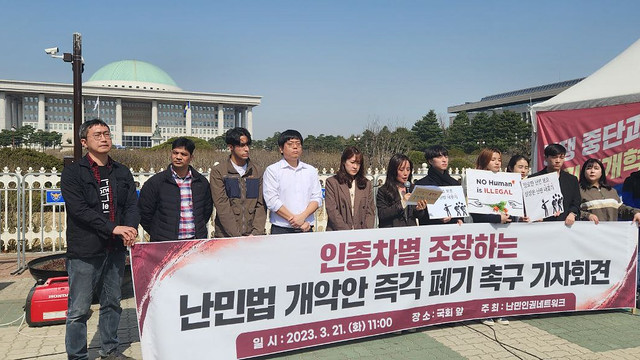
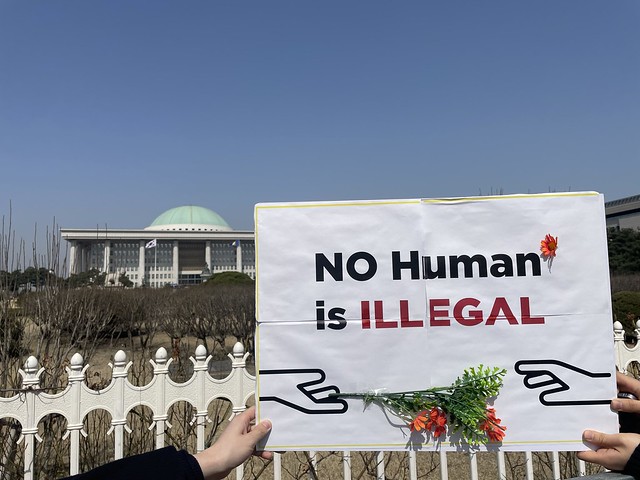


시민들의 의견
댓글 달기